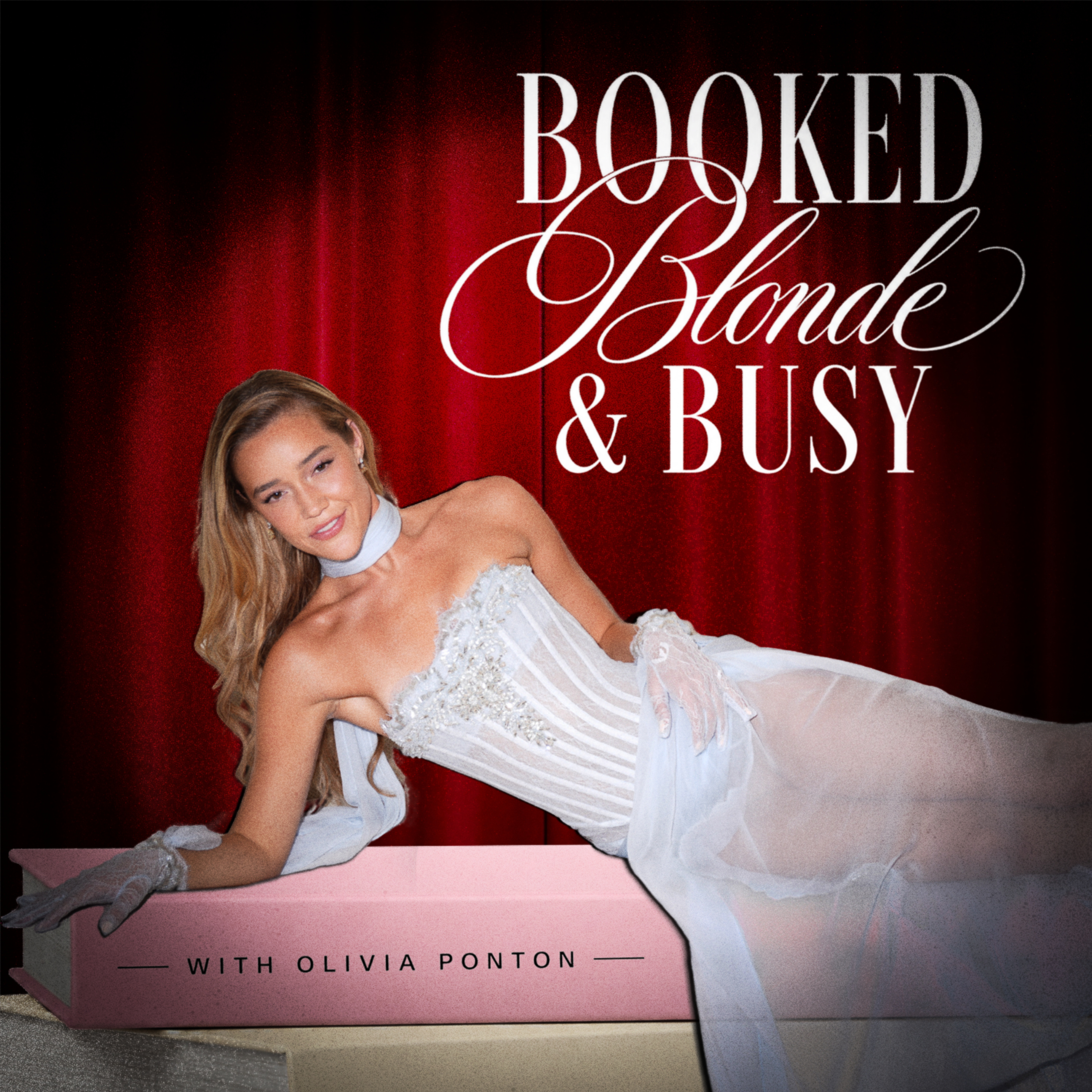
The episode centers on the power of "talking circles" led by Gloria Steinem, where women gather to share honest stories and build mutual understanding across different life experiences. These circles, rooted in feminist principles, explore topics like gender roles, AI, and masculinity, fostering empathy and revealing shared struggles—especially around domestic labor. A discussion on masculinity highlighted how many women feel trapped by traditional expectations, leading to meaningful exchanges of practical advice. The conversation also revealed a generational divide, with older women more affected by these roles than younger participants who don’t perceive them as binding. These dialogues underscore the importance of community and open conversation in social change. The episode is interwoven with a promotional segment for PayPal, which markets its new app as a comprehensive financial hub—offering shopping, payments, account management, and rewards—equipped with strong security features like biometric authentication and purchase protection. The app is described as a modern equivalent to a mom’s essential bag, containing all financial tools in one place.
This episode is brought to you by PayPal.
You know how a mom's bag has everything?
Sunscreen, snacks, a stapler?
The new PayPal app is like that, but for your money.
Shop, pay, manage your account, and earn rewards all in one place.
And with purchase protection on eligible items, biometric security, and pass keys,
you're protected at every step.
Download the new PayPal app to get started.
See paypal.com slash protection terms.
So tell me about these talking circles that you have going on.
I could talk about this forever.
So wait, before we go in, I'm going to give a little explanation.
Well, I don't know that much.
So you do these talking circles with Gloria Steinem, which is just incredibly iconic.
I don't even know where to begin on it.
So I'm going to let you – I have a few questions, but I'm going to let you talk
about it for a little bit, and then I'll do my follow-up.
So did you have book reports growing up?
Oh, like you mean in school?
Yeah, yeah, yeah.
Okay.
Do you remember like what you did your book reports on?
The Giver was a big one.
There was one other book that was the worst book that I've ever read in my entire life
because we were forced to do it.
Like not – that was kind of the main one.
Okay.
We didn't have ones like every single year.
It was just kind of like I think it was eighth or ninth grade we all had to collectively read.
Yeah.
As a grade, The Giver.
There was one other one my friend Emma would know.
But yeah, our school wasn't very like about that.
We did so many book reports.
And for every book report, I would dress up like Eleanor Roosevelt or Hillary Clinton.
My book reports on my projects were on women's history.
Like I have been a feminist my entire life.
And so when I had the opportunity to be Gloria Steinem's fellow,
I don't think that I've ever been more excited, in awe, in my life.
I mean, I felt that way like when I got to interview Reese Witherspoon.
But really like Gloria is just such a culture changer.
Like for anybody out there who doesn't know, she started the women's movement in America.
And she would tell you she didn't start it that she and a bunch of women did.
She's the most humble person.
But she really helped lead it.
And she has her brownstone on the Upper East Side of New York.
And in the 70s, in the late 60s and 70s, they started doing something called talking circles
where women would come and just tell each other their honest stories.
And one of the most feminist things you can do is share your honest stories with other women.
And it's part of the reason I love books so much.
And so these talking circles were themed a lot of times.
Like they would be about now.
They're like about AI.
They're about…
They're about women in sports.
They're about any topic that you're curious about.
And you gather a group of women.
I like to make sure that it's people from like totally different backgrounds, schools of thoughts, professions.
I love as many opinions as possible.
I love if people disagree.
And you have an amazing two-hour conversation.
There's no phones.
What happens is so magical because all of a sudden you realize like, oh, that also happened to me.
That happened to me too.
And it was like kind of…
I think the beginning of the Me Too movement, right?
Like, and it was women saying like, oh, I'm not alone in that.
It's really…
This episode is brought to you by PayPal.
Sunscreen.
Snacks.
A stapler.
Beautiful.
Have you…
Do you guys talk about like advice?
Yes.
I think people do sometimes.
I threw one on masculinity.
I was really curious about the topic because I kept hearing about the male loneliness crisis
and that men are in crisis.
And a lot of experts would say they're not really in crisis.
And I was like, I need to dig in.
I don't know.
So I threw it on masculinity.
And it actually turned into a conversation that was way different than what I had planned.
And that's kind of following the spark, right?
But it ended up being a lot about women feeling frustrated about like domestic activities,
like how they had more of the load at home, doing dishes, making doctor's appointments,
et cetera.
And so, yeah, women were saying like, here's what I did that helped.
X, Y, and Z.
And so they did share advice for sure.
Interesting.
Yeah.
Wow.
You're going to have to come to one.
I would literally…
I would have loved to come to the masculinity one.
Yeah.
Because I talk about that with my close friends, not often, but like when it arises because
a lot of my friends are in the LGBTQ community, including myself.
So when we're specifically dating women, the topic of masculinity, obviously like the most
stupid question that always comes up is like, which one's the boy?
And it's like, you don't have that toxic.
It's like masculinity when you're dating a female because there's not those like underlying
roles and rules of like the girl's supposed to clean up the dishes.
She's supposed to do this, that, and this, and that.
And that's what I bring into any relationship, whether it's a female or male or whomever.
It's like I'm never going to be that type of female and I own that from the beginning.
I'm like, if you want this, this, and this, I'm sorry, I'm not your girl.
And if that's what you want, go date a sweet, nice girl that just is all up in that.
Not me.
So interesting.
You know what was interesting is there were women of all ages at that one.
And one thing I recognized is that that plight seemed to be more common with women that were
like 40 to 60.
And I think there were like women there that were 19, 22, and they looked at gender, like
they didn't even really think about gender roles.
It was like not even in their purview.
So it would have been really interesting to hear your perspective.
Well, I would love, yeah.
You'll come to the next one.
I'd love that.
I would literally love that.
I would love that.
I got them delivered free from 1-800-CONTACTS.
Oh my gosh, they're so fast.
And breathe.
Oh, sorry.
I almost couldn't breathe when I saw the discount they gave me on my first order.
Oh, sorry.
Namaste.
Visit 1-800-CONTACTS.com today to save on your first order.
1-800-CONTACTS.
Podcast Summary
Key Points:
The host shares a personal connection to Gloria Steinem’s talking circles, describing them as transformative spaces where women share honest stories and build solidarity.
These circles are theme-based, covering topics like AI, women in sports, and masculinity, and intentionally include diverse perspectives to foster rich, inclusive dialogue.
The talking circles helped spark awareness of shared experiences, such as the Me Too movement, where women realized they were not alone in facing similar challenges.
A discussion on masculinity revealed that many women feel burdened by traditional domestic roles, leading to shared advice and solutions for balancing household responsibilities.
The conversation highlighted a generational gap in awareness of gender roles, with women aged 40–60 more affected than younger participants who don’t perceive such constraints.
The host expresses deep admiration for Gloria Steinem’s role in advancing the women’s movement through humble leadership and authentic community engagement.
The new PayPal app is presented as a multifunctional financial tool that combines shopping, payments, account management, and rewards—similar to a mom’s essential bag.
PayPal emphasizes security features like biometric authentication and purchase protection to ensure user safety in financial transactions.
Summary:
The episode centers on the power of "talking circles" led by Gloria Steinem, where women gather to share honest stories and build mutual understanding across different life experiences. These circles, rooted in feminist principles, explore topics like gender roles, AI, and masculinity, fostering empathy and revealing shared struggles—especially around domestic labor. A discussion on masculinity highlighted how many women feel trapped by traditional expectations, leading to meaningful exchanges of practical advice.
The conversation also revealed a generational divide, with older women more affected by these roles than younger participants who don’t perceive them as binding. These dialogues underscore the importance of community and open conversation in social change. The episode is interwoven with a promotional segment for PayPal, which markets its new app as a comprehensive financial hub—offering shopping, payments, account management, and rewards—equipped with strong security features like biometric authentication and purchase protection.
The app is described as a modern equivalent to a mom’s essential bag, containing all financial tools in one place.
FAQs
The PayPal app is designed to be a one-stop place for managing money, offering features like shopping, payments, account management, and earning rewards. It also includes purchase protection, biometric security, and passkeys for added safety.
Purchase protection covers eligible items in case of damage, theft, or failure to receive the item, giving users peace of mind when making online purchases.
Talking circles are gatherings where women share honest stories and discuss topics of interest. They originated in the 1970s as part of the women's movement, with Gloria Steinem helping to popularize them.
Talking circles cover a wide range of topics, such as AI, women in sports, gender roles, and personal experiences, fostering open dialogue and shared understanding.
Participants often realize they're not alone in their experiences, which builds empathy and community. These conversations help validate feelings and inspire mutual support.
Yes, the discussion on masculinity revealed that many women feel frustrated with domestic responsibilities and shared advice on how to manage household duties effectively.
Chat with AI
Loading...
Pro features
Go deeper with this episode
Unlock creator-grade tools that turn any transcript into show notes and subtitle files.
 PodcastTranscript AI