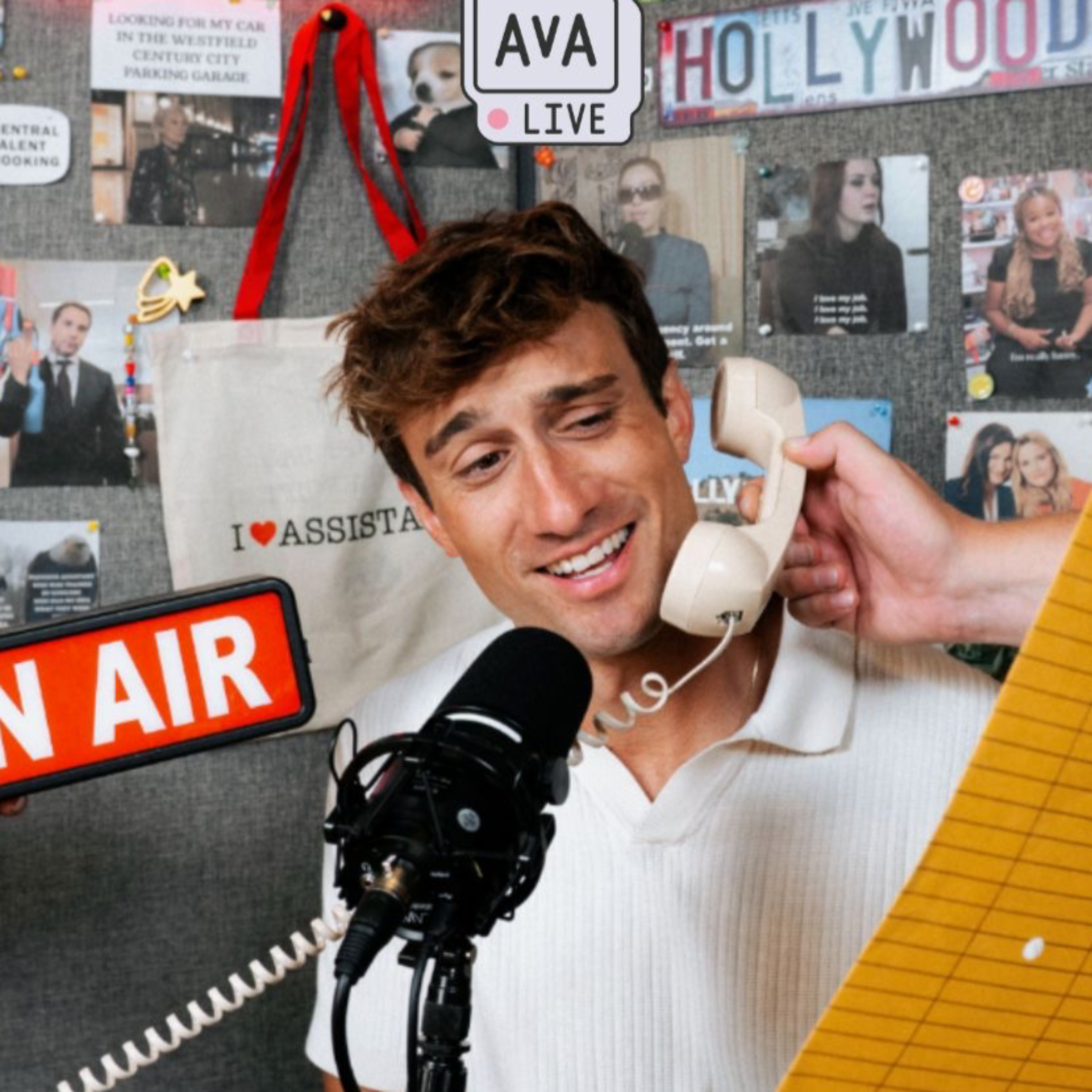
Daniel Mac, Debra Lee, Slow Ventures’ Jack Raines, Morning Brew’s Macy & Publicis’ Chris Pearson
1h 16m 2s
This week’s AV Live Entertainment talk show explores key shifts in Hollywood and the creator economy. The show opens with concerns about declining show longevity and intense industry impatience, followed by a critical examination of diversity in media, citing UCLA’s 2026 report showing only 10% of top films directed by women. Former BET CEO Debra Lee offers a balanced perspective on the streaming vs. cable debate, arguing that cable remains vital due to consolidation and demand for premium content. A major NIL deal involving Travis Kelsey and three arts sports illustrates how college athletes are now directly monetizing their brand, reshaping sports marketing. The panel highlights the creator economy’s rise, where platforms like TikTok and YouTube empower independent creators to build audiences and partnerships. Experts like Daniel Mack and Jack Reigns emphasize early career risk-taking, self-discovery, and the importance of diverse, authentic content. The show also underscores that traditional career paths are evolving—many creators now start with side gigs, pivot frequently, and leverage personal experiences to build credibility. With new metrics and platform changes, the future of entertainment is more decentralized, inclusive, and driven by real-time, authentic storytelling. These shifts signal a broader cultural shift, where content creation is no longer confined to studios but is accessible to anyone with a voice, a camera, and a willingness to take risks.
It is Wednesday, August 26th. Welcome to AV Live Entertainment's weekly talk show. I'm your host, Warner Bailey, fake Hollywood therapist, as well. It is episode 21, which means we're legally allowed to drink on set. Congratulations to us, just kidding, but shout out to Red Bull, our sponsor here. Keep me alive and well throughout the segment. And throughout another crazy week in Hollywood, we'd be remiss not to give a big RIP to Dali Parton, a hero, a lot of you are doing nine to fives out there. She's a queen, we love her, RIP. But we got some stories in Hollywood taking over, starting off with Hulu, pulling my favorite show on TV right now, not suitable for work after just one season. My theory is Hollywood's become too impatient. We're going to have a couple of media execs on to talk to us if they agree. Second, diversity in Hollywood is abysmal. It's at, again, an all-time low. And we're going to bring on the former CEO of BET Networks, Debra Lee, to talk about diversity, Hollywood, streaming wars, as well as cable coming back, have they won the wars? We also have YouTube, they're changing the way that views are counted. And that might be good for us, it might not be. We have a creator himself, Daniel Mack, he probably know him from what do you do for living, one of the OG Man in the Street Guys, as well as experts from Slow Ventures, Jack Reigns, who just wrote a book in Macy for Morning Brew. She's amazing and iconic, who's done more side gigs than anyone in Hollywood try to make a living. But the big story taking over the sports world and media world is this is an NIL deal that we covered last week that has to do a little bit with Travis Kelsey and a lot to do with college sports. So we wanted to bring on guy used to work with his name's Chris Pearson, a WMA who works at Publisys Group, to talk about this story taking over Hollywood. Let's bring him up. Chris, how are you? It's great to see you. It's great to see you, man. It's been a minute. It has. I briefed everyone. I know we only have about four to five minutes here. We work together, WME. Can you quickly define your role before we talk about this deal? Yeah, so I sit in the intersection, the brands are our clients, and obviously I help them now, and I work with a lot of the talent agencies, WME being one of them, and help them figure out what talent, what celebrities, creators, influencers, they should be working with in their marketing campaign. So that's where I sit at that intersection, obviously backed by our amazing data, but helping inform them who are some of the talent they should be looking at working with. Also, if you've ever seen your Instagram, you're always with the guy named Travis Kelsey, who we love. What's the relationship there, and then let's go into the terms of the deal? Yeah, Travis was actually my first client I signed when I was an assistant at WME. I was working for Stacey Mark at the time and was able to work with him through the years, and we just really developed a great friendship. And obviously it worked a lot in business together, and he's as good as advertised. I think everything you see with him is who he is, and he's just been, it's been a pleasure to get to work with him even beyond the talent agency world. He's on my fantasy team, so give him a little hint, better be productive this year. Let's go to the deal. Is it not? Yeah, we got it. It was an ounce last week. Walk us through this deal and what it means for media, for college athletes and college sports. Yeah, so I think for all your listeners, NIL, name, image, and likeness is what we're talking about, and we're talking about collegiate athletes. And so one of the things we heard from our brands is that they wanted to play more in this space, but transparently it only launched five years ago. And when it did, it wasn't something that I think everybody had a lot of time to build some infrastructure around. So when it did pop up, everybody started knowing, hey, we want to be first in the market, we want to do this. But because of that, there was a lot of fragmentation, the buzzword everybody uses about NIL as the wild, wild west. And so you fast forward five years to today, and a lot of the same problems are still popping up. And so what we're excited about with partnering with three arts sports and tecta and Travis, obviously we have the expertise on the brand side, understanding how to run a campaign, use the data, measure it, but also working with tecta with Aaron and Andre Eans, who are the head of three arts sports. I'm going to have amazing relationships with the schools, the universities and the athletes to ensure we're bringing everything together versus all of these brands having to navigate the schools, the collectives, the rules, all of that. Now it's a one-stop shop where we can help execute all their campaigns and make sure they've got the confidence in the infrastructure to do it. So give us a quick example for someone that may not be familiar with a specific NIL deal that's gone down. Can you highlight one or two whether you've worked on them or not? Yeah, I think, you know, a few that we've done, you know, the brands, the our approach is the brands reach out to us and it's understanding what's their brand objectives, what's the audience we're trying to tap. And so what we do with that is and figure out, okay, based off that information, that's going to help us inform what part of the country, what conferences, what athletes we should be going out to, women's sports, football, basketball, all of that. And so then working with the the athletes, we either go to if they have an agent or then we go to the schools themselves and I think what is so great about tecta being backed by three arts sports is essentially now every athlete is going to have that management element helping them read a brief execute content, send it on time and kind of help with all of those horror stories we've heard from brands of early days of working with athletes, so just don't know and don't know how to navigate the content creator space. And I'll give you a maybe a tough question, but is NIL good for college sports? I think, you know, look, I think it is. I think at the end of the day, it's it's one of those things that it's here. So now we've got to learn how to navigate it, right? And I think from a, and what we're talking about is from the brand perspective, getting able to work with these athletes, like we do it on the influencer in the creator side, right? We work with Gen Z talent that are as young as 15, 16, 17, 18 years old that are amazing content creators. It's the same thing on the NIL side with college athletes. It's just they've got their niche just like all these creators have whether it be cooking or gaming, whatever their niche is that their college athletes now that are great at this for and they have an audience for that. I think it's giving them that opportunity to let their personality show a bit. We love it. I'll actually end this with one quick question because I know you read W. Me as was I one piece of advice for anyone out there currently starting in the early career roles. I think the, you know, my biggest thing is Mark Geiger quote that I heard he's still one of the most impressive people I've ever been in a meeting with and it's anticipatory knowledge is what he talks about when he looked for who was good at being an agent is how do you see a problem before it becomes a problem and get in front of it and be proactive. And I think in the industry, you've got to be resourceful. You've got to find the answer. And if you think something's going to bubble up, get in front of it. And I think that's what we're trying to do. Obviously here with Tecta in this partnership as we see an opportunity and we want to be the first ones to solve for it. So Chris, thanks for love it. Mark Geiger ran the music division at W. Me when I was there. One of my favorite people I've ever worked with an amazing leader and awesome advice from Chris. We're excited to to follow what happens in the NIL space and throughout this this season and college football and for all of college sports. I appreciate it. Thanks for having me on. We're great to see you guys doing great things over there. You too, man. We'll talk soon. Look at that beautiful new graphic. Shout it to our production team. We put that together. That little swipe Ross and James. I see him over over those camera screens over there. Next up, we have one of my, one of the all-time creators, Daniel Mack. And maybe he invented the man in the street style it's debatable. I think he did. He has one question. What do you do for a living? And we're going to flip the script and ask him what he does for the living. Let's let's bring him on. There he is, Daniel. How are you? Hey, how's it going? Where are you at right now? I'm in Los Angeles. I was going to say it looks nice and sunny there, but let's go back to early career and then we can talk about what's going on today. I was watching a recent clip you posted. I guess it was probably a year ago that you talked about that big jump from the job that you had in finance to going full-time in the creator economy. Can you talk to us about that time in your career? Yeah, I just graduated from school. I was 22 at the time, I think. I had never seen like nice cars on the road. So I moved to Dallas to work like a corporate job. I was going to become a financial advisor. And then my first week out, you know, basically away from home, I posted my first TikTok video and it got like 40 million views or something like that just right off the bat, which was crazy. I didn't even show my face in the videos for the first like year or so. And then I started making more money doing social media than like my day job. And I remember there was like a crazy moment. I got a first check from Snapchat and I thought it was like a misprint because it was like a 60 day delay on payment. And I think it was for like $24,000 post cut, which was like half my annual salary. So once I got that and actually hit my bank account, I was like, this is insane. And then the next month that they came even more and more. So then I quit my job and ended up moving to LA. But at the time, I was doing both. I was going from work in like nine to five. And on the weekends, I'd fly out to LA, stay on a rodeo drive all day and like interview random people, fly back, do that whole thing. And it was a crazy first year because I was doing both. And I didn't want to, you know, make the mistake of quoting my job too early. I think I was probably a little conservative about it at the beginning. And looking back, obviously, it's kind of funny to talk about, but it was really scary at the time making that jump. And I'm glad I did. Yeah. And so I mean, you mentioned 24K. Obviously not enough to go full time on something, but it gave you some sense of belief and confirmation that what you're doing has mass potential more so than maybe a comfortable corporate job. What were some of the other things that you weighed in that time, besides the 40 million views on the $24,000 check from Snapchat that made you want to jump in full time? Yeah, I think I had some, thankfully I had some really good, really like advisors around me, I'd say that didn't want anything for me. And at the time, I was kind of conditioned to believe that, like, this was my path, and I was going to work like an enormous
my whole life because that's kind of like what you're taught to not really like take risks. It depends on the household you're brought up in and I do understand if you're like a parent saying like don't quit your day job over like some random thing you don't understand like social media and all that. But thankfully I was told by some close friends of mine like hey you're 22 years old, you have a degree not like a degree necessarily matters all the time but you have a degree if you don't if it doesn't work out you know you're gonna be fine you can go get another job another time but when that's your whole world at the time it can be really really scary making that jump and I know I I delayed it a long time so I had a lot of like cool people around me that just basically reinforced that in me and then I made the jump and it was all good but it obviously doesn't work out for everybody but in hindsight it's like yeah I didn't know I was so young like who cares if it doesn't if you make that mistake I don't think most people actually end up doing the job that they think they're gonna do uh ultimately like they end up doing something completely different so that's kind of like the advice I tell a lot of young people that ask me like hey should I do this should I do that like you're gonna probably end up working in a different job than you thought or five of them or six of them yeah a million of them and that's what normally happens here who give you the most pushback move in LA my parents uh I probably would too uh my mom cried when I quit my job uh she told me she was begging me not to for several months but the then the numbers sort of getting higher and higher like I remember at one point uh I'm not trying to like collect some of the money I was making but I just thought it was crazy at the time but I made like my annual salary in a month like a couple months in and at that point I was like okay this is like getting a little ridiculous like I would have a year of padding technically to get back to where I was at but yeah my family uh and then some of some of my friends but like that's understandable and hindsight and now I kind of joke around my parents about it but I would too about like a seven-year-old uh in this new TikTok thing comes out and and I'm talking about moving to LA it's just kind of like a classic you know I think that's something every creator's parents go through I think my parents have no idea what I do for work but I want to go back to the timeliness of when you started you mentioned the first video you ever did I read it was 24 million then it went up to 40 million do you think it was a why do you think what you were doing was so successful at that time and do you think it could be replicated today yeah I mean you know the concept of interviewing people that are wealthy like I didn't invent the wheel on that one but I think I did popularize it and make it large in like a vertical format I got lucky I'd say on the timing of when I started posting like TikTok was brand new but a lot of people still viewed as like the dancing app so a lot of my friends like if I were to ask them like do you have TikTok they'd say like no that's app stupid so a lot of people weren't creating content and people were just starting to hop on just to just to consume content doing it now is a lot more difficult like anything in like the entrepreneurial sector if you were to start new is like a completely different playing field now but I think like what separated me from a lot of people that were doing somewhat similar stuff was kind of the approachability aspect and not being as technical off the start like there's a lot of guru people out there that are like get rich quick and all this kind of stuff and I think audiences can kind of tell like when you're being genuine or when you're trying to like push something on other people or like push a course or stuff like that and like I genuinely was like I started doing it because I was just so imbaterated with the idea of like finding out how people get wealthy and I think my audience just knew that I wasn't trying to like bullshit them essentially yeah and people have tried doing it and people had done it before in different variants but I think people could tell like I was just like a kid that was like genuinely curious how do I get a Ferrari one day it's cool because like now I have like crazy cars by asking people what they do that app crazy cars so it's kind of like a weird concept to explain to people but I think that's kind of what separates me from some other people is like the my motives for doing it and then also just like my genuine like enthusiasm in asking people yeah and let's talk about the business side of it outside of making money from the platforms themselves the snapchat you had mentioned you know YouTube just announced that they're changing course on county views which we talked about at the top of the show platforms are harder to make money off of now directly than brands but where did the evolution of the business part of what you're doing start to happen and where do you foresee it going yeah I mean it was it was interesting because I know one of my family ever like did business like my family's all kind of medical and whatnot so like I had to learn a lot about just general things like creating an LLC and like creating employees and things sort of ramping up about like a year and like a sort of getting a management team agencies like reading contracts legal all that kind of stuff was like self-top I kind of wish AI was a thing back then because we've been easier for me to get that going but things sort of really taking shape when brands sort of hopping in on actually promoting their products on social media and like I'll tell you like it was insane like the old heads that were like working at some of these companies at the time in like 2020 on trying to teach them how to market and eventually most of them kind of got it some of them don't completely understand yet but like the money for the money sort of coming in in like large quantities because they realize like hey we don't need to hire a entire production company and have like a whole shoot for the day with like actors when we could just pay somebody directly that knows their audience can connect with them and the ad will actually do better with their audience because they trust them and there's just all this red tape that's eliminated so like I'd say like when brands started actually becoming savvy to marketing and also when they started understanding that you can't just like force feed an ad like a TV commercial where you can like can't skip it onto their audiences that's when like the money started coming in and that was like 2021 and now like the creator of economies a lot different and brands are you know they understand that like you know there's a lot more budget involved I should say but that's like when the business started really taking off and I ended up getting like two employees and then having like a team of like five or six because at the beginning it was like me wearing like 20 hats like I was like yeah filming legal like all this stuff so yeah what do you think Hollywood still has to learn about the creator economy I think like a lot of people are pushing back like especially like the aeless actors there's still like a little bit of pushback on like understanding the fact that like this is the new wave because yeah like people connect people can connect with you every single day that are filming content versus like a list celebrity hops on the screen like and they're pushing a product you have no connection to them so there's been like a lot of pushback in that room but now like even in the last year I'd say you you see so many large-scale actors working with like major players in the game like mr. Beast has done a video with every single person that's like an a-lister but even down like you know tears of like popularity it's becoming just part of like a movie is like roll out for example like you have to involve like pen creators if you want the the product to do well and also it ultimately can be cheaper for the ad like depending on what you're pushing like it's a movie or it's a product it's still it could be cheaper even but those rates are going up so they're still learning but I'd say like Hollywood is like almost there on it and like marketing companies are like almost there but it's still not complete it's close so I think Hollywood and traditional media and creator economy are becoming one at this point especially when you would mention the rollouts unless you're the Odyssey I guess they banned creators from from watching you know they're the previews or that shop on a ticket that banned influencers which went pretty viral but other than I think we're in a good spot in the last couple of minutes here I want some story time so you've interviewed hundreds of people on the street ask them what they do for a living what are some of the best piece of advice that you've ever gotten well yeah I've definitely gotten a lot of advice that's for sure I'd say like what what I've been taught is that typically you can't get rich quick unless you're lying so like I have a lot of people that will tell me like invented cars and at this point I can tell they're rented like if I go to like Miami there's like some some examples of like okay I I got rich on Bitcoin and like that's great or like I got rich on like some whatever coin but like the majority of people that I interview have like somewhat boring jobs and invest their money slowly and like things that are pretty stable like yes and be 500 and whatnot and almost all of them own their own business so like 95% or so I'd say of the people like driving super cars like own their own business because there's only so much money you can make working for someone else so you have a few people like engineers doctors whatnot that have invested their money safely and then the rest are like business owners and then I'd say another large bucket is real estate for making money like probably nine out of ten people that I've met own some kind of property whether it's like commercial or residential so I'd say like yeah making money is slow and boring for most people and there's like rare instances where that's not the case also I'd say going to college is probably less important now than it was back in the day a lot of people I interviewed didn't go to college but I will say if you go to college what you major in is definitely important and it used to not matter as much like a degrees of degree like in like the 70s 80s whatever but now like if you go to college and you put up this huge huge mass investment with some people like in student loan debt you could technically wreck yourself while wasting time on opportunity costs of like not working for those four years but also being in debt with something that no one cares about so like the trades are very important and interviewing people they're like plumbers they're like electricians and like with AI becoming even larger now but you can't replace a plumber with AI so like I'm seeing a lot more people that are doing stuff like that and that's like really interesting to see so I recommend
I recommend people like, you don't know what you're doing or don't know what you want to do. Don't just rush to like go to college and like get a degree that you don't know what you're gonna, like the main and I may not be good. Like, be sure like taking a break, maybe like work for a little, like figure out what you want to do. And like, you don't necessarily need to go to college. Those are some of the pieces of that. - I love it. - No, it's great advice. Build a paper trail. We got one minute here. We have a little game we want to play. What do you see if we play a game? - Let's do it. - The answer is yeah. So we have a partnership with many chat where we're gonna read hot takes in the creator economy. And you're gonna tell me you either agree or we have a beautiful pink shredder over here that you can't see, but once you rewatch this and you're gonna tell me either I agree or we're gonna shred this thing. First up from Pedro F. Sounds like a shit poster online. Man in the street style interviews are all staged and inauthentic feels intrusive of people's spaces. Are they staged or are they real? - It depends on the creator and the context. I'd say if it's a celebrity, it's usually staged. If it's not, it depends on the creator. I film real people all the time. So I'd say I disagree that they're all staged, but I'd say a lot of them are staged. So, what about invading people's spaces? - I think people that wear metaglasses and record people low key are like terrible. Like I have like a conductive policy with it. Like if I'm on Renee O'Drive, I'll tell people I don't go to people like in like grocery stores or random places. So like if you're like low key filming and people will do it to me, like with like metaglasses, then you're invading people's privacy and you suck. - I love it. What about the last comment here from Susan is that man in the street styles are dead. How about that one? - No, I disagree completely. It's here to tell me to shred it, right? - Yeah, yeah, yeah. Maybe eventually, I mean, it's definitely like over, it's there's a lot, it's oversaturated, but it's definitely not dead, it's not on my feet. - We just launched our own. We love them. We love your content. Congrats on what you've done. It's cool to see. And inspiring to see the business you've built out of it and the stories that you're able to tell to a young audience and we appreciate you. - Thank you, thanks for having me on. - Thanks for joining the show. - Daniel Mack. Big shout out to many chat for being the behind the scenes hero helping creators turn passions in income and for bringing this beautiful pink shredded to life. We love you. We're gonna hit a quick pre-record from our friend S.J. - Hi, I'm so sorry, I'm late. My car broke down on the way here and my dog died yesterday. Anyways, how was St. Bartz? I've got Eric online on for you. Hang up, hang up, hang up, I'm so sorry, I'm so sorry. I gave you the wrong area code. Do I have dyslexia? I don't know, I've never got tested. What did I think of the weekend read? I think I definitely read it. You want me to go pick up your vape? I think I can do that, how heavy is it? - We love S.J. She might be making an appearance here live. She might be outside these doors. Next up, two big stories taken over Hollywood. What I really want is about diversity in representation in the industry and I guess the later part of that that we talked about earlier was the streaming wars versus cable. So I thought who better to bring on than the former CEO of BT Networks. Debra Lee, we have her live, joining the show. Now let's bring her up, bring her up. Debra, how are you? - I'm great, how are you? - I am great, thank you for joining the show. I heard a little rumor that you started a handbag line. Can we hear about that first? Oh, sure, I'd be glad to. Yeah, about a year and a half ago I decided, I needed more joy in my life. I've retired a couple of times and I've always wanted to do something in fashion. And I had thought about starting a handbag line about 10 years ago and then put it aside because I was still CEO of BT and decided that that buy-con might not like that. So I put it aside and then when I was thinking about way to get into fashion, I pulled the samples off the shelf and talked to my partner and we decided to launch it. So about a year ago I launched it at my summit where we have a boutique every year and got quite a few orders and then it was the next step was trying to figure out how to produce them. So that's what I've been doing for the past year and I had an official launch in April. And so yeah, I'm having a lot of fun. - I love it, I can hear the passion in your voice and I know that your mom taught you to sew and your grandma was a seamstress for my light research that we did. But I wanna hear when did you first get into entertainment? - Entertainment, well I first got into entertainment. In 1986, I had graduated from Harvard Law School. I thought I was going into government while I was clerking for a judge, the Republicans won. And Ronald Reagan, you may remember. And I decided I wasn't gonna go into a Republican administration. So I went to a big law firm called Stepto and Johnson to hide out to Democrats came back. Took them about 12 years to come back. So after five years at the firm, I said, "Well, it's time to go do something else." So by that time I decided I liked media. And so I started looking for in-house positions at corporations and luckily BET was a client at the DC law firm where I was working. We didn't have cable in DC. So no one had ever heard of BET. But I was offered a position as general counsel by Bob Johnson, the founder of BET. And I decided to go in-house and start a legal department. And it was very exciting and looking back all the partners who told me not to do it were wrong. They all said cable is gonna go out of style or business or something else would come along and take it over. And luckily it didn't. So I was at BET for 32 years. And started off in the legal department, started the legal department. And then over time started doing more business things. And then I moved over to be COO, which allowed me chief operating officer, which allowed me a chance to do more business things. And then that was 1995. And then in 2005 I became CEO. So it was a great ride and I learned a lot about media. And it was unusual to have an entertainment company in DC. So I would be their New York or LA. But it worked out, we could get the cable signal to the cable operators all over the country. And I had the pleasure of watching BET grow. We were the first black company to be traded on the New York stock exchange. So that was a very exciting time. And then we took it private because we felt the market wasn't giving it the value that we deserved. And then a few years of Icom came along and offered to buy the whole company. So there are always corporate things happening in addition to the company focus on putting on cable programming 24 hours a day. And after we went public, we just decided there were a lot of other brands, I mean a lot of other areas where we could take the brand. And we got into films and started jazz network. So it was a very exciting time, especially when you compare it to now when we don't know what's going to happen. Well, let's talk about that. I want to talk about now. And I think you have such an interesting viewpoint because you've been a part of it. And you're also involved in it now, of course. And so one of the big stories happening now is the streaming versus cable wars they call it. But a couple of things happened recently. Netflix, Disney, and Amazon are cutting back on price increases for streaming. There's also consolidation. There's been things that are making it seem like cable was right after on terms of bundling. What's your take on the current market of cable versus streaming? Well, I can't say a whole lot about it because I'm on the Warner Brothers or Discovery board. So I don't want to say anything that will affect that acquisition. But I think we've seen consolidation coming for a long time. Yep. When I left BET eight years ago, I could see consolidation coming. And no one was sure how streaming would affect the cable networks. And at that time, cable networks were selling their programming to streamers like Netflix. And I remember we felt like that was found money. We had programs on the shelf. And Netflix said they would pay for it. And we were like, wow, that's interesting. So we did. And then Netflix built their business based on reruns of cable programming. Of course, now there are streamers who are doing a lot more original programming. So I kind of feel like it's the same thing that happened 30 years ago. You know, you have a monopoly. And but you hold on to the old technology. And before the old technology was broadcast networks. And everyone thought cable was going to put broadcast networks out of business. Well, of course, that never happened. Even with must carry rules, which said that cable networks had to.
carry broadcast networks. So the broadcasters is still here. I don't think cable networks are going to go out of business. I think it's just going to be how they're restructured after the consolidation. And there's a lot of talk trades mostly about the decline of Hollywood. We remain really optimistic here. Why should we and young people out there wanting to break in the industry remain optimistic about the state of Hollywood? Because I firmly believe some of the Redstone said this years ago, the content is key. And people want content. And young people don't care where they get it from, but they still want it. And the more variety you have, the better off it is. So even with the consolidation, there's going to be a demand for programming. So I think the industry right now is producing some of the best content we've seen in years. And movie stars are coming over to the cable or streaming. Things like Yellowstone and all the spin-offs of that that are doing so well. So I think the fact that the industry is still producing great programming is a great sign. And people are willing to pay for it. Young people may be a little different. But if they want the premium programming, they're going to have to pay for it. So I think that's a good sign. I also think there's a great equalizer in terms of opportunity. I'm filming this out of a garage with things I bought on Facebook Marketplace talking to someone like yourself, so many others. And there is more, I think there's more opportunity to break into the industry than ever before. And I think the people that will are willing to adapt the definition of what content is and where it's reaching new audiences will win. And so refreshing take, I love it. One of the things, though, that not as refreshing things that we cover is diversity in Hollywood. There was a UCLA's 2026 Hollywood Diversity Report. It said women directed just 10% of top theatrical films lowest since 2018. What are you seeing in terms of? Let's start on the women side of the industry first. I thought your career. Where do you think Hollywood still has room to improve? Well, I think there is still a dearth of women doing different things like directing and producing. I hope that's changing. You see people like Sally Richardson who used to be an actress who's now directing several shows at one time and has been nominated for Emmys for those shows. I think as an industry, we still have to work on it. We need diversity in programming. I see a lot of the networks and streaming services focusing on diversity. They may have gotten rid of their introductory programs for fear that it may be DEI, which this administration doesn't approve of. But I think the shows are coming along. I would say the high point of it was a couple of years ago, but I hope with good quality programming will remain popular. Last year we had centers, which was a huge success in the theaters. We had a show called Forever that was written by Mara Brocaquillo on Netflix and it had numbers. Both of them were targeted. Well, I wouldn't say they're targeted because now you don't have to be targeted to like neck community. You know, everyone wants to see it. So, you know, centers had numbers that were off the chart. Forever had numbers that were out off the chart. So those are two high points, but I do hear from actors and producers that they're a little nervous that networks are going to cut back on diversity. And I think that's a real problem. Yeah. And two of the other quick facts, 23% of film leads were people of color and 20% of total actors were, you know, hope obviously things trend upwards. What advice would you have for someone sitting there who's young, who feels like they're not represented in Hollywood? I would say and I've been saying this for a couple of years. If I were starting a business today, I would start a production company because people, all these networks and all these streamers need content and they need high quality content. And that includes diversity. So I would say keep producing, you know, try to find partners. I see Shonda Rhymes renewed her deal with Netflix. Eseray just did a deal with HBO, so they're still in need for diverse programming. And I think don't get discouraged, you know, try to find the funds. That's always a challenge to produce the programming. And then be open to where you sell it. I mean, like you said, you're in a garage. And Eseray started Awkward Black Girl years ago. And it was online. Her big goal was to get on TV, but I don't think that's all everyone's goal anymore. You build up an audience on YouTube or wherever. You should go for it and that'll show your value and you'll be able to do something with that programming. We love it. In the last couple minutes here, I want to highlight the shows about assistants and young people. I'm sure you've had amazing assistants throughout your career. Can we talk about where some of them are now? Oh yeah, I've had amazing assistants. I was just up in Martha's Vineyard last week. And my foundation leading women to find, which I started 18 years ago, to bring, you know, really prominent and emerging people of women of color together so they can network and help each other promote. I found the further I went of the corporate ladder, the lonelyer it became. So we had a big reception with about 300 women. We've done it up there for about four years. And at least two or three of my assistants were there. I hadn't seen them. One's an attorney. I told her don't go to law school. She went to law school anyway. And she's with a law firm in Boston. The second one worked for me for years and did a lot of events for me because we always did events around our workshop. And now she has her own event company. So I'm really proud of the assistance I've had. Some of who took my advice and some it didn't, but they're all doing really well. And my thing, this was my approach to assistance. I never wanted an assistant that wanted to be a professional assistant. I just didn't go with my what I wanted out of a career. And so I always looked for assistance that wanted to do it for two or three years, but then wanted to do something else. And I tried to give them opportunities within the company. And if they wanted to go outside of the company, that was fine too. But that was my approach. I think the important thing with assistance is to grow them and give them opportunities to grow. And I think it's wonderful you're focusing on assistance in this podcast because they're critical to the day-to-day life of most companies. I was once one at WME. We only have about 30 seconds, but I want to get this question out. Now that we're talking about assistance, what makes a great assistant? I think a great assistant is someone who's willing to learn on the job. In a situation like BET, you have to learn new things every day. And I would depend on my assistance as much as I could. So be willing to learn, be willing to stay late. Don't ask for a raise every time you get a new area. Just keep doing it and learn as much as you can. And cater to your boss, you know, whatever they need. And in the media industry, it can vary from day to day. So I think it's a great way to start. Was I ever an assistant? I think I was a receptionist for a while, but it's a great way to get to know the company, to figure out, do I want to do advertising, do I want to do programming? Could you see it all? Especially if you're in a CEO, CEO, office. So I would highly recommend those kind of positions. I love it. Just get your foot in the door and the rest is on you. Deborah, thanks for joining us. Congrats on your lustrous career. Excited to see where it goes, including some handbags in your future. Yeah. Thank you. It was great talking to you. You as well. Pleasure. All right. Have a great day. You too. Bye-bye. From Deb Early to Jack Reigns, we got a fan favorite over here. Just wrote a book. We're going to talk more about that. He is in the waiting room, I believe. We're going to pull him up. He is an investor at Slow Ventures. Slow Ventures launched a creator fund that invests to directly into the business of creators and them creators themselves. And he is one of my favorite followers on X. I'll call it Twitter. On Twitter, there he is. Jack Reigns, how are you? It is Twitter. I'm good. What's up? Thank you. I was refreshing. If someone says X, they're over. Before we get into this all, I think one of the best days of your life was young money. But I think the best day of your life was, do you recognize this picture? That's sort of pull this up. So I believe that's good stuff. Let's go back.
October 5th, 2019, versus Chattanooga season high 12 tackles was that the best day of your life? Top three. Yeah, that's top three. It was a good day. I love it. Well, jokes aside, congrats on the book. Tell us a bit about it. Yeah, so young money, I feel gods who wealth and purpose in your 20s, even if you're no longer in your 20s, still a good read. I just got a DM on Twitter, not X from a 38 year old who loved it. So the entire book is about making the most of the opportunity cost of young adulthood. Your 22, 25, 28, you feel like you don't have that much time to do all the fun, interesting, crazy stuff. You want to do what when you're young, but you're also worried about having a successful career, you're ambitious, all this stuff. You know, you don't want to go one way where you go full hedonistic and like never get your career together and then you're like 35 and broke. You also don't want to miss out on doing the fun, crazy stuff, 25, whether it's moving to a new city with your friends, living abroad, starting a company, it's, you have max optionality. How do you make the most out of it? That's what young money is. It's like the defining decade, but written by a 29 year old guy, instead of a 42 year old woman. I love it. Check it out. At 36 or 38, kind of aggressively, it's bad to tell you I'm 33, but I still enjoy it. You're getting there. I'm getting there. Get a little gray up there. We got to get Rogaine as a sponsor in this bad boy. Maybe hymns. I feel like that's more important. I've been doing the topical finasteride for a couple of years now. We're good. You're almost up here, man. You're almost in 30s. But why were you uniquely positioned to write this book? And in that, can you tell people a bit about what you do? Yeah. So I've, I mean, my day job, I work in venture capital. I'm at Slow Ventures. My fun little side hustle hobby I've done for the last five years is I've been writing a newsletter blog, call it whatever you want on substack, where at times it was a travel blog. I spent a year backpacking year up when I was 24. You can read about it in the book. At times it was like a finance investing blog, but a lot of it has really just been my thoughts on whatever is like the top of mind issue or just the big thing I'm thinking about from age 24 when I started writing online to now. So I pretty much documented my entire psyche of the whole navigating moving to New York, living abroad, living in San Francisco, trying to, I wanted to spend the year, you know, backpacking, living in hostels. I also had a 27, a really big career crisis. I want to change what I'm doing with my career. How do I redirect? So I had captured all these on real time over like over the last five years of my blog, had an opportunity to basically pull it all together in a story in the book form. And, you know, most of these like reflective, here's what you should do in the stage of your life. Books are written by somebody 20 years removed. They kind of have this rose tinted glasses view of like what somebody should do in the stage of life. I just went through all this stuff and I'm still somewhat in it. So I think it's a lot more fresh and raw and relatable if you're 24 and you're trying to figure out what to do with your career with AI, hearing it from, you know, 29 year old than a 45 year old. I love it. I don't know people out there remember spark notes probably gotten trouble using that in high school, but for the spark notes version of young money, what is the biggest mistake people make in their 20s? I think people are too risk of burst. You know, when you're when you're 24, it can feel really scary to go to something new or different or whatever, but the reality is if you're not married and you don't have kids, you don't own a home, like even if you don't have much money saved up, which you probably want in your 20s, that's the fear that people have. They haven't made that much money yet, therefore they're worried about trying something different. Your burn rate is really low and your ability to bounce back and find another opportunity if a thing doesn't work is just really high when you're young. So if you have a crazy idea that you want to go after or just something totally different that's off the straight narrow, be a consultant or banker or whatever, the risk is a lot lower than you think when you're 24, 25, so you should probably go for it because the older you get, the more your life costs and the bigger the stakes are of making a change. It's just easier to take that shot when you're young. I love what's the biggest risk you've ever taken in your career or life? Probably trying to match my boss on hinge at my first job when I was 23. I mean, that was up there outside of that. Was that right? Was that why the career pivot happened or no? No, actually, I mean, I'd already planned on putting my job to go, like, basically bopper on the world for a year, but I started doing like, I basically started putting myself in a position where if I get fired, I won't really care. After I put my job, we chatted about that. She thought it was pretty funny. Obviously, never engaged while I still worked at UPS, which is my first job. I actually biggest risk. I mean, I think it was always just moving to places I wasn't used to, like I grew up in Georgia. I spent a couple of years living in Atlanta after college, and then I bought a one-way ticket to Barcelona and basically didn't come back to America for a year, and then moving to New York felt like a risk when I didn't know anybody here. I moved to San Francisco on a whim for a new job, and I didn't know anybody there. So the constant reinvention of self by moving some of our new geographically, once you've done it once or twice, you know that you know how to do it, but it's always pretty nerve-racking. You mentioned a little bit earlier, but what are some of the single, besides taking a risk, single biggest piece of advice that you have for someone earlier in their career right now outside of taking a risk? If you're a year or two into a job or a path, and you're not sure if it's the one for you, I think it's tough to tell when you're young, like a lot of starter jobs suck. Like if you're an assistant to a talent agent, that sucks. If you're an analyst and investment bank, that sucks. Like most starter jobs that can become interesting tracks, that first version of it is not fun. The thing to do is look at the person for five to ten years ahead of you, and if you find yourself envying their life, then it's probably worth sticking out the part that sucks because there's delayed gratification that pays off. If you are not envious of their life and you think doing what they do, if you're 24 and what the 30-year-old is doing doesn't look good, you should probably make a change, right? I think that's a pretty good way to determine am I on the correct career path from me or not. And then it's also totally okay to reset a couple of times in your 20s. Like it can feel a little bit overwhelming if you're 27 and then you're in the mail room with 23-year-olds or whatever. But guess what, when you're 45, you're not really going to care if you found your thing at 22, 25, 28, you're just going to be glad you didn't waste 20 years doing the wrong thing. So just like looking at the people ahead of you in your career path as a North Star, this is what my career will turn into and not being afraid to reset if you don't like what that picture looks like. It's just, it matters. Banner, love it. And don't match their boss on hand, you're at least don't swipe right. I'm assuming she swiped left. She had the X or whatever was up there. She's happily married with a kid now and I'm not. But you're a polished author. I am a polished author. We're going to end this segment. We have a fun little game. What do you say to play a game? You obviously played it not as well as against Chat Nooga in 2019. But let's play the little game here. With many chat, we have a beautiful pink shredder located next to me, a paper shredder. And we're going to read a anonymous thing written online on the interweb. And you're going to tell me, do you agree with it or you disagree and we'll send it to the shredder. Let's start. Is it just me or is anyone else sick of creators? I'm tired of the internet being overrun with creators pushing their productivity hacks, financial advice, and endless self-improvement content on us. Do you agree or do you think there's room for creators to provide high quality content out there? So I agree with that take in that there are a ton of creators making the surface level abstract to different versions of LinkedIn Slop is what I call it, whether it's personal finance, self-improvement. Totally agree with this. I think there's a lot of room in niches for people to find interesting like carve outs, but as a whole, too many people are all doing the exact same thing and it's just it's all clawed slot. I love it. So we get to we get to keep that one. We'll send it to the shredder later on in life. Yeah. Jack, thanks for joining us. Go check out his book. Thanks for the advice and the wise wisdom. We'll see you out in the streets wherever you are. Appreciate you. Well, listen, I'm around. See you, Warner. See you. Jack Reigns to a creator very much in front of the camera who also had a bit of a pivot in her career. Macy from Morning Brew. You've seen her video. She's the biggest side quester. There's ever been in the history of the world. She's also the creator of Out There, which is a so which is a series that she's going to get into. We're going to talk all about her side quest. Macy, there she is. How are you? Hi, I'm doing great. How are you doing? It is great to see you. What's behind you right now? Give us some highlights of what I'm assuming at your office. Like what? I'm at the office in one of our studios. This is our beautiful bookshelf. We bought these books by the yard and then organized them by color, since they are primarily a set deck. This is actually one of our three copies of Shanta Rom. If anyone's familiar, we end up with copies. The Morning Brew puzzle book, some real classics on this show. I feel like not only collecting, but you also side quest to bunch out there. Looks like some of that may have been acquired through. Can you tell us and our viewers a little bit about yourself? Yeah, absolutely. I've worked at Morning Brew for four years now. I started on the Twitter team. I was tweeting and then I worked my way into social video. And then I worked in social video for two years, making a daily social video, which was crazy. And then about a year and a half ago, I pivoted to have my own show on Morning Brew's YouTube channel. It's called Out There. The thesis behind the show is that I get out into the world and try something for myself, because I think that's the best way to show how difficult so many of these jobs are. The first one we did was about DoorDash, and I wanted to show why DoorDash can't make any money, and the drivers aren't paid anything, and the restaurants are
paid anything. So where's the money going? And I figured the easiest way to show that was to, you know, strap on the big backpack and get on a bike and film it. So I try things for myself, and then I interview people who've been doing it for years, so you kind of get the perspective of the expert, but then you can kind of see that like first day perspective of like what it would be like if you tried this job for yourself about how well you would probably do. What's the craziest side question we've ever been on? The video where we made tequila from scratch was pretty crazy. We were in tequila, Mexico at Jose Cuervo's distillery and their farms. We did it all in one day, which is rare, to do that much filming in a day. We started the day in the fields with the hemidores who harvest the agave, and I was like swinging an axe to cut down the agave, and then by the end of the day we had trucked it all to the distillery, distilled it all, and finished with bottling it, and then I overfilled the bottle and had to take about four shots to empty the bottle back. I think you had to, yeah, oh no, I have to take four shots. It's nice tequila, but you shouldn't drink it warm. Four of them. How about an empty stomach after 12 hours in the field? I love it. But let's talk about how you first initially started making content at Morning Brew. Can you walk us through a bit about that time in your life and talk to us about the evolution throughout? Absolutely. I started at Morning Brew straight out of college. Morning Brew was my first real job out of school, which is so fun to now have been here for just over four years. I went to school for business because I wanted a degree where I could always change my mind and do something else, so I would say I'm succeeded in that regard. I was doing a lot of stand-up at the time, and I was also doing internships in social media, so I had business, social media, and I was funny, and I was reading Morning Brew because I was a business student. So I applied to be a social media manager for them, and I started on the Twitter team. It was a great way to start my career because what I've done is I went from the shortest form content to the longest form content that we make, so I've gotten so many reps as I go. I used to tweet once every 30 minutes at least from 9 to 5, and so it was so many jokes and so many such brevity, and then I expanded a little bit, and then I got to do social videos where there was only one a day, but it's still very short, and it's still one shot on goal every day. And then now working on YouTube, I post every month or two, and so I really appreciate having started the way that I did because it really helps me get so many reps in, and I feel like I know our audience so much better because I've just been with them for so long and tried so much. But when you were in business school, I'm assuming that you probably never thought that you'd have a career so in front of the camera. Was it a lot of just saying yes early, raising your hands for things that were offered, or why do you think you ended up in this role? I think that I've always been partial to things like this. I was always a theater kid, and then in business school, I very much immediately kind of leaned into more marketing than business. And so I think that that kind of evolved, and then it was, it was 2022 when I was working in like marketing internships. The thing was like the social media manager who's being funny, so I was working at some like B2B SaaS hiring company and Montreal trying to do like funny TikTok videos for them, and they were like we don't want this. But I think I've always had a desire to be on camera, and I've also always been like pretty critical of business sometimes for someone who's like a business student that like reporting on business when they do things right, and like uplifting them, and also reporting on when they do things wrong, is nice to be able to do. I was doing this for nine years before I took a leap 21 weeks ago as episode 21 to be in front of the camera. What advice would you have for people that want to be in front of the camera, but haven't yet? I think it takes a lot of reps. I would definitely recommend doing something like an improv class, or a sketch writing class, or like a stand-up class, or like you know a class, but then also just like find a way to do that repetitively. I think getting performance in other ways is super helpful, and also just helps you hone what you're doing. Writing for social media now basically is comedy writing. We mostly hire comedy writers at Morning Brew for our social team, because that's what we do. And so I think it's really helpful, but it's like it is something that you just have to get over, and posting online is inherently cringe, and so you do just have to cross that, and then you get past it, and it's okay. I think trial reels can be incredibly helpful for people if they're like, I want to start posting on Instagram, but I'm embarrassed to post an influencer to my friends. It's like, well, if you do trial reels, if you don't know, that is a thing where Instagram shows it specifically to only people who don't follow you yet. So if you're being shy around your friends who know you personally, or create a new account, or something, but like posting online is always going to be cringe, and you just have to cross it, and that's okay. Love that. Something that is very public is something called stand-up, and we have someone in the chat named Ray Tierney X2B. Macy should do more stand-up girls degrees. Who is Ray, and should you be doing more stand-up? Ray is my awesome boyfriend and your friend. We love Ray. He's in the chat, shout out, Ray in the chat. Are you doing stand-up right now? I'm not doing stand-up right now. Morning brew, I'm doing like live show stuff that I wouldn't call stand-up because it's like PowerPoint comedy, so it's not pure stand-up. But I actually did just have a show last night. Morning brew did a variety show last night, with many of our shows did a little segment, and so that was really fun. We were at the Bellhouse in Brooklyn, and then next week, actually, Morning brew employees are independently putting on a play that is a school play style version of the social network at caveat in New York City. Love that. That's amazing. Take it sir. Probably almost sold out, because I'm going to try to get some of those. I won't ask for cops, but you bring up a really interesting thing now, which is how brands, creators, and others are trying to go IRL and create experiential events for their communities. How much of an emphasis is that for you? For Morning brew, and you see for the industry as a whole? We've been focusing on that a lot this year. We have a standing slot monthly at caveat in New York, so like half of the slots are filled by Dan Tumi and Goodwork. They're doing a show every other month, and then the other six slots are filled by whoever Morning brew comes up with an idea to fill the slot because we are just investing in live events right now. They're very fun. We've found that our audience is really into it. Our Morning brew daily podcast has been doing, I think, monthly trivia that sells out every time their fans are absolutely rabid for it. I think people want to hang out and to hang out around a shared interest feels so much more genuine than if it's just like a bar. You feel like you're going to have more in common with the people there. You feel like it's maybe going to be certainly more something that you're interested in. We've seen a lot of success with it, and it is something we're prioritizing right now, and something that advertisers are asking us for because they want to be thought of in that way. Yeah, we did twenty something events last year, but we found that less is more in bringing some sort of unique aspect and drive FOMO like I have to be there for this certain thing. We actually have a pickleball tournament coming up. We're making the mail rooms play each other that's not announced, but in that vein of just trying to be a little weird and off-center, but something else is pretty weird is AI Slop. Let's go through two quick stories that are happening in the industry right now. When we were talking before, you had mentioned a Wall Street Journal AI Slop, something to do with that. Can you talk to us about that? Yes, there was an op-ed written this week where it came out that the op-ed was written largely with AI, and then Wall Street Journal's editor came out and basically defended that and was like, yeah, that's fine. Of course, it was. I think the conversation around it online was very much that this is kind of like going to be a moment we look back on as the moment that it shifted to something that is like shameful to something that is being defended not only by the transgressor, the author who did it, but by the editor of the paper is crazy. It's like, I mean, the questions of quality that that brings up are ridiculous. The question of, okay, what is the point of the paper even? Or I could prompt AI to write an op-ed in the style of whoever I wanted. I think it really just devalues the work. I'm incredibly anti-AI in any creative pursuits. I love that. Does AI, especially in the generative side of any place in Hollywood or entertainment? Absolutely not. What is the point? It is cheap and it is disrespectful to your audience to tell them that they don't deserve something better than that is ridiculous. I'm going to give you 10 clicks for those only five, but for that take. I think it also makes human-made content more valuable. So about content, there's the other big story that we covered was YouTube changing their course on how they're counting views. How is that affecting someone like you as a creator is making videos? So yeah, YouTube has traditionally counted views differently than other platforms, which I think is fair because YouTube videos are different than an Instagram video. YouTube counts views as past the past 30 seconds in a video that counts as a view on YouTube. Instagram, if you are scrolling reels and you literally scroll past something as fast as you can, that still counts as a you for that video. YouTube is now
changing to be that model where it's like one second of a video that counts, what that does is it's just going to create an inflation of views where like now when you see a YouTube video with a million views, it doesn't mean the same thing. There are going to keep things on the back end, I will be able to see the number of engaged views, something had which will still be past that 30 second mark. And so that's all I'm going to be looking at for my videos now because that one second view doesn't mean something to me, it's not a valuable metric. We could already have seen that with like impressions on it was basically the same thing. So it basically just means that we all are going to value a view less on YouTube advertisers are now going to have to ask specific creators like, OK, can we see your engaged views because now that's maybe like a hidden metric rather than like the views that are public is not meaningful to advertisers either. So they're going to probably start reaching out for more of those analytics. I love it, big changes in the industry always happen, I think views matter less than ever, how engaged are you matters more than ever, before I let you go last two minutes, we're going to play two games, a world record will usually play one. The first is a burning question I have and many have out there assistance make about $47,000 a year, what are the top three side hustles from all of your experience doing them that they should take on right now. I think dog walking is fun. If you like dogs, you can have a lot of fun dog walking and it can add up hours might be a little bit difficult for them to take that on as a side hustle because most people need it kind of during the work day. Oh my god, it's funny because I'm like, what videos have I ever even made making your own tequila from scratch would probably be pretty hard though if they're like California based, I think you can grow agave probably pretty well around there. I don't even know what would another so now you're a drunk dog walker, give us a third. I'm dog walker, you can pick up plumbing, I think you probably have shifts plumbing. Oh, do you know what actually being a magician being a magician is so fun and I highly recommend visiting your local magic shop walk in if you're New York Tannins is the spot, you walk in, they'll show you magic tricks so you can decide which one you want to buy and then after you buy it, they'll teach you how to do it. Magic is hot right now magic is in demand so many people are hiring magicians I would genuinely recommend having a magician at your next event if you haven't had one yet I volunteer with big brothers big sisters a lot and we have a magician all of our events. It's so it like gets the crowd like chatting with each other and very excited. I love it, I think I know from being an assistant most days feels like your magician anyways trying to balance amazing things and making up things for your boss that are impossible that they need on a dime so you're a drunk dog walking magician that is the key to success in Hollywood but before I let you go we've looked segment with many chat where we read the hottest creator takes you're going to tell us either you agree and we're going to talk to us about why we have a beautiful pink shredder next to us that we're going to spread this take I wish you could see it you can see it after Ray can see it he's saying in the chat all right you're going to tell us ready. If you're working a corporate job it's never the right move to try to build a brand for yourself. It's always good to build a brand for yourself then you always have options I think with some jobs they probably don't want you to and you should definitely like get the approvals that you need to get legally before you do something like that but there's never a bad thing to have a personal brand. You're the best on the interweb hopefully you're doing some stand-up soon. Macy thanks for joining us congrats on all the success in your career and breaking down some of the news and what's going on today. Thank you so much thanks for having me. We'll see you next time. All right. We got a quick segment from Kira Joe who does one of our favorite things on the show leading ladies Ross take it away. Hi I'm Kira I'm an aviator ambassador and today I'm going to tell you about this week's leading ladies in the business of entertainment. First a sequel to how to lose a guy in 10 days is set with Kate Hudson attached to produce with her production company shiny penny. Producer CAC shares also attached and the sequel follows Hollywood's current trend of Y2K nostalgia and revivals alongside the Devil Wars product 2, scary movie practical magic 2 etc. Next Suzanne Bass long time executive producer of the Wendy Williams show is spearheading a three-part peacock documentary about the show. She's also an executive producer on the documentary drawing on her 13 seasons running the series. The doc will feature 20 plus former staffers and be focused on the show's cultural impact and behind-the-scenes story told by an actual producer. Next Emilia Demoldenberg of chicken shop day is developing a Gen Z drama for the BBC which she describes as her version of skins. She's writing the series although it hasn't been officially greenlit yet and she's also developing a romantic comedy for Amazon MGM studios Orion Pictures. And she says that creating a TV series has always been a dream so it's so cool that stuff like this is now becoming so accessible to creators. See you next time. Thank you Kira Joe. Thank you Kira Joe leading ladies hopefully we get her in person soon here in a rumor she may be having a trip to LA. Ten the episode last interview the day. Lilian who is a current senior at Berkeley College of Music. We partnered with them last year. Did a bit of an event there on campus and we're going to bring her up to talk about the job market and her recent internship at Live Nation. Lilian welcome to the show. Hi Warner happy 21st episode. Thank you. I wish you could see the confetti. It's all around my feet on my desk. I've been knocked it everywhere, but give a quick intro on yourself. Yes, well hi to everyone watching. I'm Lilian Diaz and I'm a senior at Berkeley College of Music studying music business and the business of live music. And I just finished up an incredible internship at Live Nation on their experiential custom events and hospitality team. And I'm really passionate about live events, helping bring artists visions to life and the intersection of music with sports fashion TV film entertainment. I love it. I love it. We have the chat blowing up Jordan Moore come through Lilian go off Lilian so we have the chat most active. It's been an episode. But talk to us about the current college experience you just finished up your internship at Live Nation and you worked across those areas. What does it like being a college student right now? Yeah, I think from a student perspective, it's definitely competitive even getting an internship can be a very intense process. And internships are often what start opening the door for your next opportunity. I literally had a spreadsheet tracking every application deadline interview. And there were definitely a lot of rejections along the way, but I think that what I've learned is that you have to be really intentional about what you're going after. And if you're applying somewhere, know why you want to be there and be actually be passionate about the work you're doing because there's so many people trying to get that same opportunity. And Live Nation was one of those places for me where I felt like I've been preparing for it my whole life. So when I finally got there, I wanted to make the absolute most of it. I love it. How did you go in what advice would you have for people preparing for those interviews once they do landed? That's a good one. I think do your research. Absolutely. Know who you're talking to and just really just be yourself. Don't think too much because you know what you're talking about. You've been preparing for this. So just really truly just be yourself and be a human being like through the screen. Feel your energy when you're talking to them. So I think that's. I love it. I love it. And when you were so what advice would you have for then people who end up landing an internship once they're there? Okay. This. Okay. Be one step ahead. Always sometimes you can do things. Know the line between like doing things before you're asked, but also not being thirsty. I think just communicating with your managers and knowing their communication styles. And just really getting to know your team and their preferences will help you a lot and just help you make the most of your internship experience and just advocate for what you want. If you want to sit in on a meeting or there's an event that your company is working on that you want to be a part of just make it known. And like I'm sure there would be more than happy to put you on my team was absolutely amazing and sent me all over the country. So it was amazing. What was your favorite favorite place you went? Oh my goodness. Las Vegas. They actually sent me there the day after my 21st birthday. I told my parents don't get me anything because like that's my gift. Um, but they sent me to do a hospitality lounge for Mary J Blotch, which was so special. And like the best 21st birthday I could ever ask for. So shout out live nation. Shout out live nation. We're both celebrating our 21st me in a different way with the show. What happens is Vegas. Vegas. Vegas. I'm sure it was amazing. But the last minute here. Open the floor. If there's anything you have questions, comments. I'm here from you. Yes, I have a question for you that I've been dying to ask. You've worked across touring festivals, talent, media, and now your own company, shout out AVN. And how do you know when exploring a new interest is a natural progression in your own career versus a sign that it's time to pivot? Yeah, I mean, I think that's a great question. You know, I've been doing this for 10 years and a lot of it was failing and trying new things. I think the key read on Jack Reigns earlier who wrote a book about, you know, your 20s and what I wasn't good at in my 20s, what's taking risks and trying things. I was so laser focused. I'm trying to get a promotion. That next role get a validation externally, where when I started thinking about where do I want to be in five years and what are the type of person that I want to be. What are the types of projects I want to be working on. I started putting together small steps to get to those eventual goals. So, you know, with this show, it started four years ago, five years ago, when I started interviewing people and putting together a newsletter and understanding, okay. Eventually, I think this could grow into something bigger, but I'm not just going to launch and start a show, you know, at that point. So what I did was I started writing a newsletter and really started to listen to people want to hear from execs that boil things down more simply. Are they trying to find the job that are open in Hollywood, which is how we then launched our job board. So for me, it's taking a lot of really small steps.
versus going all in on something that you may not have really thought about tested it before. I think there's certain times in your career and life where things come up and you have to be ready to act. You have to be ready to jump. You often won't have a safety net. You'll be 80% sure that it's the right move. And I think those are sometimes the best opportunities that have the biggest outcomes. But for me, it's a lot of testing small things and progressing towards an eventual goal and failing a lot. I think if you're not failing or not doing it right, you're not pushing yourself and you're certainly not learning. So for me, I'm continuously thinking about where do I want to be now five years from now and trying those things throughout each day, each week, each month that push myself and can also validate potentially those bigger jumps with more info, more data and more gut feeling that it's going to work out. Oh, absolutely. I feel like knowing what you don't want, like it's just one step closer to figuring out where you're supposed to be in your path. So I couldn't agree more. That's such a thoughtful answer. Thank you. I love it. What's your dream gig? Oh my goodness. It's so hard because this internship really felt like it was made for me. It wasn't like truly my dream. But I really want to break into other areas of entertainment and build my toolbox. Just so when I do like find my true passion, I can pull from all these different areas. So that's my next step. But I do another year of school, which I'm very excited. I love it. Go study, hard. We actually have two people in the chat. That's my roommate from MMA, Lazarine, 8508. And then shout out to an absolute killer student from Pretty Poly Management. So thank you. We love it. So sweet. Thank you for having me. And this program has been amazing. Being an ambassador for AVI. Please apply if you haven't already. It's amazing. Not appreciate your crush. It is all about you. And thanks for joining the show. I would not be able to do what you just did. I'm still scared to be happy. But thanks for joining. Good luck with your study. Study hard. And we'll see you in the industry. Thank you. This is so fun. Thank you. We'll see you. Before we wrap up, I'm seeing a celebrity out of the corner of my eye. You didn't think we'd be doing an eye or not an IRL segment here. Let's go wide, Kim. Oh, who do we have here? We got Oh, it just might be Sergei Coleman in the corner already to do like a princess pull the mic. We got we got to hear your voice. You hear me people. Sorry. I'm trying to like play a decaprio right now. Like don't really want to be seen, but you are. What does it say in your hat? It says no worries if not. Now, let me just do a princess poly like live stream like promo for the merch right now. Okay. So no worries if not. Perfect gift to give your brother that never texts you back. You can be like, Hey, like just checking your soul live. No worries if not, you know, that kind of thing. And also it's a great thing if you are worried about what your boss is going to say and you're just like, Can I have a response? I just like need to know if you need to go to this restaurant or this one. And you can say no worries if not. You might still be worried, but at least your hat declares that you're not worried. And then we have guest list question mark. This is a really good one if you don't want to RSVP to the part of full, but you really want to see who's on the list for the birthday party. So highly recommend this. Also great. If you have like a good relationship with your boss, like, this is like a great gift for them, I believe, or your friends, or anybody or anybody in the world. Okay, wait, but there's more. Wait, wait, wait, there's more. But wait, what the heck? There's more. Okay. So next we've got unclench your jaw. A staple right there. Literally. If you get really nervous and you like, I don't know, like going nonverbal, this is a great daily reminder to unclench your jaw. Also a reminder that don't do what that girl did when she watched Black Panther and broke her retainer when she saw Michael B. Jordan, she you your boss is not going to pay for your retainer to be replaced when you're stressed. So good reminder to unclench your jaw. And then again, guys, no worries if not T-shirt edition. Like literally so fire. I'm I'm not worried, but that's because I own this T-shirt. You know what I mean? So it's like no worries. It's small but loud, right? Yeah, it's small but mighty. It's small, but I subtle, which is very good. And you can also wear it on like if you're asking your work crush out and like you again, or like freaked out and you go nonverbal and you're like, I might throw up, you just point to your shirt. You're like, do you want to go out with me? No worries if not. Okay. And then we also have guest list as its own T-shirt again, fire, fire. We might need this. Well, we definitely need this actually. Where could we use this Warner? Where would you wear this? You've worn it out and about. Yeah, I have once or twice. If I'm, you know, I used to manage the guest list at WME was terrible, but if I'm also, if you're asking for a plus one, you better be having that thing on. Maybe a plus two, you better put the hat on if you want to. No, three total tickets. Literally. And then last but not least, we have this beautiful hoodie. She's a beauty. She's a beauty. And I know that the people at the music departments at the agencies don't need to wear suits. They do in fact wear hoodies. So I highly recommend music department assistance. This is the one for you. And for everybody else who loves a gorgeous blue hoodie to wear in Echo Park. Yeah. In Echo Park. It's great because it's 90 degrees out. Hoodies are perfect. We have AC Blossom here. It's also good if you're hung over on your couch and your bosses texting you at 9 p.m. for something crazy. Papa hoodie on crying. It's laughin' it. Do whatever you want in it. But yeah, merch available now. I think we should give some merch away to some people. Oh, oh, definitely. Oh, definitely. And the winner is who is going to win an entire collection of merch, one piece each. Isabella, Jacob Ellis. Congrats. We're going to have confetti. We actually have too much confetti on the ground, but congrats to her. We're going to give a second one because he's been so active in the chat. Jordan, more stone. Shout out to Jordan. He's going to win the whole collection. I guess I have to pay for all that, but we'll expense it. You know what we'll do also. You're the best. You know what? We'll see you same time. Same place next week on AV Live.
Podcast Summary
Key Points:
Hollywood is facing growing pressure to deliver content quickly, leading to the cancellation of popular shows due to perceived impatience.
Diversity in Hollywood remains critically low, with women directing only 10% of top films and systemic underrepresentation persisting across leadership roles.
The streaming wars are evolving, with cable networks adapting through consolidation and bundling, challenging the narrative that streaming has completely replaced traditional TV.
A major NIL (Name, Image, Likeness) deal involving Travis Kelsey and three arts sports highlights how college athletes are now being monetized directly, creating new opportunities and challenges in sports marketing.
The creator economy is transforming media, allowing direct brand-creator partnerships and expanding opportunities for young talent, especially through platforms like YouTube and TikTok.
Former BET CEO Debra Lee emphasizes that content quality and diversity are vital, and that the industry is more inclusive and accessible than ever, especially for underrepresented voices.
Creators like Daniel Mack and Jack Reigns show that career flexibility, self-discovery, and risk-taking in early years are key to long-term success in entertainment.
Platforms like YouTube are changing how views are counted, which may benefit creators by shifting power toward authenticity and performance over traditional advertising models.
Summary:
This week’s AV Live Entertainment talk show explores key shifts in Hollywood and the creator economy. The show opens with concerns about declining show longevity and intense industry impatience, followed by a critical examination of diversity in media, citing UCLA’s 2026 report showing only 10% of top films directed by women. Former BET CEO Debra Lee offers a balanced perspective on the streaming vs.
cable debate, arguing that cable remains vital due to consolidation and demand for premium content. A major NIL deal involving Travis Kelsey and three arts sports illustrates how college athletes are now directly monetizing their brand, reshaping sports marketing. The panel highlights the creator economy’s rise, where platforms like TikTok and YouTube empower independent creators to build audiences and partnerships.
Experts like Daniel Mack and Jack Reigns emphasize early career risk-taking, self-discovery, and the importance of diverse, authentic content. The show also underscores that traditional career paths are evolving—many creators now start with side gigs, pivot frequently, and leverage personal experiences to build credibility. With new metrics and platform changes, the future of entertainment is more decentralized, inclusive, and driven by real-time, authentic storytelling.
These shifts signal a broader cultural shift, where content creation is no longer confined to studios but is accessible to anyone with a voice, a camera, and a willingness to take risks.
FAQs
NIL stands for Name, Image, and Likeness, allowing college athletes to profit from their brand and public presence. This has opened new opportunities for athletes to monetize their personal brands, especially in niches like gaming or cooking, giving them a platform to connect with fans and build audiences beyond traditional sports.
The creator economy is shifting Hollywood's marketing strategies by enabling direct, authentic connections between brands and audiences through influencers and content creators. This reduces reliance on traditional advertising and allows more trust-based, personalized campaigns that resonate with younger, digital-native consumers.
Diversity in Hollywood remains a concern, especially in directing and front-line roles, with women and people of color still underrepresented. However, there's growing momentum through successful diverse shows like 'Centers' and 'Forever,' and industry leaders are pushing for more inclusive programming and opportunities.
Data helps brands identify which creators, influencers, or athletes align best with their target audience. Agencies like WME use data to analyze performance, audience preferences, and geographic trends to recommend talent that can effectively deliver campaign goals and maximize engagement.
One example is a partnership between a brand, Tecta, and college athlete Travis Kelsey, where the brand collaborates through a centralized platform to manage content, marketing, and athlete engagement—creating a streamlined, scalable model for brands to work with athletes across conferences and sports.
Debra encourages young creators to start their own production companies, find partners, and build content that reflects diverse voices. She emphasizes that quality content, especially with inclusion, is in high demand and that building an audience online can lead to opportunities on mainstream platforms.
Chat with AI
Loading...
Pro features
Go deeper with this episode
Unlock creator-grade tools that turn any transcript into show notes and subtitle files.
 PodcastTranscript AI