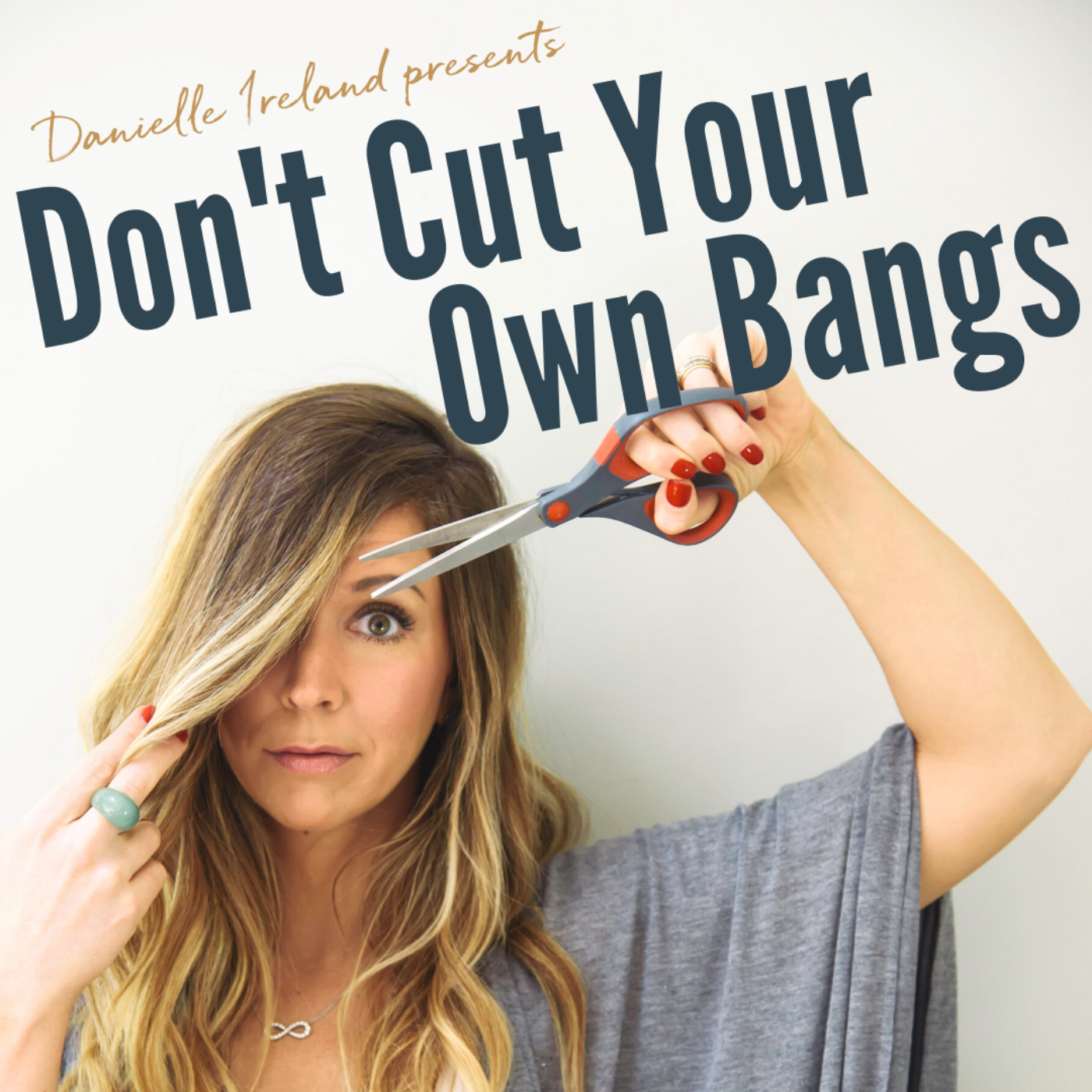
In this episode, Daniel Ireland and Emily Sutherland engage in a conversation about creativity, emphasizing the significance of authenticity and aligning with one's passion in creative pursuits. They share insights on capturing ideas promptly, being prepared for inspiration, and the value of warming up creatively. The discussion touches on the importance of writing down ideas as they come, being open to creative sparks, and nurturing creativity in various ways. The hosts encourage listeners to connect with their creativity authentically and explore tools and resources to enhance their creative processes. Through personal anecdotes and reflections, they highlight the journey of self-discovery and finding clarity in creative pursuits. The episode offers practical advice and perspectives on fostering creativity, embracing individuality, and staying true to one's creative vision.
Transcription
10396 Words, 53602 Characters
Hello, hello, this is Daniel Ireland and I'm sitting here with Emily Sutherland and you are listening to the Toolkit episode in the Creativity Manny series on Don't Cut Your Own Banes. That was a mouthful. Yeah. Okay. Thank you. Thank you. We're doing a little separate intro because Emily and I, this wasn't the plan, but it turned out to be really beautiful and it just sort of evolved naturally. But rather than having a, you know, a very hard kind of like clip and begin, we just started recording and having a conversation and it evolved into the episode. So the first 15 minutes or so, it's not going to be a traditional like welcome. Boop. Here's the topic. You're going to hear us chatting about creativity and art in our own processes. But I assure you that it will evolve into the Toolkit itself, which is what this episode is titled and what it's for. But also, if you want to skip ahead and like just get me to the tools, I never want to slow down your enthusiasm. You can skip ahead, that's what the little fast forward button and a podcast is for. So you can skip ahead if you choose, but I really loved the conversation we ended up having and I decided I wanted to keep it. So this is the proper intro. Thank you for being here. Thank you for listening and now here's the episode. I'm just kind of playing around while you say you were what? I did this for 20 years for a company that, you know, we started a website that had zero members and it was like, there was a free side with concerts, schedules and things like that. But there was a paid side was like behind-seen stories, interviews with the artists, all the stuff and thousands of people joined this website and I was the only content writer for it. So I know how to communicate with the masses and ways that they connect with because they were paying money to be part of this community in which I was basically bringing the artists to them, telling the stories about how this or that tour went or what new things come in out of whatever, but making it personal. So I know I have the skill set to do that. But for whatever reason, I just taught myself out of the fact that I have something to say about it that people haven't heard before. You're reminding me of a time when I was like first wanting to declare basically to like LinkedIn in the world that I wanted to do public speaking and presentations and things like that. I remember spending, oh gosh, I don't know how much time. I went to a coffee shop because I thought that's what young professionals did. They took a computer to a coffee shop and I was trying to take the presentation that I essentially had and the content I had and tried to like, I was trying to basically Google search corporate jargon acronyms and trying to figure out how I could sell how the benefit of what I do would help them earn and or save more money and or retain people. When the truth was, that was me getting in that business as business. Yes. Really, not my business is not my area of expertise. I think also to the thing that I didn't realize was by doing somebody else's business, I was owning a solution that I didn't have any control over. I had no influence or ability to really have impact. I realized that I was taking on the responsibility of an outcome that one, I couldn't really control and that I didn't want to own. I got clear on what is it that I and I did this actually for my therapy practice too. We can actually, this could actually roll in great into the toolkit in a way, I'll we'll find a way to pull it all together, but I remember a therapist I was actually seeing at the time said, what do you want to be responsible for in the therapy room? I didn't realize as a recovery and co-dependent that I probably had like a good boilerplate statement of like to establish a healthy rapport and create safety and whatever I had to do to pass the exams, but under that context, what I was also probably running a program that was like, well, I want my client to like me, I want my client to think that I'm smart, I want my client to think that I'm good at this and I want them to feel better and give me the credit for that. Again, it was not top of mind and I wouldn't have admitted to it then and I could admit to it now because that's not true for me now, so I've got some safety and distance. That's huge. But I think asking the question of what do you want to own and why do you want to do this? It just helped me kind of zero in on, oh, what I can influence or what I feel like I've got good impact on is like, if someone signs up for a workshop, I can hopefully make it not a terrible 30 to 90 minute experience for them. I know how to make heavier content approachable and digestible. I also think I'm kind of entertaining and charming, so it's not going to feel dry or boring. But like those were elements, I'm like, I have impact here, so I don't know what they're going to take, but I also know that I can drill in the same point 10 different ways from 10 different perspectives and they'll walk away at least understanding this thing. So those became more action, I felt more empowered going in because I knew what I was doing. And not that I didn't know what I was doing as a therapist, but I knew what I was going in that room to do. Right. You were clear on your objectives and your strengths and all that stuff, you know. And even to loop it into the book and this whole creativity and many series that we've done as we're starting to kind of, we're curshendoing into our toolkit content. But I think the work became alive when I knew what I, when I knew what it was. Right. And it's like the momentum and my confidence to talk about it continues to grow with the clearer the project is. Right. And so when there's a lack of clarity, maybe lack of clarity is not the right way of saying it. But maybe when there's, when there's some hesitance or shrinking or contracting or that sort of like butterfly in this stomach nervousness of uncertainty, I think that uncertainty is calling in a need for clarity. There's something that needs to be clarified. Right. That's good. Yeah. That's really good. Yeah. I'm not sure if you're going to be able to do that. But I think that's what I think is really good. I think that's what I think is really good. And I think that's what I think is really good. And I think that or I should even say, I feel, I feel more safe in the presence of a coach, a teacher, or I feel more safe even viewing a film because, you know, you're going to invest some time watching a movie. And you can kind of tell just from the beginning, like, how established is the world? And, you know, were they overusing the protagonist's first name to make sure we don't forget it? Like, are they not giving us credit? Like, those little cues? But I think authenticity. Like, Amy Schumer does what Amy Schumer does better than anyone else because it's her voice. Like, I was listening to Chelsea Handler. She's promoting this new book that she just released. And I just love some of the things that she can say. The truth through her own filter is so unique to her that if I said those exact words, people would probably think terrible things because it's just, it's not my tone. It's not my tenor. It's not how I move through the world, but I love that about her, but it's authentically her. And again, I'm not a business coach, but what stops me or gets me in the way. If I'm trying to figure out the business plan before I understand the heart of it, it's almost like reversing the order. It's not that those things don't matter or they're not important. It's if I try to get those types of nuts and bolts in place and then try to fit my heart in there. You know, my husband just gave me a great analogy yesterday. He was like, it's like if you had a jar and you had large stones, pebbles and sand. And if you put the large stones in first, there's a big things that matter most to you. And then you pour in the smaller pebbles, they're going to find ways to make space. And then you'll even find a place for the sand to settle. But if you pour all the pebbles in and the sand in, you're going to find that there won't be room for your big rocks. Yes. Like they're going to either kind of be bunched up on the top or even kind of like fall out. And so making the stable space for the things that matter most to you. And then grounding all the other things that also matter but maybe don't matter as much to you. Like for me, if it's not a heart driven, it's not that I don't like money. I'm not a fool. Yeah. Okay. Money is awesome. But if I, if the decisions I make are driven by that first, they usually either drive anxiety, comparison, they run on a steam or I lose interest. But the heart fueled things, I love those give me endless energy. It's like rocket fuel. I'm a little less concerned with the outcome because I gained so much. And then all the other things that could come from it too. Like, oh, well, this would be really fun if this also made money. Right. But I'm not, that's not the drive. Some people are driven by that and they crush it because that's authentically them. I'm only speaking for myself here. But again, I don't think you're listening to don't cut your own bangs if you're trying to get businesses. So I'm just assuming. Right. But the things that cut through the noise are the things that are authentic. So I think you're giving an idea the very best chance it has when it's coming from that deep place inside you. And what you just explained with the jar and all the pieces and parts that you could try to squeeze into it. That is the perfect illustration of why so many people burn out in a business that they started because they thought it was the thing to do. And it wasn't really creating space for the things that mean the most to them or felt authentic to them. It was just like, well, this will make my previous generations proud or this is what I think is my only option. But I think what we have to find and I think people who are aging are actually really good at this because you just don't have the energy for stuff that drains you anymore. And people call it a midlife crisis. It's probably just a midlife awakening to who you're even are. And I think as people get older, sometimes they're more clear on, hey, you know what, I want to start painting again or I want to start painting for the first time. Or I want to lean into this part of myself that I didn't think fit into my jar before. But it really needed to because I got so tired and drained. Yeah, God, it reminds me of the gift of hindsight. If you can look through the lens of compassion is you can just you can see yourself at a different time. Like whether it's last week or 10 years ago, but I'm having a moment like that right now where I'm remembering I was sitting in a workshop just like an eager fresh little I had my freshly printed diploma. And I was starting in a private practice and I went to a workshop with other fellow speaker entrepreneur people and it was about creating basically like what did you want your position to be? How are you going to carve out what your what's your niche? What are you going to talk about? What's going to make you unique and stand out? And it was a absolutely it was a great workshop. It was just it was I was putting the cart before the horse. I was more like I was putting the cart before the heart in a way because I didn't I wasn't clear on my why. Yeah, that even rhymed. I just had a moment with a car before the art. Okay, well, so maybe that needs to be that'll be a new book 2.0 or I'll find I need to find something to do with that. That's really good. We're going to save that. Thank you. I remember I created this whole thing because I went first from the perspective of what does the world need for me? And I was like, well, everyone's having a hard time with social media. That'll be my unique position. How to how to reduce anxiety with social media and they like it sounded good. It was catchy. It had all the right buzzwords and I could also market to fear like the three things not to do. Like all the things that grab your attention when you're scrolling. Sure. And it was so boring for me. Maybe boring is not the right word. But I just found the behaviors that I thought were procrastination or self-sabotage. I now recognize like, oh, it just wasn't heart. It wasn't it wasn't hurtful. Yes, that wasn't the thing that you were most passionate about. No, I thought I was being like a good student of business and being successful. But I also I don't begrudge doing that because I think doing it wrong. And I'm using air quotes with wrong and right. I don't want to judge but doing it wrong a bunch of times did eventually help me land on whatever that form of right is. I think what you're describing is the path to success is figuring stuff out and just side note. I met you and heard you speak for the first time when you were doing that. And if that was the only thing that came out of it, I'm really glad you did it. Oh, that's so I didn't even know that. I was in I was in a weekend. Yes. And you were speaking. And I was so excited to hear you speak. And it was so good. Like, to me, that was a really relevant thing to present at a weekend is like, how am I interacting with social media and make you think stop and be mindful about it. So nothing's wasted. Oh, man, you just made me sweat. Oh, my gosh, that is here. Oh, that what a fun. See hindsight through my lens and hindsight through another lens. We never see ourselves clearly. That might be the only thing. That's all the truth. None of us know and we may never know. And oh, God. Well, so this was lovely. If you stuck with us for the first roughly 15 minutes or so, I was warming up into this conversation about the creativity toolkit. We are going to get to the tools. I promise you we both have lists and handouts in front of us. We're going to break them down for you. And it's going to be great. But also it's sometimes it's nice to put tools into context. So I think we kind of framed a lovely context. And I think it would be otherwise it would just be an audio format of us bulleting things. Yep. I do think sometimes when you're warming up and you just talk about what's on top of mind, there can be a little bit of magic in there that maybe somebody needs out there. So I think that's kind of what happened. Warm up with a actual conversation about something because you never know what you're going to get. First tool. So warming up. That makes me think of I'm going to give a shout out to my name Betsy Murphy. She has a great sub stack. She writes from the heart. She creates journal prompts like a daily routine column journal prompt. She calls them writing prompts. But if you're looking for another tool and resource to help lift some writing and creativity for you, she shared a clip where John Mayer was being interviewed on a podcast and how like basically almost all of his songs start with just like a little riff. That's a warm up. He's just warming up with his instrument. He's warming up in his space. He's warming up in the studio. And then just something catches his ear in a way and he just kind of plays with it. So yeah, I think there are so many examples that probably validate exactly with that point. I love that. Me too. And I'm a massive fan of John Mayer's music. Same. I'm really glad to hear that. I can go to a show. It can be on the background. It's always it's always pleasant. He's a good storyteller. Absolutely. If you've been enjoying this time with Emily Sutherland and myself, I want you to know that there are still ways that you can connect and collaborate with her and continue to learn from all of the wisdom she has and a more in depth and personal way. We have another upcoming event storytelling for business. It's April 4th. And this is great. If you are a solo per newer part of a marketing team or a presenter and you want to take your storytelling to the next level in the workplace later in the year on May 9th. There is another really special event called nurture in your creative self. This is for anybody who used to lose time when they were coloring as a kid or loves to just mix new ingredient combinations together in a bowl and see what you can bake. However creativity manifests for you, it doesn't have to be writing, but this event does give you the opportunity to reacquaint yourself with your creativity and hopefully reignite a spark. So if you need help support, you need a community and you don't want to figure this out alone, you don't have to check out the link in the show notes. And you can have all the detail in depth information and can sign up there. The creativity toolkit. So we've tried breaking it down in a couple of different ways. So there's a process toolkit like the actual big picture process and then electronic tools. And then we even have physical tools like things that you hold in your hand. Would you like to start with process? Where would you like to start process? So what I have in process is a few different little notes and I call it a tool because it seems like a tool for me. Write it down when you feel it. Like put the cart before the heart or before the art. That is something I wrote down because I was like, oh, there's something sparkly in that. Right. And sometimes you never know when those little blurbs are going to come out. And maybe you don't have a pen and paper with you all the time. I think Jerry Seinfeld, like there's a few people who very famously always keep something to write with and on on their person. If that's not you, if you listen to the creativity in many series, I spoke my book into a voice memo. Or sometimes initially I didn't even think about writing it down. I just spoke it to Emily. So even just like speaking it allowed to another human can help you not feel solely responsible for that spark of an idea. And write it down when you feel it. I think to in the middle of the night, you can either get a brilliant idea that you're not going to remember in the morning or it can be bad piecing. You think it's a good idea, but regardless, you need to write it down. So I usually try to keep something and a pen by the bed. Yeah. Because if there is something that I need to capture, I can decide later whether it's bad pizza or good writing, you know. But I'm not going to know in the middle of the night. Probably it's going to feel like genius in the middle of the night. But regardless, I do think it's important to have something in reach all the time because as you turn on the faucet for ideas, then they flow. And so once you start realizing that you're ready for them, they bless you and come to you. Yeah, that's another way of thinking about warming up too. So there's almost like the more granular warm up like we were talking about in the context of warming up to do a podcast. But there's also I feel like I have been warming up. There's like I no longer feel as like stiff like I'm dusting off the cobwebs of engaging with my creativity because I've been more present with this book for the last six months or so. So it's almost like I'm warming up to a new habit. And then there's also the like more nuclear present tense warm up. But to your point, it's like once you start engaging with it more regularly, more things are just going to come. So yeah, give yourself the freedom to not feel like you have to be panicked, stricken like there's an idea. I can't forget it. So yeah, write it down. When you feel it, when you hear it, when you see it, however your ideas come to you. And then be ready for the idea. For me, what that looked like was wanting. And I think that sounds so silly, but it's kind of like you feel the hunger before you think about what you want to eat or even where you want to go. Yes. So it's like being ready for the idea. I'm not hungry now. I know I will be. And I have a fridge full of food. I'm very blessed in that way. And so like I'm ready for my hunger. So it's like, fill the fridge. Yeah. Yeah. Like I've heard a list with Gilbert talk about like she creates creativity traps for herself. So she has an area in her home that always has like a notebook and pencil, an area that always has her paints out. And so it's not something she has to think about. It's just if she walks by and it catches her eyes, she just goes. And just kind of does something with it. My version of being ready for the idea was my walking. That was a big one. And just kind of that excited anticipation. It's like when you know you have a vacation planned months down the road. Occasionally, you're going to think about, oh yeah, I need to get the rental car. Oh, I should probably like thinking about it creating some safe distance from it can also help you be ready for the idea. Absolutely. I also put don't share it right away. When do you think about that? I think it depends. If I don't share it, I'll talk myself out of it. Oh, that's good. But there's a lot of vulnerability to that because the reason I don't share it is because I'm not sure if it's a great idea or not. So you might think I'm selling a dumb or like, oh my gosh, you know, I can't believe she had that idea. That's so weird. But at the same time, we have ideas for a reason. So it's like, is this an idea for me that I need to work through something or an idea? Maybe I just need to get out in my garden and dig through dirt. And maybe that's just for me or maybe my family is going to want this food and, you know, it translates to any area of creativity. But when you share it with somebody or know that you might share it with somebody, it I think helps you take it seriously instead of just being like, man, that's silly. To go dig in the dirt or to pick up my pants or write this lyric that made somebody may never sing. And maybe as I'm thinking of this more, I think it for me, I was thinking one of the context of being discerning about what to share when to share and who to share it when. So like what went in who so like sometimes I'll get like a spark of something or something that just feels really exciting. And then if I go to my husband while we're trying to feed the kids or like, we just put the kids down and we're tired. And I still have a little bit of this bubbling enthusiasm and he's just finished today and we're both covered in whatever pasta sauce or whatever. And I'm like, hey, what do you think of blank? I'll probably be met with cool and not because he doesn't love me because he doesn't care. Not because it's not a great idea. So I think it's I have made that lapse and awareness a number of times where maybe I've shared it with the friend who kind of maybe they're like a straight shooter. And they're going to like give me an edit when it's still a brand new idea. I'm not ready for an edit yet. Right. I maybe need a cheerleader. Right. Like when I came to you, I didn't know what I would be met with. But the idea was solid enough with me that I was like, I think I have something. Do you see something? And now I think I could with confidence now if I had a spark of an idea texted to you, do you think this is anything? But I think that that's because we've developed more of a relationship than we have before. So it might even be maybe it's not a blanket statement. Don't share it. But maybe it's think about when it's at its most tender stage, who are your tender people? Yeah. That's really good. And then like when you're ready for it to kind of be chipped away. Who are the people that can do that respectfully and kindly and safely? Yeah. But but still do it. Absolutely. And on this side of the other side of the idea, when somebody comes to you and they have a little baby idea, I do think it is important to understand that ideas are tender and that you don't go right in if you see an edit right away. Maybe don't start with that. You know, because I do think that especially with people who are close to a spouse or whatever, we do tend to be really honest about things. And I know that I've done that with my husband's ideas. He'll say, you know, I'm thinking of a idea for an event. He's a wonderful event planner and he's very good at all the details and figuring it out. And sometimes I'll be like, isn't that place really expensive? Or some dumb thing like that instead of like really meeting his idea with an openness to say, wow, that would be really cool. I know you have a lot to work out to make it happen, but I like the idea because who knows. We all know that every great idea starts as a, I don't know if it's a great idea. And then we step on the stones until we're at a different place with it. And I do think that as the receiver of an idea, it is a little tender baby. We have to remember that. That's sweet. And that's nice to think of it from both sides because yeah, I have absolutely taken the a bludgeoning tool to some of my husband's sweet tender ideas. So it's good to have that humility and recognize it goes both ways. I wrote journal as another process tool for me. Your creativity is like a faucet and letting it letting the water flow. And I think whether it's writing or whatever your process is, it could be sketching, it could be humming, it could be, you know, whatever it is. To actively participate in a process that doesn't require an outcome or a deadline that there isn't, you're just letting the water drain. A little. And I find that that helps me stay a little bit more in that flow of that create that create a flow, but not here's another way of thinking about it because this process is intimate. There's an account that I follow online. I'm trying to think of the name like Vanessa and Alexander. She's a sex therapist and her husband, they create content together about like sex and intimacy and committed relationships. And it's really, they do really, really great stuff. But they talked about something called the bristle response. And it's, it's an interaction where every time your partner touches you, the other person kind of bristles, flinches or lifts their shoulders or tightens or contracts, it's generally a response that develops when every time your spouse touches you, you think they're trying to initiate something. And so the way to move through that was to allow for and create touch that feels good to both of you consistently. It's not about not touching or getting superheadie in your mind, but like holding hands. It's not like like reintroducing touch more frequently in a way that's not always leading to an outcome or that you don't associate with need to an outcome. And so I think for me in this instance, journaling is a way that I can every day show up or nearly every day show up. I've written some words on a page, but it may not be a newsletter. It may not be for a book. It doesn't have to be for an outcome. That way when I do show up with it, I don't have this bristle response. Okay, I've got to get my ideas going. You're speaking to something that is true of creativity, because I've really been leaning into that part of me for a long time, decades and decades. I used to think that the more that I wrote, the more that I would write out of ideas, but the more you write, the more you see that there is to be written and the deeper that you're able to go. And it's like putting your feet in the ocean and letting the water, you're like, I'm in the ocean. And you don't realize that the more you step into the ocean, the bigger it feels and gets. And all of a sudden you're swimming in this eternity of water that you didn't really know how it felt to be in that until you started with the little bit on the shore. And I do think that creativity is very much like that. It's very fluid and it's very immersive once you learn to trust the process. And so process as a toolkit, as we're talking about that, trust that ideas come to you because either they want to live or they're trying to bring their friend ideas to you so that you can really immerse yourself in creativity. And that way, if one idea doesn't work, you're not like, well, that was my only idea. I am a terrible person. I am not a good creator because I had one bad idea, but maybe you have a hundred ideas with potential. And I do think that the more I live, the longer I live, the more I'm like, you know what, if I have an idea, I'm just going to start taking steps and see if it's anything. And if somebody else sounds like it, you know, hey, hey, yeah, that sounds like a good idea, then maybe I'll take another step. And then I realize, you know, there are all these other ideas out here. So I do think it is very much like a faucet and you're not going to run out of ideas if you start down the road with one. Gosh, I never really even thought of that, but that I could absolutely see that, especially if you have done something that maybe has achieved some degree of success and you're like, oh, God, was that my one, was that my one hit, you know, absolutely. I worked with artists for 20 years and one of the most brilliant artists that I knew he passed away, but he was a child prodigy. And he did this epic project and I did a review on it and a review with him about it. And later he told me it was like you got that project and it was like a soundtrack of our life in it combined classical music and gospel and hymns and all these different kinds of music. And so I talked to him about it and he was like, yeah, but I don't know if I'll ever do anything that good again. Everybody wants to write that album where you're just like, I can't do any better than that, but he's glad he did it. He doesn't regret doing it, you know, of course, it might be the best idea you ever have. But then maybe it's not. Maybe you'll go on and have an even better idea that appeals to a whole different group of people. Yeah, just goes back to I think the heart. If you're doing it for praise or acceptance or accolades, which my God, who does not want those things? I mean, of course, but I think as long as you maintain some level of a personal sense of why it matters to you, the outcome. It's like great if it's this. It's okay. If it's not Erica Badu, I'm referencing an interview that someone was quoting her. So this is like a quote of a quote of a quote. She was speaking to this other artist who was I guess asking her, but like, how do you make things that appeal to people? How do you get the people who are listening to your art or looking at your art to understand? Like I want them to understand and her response was I cook what I like to eat and I serve it and then what they choose to take in. That's not my business. True. There was just something about that I cook what I like to eat. It was a much more simple and succinct way of saying it, keep cooking what you like to eat. Well, I would have shipped a little bit into some nuts and bolts. I know you've got a handout in front of you that's beautiful and you you're teaching me about the technology pretty much in real time. So I'm going to let you take the home. What are some of your favorite electronic tools? First and foremost, Scrivener is a manuscript software that a friend of mine recommended. He was like, I'm hearing about the Scrivener. I wonder if you've ever, do you know anything about it? And I went searching, you know, to see what are the reviews. And I was like, oh, I think this is going to help me write my first book. And he told me this just as I was beginning to compile stories and notes and things for anti and for the first book that she and I wrote together. It was called the secret lies within and it was a traumatic story. So I had a lot of resources to gain. I had a lot of interviews and research and things that I needed to keep together. Scrivener helped me keep all of these notes, all of our conversations, audio recordings, URLs in one place and right at the same time. So I could split my screen and I could have all of the research in front of me, our conversations, all the tools at a click. But I can be writing in the manuscript draft and it kept it all organized. And my mind is not linear. It doesn't just line things up. So even when I'm writing something like a recipe, I was writing a recipe last night, I'm writing something. And then I have to go back and like add carrots of like, you know, because my mind just isn't naturally just line things up linearly. So Scrivener is great because it's a really inexpensive one time download and they will upgrade it for free if they have updates or anything like that. And it is such for me a great tool, not only for the writing process and keep it organized, but also then you can compile all of your chapters and things. You can create a table of contents and it automatically puts in the page numbers and like knows where things are. It's amazing times saving tool. You can put it out into drafts and you compile it into manuscripts that are formatted for sending out a publication. Like if you want a traditional or a hybrid publisher, usually you need to send sort of a proposal, you have to format the manuscript in a certain way for those purposes. And this automatically does all of the that for you and shows you, oh, you need a table of contents, you need a title page. And those are things that not everybody knows when they're writing the book. Right. You're just jumping into the idea and I'll just say I didn't use that. I used Google docs from my little my little chillies book, wrestling a walrus. But having heard this, I'm definitely I'm going to get it. And also Emily has an affiliate link for you that will be linked in the show notes. And I promised this whole thing wasn't one long ad for Scrivener and the affiliate link. However, it's like, why not? Why not use it? Oh my gosh. I was sending people to this before I even know they had an affiliate link at one time. I said an intention in the new year one time to say, you know, if there are relationships that I need to forge with people that I already refer people to or use. And this was just one of those things. I was like, I wonder if Scrivener has an affiliate link because I'm sending the people there anyway, you know, I didn't care. But it really is one of the most powerful tools I've ever started using. And we've talked a little bit about how I'm gently waiting into the screenwriting world. It also has screenwriting software built in so we can can choose formats. It also is good for research papers and has formatted templates for all of that stuff. There's a little learning curve. Okay. There are some videos that they provide many videos that they provide on how to do things, how to compile, how to do this so that you can get the most out of it. And honestly, I haven't even washed them all. I got enough to function for what I need to do. But it's all there. If I am like, oh, I don't know how to do this one thing where I'm having trouble compiling, you know, I can always go back to their tutorials because they're all built in. So learning this technology may be your form of, you know, preparation or could be some perspiration. I know sometimes when I approach new technology, I get a little, I get a little sweaty. But also, it's like all that to say, these are tools and it's like that expression that, you know, if all you have is a hammer, everything you see is a nail. The tool is most useful when it's applied when it's needed. So like if you're just a baby bird and you haven't left the nest and you're just trying to hold on to this like little whisper of an idea, that's okay. But if Scrivener excites you or if understanding how something like that works, gives you more confidence to jump into an idea, wherever you jump in. I mean, that's the beauty of you never know when inspiration is going to strike. You never know when the idea is going to come. So maybe you start preparing before you even have the inspired idea. Maybe that's what invites it in or for me, overcoming the hurdle of technology kind of reminds me, oh, I'm better at stuff than I give myself credit for. I'll calm down internal credit. So wherever, wherever you are in the process, just know that these tools are there. They're not going anywhere. This is just one example. Google Docs was a tool for me. Yes. I wrote my first children's book using Google Docs. So just know that is an option too. Is it the most efficient? Sounds like it's not. For a children's size manuscript, though, you know, that worked. Yeah. And no judgment. I'm not judging. I'm just saying that that was a tool voice memo apps. I love voice memo apps, because what I have realized is I love writing in a particular way, but I wouldn't call myself the way that Emily is a writer. I love telling stories and I have a lyrical way of telling stories that's really pleasing to my ear. I think I'm a pretty strong communicator, but there are people who understand the English language and the punctuation and editing in a way that's like on a deeper richer level. For me, the voice memo app helps me get out of my head to get the heart of whatever message I'm trying to convey. And either the voice memo app or even most phones now have a talk to text function. That's brilliant, because you can just ramble, ramble, ramble. And then copy and paste that into scrivener or onto a Google doc wherever you choose. And then you have, I mean, it might be misspelled and you know a lot of FFT KKK K like that, you know, they don't get the first right. But then you're not starting with a blank page. You have the whisper of an idea already and you're not trying to chisel it into stone, because I think that's so much of what keeps me from maybe just starting to write a first draft is I feel like well, I don't want that to live out there. I want only the good version to live out there, but there's something about speaking it out that makes it so nonthreatening to me. I love that. I have worked with number a number of clients who were wanted to write a book and they never touched a computer because they told me the story and I did all that part for them. And I do think there is so you get so much life and so much vibrancy from hearing someone say the story out loud. If they're not used to capturing their own voice in writing, it can get lost and so I love writing with people who will let me interview them and then I can take that talk to text can transcribe it or companies and online platforms will do that for you really inexpensively if you do that for yourself. It was such a great way to really capture somebody's voice but also then to clean it up because we don't write exactly how we talk, but what you're saying about getting that heart, getting that personality and your unique voice, that is such a strong way to do it. And to start with that, I have a client right now on coaching her through her book and she doesn't even own a working laptop. And she's using the notes app and her phone and sending that to me and I'm putting it in a subscription or four, you know, so it's like whatever, whatever you have at the time you have it, that's enough use what you have to start where you're at. Also due to I quite literally before we started recording this podcast, I got some new equipment, I was trying to set it up. I didn't realize until maybe 45 minutes before we pressed record, I was half set up and I didn't have two mics running through running through which we need because there's two of us here. And so I had a little moment, I wouldn't call panic, but just a little drop of dread in my gut, like, oh no, but thankfully there's YouTube and want a great resource. I learned how to use a power drill, Lord help my husband was like, I am going to be drilling the shit out of, I'm just like, I want this hung up this hung up. But anyway, like I watched a YouTube video on how to anchor and measuring and all the things, I have very successfully hung many items in our home currently because of YouTube. I'm learning all kinds of gardening right now. This is a time of year I start putting things in and I'm just like, how do you not kill your eggplant and Indiana in the spring. YouTube video boom. It's kind of like when I've clanders who are struggling with anxiety and like, don't go to Google Google's not your therapist or not your doctor. However, for a creative person, when you're trying to figure out how to don't diagnose, don't go to the internet for diagnosing, but if you're like, how do I open scrivener, how do I self publish a book? There's lots and lots and lots of lots of resources there, which leading to self publishing. Do you want to talk a little bit about Ingram spark, which that word sounds funny in my ear. So I'm going to spell it out. I end G R A M S P A R K self publishers can upload your art and your text files to be printed on demand is an on demand printing platform. And many hybrid and traditional publishers will send it to Ingram. They just have professionals to do all the behind the scenes stuff, which is why often you'll pay a hybrid publishing team to do all the things. But you can go straight to Ingram yourself. It's just going to take a little bit more prep work and knowledge. Again, YouTube is very helpful and Ingram spark can distribute and print on demand so that all you do is you upload your files from there. And there is a resource guide on Ingram, as far as steps, how do I format my files and that could fall into the perspiration that we talked about before as well, because you're like trying to make sure that you're. Whoever's doing your cover art and you know the inside pages, you have to have certain dimensions and they have tools on Ingram spark website where you can figure out, okay, how much would it cost me to create this in an eight by ten book versus a five by nine book. There's all the dimensions that determine how many pages long it is and those types of things they have guides and charts and pricing you can play with the pricing calculators and stuff like that on there to figure out what your files need to look like and once you decide on a dimension, then it will tell you, okay, if you're having a full color title or I mean a cover and black and white interior pages, this is how much it will be and you just kind of have to play with that. But it will, in essence, guide you through the self publishing process and get it on Amazon and get it on online platforms for book retailers. So my children's book and soon to be your children's book were wrestling with a walrus will be in Barnes and Noble dot com, even if the store doesn't have space for all of the books that people write it's still on their website. It will still be on the website, if you go through England's park and you approve that you want them to do that there, they do have a printing fee and a shipping fee for whatever you decide to print an order for yourself. But it depends on how fast you want it and all the stuff, you know, there are variables there, but there's not currently at the time of this recording there's not an upload fee and all you're paying for. If you want to have an artist or a author booth at the local author fair or just sell a new website or anything like that you're just paying for the books as their printed so you can order one and see how it looks which I recommend doing order one see how it looks make sure all is as you want it to be and then if it is you go in and order however many want for your book table or whatever. It's a very, very nice platform because it gives a lot of power to authors. When Emily night first met for breakfast months ago that initial meat when I was like I think I have an idea she gave me the ingrams bark breakdown just like she did and it was equal parts oh my god I can do anything. It's like if I can push past the sweatiness I can do anything it was equal parts empowering and terrified because I'm quickly approaching this process and it's making me feel some feelings sweaty feelings. But all that to say if you want to do it it can be done yes there's a lock for every key. And yeah you can totally figure this out I hope that this space is a good place of encouragement for you in that process discomfort doesn't mean it's dangerous and doubt doesn't mean don't do it and you just may need some support and that's what this is for for sure speaking of support I want to add another resource to is community. It's listed in the show notes and you know there's an ad for it in the episode these workshops that Emily creates. But I just want to also invite that to it's like sometimes you just need to know that you're not alone in doing it. You know I got very lucky that I got to connect with Emily and but I have kind of toggled together this community that supports me in the process of making this book. It's like four people kind of in my corner that are just there and I think the benefit of going to a workshop like Emily creates is that you're going to build that community. You just you go to those places you're working on creativity it's an intimate thing and you're going to walk away with somebody in your corner and new valuable information. So I just want to say like wherever you're listening you know if you're in the Indianapolis area please go to the show notes and check out her upcoming workshops this year. But if you're outside of that then I really want to encourage you to just do a cursory search because there are there are other Emily's and me's doing our own versions of this and other parts of the world too and try to find them. Yes, I also want to throw out something that has happened since we talked after the storytelling retreat that I did in February. I noticed everybody saying how can we stay in touch and this happens at the end of every event that I've ever done because people do need support. They're ready to go home and embark on this project or the idea that that sparked and they're like I don't know how I'll do this without support. So I did start on substack something just simply called storytelling community. It's free. I don't have any paywalls at this point because I just want people to feel that they have a place to go and say hey has anybody ever used in from spark or Kindle direct publishing is another one. What are the pros and cons and probably somebody especially over time you know I mean I'm I'm monitoring it so I'll buy bite on those questions but also. As more people come more experiences are shared and we can sort of just like you're saying you know just throughout ideas or just know that each other is there or. We can even just say hey my inner critic is really loud today and everybody's going to be like oh my gosh I'm so sorry you know worth sending you love. Yes so yeah not only are there in person communities but there's online communities and so last but not least I want to end this tools conversation. And I you can't tell because you can't see me yet video video episodes are actually in the works that's a little you know little easter egg but I am holding my favorite pen. And I think talking about tools is important to talk about nuts and bolts tools the sharpie pen the fine tip sharpie pen in black is the best pen in the world I will go to the map for anyone who says otherwise we might have to go to the man oh no oh no Emily is this going to be our first fight. What's your favorite pen the pilot G2 now so great they come in all colors I have purple and pink and turquoise and green and blue and black and I just love. Every single one of them burgundy the pilot G2 okay well I will consider it okay I'll just I am so partial. The sound that this pen makes on the paper it's so smooth and buttery doesn't have it doesn't have the legs. So the other pens and also I think because the way I write I write fast I don't have to press very hard because it's just there's just so much pigment in that tip. It's just so great but you know it's good to have a righty and so on that and don't worry Sharpie pens not a sponsor although maybe they should be maybe they should be a dual sponsorship. I don't know who owns both companies but maybe a merger is necessary for us yes if you have a favorite pen that's that's the tool that you want to have an abundance like if you have your favorite lipstick or you're like emotional support water bottle gets like for your creativity traps or for keeping things near have something you want to write with and something you want to write on so true. Oh yeah the pilot G2 Emily's faves she wrote it in our shared notes so I see the pilot G2 pen and read the rest of the line Emily's faves in multiple colors in multiple colors you must that's very important. So that's interesting I only use black and she likes multiple color so this really is a choose your own tool podcast another favorite of mine is big magic the book big magic bird by bird and the artist way those are three books that's like after this podcast wraps and you're like I want to dive more into the how and how do I do and how do I get in touch with and all the different layers of everything we talked about those three books I would just order them go to your local bookstore or go to your library. Big magic bird by bird the artist way I like writing on notepads when I have big ideas but I also like to journal and a little note and like a little journal I also have a journal that I sell it's always linked in the show notes it's talked about just about every episode of this podcast it's not new but it's really helpful for anybody who's wanting to do some emotional excavating and doesn't want to look at a blank page in that process it's a great tool for that. It's called treasured but when I'm working on big ideas particularly like podcast or a broad story I like a big sheet and so I use the same notepads that I use for my therapy clients for their note and record keeping but that's me. I love me some rifle paper company little notebooks because I'm left handed and they don't have spiral on the left side. It's about sensory experience for me so I have all these little ones they look their thinner but which is good because I like to start journals more than I like to use the whole thing like you know I've started many journals and these are thinner but they're always pretty I always feel like writing in them and I don't feel like I'm ruining a whole fat journal if I start one and kind of go halfway through it and then be like oh I need to start a new journal about this other projects I'm doing. Yes one thing I stopped doing is I turned my idea notebook and my journal into the same so that I wasn't juggling multiple notebooks because I was almost making a process that was meant to make my life easier harder but that's just a very specific to me. Thing so everything it goes in one and actually really good idea well thanks it's a tool you can use if you choose I just arrived again well I feel spent on ideas is there anything else that you feel like any more juice left to squeeze and we before we wrap this up. We live in the day of the internet you know where you can find one another and ask each other questions and I think there is a lot of power in just knowing that we're out here and that we're cheering for your ideas. And that there are tools for even the most beginning beginners to find your way to make your idea live there are ways to make almost any idea live in the world we live in and there's a way to find out how to do it so connection is huge I think that's so good and I will say because we're doing this on the podcast. I think I wouldn't have felt the confidence in myself to approach a platform like Ingram spark I almost did one of those like intermediary sort of supported self publishing places that I would have paid probably somewhere between twenty five and thirty five hundred dollars for them to basically do what I'm going to do sweating in front of a computer by myself and there's nothing wrong with that to by the way but I think confidence I think comes after you do something challenging a lot of times we try to reverse engineer that orders I want to feel confident and comfortable before I begin. And I felt confident in my ability to figure it out because I have approached technology with this podcast so many times and come out on the other side and figured it out so sometimes the thing that gives you confidence may not be directly the thing you want to work on or do. But I have evidence that I technology has scared me and I sat down and I slowed down and I breathe deep and I didn't overcaffeinate and I figured it out so I have confidence that I will be able to do that because I've done that before in other context so just take that last little anecdote I hope you enjoyed the toolkit. It was a much more robust episode actually than I thought it was going to be but it was really lovely what a great way to kind of book and the whole creativity many series and I'm sure we're going to have Emily back. Oh man this has been really fun thank you for letting me talk about my favorite thing. My pleasure this was an absolute joy and a gift and gosh the best things the best things that shares just like the gift that keeps on giving. Gonna wrap up here and I hope everybody listening hops on over to the show notes check out the affiliate links links to things that we were referenced in that episode as well as the upcoming workshops wherever you're listening wherever you are in your creative process keep going because we want your art and thanks for listening. Thanks for listening.
Podcast Summary
Key Points:
The episode features Daniel Ireland and Emily Sutherland discussing creativity and art processes.
They emphasize the importance of authenticity and following one's heart in creative endeavors.
Tools and tips for fostering creativity are shared, including capturing ideas promptly and being open to inspiration.
Summary:
In this episode, Daniel Ireland and Emily Sutherland engage in a conversation about creativity, emphasizing the significance of authenticity and aligning with one's passion in creative pursuits. They share insights on capturing ideas promptly, being prepared for inspiration, and the value of warming up creatively. The discussion touches on the importance of writing down ideas as they come, being open to creative sparks, and nurturing creativity in various ways.
The hosts encourage listeners to connect with their creativity authentically and explore tools and resources to enhance their creative processes. Through personal anecdotes and reflections, they highlight the journey of self-discovery and finding clarity in creative pursuits. The episode offers practical advice and perspectives on fostering creativity, embracing individuality, and staying true to one's creative vision.
FAQs
One tip is to write down ideas when you feel them, whether it's a thought, phrase, or concept. Another tip is to be prepared to capture ideas whenever they come, even if it's in the middle of the night.
One way is to engage regularly with creative activities to get into the flow of generating ideas. Giving yourself the freedom to capture ideas in various forms can also help stimulate creativity.
Capturing ideas immediately helps prevent forgetting potentially valuable insights. It also allows you to review and evaluate ideas later to determine their worth.
Being ready for inspiration is like feeling hunger before deciding what to eat. Keep yourself mentally prepared and equipped to capture ideas when they strike.
One way to enhance your creative process is to engage in regular warm-up activities, such as jotting down thoughts and being open to inspiration at any time.
Chat with AI
Loading...
Pro features
Go deeper with this episode
Unlock creator-grade tools that turn any transcript into show notes and subtitle files.
 PodcastTranscript AI