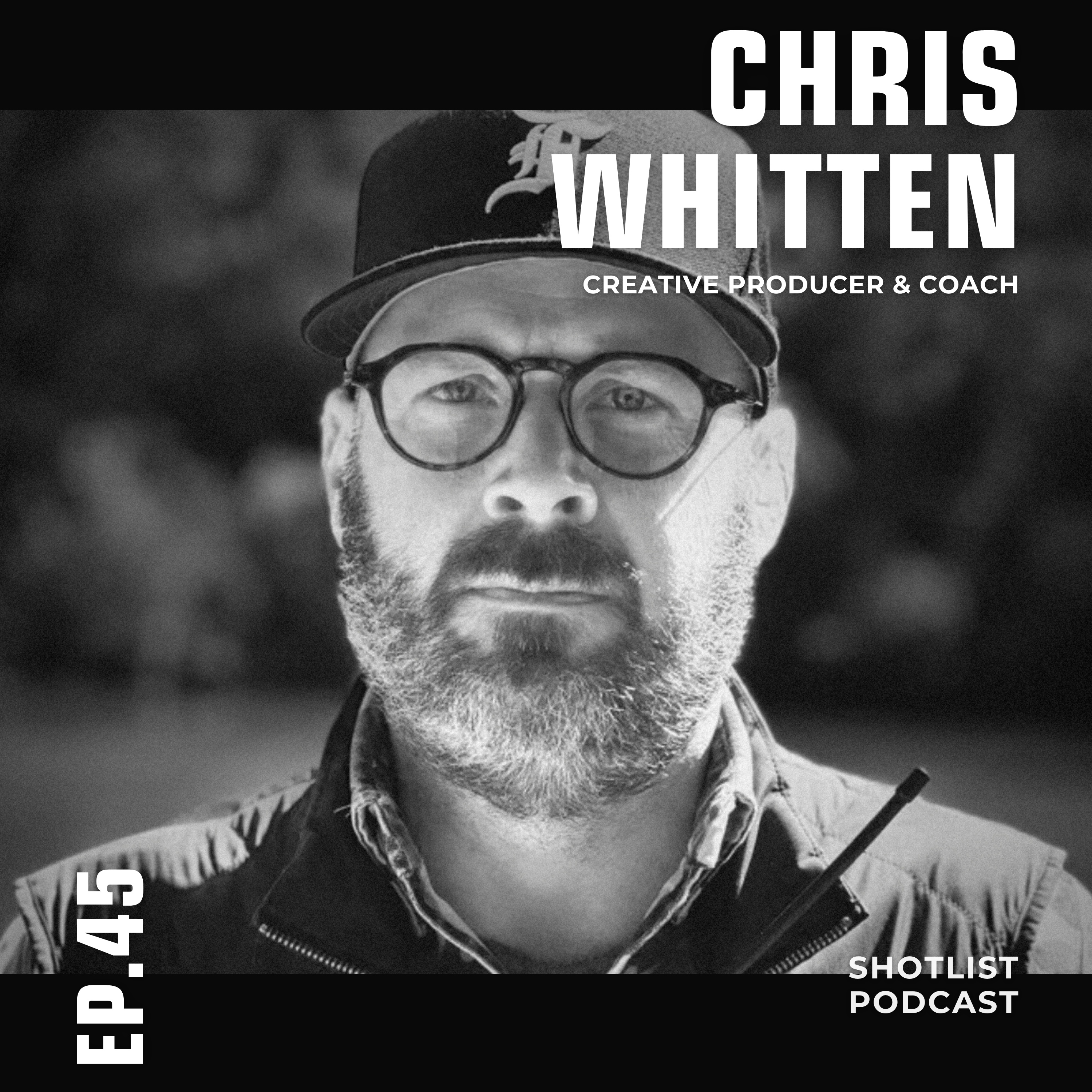
Cold Outreach That Actually Works for Filmmakers & Photographers - 045
from SHOTLIST
70m 41s
The podcast episode with Chris Witten focuses on how to build genuine relationships in a saturated digital landscape, where cold outreach often fails. Chris argues that the term "burnout" misattributes frustration to overwork when the real issue is neglecting self-care—diet, exercise, and mindset. He shares his career progression from photography school to assisting on sets, running a production company, working at agencies like Saatchi & Saatchi, and now as a senior production manager at Red Bull Media House. This diverse experience taught him that talent is secondary to relationships; most outreach emails are ineffective because they lead with self-promotion ("here I am") rather than curiosity about the recipient. To stand out, Chris advises researching the person, asking about their recent projects, and avoiding immediate talk about one's own work. This builds a foundation where, when a need arises, the connection is already established. He emphasizes resilience—sending hundreds of emails and facing rejection is part of the process. Ultimately, selling ideas and building trust for long-term collaboration is more effective than trying to match a specific project brief. The conversation highlights that being authentic and human in outreach, rather than formal or transactional, leads to lasting professional relationships.
The term burnout, I just hate, I wrote about this in the newsletters. There's so many other factors that lead you to being upset with whatever in your work. It's not because you just grinded for six weeks. It's because you didn't take care of yourself. What you're eating, what you're looking at, what you're drinking, and how you're moving your body, or just like the big three things that get your mindset super rock solid. Because if you get up at 6am and do a really, really hard work out, it's probably the hardest thing you're going to do all day than everything else is easy. Hello and welcome to another episode of the Shotless Podcast where we talk about how to make a life and a living behind the lens. I'm cinematographer Marshall Chupa and today I'm speaking with creative producer and coach Chris Witten. In this episode, Chris and I dive into how to actually build real relationships in a world of cold outreach and saturated inboxes. Why most photographers and filmmakers are getting outreach completely wrong and how to stand out? The level of resilience it really takes to build a career in this industry from setting out hundreds of emails, facing constant rejection, and staying consistent even when nothing seems to be working. And the systems and mindset shifts that make outreach feel natural, human, and actually effective over time. Chris has a really unique perspective having worked across the entire production ecosystem from assisting to running his own production company to the agency side and now a senior production manager at Red Bull Media House. He's seen firsthand what actually cuts through the noise, what gets ignored, and has built a framework that helps creatives rethink how they approach their careers. I'm excited to share this conversation with you. Less dive in. Chris, thanks so much for coming on the show, excited to have you here. Yeah, I'm pumped to be here, thanks so much. Yeah, we originally got introduced from my friend Christian Tisiel after he saw a series of posts you're doing on LinkedIn that were really focused on outreach and helping people with getting over and understanding how to build connection. And I think a lot of photographers and filmmakers are really struggling with things like that these days, building their network, how to do it, feeling introverted, all these parts. So before we dive into that, that's kind of the me the conversation I'm here to have with you. But before we do that, I'd love to just get a feeling for what's been your background and your journey into all of this so far. Yeah, thanks so much. And again, I'm just so honored to be on the podcast with you. I mean, Shalice is such a really cool resource for everyone in our industry. And so thank you for what you're doing. It's been a pleasure to follow along. Thanks for us. But to get to your question, I went to school for photography, went to art school at Savannah College of Art and Design a long time ago, about I graduated in 2005 and then moved to Dallas. Thought I was going to do the New Yorker LA thing, like most art school kids do. But while I was in school, I took a photography for commercial production, basically. And that's when I learned, oh, I remember our teacher, professor putting up a back then, it was a piece of film of a Heineken bottle. And she's like, I got paid $35,000 to take this picture. And I was like, I want to do that. And not it wasn't about the money, but it was more about like, oh, that's, I've seen that image in a magazine. And so that's kind of when I moved to Dallas, because my parents were here and started reaching out to photographers and directors on this thing called Black Book. It was a physical book, just basically like a phone book of the top photographers in the world. And you could filter to Dallas and then see who's around. And so I just start calling all those people and start working for a guy, Stuart Cohen, as his first assistant. And we traveled the world for three years shooting advertising campaigns for your name at casinos and healthcare and pharma and food. And it was just a blast. And so that's kind of where I first started to learn about this business. And then fast forward over the years, I've always worked with agencies in larger brands. I took a shot at going in house at an agency called Sachi and Sachi and I was around 2017 and created content for them for an automotive client and around the Olympics, the winter, the 2018 winter Olympics. And that was on a contract. And then after that contract ended, I just re-spooled up my production company and we're working for large brands like Lexus Toyota, American Airlines, some to name a few. We kind of put all our eggs in those three baskets and it worked. And then COVID hit and we were still pretty busy. And then 2021, I went back in house full-time as an agency, our producer, senior, our producer at Sachi. And that was awesome. And then recently moved over to Red Bull. So client side. So I've kind of been checking all the boxes in the production landscape from only my own production company, being an assistant, working every single job on set. You could possibly imagine. I mean, my first job, PAing, the motorhome burnt down, it was crazy. It was like, wow, it was like, oh crap. What am I doing? We were shooting in the middle of the woods. And I remember coming home just covered in dirt. It was like a 16-hour day and I was at PA just running to like film through the woods and different stuff. And I remember coming home being completely exhausted. I was like, this was the best day I've ever had. And like all my muscles hurt and stuff like that. And so I've always had a love for being on set. I get really anxious when I haven't been on a shoot. You know, you come off of the set and you're like, "Oh, that was rough." And then like the day next day, you're like, "I want to be back on set." Yeah, yeah. There's adrenaline high, too, for sure. Yeah. So that was kind of like just the ethos of my career. And I think around when I went into the agency, I started seeing when you put the title, "Senior Art Production," our senior producer, senior art producer on LinkedIn, then people come out of the woodwork to reach out and get on your roster and reach out for work. And I just started seeing like 95% of the outreach was really bad. To you, right? Because you're on the other side of the table now. Well, now I'm looking at it as like, I've sent these same messages and this is terrible. And I don't think it's terrible in the fact that you just don't know what you know. And now I'm seeing the other side of like one how busy I was. And then on the thousand emails, I'm getting a day from just work. I'm getting another 1,000 of people wanting to work for us, which is also cool. But it's also, I think, angry is the wrong word, but just a little upsetting of people's marketing skills on the side of the house that I once set. And so I was like, "You need to take two roads here. I can be the angry old man in a rocking chair. I can come from a place of help because I truly think that I'm put on the start to help people." And I was like, "Okay, well, what could I do?" And I just started like, "I'll go on these walks and a big, big walk guy because clear your head and just get sunlight." And I said, "What could I do? What can I talk about?" So I started Instagram. Do I start? Is that a third? And I was pretty active on LinkedIn, but never posting. And I was like, "Well, I'm just going to take this business platform and I'm going to post for 90 days about these ideas that are just popping into my head about how people can be better at outreach." And just kind of opening the door a little bit of the reality of being in a large agency or even a small agency that we don't have work just sitting around. There's not like a pile of work that we're like, "Huh, yep, that guy. I'm going to put, you know, just to sign it and someone I've never met." And I was taught this at a very, very young age in my career that this is a relationship business. Talent's kind of second to it. In my opinion, I mean, yeah, you have to check that box. Is your work good enough to be on the level of whatever client it is that you're producing? If you can check that box real quick, especially like yourself and myself is like, we've looked at work for so long. It's pretty quick. It's about five to ten seconds that you're like, "Okay, I want to see more of this because it's at the level of which we'll go into this client bucket." So yeah, I just started like researching that and so I challenged myself to post for 90 days and I just started posting. And I was like, "After 90, if no one, if it doesn't resonate with it, then I've done this experiment and I'm good to go." But I've for about 70 days once algorithms kicked in and people started engaging with the content. I was like, "Oh, there might be something here." And at the same time, I was reading this book by Donald Miller. It's like called Coach Builder or something. I was like, I wonder if there's an outlet to hear, maybe I could just help people. And so yeah, I think my first two people I was like kind of coaching would get they reached out and asked if I could coach them. And so it kind of kicked off from there in that side of helping people. I'm fast forward to today. Still started a newsletter and always thinking about other ways to help people in the production industry. That sounds like it came very organic then. It's something that was inside of you. I feel like I should give us the world. Let's just put it out there. See what happens. You did all of a sudden people resonated and now we're here. So the piece that I like to dive into first and you kind of already spoke to it is, how do we build authentic relationships in this day and age where it's just like we're all glued to our screens, phones, laptops, we're speaking through Instagram, LinkedIn. How do I connect to our ColiMus? How do you build authentic relationships? Yeah, that's a good question. A broad one too. One thing I start with is asking questions about the person that you're reaching out to. I think that's the same way you build friendships. When you meet somebody out and I think the first couple of questions you ask, what's your name obviously and then what do you do? And so I think if you just kind of figure out different ways to ask that question, I think I like the questions still what do you do eventually, but instead of like trying to relate to
that thing. It's like, oh, I'm a second grade teacher. It's like, I really don't know anything about that. But then I'm also like, oh, yeah, that must be fun. Or you could say, what made you choose that profession? So then that person's like tapping into, oh, why did I? And then they're probably going to have this like more thoughtful answer for you. And then you can just be like, tell me more about that. Because there's this old adage, the more I talk to you about me, the more I like you, that is just so true with everything. So let's say if you're reaching out to like a creative director, had a big agency, you kind of want to do as much research as you possibly can about that person. And stuff is online. And if you can't find anything, then you probably know what projects they've worked on or are working on based on where they are and you see. And so you just find that info and they're like, oh, I just saw that you wrapped this project on X, YZ. Like, what was the hardest part about finding that location? It looked crazy. Stuff like that to then there being thoughtful and like, how they respond. And then because they may be like, oh, man, that was actually a really tough one that it and so then you have some like tennis balls to volley back and forth with each other. And that to me has just been a proven way to build that relationship. And you never, ever, ever talk about your work until a chosen time until that day ask, oh, what kind of things are you working on? Well, actually, I shoot a ball because if somebody's really interested, then they're going to go look at your link. It's in your signatures on your bio. It's everywhere. If you're if you're marketing correctly, they'll eventually find it. Yeah, it's counterintuitive. At the end of the day, I think most people that I speak to, it's like, well, how are you marketing? It's like, I sent seven cold emails in a row. And they just said, like, hey, here I am. Here's my work, love to work for you. Like, you're leading with myself. Yeah. And there's no interest in what I'm hearing. But you just said it's all about curiosity. It's like leading with curiosity and allowing for the discovery of your genius of your art, how you can, you know, if they're interested in nothing. The market is so saturated and everyone is getting those emails. So differentiating yourself to stand out a little bit with some sort of call to action, which is just to answer the question. Another thing I say a lot is when you sit at an agency or a client side and you hire photographers, directors, whoever and a photographer, director, whoever reaches out to you, you know exactly why they're reaching out. But they still feel the need to tell you that they're a photographer and director. It's kind of like that thing. It's like, hey, Marshall, my name is Chris Whitton and I'm in an email and then your freaking name is in the signature. Right. What are we doing? It feels a little too formal then, yeah. Is that what I'm feeling? Yeah, a little too formal. And like, I get it. We all want to try to be professional and this and that. But we don't act like somebody you're not early in the career where you're shooting these big law firm just had shots and corporate stuff and the guys were before he's like, you need to wear a suit this, that and the third and then the and we were like in a suit, like setting up lights in this conference room and head like the sea, the top partner walks in and looks at us and was like, you all of the photographers? I'm like, yeah, he's like, why are you wearing suits? And he was like, well, I just want to respect your, you know, well, he's like, is this what you normally wear when you take pictures? And we were like, no, and he was like, you don't need to wear a suit. He looks silly. Okay. Cool, man. And I just, I don't know if that's like a relevant thing, but it's we were trying to play in a world where we didn't need to wear that costume. I think storytellers are really good at telling stories. And then when it comes to marketing themselves and emailing people, it's like, I don't know how to do this. And I get it. Like, I've been there where you're just paralyzed by the thought of sending an email to someone you don't know because what if they don't like me or what if they don't answer and what if they don't blah, blah, blah. It's the thousand questions literally coaching a guy last night and just the paralyzing nature with, he talks himself in this loop of like of inaction. I was like, I just need you to send the email because if you send that hundred, you're going to get a three percent response rate maybe, but out of that, it's like, that's the job eventually. And what, who is it? Wayne Graski, you miss 100% of the shots you don't take. It's just so true. And I'm not against cold outreach as cold outreach has its place. It's just how you ride it. I like the metaphor you use though, the suit piece. Ultimately, if you're writing this like, let's use the email as like the suit. Like, it's like, okay, you write an email that's cookie cutter. It's like, you're putting on the suit. You don't want it to try to get the thing, you say the thing, you think you need to say versus like just being like, oh, this is who I am. I'm going to even maybe throw a spilling stick in there. Whatever the thing is to feel a human, that ironically or whatever. And then not starting with my whatever the, hi, I'm so-and-so. Like, that ironically works because you didn't put on the suit that you know actually are. So you become authentic. Yeah. And like, kind of off that, I think there is a place for a photographer to have a newsletter where they're talking about their work and new and showing new work and putting that on Instagram and Facebook, like all the things and reps sending out PDFs in this blanket way. I think is really hurting photographers. They rep or if you've been photographers are doing that because in my experience creative directors in particular are very literal. If you send over a PDF or a real and what they're looking for exactly like the purple cow is not in that thing, it's going. And so I'd rather you create a relationship with the people that you want to work with so that then if there's a direct ask, hey, I want to see a picture of a purple cow, you're like, I actually have that similarly in my, you know, on my server where you had a hard drive somewhere. I just never thought any but I just didn't think it was great. And so then you can be like, yeah, let me put together a PDF specifically to what you're looking for. And you don't like whittle yourself out or someone's like, maybe you shoot dark and moody and someone's looking for some like bright and airy stuff will just Photoshop slider that thing. Maybe all into what they're looking for. I know it's not that simple, but I think you could get overlooked for stuff based on just sending out some blanket type emails. Well, I don't know correctly if I'm wrong, but I'm hearing two pass here. Like one is the let's say the creative directors looking for the exact thing they need for that exact campaign. So they go and find that exact photographer who has the purple cow. That's like one method. But the other part, and that's like kind of luck timing all the things that align for those ones. But what I'm also hearing is that the right approach for the long game is to build a relationship from the get go. And then eventually when the thing comes up, then you can present that thing. So you have all your irons in the fire. And then versus like, oh, I just happen to be the right guy who happened to be the specialist in that one one thing. Yeah. And it's a mix, right? I think we're taught all of the sales content that is out there. And it's all really good if you're selling widgets, if you're selling a product, if you're selling a certain service. Like the way I market my coaching is it very niche down direct. And I can send, and I actually don't market it. It's just I'm posting when I'm posting and people come when they come kind of deal. But that's a side note. What we are selling as creatives are ideas from someone that hasn't had the idea yet. And so you just have to create build that relationship because at the end of the day, going on set with somebody for 10 hours, you want to we want to make sure they're cool and someone you want to be around because we've all been on set with people that are not fun to be around and it sucks bad. I don't care how good you are. Yeah. We build like little production families and we go to war together. So if your family isn't good at being beside you and should hit the fan, it's not a good time. And we spend 10, 12 hours a day in these little worlds and sometimes for weeks on end. So yeah, I always would and I think, you know, X military people are going to roast me, but we're just like these little Navy seal pockets or Army Rangers that go out and do this job together. And then we come home and it's like this decompression period where you're borderline depressed because the boys and the girls and the crew are not there. And you've had this, like even if it's a two day or one day shooter, like some we would do these big 15 day things and you're just like leave and you come home and you're like, what are, how do I cope? I have to make my own food and no one's telling me where to be and what to do. And it's kind of this weird thing, but it's the most fun thing we get to do. Yeah, filmmaking in the or commercial photography in that way is like a sport almost, you know, you come together, you have the admission, you have the goal and then you're chasing it together. And there is this high that you all experience together because how do you build bonds? You go through challenges, you overcome them and then you become closer. That's literally the human nature. So that's like what we do. Yeah, we're loving. It's the best. So coming back to the cold outreach piece, you actually wrote, I guess a playbook. And recently I saw you post that I read through it and then there's some really incredible pieces in there. I'd love to kind of unpack a little bit of
the framework you talked about in that playbook. And there's five things. The first one being see them before you sell them. Can you talk to me a little about that? - Yeah, it's kind of what we talked about earlier, I think just understanding the person that you're reaching out to is world. And letting them know that, hey, that's all the work you did, or seeing people for what they are and what they work on and honoring that. And that should be the kind of the first sentence in the outreach of, hey, I love this shoot that you just did or something you posted on Instagram or LinkedIn or, and that is kind of the unlock. So I'm gonna read more of that. If someone's like, hey man, I really liked X, Y and Z he's like, I'm gonna continue right along to the next sentence. But if it's like, hey Chris, I'm a photographer that works on blah, blah, blah, blah, blah. I'm like, I'll probably like read later or I'll just be like, I don't have time for this right now. And someone called me out one time, just like, isn't it your job as an art producer to find new talent? And I'm like, yes, and the amount of talent that is out there now between before when that term art buyer was created, like 40 years, 60 years ago, is just way different because it's all constantly here. More than half of my Instagram feed is just creators, photographers, directors. And then I have the roster that of familiarity, of people that I'm used to working with. And so just cut through that noise. - Yeah, at the end of the day, you're always gonna lean towards someone you already know. You've already built trust. You know, you can be gone to battle together. Like, why would you take the new guy to go into battle when you're like, oh, this guy, we bump shoulders, we smell blood, I don't know why we're going to these metaphors today. - Yeah, yeah. - But yeah, that makes sense. So it's the new guy on the block is just kind of showing up as a generic cookie cutter situation. Why would you lean in? - I don't consider myself someone super egotistical even though I've heard that. Someone was like, people think that you're cocky online. It's like, if they would just reframe what I'm saying from a place of help and not a place of like thinking that I'm this arrogant person trying to tell people what to do is like, sometimes the writing comes like that, but it's more just like the tough love of, hey, this is what I'm seeing, this is how you can be better. That's it. - I can see what you're saying. There's a part that feels like human nature wants to be like, oh, that's unkind to share why wouldn't you look at the thing? But there's like also human psychology under that. You're a busy art director. This is literally like, you have this amount of time. How do you lean in? It's the same in dating, right? It's the same like, why does someone lean in more if you're just saying, hi, I'm so and so. Like versus dropping an intriguing question. Like it's the same human psychology. So I hear you that that can kind of get twisted, let's say. But the second point you have is lead with perspective, not pitch. - Yeah, 100%. I think that just goes back to the first point of, if you just immediately start pitching me on why, or anyone why we should start working with you, it's just kind of a turn off, because I don't know you, just develop the relationship. And it doesn't have to be about what you shoot. Or it doesn't have to be about what they shoot, just a perspective on something that you've learned about this person. I mean, in this perspective, it's like, you LinkedIn, I saw that they went to Michigan State and just did it one again last night, or just got a cool recruit or whatever. And you may miss the mark, 'cause they're like, I'm not into sports, but still, it's showing that you can just do a little bit of research to that person that you're reaching out to. - Yeah, for me, that just feels like the human element. Any good friend of yours, you're not gonna, you're just gonna talk about relevant, interesting things like that all the time, you do. And like, again, you said, I wanna work with my friends. So how do you show up like a friend? - And I do wanna work with new people. I think everybody does. And being memorable in a way that understanding, when you're in a office setting, let's say I'm sitting down, check email, it's an email from a new photographer, and it's written perfectly, and I'm like, do this, it's dope. And then team's messages and someone comes by my desk, or I have to go to a meeting and all the things. And then I forgot. And half the other people that I've read that same email in an agency or busy environment, forgot to. And not because you're not memorable, it's just because of all the other crap that have come up, it's the same thing you put a list together of groceries that you need in your head, and then you go to the grocery store, and you forget half of them. And so that's where the power, the follow up, even if you sent that first outreach, second, third, fourth, like a friend of mine, he said he's 48 emails to this one guy before he got a job, before he got a response. And that's next level, but he ended up getting a job out of it. And it wasn't ever like, I'm sure you're busy. Like on the 27th one, he was like, I know you're probably busy. It's like, don't tell me what I am. Just keep coming up with value. And just like, oh, I saw that you did this. This is so cool. Oh, vacation in Cabo, that was great. Here's like six restaurants that I love in Cabo. As people post their crap online all the time, just like engage with it. Yeah, it's being a human at the end of the day. How do you be a genuine human? Yeah. Surprise, surprise. It's not business is actually just being a good person at the end of the day. And the business is the after result, I guess you could say. The third point you had was offer collaboration, not execution. Yeah, I think some of the outreach that I see immediately trying to help somebody execute on a project or a pitch, again, I think coming from a place of help, I'd love to figure out how I'd love to get on a call and talk about your pain points in XYZ or something like that. It's just a way to again be human and come alongside somebody and coming from a place of giving, not wanting. So what are some more practical ways that like offering collaboration? Like one of them is, yeah, I can jump on a call and pack pain points, but I feel like that also feels a bit salesy. Yeah, it does. I was trying to, of course, I don't have that document right now in front of me, but I think, and I like just riffing off of it too, because it helps us kind of unpack it in real time. I think going back to like, when you're on set, let's say you want to change or you want to put a red dress on versus the blue one that we had originally approved, and someone's not willing to do that. I think that is not in the vein of collaboration. It's more just like, I'm here to shoot the shot that you told me to get, and that's it. And so having that mindset of, I want to come alongside you, be a partner and we can collaborate on making whatever you want to make better, bigger. And I think selling that first, letting the people know that you're with that you are a great collaborator. And that'll come out, that's probably more in your second or third touch, where people are going to find that collaboration. But I would just, more it's more about not executing something on what you think I want. Currently people are like, I love this. I can do that because I've shot here, and I know somebody that does what you guys do. So does everybody else. Yeah. When it comes to collaboration, I'm kind of going above and beyond my role. Let's say director, heirs, music, cinematographer. There's oftentimes, let's say I'm pre-pro. They're like, hey, we should jump on a call to talk about that. I've already sent them an invite five minutes later to get on a call. I just cut the time for them to have to do one more thing. Or they're working on the deck, and we're collaborating on it on the computer. It's like, well, can I drop a bunch of images quickly for them to grab and so they don't have to do that? I'm like micro things that are not your job. The producer should have set the meeting. They should have found the, whatever it is. But it's, oh, you're making my life easier. This feels collaborative. That's what I think when I hear collaboration. Yeah, and that's a great point, I think, so often when there are times to, that I'm like, yeah, I got time, let's jump on a call. And then it's that, oh, winner, you available. And it's that back and forth of like brother, sister. Have a freaking link in your emails and ensure a send me a link with your times. And I will click on and pick one. I used it before. Like, I got really into counting and Google and all the things, all the apps out there that you can just book a call. I would just say, give me three windows of time next week. And like big blocks. I'm available from one to six. I'll pick something in that window. So just make it so easy for me to respond back instead of having to go look at my calendar and then go back to you. I'm like, I'm not available, you know, just cut the friction in half. That's the biggest art of collaboration. And the people that I coach that, I'm like, put a countly link. I'm using countly like we would say Coke or whatever. In your signature and you will book 40% more calls. That's true. I agree with you and I've run into problems with that. Not because it actually books calls. It is the issue.
So then like something will come up. Oh, I actually need to be like attending to this production meeting and I can't actually have a quick intro call with someone because it's I can't. So it actually works so well. Let's say that it becomes a I think it's a freelance or a calendar is ever moving. They're always this moving target game. And so I've used the method. I was using that for a bit and then I started using more of the method of what you just said in the beginning. Someone says was soon as there's a tinge of someone could we connect. I just say like here are three times in these blocks. Let me know what works for you. Then I'll slap that on the calendar. I mean, I said guidelines is if it's for work full time job, then you have these hours to connect if it's not for work like someone wants to pick my brain about X, Y and Z. And it's like I only take three of those meetings a month. No matter how free I am or whatever. And it's so if let's say those three meetings happen in the first week of March, then that March is toast. You get pushed to the next month. And just so setting parameters on the types of meetings when you have them all of that stuff, I think is really key. And if someone's in production and you have to like move a meeting because a job came up or a pre pro came up or whatever, it's like there's empathy there for oh yeah, totally get it. Almost like we moved this conversation three times before it even got had. I guess we're both busy in production. Cool, man. Yeah. And two of the times I was like good because I have time today. Yeah. And then one time I was like, oh man, that was what I was ready. Yeah, that's the funny thing about this. Okay, the fourth point invite. Don't ask. Tell me about that one. Yeah. And I think goes back to the calls is like here's the invitation to book a call. Don't start asking the back and forth of, hey, when can you meet or could I get 15 minutes of your time? And then there's no way to like, there's no CTA. There's no easy quick way for me to do it. Half the time, I'll just I won't even respond to the email. I'll just click the thing and book the call. Yeah, because you took three steps out. It's like almost like you assume the call, assume the connection, give them a clear pathway how to do it. And then like go over all the friction of, are you available to even want to do this at it? No, just assume, go for it, make it clear and easy. Because if that parts hard, what is asking for a estimate going to be like, or you know, a pitch that are like a director treatment or anything like that, if you can't do that, then what are we doing? Reps are like the worst at this part. But you're in this photographer director's life to make their life easier. And then you end up making mine so much more complicated. Now I have to go through you to get an estimate from the director that I want and it takes a day longer because you're skiing in freaking Park City or whatever. And you're not your computer's not next to you. And it's just like, we work on timelines and deadlines. And all I need for you to do is take the markup from 20% to 10 or that's going to piss people off. But I don't mean to change the craft service number from a thousand bucks to 750 because we don't need all those uncrustables. You know what I mean? And I can't move forward until I get that document because we're very legalistic in these companies and we need documentation and stuff like that. It drives me up a freaking wall. Yeah, well, let me bring us back to point five. Stay present without pushing. What does that mean? The follow up. Keep following up. 48 times. Yeah, 48, 50 times. I have this, I think she's a production, the EP at a production company in LA and she would like just send, hey, we should link up and her average was cool. And there, like, she wrapped a lot of directors that I was like interested in. And I kept having to, like, I couldn't make it work. And then I would go like a couple weeks because I would get slammed or go on a project and just forget to respond. And she would always be like, she was just following up like, hey, Jack, I've seen what you're up to. I saw X-Wine Lee that was super cool. Let me know if you have time. And then it took, I think it took six months, six to seven months before I finally jumped on a call with her. And it was after I'd already moved roles. And she was just, I'm so sorry, I kept emailing you below. And I was like, I am so thankful because I started to feel bad because I was forgetting about you. And you probably thought I was a big jerk. Like I had all this stuff going through my head that I'm an asshole. Like I can't, like I'm so sorry that she was a, I was like, dude, that saved me because now we're finally talking and like I don't feel like a jerk and I get, you know, we get to meet. So there is all of the stuff that on our side, we beat ourselves up because we're like, I can't, I can't juggle all these balls. I want to meet these people because I do. I genuinely want to be in talk to everybody. It's just there's no time in the day. And so you just, if you are consistent and stay memorable and just staying in people's orbit with showing up, I mean, there's been so many people on LinkedIn that I know they want to shoot for us, but they've never asked. Right. We just share a real like, I mean, I just wrapped this project. I thought you might think it was cool. And it's just constantly, and it may be like 12 months, 16 months, 18 months, but through five years from now, I move to somewhere else. And it's like, yeah, this is the right fit for this person. It's this long, long marathon of just like staying present. Speaking of long marathons, are there any like systems or ways to keep consistent with outreach that, you know, photographers get busy, photographers and filmmakers, you know, it's like, I'll just use myself an example like I'm good when it's quiet. I'll send all the emails outreach. And then ironically, I'll get a project and I'll be cooked for two weeks. And then I'm getting all the emails back from the time I was caught and I get overwhelmed. I'm like, oh God, why didn't you even send all those? And it's just like, how do you, is there any systems or things that you have in place for that or help that? Yeah, I think coming up with some sort of way to one post consistently on social media, I'm bullish on LinkedIn because I just feel like people at clients and agencies side are on there, especially for like looking for work for themselves. And so if you can stay in that orbit, it's just a good way to show up so that when I've seen your images on a platform consistently and then you reach out and like, oh, I'm, there's familiarity there. That's just like a really good system. There's plenty of good auto schedulers that you could use to just sit down on a Sunday night or, you know, wake up early one Monday and just bang out a bunch of content, schedule it. Do that once a month. For me personally, I write out like 30 days. I have 60 days worth of content in my schedule right now so that I can just react to what people are talking about on my post and not have to like think about. And so yeah, that 60 days took me a whole day to like write up and curate and then post. But dude, there's so many, I wrote it all out, put it in a Google doc and then I had Cloud Code scheduled off for me. There's so many crazy tools right now that just make you faster to market. And so you really don't have any excuse besides an hour a month. I truly think if you dial it in, you can do it and use like an hour a month and then you're spending, you know, a couple hours a week, reacting, commenting, liking and using the platform the way they should and not scrolling, looking for inspiration, they're using it as a marketing tool. Yeah. You say scrolling, looking for inspiration. I say scrolling, looking for distraction. That's the end of the day. Like I rarely am fighting myself. It's better these days more just distracted. But I think that the piece underneath that is like, how do you create and not consume? And I think it's so easy to just jump on the platform and just start getting sucked right in versus like, how do I step out? And it's a dangerous game because I know friends who are crushing it on these platforms and they're also friend is mentioning this morning. You're like, I think I'm going to take two weeks off and delete Instagram because I can't do this anymore. I need to breath. So it's a toxic game. We're playing a little bit. But in a day and age where our attention spans are glued to this green and that is how we get found. I agree with you. The gold piece that you said there is batching. It is exhausting to come up with an idea and then like, okay, I'm going to post it and then like, and I do it to more. I like it. I literally do not have that bandwidth and we get busy on production. So it's never going to happen. But like you said, batch it, schedule it, walk away. Although I say that a lot and I'm not doing it. So, you know, that's good in theory. Yeah. It's good in theory, right? And I think you have to like, write that part down and make sure you do it. It's the same with working out. It's the same with eating well, same with drinking water. And then the next part of this system is like, you fully believe you have to have some sort of CRM that does some work for you. I use this one called Copper. I have no association, but I mean, it's great. It links to my Gmail. There's all sorts of integrations with all sorts of different, Calendly and different things that you can do it. It's literally, I can go in to mine, go to your name and it tells me how many times we've talked and then when's the last time I spoke to you in days? I mean, you will like look up in his 12 months later and you haven't reached out to the client that you shot with and you're like, well, what did they reach out for me for me?
next job is because 16 other people got in their inbox before you and offered value and showed up and you got forgotten about. It's not because you didn't do a great job and crushed the work. Okay, let's drive into CRM piece because no one really talks about that. And I have experimented with every CRM under the sun and I've ironically kind of given up on software side because it becomes overwhelming. I feel like it's sometimes for me. And so I've tried to like, I've gone to the really complex ones like HubSpod and I'm just like meant for mass, email, sales and it just not designed for creative. I have looked to copper but I didn't ever really dove into it. But I agree with you that when I think about how active I was when I had a CRM and I was on top of that, in a CRM for those who don't understand, it's just a way for gathering all your relationships and they're tracking everything from all the email conversations, what was sent at what time and you can tag and batch and all those sorts of things. But I've had like a lot, I've fell in love with CRMs and then I've started hating them. And so I don't know, I have this weird relationship. But since I stopped doing it, I can see how like I'm just not remembering the producers and directors who haven't followed up with them forever. When I did have one, I was like, oh yeah, shit. Like it's been six months. They don't even, we haven't said a word to each other. But like, why would they think of me? So I 100% support it and I also resist it. It's a daunting thing that will paralyze you, right? And I've just gotten really maniacal about using the tools that I'm paying for or even the free sides of them or have a notion or a Google sheet that is just tracks this stuff. Because those tools are only as good as the amount of work you put into them. You know, some of that's like all the YouTube you see about like, you can do this. And it's like, yeah, but you got to do it. Another tool that has just like been phenomenal for me is this app. I guess it's called Fixer. And you attach to your Gmail and it goes in and it's smart inboxes everything and then will respond auto draft responses. And then I started to learn your voice. It has changed like how much I respond to people because I just go into my drafts every morning and look at who it's draft a response to. I read it, change some things and then send it. Because before you have to like, read the email, sit down. Okay, how do I want to respond to this? And then like write out a sentence and then I don't then get distracted and then, you know, the whole dance. This is like game changer as far as like putting a system in place. And I think there's a few out there that'll do this type of stuff for you. But those three things are huge because you're just really just trying to get time back so that you can focus on the stuff that you want to do. But you do have to like put in the time to get the systems in place so that then you can take a step back and do it all. Yeah, because I will say setting up a CRM is taxing. I've done it multiple times and it's like, okay, I got to import all my own contacts and get the email linking and all the things and that. And then I'll never use this software. How does it work? Oh, but, all the things. And if I've learned anything, especially running a podcast, it was really hard to start this. It was like to set up the systems to like run all the sequences to even get us on this call. And then all the things I'm going to do afterwards for recording intros and outros and sending it to that are like, but now that I've done it 45 times with you now that I put the systems in place, it takes me 25% of the time that it would have took like before to actually execute on episode one, which is crazy to think about. And again, there are so many tools. You can attach clawed to your chrome and then whatever tab you're in, let's say it's your CRM. I have these other tabs open with people from LinkedIn or whatever. Please import them to my CRM and it'll do it. Well, okay. Yeah. Or whatever you want us to do, explain to me how best to optimize the CRM so that I'd never forget to reach out to somebody and then it just starts taking over your computer and changing the settings. Only in that tab and the next thing you know is like you get in reminders and emails and you're off to the races. And it's only going to get better. It's just this sharper knife now that we have access to. So we have to learn it and I can get on that tangent too. I think a lot of people like to stay in the past too. And yeah, the clawed especially is the next biggest thing. I'm sure in like, well, you know, we have this conversation one year from now, it'll be a different conversation. But right now that seems to be just taking everything off. My friends are like built a website in like 24 hours the other day. I'm like, this looks beautiful. I didn't know what I was doing. I didn't even know how clawed worked. And then I, and now I have this thing built. So it's pretty crazy. Okay. So I want to kind of pull back to a lot of photographers and filmmakers. You know, they want to work and do these big jobs. But they're not really sure who the decision maker is or how to get their foot in the door. Let's just say like, hypothetically, I want to work for a big brand. So I think so. Okay. How would I then like figure out your the maybe one of the decision makers are a step before like, how does that process work? Yeah, I think now it's and it's always kind of been the titles. You're just looking at titles and anyone from the public relations, they're probably going to hire somebody that shoots something eventually on bigger jobs. You know, creative directors. You want to they're usually not the person that's going to directly hire you. But they're also like they're looking for work because they want to work with like the top talent and then producers. Agency producers are producers. Creative directors just those are the like probably top titles. Senior marketing manager probably at an agency probably not. I mean, I don't even think they have those titles. But that would be more of a client side title. But and you could go after those. I think anybody in that world like you don't want to, you could connect with the accountant, but they're not they don't care. Or the, you know, talent person like talent on a easy side. They're trying to hire people to work in house. Not hire talent behind the camera. Or voice over or whatever like that. So those are just the people that you want to connect with. Super easy to find out who those people are on LinkedIn. And just start connecting with them. And you find a rhythm. You want to get into that. Like, you know, when I was freelance, I would find those titles and and within companies start company first. And then you can go over to people. And then you start flowing through and just start connecting. Okay. As someone who doesn't really know LinkedIn, tell me the exact, the exact process. Like, are you paying for the extended version or whatever to do that or how does that work? Yeah. There is a premium version. I think that just gets you more reach and you're able to see who's looking at your profile and kind of be a little bit creepy. But yeah, let's say we're going to the Martin agency. And then they have a page like a business page. And then you can go, there's tabs underneath and you just go to people and then it lists all the people that work for that coming that are on LinkedIn. Then you can connect with them. You see the connect button. Some people send a message immediately. Hey, we love to connect with you. Some people don't. And then when people connect back, that's when you can just message, hey, great to connect. Can't wait to see what you're working on. So there's no ask there. It's just like boom. And then you go to your CRM. You like connect with John Doe, title at Martin agency. So then you have your system that's flowing in all of the posts that you're auto scheduling. So then this person, John Doe, is seeing you and just showing up in their feed in this standard. They're seeing who else likes you. And I even do, I have encouraged like photographers and directors to connect with other photographers and directors because they probably have worked with someone that you want to work with. And now your stuff is showing up in their feed. And so they're seeing it more than once. So then when you after like two weeks, because you go into your CRM, be like, reconnect with them in two weeks. Send them another message. Or if they respond back, you had a cool connect with you too. I saw what you did. XYZ boom. Then you're in. And then you can start that kind of the five stage framework is not necessarily for cold emails. It still applies to like, hey, what's the last thing you worked on? You start asking questions about themselves. And that's just that flow of rhythm. And then you just get into this nice little flow. And the best thing about that part, you can do that on your phone when you're waiting for the plane to show up or you're in between shots or whatever. It's just so easy. Yeah. And by the way, for the listeners listening, I'm going to link the the playbook down in the show notes. So you can have a exact understanding of what he's talking about. If that's something that interests you, I do think it's something that's valuable. And no one has really written it out like that. So thank you for doing that. Yeah, of course. Yeah, all that makes a lot of sense. The piece that really is kind of the final one of the final ones is the mindset is the how the hell you stay resilient through 40 80 emails. Like, there has to be a level of grit and tenacity and drive and like, yeah, to do this, to play this game. Are there any tips, tricks, technique, things that from a mindset emotional perspective that you've helped you over the years? Yeah, I think my life really didn't turn around until I started focusing on like fitness.
And then 44 now and I kind of started, I focused on just like a regularly workout schedule when I was 30. And yeah, that does drop off. And of course, when you go out of town for a week at a time or whatever, it's like hotel gyms are just the worst. And or you want to go run two miles and, you know, it's snowing outside. And the term burnout, I just hate. I think there's just because I wrote about this in the newsletters. It's not because you just grind it for six weeks. And so like what you're eating, what you're looking at, what you're drinking, and how you're moving your body or just like the big three things that get your mindset super rock solid. Like because if you get up at 6 a.m. and do a really, really hard workout and it's probably the hardest thing you're going to do all day, then everything else is easy. Sending 100 emails or whatever it is is like, yeah, I do that. Or like rocking up to somebody you've never met and just being like, hey, what's up? Or, you know, an email or text form or even calling them. That's easy. And so it starts there. It's I will hang my hat on that part because there's all days that we haven't done that or like, hey, and there's excuses. You don't have kids. I had one, she has like 10 kids. And I was like, well, I don't know what to tell you, but I do think they're probably if you audited your days, they're things that you could cut out to get back to where you want to be. Or there's other sacrifices that are maybe more on the indulgent side that you could make to get your mindset back in a place where this will think. And this working for yourself is hard and hard work is hard. There's no other way to cut it if you want to be great and be the best and do the things that you see everyone else doing. You have to put in the work. And it starts with just like, what are the five things that I can automate or systemize that will get my time back to do the things that actually take a long time? Do you need a laundry service? Do you spend all day Sunday doing laundry when you should be resting? Do you spend all day Sunday cleaning your house when someone else could do it for? I don't know. 100 bucks. Because that 100 bucks may seem like a lot right now, but what about the time you get back to go make $100,000? Also, I don't know about the writing things down and self-information and stuff like that, but like telling yourself that I am good at this, getting yourself in a place of, we never speak like I don't like doing it or I'm not good at this or I'm not good at cold outreach or I'm not. I never want to hear people say that. People always want to like commiserate on how bad our industry is. I agree. And I've heard that shit and it pisses me off. I've heard it since 2005 when I first started it and every sentence about it is the same. So from then to now and it's always something, the digital camera, the this, that, and the third, the AI, the COVID, whatever. And it's like, you know who the people that are working, they're not saying that because they don't choose to. There's always something bad that happens in the world and the population isn't split in half. The people that complain about it and the people that get rich. And that's just history. And so I just choose not to, I will never get into a conversation about well, the state of the industry is like, I don't have time because the same breath, it takes me to have that conversation is the same breath that I can go reach out to 600 people and win. So that's the kind of like mindset that I want to choose to believe. And it may seem like grind culture and over whatever. And it's just like, well, it's what it takes. Yeah, I don't know, but you're not necessarily, it is a grind. But if you're taking care of like you're saying the health of your body, your mind along the way and then you're choosing to reject the victim mindset and you're saying, I'm going to live in abundance and believe in myself and that the energy and I'm very much about energetics as well. And I've seen proof of that, like struggling last year as the economy slowed down and just refusing to be like, okay, I am smart enough. I have enough skills to figure this out. Guess what? It's called a pivot. You don't keep doing the same thing that's not working. But instead of being like, oh, God, this thing isn't working on my career couple. No, it's just like, cool, great. How else can I do this? Like, let's get excited about talking to new people and coming up with new ideas and pitching things that I wouldn't have otherwise. And sure enough, I'm on fire right now. I'm too busy. So it's just like, it was a complete and it was definitely a huge part of that was mainly mindset. It was just how am I soaking into the, oh, no, it's not work. And like, resilience is a hard thing. Like you're allowed to have your down days. You're allowed to feel like shit. But also like the game is getting yourself out of the dark tunnel and being like, all right, let's keep going. I refuse to give up. You're not allowed to do it two days in a row or two weeks in a row. That's right. One day is okay. It goes good. Or one week. But let's get out of there. And it maybe it's just change your environment. I think the other day, this week, what's today, Friday, Wednesday, I got back from the office and I had some things that I wanted to do and I was tired and my wife wasn't home. She was out shooting something and I was like, I'm just going to sit on the couch and watch Parasite. Great show. And I turned it on in about five minutes in because I, and also I have a, I have this goal. I want to do 10,000 steps a day. I think a lot of people have that goal and I looked at my watch and I was like, like, 6,700 steps. And I was like, I'll just do 20,000 tomorrow. And then I was like, no, I'm going to go get it. So I went out, got the 10 and then I came back, ate something real quick and then I just start got flooded with things and I just started writing. And I wrote for like three hours. And so it's like, that's the type of thing is like, just get out and change your mind. Move your body a little bit. Maybe go to a different room in the house or whatever. That stuff will unlock some emotional resilience, like 10 acts. I just truly believe it. And I know some people may be listening there like in a, in a, in a dark place, maybe or are some of those, just try those things, write some things down, reach out to somebody. You can definitely hit me up on LinkedIn and, and I may give you some words of encouragement. But I think those, those things of staying active, move, not eating crap food will change the game. Yeah. I mean, also, this is what podcast exists, right? Like I'm here to share that we're in this together. We all have, we're all going through it. And I mean, when I listen to a podcast, sometimes maybe I'm driving or whatever at the gym working out, it's like, there's some nugget that hits. And I'm like, okay, that just propelled me out of my little rabbit hole that I didn't, you know, got stuck in cool. Like how can we do that for each other? It's like, and oftentimes I'll, I'll connect maybe just a phone call to another creative friend who's like, in it, but don't victimize it. Like, oh, we're having a shit time. No, it's like, how do we support, help grow, inspire, you know, in those conversations with our friends or creatives? Because most creatives want to help. I think it's a native creatives to help others. I mean, I've been there. I've been there six months no work, you know, and you're just like, there's $17 in the bank count, your gas tank's empty. And so it was the fridge and you're like, I don't know what to do. But there's so many ways to make money now. Let's talk into this editor yesterday. And he's kind of like, how to tap into the commercial world and like, what do you like to do? And he's like, when I really like movies and I like to break down movies and how they edit them and blow on, I was like, there's your newsletter, there's your podcast. Talk about that stuff. And people may be so intrigued at how you break that stuff down that they want to hire you to cut their commercial. And but then you're also creating a following so that when you want to launch XYZ or whatever, you have an audience. And so I think sitting on the couch is not the way waiting for the phone ring. There's just so many other ways to like get your creativity out into the world and in so many different capacities. I never, never wrote on any platform because I'm like, I'm a bad writer. I have dyslexia. I'm ADHD. I can't spell. And so that those were the things I was like, I don't want to do that. Or talk on a podcast. Like, I'm not like, I'm not a good speaker. I don't like, no one's going to want to listen to me and all this stuff. But I was like, I'm just going to choose to do everything that's uncomfortable and see what happens. Yes, there's so much juice in the resist. I mean, yeah, the resistance is the invitation. And if you can push the edge, obviously within levels, you don't want to burn out, crash yourself out. But every time you push the edge that you expand. And so yeah, without speaking, writing, creating the thing, talking to the person, making that phone call like that, yeah, every time I do it, it's like a muscle, right? You're like, okay. That didn't kill me. I feel it actually created a result. Cool. Let's keep going. If you don't do it, it sends you into this loop of anxiety, right? And that feeling of anxiety is lit. I think is literally your body vibrating, wanting you to move. And if you stay stagnant and not acting on the thought that came in your head, I should reach out to this person. But I don't know them. And then you're anxious. It's because you haven't moved.
minute you do it, it's gone. I thought I heard this somewhere, but I can't find it. The root word for anxiety is movement or moving forward or something like that. I think I made it, but I'm going to roll with it because it makes me, when I start to feel like that, it was like, okay, then I just take a step forward. Yeah, it's like, it's almost like a, you've made a rule in your head when I feel anxiety, which pulls me back or makes me want to shrink. I actually do the opposite. I step one foot forward. It's like, and I think that is what resilience at the end of the day is like that or that piece that, I don't know, that kind of makes or breaks us. It's like, do you, like you said, do you sit down on the couch and watch them? Watch the whatever or do you like look at the watch that you know what? I'm just going to go do the thing that I know is healthy and makes my brain, you know, cray flow and then boom, you just wrote a bunch of stuff. So there is, there is something that I want to, and I'm going to, I'm speaking to someone specifically in the industry, but I don't leave them nameless. But if, if this person was just like, you know, aspiring photographer, but just kind of given up on being that commercial photographer, they've always dreamt of and stayed in the kind of assisting role and is kind of like a bit cynical of like, ah, cold, outreach doesn't work and no one's responding to me for years. So I'm just, it's too exhausting. I don't have this personality type that everyone has that actually makes you successful. Like, what would you say to that person? Now, I'd say, well, do you want to change? And what is saying those things serving you and close before? That's it. So do you want to change? Yeah. I think that's the powerful, powerful line. Back to like the same amount of effort it takes you to say all those things is the same amount that takes you just to say the opposite. And who told you those things are true? It may be based on some of your experiences in the past and there are bad people, you know, not nice people in this world. And it has jaded a lot of us for a while. I was very jaded about the industry and people and who hires who and the gatekeeping and all that stuff. But then I just chose not to like, maybe live with this naive pleasure that it does exist. But at the same time, it's like, I just want to believe in stuff that serves me and what I believe in. And I mean, there's a ton of probably instances in that person's life that have made them say those things. It's going back to the mindset of it all of, if you never try, you never get and you have to try 100 times, a thousand times, you know, that you talk about some of the richest people in the world because of whatever company probably built a thousand companies that failed. And then one hit, but they tried, they just kept trying. I mean, I agree. I think if you don't stop trying, zoom back to podcast number one, Darcy Whitenberg said this line is just like, oh, I'm not going to forget it. But it's essentially, you can't fail if you refuse to give up. It's just like, and that's how he built this filmmaking career. It's just like, oh, no, it doesn't matter how hard it gets, how low the bank account gets, how much whatever resistance I endure, how much self doubt, how much whatever projects fall through, you keep going and you literally can't lose because you refuse. I can't. That's what is in the hair. As we begin to wrap things up, there's been so many good points here. So many things I personally resonate on my own journey. I think a lot of other people will and I think cold outreach and connecting with people. It's really hard to find people willing to talk about that. So thank you for sharing those things that are quite actually vulnerable. And especially like on openly, socially. I think a lot of people are latching onto it right now because you are being that person that's doing that. So thank you. But yeah, if people wanted to get in touch with you, whether that be the coaching side of things or just connecting, otherwise, how would they do that? Way is LinkedIn's really cool. I'm on there a lot or I'm fine, give my email hello at ChrisWit and produces.com. Just shoot me an email and I'll get to it. You may have to send a reminder. Apply all the techniques we just talked about. Yeah. That's a really good way. I think, you know, I went in the coaching side, I take people through an assessment and then we kind of get on a free call and the grad if we're a good fit or I might recommend somebody else that I think would be a better fit, depending on where you are in your career. But for that stuff, I just really focus on right now the outreach side and the rhythm and the systems around that stuff. Kind of lately been writing some things about finances and as a freelancer because I know that's super tough when all the finance books are telling you to put away this, put away that, but you don't know when your next paycheck is coming. So I want to get into operating expenses and things like that and light touch on taxes. I made partner with the CPA and come out with some stuff because I think that was one thing that really held me back in my career was understanding the financial side of operating a business. That's only another podcast episode. I think we have to revisit that once that one's a little more cooked. For sure. Would be totally to that. But yeah, hit me up on any of those two platforms and I'd love to talk to you ever. Okay, great. Well, thanks a bunch for coming on the show today, Chris. That was really awesome. Really appreciate. Yeah, everything you've shared here. Yeah, of course. Thanks for having me on. This was super fun. Okay, that was created producer and coach Chris Whitten. Chris is truly someone who understands both sides of the table and has a real gift for breaking down what actually matters when it comes to building a sustainable career in this industry. I'd highly recommend checking out his work and insights especially over on LinkedIn, where he shares a ton of value around outreach, relationships, and growing your career. I'm going to also include his playbook on the five stages of cold outreach and the show notes along with a link to book a call with him if you want to go deeper and explore coaching with Chris. I have a feeling you're going to enjoy checking out the new sub stack articles I'm writing filled with behind the scenes photos and videos of the guests tips and tricks, resources, and tools to help you grow your career. You can find them at shotlist.substack.com or shoot me a DM and I'll point you in the right direction. This podcast has become something I really believe in. What started out as a passion project turned into a way for me to pull back the curtain and give creatives access to the kind of insights that are truly and usually kept behind closed doors. My goal is to help all of us build a successful career we love and make a great living while we're at it. If you found value in this episode, my ask is this. Please give the podcast a follow as it helps me grow and keep bringing high level guests your way. And if this episode landed, please share it with an industry friend who could also gain value from this conversation. We're in this together. Rising Tides Lift All Boats. I'd also love to hear from you. Right now there's no real way of knowing who is listening. Shoot me a DM on Instagram @martialchupa and let me know you're tuning in. In future episodes, I'll be speaking with photographers, cinematographers, directors, producers, reps, and anyone who has decided to take this ambitious leap of faith of building a life and a career behind the lens. Thanks for listening and we'll catch you next time on Shotlist. [Music]
Podcast Summary
Key Points:
The speaker criticizes the term "burnout," attribiting workplace dissatisfaction to poor self-care (diet, screen time, hydration, exercise) rather than overwork alone.
Chris Witten, a creative producer and coach, shares his career journey from photography school to Red Bull Media House, emphasizing the importance of relationships over cold outreach.
Most outreach from photographers and filmmakers is ineffective because it is self-centered ("here I am") rather than curious about the recipient.
Building authentic relationships requires researching the person, asking thoughtful questions about their work, and avoiding immediate self-promotion.
Resilience is key
Creative work is about selling ideas and building trust for long-term collaboration, not just matching a specific project brief.
Summary:
The podcast episode with Chris Witten focuses on how to build genuine relationships in a saturated digital landscape, where cold outreach often fails. Chris argues that the term "burnout" misattributes frustration to overwork when the real issue is neglecting self-care—diet, exercise, and mindset. He shares his career progression from photography school to assisting on sets, running a production company, working at agencies like Saatchi & Saatchi, and now as a senior production manager at Red Bull Media House.
This diverse experience taught him that talent is secondary to relationships; most outreach emails are ineffective because they lead with self-promotion ("here I am") rather than curiosity about the recipient. To stand out, Chris advises researching the person, asking about their recent projects, and avoiding immediate talk about one's own work. This builds a foundation where, when a need arises, the connection is already established.
He emphasizes resilience—sending hundreds of emails and facing rejection is part of the process. Ultimately, selling ideas and building trust for long-term collaboration is more effective than trying to match a specific project brief. The conversation highlights that being authentic and human in outreach, rather than formal or transactional, leads to lasting professional relationships.
FAQs
The most common mistake is leading with yourself—saying 'Hi, I'm a photographer' when the recipient already knows that from your email signature. Instead, lead with curiosity and ask a thoughtful question about their work.
Ask genuine questions about the person you're reaching out to, like what made them choose their profession. Do research on their projects and ask specific, thoughtful questions to start a conversation.
No, avoid talking about your work until the recipient asks. If they're interested, they'll find your portfolio through your bio or signature.
Be human and authentic—don't use a cookie-cutter template. Show genuine interest in the other person and build a relationship first, rather than sending a generic pitch.
Creative directors are literal; a blanket PDF often doesn't match their exact needs. Building a relationship allows you to tailor your work to their specific requests when the opportunity arises.
Just send the email—you miss 100% of the shots you don't take. Even a low response rate, like 3%, can lead to opportunities over time.
Chat with AI
Loading...
Pro features
Go deeper with this episode
Unlock creator-grade tools that turn any transcript into show notes and subtitle files.
 PodcastTranscript AI