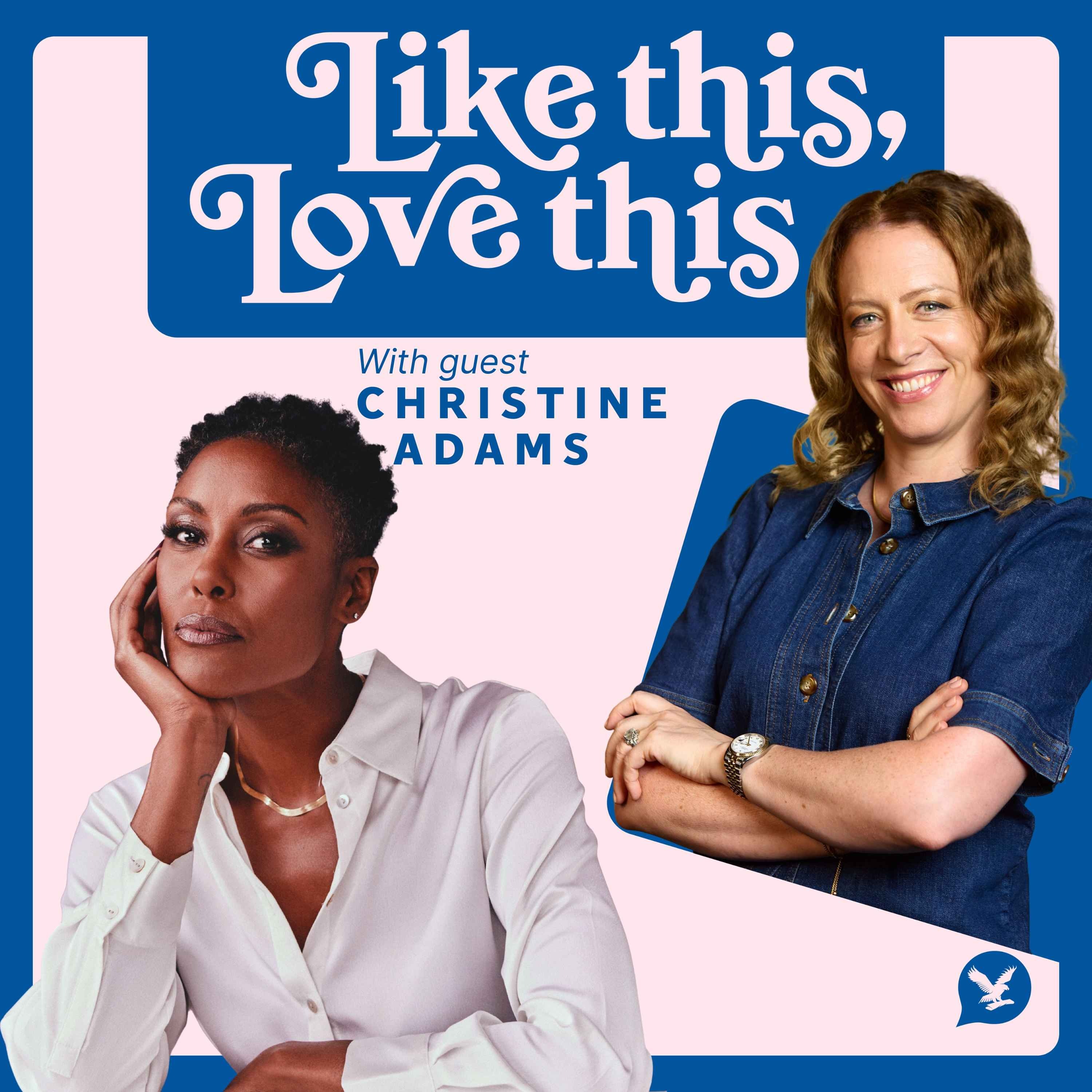
In this interview, actor Christine Adams discusses her journey from the UK to Hollywood, driven by a desire for greater opportunities for Black actors and inspired by American television. She highlights the cultural adjustment to LA's pervasive optimism and her early career struggles, with a turning point coming from roles in shows like "Pushing Daisies" and "Heroes." These experiences boosted her confidence and industry visibility. Adams notes that she initially often performed with an American accent due to limited roles for British characters, a trend that has changed with the globalization of media. Now in her fifties, she perceives a positive shift in her career, receiving more compelling material and feeling a sense of homecoming with UK projects. She acknowledges industry progress for women and older actors, advocating for more female directors and producers to tell nuanced stories. Adams stresses the value of complex, authentic female characters that reflect real multifaceted lives, moving beyond simplistic archetypes.
Suddenly I felt like I belonged, like I felt like okay I can do this, I can be around these big names and big players and be on these big film sets and it gives you that little bit of juice and so it wasn't a huge part but it was enough to open more doors. There's definitely something that I'm drawn to in any form of storytelling. Is this sort of idea of outsiders and people that are on the fringes, the monoculture versus the subculture, but still for a girl from Northampton I didn't know what that was. It was a window into the world that was so interesting because it was so far removed from what I knew. There were loads of amazing TV shows that I've seen. I mean you know and ones that everybody else has seen and the wire and you know we could talk a day about inquiry but for me as an example of an incredible female driven story the way the subject matter was handled yeah I just sort of absolutely remarkable and I haven't stopped thinking about it. Hello I'm Lucy McEnerney and this is like this love this a podcast about the stories we love and what they say about us. Each week our guests tell us about the books, movies, TV shows and podcasts they can't stop raving about and why they love them so much. This week I'm joined by actor Christine Adams. Christine studied acting at university and not long after moved to Los Angeles to kick starter career. Starting with an appearance in the world is not enough and later roles in the likes of Batman Begins and Tron Legacy and she's also being in more TV shows and you can shake a stick at. Starting off with EastEnders and Casualty and later on American hits such as Heroes, pushing daisies and agents of shield. She even describes herself as the hardest working actress you've never heard of but I have a feeling that's about to change. She's currently starring alongside none other than Sir Idris Elba in the second season of the TV series Hijack which is just recently dropped on Apple TV and I would seriously recommend it for a binge given that it's January. Christine's four choices appeared completely different at first glance but after getting to know her and her keen interest in people, characters and their motivations each one makes sense as does her choice of career. Her movie pick is a classic musical starring one of the last stars of the golden age of Hollywood. Her book is the first in a series about life in San Francisco starting back in the 1970s. The podcast she chose reveals the truth of life in prison from the prisoners themselves and her TV choice is a unique and vital true story of one woman's experience living with and ultimately dying from stage 4 cancer which is not quite as dark as I've just made it sound. I wound up chatting to Christine for ages after we had finished recording and could have happily spent hours more speaking to her about her life, work, experiences in Hollywood and I really hope that you enjoy our chat too. I wound up chatting to Christine for ages after we had finished recording and could have happily spent hours more talking to her about her life, work and experiences in Hollywood and I hope you love it too. Please enjoy and don't forget to like, review and share as it really does make a difference. So Christine Adams, welcome to like this love this thank you so much for joining us. I thank you so much Lucy thanks for having me. I've been having a lovely time as I always do learning all about you and I have so many questions. So you were born in Brentwood and Essex grew up in Northampton is that correct? Yes. So how on earth have you ended up like working the huge the vast majority of your career in the United States like how and how before even that how did you get going and acting? Was it a parent getting inspiring you or? No it was something I always sort of loved loved performing from a young age obviously didn't know it was something you could do as a job and you know I sort of I loved theatre and it was something I always did you know always did sort of school plays and and drama clubs and and ended up going you know going to university and doing a performing arts degree which was all very sort of alternative and weird and sort of running around in black leotards and it didn't really train me to be an actor in any way shape or form but once I left and sort of you know was doing lots of theatre in London I essentially sort of got to a point where I felt like there wasn't enough work for black actors in the UK at that time and I sort of you know like many of us grew up watching a lot of American TV shows and it somehow felt more aspirational and seeing sort of black actors playing you know doctors and and presidents that seemed more exciting to me and so you know I ended up essentially going out to America in in early 2000s with you know a suitcase in a few thousand dollars and I mean it was kind of foolishness of youth really if I'd have known them what I know now I never would have done it but so I went out there and and yeah it's spent about six years of just going around and around and getting a lot of nose and but it was it was great it was it was the best thing you know the great thing about you know Americans American culture especially in L.A.'s it's just the positivity and the optimism and I sort of arrived in L.A.'s it's kind of swithering kind of flower and you know sort of felt felt myself blossoming because everybody was encouraging and everybody there wanted to do something so there was all this potential and promise that you always felt even though it was it was hard you know initially did you and be honest did did your British sensibility find that in any way jarring all this positivity because let's be honest in Britain and Ireland it is far more commonplace for people to say oh you've got a bit big for your boots you've been a bit successful haven't you it's bringing you down a peg or two whereas in America it's absolutely the opposite they were so enthusiastic that you can be a bit like okay I don't know what to do with this so enthusiastic you know not afraid of ambition you know everything's good for you and everything's a yes I think that probably was the hardest thing to sort of realise is that you go to these meetings never was positive and everything's a yes then you never hear from those people again and that was hard at first but you know I realised that sort of part I mean the thing about going to America is that you sort of think that we're speaking the same language and then you sort of very quickly realise we're not so you know navigating that again it took me probably about six years to sort of assimilate and understand you know what was going on between between the lines but I mean in terms of a kind of a growth experience as an actor it was you know I learnt so much I learnt so much and what did you this is one of these things that I've had an interesting kind of I've had interesting discussions with different actors on the show about have you had that moment where you thought wow this is my big break and if so what was it or was it a more gradual development of a career you know it's a schedule because I think in sort of any actors career there's there's peaks and troughs so there's sort of many times when I thought this is going to be it this is going to be the big one and then it didn't happen for whatever reason whether it was thinking you're going to get this job or you know doing a pilot that everybody says is going to be the next whatever and then it doesn't go or it does go and it gets cancelled after three episodes and so I've I had a lot of that but I suppose probably you know booking a sort of significant role on a on a TV show called pushing daisies which sort of a cult became a cult show and it was really different and it was something that a lot of people watched and I think it sort of positioned me in a place where suddenly I felt like I belonged like I felt like okay I can I can do this I can be around these big names and big players and be on these big film sets and you know walk onto the Warner Brothers lots which was you know obviously amazing and I never got sick of that feeling of you know walking across the the lot but I think that was probably quite a big shift for me not just in terms of what I could do and it was quite a challenging job technically but also the perception you know and once you kind of get that first thing other people start to feel start start to notice you know it gives you a little bit it gives you that little bit of juice and so it wasn't a huge part but it was enough to to open open more doors I could be wrong but in saying this but in and around the same time roughly as pushing daisies with broadcasting am I right in saying that you had a role in heroes I did yes I mean I cannot tell you how much myself and my flatmates at the time were obsessed with that show and it was this a great show and we were just constantly waiting for the DVD to come out or someone to me we got it on the slide like from America whenever yeah show was such a moment yeah it was great it was really really different and I was really lucky because I got to do all my stuff with Zach Quinto who is such a great actor and such a good scene partner and it was a lot of sort of across the table me playing a shrink and I played a lot of shrinks yeah it was it was great and I you know I've been lucky to be part of a lot of these sort of iconic American TV shows which obviously now we're much more global but in some ways you know there was sort of a lot of time when I felt like I was working in America and nobody had any any idea you know so so being part of these these shows which started to have that sort of reach across on you know was was great because that was that was unusual or more difficult back then because we didn't have streaming platform yeah we didn't have Netflix so we didn't have you know Bridgerton you know which sort of is made and assumed that that's now made for a global audience but you know when I first went out to LA in 2003 unless you're in something like sort of Doctor Who then they didn't really sort of know you know English actors but they always were very sort of they always kind of revered English actors I think and Irish actors I think there was always this sense that we'd had the proper training and the proper sort of foundation which in some ways is is true and I think that's why a lot of English actors have been successful in America and I also think is that we probably have a different work ethic in as much as if you're an actor in the UK you're not doing it for the money and so and to be you can't be yeah and so I think a lot of English actors go into jobs because they love the work and you know those the kind of actors I think America produces one one on a set you know I also was wondering like with because you've not lost your accent one iota for one like was it when you were going around doing your auditions was it a thing where you were almost only being auditioned for things where you could play English or were you getting jobs that were you know do you feel like you were kind of pigeonholed or reduced in terms of opportunity because of you very enough into again sort of to your point earlier about how much more global we are when I first out to LA my first manager said you really need to work on your American accent because there's not that many roles for English-speaking characters on American TV shows like the audience is just not they're not tuned into that it's going to be American roles so make sure your accent's good I could always sort of do quite a good American accent again I think probably growing up watching so much American television but it actually got to a point where I would go to auditions and from the minute I walked into the waiting room I would be American because the idea was if you walked into the room as me Christine Adams with my English accent and then sort of went into the scene producers or casting directors might say oh we could hear your English accent and so going in being American from beginning to end and then maybe at the end I might say actually I've got a confession you know I'm English which of course they thought was absolutely hilarious and you know even if I didn't get the job that was sort of quite a good way for them to remember me so so initially you know I played a lot of American roles and again it's only sort of recently the more global television has become that when we're watching TV shows their American shows are a multiple you know English I mean you look at something like white lotus and things like that so I think yeah it's that's changed but initially there weren't roles for for characters who spoke with the British accent on American television just it wasn't it was considered sort of too confusing for mainstream America which is wild isn't it the thing I find really interesting about your you have the biggest back catalog of work for an actress that I once I saw your photograph was like I know exactly who that lady is and I was like why is she the hardest working actress you've never heard of that's exactly it and you're you start off with my family here in the UK and then heroes and agents of shield and you worked you worked on Tron Legacy you had a small role on in the world is not enough back in the day you worked it's like all you have played Idris Elba's ex-wife yeah yeah yeah you've recently worked at Katyn Zeta Jones and most recently kind of probably speaking to the global audience thing the the great huge big show on Amazon Prime at the moment Malice with David Dukovny and Jack Whitehall yes so when I list all those names and all those big things you've been involved and you've been involved in really blockbuster films how does it make you feel about your ambition for what's next like do you feel like you're still just like I'm getting going I don't you know I actually weirdly do feel like this is I've had a very good and you know successful career I've managed to make my living being an actor but something about this moment feels like something something different happening in terms of the material that's coming my way which is you know great and I don't I don't always get the job but I think what's the things that I'm reading and the character that I'm reading really interesting and also sort of getting the jobs feel a bit feels a bit easier than it used to I feel like I used to have to jump through a lot more hoops to get jobs so that's that's nice yeah it's interesting because you know I'm in my I'm in my fifties and so it should which would be illegal from giving how you look by the way you're saying that now and so yeah it's just it's sort of interesting to think that this could be you know the beginning of something new you know and I don't I don't know what that is I don't know how to define it but it does feel it does feel different and you know just hoping that I get to work with sort of more interesting directors and just keep getting interesting material I mean honestly as long as I keep working as an actor I'll be happy but there's something about definitely this moment that feels a little bit different and also like a little bit of a homecoming in terms of coming back to the UK and being involved in some of these really interesting shows again that people are actually watching which is which is really nice so that's it's a real sort of full circle moment it's kind of strange to think that it had to go sort of 20 years around to come back home to get the jobs that I would have loved to have gotten when I started out but I wouldn't have got those roles when I was 20 you know the being something comes with being older and and having you know more dimensions I think obviously what you've described as your personal journey but I was wondering like how does it feel to you as a black woman in her 50s we've all heard these stories of like you know oh this 29 year old is playing a 52 year old woman or where Anna husband is like as a 65 year old play by a 75 year old do you feel like there's generally a bit of a sea change in relation to women female actors and what directors want from them in the industry do you think it's getting easier or better yeah it's definitely getting easier and better and I think there are definitely a lot more roles for women in my age because I think ultimately they sort of can be more interesting to watch and more complicated not always so I do think it's changing I still think we've got a long way to go because still don't feel there's enough female directors producers I believe they exist I still don't believe they're getting the opportunities and not just that I mean deep female DPs female you know camera operators I mean anywhere where traditionally we've seen men there's still not enough women you know I still feel like when I'm on a set I'm just not seeing enough women across across the board you know unless you're lucky enough to be part of the production where it's it's sort of led by women who want a female driven production and that's I think that's sort of the next level that we need to get to because you know if we don't have those producers creators directors that want to tell those female stories then sort of we're going to get to the end end of the road but yeah I mean it's it's so much it's so much better than it was it's better it was because actually now we're seeing a lot more kind of unlikable women do you know what I mean really and it's so important like we I've had several conversations with other women on the podcast about their either just came up through the course of our conversation or because of choices they made and recommendations they've made that we've both engaged in that it's great to have women supporting women and it needs to happen even more than it already does but it's also so gratifying and in some ways like about time that we're seeing women who are as nasty as women can be and as redimensional as women can be and you know not all of us are always like a saint and not all of us are always a cow and we are always together you know it's our idea that we sort of holding it and there's that sense that women and they are like they're just you are the emotional heart of the story which can often be quite sort of fanceless I think for actresses in those types of roles where you're playing the wife or you know the support to the man yeah warry and so I like that we're seeing women way more centered and also just complex and and real and ugly and I mean that in the sense of like you know showing all of our all of our sides yeah and it not just being reductive that like this woman is a mother and she's nurturing and supportive and good and this woman is a vixen so she's a temptress and she never had children and she just thinks about herself and wanting to be sexy and that's all that there is to her yeah and I think for a long time you know because I've played I've played a lot of strong women and I and I always do which is which is great but you know for a long time when you would see roles where she might be the chief of police you know whatever in some superior position but she had no emotional life she had nothing outside of the job she didn't have a family she had nothing except the job and she was really good at it but you never sort of saw anything outside of that and God forbid that she might be good at her job and at home which is obviously you know a dynamic that that plays out with you know people who have these sort of important difficult jobs and so now I think that's something that you know you're seeing the sort of I'm thinking of like you know a Kate Winslet in Mayor of East town you know with good at her job totally dysfunctional home life you know for obvious reasons if you remember the show but that's more interesting than I think it was I completely agree and the other thing that came to my Mayor of East town I loved that show the other one that came to mind was I can't remember the character's name but Olivia Coleman's character in the first series of broad church where she was this supremely competent police officer and mother just totally normal not glamorized not sexed up in any way not made ugly just a normal woman in Britain working hard at her job working hard at her family and it was just something really kind of it was it was weirdly a breath of fresh air you know because it was just this woman who hadn't been painted into the saintly mother the excellent cop who's crap at her home life or the sexy temptress yeah and you're just like yeah okay she's she's like me she's like the majority women I know I mean there's loads of boxes for us exactly always had multiple boxes you know when you've watched them in films they've been allowed to be all the things and we've been allowed to be a small section of those that and now I think you know we're starting to see all the colours and I'm I'm here for it as the Americans say agree I completely agree I think that brings us very nicely on to your first choice which I think it makes sense for us to talk about your film choice which is a film called sweet charity it was released in 1969 and it's an adaptation of a stage musical which was itself apparently a remake of a Federico Filini film from 1957 and it stars Shirley McLean a woman just love her and stars her as you know the eponymous charity she is a charity hope Valentine and she plays I this is as saying a job occupation I hadn't really heard of before but for some reason in the last 10 days between your movie choice and someone else's movie choice I've heard a couple of times a taxi dancer so she's a a dancehall hostess yes and she's a single woman living in New York and she basically just wants to fall in love and thinks that if she wants to fall in love and get out of working in the dancehall she needs to kind of live her life more on the straight and narrow rather than on the fringes of proper society as it were and she ends up meeting Oscar while they're trapped in a lift who's this very straight-laced bit of a weapon like us but they fall in love and she kind of hides her job from him he ends up proposing to her and then it's about kind of what happens so I mean this is a very famous film directed in choreographed by the very famous film choreographer and director Bob Fossi yeah so what made what made you pick it well you know obviously when you get asked these these questions there are sort of the obvious ones that you know lots of people will say and then and then there's also sort of this idea that you have to find something that's you know lofty and profound and and the beautiful thing about sweet charity is it is it's kind of all all of those things you know it works on on so many levels and it's for me it's the musical for people that say they don't like musicals which was my when I first met my husband and I was a performing art student and he said I don't like musicals and I thought okay well this is going to be it's going to be difficult because I really I really do and I said well you just haven't seen one that you just haven't seen the right one this is the one you have to watch and he was converted now he's not going to go and watch every musical but he certainly it certainly kind of unlocked something in in him and you know it's a film I saw when I was really young it was probably a sort of one of those Saturday afternoon BBC 2 things and I just thought it was so beautiful and simple in terms of her wants and what what she was looking for an ultimately just looking for love and and to be loved and and be seen and that's so you know universal but stylistically it just blew me away you know the music the choreography the costume design that you know all of it was I'd never seen anything like that before and it just yet just sort of really really impact me it is is a film I've gone back to many many times and there's something about about Shirley McLean's character and I and I worship Shirley McLean let me just you know I just think she's an absolute also you know this is an actress who's been in all the decades of Hollywood cinema as we as we know it from sort of the forties onwards of what extraordinary woman and what extraordinary talent in terms of being able to do all these things and I just thought her performance outside of the music and the and the costume her acting was so just so so truthful and so and so honest that's a really hard thing to do in a musical I think to sort of cut through song and dance numbers and actually what you're left with at the end of the film is this sense of you know sadness and hope so I just you know I think it's just sort of profoundly beautiful and also really fun to watch and and very sort of and very unique and I think you know Bob Fossi is an absolute genius and I think what he's sort of given the world of dance and performance is I mean it's it's everywhere Fossi choreography is is is everywhere it's in there's a commercial at the moment for for the gap with a K-pop band called Katzai it's all Bob Fossi you know Beyoncé single ladies Bob Fossi I mean I'm the rich man's Krog which is the second musical number in this movie which is just I put it in this way I I had seen it before exactly the same as yourself on BBC on a Sunday afternoon yeah and then I sat down to watch it again last night and this is unheard of I put my phone down and I think that says a lot yeah I think it says a lot I wasn't multitasking I used to dance a lot I didn't do yeah yeah I here's a random fact about me Christine I was a professional can can dancer for two years there you go and and so I like you say the Fossi direction creation choreography is so arresting it is so unique it is so unlike anything else and this is this this is I think it's also important to let people know particularly in Britain this is the musical that gave us big spender like we all know about big spender because of short Dame Shirley Bassi but she got on this movie absolutely and the and the staging of that number is absolutely ugly because those characters what I love about the whole dance hall is this sort of the how he leans into how grotesque it all is how grotesque the men are and the framing of sort of sweaty men's necks and men sort of puffing away at cigarettes staring at these girls who were sort of a little bit freakish and and it's so unusual and it draws you in in such a way and and Sammy Davis Jr. Hello I know like as as the leader of the kind of weird church they go to it's amazing it actually it's it's amazing and the music you know you even listen to the music I'm related I've got obviously got the soundtrack on vinyl and listen to the mute just the music is is incredible it's really it's it's really fun and it's you know it's something that I sit down and watch with my my family I'm a force my children from a very young age to watch it even though they didn't understand the themes but just visually I just I think it's remarkable the other thing that really struck me about it when I watched it last night that hadn't really occurred to me before was the racial diversity in the film which is so unheard of in 68 69 when this film was made yeah there are her two best friends in the dance hall one is Hispanic cheetah Rivera's a hugely successful insanely long career yeah and then Paula Kelly who played Helen who was a black actress yeah and you're like wow and there were other you know lots of people in the background were of different ethnicities and that sounds like such a well it's not as good as it should be at the moment but it definitely wasn't a thing that was even considered back then but fussy really reflected New York as it was I'm yeah yeah and and and that's the thing it sort of serves as kind of this perfectly preserved moment in time you know it's about sort of the beginning of hippie culture and you know free love that was already starting to sort of bloom and so it sort of works of the time but it also is timeless in a sense that the themes of ultimately as humans what are we really looking for we're looking for connection and and all of those girls in the dance hall you know what are their hopes what are their dreams is just you know for me it will never sort of that film will never never date you know would it be something that would appeal to you like appearing in sweet charity in the west end oh yes I'm going to put it out there right now you know earlier when you said to me what do you see for yourself said it thank you just let's put that out there anyone wants to do it I'll do any of the rock any of the lady roles I don't need to be sweet charity I don't mind I will be in the front row an opening nice or I'll be one of the background dancers in the in the dance hall exactly exactly you need a can can I am your woman I would probably break a hamstring now because it's been so long but you know I'll give it I'll give it a whirl yeah it was just yeah it was such a joyous romp of a couple of hours like funny isn't she Shirley McLean she's so so funny and I think it was really I also found really interesting reading up on on her that her background was that she originally had really really weirdy weak ankles so her mom put her into ballet and then she basically this is how hard as nails Shirley McLean is she broke an ankle in like warm-ups for like being the lead role in Cinderella I think so she and I quote tied her ballet shoes tighter went out performed and then afterwards went by the way something's gone wrong I need to go to hospital and then realized I'm not physically built for being a ballerina which is why she turned to the stage what an absolute G oh my god you know would not endorse anyone doing that yes but I mean that woman is just there's nothing she cannot do she there's I mean she's got a golden globe and ask her like she's just amazing yeah I'd love to wouldn't you love to sit down and have a lunch with Shirley McLean just just tell me everything tell the tape over my mouth other yeah oh I know Warren Beatty what a family what a what a gene pool could you imagine first and like a net bending is obviously married to Warren Beat like you sitting around the Thanksgiving table or the Christmas Christmas dinner table you just be like you'd be like I'm the family member who's the local librarian and what is there to say like you know just just listen I think wouldn't hear oh my goodness I think that brings us really nicely onto the way you're describing how it's kind of the evolution of like hippie culture and there's a mention I think actually in the rhythm of life tabernacle section with Sammy Davis Jr.'s Big Daddy that this was a religion that was born out of San Francisco and your book choice is set in San Francisco yeah now I I'm obviously very always thrilled to get the different recommendations that I do and I there's always usually at least one that I'm raving about I have raved about all of your choices have you to the point where I read this book in once about one one and a half sittings because it's got short chapters and I love a short chapter and I went out and I bought it for Dean the producer so that he could bring it on as holidays because it just I knew about this book I just never got in right to reading it so it's called Tales of the City it's from 1978 by the very very famous author Armistad Morpen yeah who was originally a journalist and it's the first of ten novels in a series London now doesn't he yeah or Ballam oh my god he's reading near me yeah I think he lives in Ballam I go find him yeah no I'm not but if he wants to come and find me I'd very happily like four and over him for a while yeah yeah but so basically it was actually originally the first four books and the series were serialized in the San Francisco Chronicle which they did know yeah and then the fifth in the San Francisco Examiner so we open with a little girl from the Midwest called Mary Ann Singleton from Ohio who contacts her parents to say yeah I'm not just in San Fran on holidays I'm actually gonna stay in San Francisco and she then goes on to rent a flat in a house that belongs to this land lady called Anna Madrigal and there are other tenants in the building that range from a bisexual hippie and very talented copyrighter called Mona Ramsey straight single ladies man called Brian Hawkins and then there's Michael Taliver who's also known as Max who sometimes shares with Mona and then the mysterious Norman Neil Williams who lives in the room on the roof and it's all about like Mary Ann like developing building a life in San Francisco the other's kind of guiding her through it and it's just the most incredibly crafted unbelievable different storylines for each of the characters and they all link at different times and different ways that you just don't end up seeing and then it turns it is just this kind of great yarn that then eventually turns into such a page turner so when I get home today I am hoping the postman will have delivered the second book theory yeah that already ordered it so tell me how did you first come across this one I'm not really sure how it sort of came into my it may have been sort of recommended to me but I sort of remember post university you know when you when you're in a situation where you're reading books for school I sort of remember it being a book that I really wanted to pick up and read for pleasure which I felt like I hadn't done for a really long time and yeah again it's sort of he's such an unbelievable storyteller I mean it's it's so masterful the way he draws you into the to the world and the characters and and how you get to know them and and the layers to them and the stories that they carry and you know that just was so compelling and I think also maybe there's this there's definitely something that I'm drawn to in any form of storytelling storytelling read film or books or is this sort of idea of outsiders and people that are on the fringes you know I think that's something again with sweet charity that I was really sort of drawn to is these at the idea of these people who exist you know outside of norms and it certainly entails the city how all these people come into this one space and exist together as a group of outsiders in a way and and people sort of on the fringe although obviously in San Francisco at the time that was becoming more of the the mono culture versus their subculture but still for a girl from Northampton I didn't know what that what that was and I sort of it it was a window into the world that was so interesting because it was so far removed from what I knew but also I could sort of relate to these characters especially you know coming from the Midwest this idea of this sort of small town girl suddenly being exposed to all these different people lifestyles and experiences and that sort of resonated for me kind of leaving Northampton and going to live in London which was only an hour away but it may as well have been a hundred million miles away you know and even just going to university and being a performing arts student and just being around I mean performing arts is sort of weirdos for one of a better word and so and those are my people like weirdos are my people and so I think that's probably what I loved about tells the city and you know what I loved about going and doing a 30 degrees that you're surrounded by all these you know unusual people with had sort of unusual lives and sort of doing things that previously were just kind of unfathomable to you you know generous to me and so yeah maybe I'm sure that's probably why the book book resonated and also this idea of just community and and Mrs. Magical being this mother to all I I found really fascinating and in some ways I'm an only child so I've always kind of had a you know good sort of big group of friends that's been really important to me and really that's been my family and my community and and and within that there's definitely I think I sort of tend to take on that mother role you know especially on a set if there's younger actors I tend to sort of want to to to mother them and so I think you know all of those characters in tells the city it's almost like each one of them was a little was a little bit of me in some way shape or form do you know what I mean like I was living on the midwest and I was a little bit Mrs. Magical and I think that's that's the sign of an incredible story teller when you have something in each character that just you know resonates and and just the humanity of it you know and his as a writer he clearly has so much compassion and lived experience you know so yeah it just it just is a really it was really special reading those books and I I was so sad when there was no more books to read I think there's five isn't there all together there's ten it's ten maybe I think I've read five which means there's five and there obviously was the TV shifts TV shirts well with with Nora Linney which are what and Olympia do Carcass amazing and again like that's exactly how I pictured both of those both of those characters but yeah it really is so fun to just disappear into it into a book like that there's no better feeling I think yeah I completely agree there was a point when I was had gotten into it and it's not hard to get into because the chapters are so short and I'm a devil for loving a book with short chapters and then be like I'll just read one more chapter and then it's like in the morning and I've had no sleep and it's not good the next day and actually if you like books like that I would really if you haven't already read the trees by personal Everett he happened I've read James but not so this is an old I haven't read James yet but I have it on my ever growing to be read list but it's got very short chapters and an incredible searing satire of like race relations in the southern states in America but it is absolutely hilarious is it I think if you like it really in no way do the subject matters overlap but they did it did really remind me of Tales of the City in that way and like okay that's amazing that sounds right at my street oh yeah I would definitely and if you've read James and you enjoyed that like I mean absolutely loved it so I did find it interesting though that like the idea of this book which and I know you say that you see an awful lot of yourself and all of the characters but obviously there's so much of the shared experience between you and Mary Ann singleton of moving from you know the small town to the big city and I know that you've mentioned moving from Northampton to London but I wondered like what was it like moving from London to LA because I would have said that was an even bigger culture shock shock like in terms of like how did you build your own family and find your own way there like what was lucky because I went out with I went out to LA with my boyfriend who's now my husband and I think probably having somebody there really helped I'm not sure if I just I would have stayed if I had been by myself because it is just you know L.A. is notoriously lonely it's to do with the sprawl of the city and driving everywhere there's there's no center there's no there's no so ho there's no where that you can sort of just walk and and meet life I mean obviously there's sort of endless coffee shops and whatever but it can be quite a lonely isolating place and I think also just having someone there to turn to when you're having one of those cultural shock moments where somebody says something or doesn't say something or you think you've said said the same thing when it hasn't landed well so being able to sort of turn to somebody and say like that was really weird and I'm comfortable wasn't it and and that was yeah it was good that was definitely so that that really sort of anchored me and then you know I started I started a family in in LA I had you know two kids and I think that really obviously grounded me because you're in a different you're in a different world you know you're doing the school run you're doing play dates and and I met really good people you know around that as well and I you know lived in a nice part of the city where I could you know walk a lot and it was it was a great it was a great experience but I think I always had this deep sense that it wouldn't be my ultimate home you know I always I always felt like England was was home I always sort of had one toe out of the door I guess you know but I'm so glad I did it and survived because I think it can LA can do can do a number on people I think I think it'd be really hard and I can understand I mean it's like it's the Olympics if you're an actor going to LA is is like going you have to have a chilean mental strength and yeah it's it's it's another level so the fact that I did it and survived it and and had some successes it's actually something I'm really I'm really proud of I read I do I do love that sort of American positivity and that and that spirit and I completely and I can understand why it feels intoxicating to people but I also yeah it's not for the fainthearted I think because the other thing about like the character of Mary Ann is that she is this extraordinarily she's got a very strong kind of moral clarity to her and and and she holds her values very strongly and I think that is extraordinarily similar to you because obviously the amount of people who go out to LA with their boyfriend and then it's like they break up and you know if it let's be honest touring rain casting catches nasty things can happen and things can and living in that world living in LA and and maybe not so much now because I know the industry has kind of decentralized away from LA but you can get caught up in it and unbeknownst to yourself start making decisions that aren't the best for you and yet you've managed to carve out a normal life a healthy career in extraordinarily challenging industry and that's why I'm really excited to see what happens with Mary Ann next because I'm like oh she's going to stay as resolution strong as Christina's because your story is extraordinarily unique I would say in in your success and your dedication and your yeah and what you've managed to get on your CV to date well thank you I think um I mean I think I probably you know I grew up very sort of working class in that you know first person you know to go to university in my family and I think my husband came from very very similar background and I think you know ultimately there's just a value system that I have from growing up the way I did and I just think that's in my hard drive if that makes sense and the sense of sort of feeling grounded and grateful and and actually just having a good bloody work ethic I mean when you there's there's no greater motivator than being poor right and growing up without things and that's not that I aspire to having things and having money otherwise why did I become an actor but back to that point but in terms of just really working for something and just just trying hard and within that just being like just a decent person that's just a basic that's just the basic value level I was brought up with you know and it's not it's not that hard but it's also something that I'm really grateful that I I had I mean you have to have a good work ethic to do what I do and what what actors do and what any creative still I think um you could be really talented but if you don't have the work ethic then so it just doesn't work and so I'm really grateful that I I had that and I just yeah I just think having I just I just came out I just was born with those those values that just sort of underpinned everything and and continue to to do that and also I think because I haven't had quote unquote success at a young age it's been a really long you know slow burn over 30 years I think that also gives you a great sense of perspective because you know I've been humbled multiple times over my over my career and I think that really that really helps as well and you haven't had a whole load of smoke blown up your backside yeah which I think is what can cause people to just lose it a bit because they're not they're not involved in reality yeah yeah and I think again culturally I think the American it's sort of cultural TV and film they're very much is that sort of culture of you know just bowing down to sort of actors and the talent and just whatever they want which can really you know that can cause a lot of a lot of problems and and you know often with actors if if it's sort of left unchecked it can grow and grow and grow and grow and grow and grow and I find that sort of really sad because it ultimately will impact your career and actually one of the things I've I've had over the years I've worked with a lot of older actors that have been through it you know in their 70s or whatever and they are so great to talk to you and and universally they will all sort of say you know either at a certain point in their career when they were younger they were badly behaved and they will all say you know and the phone stopped ringing for a year two years ten years I worked with an actor that you know he was a he was a bad boy in the 80s his phone stopped ringing for literally 20 years I'm not going to say his name because he's back he's back on top so I'm happy for him but he learned a hard lesson and so you know I think it's important to remember that in this business I think people kind of they talk about they talk about other actors they talk about you know who behaves well and who doesn't and it does start to impact it does start to impact your career and like whether you're a nice person on set it's it's really important to to people and you know of course there are still people in our industry that remain unchecked but I think overall I think producers really want to have a harmonious set so it's really important for me to conduct myself not just when I'm on camera but off camera you know what just beat just just don't be a head you know that's that's words to live by yeah generally words to live by and something that I say to a lot of actors on the come up that you know it sounds really obvious but like just like just turn up on time know your know your lines be nice be kind it's not it's actually not hard do you know the other person who always says the exact same thing to other actors who Tom Hanks okay that that makes sense that I mean and I used to see Tom Hanks bit of a name drop here but I used to see him at the farmers market in Santa Monica all the time yeah and such a nice guy able to be lovely people would say you know high time he'd give sort of people but lived his life as a norm seem to live his life as a normal person and seems to be able to navigate being a mega star and just being a good man and a good human being so so it actually is is possible and listen I do believe that most most the actors of work that have been amazing human beings and you know I don't it's not something that's kind of dominant in our in our industry but I suppose you know back to your point about how have I kind of endured is that I just have really tried not not to be a I think it's a nice time to move on to your podcast choice which was one that I had heard of like years ago when I you know when I'm doing a big car journey I'm like I'll look up what are the ones I need to listen to because I love narrative ones yes and this came up and I think I listened to a couple and then I got really overwhelmed by how many episodes there are to get there on 16th season right now so it's called Ear Hustle it started all the way back in 2017 and it was created by former inmates of San Quentin Prison in California Irland Woods and Antoine Williams and co-hosted with by an artist called Nigel Poor who is a woman which really I know I mean stone yeah Nigel yeah who volunteers at the prison and she and Irland host it and it's just it's kind of I suppose an anthology series of all different types of things that you encounter in prison. Ear Hustle is a slang prison term for eavesdropping and so prisoners telling their own stories from like struggling with their roommates which is a very very first episode of the first season which I really enjoyed all the way down through race religion pets family and like finding the meaning of life and but it was just oh it's a section of society we don't get to hear from so how did this come across your radar and how long have you been listening to it? I've been listening to it from the beginning I think it might have come up through soottooth there's this radio station in the US called NPR National Public Radio which I'm sure you know public broadcast incredible incredible organization sadly being sort of horribly defunded at the moment by the administration in America but I think it was something that came up through and I was an avid listener and and always contributed to NPR and I think it was probably something that came up through NPR there's a lot of these programs with you know um the affiliate radio stations and you know so I think that's probably how it came and and again like you I do I love a love narrative um podcast I love storytelling I love personal stories um and human stories and so it really you know immediately from that first episode I thought wow this is fascinating and again took back seeing into a a window into a world that we would never and and humanising people who are in prison for rest of their lives or you know decades and it's it's funny it's heart breaking and it's it's sort of life affirming for me you know listening to it and and I think this idea that people can make choices in their life yeah bad choices when they're young and and some of these people so young you know when they're being sort of sent to prison for the rest of 17 18 19 and sort of understanding how those choices can have sort of the this this impact which not just affects the people in prison but their their families their their loved ones and also depressingly it's it's a real sign Quentin's an unusual prison because they have all these incredible programs but it is an indictment of the prison system and the social justice system in America and how unfair it is and how particularly I think you know for black men it's a hard it's a hard listen at times but it's worth it and and realising the humanity of these people is is really I think that's really important I think it's really important it was Ava DuVernay's prison documentary 13 on Netflix it's heartbreaking it's you're just sitting there going the the deck is stacked and yeah against a lot of these young generally black men yeah and that's what the focus of our documentary is about and the thing that I loved about this was that like we were talking earlier about women in a lot of storytelling now having shown as three-dimensional characters this enables prisoners to do the same for themselves the idea that you go into prison and then you're just this one-dimensional character you did a bad thing and you're bad for the rest of your lives and like I know that you know prison services are often not set up in the best way possible for true rehabilitation of inmates but it showed the genuine journeys that so many of these men go on to understand themselves better their motivations for why they did what they did when they did us and to feel true true remorse and show that like this like I'm sure there are people who are not going to be rehabilitated they don't want to be rehabilitated or people who are faking being rehabilitated but I think in a awful lot of instances they want better for themselves they just had didn't know there was no real modelling for them in their own lives when they were growing up or there was just no system for them to pull themselves out of the hole in which they just happened to be born into and so much of it is of the lives that we all live is is pure chance but this is such a great reminder that I like to think anyway that on the whole we as humans are good people and set out with the best of intentions and that you know even once you do really really bad things it's still within you to be good as well makes sense and and actually one of the things that's really fascinating about the show is that as Nigel and Erlan start to talk with different inmates they could have done really bad things and there's still something inherently good charming funny interesting about them you know that is that's really confronting right when you then also you know there's the version of the inmate who was a bell prayed to sort of restripes and you're out where they you know were caught with some weed and and then that's also heartbreaking because they really are sort of at the mercy of the system at this point you know but I yeah I feel like it's so important as a storyteller to kind of understand those those dimensions and those layers and and that complexity and actually much later on in the show they start going into women's prisons and you have to it's very hard to get into prisons so the fact that's why I locked so it's actually taken so many years because for example during lockdown they couldn't go into prison for two years so so there there's a lot of great episodes inside women's prisons and again that's that's another layer of we never hear those stories we don't even sort of even think about women being criminals you know whatever however you want to define criminals but so yeah I just I'm always I'm always looking for stories and I think ear hassle is is really sort of cuts into something which is it is uncomfortable but necessary you know and and from a social justice standpoint you know we've done a pretty sort of job at getting people out of prisons who shouldn't who shouldn't be in there actually rehabilitating them and giving them a second chance which I think a lot of them frankly deserve especially once they've been in prison for 20 30 40 years and they you know we're caught with a bag of weed in 1982 I mean it just it's heartbreaking it's absolutely heartbreaking but I really it's a show that it's a podcast I've recommended to a lot of people and a lot of people have called me and and and said oh thank you so much and you know sometimes things can be background noise and I think ear hassle is something that you really you you listen to absolutely the other thing that kind of struck me about it as well was that it does something for prisoners and prison the prison populations that you as an actor do all the time you you investigate the motivations of a character you question their background you interrogate every single aspect I'm sure of the person's personality so that when you then walk in front of the camera or on stage to inhabit this personality you feel like you're really nailing us and you understand them properly and you or tray them honestly and as kind of I suppose without wanting to sound to try it purely as possible as you think might have been intended by the person who created that character and that does the same thing for these people like you rightly said earlier on it humanizes them and it's it's so easy to just imagine you're in prison you're a bad guy and I'm out of prison and I'm a good guy and that's just life is not that straightforward it's far more messy and as you say layered and complex and I understand that a lot of them have done awful things to people but it's just it makes you it does really make you question doesn't it like this belief of like do I believe in rehabilitation because there are a lot of people who probably be like no they did a bad thing lock them up the way they get yeah yeah it really made me it really made me think yeah I think the gray area of anything to me as an actor is so interesting like that's the bit that's the space that I want to be in with any character with anything that I'm watching or I want to know like what what is the gray area you know you remember sort of being sort of I remember being younger and having such sort of fixed ideas about you know what was right what was wrong what we should do and you know as I've sort of gotten older don't just as a person but you know the actor I think you know that the gray area and the black and white of it all is is really interesting to me because I think that's the thing that sort of is fascinating about the human condition is that you could be all these things and you can have this internal life that somebody might never ever know about you and so that's you know again back to ear hustle you know you've got these these people that are in prison and sort of what they become inside prison or what they sort of discover about themselves in prison is so interesting to me you know there's an episode with the ghost which ends up somehow collecting creatures and birds and sort of having this essentially like menagerie in his cell and he's sort of known for being you know the animal guy and you think wow in that in that culture that's sort of so interesting that that's you know that's what he that's what he did and that's what sort of keeping him that's his purpose you know is rescuing sort of little creatures that he finds in the in the prison yeah that's that's interesting you know I suppose it kind of allows them to discover their true selves in a way because they don't have the distractions of being a regular society or how about the people that get out of prison and just can't cope because they have been so institutionalized that they are happier or feel more safe in prison so moving on nicely to your final choice which I have saved because I've made I think I said an a for age of notes about because wow this is a journey and a really good one this TV show that you've chosen is called Dying for Sex which I was a bit surprised by because I was like this came out this year I mean how can you've developed such a like a we'd say in Ireland to grow for it like a look how can you have such a passion for it my god do I understand why so it is um it is the story of two well one woman but two women really they're their friendship Nikki and Molly and in the beginning of the first episode we discover that Molly has had cancer and discovers that the cancer has come back and it is stage four and that it is basically sadly just a matter of time before it kills her and she through the to Moxifen that she has prescribed the drug that she has put on she gets this absolutely uncontrollable libido and so wants to have sex with her husband at all times and he can't handle it at all because all he can do is think her of her as a cancer patient who is dying and and he's a bit of a pompous person anyway I really want to use stronger languages than that but I can't and so she leaves him and she decides that she wants to die with her best friend Nikki who is played by Jenny Slate and the character of Molly is played by Michelle Williams and so she goes off and she has all these different sexual experiences and I honestly like to begin with I was a bit like oh gosh I'm a bit of a prude and and I found it quite uncomfortable to watch and I really wanted to sit with that and examine why I felt that way and then by the end as I said to you earlier I think that the whole city you can't watch the last episode without having watched the whole season and it's only 28 minute episodes and there's only eight of them but the last episode is something I think it should be called public service television it is just so incredibly moving it is so informational all right what happened when you're dying I had no idea about any issues there's Paul Powell who plays Amy who's the husband's nurse the very garringly enthusiastic credit hustle incredible so I mean I just don't even I'm conscious that we need to talk about your connection to this TV show that I could talk with this TV show forever but tell me about how like how did you come across it well so it's actually based on a true story yeah and it was a podcast yeah which I never listened to but it's something that I'd sort of you know heard vaguely in the ether dying for sex dying for sex and so and I'm I'm really love Michelle Williams I'll just watch anything that she does I think she's extraordinary and I think this performance just I don't even know how she did it because you have to be an extraordinary person to show that side of yourself not just the sexual the sexual vulnerability but you know playing someone who is going to die and what that looks like and feels like and I think she's just she's just absolutely extraordinary and so I'll watch anything that she does and then I think I was sort of hearing about the podcast and how is it and I do like things that sort of based on real no true stories as well so yeah that's that's how I sort of came to it and like I said I think I've bingeed it in probably yeah two days two days and and you know in terms of like TV shows that I'd you know there were loads of TV amazing TV shows that I've seen I mean you know and ones that everybody else has seen and the wire and you know we could talk all day about inquiry but for me as an example of incredible incredible female driven story the way the subject matter was handled her relationship to her doctor and the relationship that she has with her neighbour who's played by Rob Delaney which an incredible incredible performance I mean the whole show is very very sort of raw and uncomfortable and very revealing and you really feel like you're a bit of a voyeur in these these moments between the characters because there's such intimacy to everything that happens for Molly in this journey because this is this is her you know you're finding someone in the most profound point in their life where they're asking all the big questions and the existential questions and dealing with the baggage that they've carried and the baggage that I mean it really it's like you you meet her a very very very important and difficult time and and I loved the relationship between her and her best friend who's played by Jenny say it just felt very real and you could tell that there was a real connection there they had amazing chemistry and trust I mean to do what they did all of them there must have been an incredible trust on that set because everybody's exposed yeah I just I just thought it was absolutely remarkable and I haven't stopped thinking about it and I haven't stopped thinking about that last episode and all the stages that she goes through before she dies and I'm not giving anything away I mean it's in the tight it's it's implicit it's built in but yeah that that final episode I just I've just never seen anything like that before I've never seen anything on screen or you know even talking to people who've lost people to cancel having had friends who sadly have had cancer you know those I've just never I've never heard the nuance and the detail like that and yeah you're right I think sort of everybody should see it to understand what happens at the end you know I was there I was in the I was in the I was going through the joy and the and the tears and the you know and even though I knew she was going to die I was still completely devastated I don't think it's I don't think you only end up devastated if there is the kind of final reveal as oh the twist is she dies I think it's the I think it's the acting it's the writing it's the incredible as you say atmosphere and relationships and friendships that they developed on set that have and the the connection that you end up feeling to each character like I've written down here it just I jotted it down whilst I was watching last night like I don't think to anyone other than Jenny Slate could have played the part of Nikki who is the best friend who kind of helps her through her journey because when she leaves her husband basically you can't just have cancer you need to have like your files and your CDs and you have to have an advocate because you need to be contacting your insurance and you need to get every single stage signed off and you need to be doing so much admin that the cancer patient just does not have the energy for which just is utterly mind-boggling to me but yeah they were just and they were such an incredible juxtaposition to one another because Michelle Williams was for them and I think of her as a person as an ultimately serene she's always struck me as very not necessarily reserved but very serene very unflappable and there are definitely moments when the character isn't like that because of what she's processing whereas Slate is like as you say raw real a total mess of a human being. I love and I loved all of that I loved all of that sort of everything but she sort of tips her bag out and I thought oh that's me that you know tips and there's just all manner of crap in there and sort of carrying all the files and she's lost that like she's probably the worst person to do the job but she does it because she just loves her so hard and she wants to be there for her and she gives up her acting job to do it doesn't I mean it just that level of friendship and love I think between two women is I really love seeing that on screen and I think that's you know women do show up for each other in that women so that was that was the love story in in really for me yeah absolutely and it also it also kind of the other thing I find interesting from doing the reading on it was that one of the two show runners was the lady who the woman who created new girl Liz Merryweathers and she was in the process of making the dropout with about Elizabeth Holmes with Amanda Seafried when she kind of heard about the podcast and stuff and I really felt like yeah you can tell two women ran this show it's just so much thought and consideration to all of the aspects of us and there's such an amazing journey and it like we've talked an awful lot about the friendship and then ultimately the learning about the process of the end the kind of end of life stages but prior to that there's so much in it that's like there's so much more to it as well it's like about female sexual appetites the special awakening it's yeah childhood trauma completely but there's I've just made so many things but things like you know that I really liked was it's not only did Michelle the character of Michelle Williams need the advocate to kind of do all the admin for her but she also starts to advocate for herself like when she's like I do not want to see these particular people who are coming to visit me in the hospital I have very finite reserves of energy they are draining those reserves they are not giving me things they are that what is what is it that they say there's like this people in life who are radiators and there's people who are in life who are drains and they were like I need she's like I need radiators I don't need drains and so you know she was refusing to like accept the bedside the lack of bedside manner from the doctor that she has who's amazingly played by David rash and I was going to say what an incredible character you know and how there's something sort of kind of cold about him and how she completely sort of just disarms him over the course of her story just sort of little beautiful gestures of how she makes him sit on the bed next to her and you can use her name and say hello yes and just what a bridge is another brilliant dynamic and so unusual because you know one would assume that you cancer doctor would little you know would be a little bit more warm and cozy and he's the opposite isn't he he's sort of like he's just there he's giving you the scientific you know J.O.B just all business and I thought that and then you know her mother played by sissy space it God incredible and how complicated their relationship you know was and just all of it was so such a interesting tangle mess and at the middle of it this woman who at the end of her life even though so many things were still unresolved seemed to me to be a phoenix and seemed to me to sort of triumph in those last moments because she really owned who she was and what she wanted and that sort of death sentence gave her that freedom you know yeah and it was it was honestly because at the beginning when she's doing all these like engaging in all these sexual encounters they don't just she very often doesn't allow penetrative sex from the majority of her I think for almost all of the sort of you know it's all kind of you know facilitating kinks for other people and like obviously I think not a lot of it that I'm like I don't know that that would happen in very many places in the world so openly and without like without feeling in any way guilty like it's just like I have this weird kink I'd like you to services and we'll have an you know a grown up consenting adult relationship about it and then we'll move on with things and it gave me pause to wonder like hmm she talks really honestly with her best friend Nikki about it all the time Molly does it's like do I have a friend who I could talk with kind of openly and who would then also help me manage my my basically my onward journey to death and what was the answer you came up with it would be fair my best friend would absolutely be there she is listening I obviously don't know you that well but I will jump in as best I can I'm quite good not bad at admin I find it really interesting like when I was thinking back and you've mentioned it yourself several times throughout that you're attracted to stories where you've got people from the fringes of different elements of society coming together and finding community but also kind of one of the first things I wrote down about dying for sex when I came to the end and I to the end of the series and I think it applies to all of these stories is that none of us want to be alone and that we all want to find and make our own families but we you know a lot of us are very fortunate we have family family but then we build our own families as well whether that be in prison to help you survive some quint and and then you know sweet charity charity herself is so has has built her own family in a way in in the clubs that she works in but is so desperate for the more traditional family set up of a husband and probably a family that goes with it and then obviously Mary Ann building her family with her fellow kind of housemates in tells of the city under Mr Mrs Madrigal's roof and I just find it really yeah that we all want to be loved for who we are and not be alone yeah and that's that is probably the most universal the universal thing that I can imagine I mean the last line or word of sweet charity is love that's what she says you know to the hippies they give each other the peace sign and that's how the film ends and there's that sort of glimmer of hope and Shirley McLean's character but I think you know there's definitely it sounds simple but it I think it's I think it's beautiful and I think it's true and I think in some ways rightly or wrongly that's what drives a lot of actors is sort of looking for this community in a sense of belonging and and validation and I'm not saying it's right you know it's probably hours and hours worth of therapy to unpack it but I think that is part of what we do is as you know as actors is just for me certainly is really just looking for that connection you know that's ultimately all you're trying to get to and I think that's what makes great performances actually a lot of times is when you feel the connection between the actors and something that the audience is connecting to that's the best bit of the job I think that's the best bit of it's not as the best bit of your job it's the best bit of life yeah yeah and actually one of the things I love about being honest set is not necessarily doing the job is just having a good old knatter to you know all the people working and doing all the jobs behind the scenes that make it like I love those call I'll be the girl if if we went to a swankey party I would gravitate towards their girl working behind the bar or the girl serving the kind of pace and have a good I I want that's the person I want to I want to talk to you know I want to connect with those people people just want to be listened to they want to be listened to and they want to be heard and I think that's and I think that's important and I've I've had so many amazing conversations with random people that I've met you know in random places waiting at a bus stop or sitting next to somebody on a plane or in a coffee shop I mean I've had some of the best conversations ever you know and I'm endlessly fascinated by people people will always surprise you always you know and so I you know I like that as a as a human being and I like that as an actor well I think that is the absolutely perfect note on which to end so all that's left to say is Christine Adams a huge thank you for your time thank you Lucy it's been really good fun isn't it thank you for listening to like this love this from the independent with me Lucy McAnerney we hope you enjoyed the episode and don't forget to subscribe wherever you get your podcasts
Podcast Summary
Key Points:
Christine Adams moved from the UK to Los Angeles in the early 2000s, seeking more opportunities for Black actors and drawn by American optimism, though she initially found the cultural adjustment challenging.
Her career breakthrough came with roles in cult TV shows like "Pushing Daisies" and "Heroes," which gave her confidence and opened doors in the industry, despite earlier struggles.
She discusses the evolution of her career, noting that initially she often auditioned using an American accent due to limited roles for British accents on American TV, a landscape that has since globalized.
Adams feels a current positive shift in her career, with more interesting roles coming her way, and observes industry improvements for women and older actors, though she advocates for more female creators behind the scenes.
She emphasizes the importance of complex, multidimensional female characters in storytelling, moving beyond reductive stereotypes.
Summary:
In this interview, actor Christine Adams discusses her journey from the UK to Hollywood, driven by a desire for greater opportunities for Black actors and inspired by American television. " These experiences boosted her confidence and industry visibility. Adams notes that she initially often performed with an American accent due to limited roles for British characters, a trend that has changed with the globalization of media.
Now in her fifties, she perceives a positive shift in her career, receiving more compelling material and feeling a sense of homecoming with UK projects. She acknowledges industry progress for women and older actors, advocating for more female directors and producers to tell nuanced stories. Adams stresses the value of complex, authentic female characters that reflect real multifaceted lives, moving beyond simplistic archetypes.
FAQs
She loved performing from a young age, participating in school plays and drama clubs. She later studied performing arts at university and began doing theatre in London before moving to the U.S. to pursue more opportunities.
She felt there weren't enough roles for Black actors in the UK at the time. Inspired by American TV shows featuring Black actors in diverse roles, she moved to Los Angeles in the early 2000s seeking more aspirational opportunities.
A significant role on the TV show 'Pushing Daisies' gave her confidence and a sense of belonging in the industry. It opened doors and helped her feel comfortable on big film sets with major players.
Initially, she used an American accent from the moment she entered auditions to avoid being pigeonholed into only English-speaking roles. She would reveal her British accent afterward to make a memorable impression.
She believes it's improving, with more complex and interesting roles for women, especially older women. However, she notes there's still a need for more female directors, producers, and crew members to tell diverse female stories.
She feels this moment is different, with more interesting material coming her way and jobs feeling easier to get. She sees it as a potential new beginning and a homecoming, with engaging roles back in the UK.
Chat with AI
Loading...
Pro features
Go deeper with this episode
Unlock creator-grade tools that turn any transcript into show notes and subtitle files.
 PodcastTranscript AI