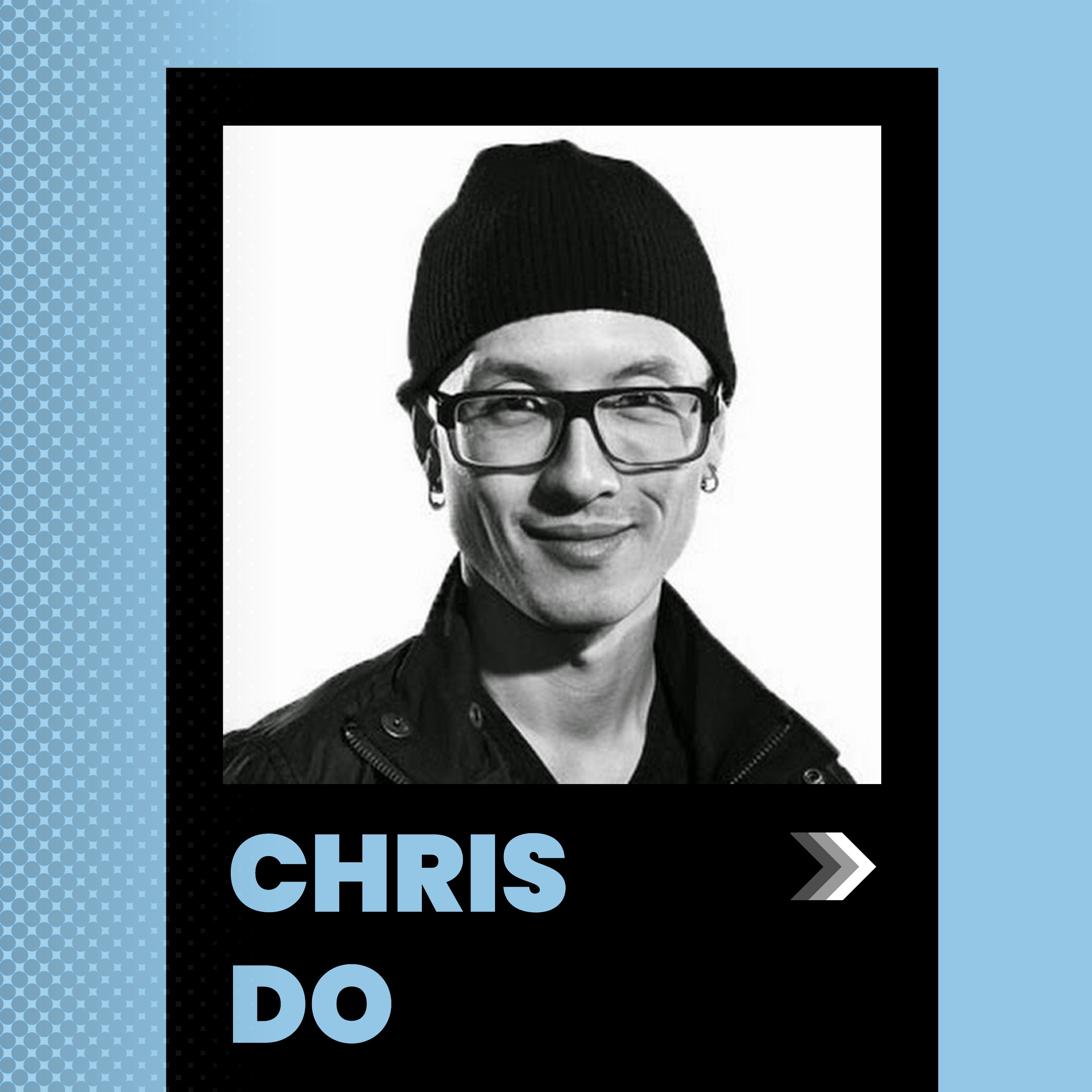
The speaker, addressing a Cambridge audience, aims to make the session direct and impactful by soliciting clear, concise topics from attendees. Key issues raised include anxiety over uncontrollable external factors (e.g., government policies, job market shifts) and difficulties in acquiring and converting high-value clients. The speaker redirects focus to controllable aspects and outlines a lead-to-retention funnel: lead generation, sales conversion, customer retention, and advocacy. A participant notes long sales cycles (6-10 months for projects around £10,000), which the speaker deems fixable. Other questions cover finding a niche, conveying value to unknown clients, scaling a business, and balancing operational work with strategic growth. The speaker argues strongly for niching down to reduce competition, warning that being a generalist (e.g., photographer, illustrator, web designer) creates cognitive overload for clients and invites more competition. Using examples and referencing Malcolm Gladwell and David Baker, the speaker advocates specializing to a narrow set of 10-50 competitors, as this improves positioning and client quality. The session concludes with advice to tailor general strategies to one’s own context, avoiding a one-size-fits-all approach.
(chirping) - It's not true. - I've been on a very short tour in London. I just feel like I've aged a year even though I've been here four days. It's been non-stop back-to-back events. I think either I'm tired, I'm really warmed up. We'll find out. So I think we have like an hourish to spend together. I'd love to make this as productive and meaningful as for you as possible. I'd just like to solicit a couple of topics or things that you'd like to talk about. And then I'll try and organize them in my mind and then we'll just get into it. Is that okay? And rather than spend time talking about myself or something, I just want to start right away if it's okay with you. So we'll just jump into it. Are there certain things? It doesn't even have to be a complete sentence or a thought, just general ball parks of things that you'd like to know. I've learned a couple of things about Brits. Not everybody is British, but I'll just call you all Brits anyways, okay? I understand that. I can see and I can hear. But I understand with British culture, there's a general tendency not to be direct to make simple things more complicated than they need to be. Let's see if we can change things. We're at Oxford. It's like an amazing place. Let's just-- - Cambridge. Oh, I'm sorry, I'm not. Cambridge. No, I'm not. Why am I thinking of Oxford? I'm sorry. We're at Cambridge and let's just see if we can just keep it nice and tight. Just tell me there are really direct questions with as few details as possible or just even a word or a high coup, just something very simple and I'll write up on the board and we'll sort it out. Are these markers safe to use? Okay. Does anybody have one? Go ahead. - I'm excited to be here at the Whitehall session. I think what keeps me up at night is the external factors that are out of my control. And it would be really interesting maybe to dive into that because obviously in your business you can focus on skills and stuff and all that. For the external factors, how does that shift the market? And I feel like I'm linked in any way when people pitch, like Oxford jobs, thousands of people are applying. And that's because the markets are so by a big reduced budget, all that kind of stuff. - Can you make that simpler? - Yeah, that would cost me. - You're up at night, you're worried, there seems out of control, then LinkedIn and job markets and. - No, I think it's more that I've been so nervous. - Okay, let me ask you a different question. I can tell, what result do you want to have as the byproduct of our conversation? Focus on outcome. What do you want to know or be able to do once we're done talking? - I would love to walk away with building a pipeline client. - You want to get clients? See, that's a very different question, isn't it? Okay, you want to get clients, okay? - I think when I was talking about external markets, that's kind of like the taxes in the government and all that kind of stuff, shaping it up and making it a bit harder, maybe to. - Well, I heard there's something that changed recently, right? You could move, that's in your control. I wish things were different, but I've not known anybody to win the case against a government. It's kind of tough, but let's focus on the things that we can control. There's no point to worry about the things we can control. That makes sense, right? - Yeah. - Okay, who's got nothing you want to talk about? Go ahead. - How to convey your value to clients that don't know you at all? Like, the complete code? - Okay, convey value. To call clients, right? Call that reach? - Yeah. - Okay, that's the tough one. My gosh. Dom, you want to say something? - Oh, what is that, but I can ask later. - You guys now? - Oh yeah, how do you find your niches? - Your niche, right? Okay. All right. - Telling to get clients, but clients with good widgets, how do you work? - Okay, so you don't want just any kind of client. You want a good client, okay? We presume the question was, not how designed to get bad clients, but we'll put good clients in here. It's easy to get bad clients. Okay, in the back. - How does change the traditional mindset of the business? - Oh, I think there's a continuation of four days with the conversations, okay? You want to change the mindset of traditional business, right? Okay. Up here? - How do you win high value clients? - Okay, so let's kind of move here, right? Well, one is, this is lead generation, how to get good clients. That's the first part, 'cause the word pipeline was used somewhere, right? So there's a couple of parts here, just, some people are business majors, right? Who's the business major, raise your hand? I just need to know who I need to watch out for, 'cause if I say something wrong, you call me out. There's you and there's you up here, right? Two people. You went to school here? - No, I didn't. - Where'd you go to school? - That far away? I don't know anything. I already said I don't know where I'm at. So we've established, I don't know anything, okay. So generally speaking, just so we all can kind of be on the same page, there's something that if you do to do like lead gen, how people become aware and become interested in you, and then there's something you have to do, I think it's, which is called sales, so you convert the traffic into sales, right? Or through sales, and then you make them clients or customers, and then you have to do something to retain them, so we kind of think about customer service. And then hopefully they become repeat clients, and then hopefully they become advocates for what you do. So you can see that it's deliberately winnowing down, because you can get lots of leads, and then you do sales, and some of them convert, some of them you retain, and some of them really love you so much. So there's the process there of this, which is the thing that you need the most help with? Who's asking this question? I already lost track of who's talking about this. Somebody up here, wasn't it? Was it you? Okay, is it sales or lead? As you understand it. I would say it, but my credit is sales. So you're getting plenty of leads, you just don't convert them? Some of them do convert, but they just take a longer time. Okay, are they really big projects? Average price point, give me a ballpark. So somewhere between maybe 8 to 10,000 to 20? Okay. This is also a brand design and a website design. Okay, so they just take a longer time. You want to just shorten them up? Okay, how long is long? Well, one month, nine to ten months, well, a 10 to 10 is about six to eight months to meet time to try and convert them. From the moment which they reach out to you? From the moment we've. Holy cow, that's crazy long. Okay, we have a problem. It's fixable. Good. Okay, I just want to leave it that we have a problem. Okay, anybody else? I'll take one or two more things. Okay, what is your name? It's Fel Fille. Fel? Yeah, Felifer. Felifer? Yeah. That's an unusual name. Felifer. Felifer. Smell it. Okay, can I just say Fel? Okay, Fel. Okay. And I'd love to know what you're focusing your marketing on the next year and what you're excited about on the name. That's a good business question. (laughs) Okay, well, I'm doing what are you doing? That's like skating tour, the puck is going, maybe. Okay, what I'm going to do in marketing in 2025? That you said no AI. What you're excited about on the name. Okay. Okay, anybody else? From client perspective, what clients needed to power how client devaluates a work or a personality of behind the work? How do clients evaluate the work? What do you mean? Is the client devaluating the work or the personality who done the work? At which point in the game? Like from client perspective to agency perspective. Like if a client's higher in agency. Are you asking like why do client's hire people? Yeah, which one did they prefer the work or the personality to run through? What if it's a fifth option? You've only given me two options a bit from. You know it's one of those two? So why don't you just ask the broader question so I can help you? You know what I mean? It's like do you love me or do you hate me? What if they're somewhere in between? So are you asking like why do clients buy? I don't want to put words in my mouth if that's not your question. I'm okay. How many ask it one more time? So what are the ingredients? It's okay. But give me a second. He's on land applying, I hope. So what are the ingredients that client hired agency? You may think you want to identify maybe five different types of customers and how to communicate with them quickly identify which type they are and apply that communication style. Maybe. I'm not sure if you were talking about the view of talking about I'm like the drop the words. But we're talking about how there's a lot of people going for a job to like a thousand amazing designers and we feel like the clients get very overwhelmed and they're looking at all these designers. How do they choose the work and is it more the personality that they choose because they feel comfortable and like safe and they know that they're going to leave them through. That's very similar to the question of ours. Right. Do you understand it? Yeah, yeah. There's only one problem with that question is this very leading question because you're assuming this personality. What if I have some other insight that's not personality? So I think you just want to know why do clients buy? How do they choose? Is that the question? Okay. We understand it. Yeah? Okay. Why do clients buy?
- Please. - How do you appear credible to potential clients? So I look at LinkedIn, and there's so many people who say all kinds of things and set themselves opposite potential experts. And because in the profession I've been in, I know that a lot of it's not that substantial, it's not that credible. So how do you. - You can tell. - Yeah. - Clients can't, 'cause you're a professional. 'Cause you know what you're doing. Just like some people like say, that's not very good design, but buyers of design don't know that that's not good or bad. They can't tell. - But is there a goal, should you care about that? Because is there something to identify if you was seeing that in the standards? - Yes, there is. There are things you can do. Okay, I'll take a few more if you have them, and then I'll organize in my mind, and we'll just get going. - Sure, so if you think about this as, on the board, currently planning the work and reviewing the work, how would you make time for doing the actual work, and when do you know to scale? 'Cause it's a tricky point. Let's say we have to today, we know exactly how to reach out to clients, how to convert the sales, how to. - Oh, okay, you just wanna know when to scale? - Yeah. - Okay. - How do you want to sit if you're just on your own? How do you make sure you have enough time to do and deliver the work, rather than just bringing work? - So it's being in your business, versus working on your business? - Right. - Okay. Some of these questions are hard. Some of them are a little bit easier. That's good news. I will do all the easy ones first. Okay, Don, back to you. - I've got one more. - Yeah. - What is the most important thing when you run a business? - The top one. Okay, be the outcome of all of them, I guess, but what is the most important thing? - Okay. - All the business people in here, I want you to think about that too. Lock your answer in your brain, so when we address this one, you can say, "Yeah, I did it. "I'm doing it." Or, "Ooh, I got some work to do." Okay, are we done? Anybody else? Go ahead, go ahead. I just want to say, I used to watch your early content in your videos on their bothered beyond padding. It's got to be where I am. Thank you so much. Yeah, I'd like to ask, it's actually surreal to actually see you like. I'd like to ask, how do you convince people or stakeholders that's not backed by research or customer insights and to the point that you say, people don't know what they want. How do you tell clients that this is what people want? - Okay, you want to learn how to persuade and convince people? - Yeah, you tell them you know what you're doing. - Okay, all right. Thanks for watching the channel. I thought you were going to insult me. The way that began, it felt like an insult was coming. I used to watch your channel, but my effort, now I don't. Why have you gotten so bad? Okay, persuade convinced. I got it. It's fascinating. That's it, we're good. Okay, last one. Literally, you'll be the last one. - I think two, a couple of it. - All right, we're good. - So I probably won't be able to do all this in an hour. That'd be exhausting for all of us. I mean, I could, but then your head would explode and then we'd have a medical problem. So I will do my best to crush through these as many as possible. Okay, are we good with that? I also just want to take a moment to acknowledge and thank you, Dom and team for hosting this event. We're around the corner, so it took a little energy to get here. So I just want to appreciate you for doing that. Okay. Oh. (applause) Dom, that scared me. I was going to hit the floor like this gunfire here. I thought there were no guns. That was like a extremely exuberant clap there, like goodness. All right. I'm going to sit down for some of those because I've been standing for a couple of days now, so I'm going to sit down and help you address some of this stuff. Okay. And I think we just need to do some business, one on one for 2024 moving to 2025. The way I see it. I want to caveat something. A friend of mine said something like, "All strategy." Oh shoot, I'm messing it up now. All strategies autobiographical. I'm only going to tell you to do things that I've done that I like and think work, but that means you have to be aware of bias and also the certain factors that have contributed to the decisions that I made and make sure you map it to what you do. Okay. So oftentimes if I say something and it doesn't quite map with what you're doing, don't fight the whole idea, just understand the idea and then later on think to yourself, how am I, I use those ideas and tailor it for me? Does that make sense? We don't want to throw the baby out with a bath water kind of thing. Some parts we keep, some parts we can toss out. Okay. I'm going to come at this from the point of view of things that we've done as blind, my services on company and then as the future as a content education platform. Okay. And most people want to learn how to get better higher quality clients. In order to do that, you have to be clear about a couple different things. You have to know what you do, who you do it for and why it matters. So there's a question about niching down and I don't want to make a long argument because we can spend a whole hour talking about this whole niching thing. I don't want to do that. I think you have to just make an adult choice here, which is how long do you want to suffer for? How long do you want to work in relative anonymity and to compete at the bottom level and get paid almost nothing for what you do? How to determine if you should niche or not. In very few instances, will it work in your favor to be a generalist? I can only think of a few. Usually executives like CEOs are better off as generalists. Managers are better off as generalists. Sometimes salespeople are better as being a generalist but everybody who has their hand in the work, it's almost always better that you do something repeatedly. It's like that Bruce Lee quote, he doesn't feel the person who's practiced 10,000 kicks one time but one kick 10,000 times because we just get better at what we do over and over again. Malcolm Gladwell has a whole thing about it. It's called a 10,000 hours of deliberate intentional practice. So what you do and what you don't realize is some people are, and I'm just going to make this up because I know it sounds super silly but actually real people have told me these things. I'm a photographer. I'm an illustrator. I'm a graphic designer, I build websites and I do development work. People really say this to me and they, although I'm a throw-in, I'm an artist as well and I sing and dance. It's like there's so many slashes to what they do. Let me tell you what the problem is. When you tell somebody this is what you do, you're doing like a cognitive overload to the other person's brain. You're going to ask them, I'm really important. Please stop thinking about what you're doing in your life and your own problems and use all of your brain power to remember what it is I do and find the connective tissue between all these things. What will ultimately happen is you'll short-circuit the brain. They won't remember anything or they'll remember the wrong thing. The other problem that you might have here is when you're a photographer and somebody is looking for help, they don't want mediocre, they don't want middle of the road, they'd like to hire the best that they could afford. You don't want to take your family out to eat an Italian dinner that's kind of at the bottom of the barrel of the middle of the road. You want to buy the best meal that you can afford. There's an affordance issue right there, right? So cool. Now you compete with all the photographers who are at the top of their game and then you compete with all the illustrators and all the graphic designers. What you've inadvertently done is you've invited more competition, not less competition. The goal of positioning and marketing is to reduce or eliminate competition. That's reasonable, right? That's logical? I speak just mostly logic, so if somebody doesn't sound right, argue with me. I'm good. I like a rigorous debate so that we can move forward. So should you niche only if you want to suffer? Unless you're in management. So one says, well, I like to get to management. How do you get to management? You work your way up from the bottom or perhaps you go to a fancy school, get a fancy degree and do excellent interviews and they just put you in a management position on day one. I'm always scared of companies so hire people and put them in leadership positions when they have zero experience. They just don't have to do anything, right? I prefer to work with people who've worked their way up, have all the training and the intelligence, but I want to know that they can do stuff. That's important to me. Okay, so do we have questions about this? So your goal, if we can agree, do we agree? We want to reduce or eliminate competition. Not possible to eliminate all competition, but you want to get it down pretty small. David Baker has this thing that he writes about in the business of expertise. He has some magic number and the magic number is kind of semi-arbitrified based on his experience. If you have, say, one competitor, that's too few because the market is not big enough to support you because basically the market can support you and one other person. That's it. David says, if you have 10,000 competitors, that's way too narrow. That means you're just too broad to generate. He has a number, I think, somewhere between 10 to 50. It's not a giant number. It's somewhere around there. If you have 10 to 50 competitors, you're narrow enough. And if you want to read more about this, read the book.
book, the book, the business expertise. I probably butchered that, but at the you understand the general concept, right? So how many people here are niched? Raise your hand. Okay, only a few. And here's the thing, you can write, you can lower your hand. He says, "If you think you've niched enough, he's like you haven't." Everybody thinks they've niched, and then when I ask them what they do, or who they serve, it's just too broad. So there's a shorthand for this that are read in, and I think it's Michael Porter's book. Look yourself solid, is it Michael Porter? Is everybody read that book? It is. Thank you. He says, "Your niche is really simple." Right? He says, "It's your market." Like who you serve, plus, like what you're passionate about. So we don't have to make this so complicated. The market you serve, plus what you're passionate about. So I help certain types of entrepreneurs, and what I'm passionate about is, is people who want to start gyms for women trying to recover from pregnancy. That's what I'm passionate about. So that would be your niche. It doesn't have to be more complicated than that. So if you just identify a market, and it's too broad, you're not anywhere close. You need to narrow the market, and you need to add your passion. And this makes perfect logical sense to me again, because why would you want to build a career doing something you're not passionate about? It would make sense to me to do that. Okay? So your market, plus your passion, would equal your niche. Now I want to share a little side thing, because I just got back from a trip from Ireland. When I say I got back, I'm still on that trip, I suppose, because I haven't gone home yet. There was this idea that we're meeting these incredibly inspiring people, and they spoke about their passion. I'm forgetting your name is, I think, Dorena, and she is the most famous cook in all of Ireland. It's just long family tradition, multi-generational thing, it's amazing. She's so passionate about food, growing it, cooking it, and serving really high quality ingredients. And then, to a small group of entrepreneurs, these 20 plus people, they're like passion, passion. And passion would be this really strange concept. And then they talk about legacy, like the kind of world you want to leave behind. So if you look at the word passion, and it's an underground, I believe, if you just move this letter, the eye, and you move it over here, it just says eye pass on. That's your passion. It's what you love to do, but what you want to leave behind. What you think makes the world a little bit better. I'm very passionate about education. That's what I want to leave behind. That's what I want to pass on. Not just my children, but the children I would never get to know. The people who are going to be impacted by our content. If you do this, I think you start to get into some magical energy about not only what makes you money, but what fills your soul. And the idea of what it is that we should be all try to do as we build our business is to build an infinite business, the business that goes forever, that you never have to need to sell the business or get out or take a vacation from. I think it's not easy to, but it is worthwhile to pursue. Okay? Any questions so far? No, this is fantastic. This is the quietest room I've been in a long time. It's okay for you to breathe. Yes, please. - So how do you feel so passionate about something and you carry on? How do you stop yourself from getting burnt out? - So here's the thing. Have you ever done something you love so much and gives you so much joy? Does it take away your energy? Does it energize you? - The energize is what you do. - How would you get burnt out by being so energized? - Because you put everything up. It's almost like you're so, I get so tongue-vision into it that any ungodly hour I will put into that and there's no stop. - Okay, then the only thing I would say to you is just learn to listen to the rhythms of your body. I have a very simple rule of life, but like how I say energize and how I hope to not die early or prematurely, which is when you're tired, go to sleep. When your energize wake up, when you hunger to eat and when you feel like you're alone energy, move your body. I just listen to my body. I don't have an alarm clock unless I'm traveling somewhere. Otherwise I just get up whenever I get up and I don't have a set schedule when I sleep, I'm tired. I just go to sleep. And I know sometimes seven o'clock I wanna go to sleep. Very rarely, but whenever I'm tired, I just go to sleep. So it's you kind of getting sucked into this thing that you're so passionate about that you've lost track of time. You're kind of in a flow state, people describe that. Time disappears, you don't go to bathroom, you don't eat. You just need to regulate some of that just by listening to your body a little bit. It's not as complicated as it has to be. Like I know sometimes I should be working or reading a book and I'll be playing a video game like Skyrim to three in the morning. What are you doing? You gotta get up at seven o'clock tomorrow. So I know I need to stop. So that's just a little bit of self-control and discipline, I think. All right, so we went in niche. We're gonna pick a market and we're gonna follow our passion. That's a long term sustainable career. I would hate to walk away, give you some information only to find you completely burnt out and messed up. Not doing work that's fulfilling to you. That, I would feel like a failure. So we're okay with this so far, right? Okay, so I'm gonna take off the niche thing here. Well, this is gonna lead me to build credibility. When you do something over and over again, you start to notice patterns. And intelligence is pattern recognition. So if you have one client, you can form a hypothesis, but it's kind of early. But if you have another client and they're doing or encountering this similar problem, you're like, I think I'd be on to something. So you form a hypothesis as to what you're seeing. And by the third client, you're like, wow, I've confirmed that this is the case. And so soon you can start to develop a system or a process of how you do your work. And this is really important. How many people have a clearly defined process, almost like a formula or a recipe that other people could follow that gives them pretty similar results? Anybody have something like that? Okay, all right, three of you. You're pretty confident. So you can give this formula to someone else and they can do it. And be relatively close to the results that you've been able to get before. Yes? Oh, I see some weird eyes looking now. If they like cream, didn't add anything. Yeah, they can be trained. Yeah. This is correct or I can train. Okay. It is wonderful. We should all aspire to do this as soon as possible. And you only get to do this when you see the problem again and again. Right? And I think I'll make this argument here. And it's not much of an argument. I'll just point out something that's probably pretty obvious to most of you. McDonald's does not make the best burger in the world. Not even close. But they're very successful. And the reason why they're successful is because they're very consistent, maniacally consistent. How many pickles, how much ketchup, how much mayonnaise or ketchup they put on things? They're very, very consistent. And if you're traveling and you're feeling homesick and you feel like, "God, I can't eat in his food, you're gonna feel okay, go into Starbucks or McDonald's because it, for the most part, is the same wherever you go." And it's very boring. It's been all like, who wants that as a creative person? But I think you want their bottom line. You want their healthy, successful business model. So you want to create a process and you're a creative soul. It's gonna fight against this. As hard as it's going to be because you cannot control me. My, my, what, the genius of what I do cannot be broken down into any kind of formula. And you'll continue again to struggle. Okay, here's another line I want to burn into your brain. Low variability in process equals low variability in outcome. If your process is different every single time, there's a strong chance that it's gonna be different every single time. We understand that, right? Okay, this is a quote I learned, I think, from Blair Ns. Low variability in process means the less there's variation in the process, the more predictable the outcome is. Predictable outcomes are valuable because it communicates low risk. When you buy a car that's mass produced, same Mercedes-Benz or BMW, you kind of expect it to work a very specific way because they keep manufacturing the car the same way. If they open a new plant, they hire a new plant manager, there's a new assembly process, the cars might break down more often. So what you do is if you have a defined process, you should publish said process in as many places as possible. You should talk about that. There's a married couple, maybe not after this conversation, but there's a married couple in the back. They're talking about restoring furniture. They kind of know what they're doing. They've been doing it for a long time because the white hair, I assume, just doing a long time, right? Yeah. (laughs) That means they can teach other people how to do this and have great confidence that relative new people can get into it and be able to have similar outcomes. We know they've done this many times because they can teach it and their students are able to achieve similar results. This is fantastic because if you have consistent outcome, you look less risky, that means you're safe. You want to be safe from the eyes of the buyer. Okay? You are going to, if you continue to publish what you do, your process, you'll be a sought after keynote speaker because a lot of people in the industry are going to want to learn how you keep getting these great consistent results. If you look at some of the most successful from an album sales point of view, artists in the world, they're able to make hit song after hit song. You may not love them, but they just don't want to make money. It's shocking now. Taylor Swift, maybe not the best artist in the world, is a billionaire.
move all kinds of people to come to the venue somewhere and do this amazing thing because she knows how to make a hit after hit and she knows how to produce a show that's very consistent so people will go crazy to buy tickets and be in a concert for three hours. The Beatles know how to consistently put out hits. They have some duds but for the most part they're very consistent. The weekend became the highest-streamed artist on Spotify. I watched his HBO concert. I didn't know he wrote so many consistently good songs. Post Malone, same thing and then there's the One Hit Wonders. Like the Verve, one great song, bittersweet symphony and that was kind of it. Do you want to be the One Hit Wunder or do you want to be the Beatles? That's the question for you to ponder. So if you can have a consistent process and you can publish this and share it your notoriety, your authority will grow. That's logical, right? I'm still speaking logic. Anybody want to argue with me? Challenge it. I'm happy to debate with you. That's all I've been doing for the last four days. Hence the condition of my voice, right? Okay. So the way that we do this is we talk about a process in any platform possible. And there's lots of them. It's not infinite but there's a lot. You can write about it. For those of you that who are camera shy, you could add graphics to that and you can do an audio recording of what you wrote. If you don't like your voice, use AI voice. Some of them actually outperform human voices. And okay, now you can step on stage and you can give it in a live presentation. You can turn to a workshop or workbook. You can do podcasts about this. You can use your process to analyze where things go wrong for other companies that don't have a process. So you can literally review and critique other people's work. From the point of view, like I know what I'm doing and build authority just on that. All of this stuff is to help you build social proof and credibility. You all understand the word social proof and what that means in the 21st century. Well we can talk about social proof in the 20th century. What is social proof old school? Newspapers, magazines, being on a talk show, being interviewed on the radio, having a best selling book. I saw it after keynote speaker, something like that, a trainer. Those are all things that signal to people I know what I'm doing. The oldest, the oldest, or the older one is like having a certificate or a degree from a prestigious school, having multiple degrees, stuff like that. Waiting awards, being published, all those things help you build social proof. But now we're moving forward into the 21st century and something really weird has happened. And we're talking about this at a summit amongst really influential people. They ask this question, "has your social media following or your social media become the new resume?" It was a really interesting question. And the people that were in that room were creators in the creative industry. So they kind of all nodded "yes" and it got me to think. When was the last time you looked at someone's resume and believed it? Right? Everybody fudges on their resume. I see people who were right, Stanford, but they went to school for one semester and dropped out. I've seen all kinds of things. People fluffing up all kinds of creative ways to use the resume. But you know what? I'm not saying it's not something you can fake, but it's hard to fake. I highly engaged social media account with pieces of thought leadership where you're speaking and sharing what it is that you know in the voice that's yours. That's the critical part. Because what people do is they regurgitate other people's content. Those people are not building thought leadership. They're not collecting and building social proof. And you can tell. Because it sounds generic. They never put their voice or their signature on it. You can just tell. So I will say this and I'm not saying this as some form of false humility or monesty here. I believe I get preferential treatment at conferences not because I'm the best speaker, the most practice, the most experienced. Not because of that at all. I get it mostly because they look at the social media following. They say he probably has an audience. That's it. And it's helped me to get a shortcut and it's crazy. There are best selling authors who've sold a million books, which I think is an incredible achievement. I get paid more. I get better speaking slots. And they make more concessions. Kind of wild. I was talking to someone in the green room who is a really good writer. Sold lots of books. Is it a fantastic speaker? And he leans over. Chris, I like you. Like thanks. He says, you know, do you need help with public speaking? Like, no, not really. I mean, I can have my agents look at what you're doing and see if we can help. How much you get paid? I told them $30,000. And the conversation kind of ended. I wasn't quite sure why. Because I was already making more than he was. He was offering to help me as a relatively unknown person in his world. But I'm doing just okay. I appreciate the help. I wasn't trying to be cocky, but it was kind of interesting. See? Social media and your following and account that you build in a genuine authentic way built on your lived experiences is probably the biggest credibility builder today. I'm waiting for the time in which when somebody in a big conference introduces me and they stop saying Emmy award winning to the one they say the most follow person on X. We're right at the tipping point there. Something that took a long time to get and to earn that's not easy to get is not even relevant anymore. I think that's awesome. That's good news because I'm playing the game. So how do we build credibility? We can also build credibility by having amazing case studies. So who asked about the case study? Okay, case study. It's a good question to ask. Case studies, right? The way you build the case study is you have to be a very good storyteller and a documentary of your own work. Most of us do a case study after the fact. After all the work is done, we start to collect assets and we try to figure out what's going on. That's not how you do a case study if you want to win really big projects. I spent some time in two instances. One with you guys know the agency wide into Kennedy? I was speaking in a conference. They they did or have done almost all the Nike campaigns. I believe they wrote just do it. That's how influential they are. Okay, I was talking to one of the senior creative directors at a conference. He goes, "Chris, do you know how much money and time and energy we put into building our case studies to win an award? They have whole teams and departments and that's all they do. So when they finish campaign for whatever company, let's say BMW or whatever, they do so much work in figuring out the analytics, the impressions, social, what is that sentiment, all that kind of stuff. They put together massive amounts of work while they're doing it. And I was hanging out with Brian Collins from Collins, excellent branding transformation agency. And Brian and his team, they he has dedicated people documenting what they're doing while they're doing it. So when the thing is ready to launch, they have the entire website ready. They have all the PR stuff wind up and they've been recording episodes with podcasts and other influencers ready to release on the same date. They understand how to play this game. And the kinds of clients they get are multi-billion dollar tech companies. So there's room here for us to improve. We used to do the case studies the way I assume many of you, which is after the fact. And we're on to the next project so it's like, "God, it just feels like it's so hard. Like, what do we do here? What happened? Where was the big turning point? And the thing that we never did was we didn't follow up with clients to see what kind of impact that the work that we did had on their business. And the reason why we didn't do that is because we're unclear that we're supposed to have any kind of impact at all. We just thought we're going to make it look cool. Make it memorable. So it starts with the intention to begin with. So if you have case studies and you have testimonials from people that names who you would recognize, that's a pretty good way to build their credibility. Having other people say positive things about you will be more powerful than anything you could possibly say. So many of you, when you're doing projects, as you're getting ready to finish them, you should be asking for the testimonial not after because they're on to the next thing as well. There's a gentleman, his name is Phil M. Jones, he wrote a book called Exactly what to say. It's $15. I think you'll read in two hours. It has really clever phrases on how to ask what you think are really difficult questions to ask, including how to ask for a testimonial referral. I would just say it for Maidem. Okay, Phil M. Jones, exactly what to say. Okay. We'll move on to why are we going to go with the case study question, how to build credibility, social media, as much social proof as you can gather. We good? I want to see what time is it. I feel like I'm doing pretty good. 30 minutes, all right. Let's go.
Let's get into why clients buy. Have you guys read $100 million offers? You have? OK, you read all the books, huh? OK, good. All right. $100 million offers. So again, if I say something filled, that's wrong. You correct me, OK? All right. When did you read it, by the way? Hi, it's amazing. And that's it. Last year? It's probably still pretty fresh in your mind then. At least one to go. $100 million, of course. Yeah, why not? Yes. Haven't you read them yet? No. OK. Do you want to? Yes. You got to get to-- Did you get to see? I don't know them that well yet. Yet. OK. $100 million offers. He kind of breaks it down like why people want to move on and offer, right? So is that what we're talking about here? Why clients buy? OK. So if he says something like, do you remember this dream outcome thing that he talked about? So you talk about what the dream outcome is from your client. Whatever it is, it wants to be very best. The home run option. What is it they want? You're writing your offer. OK. And what you want to do is you want to increase the speed of delivery. So you want to get it fast. The faster you can give them, the dream outcome the more they'll pay for it. It's kind of intuitive because creative people like to work on things for a really long time. You want to give them a result as fast as possible. So the argument that he makes in the book, $100 million offers is if you're having like migraines or you're feeling out of alignment with yourself, you're going to funky states of mind, you can meditate. Meditation is difficult. We could take hours. There's no guaranteed outcome. So he's like, what is the meditation industry worth? $100 million? Or you can take a Xanix. That's a multi-billion dollar industry. Because there's a guaranteed outcome every single time you know it's going to work. I'm not speaking from experience, but I think that's what it does, right? So every time you can have an instant result, almost everything that you want is worse more when you can get it faster. Almost everything, not everything. So we can look at shipping. I think Amazon is a ginormous business because no company can ship you something faster than Amazon. They have such inroads and infrastructure that can't be beat at this point. The fact that I can get on Amazon in the morning by something is there by the same day. The logistical things that they have in place. That's why they're such a valuable company. Is there a limit somewhere where you're doing it too fast again with start causing them questions? Yes. Quality or anything? Yes. Sex. How to find that good line? Most everything is better fast. Focations, better slow. Relationships, better slow. Can you think of something that gets worse when it's fast? That's worth less. Besides the two things I've said. Fast food. So certain kinds of food, but not when you're in a hurry. I mean, think about this. You know that Disney's most profitable part of their business in terms of theme parks are these extremely VIP package. Do you know what these things? Fast pass. Is that the most expensive one? It's 10 grand? No, no. There's levels. There you go. Sorry. Didn't mean I would tune you in your poverty. It's $10,000. And you just basically, there's a personal assistant that brings you to the front of the line. You just do as much as you want whenever you want. And that's what people are paying for. And $10,000 for a family vacation is a lot of money. But for people who are going to afford it, that's what they want. They want more quality time, not time in line. So can you think of one? I can't either. But you see this fights against. You're just hired to take as long as possible. Because I'm going to spend more time working on it. I'm just going to be of higher quality. If you can get the same outcome, if you increase the speed, it's worth more. Okay. What if the client doesn't have a dream outcome? How do you get to the point of them selling you? It's like, okay, this is what we need or this is what we want. And is it that a client doesn't have a dream outcome? I guess two ways or they don't know they need it. Or you're pitching it. Because if I have a return. Okay, let's pause there, Don. If you're pitching it, it's your dream outcome, not theirs. Just let's take you into personal relationship, right? Some guy walks up to you at the bar and is like, I'm your dream soul mate. You're like, no, you're not. You're pitching. Did you just look at somebody in this room? Like, I might, maybe. Okay. So it has to be their dream outcome, not your dream outcome. We'll get into that a little bit, okay? So speed of delivery, when I can get this is very important. So if you just take this as the awesome, you put that and multiplies that. Then it's divided by effort and sacrifice. What do I have to give up to get this? How much effort do I have to put in? Okay. Personal dream outcome. I would have a six pack. I'm 52 years old. It's getting harder and harder. The goal seems so far away. And the reason why is there has to be a lot of effort and a bit of sacrifice. A lot of effort is in gym, locking cardio, heavy weights and all that kind of stuff. And sacrifice of eating a very strict diet. So this becomes less attractive the more effort I have to take. That's why plastic surgery, liposuction, implants are worth more. Because as a guarantee result, again, body sculpting, all that kind of stuff, we will pay more to get something that requires left, effort and sacrifice. It makes sense? Okay. And then there's this thing that we add to this, which is risk. And the opposite of risk is the guarantee, the strength of the guarantee. So if you want to understand why clients buy, you have to have a conversation with them where you help facilitate or discover what a dream outcome is for them. It's conversation. And you're basically asking the same thing here. How do I convince the clients to love something that they don't love? I don't have that kind of magic. I'm pretty good about another kind of magic. So it starts with a conversation of the dream outcome. And understanding if you can get this result faster is it worth more to you. Of course it is. If you don't have to do anything and give up nothing and have a guarantee, well, you get into what Hormosi calls and offer so good, you'd be stupid not to take it. Now many of us are struggling with this. So there's a couple things that you can do, okay? Maybe the thing that you do takes a really long time. So you try to figure out what the quick win is. Okay, how many miles does the marathon? 27? Does it mean no? 26 and a bit. Okay, so marathon is run, I guess, one step at a time, one mile at a time. So if you look at your whole creative process and this is done and it takes a really long time to see done, all these parts make the client worry and get frustrated. So what can you do as a quick win up front? You kind of have to figure that out. So what is a business that you're in that you can't figure out what a quick win is? Maybe we can try to come up with one together. I've not done this before, so this could be a disaster. Does anybody have a business that takes a little bit of time to deliver the final product and they can't figure out what a quick win might look like? Maybe we can put all our collective brains here. What do you do? You make films. Oh, this one I know. Thank God. Okay. Film making. Like commercials? Yeah. Okay. I like the way you said yes because we're, that's fine. So short form. Yes. Okay. We'll just take commercials or corporate videos. Is that okay? Let's short form. Okay. We make short form videos. Okay. We're talking about commercials, things of that nature and corporate videos. And he's like, what's your name? Caleb. Caleb. Caleb, do it. I can't figure it out. I just can't. There's no way you can do a quick win. Are you sure? Caleb. So a client wants to work with you. How long is it going to take Caleb? To delivery. A week? That's pretty quick already. I thought you were going to say three months. A week. People can chill that out. Come on. Let's say he said, okay, three weeks. Let's say he says three weeks, okay? I don't know. You're making this is very fast. Okay. So Caleb is making short form videos. Everybody understand this language? Short form videos, commercials? Yeah? Okay. What can you do that would be a quick win if you were a buyer of his services that they can get almost immediately within the first day of working with him? I just send you a check. Now you're going to make me wait three weeks to see something. Okay, you do. Storyboard.
Okay. What else? You also working in the industry? No. Oh, you should fold me. You just drop storyboard. Yeah, bro, storyboard. Wonderful. Do parallel story. Okay, some parallels. What, what can you do? Behind scenes. BTS. What? And starting to work on footage? What is the BTS though? What? What? Maybe shine hit a fitness shot. You mean camera equipment, right? Yeah. Just making sure we're talking about the same thing. The other one's not appropriate, everybody. Do you think a client's going to feel like that's a quick win? Like check out my lens. Look at this Canon camera, baby. Probably not. That would be like, I want my money back. I don't want to see your equipment. Maybe what? Like the undergoes kind of milestones or something that you say, like, within one week we're going to have this ready to have this ready. Oh, okay. We're going to have this ready. You want to have a look? Okay. Like, they know that, oh, this week they've been working on that and then they're moving towards that thing. What do we call that? The journey. First, the time line. What is your call out of plan? So, okay. Plan journey times, yeah, we have a really clear plan. We're like a production Bible in the back. So, I've done things like this before. One of the problems we've had is being who were worried about me and during the camera. So, you're making a corporate film. Maybe you've got a CEO. He's not very charismatic. So, if you had a good conversation with somebody and you identify some of those two problems, maybe you can show them how you could fix that problem first, give them real confidence. So, maybe like a little short, tiny clip of the CEO talking as a sort of test for the film. It gives them confidence that this is going to deliver something that they like at the end. Do you make commercials, too? How do you know this? It's my other life. Okay, you got this too. I'll turn it up by then. Okay. I was the corporate, I'd be the person who commissioned this film. I see. I don't know, like an employer brand video or something like that. And so, I had a problem with the CEO. He had to be like a cardboard cut out. And so, that didn't put it difficult. He could solve that problem for me. I'd be really interested in buying from them and giving them money out front. Super. What is your name? Janet. Janet. Janet is speaking from experience. Caleb, do you work with clients like that? Corporate people that are little stuff on camera and worry about their appearance? Yeah. Okay. Did you know this? This is what they worry about? No. How long have you been in it? It's my gift to you. There you go. What's your Venmo account? No, I'm just kidding. Okay. So, this is very interesting because the problem with most creative people, we spend so much time thinking about what we do, that we have so little time to understand what the clients hate. Most corporate people are worried about this shoot, that they're not going to look good on camera. Yeah, and they pay somebody else's money to come in and do coaching and things for those people. Rather than just working with them. So, the creative person who's going to do all of that, you save them those problems by time it was diaries to do additional coaching, but I think it's a bit of an experience. Yeah, so that makes you look a bit attractive for positions. Okay. If we know the client's pain point inside this dream outcome, because there's both things that you want and things that you want to avoid, sometimes we think too much about what they want and not the things that you want to avoid. And we need to address that. There's going to be a gift that's been given to you from Janet here that we're going to work on together and you'll see. I recently went on a week-long tour of Ireland with some of my professional friends. And the event organizer, his name is Owen, he sent me a book that describes the things we're going to see. So, he's created the journey before the journey. Now, if you know your client's hate being on camera and they feel really awkward and stupid, you could produce a video and share with every single client, because now you have a process. Thank you for bringing us on. Here's a video that you can watch that's going to take you through how this is going to work, how you can be your most present charming self on camera. I'll just give some examples. Something that will take you a little bit of time to do that you can repurpose forever. That would be a quick win. You're giving me value. You're also communicating to me the same at my first rodeo. I've done this many, many times before. So, now we're trying to think about the customer journey and giving them as many wins as possible. That's not a burden to them. The problem with getting the book from Owen is I didn't read it, because I don't want to read a whole book before I go on my journey. Make it easy to consume, so it feels like it's a gift. Makes sense? A little video, five pointers for your upcoming video shoot. We're super excited to talk to you. Here are the things that you can do in practice. This is what to expect. Keep that under five minutes. They're going to be grateful. So, that's a quick win. Giving them a production plan. That helps. Showing them scouting photos early. So that they're in on the process. Makes sense, right? Okay. Alright. So, think about your own business, everybody. What can you do to give them a quick win? The more wins you can have, the better. Alright? And if we look at this in different industries, it'll be very clear. So, what I want you to do is train your mind whenever you go to buy something, whenever you experience something, what are they doing to give you a quick win? Sometimes you go into a fancy restaurant, you sit down, you're still looking at the menu, and they say, "Oh, a gift from the chef." That's a quick win. You see, it's being done all around you from very smart business people. People will understand how to create a delightful customer experience. But here's the thing. The next thing you need to do is after you've delivered, this is really important. What happens next? You need to think about what happens next. So that the feelings that they're having don't end. What is the follow-up? What is the reverse version of the quick win? What is what, I guess my friend Christine Lucer would describe as the booster shot? Like, once you get the original vaccine, what is the booster that gives you that kind of positive immunization again? So you're good. Right? And if you do this in a way that's consistent and valuable, you won't have to look for new clients. Your clients will recommend you to everybody they know. I'll give you one really quick example. I went to see the dermatologist. This is a couple years ago. And typically in America, when you see the dermatologist, they give you a prescription. You go to the drugstore, and you got to go pick it up. You got to wait in line. That's how we do in America. Once it's dermatologist, he goes, Chris, we're just going to ship it to you. What a revelation. One small change. I'm like, oh my god, where have you been on my life? Why don't other doctors do this? What's really cool is they said, and you get the automatic refill in six months. I'm about to have a motion moment with you right now. Do you know what I mean? Do you care about me? No, it's just their system. But I feel looked after. So now again, look in your mind. Look at your business. After you deliver what you've delivered, you feel that transaction is complete. Keep it going. There's this weird thing that happens, I think, in most civilizations. There's this thing. It's kind of like a weird invisible scale in our mind. When we receive a lot of things, we feel really guilty. It starts to drop down on this side. So we want to reciprocate and balance the scale, right? This is how society works. Oh, you cooked dinner? Let me take care of the dishes. You drove me? You picked me up the airport? Why don't I pay for gas? We look out for each other. So when you tip the scale and like, I'm doing so much good, good nature people want to repay you. You won't have to ask. They'll just do it. Now, there are eight holes out there who just take and take and take. Be mindful of them too. But I would say they're the minority and not the majority. I like to believe that people are good and good nature. They want to do good things in the world. Okay? All right. So, we go with that? All right. Pressure. Yes, please. I have ten minutes left. Well, why is it week? We go. Can we flip it back? Thanks. What is the week when you're going to be a failure in the market? What is the week? A week when you're going to be a failure, and we are seeing so many products. People have released very quickly in the market. And sometimes it comes out, I mean, it might be a failure in the company, but it might be a failure in the market because of many reasons. Is this a real one-ed, versus a one-ed flag? I was on Mars and holding a rat. Have you done something that's a quick win that is a failure? Or the context of what? I can't imagine how a quick win would be a failure. It's a quick win. By definition of the word win can be a loss. So, you're saying, what if it's a quick loss? A quick failure? Because that's the kind of question you're asking me right now, no? Not really a quick failure. Maybe I'm just reading to the people of Mars market, but you know, we can science and product something that we could be. You know, that's not the same thing that we're talking about. You're using my words in ways that I was not meant to be interpreted. If you have to develop a product, the first version of the product might be something that's the bare bones, the ugliest version of it. It's not meant to be the product. Right? Janet restores furniture, right? Or you teach people how to do it. If the table falls over, that's not a quick win. That's a quick failure. That's not valuable to me at all.
If the video that Caleb sends over makes me more nervous about the shoot, that's a quick failure. Let's design a quick win. It takes creativity, some imagination, and intentionality for it to be a win. Okay. Makes sense? All right. I kind of told you I could not cover all of this. So what do we need to talk about now? What is the most important thing that's left on the board that you think I need to talk about before we run out of time? Dom, how much time do we have here, Dom? How much time? Yes. 10 more minutes. 10 more minutes. We got to land the plane. Oh, kind of like at one o'clock. Okay. What's the one thing? I can freestyle the rest. What is it that you feel like? Man, I'm not freaking drove three hours to be here and you didn't mean to answer my question. Oh, really? Go ahead. What? Getting good clients. So we'll end it on that. Okay. Okay. So if you've been paying attention, if you're clearly positioned in the marketplace and you've done something over and over again and you've built great case studies and you've been talking about your process and publishing consistently, do you think that would help you get good clients? It will help you with the lead gen part for sure. The question is, are you guys doing that? Are you stuck? Are you stuck? Are you stuck? So you've been doing it? Are you getting the results? Yes. Kind of. Kind of? What's the problem? It's a guy who says there's not enough time to see it. Okay. What did you launch? We launched a design agency, a design studio which is website design. Yeah, it's completely in-beating. Brandy. Sorry. Let me rephrase the question. You're fine. I didn't want to know about the business. I'm just saying, are you doing these things that we talked about to generate leads? Are you doing that? That's the question. The thing is, how do I lose weight? Where's that go to gym? Have you started now? So how do you generate leads or high quality? Have you positioned yourself? Have you reached out? Have you picked up a market and a passion? I haven't. Well, it's the stuff you don't want to hear, but all I got is medicine. It doesn't taste that good, but it'll help you heal. It's tough. Okay. So how many people are publishing high quality content? They feel like there's no algorithm love for them. Is that me doing that? Are you really doing it? Are you going to tell me about your business again? Are you doing it? Okay. What are you doing? What are you posting on? We're putting on LinkedIn. LinkedIn. What are you posting? We're putting like case study videos, which are show-reels, which we have put a lot of time and effort in. Okay. We're putting client testimonials behind the scene videos. How we go through the process and like really teach them and educate like that's the same environment to be with. Just lost stuff like that. Okay. Wonderful. Wonderful. No, no. Okay. Here's what we have to do. There's something I'm going to try and draw it. Oh, I messed up on the nose. Oh, I'm going to lip. It's like, it's like, it's got an underbite or something. Okay. We have to pass the smell test. And the smell test goes like this. Are you advertising to me? Is this an ad? Okay. If it's an ad, don't do it. Simple. Okay. There's one more smell test. Is it two self-indulgent personal? Like no one cares. Like oh, it's what my dog looks like. You know, I walk my kid today. No one cares. I mean grandma, your cousin Vinnie, they care, but no one else cares. So you cannot do something that's self-indulgent. It's super personal. Like it's a personal point to it. And you cannot do an ad. The problem here is most of you post content as lightly disguised ads. Most of us see right through it. Okay. Here's the book I want you to read. Read Permission Marketing by Seth Godin. He says basically, very few people show up in their emails to read spam. Most people, very few people read their DMs on Instagram to be sold to a vote product they don't want or need. Most people would avoid this on LinkedIn, where someone solicits their business by insulting them first by what they're doing is wrong. Most people do not show up on social to read your freaking ad. You're not that good of a copywriter. You're just not. And if you are, then keep doing it. You wouldn't be having this problem. So now leaves the question at what the heck am I going to post. You just told us, talk about case study and expertise, blah, blah, blah, blah, right? Okay. So if you have a process, you have to write a piece of content that's going to be intriguing and valuable to people. After working 17 years and X, here's the three things we see consistently happen with clients who f up. Here's what they are. Would you like to read the case study? Click the link. Or take you to it. So we kind of have to create a little bit of an appetizer or a hook before we try and drop that case study in them. If you speak in the client's language, they're more likely to click on it and to read it. What do I mean by that? So if Caleb puts out a post, if you're worried about looking bad in the next corporate video that you're recording for the team retreat or something and you're nervous about X, Y, and Z, there's a couple things you want to consider. If you speak in the language that they say out loud or in their head, they're going to read your post. But the problem is you're speaking the language that you speak. You're not in their head. It has very low empathy. No one f in cares. That's the problem. And a double dog dare you right now to go through your post on LinkedIn wherever you post and ask yourself, just save it all in a folder. Put everything that's an ad in an ad folder. Put everything in stupid and self indulge and put an ad folder. See what's left. Not too many posts. That's the problem. I have a very simple format I'm going to share with you before I get out of here. Because you're like, well, Chris, we're going to go poor because you're not allowing us to advertise ever. That's a reasonable conclusion to what I'm saying. Okay? So we're going to solve this problem right now. It's a very basic ratio that you need to follow. In America, when there's an emergency, we dial 911. Some is dying. Some is hurt. Some is breaking into your apartment. You call 911. You need help. You're going to guess your social media content needs a lot of help. No one cares. No one's reading it. No engagement is dead. So you need to resuscitate. We're going to call 911. So what you want to do is nine pieces of peer value based content. All value. Do not ask for anything. Don't be sneaky about some offer or anything like that. Just give me some insights. Okay? Then you're going to make one personal post. Not about your cat or your dog, but something unusual about you that makes you a little bit different than everybody else. You like to hike? You like to go fishing? Write about that. The reason why you want to do this is a lot of people, myself included, hide behind all value educational content. And then people are like, who the hell are you? You're putting out faceless tips. They're helpful, but I don't know who you are. And I need to know who you are to connect with you on an emotional level. It's very important. And then one hardcore ad, buy my stuff. You don't need to apologize for it. The reason why we don't do hardcore ads like hire me or whatever it is you want to say, is because we haven't earned the right to ask for it. That's all it is. So the ratio here is pretty good. So if you give so much value, eventually they're going to say, what do you make? I need your help. And they'll ask for the call. Or they'll slip into your DMs or they'll check out your profile LinkedIn. That's the time to follow up with them. Okay? There's a very simple format I'm going to share with you. I forget which LinkedIn expert, I don't want to put air quotes, expert told me to do this, but it makes a lot of sense. I'm not sure how the form of the works. So when you're ready to do stuff, how you know people are very interested in your content is we're going to make a post on LinkedIn. It's going to be super high value. And we're going to promise even more value to say, you know what? Here are the top three mistakes I see people will do. I actually have 10 more or 7 more, I'm sorry. So I have a top 10 document that I spent three years making, whatever it is, whatever the truth is, there's 10. If you want it, comment this word. It's a very permission base. That's it. I've given you value. You don't have to do anything else. But if those three set your house on fire, you're like, oh my God, these are so good, you're telling me you have 7 more. I need to read the rest. You're not asking for too much commitment from them because the article that you wrote isn't so dense, you're respecting their time. So they comment some phrase like, tell me more, whatever it is. That helps you with the algorithm, plus for that. Every person who engages with your content, especially those that comment, it shows it to more and more people. If they make that comment, you jump in their DMs. You say, hey, here's the link I promise. Do not make them do anything else. Don't make them put in an email. Don't try to do an email tripwire or some funnel them right. It's too early. Okay? You send them that link just as you promise. Probably put a nice web page, have them download it, make it look safe. Otherwise, they're going to feel like it's a virus that they're downloading. And then in one or two days, follow up with them. Okay? That's all you need to do. Doesn't need to be more complicated than that. That's not salesy, that's not pushy. It's a very permission based and make sure you keep getting value. So what I would do is do maybe a 15 to 20 minute, just 15 minute, like quick count.
consultation for them. But you need to have the permission to do that. We're not going to push. There's a more advanced version of this. So everybody understands this concept so far. I don't want you driving or taking the train back home and God, that mother effort to give me anything. Okay, you ready? If you do this, you get clients. I want to make sure you can walk away getting some clients and doing the way that's consistent with who you are. The next thing that you can do is instead of giving them the PDF or whatever of the remaining 10 tips, use something like score app and make them or asking them to take a quiz. And the quiz will have one of probably three results. Result number one is they're no good for you. Result number two is they're absolute fit for you. Yes. Result number three is a maybe. You can do more than three. But let's say three. If they're not a good fit for you because they're too early in the bicycle that can't afford you because the quiz that you gave them, send them some resources. Here are books. Here are articles. These are things that I recommend you do now in preparation for whatever you need to do. They will be very grateful for that. So for example, if I'm a personal trainer, I know this person's not ready to be trained by me because they can't afford it or they live too far away. Here are three great videos that are going to help you. And I recommend these tools or whatever this brand of equipment. Easy win. Lots of value. No big deal. If they're yes because they have the money, they have the timeline and the project feels right for them. Say, hey, I'd love to offer you a 20-minute consultation free of charge on strings attached. I'm going to walk you through this. But before we do that, here's a quick win. We incorporate that. The ones that are maybe is you just nurture along the way. The nose are great because we know they're not going to give us for us now. But we're not going to leave them empty hand. We're going to give them something that's valuable because eventually the nose become a maybe and the maybe is becoming yes. The yes is you schedule a call. They get a link to your calendar link. That's it. And then the maybe you just kind of like have to figure out, hey, we're not ready for a phone call just yet. Maybe there's another resource you can give them. Maybe it's one of those webinars you've done that's 60 minutes long. That's super valuable. And if you see that they watch more than 50% of that, that might be a time to talk to those people. A lot of digital tools you can use today to monitor all this stuff. Conceptually do you understand what I'm saying? Okay. A lot of time. Are we okay? Man, this is the coldest audience I've seen it a long time. I know it's a little chilly in here but emotionally you guys are very cold. I'm just kidding. Thanks very much for making the trip. I appreciate you. Thank you.
Podcast Summary
Key Points:
The speaker prioritizes direct, outcome-focused questions to make the session productive.
A key concern is external market factors (e.g., government policies, job market shifts) that are out of one’s control; the speaker advises focusing on controllable elements.
Common challenges include getting and converting high-value clients, conveying value to unknown clients, and finding a niche.
The speaker emphasizes the importance of niching down to reduce competition and improve client quality, using examples like photographers or designers.
Other topics include scaling a business, balancing work on vs. in the business, and persuading stakeholders without relying solely on research.
The speaker acknowledges cognitive overload from broad descriptions of services and advises specialization for better positioning.
Summary:
The speaker, addressing a Cambridge audience, aims to make the session direct and impactful by soliciting clear, concise topics from attendees. , government policies, job market shifts) and difficulties in acquiring and converting high-value clients. The speaker redirects focus to controllable aspects and outlines a lead-to-retention funnel: lead generation, sales conversion, customer retention, and advocacy.
A participant notes long sales cycles (6-10 months for projects around £10,000), which the speaker deems fixable. Other questions cover finding a niche, conveying value to unknown clients, scaling a business, and balancing operational work with strategic growth. , photographer, illustrator, web designer) creates cognitive overload for clients and invites more competition.
Using examples and referencing Malcolm Gladwell and David Baker, the speaker advocates specializing to a narrow set of 10-50 competitors, as this improves positioning and client quality. The session concludes with advice to tailor general strategies to one’s own context, avoiding a one-size-fits-all approach.
FAQs
You need to clarify what you do, who you do it for, and why it matters. Niching down reduces competition and helps clients understand your value.
Unless you're in management, niching is almost always better. It reduces competition and makes it easier for clients to see you as an expert.
Focus on a clear niche and communicate the specific problems you solve. This helps clients quickly understand why they should hire you.
Streamline your lead generation and sales process. If conversions take too long, identify bottlenecks like unclear positioning or pricing.
Demonstrate expertise through consistent, niche-focused content. Clients often can't judge quality, so credibility comes from clear specialization and proof of results.
Use your expertise to guide them. Show confidence in your knowledge and provide insights backed by experience, not just research.
Chat with AI
Loading...
Pro features
Go deeper with this episode
Unlock creator-grade tools that turn any transcript into show notes and subtitle files.
 PodcastTranscript AI