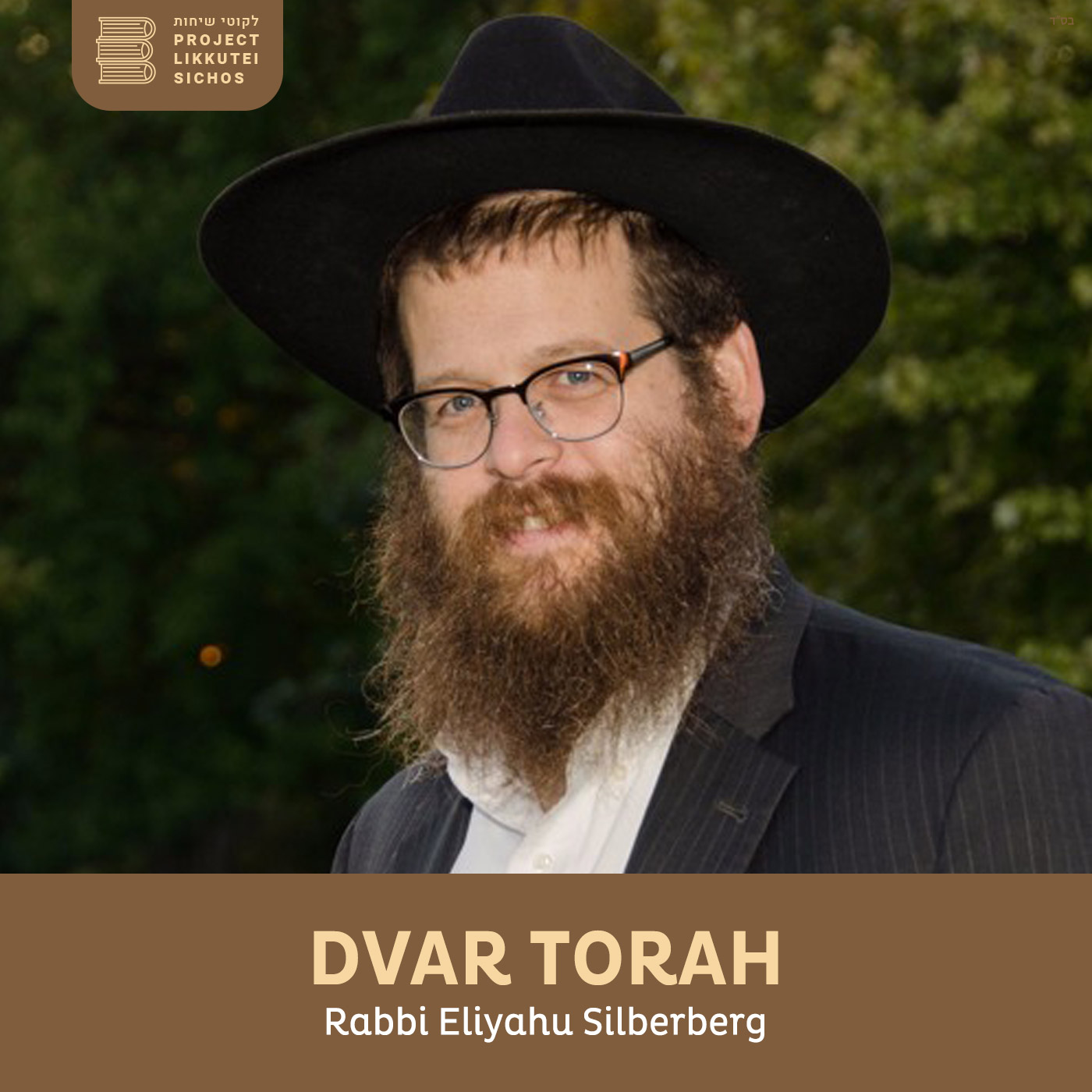
השבט של פסח שלוכה מתחיל את סיפור אברהם אבינו, עם קריאת הוראה של אלוהים לירוד מהארץ, להלך לארץ שהולך להראות לו. לצד חידוש היצירה בתענית פסח, פסח שלוכה מדבר על הרוח של המבול וההסברים על התפתחות הסיפור. התנ"ך אינו מתאר את השנים הראשונות של אברהם – חייו עם הקהלים האידולות, הצלחתו של חיזוק האמונה, או התמודדותו עם נימרוד – בשל הבחירה של התורה להמתין להוראה של אלוהים כנקודת פתיחה. רamban מפרש שמדובר במחברת של קיום של עליון של выбор של אלוהים, ולא של חינוך אישי או סוצי של אדם. כך ידוע שיהודים נמצאים בהקשר של ייחוס של אלוהים, ולא כתוצאה מדרגת ידע או רצון אישי. הקשר בין האדם לאלוהים מתגבש באמצעות הצגת מוסר של מצוה, לא בשל רצון אישי או רצון רוחני. תהליך זה מראה כי גם כהנים, נפשות, חינוך או סוף סוף – כל קשר אמיתי עם אלוהים נבנה על ידי הזרם של מצוה. זה מראה גם שהאורח של האמונה הוא לא בהתקשרות אישית, אלא בהגשמת ערך של חובה של אלוהים. כל אדם, גם ביאור או בלב, מתחבר לאלוהים בשל היסוד של מצוה, ולא בשל מדרגת נפש או אמונת רוח. זה הוא המסר המרכזי של פתיחה של אברהם – מעבר להגנה על ערכים, ביצוע מצוה.
This week's Pascha, Pascha Slechlecha, really begins the story of Avram Avino.
Whereas the last two parts of the year, Pascha's Baratius was the story of creation, and what happened right at the beginning.
Pascha Slechlecha is primarily about the Mabel, the Great Flood.
In this Pascha, we begin the story of Avram Avino, and that continues in the subsequent parts of the year.
The Pascha opens up with the words.
"Wa yama rasham ala Avram, Hashem toltavram, lechlecha, to leave my artsocham, yaladatcham, and besavicha, leave your land, your place of birth, the home of your father, and go to the land that I will show you."
And of course, that was Erid's canaan at the time, which later became Erid's his throne.
And this is our opener with Avram Avino, a commandment of Hashem to him, to leave your land, and go off to the land where Hashem will take him.
The Rambanachmanides in his commentary to Torah asks a very obvious question, which is, "Why doesn't the Torah tell us anything about Avram's life until that point?"
At this point, Avram is 75 years old, and Hashem suddenly appears and says, "Go to the land of Israel, make you great, I'll give you the land, and so on all the brachis, all the blessings, tell us who he was, tell us what he did for the first 75 years of his life."
And indeed, there's fascinating stories in Medrushin that we know about Avram's early lifetime, and his teaching monotheism to the people.
His willingness to sacrifice his life for Hashem, and for his beliefs, being thrown into a fiery furnace by the king Nimrod at the time, because of Avram's denial of idolatry, so there's a lot to talk about.
There's a lot of background to his life, which would seem to have been the lead-up, "Why Hashem is coming to him at the beginning of Lechuha, and saying, "Leave everything, and go off to the land of Kenan, where I will make you great."
And yet, the Torah doesn't tell us anything about any of this.
The Torah just introduces us, Hashem comes to Avram and says, "Leave your land, go to the land of Kenan, and I will make you great here."
And the Ramban himself answers that Avram's life until that point was primarily involved with idolatry's people, and the debates he had with them, and the battles he had with them, and therefore, how he suffered at their hands, and the Torah does not want to deal with idolatry.
The Torah does not want to go into the details of the idolatry and the debates and the suffering, and therefore, it starts at this point, and that's how the Ramban explains it.
The Rabbi asks, however, says, "But still, couldn't the Torah just have said that Avram was a Sadik?" He was a Sadik, he was a great man, and therefore, Hashem comes to him and says, "Leave your land, and go to the land I will show you, and I will make you great."
Similar to what we have by Noach. Noach in the previous part, sure, the Torah says, "Noach was a Sadik in his generation, and the Torah goes on to say, the story of Noach, why isn't there even a word about the greatness of Avram of Vinu as a person, his holiness, his spirituality, his wisdom,
nothing about his greatness before Hashem comes to him and says, "Go to the land I will show you," and the Torah tells us that, really, herein lies a tremendously powerful lesson.
Avram is, of course, going to be the first Jew, the beginning of Judaism of Klawi Israel, starts from Avram, as the Postic says, "Akhad Haya Avram, he was number one, he was the first of our nation, and there's a tremendously powerful lesson here about the nature of a Jew, and a Jewish relationship with Hashem."
Normally, we might think that what connects us to Hashem is our spirituality, our Avodah, something special about our nature, because we act in a certain way, therefore, we're connected, but that's really not true when it comes to a Jewish person.
The connection of the Jew to Hashem is because Hashem put his Nishama into that person and shows that person to have his Nishama. As you know, a Jew is a Jew, whether a Jew is very scholarly, very learned, very inspired, very spiritual, or very not scholarly, and not spiritually not inspired, the Jew is a Jew the same way, because the Jew is a Jew not because of how much they do, or how much they grew, or how much they deserved it, but rather because of Hashem's choice.
That's really what the Terry is telling us here. It doesn't tell us about all the personal growth and greatness of Avramavino. It wants to make the point. Avram was chosen to be a Jew.
Avram, of course, was great, but it's not his greatness that made him a Jew. It was the choice of Hashem, and the same was with each and every one of Avram's descendants.
And the same is when it comes to, so how do we connect to Hashem? How do we go about actually connecting to Hashem? So here, the opener of Avramavino is a Mitzvah.
And Yomar Hashem, Avram, Hashem says, "Tavram, I need you to do something. Let's go and travel. Leave your home and travel." So the opening remark, or the opening finding or seeing, reading about Avramavino Terry is with a Mitzvah Hashem. Hashem gave him a commandment, and the same again is true to each and every one of us, Avram's descendants.
Our connection to Hashem is by following Hashem's Mitzvah. Hashem gave us a Mitzvah. He gave us a commandment. And by giving us that commandment, he establishes a connection. When we fulfill that commandment, we create a connection, a bond with Hashem.
Way beyond the connection that we create through how much we know, how much we understand, how we inspired, we are. Because all of that is human. Yes, we're inspired, we're spiritual, we're good, which is nice. But that's not a connection with Hashem.
A connection that comes from Hashem is by fulfilling his Mitzvah. This then says, there is the reason why A, there is no introduction about the greatness of Avram, because it wasn't about his greatness. And B, the only introduction, the opener is a Mitzvah of Hashem, because it's the Mitzvah that gives us that ability to connect to Hashem.
On a very practical level, when we think to ourselves, we want to connect, we want to connect to Hashem. And sometimes we think, my connection is going to become through how inspired I am, through how kind I am, through how wonderful I am. That's going to create my connection.
And here we're getting the message that the opposite is true. Our connection comes first and foremost, from listening to what Hashem tells us to do. By following his commandments. Of course, we want to be inspired, we want to learn, we want to grow. But that's secondary. That's not what creates that bond and connection that comes from Hashem's Mitzvah.
And the same is what we want to share our Yiddish Kite with someone else. And we want to inspire someone and teach someone. So we might think, well, that person doesn't know much. First, let me teach them a tremendous amount. Let me inspire them. Let me get them enthusiastic. And the answer is, of course, that's nice.
But first and foremost is, let's give them a Mitzvah. Let's share with them that Hashem said, there's a Mitzvah to do. Whether the Mitzvah is a terrorist study, whether the Mitzvah is putting up a Mitzvah, lighting a Shambha scandal, putting on a pure of to film, eating kosher, whatever Mitzvah.
Whatever Mitzvah, it's that Mitzvah, the fulfillment of that Mitzvah, that's the essential connection between Hashem and Yidd.
And this is the message of the way the Torah introduces the first Yidd ever without formal introductions of his greatness and through a Mitzvah of Hashem.
That's the story of each and every one of us for all time. It's that that creates that greatest connection to Hashem. Have a wonderful Shambha.
Podcast Summary
Key Points:
Pascha Slechlecha begins the story of Avram Avino with a divine command to leave his land and go to the land that Hashem will show him.
The Torah omits details about Avram’s early life and spiritual struggles, such as his battles against idolatry and suffering under Nimrod.
According to the Ramban, the Torah avoids describing Avram’s past because it focuses on the purity of divine choice rather than human merit.
Avram’s identity as a Jew stems not from his personal greatness or spirituality, but from Hashem’s direct selection and blessing.
The opening of Avram’s story is a mitzvah—Hashem commands him to act—establishing the core of the Jewish connection to God.
True connection to Hashem is forged through fulfilling commandments, not through personal spiritual achievement or inspiration.
The absence of Avram’s personal accomplishments emphasizes that Jewish identity is rooted in divine choice, not human merit.
Every Jew’s relationship with Hashem begins with obeying a mitzvah, and this principle applies to all generations.
Summary:
השבט של פסח שלוכה מתחיל את סיפור אברהם אבינו, עם קריאת הוראה של אלוהים לירוד מהארץ, להלך לארץ שהולך להראות לו. לצד חידוש היצירה בתענית פסח, פסח שלוכה מדבר על הרוח של המבול וההסברים על התפתחות הסיפור. התנ"ך אינו מתאר את השנים הראשונות של אברהם – חייו עם הקהלים האידולות, הצלחתו של חיזוק האמונה, או התמודדותו עם נימרוד – בשל הבחירה של התורה להמתין להוראה של אלוהים כנקודת פתיחה.
רamban מפרש שמדובר במחברת של קיום של עליון של выбор של אלוהים, ולא של חינוך אישי או סוצי של אדם. כך ידוע שיהודים נמצאים בהקשר של ייחוס של אלוהים, ולא כתוצאה מדרגת ידע או רצון אישי. הקשר בין האדם לאלוהים מתגבש באמצעות הצגת מוסר של מצוה, לא בשל רצון אישי או רצון רוחני.
תהליך זה מראה כי גם כהנים, נפשות, חינוך או סוף סוף – כל קשר אמיתי עם אלוהים נבנה על ידי הזרם של מצוה. זה מראה גם שהאורח של האמונה הוא לא בהתקשרות אישית, אלא בהגשמת ערך של חובה של אלוהים. כל אדם, גם ביאור או בלב, מתחבר לאלוהים בשל היסוד של מצוה, ולא בשל מדרגת נפש או אמונת רוח.
זה הוא המסר המרכזי של פתיחה של אברהם – מעבר להגנה על ערכים, ביצוע מצוה.
FAQs
הכתובים לא מתארים את החיים של אברהם לפני זה כי זהו מתחם של זעירות שטח, והכתובים מטפלים רק בקשר של הבחירה של ה' - לא בההיררכיה של האדם.
רמב
הקשר של יהודי לאלוהים נבנה על ידי עשרת המצוות, אינטגרציה של המצוות היא המפתח לعلاقة עם אלוהים, לא על ידי שיקוף של סדרה של דעה או אמונה.
ההשלמה של המצוות עושה את הקשר עם אלוהים, גם אם האדם לא מרגש או מרגישה, הליקוי של המצוות הוא הראיה של הבחירה של אלוהים.
ההשלמה של המצוות היא הנקודה הראשונה בה נוצרת היחס עם אלוהים, ולא על ידי אמונות או שיקוף של הצלחה או של הדיבור.
היחס הוא לא נובע מההרגשה או מההבנה, אלא מההסכמה למדוד את המצוות של אלוהים, וזהו שיפוץ של הבחירה של אלוהים.
Chat with AI
Loading...
Pro features
Go deeper with this episode
Unlock creator-grade tools that turn any transcript into show notes and subtitle files.
 PodcastTranscript AI