Charlie X-E-X, known for her stage name and unique synesthesia, shares her journey from early rave performances in London to becoming a global music icon with her "Brat" album. Her music is deeply personal, often built on raw, conversational lyrics and color-based musical intuition, which she uses to guide her songwriting. Despite her success, she remains grounded, emphasizing authenticity over commercial appeal and rejecting the idea that great art must be polished. Charlie credits her parents’ support and her early experiences in underground music scenes as foundational to her career. She now explores film and acting, driven by a love for storytelling and a desire to break from traditional music industry norms. Her work reflects a balance between artistic freedom and commercial success, with a strong belief in spontaneity and emotional honesty. She also shares insights into the music industry’s reactive nature, noting that success often follows trends rather than genuine artistic vision. Her experience from small, intimate shows to massive arena tours highlights personal growth and confidence in her art. Charlie’s creative philosophy—emphasizing authenticity, risk-taking, and personal connection—resonates deeply, positioning her as both a trailblazer and a thoughtful artist navigating the evolving landscape of modern pop.
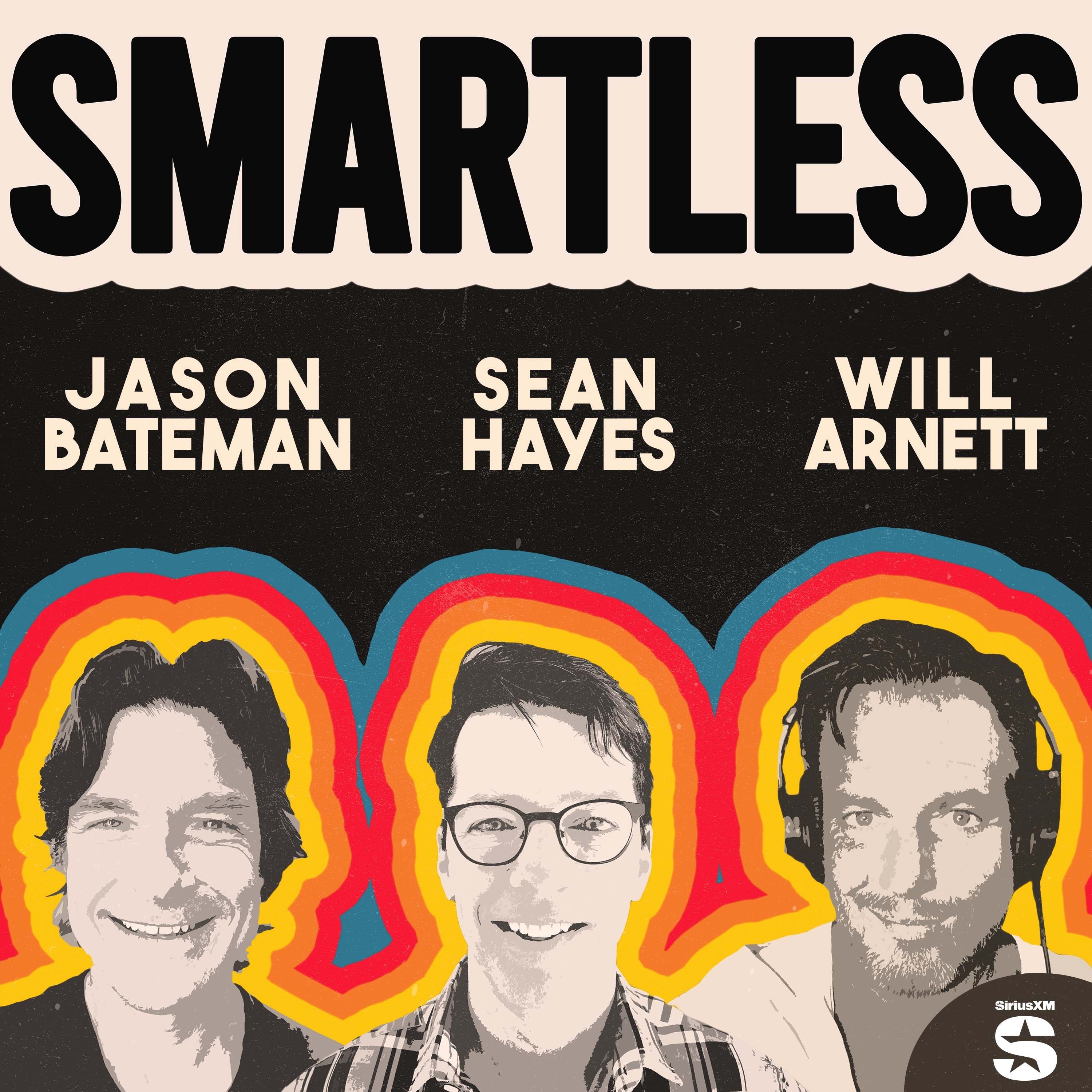
(upbeat music) Hey guys, you know what I do? When I'm done drinking a plastic bottle of water, I do do the environmentally correct thing to do. I smash it, I cap it, I put it in the blue bin. (upbeat music) I smash it, I cap it, I put it in the blue bin, I everybody. (upbeat music) (upbeat music) - Look at your little, Jay, look at the little flair you got going, you let that thing in. - That's what we get for doing this at four. - No, it's nice though, it's giving it a nice kind of vibe, like you got a real-- - You like the kick? All right, we'll get a little California vibe. It's real, it's real about you. - Yeah, it's just nice, it's given a real kind of, it's a little bit too much. - How do you feel about the afternoon record? - I'm not a fan. - Yeah. - I'm done with the day a couple hours ago. - Yeah, that's what, 76, 5, 4, 3, 2. - That's two o'clock. - For the whole day, right? I'm just gonna quote you. (laughing) - It is a full, it is a work day today, for sure. - Yeah, yeah. - I will admit, I'll get there, I'll get it up, I'll get it up. Now, but Shana, you're even worse off, you're in New York, so you're, this is, you're well past dinner time, it's seven there. - I know, seven o'clock, I have just been going-- - Two and a half hours past dinner time, right? - Yeah, no, when I came home-- - Did you rehearse today? - I did for five hours, boy. - How'd it go? - It's tough, I mean, it's like, you know what you have to concentrate so hard and so specific for so long? - Yeah. - I don't know, like on-- - It's a different kind of tired. - It is, it's brain tired. - Yeah, you can't take a moment off, right? Because listener, he's talking about, he's doing a one-man show, you know what I mean? - What's the show called, Shani? - It's called The Unknown, but we don't have to-- - I don't have to, yeah. - It's called The Unknown. - We don't know. (laughing) - We don't know. - How is it going to be? It's unknown. (laughing) - It's kind of right there, it's right for, you know. - What's the, Shani, what's the name of the theater, too, so we can just get into it? - It's called the Studio Sea View and it opens January 31st. - Studio Sea View, January 31st, gang, get down there. - Yeah, you know, the whole, like, previews and opening, we talked about that before, it's like, if you're selling tickets and people are coming, why don't we do the previews and then just, it's opens January 31st, that's what I'm saying. - Yeah. - Like, you know, because you do sell tickets to previews. - What's the thing with the previews? - Yeah, what's the thing with the previews? What do you think it is? - You know, it's to work out the kinks before it's officially open, but it's like, well, then don't sell tickets, but we are. - Then just do rehearsal, call it rehearsal, don't have, like-- - Yeah, we're rehearsing for two weeks before, you know. - It's like you get to call it a week's of Mulligan's, like, don't you dare write a review about this, because we don't really need that. - It'd be like shooting about your scenes and then you release a rough cut and go, it's just the rough cut, but it's going to theaters. - That's right. And then, but Jason, that's when the critics come are doing previews. - Are doing previews? - Yeah, so it's like, what, I don't understand. It's all bad. - That's how they get the reviews out on opening now. - While we're working through our shit, that's when they review the show. Like, I don't know the making sense. - What do you charge half price for previews? - I'll mention that to the page page page. - Sean, can I ask you a question? - Yeah. - Do you have the balls to change the system? - Let's do a play, let's write a play called Change. And it's about changing the theater system. - Charging half price for previews. - Free, free, free, relax. - And let's do four months of previews in one week. - I gotta be alert. - Now, Sean, you're finding your brains working okay as far as remembering all these lines. - Well, you know, that's the scariest part. I have found that I've been told in this rehearsal process that some people have ear, what is it called? - Earwigs, earwigs, and then-- - Oh, yeah, we had a record the other day. - Oh, that's right. - But now I wonder, I couldn't understand was he, was he implying that the earwig is reading him his lines all the time, or just when he goes out, someone will whisper to him. - He said for backup, but I know somebody who did it entire, run on Broadway with the earwigs. - There's a few people, yeah. And anyway, so I also, let's talk about Change. You're gonna do, what's gonna be your safety net? - I'm just gonna wing it. Like, I don't know. - No, you're not. - But you know what? - You're thinking about it. - Here's what it is, JB. He's been working on it for months, eight hours, literally eight hours a day. - Yeah, for like three. - Non-stop, he is so diligent about that. You know, Sean, he's diligent of nothing else. - No, you are. - This is the part that I don't get, though, Sean. Because you're so beautifully relaxed about your days, your weeks, your years, your months. You know, you don't, you're fine, you're fine, relaxing. And you don't think I'm a basket case. - Of course you do. - You tend to say no to a lot of things, okay? Even more than me. - Yeah. - Yet you say yes to not only a one-man show, but another play on the back end of the last thing and you said you would never need another play. - Yeah, do you remember when he was in London? Remember when he was in London and he was like, I'm not doing this again, what am I doing? I remember talking to you, like, yeah. Why am I doing this? I'm so tired. I'm not gonna do this. We were on the floor, you were in London. - Why did you, why did you? - And then a month later you're like, I'm gonna go to New York and do this on one man. I'm gonna do something for her. - Well, because if you read the script, you'd be like, well, you're an idiot if you don't do this because there's never been anything like it. I mean, it's the most incredible thing I've ever read. I mean, it's incredible. - Oh, all right. - All right, well, good. - He's inspired, he's inspired. - Yeah, I like the challenge. - It's real, that's good. - But you know, then, then. - That's nice that you're still inspired? - Yeah, a little bit. So, but I, so I'm about to change to the system. On stage is the only, like theater's the only place you don't have a stand and so TV and film, actors of stand-ins, why they like the scene, so they can go rehearse and whatever. But theater was like, why don't you have a stand-in during tech week? Why don't you stand there for 14 hours where you like the show? I'm tired. Anyway, moving on. (laughing) - You don't like it in your marks and setting the lights and all that stuff. But maybe that process will help cement it. - That's what it's there for, I'm sure. - Yeah, yeah, yeah. - Guys, my guest today is one of those people who was just kind of born cool, right? Like, came out of the womb in dark sunglasses. She was performing at a legal warehouse parties as a teenager and her parents came with her, not dropped her off, but like went inside. She's British. Her stage name came from an old online screen name that basically meant kiss me. She has synesthesia, so music is in colors in her head, I wanna talk to her about that. And she's been behind some of the biggest pop hits of the last decade, but in the summer of 2024, she had a moment so big, it jumped out of music and into the American presidential election. She's widely talented, beautiful, unapologetically herself, but most people know her as one word. Brat, it's the amazing, Charlie X-E-X. - Hello. - Hello. - Hello. - Look at her go. - Hi, everybody. - Hello. - How are you? - I'm good, thank you, how are you? - Good, are you ready? - Are you gonna kitchen somewhere? - Yeah, it sort of sounds like it, doesn't it? No, I mean, this, I don't know what this is. It's a room with this, but I mean, basically, that's all that's going on. - Are there cadavers in there? - Listener, there's a metal wall behind her. - Yeah. - Shiny metal. Yeah, how are I'm, thanks for being here. This is so cool. - Thank you for having me. - Where are you? Were you just filming something or something? - Yes, I'm sorry, I was late. - Oh good. - Yeah. - Are you in London? - I'm no, I'm in LA, I'm in LA right now. - Oh good. - Are you liking, are you liking what you're filming? - Well, yeah, I mean, it's just, I'm doing promo for a movie, so I'm kind of, this is my first-- - Yeah, I can't wait. - Time doing promo for a film. - Is this the mockumentary or is this the other one? - Yes, it's the mockumentary, yeah. - This movie looks awesome. Tell us about it. What's it called? - Yeah, it's called The Moment, and it's basically a, it's kind of a revisionist history of 2024, as well. - And A24 is producing it. - Yeah, A24 producing it, and it's basically a, yeah, it's like a satirical mockumentary about my first arena tour. - Right. - And yeah, it's like a music industry, satir, very much in the realm of, this is Spinal Tap, and kind of opening night. - Right, it looks hilarious. - So you're sort of playing like a version of yourself? - Yes, correct, correct. A version of myself. - How are you liking that? Is it, 'cause that necessitates-- - Impressive. - Sort of doing some, like, are you, do you have to make yourself look foolish? Do you have to make yourself look different than what you truly are at times? Like, how does all that work? - Well, I mean, my character is a real bitch, and everybody already thinks that I am one, so that's totally fine. - Who said that? (laughing) - Google it, it's out of their babes. - Is it really? - Yeah, yeah. - No, it's not, no. - No, but, but, no, it's, it's, it's, yeah, it was, it was like a really, it was kind of an amazing process, and we were really lucky to work with, like, a fucking awesome cast, like, Alexander Skarskard is just absolutely incredible in the film, and-- - Was it, was any of it scripted or is it really all important? - No, it was, it was scripted, but we really did go off on a lot of improv. I mean, we had some really incredible comedians in the film as well, like Kate Belan, and Jane Dimitriou, who were just, I mean, it's like the bread and butter there, so, it's so effortless for them. - And your idea, or whose idea was it? The idea, it was based on an idea by me, yeah.
I'd been approached to do a more traditional tour film where we were going to film one of my shows. And I was more interested in subverting the form and taking that traditional medium and then flipping it into something that felt just a bit more subversive and more aligned with the work that I generally do. That's super smart. You're not taking it too seriously and it's kind of like spinal tap you were saying, right? Yeah, and I'm definitely not the hero of the story which is very accurate to sort of my time in the music industry, I think. I mean, you guys have to watch the trailer. Who directed it? Aidan Zamiri directed the film. It's his debut feature. Yeah, that's cool. He's really incredible and has done a lot of music videos in the past. How did you like the whole filming process? I mean, is that because it can be long days, right? Yeah, I mean this this film was really on kind of like an ex-related timeline. I mean, we wrote the first draft in a week and then after that we that was we had it in the first draft sort of New Year's Eve and then we were shooting by March. So it was very like fast, very, very fast, as was the shoot itself, you know, sort of like five weeks and kind of like really like hardcore hitness. And did you already have was it was it done during one of your tours or did you have to like get a whole stage together and do all that stuff too? Yeah, yeah, we made a whole stage and the stage is very kind of like not what I would actually do on tour. So it's not real footage from the from your tour. No, there's no tour, there's no tour footage in it at all. So what about the crowd? You got just big crowd. We filmed, we filmed, we filmed, well, I don't, you know, movie magic guys. That would be a bummer to have to do all that stuff in front of all those people and like waiting and throwing stuff at you. Yeah, but that take take a sip of your tea, take a sip of that tea. It's really hot actually is what's going on. I'm just kind of blowing on it. You got time. Sorry you. Sorry. So look at you picked your name when you were really young. I know you probably I've never heard this answer, but please like for me and our listener, tell me like how did you come up with the name? Oh, and for me too. I'm an old man. Help me. Well, yeah, it was my MSN screen name. That's really good. Yeah, I just kind of went with that. I stuck with that and and it's just a kiss thing like a charlie kiss. Yeah, I think why like when I was a lot younger, I was sort of really kind of insecure about it being too boring. So I sort of tried to like make it stand for much more like X rated version of that, but it didn't stick because it wasn't the truth. And and and dude says anybody call you Charlotte anymore? No, no one does actually. Not even family. No, everyone calls me Charlie. Yeah, yeah, ever Chuck. You know, actually a lot of my my friends do say Chuck. I would. Yeah, anybody I know that Charles or Charlie, I always go to Chuck. I don't know. I get Chuck and I get chuckles. Yeah, yeah, very good. Do you remember? Of course, you do. I've left this when I this is my Chris Farley version. Do you remember that day you treated the Kamala is Brat and then I did. I remember that. And then yeah, and then Kamala's whole like campaign became the color of your album that started with you, Charlie. Yeah, come on. Yeah. Yeah, you didn't start the name of the albums, Brat. Yeah, okay. See, I'm very old. I mean, don't worry Jason, it's fine. It was only a cultural phenomenon. By the way, I'm a big fan. And I know this old timer doesn't get passed, you know, I'm still I still need I still need to watch Sopranos. So wait, you did not come up with the term Brat. I'm assuming Brat was a was a was a term was a phrase that was she ended? Did you start? Yeah, it's the name of my album. Yeah. But you got it into the main like in the. So my my my album was an album where the cover is green. With the word Brat on it. And that was something that was sort of like adopted by a lot of people on the internet eventually by Kamala after I did that tweet. Right, right. And then it became sort of part of like the conversation to be Brat or not. Sure. No, that part that part I definitely I woke up for for sure. I mean, who knows? It found me in my hole. But but when you put the title of it originally on your on your album, was it already a phrase that was kind of in the lexicon or or did you bring? Yeah, you created the word Brat existed, but it wasn't a it was classical sense. Yes. Yes, but it but no, it wasn't. I don't think at least that it was in the lexicon in that in the way that it in the way that it became associated with people just kind of owning it. I mean, that's so cool, right? Which is kind of what it kind of became. Yeah. Okay. Yeah. And then all the hits man off that album. I mean, so many have been hits. It's crazy. Thank you. You know, 360 Apple. What are they? Van Vandach. Van Vandach. Hello. Goodbye was on the on the on the on the extent like the collection. Yeah. Well, justice for the very little known track. I like hello. Goodbye. I like the lot. They still call those things B sides. It's it's not technically a B side, but it was it's like a deluxe version. Again, just like you deluxe. So you grew up in Essex, right? I can't picture you as a kid. Yeah. What were you what were you like at school growing up with this talent that you had such a young age? You know, I just find it because your dad's Scottish and your mom's Indian did one culture that did one like feel more present than the other. You know what I mean? Did you was it different at school for you? I mean, they they were both sort of present culturally and also not. You know, I think I kind of lived this life where like I would go and see my mom's side of the family at the weekends. And when I was sort of around them, I would always kind of feel I suppose more white because I guess I didn't entirely perhaps connect with certain parts of the culture that I wasn't always present for, you know? Right, right. And then I think in school, I would often feel more brown, you know, and more Indian just because I think a lot of my school friends that only kind of reference point for an Indian person was a poor from the Simpsons, you know? So I would feel very kind of like, you know, and that would be like a joke for them. So I would be a bit like I couldn't really connect there and I couldn't really connect with my mom's family. So it was, you know, but it was sort of like that kind of a like slight displacement type thing, you know? And what was like that? Was it was the toughest age for you the same as it is for certainly for me, for most people like, like seventh grade, eighth grade, like 13, 14, like that's when I found kids are the meanest and like my feelings got hurt the most and I was and I was scarred the most and I still hold on. My point is I hold on to certain things that really scarred me back then, but actually gave me a bit of a thicker skin to be able to hand like I didn't have the sort of clarity back then. But in retrospect, there is sort of I guess a benefit to going through some of the tough sledding that happens at that age and certainly like if you have an older sibling when they kind of like tease you and stuff. In retrospect now, being the old timer that I am, I do look back at and having kids of my own now. I do sort of see the stuff they go through as like it helped me a little bit to see it at the time. Do you find that it helped shape you and the kind of music you make now? Yeah, I mean I don't have any siblings so I didn't, I actually think not having siblings actually means that you miss out on a lot of conflict and I mean that in like actually a bad way like I think my friends who have siblings are so much better at conflict as in they don't kind of amplify up into this huge dramatic thing. They're able to move through it a lot more quickly than I am because they know how to defuse it. Yeah and as an only child you're sort of protected and you're coddled and you're it's all about you. Yeah and then also it's like there are only people you really have to really like fight with is your parents who are this figure of authority in a way. So the kind of the clash feels like far more drastic and there isn't like a sibling to kind of you know just defuse it a bit and make it less of a big deal so it feels really gigantic. Does that mean that you would love to have more than one kid or would you like to have a kid that has the same sort of experience as you or it's the only child and then you get to just kind of nurture and protect and I actually don't really want to have kids. No, no. Wait, why? Um you know who not that that could change. Oh it's not my business. You've never really had any interest. Yeah I mean I've said it a million times that I want to want to have kids but and my husband Scottie grew up in only child and you can use this phrase he always says I was spoiled but not rotten.
- Right. - So he was always, he has to learn how, he had to learn everything that you're saying, like how to diffuse conflict and all that stuff. But yeah, I was, you know, you know, what's that I've said a million times on this show that I'd rather regret not having kids than have them and regret it later. - Right, right. - Because you never know what you're gonna get, like they're all the dice. You ever see the show intervention? It's like, if I had a kid, that's where they would end up, like, dragging me through the street, like fucking truck at it. - You were great. - Like they would be great. I mean, I know what you mean, it's like, I love like the fantasy of having a child, like naming it sounds so fun. But I'm like, that is exactly assigned to me as to why I should not have one. The fact that that feels like the coolest part about it. - Right, right. - And like, maybe I'm not ready, you know, right, right, right. - You know, all that could change, if you, you might, my, my, my, what, I mean, I'm sort of, I guess I'm backing in to giving myself a half ass compliment here, but my wife did not want to have kids. - So the story goes, so she tells. - Yeah, and she didn't, and you adopted yours. - And she said, once, once, once we started going out and she was like, okay, I think I can have a kid with this guy. So you might find somebody. - Well, I'm married. - So, there we go. I gotta read a newspaper when he's there. - You know, it's okay, I was, I was, I was in joy. I knew immediately, like, when you were gonna go and you were in response, I would be looking forward to it. So, the next husband, you're gonna want kids. - Yeah, exactly. - Let me finish Charlie. - Yeah. - We'll be right back. And now, back to the show. - But wait, though, this is really cool. This is so wild, I did not notice that. So when you start, for starting out, all the illegal warehouses, this is what I read. All the illegal warehouses that you would go to, you would go to raves and you would, what, perform there and your parents would not just drop you up, they would go inside with you. - Yeah, yeah, I mean, I was so lucky. They were very supportive. At the time, I was like, this is so lame. Like, they're cramping my style, but, you know, they were obviously just very, very supportive. I feel very lucky. - And so you would play shows at these raves, right? - Mm-hmm, yeah. - Are they still involved with your career? There's a lot of musicians that still have parents that are involved with your career, it's very successful. - Mine aren't, but they're still, you know, they're very proud and they're very supportive, but they're not involved in, in my career, no. - Do they ever give you notes on your music? Do they like your music? - They used, my dad used to love throwing out some suggestions, yes. - Yeah, really. - Ever anything useful, anything useful, ever? - You know, I think it's like, I feel bad for him because I think it's one of those things where, even if it was the most amazing idea ever, I think purely because, and this is, he used to do this when I was a lot younger, like purely because he was my dad, that he was always gonna get the knower, you know what I mean? - Right, right, right. - But I'm sure, you know, he's a smart guy, I'm sure he probably does have good song ideas up there. - Can you tell Jason about the story about your dad, somebody tried to sell drugs to your dad at one of the raves? - Right, this was actually my mum, someone tried to sell some drugs to my mum at a rave. - What's in your name? - Yes, oh, Jason will, I gotta say, so listen, we've gone 17 minutes without Will Arnett and it's really been great, hasn't it? - Kind of been breezy. - It's like, this is with a very useful experiment, Willie, if you ever have an illness or something like that. - Just work out. - We've got you. - Yeah, we're not. - Actually, it's really cool, my mum, great. - Yeah, I can't believe this is like my worst nightmare. - Oh, please, don't worry. - What's happening over there? You okay? - No, I'm having a stressful day, Charles, do I call you Charlie? - You come here and stuff like that. - Yeah, we've covered it. - You already covered it. I've had Charlie, can I just say? I've had a really, I share it with the boys, I won't get into it, but I've had a really stressful day on a personal level. It's been a very, yeah, we're gonna get into it. - Insert joke here? - No. Well, there was an insert joke, yeah. (laughing) I'm part of the problem. (laughing) - I still got it. - I don't know, you still got it. - Yeah, I'm sorry to have missed it. This is unlike me. I'm usually pretty good about this kind of stuff, but anyway. - Don't you worry. - Look, everybody's got, like, you know, this is one of the best episodes, because Charlie was a little late. You were a little late. I'm always a little late. - I avoid a little teasing that will undoubtedly would have given me for really having my head up my ass about Charlie and like all granddad here needed a little update. - She didn't know, she was, she born the term brat, you know, with Kamala Harris and all that. Like she was there. - I don't think I knew that either. - Wow! - I know who you are. - It's okay, you guys, it's all, it's-- - I'm very aware of your music and who you are. It should be noted. - Don't you worry. - I'm still listening to Steely Dan, Charlie. - Yeah, and that's cool. - You know, this is the problem. - That's, that's cool. - Wait, I just thought it was funny. I was talking, while I was talking about how Charlie, how Charlie's parents used to go with her to the raves that she performed at, like all these parties. - That's fun. - And, that is her mom, her mom was offered a baggy of-- Well, of MDMA, but she thought that they said MDF as in the word that you can buy to, like, panel a wall. And my dad was like, we could use some of that, but I don't know, we're going to fit it in the car. And the guy was kind of like, wait. Like how much do you want to buy, you know? And I just thought it was a really sweet story. - He's got a lot of tolerance. - Then in their raves, you can handle a lot. - Yeah, it would be really useful for us, actually, if I think about it at the house, what we could do. - By the way, this might be inappropriate, but I am hearing a lot about MDMA, again, getting back to being an old timer here. I'm hearing it's quite the thing. And it's, it's not a lot of-- - Is that the horse tranquilizer thing? - No. - I think it's kind of like X to C. - Kind of like what X to C used to be, right? - Right, yeah. I had a little that back way back in the day. And I'm hearing this at the MA is a good time. I'm not advocating trying it or doing it kids, but I hear it's a new, it's a new thing. - Well, they do MDMA therapy now, I think, as well. - Right, right, which is not something that I've tried, but-- - I've never tried it, have you? - I believe it in therapy, like a Friday night therapy, you know what I mean? - Friday night. - With like a little side-car of Tito's, right? - Whatever it is that you like. Whatever it makes it go down a little better, you know? - Got you. - Oh my God. Okay, so wait. So I want to know, okay, so I want to talk about like getting the music stuff. - Okay. - So do you remember the first time? Because I find your story so fascinating that you were so young and you started, you discovered you had this talent at such a young age and you were kind of like a superstar and you flew under the radar and then, you know, I knew you'd probably like, the world knew you with. I love it, I don't care. Like that song was so huge and no, I only did, I don't care, I love it. And, but you weren't really like featured in the video which I thought was weird and like, so what was that? Like knowing you wrote this song and this was your song. It was having the success without your face on it kind of so to speak. - Yeah, no, I mean, it was funny. I had a really sort of like strange career in that like I was kind of like doing a lot of stuff and had some really, really big hits. But I was often either the writer of the song or the feature of the song and so like nobody really knew who I was. So I did exactly as you just said, like completely fly under the radar. Like I was like going to cool shit, like working with incredible people, traveling the world but was also kind of completely anonymous. - Right. - So it was very, it was like interesting and very actually useful I think for me, especially with my previous record, Brat, which really did kind of like open me to a much wider audience. I think had I not had that experience back in like 2013, 2014 if these like honestly like big chart topping songs, I probably would be like totally like off my head right now because I wouldn't really be prepared. Do you know what I mean? - Yeah, right, right. - So and I would be like a complete nightmare which maybe I still am, I don't know. - No, you're not. - You're not. - You're not. - So yeah, it was interesting and it's kind of like over those years from then to now have sort of like built my like audience like sort of in a very kind of slow like organic way. - Right, right. - So yeah, it's been a kind of interesting path. - And tell me tell these guys just go ahead, you have free reign to brag. All the artists you've written songs for. - Not all but like the. - So you'll write songs for other artists all the time that you don't necessarily want to perform yourself. - Yes. - Big hit songs. - Yeah. - You decide. - Like okay, Selena Gomez, Iki Azalea, Camila Cabello. - Camila Cabello, yes. - Wow. - Shawn Mendes, right. - James Blunt, randomly. - Do you write them for them or you write them thinking that you might do it or they just become a, you're like, hey, I've got a song that I've written or somebody comes to you and says, Charlie Hay. - I've got an idea to do this for me. - Or can you just write me a song? Yeah. - How does that work? - It goes every way. All of those ways are options. Sometimes it's kind of like a, we need songs for X, Y, Z artists. And this is what they want, but this is what they want to say. And then sometimes it's like, I'll write a song and I'll be like, oh, I thought this was for me, but actually like, I don't think I should sing like a sort of flamenco, sounding,
like pop song because that doesn't make sense for me as an artist. - Yeah, yeah, yeah. - And what you're writing is the music or the lyrics, or both in these cases. - I write like the lyrics and the top line, which is sort of the melody that the singer sings. - Right, incredible. - Yeah, 'cause I was surprised a few years ago, I learned that it's not that uncommon for some of the biggest stars in the world to not write anything ever. - It's all incoming, they're just the same, I wouldn't need to be a little bit, but they only do the singing and everything else is kind of taken care of. - Yeah, but you know what, it's like, it's funny, I think there's a real stigma against that. Like that sort of in some ways, like makes those people less of an artist, but I don't really agree with that. I think there's like different types of artistry. Like there's someone who's there's like a great performer versus a great writer versus a great entertainer. Versus a really unbelievable vocalist. I think there's sort of like the equivalent, sorry. The equivalent of like an actor just acting versus somebody who's also who writes and directs and produces as well as acts. It's like, it's really cool that you can do all of those things. - Yeah, I mean, I enjoy it. - I mean, a way to this movie comes out, I mean. - And how did that, were one of your parents musically inclined that they kind of put the bug in you? - No, not really. - How did you find it? - I think it was, I just, I played piano growing up. I was sort of studying classical piano. - Oh, Johnny. - And I, when I was young, I had no interest in classical music at all. I didn't think it was cool. I didn't get it. Now I feel completely different. I love classical music, but at the time I really didn't, I didn't relate to it. And I thought it was kind of embarrassing that I was doing it. So instead I really was trying to write pop songs and chords and kind of escape out of this classical stuff that I was learning. - But that background in that must have helped you sort of songwriting wise, it, yes. - Yeah, Elton John talks about that. How he, that informed a lot of his writing. - You know what, it's interesting, 'cause I, so when I was studying classical music, I was really basically just doing it to pass the grades, like the classical grades. And each grade you would have to learn three pieces of music and then you would do an exam where you would play the pieces of music. And you would also do like site reading and another test, I can't remember what it was. But I actually couldn't read music. I always really had like trouble reading the music and playing what was there. So I would spend an entire year like learning and practicing these pieces by ear instead of like actually just being able to pick up any piece of music and read it. - Yeah, it's called like the Suzuki method, yeah. - Well sure, I think so, yeah. And so, so, so, like, I, so I like couldn't really like read any other music. So I actually have a really like low level knowledge of classical music. So when Elton John's like, oh yeah, for me it really helped. That's probably 'cause he's obviously fucking Elton John and can probably play, you know, any single thing ever. But I could only really hear things by ear. - Right, and also like to the extent you feel comfortable talking about synesthesia 'cause I think it's fascinating. Do you guys know what that is? - No. - Is it where you see music? Is that right? - You see color, you see music in colors. - Oh really? - So can you describe that and how you first found out you had that and how you use it today? - Yeah, I mean, it's funny. It's like, I think it's, it's not just about music. It can be, I don't know, some people might be like see the days of the week in colors. Well, it's a kind of color association to a thing and different people have different stuff. - I have that. You have that? Yeah, for certain things I have, but I've never thought about it. But yeah, really wow. For days of the week, you said days of week, days of the week to have colors for me. - Wow, you've just been diagnosed by Charlie and you know, you've already met him. - I don't know, yeah. - And so do you put, do you put colors Wednesday? - Pink. - What? You just made that up. - No, Thursday is green. Friday's orange, Saturday's blue, Sunday's yellow. Monday's blue. - Our Friday's red love. - Your Tuesday's red. Friday's your love. - Friday cure. - I don't care what it cost us to. - But anyway, sorry, but it's not as, it's not as evolved as yours. - No, I mean, it's, so it's basically just for me, it's like I, I was, when I first started realizing that I guess I had it, and I didn't really know what it was when I was sort of figuring it out, was when I was working with producers and I would sort of say, like, can you make this sound more blue or more purple? And I wouldn't quite be able to articulate specifically, like the sound design that I needed, but I just knew that it needed to sound purple. And then when the producer would help generate that sound, I would say, like, that's it, that's the purpose. - That's my purple. - And so now do you have to work with that producer all the time? - Well, yeah, I mean, I do work the same for people quite a lot. I mean, they know, they definitely know, like, what I mean when I say something. - Have you ever tried, like, I don't know how to explain it? So if you ever, like, listen to mute, or listen to one of your own songs and try to paint it, as you listen to it. - Yeah, so it's gonna ask that. - I haven't actually, but I think I do sort of like, see, it's kind of, and when I listen to other music, I kind of like, I see it in a way. I'm like, oh, this song evokes this color immediately. - And do you ever reverse engineer that? And for inspiration, when you write a song, like, you know, we always ask a lot of musicians what comes first to lyrics of the music. Do you ever see a color first? And then music comes from that? - More recently, no, it's really generated specifically by when I hear sound. Then I start thinking about color. But on this last record, to be honest, a lot of the songs were generated from, like, lyrical-based ideas. Like, I was really leading with lyrics. - Is that new? Is that like a departure from. - Yeah, yeah, 'cause I used to kind of write phonetically, where I would sort of go into the booth and just kind of record, like a, kind of, like, an ad-lib track, where I would be like, and then I would fit, like, lyrics to the vowel sounds that I was creating. - Oh, that's interesting. - But now, yeah, more recently, I'm becoming much more lyrical-ed, because I think on the last record, I had some, like, really specific stories that I wanted to tell, and I didn't feel. I don't know, I just felt like I really wanted to kind of throw out any, like, tropes that I had previously used in the past. Like, I particularly wasn't interested in rhyme with this record. I just wanted to, like, say the direct dialogue from my brain in the way that I would text a friend. Like, I think that became, like, kind of, the tone of the record. - Yeah, so are you ever doing it on piano, based on your sort of, your history with piano? Do you ever do that? - To be honest, no, my music is very electronic, and, kind of, especially on the last record, like, very, like, club-based dance music, so I wasn't really going to the piano too much. - But given what you were saying about how the, you're much more lyric-driven right now, there's certain things that you really, like, talking about and saying and communicating, how important is it to you that people hear every word in the lyrics? 'Cause, like, I'll try to follow lyrics, and, you know, some folks, they don't really, you know, they won't screw up the song to a non-C8, you know, sometimes it sounds better, just, kind of, just kind of, mumble it out, and I get that. - Yeah. - But you're, like, motherfucker, I want to hear what you're saying. - Yeah, that's, do you look on Apple Music for the lyrics, right? - Right, right, I do that too. - Yeah, I don't really care about anunciation, to be honest. I think it's, if you-- - Overrated. - Yeah, it's overrated, and also, I'd love to hear, you know, your interpretation of what I'm saying, rather than what I'm actually saying, because, you know, no one fact checks, anyway, any more, so it's fun to just play into it. - Yeah, yeah, I was, sorry, Sean, good. - No, I was just gonna say, how do you know when a song, I mean, I don't think we've ever asked this of any musician on the show. How do you know what a song is done? Because it's, like, in film editing, you could just, you could just do it forever, like, you could just tweak and tweak and tweak. So for you, when you write these, all these massive hit songs, this long list of all these huge songs, that how do you know when you're done? - I mean, I think it's different for everyone, but for me, I mean, people can go for ages on a song as well, and really, like, chip back into it over and over again, in the way that you would with an edit. But for me, that's my nightmare. Like, I think there's a real charm in spontaneity, and that's like a big part of my process, as an artist, as a writer, it's really that, like, instinctual kind of first reaction to something that, there is something almost, like, charming and naive to it sometimes. Like, you know, when you're a kid and you're, you're coming up with ideas, like, if a kid writes a song, sometimes they could, like, say something so profound, and, like, actually really surreal and abstract, that as an adult, it might take you a while to kind of think of or something, and then it might even feel too forced. I feel like that's, for me, it's, like, the same when I'm writing. I'm like, the first idea is often just way more, I don't know, like, unique, [BLANK_AUDIO]
when I sat down, I really thought about it for a while. So I really try and just capture the moment in that kind of a way. Do you know, do you know, when you have finished a song, do you ever get that sense where you go, "This is a hit song?" I could feel it. And for real, you must have this. I do, but it's like, those ones are always the ones that actually end up sucking. It's like, I'm sure, I don't know if you guys have this when you're writing or when you're performing. If ever you think you kill it, you probably didn't. It's like one of those moments. And also, if it's immediately catchy, you can get sick of it really quick. And those are the ones that are probably too simplistic or a public market tired of too fast and it doesn't. Possibly. I also think it's funny. I think we're in this kind of new era of creativity as a whole. I definitely feel this way about writing songs. I don't know how you guys feel about this. But I think we live in such a reference heavy world now that I think things can kind of become catchy or earworms or something that you want to revisit. For other reasons outside of maybe they're like really, like dynamically written or like the melody is technically good. It could actually just be your referencing something that's so within the zeitgeist that that itself is like the hook of it. And I think that's a really interesting way of writing. Like it's more like topical writing. Well, I think that that probably happens a lot. I mean, we have like, think about all the, you know, the songs that we love sort of for nostalgic reasons, right? That other people might be like, "Yeah, that song doesn't really mean much to me." You're like, "Really?" Doesn't it remind you of that summer when we were 17? They're like, "No, not really." I'm sorry. Right. Yeah, for sure. And we will be right back. And now back to the show. What's the turnaround time for a song? Because like if you were trying to follow trend with film, it'd be a fool's errand because it takes about a year to turn a movie around from when you started to cut it to release it. I mean, at a minimum. How long does it take to turn a song around? I could, like, a day? I mean, I mean, sometimes you write, I love it in 30 minutes, which is the one that you were singing amazingly. Yeah, I love it. That's not me being like, aren't I amazing? I mean, the lyrics are like on repeat. It's not. It's like, but it's just, I think it's just like, we have this saying, like me in a couple of my collaborators, where it's like, you have to dare to suck, right? And like sometimes in like daring to suck, actually the most fucking like universal genius idea comes out, but you're just being stupid. I've been daring to suck my whole life. If I'm being honest. If I was sitting in a studio and I was writing, I mean, I could 360 Apple, whatever. But since you said it, I love it. I don't care. And I would be like, guys, what about this? I love it. I don't care. I wouldn't have the confidence to be like, yeah, but I think that's gonna work. That's it, right? It's like commitment to the bit, you know? It's like, that's all it is. It's like if I like came to you guys with my tail between my legs and like sung those words, like fucking whatever, but if I like tell you, you know, this is like fucking the shit. And it's so good. And like it's even if you think it's dumb, it's like, that's the point. I'm so inspired by you right now. Yeah, it is. I mean, I am too. But where did you get that from, Charlie? And that's a great environment to provide for the people around you. Like that, you must, you must enjoy that leadership position of creating harmony and your worst, so it's feel safe. And there's no bad ideas. We can be foolish. Yeah. Yeah, I mean, I think, yeah, it's, it's fun. I think there's this idea that I sometimes disagree with that like making good art has to be hard. And like sometimes I really disagree with that. But sometimes I'm like, no, I'm in pain and I'm a real art. And I like kind of like penduling swing between both of those things. But I don't know, I think, yeah, it's funny. I'm always very, I have always been very interested in like the connectivity between high and low. That's always just been like something that's been really inspiring to me. And I think that whole daring to suck mentality, it's very sort of like, I don't know, like factory war, holy and in a way, it's like paint the soup, just fucking paint it. Yeah, well, I think that it's also about the idea of like, I remember having this teacher once years ago telling me like art is absence of ego. Like if you can get to the place where you're not judging it in real time where you can let go. And you guys know what it means to when you're doing what we do or whatever, where you can get to that place where you're not judging it. And you're just in the, for lack of a better word, flow. And you're just in that thing. Yeah. That, that, that pocket when you get just the people you're around. Oh, yes, and it. Yeah, yes. And you can kind of end up like, you don't worry about it. So you're not worried about the result of it. You're not thinking about how it's coming across. You're not thinking you get out of the results. And just then those moments are magic. Yeah, yeah. I totally agree. And what I also think and I'm not sure if you guys feel this way. But I think the second I try and write for someone else or to appeal to lots of people. Yes. It's like everything kind of falls apart. And actually it's like that more like potent vision where maybe you're even just like selfishly writing for yourself really like directly about your experience or your experience with one friend or like whatever it is. Like the more kind of like potent and distilled it is, it weirdly actually then becomes something that more people can relate to because it's so singular. Because you believe it and you're doing it for you and what's funny is we live in this world increasingly because of whatever social media etc. where we do, it is all about this sort of. There is so much feedback constantly on what we do. So it's harder and harder to get away from that. And what's funny is just hearing you say it is that we need to kind of reject that in order to make something really pure in that way. We need to reject the idea of what other people will like. Even though the final product of what we do is for public consumption. It's a mass public consumption too. You know, so it's kind of mass, so it's kind of contradictory to the exercise in a way. And yet that's the thing. Yeah. Yeah, yeah, yeah. Yeah, it's it is a conflict for sure. With all the success you've had, Charlie, like it, three Grammys and one Grammyshow, and one leap to your at the same show. That's crazy. Three Grammys. What, and you say, and like I keep saying over and over, I'm just like so impressed by your talent at such a young age that you, somebody, your parents, you, whoever, encourage you to keep going with that. And then now that you are older and knock on wood, hopefully, wiser, what's the part of the music industry that shocked you the most, you know, once you were actually inside of it? You know, like if you knew then what you know now. Just how no one really knows what they're doing. Right. Yeah. Isn't that the truth? That is the truth. Like everybody is very funny. It's just sort of-- And you thought the dip, you thought differently. Yeah, I was like, oh, this must be run by like a really like tight ship of people who like know what's up. And it's like, it's not really the case. Nor is it, I think, ever the case in any sort of like creative field. It's like the artist know what they're doing. And then hopefully you have people with brains to facilitate you. And they're not too annoying. Really, it's like kind of the vibe, right? Yeah, yeah, for sure. It's funny. Do you feel like they're like kind of also that you create the stuff? And then the business sort of reacts to it. They're much more reactionary rather, right? And then they're always trying to recreate with other people like that whole idea. Yeah. And you know what? Like, I think when I was younger, that used to really bother me. But I think now, you know, it doesn't. I think that's just obviously that's just the way it is. It's like, I couldn't be a record label exact. Like, I couldn't work like a distribution company. Like, you know, it's like, that's not the brain that I have. I have a different kind of brain where I'm like, why don't we fly planes through the sky that say Bratz Summer or whatever, you know, it's like, and then they put you out how to do it. Like, I don't know, it's like, I did used to be sort of frustrated by why can't you all be on my page with my ideas. But actually that would be nightmare because then it'd be less about me, which would be. Right. All right. Do you remember the first time you walked on stage and felt like the wall of sound coming at you and like, wow. Like, does that feeling of like, was it where you scared you? Like, oh shit, I didn't think it was going to be like this. Or that's too many people. Yeah, exactly. Exactly. No, I think because my career was such a slow burn. Like, when I started when I was 15, I was playing to like rooms of three people. And that was like my two parents and the promoter. Like, I was like welcoming more people in a way. And over the past sort of 10, 15 years. Like, it's really grown like gradually and gradually and gradually from like 100 cut rooms to a thousand.
to 5,000 cat rooms to now finally being in arenas and the first time when I did step out into playing in arena, I just remember being like, "Will there's going to be no one there?" And all the tickets have been bought by bots. That is what I convinced myself in my mind. I was like, "No, it's going to be so embarrassing." All the tickets are gone, but they're all bots. It was like a really pleasant surprise. On this film, was it just purely for a musical film to sort of augment the musical venture and all its stuff? Or was there a bit of an acting sort of curiosity there, too? And if so, do you see that being a part of your world going forward? Yeah, I've been acting a little bit now and producing. You're liking it? Honestly, I love it. I feel like it was funny. It's like, once my album Brat did well, there was obviously this opportunity for me to just make another album exactly like that and gain capitalise on it. For me, I've always had this sort of motto of, "What would Chloe Seven you do?" And I feel like, "What should have done?" It would just be like, "No." It's a great title to your new album. What would Chloe Seven you do? Well, she's the coolest. I think she would probably be like, "No, I quit music." So I was kind of like, "Okay, I think I would like to sort of do some kind of a drastic pivot where I. " Yeah, I kind of explore acting. I mean, I'm watching films all the time, more than I've ever listened to. I've basically never listened to music apart from like Lou Reed and the Velvet Underground and John Cale Solo. That's kind of it. But I'm watching a lot of films all the time. Do you have a favourite this year? Favourite film this year that I've seen. I just watched Serrat the other night. I just want to see that. I was like, "I don't want to see that too." It was really, really, really, really amazing, really amazing. I also loved this film, Atropia, which is this film by Haley Gates, who is in Callum Turner as an air. Oh, yeah. It's like a really, it's like very, very like funny, like satire on that sort of like fake military zone that they have. That sounds great. It's great. It's really great. But yeah, so I'm really enjoying watching. So I started asking a few of my friends who are either directors or writers. Do you think I could do this? They were like, "Yeah, but don't be embarrassing about it." You don't want to be the girl who's like, "I'm an actress now, so I don't know." No, no, but you'd be great. You have a great presence. I agree. I think your approach, artistically, the way that you look at stuff, I think is really appropriate for it. Well, thanks. Yeah, I mean, I was interested in just doing like small things, you know? So I was really lucky to kind of, I did like this Gregoraki movie that I'm like super excited about. I'm really excited to work with Takashi Mikae this year on this film that I'm going to produce, which is like crazy to me to like go to Japan and shoot with like a horror author. That's cool. That's insane. So yeah, I'm really enjoying it. I'm really enjoying it. It's a total like crazy segue to nothing. But I want you to want to mention this. I thought it was so wild that you had an angel phone. Is that true where fans could call a number and you would actually answer and pick up at any time of the day? No way. Is that true? Yeah, you know, it didn't last long because it was a nightmare. I'm sure. Like five minutes. Yeah, it was good for like a good solid, you know, like five hours. But it was stacked slam. But you guys should do one of them, you know, one day for an hour. Yeah, it'd be fun. We'd be sitting by the phone. It would not really be so good. It would be one call with a bunch of notes. Yeah. It would be my mom. It would be my mom. And the last thing I read that's really interesting. That's a little like me, but you have 14 alarm times saved on your phone. But none of them are on. I've got that. Yeah. I'm never really putting them on. Yeah. So is it like? What do you mean? What do you, you don't believe in alarms? What's the deal? You know, it's not sort of a political stance. It's more just like, I just, I'm generally like, I do kind of wake up roughly at the same time and unless I've been partying and then I might put an alarm on, you know. Right, right, right. What's the time? What's the time you generally wake up? It really depends if I've been traveling on. I'm a bit jet lagged at the moment, so I'm waking up at seven. Which is very early for me. That's early. Like, normally I'm like a 930 kind of girl. So you're going to bed, you're going to bed at two or three in the morning? Yeah. Yeah, I remember that. Yeah, you should. Yeah, me too. Hey, what about travel? How do you, how do you like that part of the business? Because it isn't necessary component to music, right? There must be on the road all the time. Yeah. You have to tour, right? You can't just sell up. No, I hate touring. I hate touring and I really do it in quite a specific way where I think compared to a lot of my peers that I'm not really doing that much touring. My husband's in a band and they tour so much, like all the time. I think their last album they toured for like two years or something like that. Oh my god. Which is like, just not an option for me. Right. But you'll go with them. Yeah. A bit. Sometimes. You've got to pop in every once in a while. I'll pop in. I'll pop in on like the coastal cities, you know. Sure. But yeah, I'm not like, I'm not like on the bus, which is the right way. Yeah. And what about him? We'll hit him. For my sister, for Jason and my sister, George Daniel is the 1975. That's the band. Oh, Roger. Roger. Okay. And then he will reciprocate and he'll come see you every once in a while when you're doing some touring. Yes, exactly. But he, it's kind of, I think, a bit harder for him because he's sort of like a six foot four bald man. And my fans are all a lot shorter than that. And so it's very, like, easy for him to be like spotted. Like he does. Yeah. Sort of button around. So, um, yeah, birds. We do. Yeah. We swap. We go back and forth. Who are the musicians that you listen to when you're going up? What was the pop music, pop music or any kind of music? Yeah. Who are the bands that inspired you? Um, I was pretty like diverse. I mean, I think when I was a lot younger, I was very into like Brittany and the Spice Girls. Sure. That was definitely my bread and butter. Yeah. And then as I got a bit older, I was really into the cure to get Bush. Yeah. So we see in the band, she's like that kind of a world. And then I got very into like French electro kind of stuff, like Darth Punk and Justice and like that kind of world. So sort of all over the shop really. That's it. And I have a question about touring because of these people. I like French music too. Same. What do you do? Yeah. I listen to like La Farm. I love that bit of La Farm. I think that they're really cool. Charlie, what's the big? Okay. I'll be down with that. Thank you, Charlie. Sorry. Yeah. I know I was boring you. I didn't want to hear about La Farm anymore. I was ready to go there, actually, but not yet. Well, another time. No, go. Maybe a great song called Tatiana. It's an amazing song by La Farm. It's just an absolute bang right now. Oh, yeah. No. Tell us more about that. Yeah. Charlie, before you go, I want to know the biggest, when you were touring, the biggest onstage flub or concert blooper or whatever that you just will never forget. Like something that just went totally wrong. He loves the stage stories. I love the stage stories. Oh, my gosh. Like a fan that did something or a song that you screwed up or something. I mean, I can't. I don't know. I'm not sure I've had any really like disastrous like on stage moments where I've really like fall. I mean, I've definitely fallen, but not in a way that I've found embarrassing or anything like that. Oh, that's good. I do, I used to get a lot of strange gifts from fans. And I think those will always stick with me. My two favorites were I got a douche, which I was asked to sign. You're welcome. And then I also received a jar of somebody's mother's ashes as a necklace. Oh, wow. And I felt exactly that well. I went, oh, didn't really. I wanted to be grateful, but not offensive, but also was terrified. So it was, you know, so those memories will always stick with me. What about dancing and singing at the same time? I always marvel at how you guys don't run out of breath. Because you have to have a lot of breath to sing well. You've got to keep moving. Not even just dancing. Just moving around. Yeah. I mean, okay, so Jason, like one thing about me is I don't really like dance. No. You'll go away. You have that in common with Jason. I'm going to do a deep dive and then I'm going to call you back and say, God, can we do this over? Yeah. But yeah, this is what's so great about these things. You know, we get to, we get to, we get to become smarter. Yeah, yeah. Exactly, exactly, exactly. No, my dancing is very, it's sort of like a lot of like flailing and it's very kind of, kind of, I just know I'm not.
>> You're the Tom York of, I mean, not far off, but it's very kind of like, it's possession vibes. So for me, it's less, I'm not as like poised as most, so I get the benefit of being able to sort of just, yeah, I don't have to like hit marks and do choreo, I'm more just sort of flailing around. So it's a little easier for me. >> Yeah, yeah, yeah. >> Yeah, well, listen, Charlie XX, now that I know where the name comes from, it makes you me love you more, will I'll, I'll, I'll clue you in later. >> Yeah, I don't care, I love it. I want to say that, no, I want to say, I'm so, I'm such an even bigger fan, you're, you're so cool. >> Oh, thank you. >> I listen to your music, I want to sing all the time, I love it. >> I'm gonna listen to it even more now, it's just like more depth to just knowing a little bit more about you, I just think you're awesome, yeah, you were awesome, thank you so much. >> And just for, am I getting this right, the moment is, it's out now by the time this episode comes out. It's out now. >> I don't know, maybe. >> I'm sure, well, this is the least January 30th, yeah, this is mockumentary, okay. >> Yeah. >> Absolutely adore you, and through the coolest check ever, I want to be you for Halloween. >> Oh, thanks, guys. >> Thank you for doing this. >> I would say that, yeah, okay. >> Thank you very much. >> Bye, bye, bye. >> Bye. >> What a nice person. >> Well, she is. >> Yeah. >> Stop melts. >> You missed a real good first half. >> I know. >> You got to listen to this episode, Willie. >> Yeah. >> I can't wait. >> You're on it. >> I've had one of those. >> Where they go, where they go. >> You know what? It's better without them. >> No, I told you. >> I know. >> You did it. >> Talk about an impressive artist, and person, and just right. >> And life. >> And just like, yeah, she's one of those, like, what is that? How do you describe that? >> She's different. >> She's got it. >> She's got it. >> Mm-hm. >> She's probably not her first lap. >> No, but you know, if you believe in that sort of old soul thing, some people have been around a few times. >> Yes, and exactly, and it's not just, she's not polished. She's so real and authentic, that's why people are gone to her. >> Yeah, it's amazing. No filter. This is unapologetic. I love her. >> I know. >> When we were talking before Willie about songs that I love of her albums, especially off of Brad. >> Here we go. >> Listen to all the hits. >> Sure. >> Just like, go down the left. >> Yeah. >> Did anything pop out to you? >> Yeah. Well, Von Dutch talk, talk, you know, Apple was huge, like all those songs. >> But your favorite would be. >> And Brad, of course. But my favorite was on the Deluxe version that I was sure Jason was on. >> Oh, of course. >> It's called Hello. >> Good. >> Good. Everybody xxxxxxxxxxxxxxxxxxxxxxxxxxxxxxxxxxxxxxxxxxxxxxxxxxxxxxxxxxxxxxxxxxxx LAS!
Podcast Summary
Key Points:
Charlie X-E-X, known for her stage name and synesthesia, gained fame through the "Brat" album and its viral cultural impact, especially during the 2024 U.S. presidential election.
She has a unique ability to associate music with colors, which influences her songwriting and production decisions, even though she doesn’t read music.
Charlie began performing at illegal raves as a teen, with her parents actively supporting her, and she developed a career rooted in anonymity and behind-the-scenes songwriting.
Her music is lyrically driven and often raw, focusing on authentic personal expression rather than conventional pop tropes, with a shift toward direct, conversational language.
She is exploring acting and film production, citing a passion for storytelling and a desire to pivot from music into broader creative fields.
Charlie has a strong belief in artistic spontaneity and "daring to suck," valuing raw, unpolished ideas over polished perfection.
She critiques industry tropes, noting that commercial success often stems from trends rather than genuine artistic depth.
Her career has evolved from small, intimate performances to large-scale arenas, with a personal breakthrough moment of confidence upon stepping into an arena tour.
Summary:
Charlie X-E-X, known for her stage name and unique synesthesia, shares her journey from early rave performances in London to becoming a global music icon with her "Brat" album. Her music is deeply personal, often built on raw, conversational lyrics and color-based musical intuition, which she uses to guide her songwriting. Despite her success, she remains grounded, emphasizing authenticity over commercial appeal and rejecting the idea that great art must be polished.
Charlie credits her parents’ support and her early experiences in underground music scenes as foundational to her career. She now explores film and acting, driven by a love for storytelling and a desire to break from traditional music industry norms. Her work reflects a balance between artistic freedom and commercial success, with a strong belief in spontaneity and emotional honesty.
She also shares insights into the music industry’s reactive nature, noting that success often follows trends rather than genuine artistic vision. Her experience from small, intimate shows to massive arena tours highlights personal growth and confidence in her art. Charlie’s creative philosophy—emphasizing authenticity, risk-taking, and personal connection—resonates deeply, positioning her as both a trailblazer and a thoughtful artist navigating the evolving landscape of modern pop.
FAQs
The one-man show is called 'The Unknown'.
The show opens at the Studio Sea View theater on January 31st.
Her stage name 'Brat' originated from an old MSN screen name that meant 'kiss me', and it became widely known after being associated with Kamala Harris's campaign.
She has synesthesia, where music is perceived in colors, and she uses this to guide her songwriting and sound design, even if she doesn't always rely on it for inspiration.
Recently, she has shifted to a more lyric-driven approach, focusing on direct, personal dialogue from her brain, especially on her latest record, while previously she wrote by ear and phonetically.
She believes the industry often reacts to trends rather than creativity, and that true artistic expression comes from authenticity and self-driven passion, not commercial appeal.
Chat with AI
Loading...
Pro features
Go deeper with this episode
Unlock creator-grade tools that turn any transcript into show notes and subtitle files.
 PodcastTranscript AI