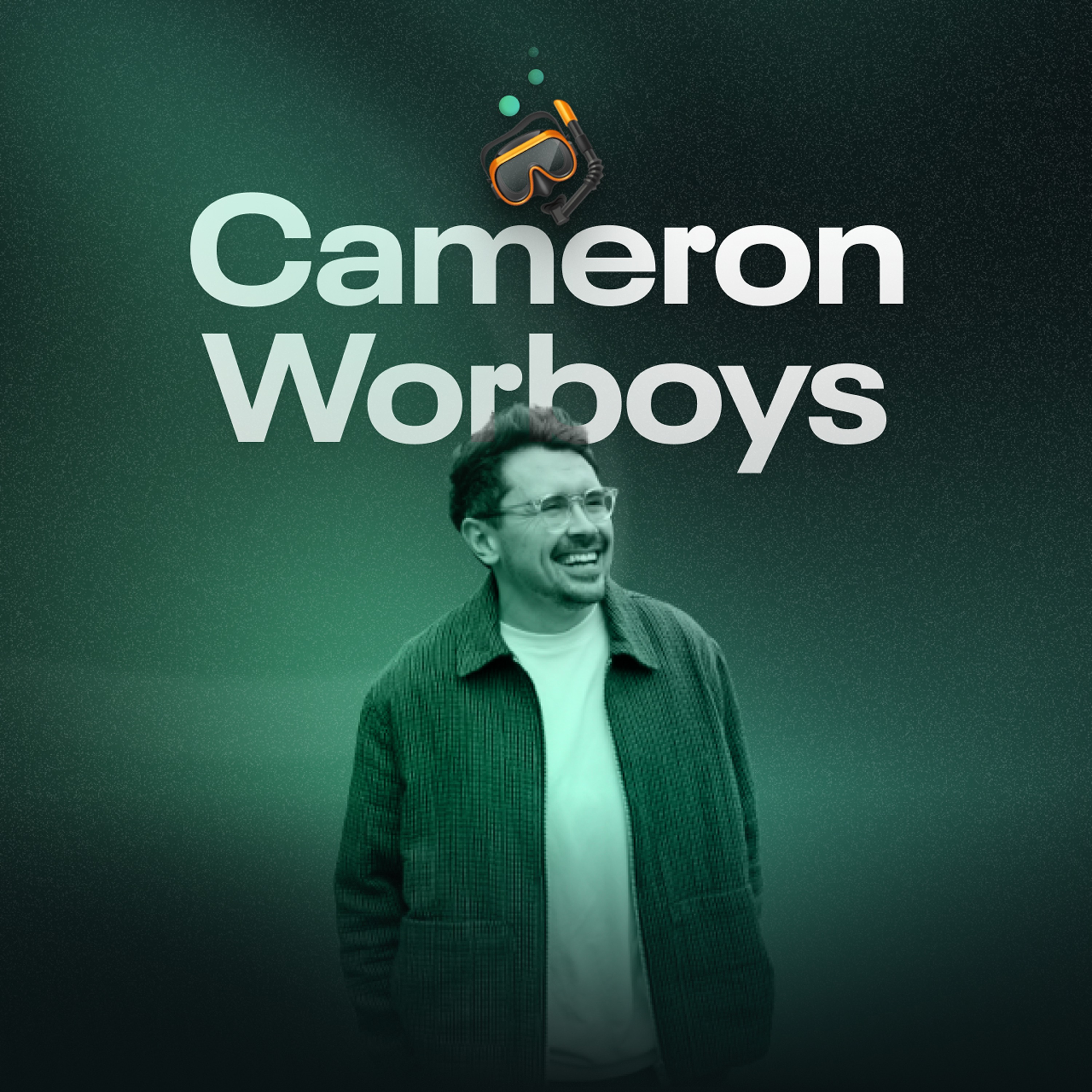
The discussion centers on adapting product design and organizational structures to keep pace with rapid AI-driven change in the tech industry. The head of product design at Cash App highlights that the biggest future blocker is operational efficiency, not building speed. To address this, Cash App flattened its organization, reducing management layers to enhance nimbleness and alignment. This shift allows small, lean teams to focus on outcomes, leveraging AI tools to achieve both high velocity and high quality without traditional trade-offs. The design org has stripped away cumbersome processes like formal design critiques, adopting a minimalist workflow with weekly planning and demos. This fosters rapid iteration, where speed of experimentation and learning from failures drive quality. Additionally, designers are increasingly involved in coding, with over 90% engaging in shipping PRs, reflecting a blurring of roles and a focus on tangible output. The emphasis is on creating a culture that prioritizes building, technological breakthroughs, and operational agility to thrive in an evolving landscape.
I think the biggest blockers across all of the tech industry in the next two years will not be the speed of building. It's going to be the operational side and being able to move something from like we have built this thing. How does it move through the operational cogs of product development in order to like get it live to customers? So my view is like how do we set ourselves up for the new world? You have to make sure that your organisation is capable at running at the same speed as the AI tools. Welcome to dive club. My name is rid and this is where designers never stop learning. Today's episode is a deep dive into design at cash app with their head of product design, cam warboys. We're going to get it hiring, process and get a little behind the scenes of some of their recent releases to understand how the design org operates. Cam is a lot of fun to listen to so let's dive right in. The amount of change that's happened in two years, not just to cash app but like the industry at whole, is absolutely nuts. If you just think about it, right, it's we've had an entire set of tooling we're using changing. The entire speed that someone can produce a similar output has changed. The entire like organisational structure has been put into challenge. I think on a good day, without all of the like crazy industry stuff, I think it would have been a crazy two years. But then when you throw all of like the AI change on top of it, it's been an absolute whirlwind. But to me what I love is driving change and I think that's why I feel like I think I'm reflecting back on two years, being like I'm pretty proud of where we've got to. We've really gotten in St. Tim, we are working in a way that feels very modern, we're small and nimble, unable to kind of pivot with the changes that happen every single week. And ultimately we're just producing really good work. I think you have every right to be proud even just digging through some of the recent, you had a pretty big release just a few months ago. It was a big deal and across the board it was really high quality. So part of my goal of this conversation is to dig into some of these modern ways of working. And I want to start with a phrase that you used last time we talked where you talked about almost your mandate is this high quality high velocity. So what about this big release that you just shipped at the end of 2025? Do you think shines a light on how you want this design or to operate? I think historically in product development, they used to be this insane trade off that you could either have it off high quality and it has to be slow. Or you have it fast but then it's bad. And I think the change that I've felt the most over the last six months to a year and even since November it feels like another exponential change again is those trade offs no longer exist. And you can move fast and you can do it with high quality. And to me that is just exceptional. It doesn't mean it's easy to do. I think that the way you achieve both of those things simultaneously is you have to run very lean teams. You have to be incredibly clear on the outcomes which those teams are trying to achieve. And then you have to make sure they're using these tools in a way that allows them to 10x output and you know the amount they produce because I think the quality piece there's a misconception that it comes from a designer sitting in some cave. For three months and pontificating about the future of software it literally doesn't it comes from reps and the speed which you can be wrong and the speed that you can go again and experiment and experiment experiment. And I think that's what we've seen changes the amount designers can produce has exponentially increased. And the amount of like bureaucracy and layers you need to run organization has changed a lot as well. So you kind of package that together and it allows you to produce significantly more at really high quality at a really high speed and it's just like a product development dream at least as far as I can say. Real quick message and then we can jump back into it and even smarter version of lovable just released this 71% better at solving complex tasks which means it can do more work more autonomously. There's more intelligent planning prompt queueings you can stack requests while lovable works and my favorite part there's automated testing which means lovable now tests your apps like a real user. It opens its own browser navigates flows investigates edge cases and catches bugs for you and the best part is when it finds a problem it fixes it right on the spot. I genuinely believe lovable is the easiest way to build software today. So head to dive dot club slash lovable to try the new release. You know what I'm excited about the granola mcp it allows you to connect your AI tools directly to your granola meeting notes and as somebody who's been vibrating a lot of tools recently this releases a pretty big deal because my meeting notes are some of the most valuable context that I have and not I can find specific topics pull out action items and get any question answered based on my meeting history. This is all available today and I'm already building with it like crazy so if you want to join me head to dive dot club slash granola mcp that's granola hyphen mcp now on to the episode. Let's dig into some of the organizational change because you almost kind of drew this line at like six months ago and then you know like November December maybe I very much so see those as these two inflection points as well. But then yeah like how does that trickle to a design or like you as a leader trying to make sense of how do we want to operate given the rate of change of all these tools and what is possible and it just feels like a lot of the old rules don't apply anymore so what do you even do with that in your position. It's like a complex question I think that there's not one answer to the way my brain kind of initially goes on this previously is what are the old rules right and if you think about the old rules it used to be that there was this product development pod and it was an embedded designer and it was an embedded engineer product manager and then the pizza teams and she right and then you'd have a lot of these pizza teams and then because those there were a lot of pizza teams you'd need a lot of management layers then you have a bunch of management. Then you have a bunch of managers and then those managers would also have managers and they have a bunch of structure and before you knew it you had this web of these giant orcs with like six management layers lots of small teams and lots of people doing like micro optimization in there and I think what's changed from a structural standpoint is because the amount people can produce has yeah probably like 20x first yet maybe even 100x sometimes seen you don't have to have this old model. So what you can do what we were able to do is flatten the entire organization so we have this in design which we have core plus free which essentially means we're only free management layers away from Jack which is actually quite crazy when you think about a company of all size when we first decided to flatten it was the thing that we were most nervous about but actually since we did it it's been the thing that I've received the most positive feedback on and the reason is you flatten it and basically it just goes Jack bro. And then the layer of what's that that's it and what it allows us to do is not kind of like yeah there's no hiding in various management structures there's no game of telephone it really just prioritizes the people who are building the software and the product week in week out and then they get to skip a bunch of layers and just report up. So I think that was probably one of the most intentional things that we've done and if you think about that at what that actually allows you to do when you when you kind of change the organization structure and just flatten it just allows you to be much more nimble so when something happens in say November and we're like oh my god the games changed again we are not working through six layers of management and having to like keep those five people aligned it's a very small tight Nick group of leads where I just have one standing meeting on a Monday to keep them in sync. And that's it no one on one's no nothing just once one meeting a week and then the rest of our time is just spent building and that's really what's unlocking some of these things there's tons and tons of stuff in there but I think it was to reflect was been the single biggest thing we've done that has allowed us to keep with the pace of change. It's been really challenging the traditional organization or like product development structure that I think people use to deliver software at scale over the last like 10 years. Can you push on that a little bit and talk about how that impacts the practice of design or any processes rituals like what does exist still in that more flatter org and were there specific elements of how you all did design that you actually removed given those changes is interesting as well to look at like the before in the after right because that's actually where it gets kind of interesting so we have an uncomfortable lack of process so often some people join and more recently they've been like well this is kind of like a shock and that is all documented but all of our process in cash product design I can actually picture right now it's about five lines of stuff like it is just like sentences just like this is like the thing you have to go to and that to me talks to just like the cutting we've been able to do on there. And the reason I think that's really really important is process existed from my perspective to provide consistency and output when design started to scale and become professionalized so you know back when I first started design it wasn't I would say it wasn't really professional we just used to kind of wing it. We just were like run vibes mostly and like what we felt felt good I'm sure it's probably the same with you and then as you know you needed design or to be 300 400 people 1000 people you had to put any process and structure in order to support that many people the real question which is there's been kind of big big big big into motion over the last.
year, two years has been of that process, what is serving you and what isn't serving you. So we've just basically just like systematically gone through and deleted an uncomfortable amount of stuff. Like for example, everyone is obsessed with design crits, right? And says, "So central to our process." If you actually do like a ride along at a design crit at a lot of large organizations, it's not really a strong crit in like the traditional sense. People are just telling everyone, "He works lovely." "He works so good." Maybe push it over here or they like put another post it, they put like a few post it notes on there. And then most times like the designer leaves that crit and probably ignores like 90% of the comments. Anyways, right? Oh, you probably experienced that. Oh yeah, totally. And then it's like, "Well, what was the point of that? You spent an hour, you bought everyone together. So why don't we just try deleting it?" So you delete it and then you see what happens. And then I think we kind of just systematically gone through all of the professional design processes that we've held clear and then just found a way to just run very, very lean. So if you're a kind of IC at cash app, the weekend we go, it's pretty simple. You basically just get together and plan with your team on a Monday. And then if you get stuck, there's standing time on Wednesdays to unblock, but it's optional. You don't have to unless you're stuck. And then on Fridays, you just demo what you built. And that's like shared. So it's really, it's very bare bones, but I think it actually starts to get back to me to the pureness of product development where it didn't need to be as so complicated. And we didn't need to have these checks and balances to support all of these hundreds and hundreds and thousands of connective tissue points. It's just getting back to building again. And to me, that is just like the most energizing thing. And I honestly think it's what's better stop so much is just evaluating all of that stuff and seeing what serves us and what doesn't serve us. I love the two anchor points being planned in demo kind of at the book ends of the week, too, because in my experience, if you do have that create, like the formal crit where you're actually going to get like quote unquote approval or like get unblocked per se. A lot of times, you know, I'm guilty of just waiting. I just wait. Yeah. I'm just going to wait three days until I can have that meeting. And then I'll just ask those two questions that I need to get answers to. And it's like, that just doesn't cut it anymore given like what you were talking about earlier. There's a speed of reps that you can do as a designer that just doesn't translate. For me, I think the biggest blockers across all of the tech industry in the next two years will not be the speed of building. How does it move through the operational coax of product development in order to like get it live to customers? So my view is like, how do we set ourselves up for the new world? You have to make sure that your organization is capable at running at the same speed as the AI tools. And these AI tools move again fast. So to me, that's like an entire habit we're trying to change with our all around us like the pace and the urgency that we bring into just everything. And then that means that they are keeping pace with this tooling. And I think to me that puts an all kind of much better state for the future. Let's talk about the Friday demos piece for a second. Like yeah. What does a great Friday demo look like compared to maybe a slightly more mediocre one? The lines between disciplines are blurring right because designers now coding stuff and engineers are still coding stuff as well. And even borrowed managers are coding stuff. So to me, a good demo, I feel happy when I've finished Fridays and I've kind of pop around a lot of demos. When I just feel there's been like technological breakthroughs, I can't make say too much, but a lot of the times over the last few weeks there's I've been going to demos and I've been seeing what's been built. And it really does feel like invention, I guess, and that we it's not just information sharing. Like, oh, here's what I built was we got a spec and we've fulfilled the answer in the spec. It to me feels like a, you know, we had this challenge and this outcome, which we were trying to achieve as a group. And we were on like the fourth prototype of it. And this one almost works. I guess there's maybe the best definition. And it's scrappy. It's raw, but you can see like a glimmer of a technological breakthrough. So for example, money bot was something we launched in our full release, right? I remember seeing the first demo actually on web of money bot where we basically took a customer's data and like, art some of our data, rabies, like feed it into this thing and have a response back. And it was probably the design was not good. The execution was so slow. It took so far to the pin it back. But it was the first moment where you could see all the potential and you were like, oh, wow, we're like having breakthroughs here in a good week on week basis from demos. Those breakthroughs tend to like compound. And then that energy just like filters into the team. And then I've at least seen people want to keep like leveling up on those like breakthroughs, which are having a demo. So there's no like formula per se other than just show us what you built this week. If you built something incredibly complex, that's really hard and you've broken through gray. If you've just built something that's raw or if you're just doing animations for the week and find them all polished, that's absolutely fine. It's just show us what you've made this week. I think money bots are pretty interesting thing to look at because so much of what makes it special exists outside of the pixels, you know, like a lot of the design even is outside of the pixel. So maybe we could even use that as an example to talk about how the value prop of design has shifted at cache app, both maybe due to the type of product that you're working on like a money bot. But also it sounds like you know, people are experimenting more with these tools. You talked about the value of technological breakthroughs. More people are coding like what has that shift looked like in practice at cache app almost all of our products and I know what goes now like shipping PRs and I found it kind of funny. I can pull it. The data of my top of the head is like over 90% it's like crazy. It's big down. Yeah, so it's a big deal. But what's funny is designers keep gravitating towards the most designary stuff and I found a lot of designers are fixing these small refinements in the product that have bugged them for years. It's just been like a funny cause of action. It's like you get keys to the kingdom and you could ship these insane things. I've been designers are like all this pixelation on like this is pretty was like it was really awful like the amount of key line alignment I've seen like we've got we've got really stuff and issues in our app where those quality and paid some pages would be like and things just weren't quite perfect page to page and there's two designers and thinking off the top of my head it was like smashing through PRs and Lauren has this range for like the pixel janitors and they are like the pixel janitors. I think I'm going around cleaning up after our developers who like didn't make the app completely pixel perfect. So I know that's a tangent of the question but I think that's just an anecdote which I'm finding so funny but I think over time it will start being pixel janitors and designers shipping code and then confidence will just grow from there and grow and grow and I do see a world in the not too distant future where very complex features are being you know shipped via just a builder and you can't distinguish whether that builders an engineer or a designer or someone else in a discipline they're just able to visualize and invent something and just ship that through these tools. So that's where I can see it going. I just think it's going to slowly be like a progression and then we'll wake up one day and it will be like wait there's no more roles. It's just who can ship good stuff and I can really see that trajectory already happening. I'm feeling that a little bit even from my own practice like I've made a couple PRs in the last few days and I'm like I just honestly step back and I can't believe it. I cannot believe that I did that you know it's so past the line of the like P3 polish ticket that being said for you to even get close to that at an org that's so much bigger you know and you're if you're even close to this 90% number that's a pretty incredible feat so has there been any like top down investment or anything that you're doing to help designers get more comfortable in the code is it just happening organically like how have you been able to see such an organizational transformation over such a short period of time. I think we've been far ahead in the tooling aspect that enables designers to do this so we've had a group of people who essentially look at the AI enablement side of it and there's an entire program that's dedicated to co-fluency and that's helping designers from zero where they don't have a get-cup upgount all the way to like shipping a PR into prod tool. The first stage starts in like a sandbox PR so you can kind of mess about and then once people have kind of got comfortable shipping inside the sandbox we move into like the actual product and then there we found some engineering pairing is like really helpful just to help designers honestly just like navigate it like I don't think it's it's necessarily building the code which is the hard pot anymore it's is more so which buttons do I press and the world doesn't end. So true. So it's like there okay. I'm not like technical but you know I'm not technical in the sense of like a development and you like read some of these things and just even the follow-ins you're like what is this. Every button in GitHub is scary too like even the squash and merge like I looked at that and I'm like it's green green normally means like it's okay to press on but I'm like no I got to Google this and I'm like I'm searching I'm like do I hit the squash and merge but I can't very clearly the only button on the entire page of the hit but I still I still couldn't get myself to hit it. Yeah that's that's that sounds about right I think by the end of key one we'll be 100% like we've got a few people who are obviously out of office and stuff like that but yeah we'll have every single designer should have have shipped production PRs by the end of course I think.
World is changing. It's one part of it, like I think, you know, they're still the building part, but there's still these other jobs that happen in this new world that to me are just like just as essential and even more important in this new world as well. You want to go a little bit deeper there? We basically have a DRI concept and that stands for like directly responsible individuals and the DRIs are responsible for needing a large group of ICs to achieve an outcome. And what's really interesting from my perspective on that, right? You actually think about it is there's so much stuff you could do. The real challenge then becomes if I've got this infinite set of options, like what is the strategy and how do we coalesce a large group of builders to live on that strategy fast so that we win? Like that's an art form in itself that I think is just as critical. Because otherwise what you'll end up with is you'll end up just so much shipping. It won't click together. It will be one part of the orgs going over here, another part of the orgs going over here. So these tools are amazing at increasing the amount of output, but output without that taste and that ability to be like this is where we're going strategically as a company. And these are the people who are going to like help drive us weak and weak out towards that direction. And that to me is just as critical as the people who are, you know, shipping the code and building it day to day. And I think design also has an opportunity to really from my perspective, like step into that role because design can visualize what the future could look like. And a lot of other skill sets can't do that, right? Like people have to write documents or something like that. But you know, if we're trying to go after say the next version of money bar and talk about it in the future, a designer can actually prototype something, show it to everyone and be like, this is the direction we can go. And then everyone's like, yes, let's follow that, right? And that allows this group of builders to essentially like know where the flagpole is. And so maybe a good way of articulating it is I think as the output increases, the value of clarity and vision just becomes more and more important. Because otherwise you end up in this Jack of all rights master of non software, I think. Maybe we could even tie a bow on everything that we're talking about here because I'm sure some people listening are excited by all of the change, but also, you know, people are trying to figure out almost like career strategy. You know, like what's the North Star that I want to even point myself at in terms of what I want to bring to the table one, two, three, four years from now to continue practicing as a professional designer. So when you think about maybe even like the archetypes of designers that are having real success in your or where do you kind of draw the lines? Like where can somebody point at or the decision matrix of what type of designer do I want to be where I could thrive at an org like cash up when you're in these periods of rapid change. The most important thing is being malleable and then being able to reinvent yourself again and again and again at the pace of change. So if I was to give any advice on like long term career longevity is I'd say there is no fighting this direction of travel, right? It is fundamentally changing the entire product development process. So retooling is not a luxury. It's like a must do. And I think it's going to be if you're not AI flaring in I think you will struggle to get a job to be honest in the not to distance of future. You might even struggle now as well as say we might be there already. I think so. It's sad to say but I think it's just like the truth. And then I think as far as like the evolving shape of it, I honestly don't know but there's there's three archetypes which we're working towards. And I think at the highest level it's a world where the lines between roles are a lot more fluid. And we basically talk internally up lock and I can't take credit for this but there's basically a DRI is the person who's driving the work. There's ICs who are the craft makers, taste makers driving the actual execution towards that goal. And then there's player coaches which are like the leadership layer of the organization. I can like go into each one of those I guess from I think a DRI is a really interesting thing to lean into, particularly as a designer because your strength is a DRI is essentially is your ability to take a loose strategic nugget as a business. So for example, at the moment I'm very focused on this idea called neighborhoods which is how we connect both sides of the counter between square and cash up. And you think about that that's like fascinating problem to solve. Why when you walk into every single square shop should you not play with pay with cash up? That's not a reason. And it's like a very technically interesting challenge to solve but also very customer-accentric experience challenge to solve. That's like an important role which I think shapes the future of desires like people who can take maybe a good way to frame it is like creative problem solving and start to think about what are the biggest problems at this business faces and how can I use building and product development and design thinking to help people visualize and follow me on that change like that's a role which I think will still be really important. And then on the IC side the ICs that are thriving at the moment are what I would just call like just builders. They are people who bias towards action. They are very outcome focused and solution focused versus linear process focus. They're just like okay cool we're going to connect both sides of the counter through square and cash up. Let's just start building some prototypes of how we could potentially do that get that into customer's hands and not scared of being wrong. I think that's like the probably the most important trait that I'm seeing is that ICs who are willing to be at eye back this as the first direction is actually a undervalued skill and I think those ICs tend to be like really really thriving at the moment. And then in the player coach space there's still a deep need for leaders in design but we did this before the AI push but we don't believe in like professional managers in the sense that other large tech companies might have the idea to me that you have a manager who is not responsible for the output of their team is just like one of the dumbest things in the world and just doesn't compute with me. And so our managers are our leads we call them our player coaches. They are responsible for driving outcomes and positive outcomes in the team and all of the pixels which they're pushing and their team is pushing they are responsible for so those are the free archetypes which we have and I think across those archetypes you're almost seeing like different skills prevail and you know I'm summarized it as like the DRIs are like the people who are able to kind of do like creatively leadership essentially. The ICs are just the builders who just produce and create amazing high craft outputs and then the player coach is essentially the people who kind of lead the ICs towards achieving great outcomes and that's generally what I've seen but maybe the inversion that would be I don't think the kind of middle professional management layer who doesn't actually produce stuff will exist. I don't think it exists anymore perhaps in the way it did three years ago. I remember interviewing a big company and they're like do you want to be an IC or a manager and I was like can I be both and they're like no no no no and then people would have invested like five years of their career in just being a pure blame manager and then they come up now it's tough it's tough I genuinely feel for those people and I really like DRI a lot because I think it's been easy to evaluate where you want to grow as a designer on kind of the engineering product dry add a little bit it's like hold do I want to go down the code path more do I want to go down the product path and product felt like a departure from design in some ways but it's so clear that like there's this need unlike the stick to strategy you say creative problem solving I love that you know it's like AI's exciting everything what's like great the bottleneck in some ways is ideas you know like yeah you got to come up with things and direct things and I totally believe the designers might be the best positioned person to thrive in that role. Yeah I feel similar being the ideas guy always used to be like a jerk right yeah and now like actually at my value it was such an insult like 18 months ago on Twitter and now it's like wow we need more ideas guys hey we're hiring ideas guys yeah maybe it's different that's like the most successful DRIs like I'm thinking of Ryan and Owen that that's super senior people in the company that that DRIs as well and that obviously Brian was like the old CEO of cash apps he's like the perfect definition of DRI because he could just he could just make stuff happen and think strategically but it's a really fascinating thing because you do need more of those people at different layers and you have to build a bench of highly capable leaders who can essentially you know lead the robots plus the humans to deliver these outcomes and I don't think it's as simple as people realize and I've definitely seen even through friends or even you know from personal experience at cash app where if you have just like a bunch of people building stuff and making stuff but it's not being shaped into like a coherent direction and strategy with taste and curation it kind of just feels a bit rattles and you're like producing stuff but it's not really driving the impact and that to me is perhaps one bit which the industry at large is maybe not talking about because you can make stuff and build stuff all day but if customers don't want it it's kind of pointless right there's one question that I can't stop asking myself what if companies apply to talk to you rather than the other way around and that question is the foundation for the all new dive talent network and it's working like right now I'm helping many of
the most exciting startups that I know to hire the designers and builders who listen to this show. So if you're curious what might be out there and maybe you want to get on my list or maybe you're even looking for your next design hire, head to dive.club/talent to join today. So we're talking a lot about archetypes and everything that's changing in the world. My question then is how's this influencing the way that you're thinking about hiring? Maybe even like the signals that you're prioritizing in evaluating people and trying to figure out who's the best fit to bring in to the team. So I think the thing that's universal and has never ever changed is someone a good designer. And that might sound stupid, right, when I say that out loud. But most people fail a portfolio phase or an interview phase because they don't have what I perceive as one of the most important things in design, which essentially croft. I made that 90% up, but I actually think it will be probably closer to like 95%. Every single rejection reason I think that number one up there by an exponential amount is like croft. I think the other stuff that surrounds croft is much easier to teach. But someone's like a nay, I and taste is actually the most valuable thing that I think I've time and time again had. There's a lot of people that I'm thinking of who you could just tell they hadn't eye for it and they hadn't necessarily had the opportunity. And then you give them the opportunity and then the eye prevails. And to me, like the eye implies that it's just this like visual only thing and it's not. You know, when you look at a product and it just feels right and they've balanced it and it just feels like incredibly obvious. That's a really hard value to place on something. But I think it's actually probably the single most important skill. It's like a designer. And I think as the number, as like the amount of output you can produce comes up, we're going to see a ton of slop. And then we will see a smaller and smaller amount of designers and people who can really just like select with such intention and focus, but they know what good looks like. So to me, that's like the universal trait that hasn't changed, like croft, taste, whatever you want to call it. And there's a misconception that it's just like the visual side is not just the visual side. It's like it's the combo of it all when it's just feeling right. Like that's really, really important. And then I think the other stuff that we've seen change more on the hiring side is just general AI fluency and stuff like that is just kind of a given now. I think it's unlikely that you'd get through the interview process. If you weren't building some stuff in AI and like had other projects, there's some people for example who work at companies who aren't as AI forward but have insane craft levels. They tend to be like, oh, the weekends, I built this amazing tool and you can kind of connect to and to and you're like, this is enough. So I don't know if that answered the question, but I think the most important thing to say there is craft away shines through and now more than ever, even if you look on Twitter and you see the people who are like growing their followings exponentially as like an IC is craft. Like they're building amazing prototypes, they're building amazing interactions. And I just don't think that's disappearing any time soon. So that's what I keep looking out for and that's what a lot of people cash up and I think that's why the fit and finish of the app was quite nice because we have a lot of people who care and take care about that stuff. I want to join the AI fluency piece a little bit and I want to speak to a very specific listener who hears you, maybe they've actually been kind of hunting all the AI stuff because it's annoying and they don't have time for it and you just convince them. You're like, all right, shoot. Like I actually really have to invest in this. But it's unclear. Where is the threshold? Like what line are you trying to see designers get over where you can say, yep, they have what it takes and they've experimented enough or they've built enough. So if you're an IC and you're a builder type, I would guess and I may be wrong that if you're asking yourself that question, you're probably not a builder because anyone I know who is thriving in this like builder first IC world, they are so emotionally inferred by this change that is happening because design was always gated behind technical expertise and it was always like you needed someone else to realise that your vision that a lot of people I know who are interviewing and all work at cash and block and everywhere, they are like shipping fun things on the side just to experiment and like have fun with the technology. And that is by for me from an IC perspective, like that is a builder and they bias towards action, they love making if they have half an hour free, they're going to tinker on something there. I guess that's like a way to probably challenge the question a little bit. If you're asking yourself that, I think maybe the better question is can you compete with these people who are high craft, high taste and building incredibly high velocity and like figures spread to mind. And honestly, I would say if you can't, like don't get in the game because we're not worth it, you're not going to have a gig. That's a good answer, honestly. I respect the pushback because building is pure love at the game at this point. Like you said, as an industry, we've almost had this coiling of men, it'd be nice to build my ideas and then all of a sudden it was like, boom, and now you can. And it's just like, okay, cool, this one, this one, this one, this one. That's tough to compete with. If it doesn't come naturally and you're not excited about it, it's tough to compete with. So then, then what? There's other things, right? So like, you know, in a leadership role and in some of the other archetypes which you're looking at, then the skill set is more so like, how do I shape an organization and shape strategic direction for these ICs who are producing this the same amount of stuff? Like that's the skill set in itself. There's no like course on that, I don't think. And if there is, you know, someone's probably making a lot of money. I think that's the skill set that's incredibly valuable in this world. It's like creative leadership or, you know, I don't know what the answer is in exactly how to define that. But that's made the space which people I think could go into in this world. But it's going to be harder. Like that's the honest truth. Design jobs, I think, were plentiful and everyone needed design. And I think what you're going to see is there'll be fewer gigs because people can achieve more with less. And that to me just means the standard gets higher and what people have to produce. So I'd see the quality of people getting better and better. So I think it's also really important to like caveat that in this time that I think the design industry at large got really guilty of overvaluing people's resumes on a logo. And I transparently like don't give a shit about where someone worked. It'll probably kill me for saying this. But like one of our best designers hands down and I think he'll come on to be like one of the best ICs in the company. His job before was like work designing stuff for Yosu. No shade, yes, she is cool, but it's not like the Airbnb or the nectar of the world. And I think it just comes back to raw talent shines through and raw craft and raw skill shine through. So for the ICs of tomorrow, I think you'll just see them bubbling up. And we had this like we had these builder fellows doing recently who are like like no college fresh end to working with us. And the amount of like the skills which they have, they're just like swiss army knives. It's terrifying. They can actually do it all. Yeah. And so yeah, I don't know, it's like a bit of a long-winded thing, but I do think it's important for us as like design leaders in this new world to not be overly attached to the resume logos and all of that kind of bullshit that's actually with it and just look at raw skills of someone building and transparently from my side. And I know I speak for all of the block that we don't care where someone works. We don't care where someone lives. It's just like do you have the appetite to work in this high velocity? You know, high craft in Mariamon and do you have good taste and could pull it off? So hopefully that changes. But again, I felt that was an important PSA to say. No, I think it's great. I'm glad you said it because there's a lot of reasons to be intimidated about the future. But that is the reason to be optimistic. Like this is the great leveling of the playing field. Literally just today we released an episode with this guy who just landed a really cool founding designer role through the talent network. And his resume sucked. Yeah, he wouldn't even feel bad about me saying it. Like he didn't like the company he was at. It was very low craft. And he just went out and made a baller portfolio and a really cool side project and sweat a bunch of details on his portfolio side. And it was more than enough for me like, okay, this guy is really good. What the heck? This guy is a gem. And he will fly past people who, you know, dare I say, maybe have spent the last five years at Metta on the tiny little slice of the product because he's like this generalist that AI is accelerating in every single direction. That archetype so, so exciting. And for the first time in a few years, probably like, this is their moment. Like if you are that person, this is your time right now. I've recently joined Twitter again. And I like DM quite a lot of people where I just, their work pops out and like, their work is sick. And I don't look at the LinkedIn. I just like, you know, let's chat and people will get jobs off the back of that. And it's not saying, you know, you have to post all your stuff all the time. But they're just built. And it just, I don't know, I just think you just see craft cutting through a rate that it didn't before. And previously, perhaps, you know, you would go to a large tech company and there would be like 10 rounds of interviews and everybody like, tell us about this, tell us about this. And it was easier to get into the CIA than some large tech company into years. Whereas now it's just like, show us what you built. And I absolutely love what feels to me like the smashing down of the last 10 years, where it design became bureaucratic, overly professionalized. And now it feels like we're getting back to basics. And that to me is just so.
I enjoy it. And that's probably why I'm so hyped to the moment I look. I want to return back to what you said earlier. And you were talking about the connection between cash and square. And maybe it's good. Yeah. And like there was a tweet that I had circled that you put out. I don't remember a couple of weeks ago where you just talked about how something you're thinking a lot about is that you're creating a shared DNA, like visual DNA even between square and cash. That's not a small project or initiative to lead given the scale that we're operating at. So can you just shine a light on some of the things that you're thinking through on that front? It's not just like changing design language for changing changing design language as I say. That's like the best way to phrase it. If you think about that problem which I talked about earlier of like connecting both sides of the counter, there is a customer experience in like design language part of it that what works about the Apple devices when you go from like an iPhone to an iPad to a TV is there's this feeling of similarity even though they're different OSs and core experiences that make these handoffs feel like very seamless. A while ago because cash happens where we're pretty separate until we functionalize the company, there was no incentive to think about how that connected. Right? So they were by and large like separate things. So if you had of designs like this very smooth handoff at that time, it would have felt like you were you know handing off between toast to Venmo, right? Because there's two separate companies. So actually like square and cash up are a single company. I'm going to connect them. It's going to be one of the coolest things ever. But we need to make sure from a customer standpoint that the experience feels seamless. The obvious notes of that is oh let's just make them both the same. Let's just make cash up and square like have the same design languages have the same systems. But then if you really interrogate that it's like oh wait, cash app is like one of the most crazy, culturally relevant brands that appeals to like a very young generation. We've got 25% of US teams and then square is like a hardcore working B2B software where people are in the app for like eight hours a day. So if we start like you know dropping crazy illustrations and tons of white space everywhere, we might you know people might get annoyed. So what we start to talking about as a group is like well how do you connect them? And I think this is where it comes down to that deeper layer of like strategic drivers. And this is something that Maureen was involved in and deeply passionate about is actually design runs deeper than that. And you can start to think about what we call shared DNA. And this idea that it siblings not twins. And if you think about that as the analogy, what we're saying is there is shared foundations that make it feel like it's a block designed product whether that's tied some shared like base tokens approach to the grid. And then there are these unique personalities that get put on top of it that allow each of the brands to shine. But also make that handover moment not feel like you're jumping between two different companies. So that's I guess why it is interesting because it really is like design as a strategic asset because you're using design to solve a customer problem and to solve business problem which is how do you connect both sides of the counter? One of the personality glimpses that I really liked from the latest release was these personalized payment pages. Can you give us the backstory there? Like how does a project like that come up get greenlit be brought to life? Like what does it take to pull something like that off because it definitely exists so far outside of the traditional box of responsibilities that a lot of designers especially people working on be to be get to even sniff. That's like a personal one. I still think we can take it even further. Again, it discuses back to that like created problem solving again. Right? Most payments essentially like moving money between you and I, it's become a commodity. So the prompt there is how do you start to make the experience of moving money between you and I feel less commoditized? And if you and I were just now to like ideate on that, you'd be you'd probably say like, oh well, if you could like send a special message. And then you're like, okay, cool. So what we did is we actually looked at the messages that people were sending in their payments. We pulled a list and aggregated it again, like using AI were able to look at you know, millions and millions of payment notes and find out like why people are moving money. And you see there's a lot of things that are kind of functional, right? So like rent, you know, no one's celebrating rent. But you also see there was a lot of very emotional things like for example, graduation, birthdays, dinners for a special reason, right? And then you kind of pull that thread and you're like, why shouldn't that experience be more than just this like sad, utilitarian thing? And it shouldn't. So we were like, that's designed a bunch of custom assets that mirror all of these moments that people are sending money. And that's what we started to like see if it worked and see if the customers are loving it. Customers do love it. They're like big advocates for it. And I think we will continue to push this idea that it's completely personalized and moving money doesn't need to be this like commodity for the rest of the rest of the year. A lot of the things that you're talking about related to maybe finding this shared DNA, you know, people translate more into this like design systems bucket. I know Lauren is leading that doing a great job there. And yet much of what comes out of cash specifically is like frankly bizarre, you know, it's just very, very different. Can you talk a little bit about like that tension? Like how do both of those things operate at a high level where you have this, you know, the systems required for crafted scale while also trying to be deeply creative in the core brand and what that expression looks like? It's like one of the most existential challenges that I think every tech company should be thinking about deeply right now. I think it's better to be on the side of expressive and unique to customers so that they have an emotional attachment to your product versus like, you know, consistent and essentially like, you know, commoditized vibe, codable, vibe, codable. Yeah, like that's genuine. So for example, one of my favorite apps that I did the design at the moment that is out there is like bump, I don't know if you use bump, is like map app. I know I met the designer right? He's like, he's like, yeah, we just we just yolo anything. It's just like how read, how read can we make it? Friday's episode is with Julian Martin. Oh, no way. Yeah. Well, man respects. I think that's a good example of like, I just think you have to and we're definitely forcing ourselves to get out of our comforts. I guess it's maybe the right way to describe it because the traditional logic was, oh, consistency is ruthlessly adhering to this very strict design system was the only way to adhere consistency. Right? That was like the truth for a while. And I don't think that is necessarily true. Like, design systems have to be able to flex and allow for more expression. And then I think if I put the new age layer on it, I believe one of the primary ways which you will create lock-in in the new world is creating apps that feel completely one of one. So what I talk a lot about cash app is I want in six months a year, I want everyone who's sitting at a dinner table to open their cash apps and put them on the table and every single one looks different. It's a complete expression of their personal identity. And if you think about it, like we actually have the heritage of doing that, we have our cards, right? You've probably seen the crew debit cards, you can customize them, you can draw on them. And actually when you think about the future of software development and where it's going with generative UI, there is nothing in the future that's going to prevent us from creating these completely one of one experiences. So that's what like is top of mind for me at the moment. And I do think we will get there relatively quickly that every cash app does feel unique and completely designed around the person. And then from a business perspective, why I think that's super interesting is it creates this like deeper, harder to quantify emotional connection with the products that is the same as like your wardrobe. Clothes are by and large like an expression of personal identity. We've seen a trend particularly in younger audiences that digital identity as valuable as physical identity. You just need to look at the fortnight store to see the numbers there. So, you know, I think from my side, I have a very deep belief and a bet that interfaces in the not-too-distant future will be a spoke, completely one of one. And at least in cash apps, incidents are complete representation of your personal identity. And then like my brain is already running like, how applicable is this to be to be, you know, like how far are we going to go into this? It's so applicable. I think it is. So my dad is still runs a tiny little small business and teak shop, right? And his options previously were he could have his own website, which was so difficult for him to manage. Like he's not a technological guy. He's an antique dealer for that sake, right? Like you could kind of picture it, right? Or he could upload to his antiques to like some big conglomerate that standardizes the experience. And his like personal touch in his shop. And like all of the effort he puts into it basically just goes into like this commoditized like Bordash-esque platform. Like that to me is just like not the future of B2B software. Like get it, you know, if my dad was able to create a completely bespoke, you know, solution and piece of software that allowed him to serve his customers and create a website that was a representation of his style and identity, it would have changed his entire course of his business. But he wasn't able to do that. And I can only really think in the future that people will be able to do that. And even at Square, we're talking with lots of customers at the moment and building stuff. And you can kind of see the direction of travel that people want very bespoke interfaces as much for B2B because every restaurant is different. And I just think that's like one of the biggest opportunities ahead for designing general, which is like how do you make this stuff? And then how do you make sure it comes together in a cohesive way? Creativity as a competitive advantage regardless of industry does feel like it's going to become more of a thing, which that's the exciting as a designer, you know? Because if your product doesn't have something that obviously there's this.
bucket of top-down enterprise contracts that are always going to exist. But there is an abundance of choice and one of the choices is make it yourself. So it's got to be good. You know, the bar, in the same way that you were talking about the bars rising for designers, it also was going to rise for products specifically to ask probably. I'm sorry. Maybe I'm wrong. I really, really hope so. I just think software was not, yeah. You had to mass produce it previously essentially, and it had to be one size fits all for almost every customer. And if you were in workday and signing a contract for like 10 million, you probably got some customisation to it, but by analogous, like the same product. And I just think that whole notion of how software is created, is kind of being challenged, and that's, in the end, is just so interesting. If I didn't believe that creativity had a role in this new world, I would quit my job and give up. And my wife's an amazing baker. I would just support her doing like bakery, like honestly, but I genuinely believe that the world would be a better place. It had more businesses really led with creativity and used it as a tool to drive the outcomes at scale. And that's really what fires me up personally. It's, you know, there's very few, I know that the designer found a trope. There's very few designer founders, there's very few designers on boards. And I think design is often misconceived as just pixel pushing. And it's not, it's like creative problem solving. The design industry at large can look at problems in a very different way and come at them in a very different way. And that's like a skill set that transparently I think would make the world a much better place than today where it's like, you know, just giant conglomerates in every shopping mall and like not enough neighbourhoods, businesses, thriving and one size fits all software and mass produced clones. Like I think there's an opportunity here generally not to go like to philosophical is to like for design to like push against that tide of the last 10 years that it's you know, it's all conglomerates and go back towards more of like creativity at the heart of everything, neighbourhood businesses, neighbourhood stuff. And I think that's very, very energising to me. I saw someone on Twitter. I think actually it was last night referred to this as the niche economy and I'm totally adopting it because I think that's good. It's so relevant for designers because even if we were able to correctly identify a problem which as a whole, like given the population, we're pretty good at, right? Like that's what we do. It didn't really matter because there was still such an upfront cost and skill gap to actually be able to go and solve the problem. We're all of a sudden now it's token cost. And the time cost is driven down. We are not reliant on other people to actually go and solve the problem. So I do hope that there are so many design created businesses that don't necessarily have to be these billion dollar companies. It doesn't matter, right? It's the niche economy. I think the niche economy can be driven by designers and I'm very excited about the future for it. I love that phrase. And it's almost like we're saying that is before we kind of press report I was talking about the I think future tech companies might be like CPGs and it's not just it's not dissimilar to that where it's actually is it one piece of software in five years time that serves a billion people like Metaduzz or is it split up into 30 pieces of software that solve much smaller niches. So you go to your fitness app is booked here like your local community is just your way you live. And that to me feels like a much more competitive and better world which I hope exists but also could just not and get eaten. But these big companies but I think for the good of the world it would be amazing if it went this way and I hope design continues to have a role in shaping it to the artist. Can this has been incredibly energizing I appreciate you coming on today and giving me a lot to think about and also just learning more about how you all operate and everything that's going on has been just fascinating. So thanks for coming on. Climb at the curtain talking with us today. Did you appreciate it and thanks for listening and it was enjoyable. So you guys before I let you go I want to take just one minute to run you through my favorite products because I'm constantly asked what's in my stack. Framer is how I build websites. Genway is how I do research. Granola is how I take notes during crit. Jitter is how I animate my designs. Loveable is how I build my ideas in code. Mobbing is how I find design inspiration. Paper is how I design like a creative and raycast is my shortcut every step of the way. Now I've hand selected these companies so that I can do these episodes full time. So by far the number one way to support the show is to check them out. You can find the full list at dive.club/partners.
Podcast Summary
Key Points:
The primary challenge in tech is shifting from building speed to operational efficiency in moving products to customers.
Organizational flattening (reducing management layers) and lean processes enable teams to match the pace of AI-driven change.
Modern design emphasizes high velocity and high quality simultaneously, supported by AI tools that increase output and reduce bureaucracy.
Traditional processes like design critiques are being eliminated in favor of minimal, outcome-focused rituals like planning and demos.
Designers are increasingly shipping code, blurring disciplinary lines and focusing on technological breakthroughs and rapid iteration.
Summary:
The discussion centers on adapting product design and organizational structures to keep pace with rapid AI-driven change in the tech industry. The head of product design at Cash App highlights that the biggest future blocker is operational efficiency, not building speed. To address this, Cash App flattened its organization, reducing management layers to enhance nimbleness and alignment.
This shift allows small, lean teams to focus on outcomes, leveraging AI tools to achieve both high velocity and high quality without traditional trade-offs. The design org has stripped away cumbersome processes like formal design critiques, adopting a minimalist workflow with weekly planning and demos. This fosters rapid iteration, where speed of experimentation and learning from failures drive quality.
Additionally, designers are increasingly involved in coding, with over 90% engaging in shipping PRs, reflecting a blurring of roles and a focus on tangible output. The emphasis is on creating a culture that prioritizes building, technological breakthroughs, and operational agility to thrive in an evolving landscape.
FAQs
The biggest blockers will not be the speed of building, but the operational side—moving products through the operational cogs of development to get them live to customers. Organizations must run at the same speed as AI tools to keep up.
Organizations can flatten their structure to reduce management layers, enabling faster decision-making and nimbleness. This allows teams to pivot quickly with changes and prioritize building over bureaucracy.
Run lean teams with clear outcomes and leverage tools to 10x output. Quality comes from rapid experimentation and the speed of being wrong and iterating, not from prolonged, isolated design phases.
Many traditional processes, like formal design critiques, have been removed to reduce overhead. The focus is on lean rituals like weekly planning and demos, cutting unnecessary steps to get back to pure building.
A great demo shows raw, scrappy work with a glimmer of technological breakthrough, not just spec fulfillment. It highlights invention and progress, energizing the team through visible week-over-week advancements.
Designers are increasingly shipping code and fixing refinements directly, blurring disciplinary lines. The focus is moving toward who can ship good stuff, with tools enabling designers to contribute more technically.
Chat with AI
Loading...
Pro features
Go deeper with this episode
Unlock creator-grade tools that turn any transcript into show notes and subtitle files.
 PodcastTranscript AI