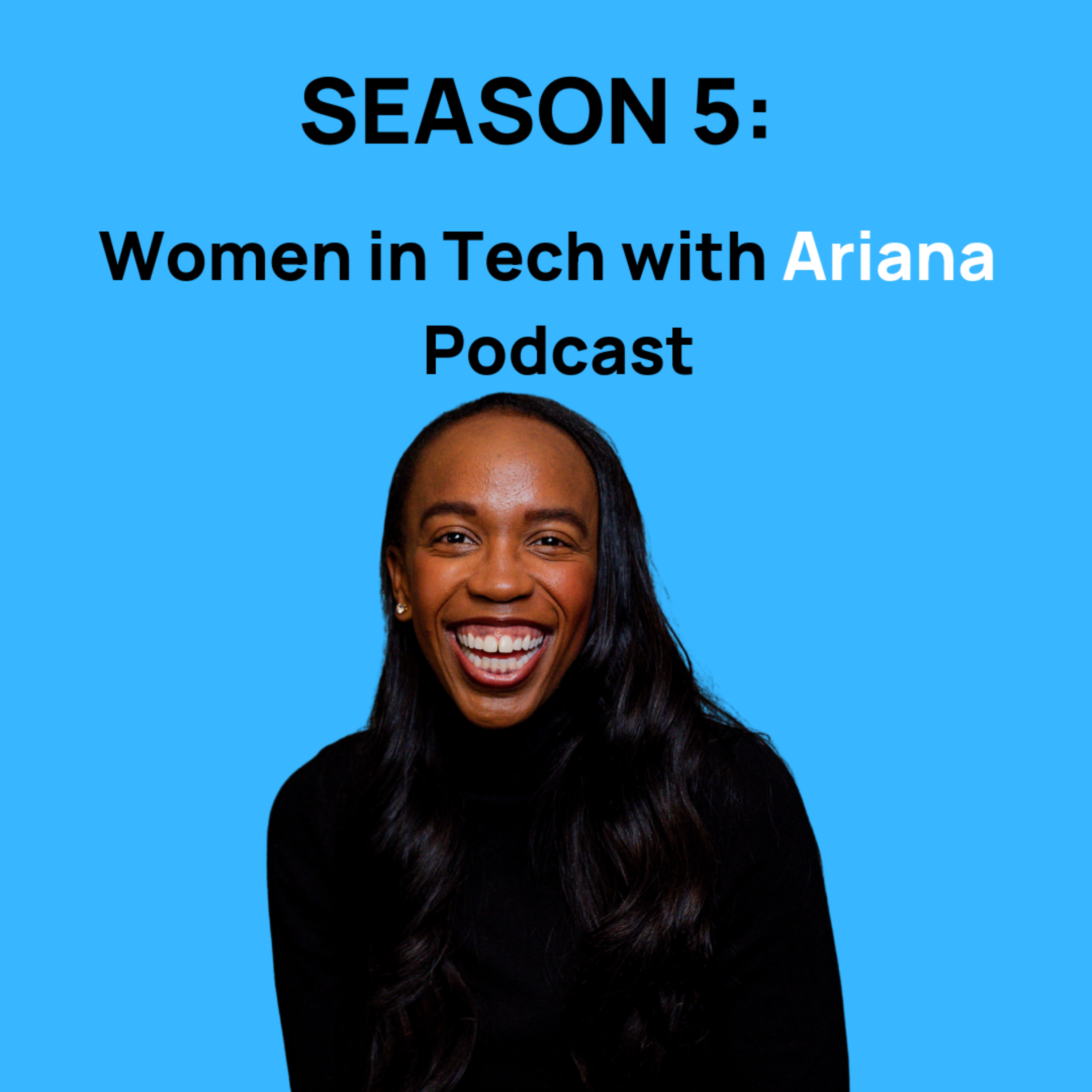
Building Successful Teams & Creating Systemic Change
from Women in Tech with Ariana
30m 7s
The transcription features a podcast episode titled "Women in Tech with Ariana," hosting Bee Pagels Minor, a product manager at Netflix and an activist for trans and Black communities. Bee recounts her unconventional entry into tech: after graduating in 2008 during an economic downturn, she worked odd jobs, including as a Target store manager, where her team recognized her passion for electronics. This led her to pursue a joint MIS/MBA program, eventually landing her first tech role at a startup called Share or Cell. She transitioned into product management after identifying gaps in client needs and researching the role, progressing through positions at companies like Cars.com, Fraud Social, and Apple.
Bee emphasizes the importance of self-assessment for career changers, such as evaluating strengths and weaknesses, and building relationships to gain mentorship and accountability. She advises using facts and trust to persuade teams, rather than relying on authority. At Netflix, Bee leads affinity groups focused on systemic change—improving recruitment, retention, and respect for marginalized identities—to create generational wealth and societal impact. Her approach centers on servant leadership, micro-planning with teams, and fostering environments where diverse voices thrive.
For all my women out there, I just want you to know that you are a boss. Women have to be at the table for technology and innovation. It if not, will simply create our own. Don't feel like you shouldn't be a part of the text space just because there aren't many women in the room. That's exactly why we need you to be there. So don't forget to rep your set in these text spaces. AKA, rep your culture. You are the face of technology and the face of the future. Make sure you subscribe to this podcast guys. Y'all already know, subscribe. And follow us on Instagram and Facebook. I have links to that below. And if you're using an app or a website and you can't see links below, you can go to Huawei Tech.com/podcast and you can get access to all the information or just follow us at Women in Tech with Ariana on Facebook or Instagram. Hey guys, welcome back to another episode with Women in Tech with Ariana. Today guys, we have a super special guest, Bee Pagels Minor. Bee is a social activist globally for trans app Netflix, globally for black app Netflix and also a full time product manager. So we're going to ask so many good questions today, dive into their journey, talk about how they're managing to do all these things at once and just so much more about their journey in tech. So Bee, thank you so much for coming on the show. Thank you for having me. Yeah, absolutely. So let's start from the beginning. I always like to ask my guest this question. You know, where are you originally from and currently based? Yes, I'm originally from Mississippi. So like legit Mississippi, which nobody actually claims by actually do you claim it. And I now live in Los Angeles. Yeah, that's awesome. I love how you said legit Mississippi because people always like claiming, yeah, I guess bigger cities and stuff. So that's great. So what was your intro into technology? Like what inspired you to get into this space? So basically I graduated in 2008 and I thought I was going to be a consultant and then eventually become an attorney. But everyone remembers 2008 was a complete chit-chat. You know, the economy completely tanked. And so my wonderful consulting job that was like what was expected of me when under three months after I started and I was actually slinging tea at Tvana and doing every like odd job possible to pay my bills. And I actually got a job at Target as a store manager and as the store manager, what my team kept telling me is like, there is like Bee, you should not be here. They're like, you literally hate your job. You love us, but you actually hate your job. And they're like, what do you like? And I was like, well, the only part of this store that I really enjoy is being electronics. And they were like, well, maybe you should figure out how to do electronic stuff. And so I'm actually applying to this like joint MIS MBA program. So MIS is a master information system. And they were basically like, well, we'll teach you how to manage technology teams. And I was like, look, that makes sense. Like I could go and I can figure out how to manage the technology teams. And through that program, I actually found my first tech job. And so they had access to a lot of different career fairs and things like that. And so I went to the career fair and I met a guy named Brian who had founded a company called Share or Cell. And then I became tech support person. And so that was my first, you know, my first four-way answer technology. And I loved it so much. And I just kind of hadn't left it. Wow. That's amazing. I love the, you know, all the different guests who come on the show, like, you know, the backgrounds are so different. But I love that this was so practical. And I was like, well, I've happened, right? I had to figure it out, did all the multiple odd jobs and then landed an opportunity or got exposure, right? That got you right into the industry. So let's talk about your background, right? So I know your background is in product management and you've worked for companies like cars.com, fraud social, and even Apple. So what got you into product management? Like, and what was that journey like going through those companies? Yeah. So actually started off the share so what happened is I kept progressively getting promoted and the more I got promoted, the more exposure I actually had to our clients and our clients would say things like, well, you have this report, but it doesn't do this. What? And then I would just go see like my CT on I go, I don't understand why actually we don't have this. Like every single person asked for the same exact thing. So it seemed like we should just build that thing. And, you know, after he and I kind of went back and forth, you know, I started doing some, you know, research and started looking into it. And I was like, oh, normally companies have these things called product management. And I say normally like it was like product management was completely like something every company had back in like 2010 or whatever. That's not true. Right. Like it was really much more like a very large corporations added and initially, you know, your mom and pop shop tech companies. But when I actually started looking into that, looking into the, what makes technology companies successful, you know, you start seeing, you know, Marie Kagan, you start seeing like these like leaders who are talking about how to successfully make products work. And then I was just like, okay, they are talking about this product, mandrel roll and how this person, although a term they use then, which I now don't like is like, you know, you're the CEO of your product, right? But I was like, oh, but we actually do need someone like that, right? At the time, I was like, this is what we need at this company. And so I started, you know, kind of helping to influence things like that at that company. But then I actually, once I decided that was what I wanted to do, I actually started looking at the career path. And so like it was like, oh, you have to go be a business analyst. And then once you become a business analyst and you can get promoted. So she probably made her product manager, etc, etc, etc. So that's what I set out to do. And in fact, when I left share, so I actually went to become a business analyst in a DBA too, which by the way, how I could convince someone to hire me as a BBA, like that's some stuff. Like I really should have gone into sales because like I legitimately hate doing database stuff. But I was like, I know enough. I can get this job as long as you give me the business analyst title too. And so I really was like my foray, like, you know, being able to see what was broken in my organization and how we weren't delivering values or a customer in the way that made sense really helped me learn, like, well, it inspired me to be curious about how we could do a better and that curiosity led me to product management. That's amazing. Now, okay, let's get into that, right? And the product management side. So like, you know, because technically your background wasn't originally tech, right? And then you got this exposure and started to get more inspired and look at the pathways so that you could get to what you are today. So what advice do you have for someone who, you know, maybe they want to get into being a business analyst or even like you said, like the way that you negotiated, like someone that hired for that? What advice do you have for people who are making those types of career changes? And they were interested like you were years ago. Yeah. So first and foremost, this is actually something I talk about all this time. So like, you know, definitely you could check out my blog or like different YouTube videos I've made about this because it really starts off of doing an analysis of who you are. Right? And the other reason I'm a really good product manager is that I can go into a room, command a room and convince people to follow my plan, essentially, right? And that's a huge thing with being a product manager. If you can't do that, chances are you're not going to be super successful at being a product manager. And so you have to do that due diligence to start looking at your own strengths, your weeks, your opportunities, your threats. And then start thinking about how you can turn some of those things. Like so for instance, one of my actual biggest opportunities when I first started out was I actually like to follow through. Like I'm one of those classic people who would always say, yeah, I'll go do that thing, but I never actually did it. And then since no one helped me accountable, I would not do it. And so like that's so in order to be a great product manager, I have to be the most accountable person in my organization. Right? Like I have to like, I have to be a bug approach. If I tell someone I'm going to get a document or I'm going to find out an answer or I'm going to figure this out, you know, by Wednesday, I have to do it by Wednesday every single time. So I actually had to completely change my personality to be someone who does that. And so that's the thing. Like so my first step is always assess yourself. Assess who you are. Assess what makes you passionate. Right? Like so for instance, even when I think about my current group act, I was talking about management other day and I was like, you know what? I'm not sure if I want to do this type of product management for the rest of my career. Yeah. It's like I think I want to do product management for sure, but like I'm starting to see that I need a little bit more complexity. Like it has to be a little bit more like confusing. I think that's weird because it's big. It has to be a little bit more like crazy. Like I love I really thrive in environments where it feels like it's a little bit like too much like you're holding on by the seat of your pants a little bit. I actually really like that for some reason, which also might say a lot about my personality. But you know, it is a part of who I am. And so you have to, but so it's also a constant assessment. Right? Like so it doesn't stop the first time you do it. And so let's say if you're talking about being a business analyst, so you first find out what the role in so in tell. That's right. So when I was a business analyst, they were like, okay, so you have to write all the requirements for these different documents. You have to be able to speak well to the engineers and make sure the engineers understand exactly what you're talking about. You have to learn the tech lingo, right? And that was like actually the biggest thing for me because like I was this person had only gone this fool for this thing. And so actually learning the all the job lingo was very difficult. So then I have to figure out how do you learn from other people or how do you create relations with people that they will tell you information. Because I had to actually read about that. I was like, how do you convince people to help you? Right? And so that's like, that's the type of work you have to do when you're trying to look into a different industry, especially a different career path. Like you have to figure out how to take on partners who are going to help develop you because you can't really read skills. You have to have people teach you and then continue to teach you and hold you accountable to actually utilize that information. Wow. You dropped a lot of good jams. A lot of these things. I'm like, we got to circle back on that. What I really want to ask you be is like, you know, what I'm in. So.
So it sounds like you work with tons of different types of people right as a product manager. And so what advice would you give or strategies to folks who maybe it doesn't even matter if they're technical or not, but you know, they're trying to navigate, convincing people to believe in their idea or believe that, you know, this, the project is going one way, but maybe you, because of your analytic skills, you figured out a better way to do it to make it more efficient and cost effective. So what are some of those things that you constantly use with your team to kind of just improve and make sure to everyone's on the same page? Yes, the first and foremost, it starts before you even start doing the work, right? Like it's so important to build great relationships and build great trust with people. Like, you know, I always spend like probably the first month to six weeks of my time at any company or any product or any team member that's new, just getting to know them, asking them questions like, oh, so what have you done? What do you, how do you like to communicate? How, how do you like to have meeting a schedule? Do you like meetings to just be scheduled out of the blue? Or would you prefer for me to give you a heads up on like what that meeting is until? And so, and so sometimes it feels like it's frustrating because you're like, oh, I'm creating all these spoke experiences for all these different people. But it's actually just a down payment on when you have to, you know, get people to do that hard work that is often like a little bit more, you know, like, like to your point of like you're trying to convince someone to do something. But if you've already done all of these other steps to, to let them know that you're going to be a great partner, that there's someone that you can trust, right? Well, that you're someone that they can trust. Like it becomes much easier to have this conversation. Then all of a sudden they're just like, yeah, you know, be said that we have to do it this way. And so that means we have to do it. Like, be is not a type of person who just arbitrarily say this because I've spent all this time getting to know them and understanding what they want. And then they also have done this great job of understanding me. And also like, so for instance, I would say Apple is probably one of the most difficult. Actually, bringing Netflix to Netflix is like super easy because people are so good at like one pre reading everything and also like generally we have like these, these, these larger bets. And so everyone generally understands why we're probably doing the thing that we're doing. But Apple is a great example of a place that you had to spend a lot of time actually trying to negotiate and actually trying to convince people to do something. And one of the things that was interesting in the Apple is you had no idea who you would be working with. So like, you know, normally you could always say there's going to be like these 16 or 20 or 30 or 40 people that I'm interacting with. But Apple could really be like hundreds of people depending on the project. And so then you have to like, so then it becomes like an even different thing where you have to like have people who you can have, have amplified your message. And so I would create these partnerships with leaders and say, hey, like, you know, I know I'm going to be coming up on this project and, you know, an XYZ time period. I know it's going to be kind of more difficult because like, I'm going outside of like, let's say my normal or. And so like, I don't have any relationship with those different places. Is there any way that you can like, sip me off to some good people who can help be evangelists for me over there? Right. So it's still this idea of relationships are the key point to creating environment where you can convince people to do things that are necessarily done. Right. And then of course, it goes back to being accountable, being the person who people can always trust to get something done. And then also someone who leads with facts, like I always thought it was funny when I would be product managers who were just like, oh, yeah, I told them they'll do this. And I was like, and, and then they'll be like, oh, they didn't do it. And I was like, well, what was your actual, like, what information did you provide to convince them that this is the right thing to do? They were like, well, but, and I'm like, yeah, before smart, right? Like, they're not going to jump off the bridge because you told them to jump off the bridge. Like, if you tell them there's a fire coming and if they don't jump off the bridge, they will die. They will jump off the bridge. Okay. So, to be like, you have to give them actual facts that you believe they can move forward. This is so, first off, you sound like a manager that I would love to work for. But too, I love that, you know, your people centered and focus, right? And it, this reminds me of something you posted earlier today on Twitter when I saw this, I was like, this is so good. Snap, snap, snap. But you mentioned how as a product manager, your role isn't to micro manage, but to micro plan with your team. And I was like, that is amazing, right? It's different from how, you know, a lot of people have very traumatic experiences with managers where, you know, they're just always on their backs or whatever. But you're like, no, let's build a relationship. And then, you know, you have this strategy that you use to like convince people and not, it's not even just convincing, but, you know, you're, I feel like it sounds like people on your team, they would be enthused to do the work that you're talking about, especially if you're adding and providing facts behind it. Exactly. And that's the whole plan because the goal, you know, so it's so weird. When I first started off the product manager, like I said, it was just like so interesting because that whole like CEO of your product thing was like very much the style of work, right? And then they can, then they converted over to this like whole servant leaders thing, which also isn't quite right either. And to me, it's just more like, you know, build a cellar team, give them the right context, allow them the freedom to do what needs to be done and be there for them every step of the way. And really great things happen. That's so awesome. I love it. And now let's make it a switch. So, you know, you're currently the globally for transnetflix and also the globally for black at Netflix. Um, while also many being a product manager, I don't know how you all, how you do all those things. But can we talk about your work in these Netflix affinity groups and some of the programs that you're working on? Yeah. So, you know, outside of my actual work, you know, being a product manager, it's exceptionally important to me to create systemic change, right? So we know systemic racism exists. We know systemic bias exists. So my goal is to create systemic change. And so there's a lot of different ways to do that. Um, you know, part of it is like nonprofit work outside of Netflix, but also within Netflix, when I think about black at and transstar, especially, you know, creating a talent system, right? Like so how we recruit people, how we own board people, how we retain people, how we respect their identity and who they are. These are all important parts of it. And then in future, you think about a company like Netflix, we can actually create generational wealth for people, right? And so like I think about it as like every time we improve a system and make it safer for people who look like me or who's gender is, you know, similar to my either who loves like me, then what we're really doing is creating a ripple effect in society, right? And so that's one of the reasons that I decided to, well, actually it's really interesting. Because at first I was not going to put forth my name for black at or transstar and then, you know, folks encouraged me to do so because I was just like, to me, it's like, I just do this work. Like it doesn't really matter to me what title that I have. All that matters to me is that like I'm available and I'm willing to volunteer and do what's necessary to help ensure that this work happens. But then they, you know, folks are just like, no, like you really should actually just be the person who helps facilitate this thing. And, you know, and it was really great because actually I think being a product manager makes it a little bit easier for me because it's just more products to manage, right? Like, you know, like, you know, these are products that have this opportunity to be improved to be executed on at a much higher level. And thus, like by doing this work, it's been amazing. It's been amazing to see how many, like, just the impact. And, you know, and it's everything because it's, you know, talent and recruitment are obviously really good aspects of this. But it's also like the idea of content. Like, you know, Netflix shouldn't be creating content that hurts people who look like us, right? Like, you know, we should be trying to amplify those stories. Like I was actually super impressed by this new PNG campaign that was kind of, it's about widening the lens. And so basically it has all of these stories that could be misconstrued, super negative for black people. But then as soon as you kind of, you know, zoom out a little bit, you see the other side of it. And it's like all these beautiful stories. And that's my hope also when I think about Netflix's content and how we can kind of help change the world, right? Because, you know, when we think about even the most recent shootings that happened recently, I just kept thinking to myself, I was like, if those people had spent more time seeing if seeing images of black people who are amazing, like the black people like you and I are like the folks that like, you know, we hang out with where we're just like, man, you are so freaking awesome. How might that have changed the outcomes of those incidents? And so that's really what this all, like all this work kind of culminates into that is like, you know, we create these ripples by creating opportunities. And then hopefully those opportunities then convert into a widening lens of everyone else in this world. This is amazing. And, you know, and that just goes in while you were talking, I was speaking how like, you know, we truly can't be with you don't see, right? Like I remember when I first saw my of black female engineer, I was like, what? I don't know what we could do. I had no idea. Like I didn't even know what engineering was for us to be out to be. And that led me to go to ski university and major in wheelchair engineering. But it was because I had that explosion. I was able to see people like us. And so now, you know, I'm curious to be, and this is like, this is popular from my head. But what are some different ways that people can learn about the good work that Netflix is doing in the chance community and also the black. Yeah. So first and foremost, we actually have this really great YouTube channel. And I believe it's also Twitter channel called We Are Netflix. And so that's actually where they promote a lot of just the specific content around the different issues. So for instance, you could have found out about black things there. Also the fact that Netflix is going to be like the goals to be carbon neutral. I think it's been five years. I think it might be a little bit sooner than that, but within five years to be carbon neutral. So that channel is actually a really great place to see us. Also, it's a great place to see what trans stars doing, what black gets doing, what so most is doing, like our various ERGs and different things like that. And then also we have individual Netflix channels. So obviously they're strong like legends. And so that's what's really great because it, it, it not only promotes Netflix, Netflix's black content, it also has like an associated podcast and things like that. So actually, one of the best things about working at a--
company like Netflix is that we realize that we have this great content and we also need to put around it all this other information so you can see like the full picture of what Netflix is because it's really interesting because like if you think about myself I work for the technology part in that Netflix right so like technically like I have never been I'm never going to be well I shouldn't say I'm never going to be on production because if I can sneak my way on to Ava the Bernadine production I will sneak my way on there okay like Ava if you listen to this just so you know I'm here like if you just want me to hold something I will hold it for you okay and then also Miss Shonda rhymes I will also hold I will hold you clip anything before like whatever and with Bridgerton I'm sorry I got mad there was a left but like now did you explain it I got you like I'm okay right you know so but that's the whole point but the but the point is like we're this huge technology company we're a huge technology company we're also a huge financial company because we're thinking about finance and in revenue and all these other things in completely different ways than you know most companies have ever thought about it because we have a completely different model that we've kind of originated and we're trying to figure out so like there's all these different aspects of the business and that's why I love these channels because not only do they promote generally content and things like that they also promote all the other aspects of the business and how we can how we actually lead the way that's amazing so there are many ways that again guys for those of you who are listening to connect and learn more about what Netflix is doing in all these different communities and all they could learn so now I want to talk more because I of course I was doing research on you and for the past six years you served on the board of directors for Howard Brown Health in Chicago which is one of the largest LGBTQ organizations in the US with over 200 million in an annual budget for certain tens of thousands of patients each year so can we talk about your work as an activist for the LGBT community I know we talked about it a little bit but if we can get more into detail about just what you've been doing at Howard Brown. Yeah so it's really interesting so one of the things about me so I've been out as a lesbian since 2004ish but I've only been out as trans since 2016 but under both of those and I'm also a black non-male in America right and so the thing that has always kind of come up in my life is this access to healthcare right like you know what does it look like to be able to forehave healthcare was it looked like to be able to go into a space talk to someone about my concerns about my healthcare and actually have them listen and be respectful of who I am those types of things and so I actually and in my duty here of college I had fiery cancer and so my college helped me like get through like sexual procedures but Howard Brown Health was actually the place I went to for my follow-up care because they treat you in regards of your ability to pay and then also as like you know this lesbian I was like I'm a little scared to go to anyone else because like I don't really know how they're gonna treat me and type things like that and so my relationship with Howard Brown started because they they provide affirmative care for LGBTQ+ folks but most importantly Howard Brown believes that health care is a human right and so what's really interesting about this organization is that when I first got started back in the day it was like like five facilities or something like that 20 million dollar organization a couple hundred people maybe who worked for it and now you know we're like this 200 million so many locations and then several more coming in fact we are built like we got a huge grant to build one on the South side of Chicago that's gonna target LGBTQ+ youth but specifically black LGBTQ+ youth and also it's gonna be a facility that's gonna serve black folks and that's one of the things that's involved about our practice is that as we have learned more about the disparities in health care even in major cities like Chicago it's become clear that while our focus will always be LGBTQ+ healthcare it is also about black and brown folks too right like you know I I I mean the stories you hear about the black elderly woman who was always afraid to go get her her teeth check and she actually goes to Howard Brown now and she's like she'd be so well right and this is a this is a heterosexual cisgender heterosexual black woman who the safest place she feels to come get her care is actually you know a LGBTQ health center and I think that's really what it was like for me Howard Brown obviously you know and then also the trans person like one of I'm a part of all these different trans groups and we talk all the time about our health care and the scary experiences people have to go through to actually get health care or how far they have to go or the fact that they get their medications in very unsafe ways and there's no way to monitor it and so therefore they could be actually damaging their bodies in a very severe way right and it's and it's crazy because like Howard Brown literally there's people come from hundreds of miles and all of it was so even though it's like you know it's one of the large LGBT+ centers in the country it's like the only one in the Midwest so you have people coming from Iowa and Indiana in Ohio just to come there right and so and so we're literally saving people's lives right and I think that it's and it's also becoming a model for how healthcare should look and so like my ultimate so obviously LGBT+ health care is important to me but I also want black people to survive healthcare and so one of the things that I love most about Howard Brown and what I always could see that it could do is that it could tell people show people how healthcare should operate right healthcare should not be difficult to ascertain you know your healthcare provider should not make you feel ashamed they should not make you feel uncomfortable you should be able to interact and and feel comfortable I remember the first time I had like this is maybe this is like really funny so I hate gynecology and I remember the first time I had one I had about I said girl why are you making your laugh I said this not how it's supposed to be like this is supposed to be uncomfortable right but this is what I'm talking about like it's like this is I was like you can make this uncomfortable stuff it's like chill and fun and like it makes me feel like I need I and it makes me feel like I want to come back to make sure I am getting that I'm staying on top of my healthcare it makes me want to actually do the things you tell me to do because we're partners like you know we have a partnership I trust you you are the people who are going to help me and I think that's what it really is and then obviously out like like Howard Brown has expanded because like you know now we're of the size that we actually help other organizations you know we consult with other organizations you know during COVID there were some organizations that were really struggling and we were so fortunate to be able to get grants those organizations to help them survive to help them continue their programs because the other thing about Howard Brown is that once you realize that you have all these patients who have these healthcare needs you start looking at the holistic picture and then when you see patients who don't have you know adequate housing who don't have adequate you know access to food you know who don't have stable jobs all of a sudden you go okay so we need to like create all these wraparound programs and so you know so one of the other organizations I support is YWC of Chicago and they're a partner of Howard Brown now right because you know YWC has you know food programs housing programs you know they do a lot of the the the train the job training programs and so then it becomes like again it's all about ripple effects yeah everything is about like if you can help one person here and then they start you know helping this other person over there or in the same thing with organizations if you start helping this this organization over here and they help your patients and then it just becomes like oh well actually your patients don't have to come as often because they have stable housing you know they they are much more confident happy because they actually have a job that that affirms them and thus they they aren't using as much mental health care so it's all this it all works out together that's amazing you know be I just have to say I am like so just inspired by you I'm so excited for you I'm just so proud of you like just to see you doing phenomenal things is amazing and it's gonna inspire so many millions of other people so yeah your journey and all the things that you juggle you know and I'm sure this things you go through behind closed doors that people don't see but you put in so much work to give back to everyone else and I just want to say thank you you know I it's so funny because I was telling uh so my coach you know he was talking about how he's emotional vampire that he needs to have people around him I feel like I'm a like good story emotional vampire so like really it's all just me just like okay I see if we filled up so more good stuff has to happen so I can continue to be filled up so I can continue to do this work so amazing well I we appreciate you for just all the work that you do for coming on the show and then we're the best ways for our listeners to connect with you follow you share like oh I get so yes I'm B Pagels Minor everywhere so Twitter Facebook LinkedIn Instagram although I'm so bad at Instagram like people like my my little cousins they were like we don't we have no hope for you for TikTok but we thought you would be better at Instagram I was like you know what I'm on an age now that I don't have to just do everything and I appreciate that but yeah I'm B Pagels Minor everywhere also my website so to that point of how to figure out how to change careers and things like that I do have a lot of uh youtube videos that I recorded that they kind of give like context on some of the things I've talked about here and I blog all the time I blog a lot about just like what I think allow people to do work better right that's something that's very important to me because even though like you know like I think that people make work too hard and and I'm always just like it doesn't have to be that hard like you can be so simple if you just let it be so that's why I spent a lot of time talking about those topics awesome I love it well you guys we hit special guests B Pagels Minor on the show thank you so much to be for coming on sharing a story and I know we're gonna have
I'll be back. So stay tuned guys and we are so grateful for you to come on the show. Also, thank you for having me.
Podcast Summary
Key Points:
Women are encouraged to participate in tech and innovation, even when underrepresented, and to represent their culture in these spaces.
Bee Pagels Minor, a product manager at Netflix and activist for trans and Black communities, shares her journey from a non-tech background (store manager at Target) into tech through an MIS/MBA program.
Key advice for career changers includes self-assessment, building relationships, learning from mentors, and developing accountability and persuasion skills.
Product management success relies on building trust, using facts to convince others, and focusing on micro-planning rather than micromanaging.
Bee leads Netflix affinity groups (Black at and TransStar) to create systemic change in recruitment, onboarding, retention, and respect for identity, aiming for generational wealth and societal impact.
Summary:
The transcription features a podcast episode titled "Women in Tech with Ariana," hosting Bee Pagels Minor, a product manager at Netflix and an activist for trans and Black communities. Bee recounts her unconventional entry into tech: after graduating in 2008 during an economic downturn, she worked odd jobs, including as a Target store manager, where her team recognized her passion for electronics. This led her to pursue a joint MIS/MBA program, eventually landing her first tech role at a startup called Share or Cell. She transitioned into product management after identifying gaps in client needs and researching the role, progressing through positions at companies like Cars.com, Fraud Social, and Apple.
Bee emphasizes the importance of self-assessment for career changers, such as evaluating strengths and weaknesses, and building relationships to gain mentorship and accountability. She advises using facts and trust to persuade teams, rather than relying on authority. At Netflix, Bee leads affinity groups focused on systemic change—improving recruitment, retention, and respect for marginalized identities—to create generational wealth and societal impact. Her approach centers on servant leadership, micro-planning with teams, and fostering environments where diverse voices thrive.
FAQs
Women should be at the table for technology and innovation, and if not, they should create their own spaces. Their presence is needed even if there are few women in the room.
The guest is Bee Pagels Minor, a social activist for trans and Black at Netflix, and a full-time product manager.
After the 2008 economy crash, Bee worked odd jobs and as a Target store manager. Inspired by enjoying the electronics section, they applied to an MIS MBA program and got their first tech job as a tech support person at a company called Share or Cell.
Bee noticed clients repeatedly asking for the same features and realized the need for a product manager role. They researched the field, became a business analyst, and progressed into product management.
Assess your strengths, weaknesses, and passions. Build relationships with partners who can teach and hold you accountable, and be willing to change behaviors like accountability to succeed.
Build strong relationships and trust first by getting to know team members. Use facts and data to support ideas, and create partnerships with leaders to amplify your message.
Chat with AI
Loading...
Pro features
Go deeper with this episode
Unlock creator-grade tools that turn any transcript into show notes and subtitle files.
 PodcastTranscript AI