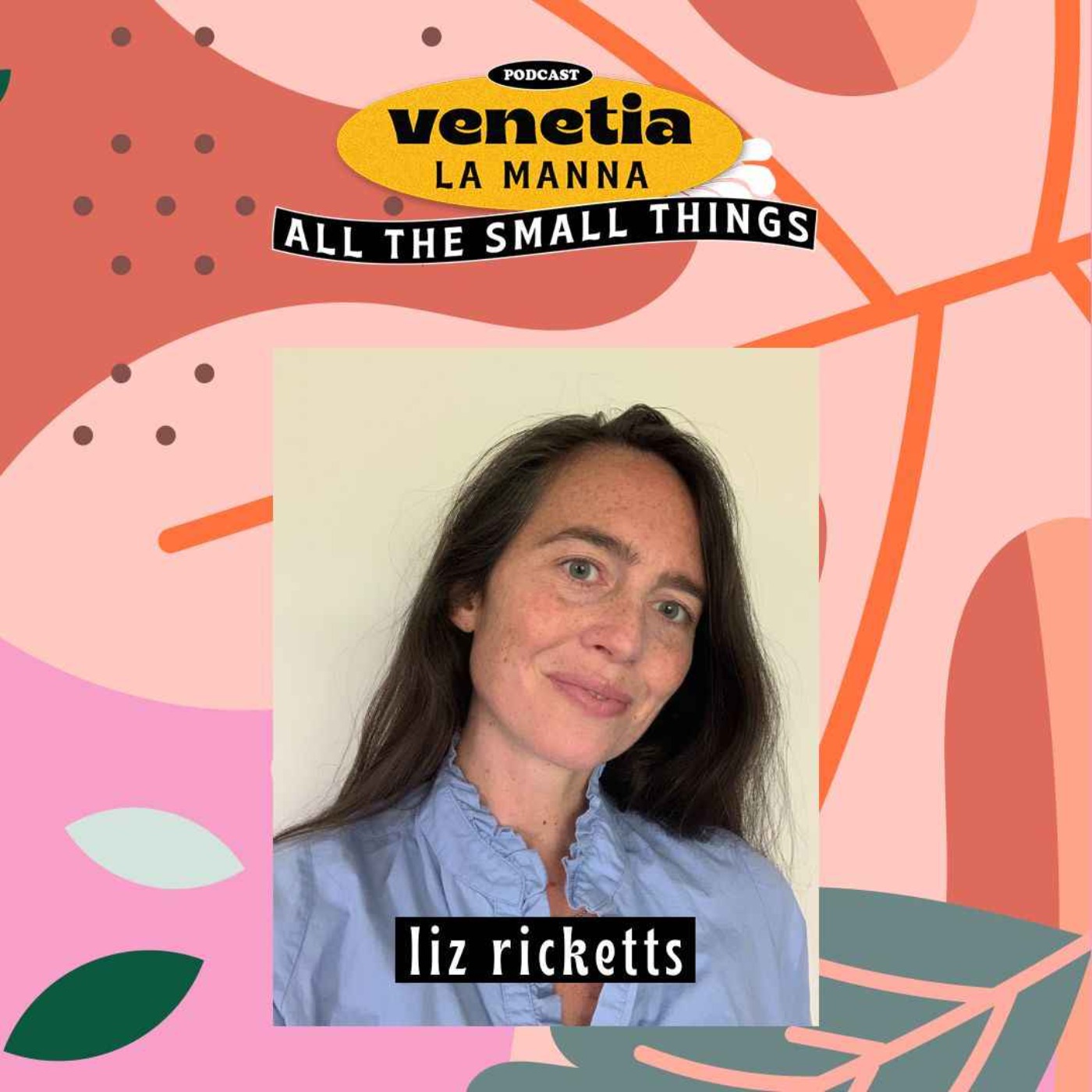
Building A Justice-Led Circular Economy with Liz Ricketts
45m 25s
Liz Ricketts, co-founder of The All Foundation, discussed their work at the intersection of environmental justice, education, and fashion. The foundation received a $15 million donation from Shein to tackle clothing waste issues in Ghana. The clothing waste supply chain involves entry points such as charity shops, recycling bins, and retailer programs. The discussion highlighted the challenges faced by communities like Kanta Manto market in managing clothing waste, the impact on local women known as KIA, and the need for extended producer responsibility policies. The agreement with Shein aimed to redistribute wealth to communities dealing with clothing waste and promote sustainable practices in the fashion industry. Despite initial outrage, the donation was seen as a way to bring tangible change and compensation for the work done by communities in addressing the waste crisis.
Transcription
7388 Words, 40558 Characters
Welcome back to all the small things with me, Venetia Lamanna. Today I'm speaking with Liz Ricketts. Liz is an educator, designer and the co-founder of The All Foundation, which is a USA and Ghana-based non-profit, working at the intersection of environmental justice, education and fashion development. If you're a long-term listener of this podcast, you might remember I spoke to the All Foundation's programs manager Chloe Asam on the podcast previously. And if you follow me on Instagram, you will see a couple of videos pinned to my page that I made in collaboration with The All Foundation that I would love for you to watch. And I think they will only help your understanding of this conversation today. Working within the industry as a designer and stylist, Liz witnessed the toxicity of fashion's disposable culture firsthand and has since been dedicated to transforming the industry. She holds a master's in education from Harvard University and her upcycle garments have appeared in international magazines, film and TV. Her work as a researcher and advocate for justice-led circular economy has been published widely. In this episode, we take a deep dive into The All Foundation's agreement with She In. And yes, you did hear me right, She In, as in the ultra-fast fashion brand She In, who in 2022 donated $50 million to tackle the clothing waste crisis, $15 million of which went directly to The All Foundation. If that sounds intriguing, do stick with this episode. It is a complex and nuanced issue and we really go into it in today's conversation. One of my 2022 highlights was getting to spend time with Liz in real life and getting to know her and becoming her friend. She is someone I really look up to and it's my pleasure to be bringing you this conversation today, especially as Liz doesn't love doing podcasts, so I'm especially grateful to have spent this time with her. So that any further ado here is Liz Rickets on all the small things. Liz, welcome to all the small things. I'm so happy to have you on this podcast. Let us begin as we always do. I would love to hear if you have a morning ritual that you like to practice as a way to help you feel grounded as you start your days. Thank you Venetia. It's so wonderful to be here with you and just nice to chat with you always. In terms of morning rituals, the only one I really have is running. So I run pretty much every morning no matter how far I can go or how long I have. It helps me to clear my mind. And then other than that, just making sure I wake up, you know, at least two hours before I have to be in any meetings or be at work so that I can center myself and know what the day looks like. I think we should dive straight into talking about the all foundation and Kanta Manto market. Despite efforts of the Kanta Manto market community between four and five million items of clothing end up as waste in a car every single week. So I wanted to start by asking what are the main ways that clothing waste is making its way from countries like the UK and US in the global north and ending up in Kanta Manto markets. It's helpful to first talk about what are the sort of five entry points that clothing would make its way from the global north to Ghana. So basically those are charity shops, you know, when you take clothing, you don't need it to a goodwill or to an oxfam, whatever, they can't sell their ends up entering the global secondhand supply chain. But then also quote unquote recycling bins. So if you live in a city or even in a rural environment often in parking lots, you know, at malls, there's like these bins that say clothing recycling and those actually just entered the second hand clothing trade as well. And then also retailer take back programs. So H&M, for instance, has a partnership with a company called ICO and for their take back program or their quote unquote recycling program, again, most of what consumers or customers might return in the store will enter the global secondhand clothing trade. And then also any sort of like door to door recycling program, like simple recycling is one in the United States where you can put your clothes in yellow or orange bag and put it at the curb. And then it gets picked up. All of that also goes into the second hand clothing trade. And then also whatever resale platforms can't sell. So resale platforms like thread up in the US, whatever they can't profit from on their platform will also enter the global secondhand clothing trade. So basically those are like the five entry points that are consumer facing. But then they all enter this massive supply chain that has been oversimplified for people for a very long time. People have been told that it's charity, they've been told that it's landfill diversion or recycling. And now we're talking about it, circularity. But it's a supply chain like anything else. So over half of the planets, dress is itself primarily in second hand clothing. And so there are a lot of different actors within that supply chain that are invisible to most people in the global north that end up collecting all the clothes, aggregating them, sorting them, and then exporting them to places like Ghana. When it gets here, retailers will buy bales. It's a 55 kg at the minimum. And retailers buy them. And they have no idea what's inside of them because they're wrapped in, you know, opaque plastic and compressed. By the time a retailer has opened a bail of second hand clothes from the global north, she's about two USD in debt per garment, which is really important because I think that's very different from what most people in the global north think is happening. But this is waste management. And again, it's a supply chain at cost money. These bales can cost anywhere from $128 to $1,000 at this point. And retailers consider it very much a gambling job. Because again, you're buying things site unseen and you become responsible for them and you have no way to return or get your money back. So as you mentioned, you know, there's a lot of efforts with the community here to recirculate things. And Conte Manto is the largest reuse in upcycling economy in the world. So the retailers and tailors who work here basically recirculate a minimum of 25 million garments every month. So that's through resale, that's through repair, and that's through upcycling. But the thing is is that because fast fashion has lowered the quality of clothing overall, there's this debt cycle that people get trapped in that then creates a waste crisis. So when a retailer again opens a bail on Wednesday or Saturday, 40% of the bail, no one will come to buy. And no one will come to buy it on Thursday, Friday, Saturday, Monday, Tuesday, Wednesday. So then it's been an entire week and she has this pile of clothes and that no one has come to buy. But every single day she spent money. So she spent money on electricity. She's spent money on sanitation. She's paid rent. She's spent money to transport the clothing that she can't sell. So at some point, she's taking too much of an economic hit on this pile of clothes that are also just like taking up space in her stall. So she has to cut her losses and that 40% becomes waste. It gets thrown into the aisle way or swept up and put into bags. And she gambles on another bail. And that's because essentially it's a hand-to-mouth business at this point. There is no profit to be made. You know, when you ask retailers how much they profit in a week, they will say that's not a word that we know or that's not something we talk about. So it's just about cash flow. So people need to buy another bail so that they can just get cash in hand to put food on the table that night. So it's really important that people understand that Conte Manto is very much a model of sustainability. But because there's no support and because there's so much low-quality clothing that people can't make their money back on, then they don't have any money to reinvest in rehabilitating the lower quality things. And they get trapped in the step cycle and then that's why it becomes waste. And when something becomes waste here, it's very different from when something becomes waste in London or in New York City. Because here, waste hits the environment. This is the away. You know, I think a lot of times people say there is no way. And for us, that's actually kind of counterproductive because there is an away. It's very real and it's here. There's no waste management system. There's no sanitary landfill for this clothing to be hidden in. And also Ghana doesn't have the audacity to basically bail up the waste again and ship it to someone else to become their problem. So most of this waste ends up entering the environment. So it ends up being pushed out to the gutter system and then the rains will come and push it out to sea. Or it ends up being burnt in open piles around Conte Manto or taken to informal dump sites where people live. This is where, you know, waste is felt. So Conte Manto makes visible of fashion's waste crisis even though Conte Manto is not the cause of that waste crisis. And for us, the people who feel most violently the impact of this waste are a group of girls and women known as KIA, which is a term that means she who carries the burden. These are young women who migrate from northern Ghana for many reasons, but some of the drivers are increased desertification and a lack of opportunities there. And they end up coming south to Accra and carrying things on their heads in the marketplaces. And in Conte Manto again, the clothing is transported in bales that weigh a minimum of 55 kg. So these women are carrying these bales on their heads throughout the marketplace, at least 10 loads a day to be able to survive. And it's back breaking work. It's sometimes fatal work. Sometimes women die because their next break under the weights of these bales and they live in debt slavery. I mean, they are paid very little between 30 cents and a dollar per trip, not enough to save money certainly, but also not even enough to afford enough water or food for the day. And what's really most violent about the situation is that most of them live near one of the main dump sites where the clothing waist ends up. So they labor all day and then almost half of what they carry ends up being dumped in their backyard where it ends up being burnt, you know, causing air pollution, leading to other health issues for them. A lot of their children, you know, have asthma and then also just the waist causes a lot of other health emergencies because it leads to increased flooding and cholera and malaria risk goes up. So I think what people need to realize is that the second hand clothing trade is not charity, it's not recycling, it is a supply chain. And the community that's here that's doing the actual work of circularity in terms of impact, even though they're doing that work, they exist in a cycle of debt and precarity that is simply unfair because the global worth treats them as if they are invisible and doesn't acknowledge what this supply chain actually is. Thank you for explaining that so, so well. I have a pinned video on my Instagram page that I'll leave in the episode notes that we worked on together called carrying capacity where you can learn more about the KIA, the women carrying these bales of clothing. And I think what you have talked about, it's really, really important for us to realise and to question when brands, charity shops, recycling systems tell us that our clothing is 100% circular, nothing gets sent to landfill. We are currently simply producing too many clothes between 150 billion items of clothing every single year. We don't have the infrastructure to be able to recycle all of these clothes, we're simply producing too much. So let's talk about extended producer responsibility. What do we mean by this term? Yes, great question. So extended producer responsibility is essentially a tax on brands, on producers where the money is supposed to go towards waste management of the products that they create and then now towards the development of a circular economy. So extended producer responsibility can exist for many different sectors and does already. But when it comes to fashion and textiles, there's only one country that currently has a policy or a framework in place and that's France. And France has had their policies since 2007. In France brands are charged a penny to six pennies per garment and that fee is calculated basically on durability standards and then whether or not the brand includes recycled content in its products and that money is supposed to go towards the waste management of the products that they produce. The issue is that in France the majority of the clothing that is collected through the extended producer responsibility policy is exported mostly to the continent of Africa. Ghana is the 12th largest receiver of clothing from France and yet all of the money that is collected stays in France or in Europe. And so it's essentially a waste colonialism policy where the waste management is being exported or the responsibility for it is being exported but funding is only going to people in France or in Europe who are doing the sorting and not ultimately to the communities that are managing this waste. This is something that we've been fighting from a formal capacity, writing policy papers, putting in lots of unpaid consulting hours, making our views known that if these policies are supposed to fund waste management then some of the money should come to the communities that actually end up doing network and we have had no success through those formal channels. Basically we've been told that money can't cross borders which is a very ridiculous response, many crosses borders every day. And then we've also been told that basically we have to wait so maybe in five years these policies will be globally accountable and some of the money could flow to places like Ghana but the global North needs to figure it out first which I think is very backwards. So am I right in thinking that you said if an item of clothing has recycled material in it, the brand pays less tax. Correct, yeah the fee is eco-modulated and also the other thing is that there's a loophole that I don't understand in detail but essentially if a brand already manages the end of life of its product then it doesn't have to pay any fee and it's very unclear to us what that means because essentially no brand is handling the end of life of its products perfectly and we're very concerned that again a brand like H&M with a take-back program could basically be exempt from this policy because they have that take-back program. So that being financially rewarded if they have certain amounts of recycled material or whatever it is but all of these things make absolutely no difference to when the product will eventually arrive somewhere similar to or actually in Cantamano market. Exactly. Wow, that is absolutely shocking. Yes it is and the fee is also just nowhere near what it needs to be right. I mean one of the things we're looking at is sales tax. Everyone pays sales tax or VAT and when you buy an item that money is supposed to go essentially towards infrastructure so when you go to a store you buy something for a retailer to exist you have roads you have electricity you have internet you have all of these things that the government provides right so that money goes towards those things and VAT you know it's 8% 12% 15% sometimes higher depending on the country and yet when we're talking about building infrastructure for waste management something that doesn't exist anywhere we're talking about doing that with a penny a garment which is not going to work rights like those economics don't make sense a lot of the reason that clothing ends up here is because there is no way for the sorters for the resellers for the charity shops in the global north to manage it properly because they don't have the financing and the logistics support to pay people well to pay people living wage in the global north to sort things into the right categories. We do have the money we're just choosing not to spend it in that way and one of the biggest failures that we're facing in the global north at the moment in the UK is that no one, no policy maker, no politician who is in power is thinking long term so that is truly truly shocking up until this year knowing what we know about so much of this onus being on the big fashion brands who are overproducing and know that they are overproducing yet refusing to take accountability for this have any fashion brands offered to financially support the order to help put money into creating recycling infrastructure in cantemento and have you been having these conversations with brands I'm assuming you have for a few years. So no big brands have supported us until recently but we have you know always have the support of a lot of small independent brands that aren't really responsible for overproducing so brands like Clean Estrada or Thousand Fell or Vestere Collective have all been really good partners and that's really beautiful you know to have solidarity from independent brands but ultimately it's not going to be solved until the companies who are causing the most waste are are held responsible and take some responsibility Let's talk about the financial donation that you received in 2022 at the Global Fashion Summit in Copenhagen you announced that the awe would be entering into an agreement with Shien and receiving 15 million dollars from them in order to tackle the enormous clothing waste problem in cantemento. This sent a few people in this sustainable fashion space here in the Global North into Melda. Why do you think this was a misdirection of outrage and how do you feel about the outrage from certain folks now that some time has passed? You know first of all I think there are a lot of assumptions made about how the agreement came about machine and it's important for people to know that this is something we ask them to create so we ask Shien to create an EPR fund of 10 million dollars a year for five years we receive five million for the first three years so the fund not only benefits us and the communities that we work with but it also will benefit other communities and organizations dealing with second hand clothing waste and textile waste so that's really important to acknowledge that I think even within the reaction there were a lot of assumptions about what the power dynamics are that it must have been Shien that created this thing to green wash and then came to us to be their poster child for it and it must have been Shien that forced Liz Rickets to get up there and like make this announcement but it was my decision to make the announcements again we asked them to create this fund and that's because we have had no success through formal channels creating policies that would redistribute wealth to communities like Continental so if we aren't having success in that way I can't just tell the people that we work with to wait. Ultimately you don't have time to wait for the perfect system. No we don't have the time to do that and also brands should make voluntary contributions to these types of funds and that's the way it's framed to a Shien right there essentially paying a bill that's overdue they're compensating people for work done and for us that's a very dignified way to fund change here it's different from aid where you know the people giving the grants decide how the money can be used. This agreement with Shien is set up in a way where they really do view it as compensating people for the work they've already done and so we have those resources and our a steward of those resources to bring tangible change to the community. In terms of the reaction I mean obviously I wasn't surprised by the gasp or by the fact that people were shocked but I think that when I made the announcements there are a couple things and that I've reflected on a lot one. Who decides what justice looks like right? Again it's not about me it's not even about our organization it's about the fact that the people we work with you know retailers and tailors to be specific some of them we've known since 2016 have trusted us for years stood in front of countless cameras telling their stories trying to raise awareness trusted that we are working towards tangible change for them and honestly we haven't delivered it until now it is not possible without resources to deliver tangible change and they've been asking us throughout that entire time when will people acknowledge them when will people acknowledge the work that they're doing and when will brands who are creating all of these close step up. So for us it's that right like I made this announcement fully confident that I had the support of my team and the support of the specific community members that we work with so I had a lot of peace in terms of you know why I was there and why I was making the announcement and the agreement something that was a little bit challenging for me personally in the moments was that I made the announcement within a panel conversation in the middle of the panel I was talking about the work that we do and about the KIA and the people we work with and there were several people in the audience you know sort of crying or you know looking at me very much with pity which I am very tired of like our community being just pityed and so there was this you know this energy of like we want to help her like we want to help her communities horrible and then five minutes later I make an announcement that we are receiving help and the reaction is how dare you you took money from the wrong people that's something we really need to reflect on as a community again who decides but also are we really interested in changing things or do people actually enjoy consuming pollution porn consuming these horrible stories like I don't think it's more ethical for us to post on the internet sad stories to try to raise you know $5 a year $100 a year I don't want to have to keep going to these conferences or you know talking on podcasts doing these conversations about like sad stories that's not something we should want to continue and so I think that we need to reflect upon how much are we actually willing to take action to change things versus how much are some of us in the sustainability community may be comfortable with the status quo because it gives us something to talk about and something also to make money off of something that's also just become really clear now it's been four months and still no one has been able to tell me what that pathway is to achieving those sorts of resources and that's again something that I think we could all reflect on you know what is the right way is there a right way what kind of solidarity would you like to see from the sustainability community here in the global north I think that there is a lot more solidarity that could come from the sustainability community you know if resale platforms getting hundreds of millions dollars of investment where to redistribute five percent of that to communities like Continental that would make a big difference if everyone who asks us to be on panels or interviewed for books or whatever donated that would help if for every news story you know one percent of the audience donated money that would help but that's not the world that we live in and it's not my fault and it's certainly not our communities fault that we have constructed a world where it's easier to take a brand to court for intellectual property infringement than it is for human rights abuses yeah I'm not going to ask our community to wait you know for those like perfect solutions to exist and I honestly understand like some of the reactions where people maybe felt like why them because I think that there's a scarcity of resources within the sustainability community we don't deserve it anymore than anyone else deserves it but I hope that what this agreement shows is that this is what we can ask for this is a really community exists in a scarcity mindset everyone is fighting over a very small slice of a pie and I think people are very competitive and we really need to come together and to try to broaden the resources that are available um otherwise we aren't going to make change like if we aren't wrestling capital away from a system that we're saying needs to change and creating living wage jobs in an alternative system then we aren't building anything new we aren't changing absolutely I think people listening to this might have lots of questions about she in as a business and a brand and I think all the things that might have arisen in your mind if this is perhaps news to you can still be true she in can still be a highly exploitative brand they can be overproducing they can be underpaying all of these things are true and does this agreement mean we take any heat off them what so ever absolutely not so um something that I have really really loved about this agreement is how transparent you have been on what you're doing with this money why is this important to you and how has this donation changed how the oil operates it's really important to us to ensure that we are you know publishing information about where the resources are going and what the impact of those resources are so for us I mean it it changes everything in a pretty big way I mean our budget before this was $250,000 a year so $5 million a year is a massive shift so that's allowed us to think into the future to really plan not just one month ahead but a year two years ahead on what tangible change actually will look like and to know and feel confident that when we make commitments to our community when we tell people that we are going to do something that we actually have the resources to do it it's not speculative so that's a big shift and a very welcome shift in terms of how the money has been used and where we've put our priorities I mean for us the first priority was our Mbilgu program so Mbilgu means sister head in Doug Bonnie which is the dominant language for Kaie that we work with and over the last year we had a cover practice research and treatment program where we had a hundred girls going through this program every Friday five girls would go to the cover practice her name is doctor door door she's great and we would you know sit down with them get to know them get to know their family history their health history and they would have two x-rays taken and then the doctor would bring everyone into the room put their x-rays on the screen and show them what's happening in their body because of of head carrying these bails I mean it was a very sobering experience every time basically what we found is that within two months of head carrying there's irreversible damage to their spinal column some of the women there's so much calcium that had deposited on their bones that their bones were pushing into their trachea so it was making it hard for them to breathe or eat and swallow very alarming but until the agreement was she and we didn't have enough resources to support all of those women in leaving head carrying which is obviously very difficult to tell people that you're doing this job that could kill you and then to have no immediate solution for them so we would prioritize emergency cases basically doctor door door would turn to us and say you know it's only a matter of time and that was her way of indicating that this girl or this woman could die next week or the week after if we didn't take her out so before their agreement machine we only had 18 women from the hundred that we had been able to take out of head carrying and put into apprenticeships and right after the agreement before we even had the money we met with all of them who were still in a car over 50 of the women we made sure that they all had enough money to stop carrying immediately some of them went home to their communities and then we started scaling apprenticeship programs and now we have 46 women in apprenticeships we've also expanded our health care offerings so we have nurses coming multiple times a month and making sure that they're getting individual care and also continue to have access to chiropractic care we've also added sort of opt-in classes so things like swimming and self-defense and English language and then just overall we've upped our spending so having these resources allows us the flexibility to not just arbitrarily assign an amount of money that someone needs but to have the resources that we need for each person and to tailor that for each person so that was the priority in terms of just where we acted first and where money was spent first but the biggest goal and really what we ask she in for this money for is upped fitting Continental which includes eliminating the need to head carrying so basically widening the aisleways of Continental so that there are other ways for the bales to get through the market adding solar panels so that there's consistent electricity and so there's not as many fires doors on stalls which will help with some of the costs that the retailers have permeable pavers to help with flooding and because right now when it rains here and I have been to Continental during the rainy season with you know sewer water up to our knees basically so that ruins all the clothing that's in the market so changing that and then some of the things that the retailers and tailors have asked us for for years is a clinic and a nursery you know they spend six days a week at work and most of them are doing this job to support their families a lot of them are single mothers and yet they never get to see their kids and then with the upfit we've also expanded our second hand solidarity fund so previously any kind of like panel conversation we did or a lecture we would always take any kind of money from like intellectual labor around Continental we would always put into a fund that would go directly towards crisis relief and debt relief because we don't think it's right to make money off of you know the stories of a community that doesn't have the privilege of speaking for themselves with this fund with she in we are able to set the solidarity fund at five hundred thousand dollars a year five hundred thousand dollars a year that we're distributing in terms of crisis relief debt relief and then also education support for retailers and tailors children and we've been having a lot of conversations met with leaders in the markets retailers talking to them about how we can transition this fund to be community managed so that we're not making those decisions and then in terms of the a lot of people probably don't know this but we have a lab where we do material transformation work we buy waste from Continental and we make new materials and products out of it and we've been doing that work internally and we're now transitioning it to become an incubator where we can support at least 10 local businesses to take some of those ideas forward and providing funding for them to do that these resources are allowing us to launch a fiber to fiber pilot recycling pilots with two legacy textile manufacturers here in Ghana and that for us is not about recycling like we don't believe that recycling will solve everything but it's about showing that we can have some of that infrastructure here and that we should have local ownership and profits when it comes to fiber to fiber recycling and then other things you know that it allows us to do is just direct our presentation to ensure that we can support our community and speaking for themselves and then also allows us to sort of shift our advocacy focus to put a lot more resources into local advocacy you know podcast videos which is really important so when we're talking about change this is really a lot my hope is that people listening to this who might have been you know initially shocked or gasped at the news of the agreement with Jean will hear all of these things that you're listed and I know that there's more and go okay like that's huge has this agreement inspired any other brands to come forward to you and and want to work with you in a similar way no not really there's a couple brands that reached out but mostly what we heard is you know one brand was mad that they weren't first and to do this and another brand said that they would never touch us because we made she and look so bad which is also funny of course because the sustain really community was mad because they thought we made she and look too good but then the other brands think we made them look too bad there's always you know those different perspectives I mean but to be fair like we aren't super focused on getting other brands to step up right now the reality is we have a lot of work to do and we want to prove like the impacts that can be delivered once we have the demonstration site of the upfit because the money that we're getting from Jean isn't enough to upfit the entire market so we are hoping that once we've done a demonstration site then perhaps we'll approach more brands and they might be open to supporting and for us again like this agreement isn't a substitute for policy like we're still working very very diligently to change EPR policies so that they are globally accountable and so that money can come to communities like Continental through those means what would be your advice to folks listening who care deeply about this issue what kind of solidarity can we partake in what kind of action would you like to see in the global north to support a truly just movement yeah I think we really just need to push on brands to redistribute power and wealth and to push back against this tendency to only do partnerships that are easy to sort of slap a logo on we don't need more documentaries we don't need more capsule collections we don't need more panel conversations like we really just need people to put money in the hands of the people who are closest to the problem and therefore are closest to the solutions so that they can deliver impact in their local context and that requires trust and it requires giving up some level of control I think most brands when they approach these ideas of like charity or partnerships it's always something that has to benefit them of course and that's not how change is going to happen I mean we just really need to encourage brands to trust communities trust organizations to know what's best to do with their resources instead of asking brands to I mean I don't even know if we asked brands to do this but I do think there's like a lot of hype around you know partnerships obviously that are very surface level and that makes me think about some of the reaction to the agreement with she in that's kind of evidence of specific brands or big players and that in their fashion sphere or the sustainability movement wanting to be the ones who look like the good guys who are doing the best and the right thing in inverted commas whereas really like that's not where our emphasis needs to be our emphasis needs to be on like trusting people on the ground to know how to redistribute wealth and power yeah I mean for us when we when we talk about circularity we have the saying that there can be no bottom or top of a circular supply chain right because if you have a circle and the circle is going around then there is no bottom or top and I think that everyone is talking about circularity strictly from the perspective of material flows and like trying to still maintain their position of power you know at the top to control exactly what that looks like and who benefits from it and it's not going to work brands are never going to get all their product back from consumers and also I don't want that to happen I don't want H&M to become my waste management company like I don't want these brands to become bigger sort of monopolies we need more trust and we need more equal distribution so that in a circular economy people can meet a more equal footing and negotiate from a place of reciprocity and respect and that's not currently what we have I know there's been so much in this conversation but if there was one thing you would like my listeners to take away from this conversation what would it be how would you like them to engage with this issue so I mean first of all we do need to buy less often when we tell people to consume less they think that we're telling them to be less of a person but actually for me it's an invitation to have a life you know when we're consuming we're laboring if you're scrolling on your phone and buying things like you are literally laboring you're making money for advertisers you are making money for other people because you're giving them your time and then eventually your money it's not leisure anymore I think that just thinking less about consumption means that you can learn a language you can read a book you can save up to go on vacation you know you can do other things with your life like focus on enriching yourself in other ways and to do that we always recommend you know people just take a year off of buying anything new so that they can detox you know from that mentality and also step back and notice those structures that have caused you to have that mentality but then also within that year choose five items that you do something different with so maybe it's learning to sew a button back on your shirt maybe it's learning to die things that you can cover stains but then also really I encourage you to look for services and people in your community that can help you repair or help you upcycle things you know take your clothes to a local tailor because we really need to be paying attention to what infrastructure exists in our own communities for the circular economy what infrastructure doesn't exist does it cost more money for you to repair the crotch on your jeans than it costs you to buy that pair of jeans just learning to sew taking your measurements like you are not a size small medium large you have measurements specific to your body that are beautiful learn them use them you know that's something that's here in Ghana is very apparent it's just citizens here in Ghana have a very different relationship with getting dressed because everyone grows up taking cloth to a local tailor everyone knows their measurements co-designs garments with the tailor you know sketches it out says exactly what they want and people here know enough how to sew that they can speak that language we to get to that point with both the mentality and with the infrastructure how would you feel about quick fire around sure let's do it quick fire with Liz wake up early or have a lion wake up early tea or coffee coffee Instagram or TikTok Instagram flip flops or sandals sandals H&M's conscious collection or a drastic reduction in overall output too funny a drastic reduction in overall output Zora's take back program or fair living wages for garment makers fair living wages please marks and spences sustainable range or rewear what you already have rewear what you already have tv shows or films films sunrise or sunset sunset and finally routine or spontaneity spontaneity and final question that i ask everyone who comes on the show what is one thing that you would like your future self to have achieved oh the question is so hard still i don't i don't think that far into the future so what i will say is like within three to five years i hope that we have succeeded in making corley lagoon swimmable which is the water body that runs along one of the main disposal sites and i hope that within three to five years i'm able to sort of step back from a decision making role within the organization that's as far as i can think of the future Liz thank you so much for such an enlightening and invigorating conversation i'm so grateful for you this has been wonderful thank you Vinisha i really appreciate it thank you so much for listening to this episode please do check out the show notes where you will find links to the all foundation and their brilliant work and if you enjoyed the podcast please do feel free to leave me a five star review on your preferred podcast player it really does help get the word of the podcast out there i will see you back here same time same place next week for a brand new episode and in the meantime i'm wishing you the best possible day
Podcast Summary
Key Points:
Liz Ricketts is an educator, designer, and co-founder of The All Foundation, focusing on environmental justice, education, and fashion development.
The All Foundation received a $15 million donation from Shein to address clothing waste issues in Ghana.
The clothing waste supply chain from the global north to Ghana involves various entry points like charity shops, recycling bins, and retailer take-back programs.
Summary:
Liz Ricketts, co-founder of The All Foundation, discussed their work at the intersection of environmental justice, education, and fashion. The foundation received a $15 million donation from Shein to tackle clothing waste issues in Ghana. The clothing waste supply chain involves entry points such as charity shops, recycling bins, and retailer programs.
The discussion highlighted the challenges faced by communities like Kanta Manto market in managing clothing waste, the impact on local women known as KIA, and the need for extended producer responsibility policies. The agreement with Shein aimed to redistribute wealth to communities dealing with clothing waste and promote sustainable practices in the fashion industry. Despite initial outrage, the donation was seen as a way to bring tangible change and compensation for the work done by communities in addressing the waste crisis.
FAQs
Clothing waste enters the global secondhand supply chain through charity shops, recycling bins, retailer take-back programs, door-to-door recycling programs, and resale platforms.
Extended producer responsibility is a tax on brands to fund waste management and the development of a circular economy. Currently, France is the only country with such a policy for fashion and textiles.
No big brands have supported the effort, but some small independent brands like Clean Estrada, Thousand Fell, and Vestiaire Collective have been good partners.
The All Foundation asked Shein to create an EPR fund of $10 million per year for five years, with $5 million received in the first three years. The fund benefits communities dealing with clothing waste issues.
The outrage was based on assumptions about the power dynamics and intentions behind the agreement. Liz Rickets clarified that the fund was requested from Shein to benefit communities dealing with clothing waste issues, and it is viewed as a dignified way to fund change.
Chat with AI
Loading...
Pro features
Go deeper with this episode
Unlock creator-grade tools that turn any transcript into show notes and subtitle files.
 PodcastTranscript AI