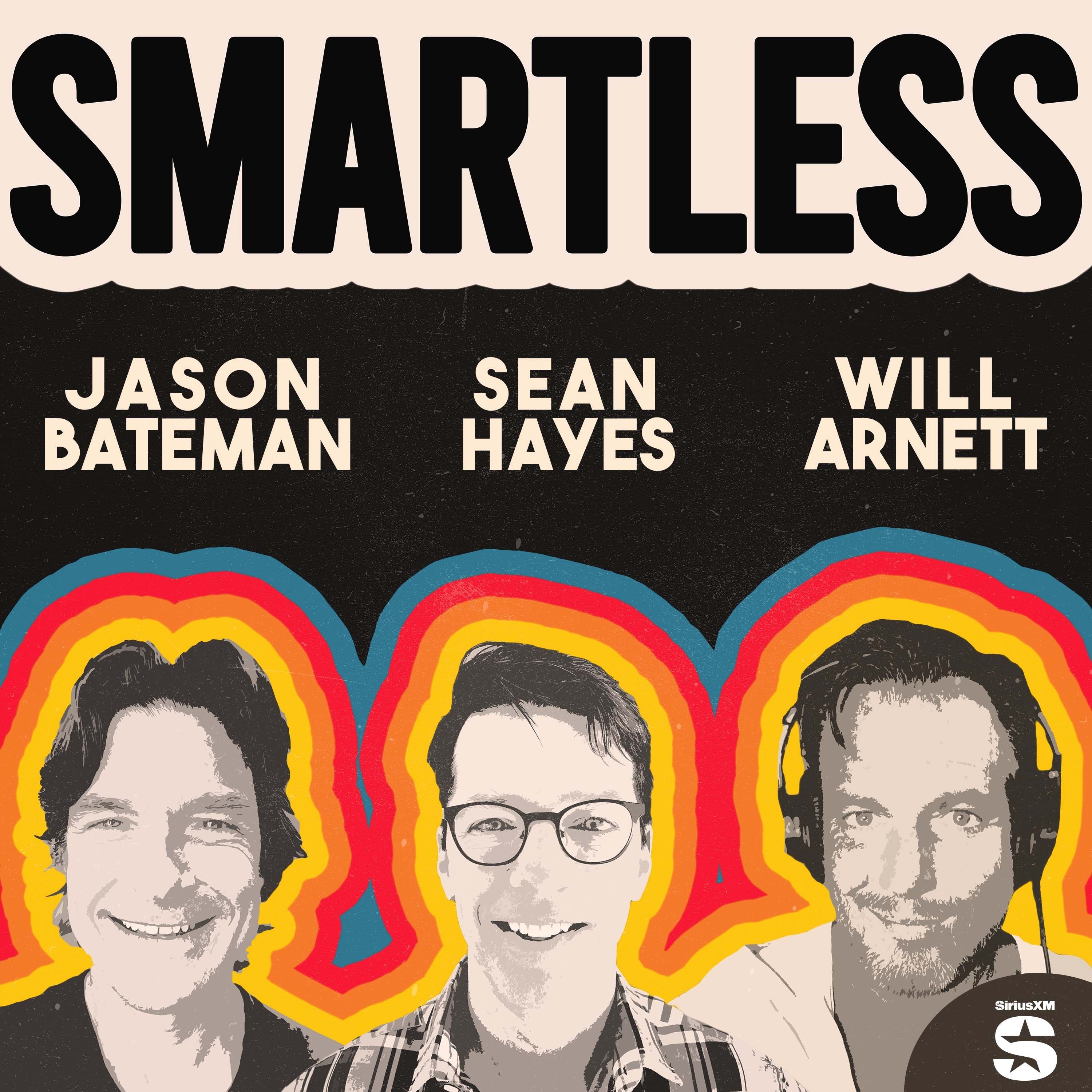
Brian Cox shares a deeply personal and reflective journey from his early life in Dundee, Scotland, through to his successful career in film and theater. He recounts how losing both parents at a young age led to independence and a strong passion for acting, sparked by frequent cinema visits and a transformative encounter with Albert Finney. Cox highlights his deep respect for directors like Lindsay Anderson, who taught him the value of creative freedom and trust in performers. His film directing debut, *Glen Rothen*, reflects his philosophy of collaborative filmmaking, where he empowers the crew to bring their best work without micromanaging. He also addresses social issues, particularly poverty and the confusion between socialism and communism, arguing that strong social systems are essential to societal stability. With a lifelong admiration for American cinema, Cox finds fulfillment in British theater and acting, while also sharing his experience in voiceover work—such as McDonald’s and Uber Eats ads—where he values precision, timing, and efficiency. He concludes by expressing a renewed interest in returning to theater and embracing broader, more dynamic roles, emphasizing that his career is still evolving and that he is ready to take creative risks. His story blends personal resilience, artistic integrity, and a genuine commitment to the craft of performance.
(upbeat music) - You know, will, I'd love to do a podcast with you today, but I'm a little sore about something. You know, I've noticed in the past you know, you do like a fake countdown for stuff. - Yep. - And you will stop after three and you won't go all the way. - We've been through this before, we did it on a previous cold over there. - I don't think I've ever mentioned this to you before. - And at five. - It may have come up on a cold open one. - Welcome to Smartless. - I'm now, no, I'm going silent from four down. (laughing) Welcome to Smartless. - Smart. (upbeat music) - I don't everybody sleep. We just saw each other 10 hours ago. - Really well. - Oh good. - Oh good. - Why would you have a story about your sleep? - No, I was good. It was okay. It was okay. - No, but where did you have the mask on last night? - No, I don't. - Sleep with a mask. - Oh, you don't do the hose, the hose, and the-- - No, I stopped that. It didn't really work. Don't cover your mouth when you sneeze. - No, I-- - No, I-- - I know, just practice. - No, 'cause then I get, just get my sleep because you're going to get my sleep. - Let's get all over the Laura Piana, huh? - Beautiful cat. - Beautiful, Laura Piana. - No, but I did see. - Because Laura Piana sent me this beautiful cat. - Yeah. - I liked that, actually. I, or him, or whatever. - Do you? - I did take a valiant to sleep like a cup. Look at him go. - I don't know. - Well, did you get into the bottom of a bag last night? - Um. (laughing) - Are you all out? You have somebody on their way over? - It's, I don't even know. It must be the AC in this room, or this is-- - Is it the AC? (laughing) - Well, you gotta hold them junk if they get-- - What was the last time you guys saw Don in New York City? I tell you, it's amazing. It's just so full of promise this, Don in his van. - Yeah. (laughing) - I love that. - Going out for beers for breakfast. (laughing) - Oh my God, I can't. Sean, what did you do last night? - Scottie and I, oh, I ran the show. I, I have to run the line so that cake could blow us. - And then I-- - And then he did about a pound and a half of sloppy joes. - By the way, I totally had a sloppy joe. - Oh, higher. - At 10 o'clock. That's crazy. - That's not much of a stretch or a leap for me to go to. - I really did have a sloppy joe. - Did you put it together yourself or was it leftover from the-- - It was left to kitchen. - Don't help you have. - It was left over. But it's funny that you say that because I remember yesterday when I was like, I'm eating lunch at two o'clock or two 30. So that's why I had a sloppy joe at 10 o'clock. But then what did you, what did you have at your two 30 late lunch? - I had another full meal. - Fried chicken salad. - You had a chicken salad? - No, no. - Oh, fried chicken salad. So they took what? They took the lettuce and the chicken. They threw it all in the fryer or what happened? Everything gets fried in that scenario, even the bowl or-- - And then we call it tempura. - So you had the fried chicken salad for a salad? - Right, Sean, you had the snicker doodle at 11.30, right? The big one. Then you kept going in and out of the bag to keep it fresh with your logic. - Exactly right. - And then fried chicken at 2.30. - So then at 2.30 you have the fried chicken salad with what did you drink? What was your beverage of that one? - Milk with every meal. - At the lunch, at the restaurant. - No, no. - Did they look at you? Did they say, did they say is there a child coming to this lunch room? (laughing) - No. - It was here at home. - We don't offer stuff. We don't have a kids menu. - Yeah. - But here are the crayons. - So you have that at 2.30. And then you're trying to tell us, you're trying to tell us that you have the fried chicken salad and that nothing, you had nothing else until you had the sloppy jump. - At 10.30. - Yeah, that's true. - No dinner. - Nothing, no snack. - I know, nothing. - No candy. - You didn't, you didn't graze, but go buy the candy jar. - I don't think I can. - I think I can. - And wait, I don't think I did it. I don't think I did it. It's a real soft way, it's an entry into. You know, actually, what was it? Just be honest. - No, maybe I had a couple of starbursts. - A couple of starbursts, there we go. So you wanted to get some plastic in there. (laughing) - Jumping so far about it. - He needs some binding. Something to bind up that sloppy gel. - Yeah, we get about rice. - Wow. - Oh man. - Anyway, what? - And you're like, I can't, I can't figure it out. I don't find it. - I'm so tired all day. (laughing) - My sleep's fucked up, it's so weird. I don't know. What'd you have? Let me run you through it. None of it adds up. (laughing) I'll tell you what, though, Sean, I'll tell you what does that up. - Oh. - See a claim for our guest. He has been nominated for four golden globes. - Oh, is that right? - And he's won one. - Oh. - And he's been nominated for countless sag award. I think like seven, one, a couple of those. - So what? - One in Emmy nominated five times. - Baff does, he's been nominated like seven, eight times. - This is the qualified guest. - This is a very qualified guest. This is a guy who, his list of performances, is one of those guys has its own page. You know what I mean? And has nothing to do with the length of time if he's been on this planet. But just about the amount that people want him to be in their projects. - I love that. - I love him from everything. He is. - It's one of the guys you're gonna say, we all guess it if you. - You're gonna guess it if I say, he is the original Doctor Hannibal Lecter. He's got a brave heart. He knows a little bit about the born identity. And he's also in line for a succession. It is the one and only Mr. Brian Cox. - No way. - Good Lord. - Yeah. - This is a guest. - Hello sir. Good morning. - Hello Jason. - Hello Sean. - Well done, Will. - Very nice to see you all. - Yeah. - Great to see you, Brian. Plus I should mention also, Brian, that your new film that you've directed. - Yeah. - It's been released on April 17th. - What's the name of it again? Glen Rothen? - It's called Glen Rothen. It's about a Scottish, it's about two brothers who are, they own this distillery. But one, the younger brother who's played by, brilliantly by Alan Cumming, he's the one that was the real talent in the family. And I also play Sandy, the oldest brother, who is just a plodder. He's just a manager. That's what he does. And the other brother has had a bad relationship with our father. And I actually cast my own son as my father because I wanted him to see what it was like being a father. - Oh, that's a while. That's a while. (laughing) - So we did that. And he was very good. He was very tough and very scary as well. - Brian, this can't be the first time you've directed something, is it? - No, I've directed in the theater, but this was my debut as a film director. - Okay, how did it go? What were you surprised with? - I was surprised that I made it. (laughing) I don't mean I made the film that I made it through the whole shoot. - Yeah. - Yeah, it was a bit scary. And it was a very odd situation to be in, because I came from a egalitarian viewpoint. I wanted everybody to do their best work. You know, we've all suffered at the hands of various directors over the years and the conceptions that they wanted to include us. And I just wanted them to fuck off, really basically. (laughing) You know, fuck me about with all that shit that you're all your ego stuff and control. And I just, I really, some directors I really like. I've worked with some really good ones. But a lot of the time you go, the best director, and the best director I ever worked with, unquestionably on film is Lindsay Anderson. You know, the director Lindsay Anderson? - I don't. - You don't know Lindsay Anderson? - No, no. - She gets to know her. - God almighty, it's just appalling. (laughing) You don't know her, you just hang up. - You know, you live in a wonder world. I don't know. - Man or woman? - Man, Lindsay is a man. He directed a very famous, well, he directed a series of films. The first film I ever saw was a thing called Disporting Life. - Oh, sure, man. - Richard with Richard Harris. - Okay. - It was about a rugby team who set up North, written by a wonderful David Story, who was a great, was possibly a great writer. And yeah, I mean, it was just, - What made him great? What did you like about his time? - Because he just gave you the right note. He gave you the right note. I mean, he would come up with a suggestion. We would do his scene and I mean, the play I did was with Alan Bates. Do you remember Alan Bates? - To have a good name. - Alan Bates. - The Alan Bates. - Yup. - Sure. - And Sean, you know who the actor, Alan Bates. - Yes, my God. - You guys need some training. - Yeah. - You really do. Anyway, Alan Bates, who was famous in Sorba the Greek and he needed a lot of movies, Alan. He played my older brother and I played the younger brother. And Lindsay would come up with, he said he would come in and we'd go, it's good, it's good. But there's a little bit of attitude in the scenes. Can we kind of remove the attitude in the scene and just play the scene? I mean, that's amazing. - Oh wow. - People know where you go, I see what you mean. I'm striking an attitude that I try to hold on to throughout the scene. - Yes. - That's actually the scene reveals itself and the attitude reveals itself. And he was the first director to understand. Now most directors wouldn't know what the fuck he was talking about. - Right. - You know, they just don't have a fucking clue, you know. Sorry, I mustn't be doing that. - Had Lindsay ever done any acting, do you know?
- No, he started a magazine with a guy called Gavin Lambert, called "Sight and Sound", which was the big first film magazine that was made really after the war. Because he was a war, you know, he was at university at post-war. And it was just extraordinary. I mean, the other thing he did was a film called "If". I don't know if you saw that. That was a film with Malcolm McDowell, which was set in a public schoolboy, a public school, and then he did a film called "O Lucky Man", which was the follow-up to that. So, catch up, boys. - Yeah, yeah. - I know. - I know. - I feel like I've seen, if, wait, Brian. - You're thinking of the Ryan Reynolds, John Krasinski viewpoint. I was just going to say that. - You're right, maybe a imaginary friend. - Yeah, that was a lot of fun. That was a lot of fun. - Brian, did you have, so when you ended up making your feature film debut, directorial debut, did you find that it shifted, did you sort of retroactively like go back and kind of shift your opinion of directors and did it sort of even anything else? - Well, I had more sympathy for them, but I still think a bunch of them are twats. - Yeah. (laughing) - I'm sorry, I'm sorry, I must have been a major. But I think you all agree with me. I think you all been through that as well, you know. - It's interesting, a director definitely needs to have a plan and pardon the term, a vision and all that stuff. But when it comes to performance, you realize that they think they can control it, but it is like one of the few lanes in making something that you can't control. You can't control performance, you can't control music. Like, everything else, you can kind of get in there and make a decision on. But performance and music, there's stuff that happens in between action and cut that you just can't micromanage, it's got to live, it's got to breathe. And that character is the actor's character. It's not the director's character or the writer's character. Like, you have to own it and to be able to give the actor the kind of latitude to really feel like it's theirs, I think that frees up a really exciting performance as opposed to trying to get them to do the version of the character you always saw in your head. - Right, absolutely, absolutely. But you know, my stuff I've done to that for the last 50 years or even over 60 years. - Well, you pushed through it very, very successfully. My God, the performance is, I've been able to watch you do, Brian. It's just, it's been incredible career. Let me just say thank you. - Yeah, you have done so many, and you know, these guys know I've gone on and on about some of my favorite films. - And you have one of the, one of Will's favorite quotes, too, about what is it? I'm going to paraphrase it here. I'm too old, too rich, and too famous to give a fuck. - Yeah, it's all good like that. - I'm too old, too tired, and too talented to give a fuck. - Yeah, that's so good. - Brian, I love that so fucking, much, really good. - All right, just fucking love it. I love how you don't, and I'm in the best way you don't give a shit. But I know you do about the things you do give a shit about. - Exactly, exactly. The thing I was determined to do with the movie was to give everybody give their talent, you know, the costume department, the wardrobe department, the, I mean, that's the same, and the design of the film, and the DP, and you know, you just want people to do their best work, not to say do it this way, because once you say do it this way, you immediately put a block up for them to go, oh, I've got to do it this way, I can't do it. - I didn't do any of that. I just said, give me what you're giving me. Tell me what you want me to do. Tell me what you want to, and the design department, tell me what you want to achieve. And therefore, one had an incredibly happy crew, from the terrible film, but we had a happy crew. - No, but it's a true collaboration. I mean, you hired those people for a reason because you like what they do. - That's exactly right, Will. That's exactly right. And not enough of that goes on. We don't trust. We really don't trust. We don't trust nearly enough. And if somebody comes on and says, and this is the design, you just say, well, let's see what you do, and do what you want to do, do what you feel is right. And of course, you can modify and all that, but at least you're not impending them. You're not stopping them from being creative. - Yeah. - Wait, so for Glenn Rothen, is it, did you find the project or did the project find you? How did that happen? - It was, I didn't find the project. It's written by a guy called David Ashton. I do, you know, we still do radio back, would you believe? I don't, you know what the radio is, it's a. - Sure, sure. - Yeah, sure. - We still do radio back in the old country. And I've been doing a series for 20 years, which I'd go off and do for three days. And it's a series about an Edinburgh detective called McLevy. And it's been very popular. And we get about a million listeners. - Wow. - And David wrote this. And he, that came to me and a guy called Neil Ziegos and also a pal. And Neil said, you're going to be directing this film. And I'm never directed a film. And I said, what? And he said, you're going to direct the film. And they said, and you could be in it. I said, well, that's kind of, thank you for letting me be in it. - You can cast yourself, yeah. - Well, you know, you know, it's a wonderful, wonderful, there's a great comedian that's Scotland called Stanley Baxter. And there's a great scene which he used to do when he played a little boy. And also he is, his grandfather's dying. And his grandfather's looking at the window and saying, son, one day, all this will be yours from the hills to the river. And all that land out there. And it goes on and on and on. And the wee boy says, you know, grandpan, that's an awfully big job for when we boy in his own. So that was, that's what I was reminded of. How an awfully big job is for when we boy in his own. - Well, it's funny. It's funny. It's funny you mentioned that one wee boy on his own. Because I was thinking about you're, you grew up in Dundee Scott, born and raised in Dundee Scotland. And now you're a sort of, forgive me, a sort of a world famous actor, a claimed actor. How did you go from that to that? What was that leap from your, what I've read, a very, very humble beginnings? - Oh, yeah. Well, my dad died when I was eight. And my mom had a, it was only 51. He had pancreatic cancer. And he died when I was eight. And I had three elder sisters. I was a youngest and a kind of crazy brother who used to go off and disappear. And he was, he was nine years older than me. And I was the baby. And my dad died. And then my mom had a series of terrible nervous breakdowns, which resulted in her having electric shock treatment, which, I mean, she lost about 60 pounds in weight. I mean, she was unrecognized. I mean, she was a little overweight to start with, but she was underweight. So I had no parents. For most of my, I had my sisters. And I didn't realize it, but it was the best thing that ever happened to me. It's a tragedy in one sense, losing your mom and losing your dad. Certainly it was heartbroken, but I was liberated. No fucker was telling me what to do. No fucker was getting no parents. How old is your, you were eight years old when your dad passed. And then your mom and how old were you when your mom? Well, she died much later, but my mom went into almost immediately. She had a huge breakdown. And she was just hopeless. And also we were, we were sending my youngest sister, actually my youngest of my older sisters, you know, she was 12 years older than me. And there were my two older sisters who were married, had children. I mean, I was, they were amazing. They were just amazing what they did, but they didn't, they didn't look after me, but they looked out for me, which was better than being looked after. They made sure that I was okay. Did you find that you were making a lot of really good decisions or did you make some bad ones and learn from those? Well, you just learn, you know, you learn, you know, I mean, I made good decisions and I made bad decisions, you know, but I made, but at least I could get the lie of the land, you know, what was going on. But I imagine that Dundee Scotland at that time was a tough place to grow up, yeah. Yeah, it wasn't easy, you know, and it's a lot tougher now because we have the, you know, don't get me started, but they, we have, I'm sorry, I wanted to be more sure for one this, but I mean, no, no, no, no, no, no, no, no, no, no, no, no, no, no, no, no, no, no, no, what happened is that we have the highest heroin addiction in Europe. Oh, in your hometown. Yeah, yeah, because of the poverty, and it's all about poverty, and it's what makes me a socialist. Socialists, I mean, what I can't stand about this country we're in is how they confuse communism with socialism. Sure. Socialism is not communism. Socialism is social welfare, taking care of the people, communism is a dictate. So, you know, and I wish Americans would understand that. What the difference is, what good luck, what a socialist is. As a Canadian, as a Canadian, let me say good luck to you, trying to explain it to them, Brian. Well, the Canadians seem to understand it rather well. Yeah. We've got a pretty good understanding that I expect to either Jason or Sean, but, you know, Americans don't get it. No, they just don't get it. Well, they don't understand it. And I'm not, I don't consider myself really anything, but I do understand that we have to take care. We're only as strong, the idea we're only as strong as our weakest link, and that there has to be a net [BLANK_AUDIO]
'cause once you, if there is not a sort of a social net, then the whole thing falls apart and it sort of decays from underneath if you have extreme poverty, which we do in this country, then the entire thing is resting, the foundation of our society is rotted from underneath, you know, and so anyway. - So Brian, growing up there, you said it wasn't as bad, but what gave you the hope or the courage to seek something better? - Well, I had two teachers. I mean, my education was a disaster. It was a technical education. I was supposed to be, I was trained to be a bricklayer, really, which was what I was trained to be. I mean, I never laid a brick in my life, but you know, but that's supposed to be my destiny. And I thought, fuck that for a game of soldiers. I'm not doing, I'm not being in that way. And I just wanted to be an actor. I wanted to be an actor since I was three, you know, and that was my desire, just to act. - Where did that come from? Where did you watch a lot of TV or? - Oh, we had 21 cinemas in my hometown. - Wow. - Wow. - Before the war, we had 42 cinemas. But after what we had 21, and now there's about four. And I visited every single cinema. And where I lived, there was a right angles to where I lived up from up the street. There was some thing called Ashton Terrace. And there was my church, the library, the Broadway cinema, and obviously that was the Royal. And there was double features. So you were going at six o'clock and you would get out 11. So I used to go there all the time. In fact, I'm surprised that when they were alive, that they even noticed I existed, my parents, 'cause I was in the cinema, wasn't it? - Was it a form of escapism? Is that what brought you into the theater initially? - No, I don't think it's escapism, it's just joy. - Yeah, yeah. - It wasn't, I mean, I just got so much joy out of it. You know, when you're living in Dundee, which was pretty heavy going, you know, in those days. I mean, it's a great community. I mean, that, but the city fathers always make a balls up. You know, they took people out of the town and they put them in these schemes, which is why they're still paying for it now. In fact, the Lord Provost said to me, "You know, we're trying to get people back into the city." I said, "You should never have taken out the city "in the first fucking place." I said, "That's so important. That's who they are." They're from that, and then you put them, you isolate them without any proper conditions, you know? And therefore, the heroin, the drugs, the whole thing just spirals out of, you know, and this is something that really gets me more and more and more. - Yeah, yeah. - Yeah. - We'll be right back. - And now back to the show. - So then you have this love of cinema. You go to the theater all the time, and then you went to, if I'm right, you went to theater school in Scotland. - I went to Lambda. - Oh, you went to Lambda, okay. - Yeah, what was wonderful was I was, there was a guy called Bill Davis who ran, there was a series of directors at Dundee Rep. And the last guy was a Canadian called Bill Davis. Now Bill is a director and a writer in his own mind who lives in Vancouver. And also he, he's part of that Davis, you know, the famous Davis family who run a lot of theaters in Canada. And Bill was great. And he said, he invited me. I was, I think I was just 16 in that anyway. Yeah, I was just 16. And he invited me to a voice class. And I'd never been to, I didn't even know what a voice class was. What's a voice class? He said, come along to a voice class. And I went along and there was this, he said, we've got this young woman who's coming up from London. She's just taken over now, because the previous voice teacher who was a genius died and this lady's taken over. And I said, who is this? She says, she's called Kristen Linklater. Have you heard of Kristen Linklater? No, you see? We don't know anything. Yeah. It was my own surprise. I'm really ignorant. You both are. Except Canadian. I find the Canadian isn't even able to talk to you two guys. I said, you're right on the money. You're right on the money. You know, you sit there and wonder, going, we're here to learn, baby boy. So anyway, she was, look up Kristen Linklater, because she was, she's sadly possible. Our son is an actor called Hamish Linklater. I don't know if you've come across him. And she, no, no, you don't know him. What about like Taylor Smith, how? Anyway. They think that you're making these names up. I know, I know. Oh, wait. I think Hamish Linklater is the resonant button. You guys know Hamish Linklater. I know, I know. Yeah, yeah, yeah, yeah, yes, yes, yes, yes, yes. God, the Canadian, he's so sensible. What is wrong with you two others? My Google's faster. My Google's faster, but I know exactly Hamish Linklater. So anyway, so that happens. So I go to, I go to Dundee. My first day in Dundee was a very funny day because I went up for my interview and went up to the front of the theatre and let's swim in in a very broad Dundee. And I said, you want your own son? I said, I'm here for an interview. I said, you can't get into the front, you've got to go to the back to get to the front. You can get to the front, but you can't get to the front, so go to the back and then you get to the front. I said, okay, so I went round the back. And as I walked in, there was an almighty row, a fight going on between an actor. Now, I'm going to say an actor's name and you probably don't even know who the fucking is. Yeah, there we go. He was very well known. He was pretty good so far. You've scored brilliantly. Anyway, this actor was called Nickel Williams. Oh, yeah. Nickel. Oh, if I had a nickel. If I had a nickel. That's great. We've struck gold at last. Anyway, so I'm, this Nickel Williams, you know. And I'm always like that. You know, you've been making money. And that is a great impression. You've been making money. I'm making you. I'm making you. And I'm trying to get past them to get up for my interview, and I'm 15, and I've never been in a backstage before. So I'm getting up, and I'm playing out the stairs. I get past them finally. And I'm standing on the landing. And there's a wonderful article gone, Grange was smoking the cigarette, and he looked to me and he said, "Are you all right, darling?" And I went, "That man just called me darling." All right. I have never been called darling before in my life. All right. This is clearly where I must be. I have to be in this place. All right. All right. That's great. Well, I have to ask you, because I'm the person that always asks this, "What's your favorite stage show you've ever done, and what's the worst thing that's ever happened on stage from left theater?" Well, the worst thing ever happened, and actually one of my favorite shows I did was I did as show by, do you know who Conor McPherson is? No. There you go. He's a very famous Irish player, right? And he's had a few plays on Broadway, and I did a play of his called St. Nicholas, in which I played a theater critic. It was a one-man show, and it was a wonderful show, really very, very funny, very inventive. And it's about this theater critic who becomes obsessed by this actress, and he becomes obsessed by it, and he follows her. And he follows it. He gets the place he's in. He gives a bad review to in Dublin, and he's persona non-grata, because of his terrible review, having flirted with this actress. And finally, he follows them to London, and he follows them to their home. And he nearly rakes the girl, but he doesn't. So he ends up being kicked out, and he eventually goes to work for vampires. He meets a vampire on Crystal Palace Hill, and this vampire says, "If you could bring people to our house, and you know, we like to suck blood, but we never kill. We just only suck. We don't kill." It seems reasonable to me. But the idea was that he would allow me a space so I could write, and the whole point of his is the fact that he's wanting somebody to write the story. So I did this play, which was a really good play. So I one night I come on, and I start to play, and I look to my right, and there's my ex-girlfriend. Oh, my God, I think. What is she doing here? And then I turn over, and there, on my other side, was my ex-girlfriend. And they're literally sitting opposite one another. And I'm completely thrown, and I just say to the audience, I said, "I'm sorry, ladies and gentlemen, but I'm going to have to start again." No way. Yeah. I said, "I'm going to have to start again," because this is, this is, I can't explain what it is, but really just, please trust me, I will be better so I can put it on. That is the way. Did you see this? Did you see them after the show? I did. Oh my God. I did. Wow. And what happened was, after the show, they came on, and they said, "Oh, that was lovely. We enjoyed it. Oh, and tremendous." And I said, "Why were you sitting to one of the girls?" I said, "Why were you sitting opposite arena?" And she said, "I wasn't. I said, "You were." She said, "Well, I didn't have a notice." I said, "Well, I noticed." Right. You were sitting opposite her. And she was sitting right opposite. And then I said to arena, I said, "Did you not know I'd have a notice?" And I, so I went through agony for no reason when they have no set. Yeah. That was it. But that's the, Sean, I mean, makes me think, Sean, you're about to do a one-man show. A one-man show. A one-man show. Yeah. Sean is, Sean opens what he'll be on now, I think, by the time this airs. But Sean's doing a one-man show off Broadway. What's it called, Sean? And what theater will it be in? It's called The Untanks, you guys. It's called The Unknown, and it's at Studio Sea View, which is 43rd and 8th Avenue. What? It's a, yeah. Brian you'll understand having to explain like doing a one-man shot and I was talking to Sean as he's been
We're preparing for it this fall, and just getting off book, just learning the facts. I mean, it's like the weight of the story. I mean, don't that off book totally, and you're pretty good at, yeah, he runs the show every day. You have to, right? Sure. Yeah, yeah, yeah. I mean, I'm scared, shitless. I mean, we're recording this and I haven't opened yet by the time this comes out, it hasn't opened. So if I, if I'm alive, I'll let you know, but, but isn't it a hard part? Yeah, but Brian, I mean, like the one man show thing, it's just, it's colossal, isn't it? Yeah, it is. It is. I mean, I remember I came on one night, and a guy, I was on, and a guy, it's like, came on, he opened his program, and he went, and I took the program out of his hand. That's the way it was. It was, it was, it was, it took the program out of his hand. You don't need it. Absolutely. But, I mean, yeah. I don't need it. But isn't it? I mean, did you ever go off, like, go up on the line and, you know, I said in rehearsal, like, can I please have the script just off stage for emergencies? If I can't remember where I'm at, I just have to, I'm just going to, there's nothing you can do. You just got to walk off. You're just going to dip off stage and take a look. Yeah. What are you going to do? I mean, you know, I don't know. What about a pro? Well, I, I tell you what's great now, I mean, because I'm, I'm a, I'm a considerable old age now. Well, I don't, I don't really think about that, but other people tell me I am. So, no, you wear it well. You wear it well. Yeah. I know, I know, but I, but I don't know, I can't, I can't imagine somebody talking to you while you're talking. But only if you go up, maybe if you, only if you go up, do they then talk to you? Well, the earpiece, I've, I've done the earpiece a few times. Yeah. And the thing about the earpiece is don't think about it as learning lines. Yeah. Think about it as volition in the play that you want to keep up moving. So you want to keep up moving in a certain way. So this, because when you get to my age and, you know, you got, your brain isn't working in the same way. It's a little slow. Right. By the way, Sean, I just, I just want to say I saw your show in London, by the way, and I thought of you. Oh, I didn't know that. Thank you. Yeah. I did. I just saw it and you were absolutely brilliant. That was an amazing show. But there is, I do have a funny story about it. And please don't be offended by the funny story. But anyway, so I'm sitting there and I'm watching this amazing evening. And I stood up and, you know, I kind of went, Oh, Christ, because it was so extraordinary. Thank you. Thank you. And the guy later on, the guy said, she said, that was a wonderful mind. I said, what do you mean? Oh, the guy, the way he went into the piano, I said, that was him for real. You fucking idiot. Yeah. You know, people have said that. And it's like, if I were to mime it or like, I'd have to imitate it perfectly with all that. So why not just play it? By the way, by the way, it would almost be more impressive if it was the line. Right. Right. That's almost harder than playing it. You know, was there ever that discussion, Sean, to turn the piano such that the audience, some of the audience could see the keys. Yeah. Well, oh, I think I said the other thing that they couldn't so that, because I did I panicked before we opened. It's not what goodnight, Oscar. Yeah. And talk before I panicked. I was like, if something, if I hurt my hand or I can't do it, or like, or I get scared and I can't, I've been playing it too many times, can we just run a tape and I'll just fake it with the keys facing away, you know, and the director's like, you're going to be fine. I'm like, but you don't understand. No, but you did record it though. You didn't have it recorded. Yeah, yeah. Just in case. But you never, you never had to use it. I mean, I clearly, your command was just dazzling. I mean, I thank you. That's right. I said, you know, what have I been doing for the last 60 years? I'll be fucking about. Well, Will and I were crying at the end of it. Jason, I was crying. And we were crying. Oh, yeah. I was crying too. I mean, how beautiful it was and how talented he was and be how talentless we are. No, compared to how you were screaming. I felt distinctly talentless. I've been like, did you see Black Rabbit? No, it's okay. Pushing through. Fantastic. Pretty fantastic. And Lord, is this thing on with Will or not and Lord, maybe you'll get around to it all. So wait, Brian, I wanted to talk to you. I wanted to get it before because this is one of my favorite films in film series. And I love the character of Ward Abbott from the born movies. I know. I know. I thought, I think the people thought I was going to mention playing Hannibal Lecter, but again, you are the original Hannibal Lecter in Manhunter, which I saw in the theaters in the 80s. I fucking love that movie. You were brilliant in that, really brilliant, and I'm not just saying that. But I love, I'm such a born fan. And I loved Ward Abbott and because there's a scene that you, there's so many great scenes. You're so great in those movies. But there's a scene where the kid, where the kid finds out that it's you that's done it. He takes you down and he says, I figured it out and then what they did was they have a light switch and blah, blah, blah, and you go, okay, yeah, you go, okay, run it for me again. And he does it again. And then you kill him. That was brutal way. And it's one of my, I remember the first time I watched it like, oh my god, he was so shocking. So walk me through the born movies. If you can't just a little bit, did you have a great experience? Was it a fun experience? Did you like that? Yeah, I mean, Doug Lyman, this probably the most eccentric director you could of been me, you know, he flies a plane like this. He's extraordinary eccentric. But gifted, you know, just like, he's got these flashes, like, there's a, you know, I can't remember which film I think it's the first one. There's a sequence where Jason Bourne falls, it's a, it's set in Paris and he falls off and it looks as if he's going to kill himself. But he falls onto another actor who goes down and that breaks his fall. Do you remember that? Of course, Doug's idea, that was Doug said, why don't we do that? That was in the first, that was the first one in that stairwell, in that huge stairwell in the middle of the course. Exactly, exactly. And it was amazing. I mean, I just couldn't believe it when I saw it and I thought, my god, but, you know, because it was very brave of a map to do it, but it worked like a dream and it was wonderful. Yeah, there's such a great series of films. I just had to bring those up because I love them so much. And, and of course, because I don't want to run out of time, and I know that people, because this is a big area and people are going to, we'd be remiss if we didn't mention it. And so forgive us for, hopefully, bringing up succession, which was, which was, has been so beloved around the world and talking a little, I mean, first of all, how did that come into your orbit, the success? I just got a call one day to say that Jesse Armstrong was thinking about this piece and you would like to talk to me. So I got on a phone with Adam McKay, and he was one of the executive producers, and he, I mean, Jesse always wanted me to play the role, and I knew that I thought this is going to be a hit. I just knew. Oh, you know, it's so funny to hear you say that because we ask everybody, did you know it was going to be a hit and people are like, you've never, you never know, but I love that you just said, I knew. I knew. I knew this was going to be one of the biggest shows of all time, because the material was so strong. Yeah. And also, you know, just the part, I thought, wow, this is a great part because it's so, it's a received part, you know, he's not, he just comes in at the right moment. And, and then you've got this kind of real kind of intellectual kind of bandit that he is, you know, and it was just an extraordinary, but the cast, I mean, the cast was amazing. I mean, and to watch all the actors grow through the whole show and see the lovely Sarah Snoop, you know, Roman, you know, I can never remember the names of the actors, but they're also good. How did you like, how did you like the schedule of that was it, was it, was it, did it seem just sort of relentless, or was it, since it was an ensemble, the workload was all shared and never ever really got gassed? No, no, no one really, it didn't become heavy in any way. And when it was a heavy episode, usually you weren't in it, you know, which is what was quite good, you know, like the Kendall's birthday party, I wasn't in that episode at all. And no, it was, it was very, it was very relaxed. And such great players like Matthew McFadian, you know, who's just a wonderful actor, you know, we're all, all of them, they were all great, even Jeremy Strong. Yeah, sure, sure, and you were, stop it now, John, they hit yourself, please, I have a reputation, you know, I've got to think about it. Wait, so you find, so you do, so you get this material and you're like, okay, I think this is going to be hit. You like the party is a great part, it's a great, great part. And then you, what, you shoot the pilot, do you guys shoot a pilot, or do you go straight to series? You know, that's a very good question. I can't remember. I think we went straight out of the K-director of the pilot, yes. Yeah, yeah, he did. I think we went straight to series. Yeah. And we did, I mean, no, I think we did the pilot. And then it was literally like, I don't know, a month, and then we went on dead to series, but we kind of knew we were going to be doing the series. Right, right, right. I think so. I may have got that wrong. Were you living in New York the whole time? Well, no, I was living in London to start with, and then I, yeah, I was, oh, I was cross-living, yeah, because I live between London and New York. How do you like, how do you, how do you like living in the state's versus London? What's, what's the, what's the pluses in the minuses? Oh, God. Where to start? Where to start? Be careful, because we don't want you to get stopped at the board. No, no, no, no, no, no, no, no, no, no, no, we live in the money, I don't want any ice agents. No, no, no, no, my hotel door. It's difficult. It's very difficult. I feel very sympathetic towards Americans, and I'm aware they're finding themselves in the, at this time.
- Yeah. - And in many ways, it's a very exciting time, but it's also in many ways an acutely depressing time. You know, and I find that, I go more to the depressing side than the exciting side. - Yeah. - And I just find it extraordinary because I love this kind. When I was a kid, you know, you know, when I was 15, and I so wanted to be an actor, but I realized I wanted to be an American actor. - Yeah. - 'Cause I never wanted to be Kenneth Moore or Bo-God or any of those English actors. And that just had nothing to do. - Or that. - No connection. Oh God, I don't believe it. (laughing) You're being pernicious, Jason. I'm just really pernicious. - And we will be right back. And now back to the show. - I understand that too, though, Brian, as a Canadian, and I'm very proud of being from Canada, and I love it. But as a sort of a newer American of almost 20 years, I always wanted to come here too. I always had that thing like this was the place. This is, it's such a great country, the US. And there's so many incredible talents and there's so much opportunity to do so many different things. I think that was it, do you know what I mean? - And also the history of cinema. I mean, cinema is an American invention. You know, you can't deny it. And 'cause my great passion is, in fact, my wife is so pissed off at me because I spend my days. I've been working really hard. I've done four plays. I played Bach. I've done a play about the financial crisis of 2008, which I played Adam Smith, you know, the history of. Do you know who Adam Smith was? - Oh, yeah. - Because he was in the education. - Anyway, so, and I did that. I did that. And, no, it was great. But I, and I realized that I wasn't American. And it was very depressing when I realized, what was I gonna do? - Well, I would, I would say this to us, you had to leg up in British because, or Scottish, whatever. - Yeah, but yeah. - No, yeah, but just in terms of where you were gonna go with your work and it was, it was just a very odd feeling. And then I was walking down the hill town of my hometown and there was a film on called "Saturday Night" and "Sunday Morning." You probably haven't heard of that film, I guess. - So it's favorite. - Yeah, yeah, yeah, yeah. - It's quite a lot of things. - It's Albert Finney. - Love Albert Finney. - I know, yeah, yeah, yeah. - And when I saw Albert Finney, I thought I'm saved. - Yeah. - If he can do it, I can do it. (laughing) That guy from "Solford Manches" to "Can Do It," I can do it. And also Albert and I subsequently, it was a bit older than me, but we worked together a couple of times. And I remember we did a play at the Royal Court. The Royal Court's a very famous theatre. - Yes, yes, yes, yes, yes, yes. - Oh, yeah, that's what it was. - I forgot sometimes it's really hard. - Anyway. (laughing) - Hey, look at these, you can't see, audience can't see. I look at these bewildered faces, particularly the two on the bottom here. (laughing) - That's just the resting face. - The resting bewildered face. - But Albert Finney changed my life. He just realized, I said, I can, that's my path. And of course, it was the time of, which was an amazing time in the UK, of the beginning of what they called the free cinema. And it was Tony Richardson, Lindsey Anderson, who you didn't know, a John Schlesinger, who you probably have heard of. - And I put him in the same category as Lindsey Anderson, to be honest. (laughing) - But Brian, you know, you have such an incredible, you're very funny, you're very charismatic. You remind me of another Scottish, one of my closest friends, Patrick Doyle. Do you know this composer, Patrick Doyle, yeah? - The composer. - Yeah, yeah, he composed Harry Potter and Cinderella. - He's a great friend of the Irishman, which he called, I forget his name, Jesus. Ken Brown. - Ken Brown, he does all that. - You remind me of him a lot, it just didn't know if you knew each other. - No, we've never met. - Actually, ironically, never met. - You know what I want to ask you about? I want to ask you about, you know, Will and I moonlight a little bit with voiceover work sometimes, and I love the stuff that you do for McDonald's. - For McDonald's, I know. - And I want to, how did that come your way? Is that something that you, is that something that you enjoy? I mean, I know that it gives you some very handy pocket change. - He's loving it. - It pays for a lot of stuff. I'm not complaining. - Oh yeah. - How often do you find yourself in the booth recording new stuff? - Well, it took a while, you know, because I'd been here for, I mean, I've been here for nearly 30 years on and off, you know. - Yeah. - And I, you know, I had a huge voiceover career back in the UK, which I couldn't keep up. And that was before they'd do things down the line, you know, which they didn't do in the early days, 'cause it's too expensive. So I had a great voice career, and when I came here, it stopped. I'd lost my voice career. And then I had this agent guy called Steve Arcieri, who I would recommend to anybody. He is a brilliant, brilliant agent. He's in New York. And he'd been watching up for me for a few years. And he just came at me at the right point and he said, and it was McDonald's, and that was it. And then I did Uber Eats, you know. Have you seen my Uber Eats commercial? - I don't know. - I think I did. - Oh, you got to watch that. You got to watch Uber Eats. That's very funny. - Is that on camera or is that voiceover? - Yeah, it's on camera. It's about, it's about, I play a sort of belligerent character who's going back to university in order to get Uber Eats because it's free. - Yes, yes. - It's so good. - It's a series of vignettes. And it won an Emmy that whole time. So I've got that as well. I love ads. I love it. - Well, we do, too. But I kind of want to sort of piggyback on what Jason was saying is because we do, as Jason said, we both have sort of moonlight sometimes and get to do these voice gigs. But you have such great command of your voice. And in-- - That was Christian Linklater. - Was it? - Ah, there you go. That was Christian Linklater. That's when I found out, that's why I went to Lambda. And then blow me, but six weeks after I got to Lambda, she left and came to America. She taught at Columbia for a long time. - Oh, wow. But it's just, like even in something like the McDonald's ads, you understand such a way of bringing something to the voice in a way that is outside the norm. With no disrespect to anybody who also does voiceovers, I've done it for a long time, and there's so many talented people out there. - You mean like me? Because you've never said that to me. - I'm just saying that Jason's never done it. I mean, Jason sounds like, talk about phoning it in. - He does it on his phone. - Well, they do it on my phone, it's like leaving a voice in on his phone. And did they say do it at a higher octave? I don't understand. - Buy a Hyundai, it's a great car. - There it is, there it is. - I just speak it, you know. - But do you, and do you sense, I wonder also if you have that thing, which after years of doing voiceovers, where you understand where you can look at a script, I have this thing where I can look at copy that they send me, and I'll go, and then I'll go, see the timing, I'll go seven seconds, and then I'll go like, yeah, I can probably do that, and I can probably do that in six and a half seconds. Like, do you have that thing? - Similar, similar thing. I mean, the scripts are so good and so tight. That's the great thing with McDonald's. That's what we want. - They've timed it out already, but they've already timed on it, so I don't have to worry, all I have to worry about is the performance, you know, just getting the feeling. - Well, can't you just like say, if you did it took too long, can't you just, when they just say, can you make it shorter? - Oh yeah, yeah, they could tell me to hurry up, but I like to get out. We have a great expression in Scotland, which is get on and get off, which means get on and get off. And with voiceovers, I like to get on and get off and not hang about on them. 'Cause that's the other thing. If you hang about too much, they don't, they, their density doesn't support you. And with voiceovers, you have to drive them through, you have to do them, you know, and just be abandoned to them, rather than sort of, because otherwise, you lose the job, because you've only got, - Well, I find myself getting kind of ordinary where I'll go, and I'll be doing something and they'll say, you'll do it taking, you'll go through and you'll get a perfect take. It's really good. You'll lay it down and then they'll go, that's great. And they'll say, let's get one more first safety. I'll go, safety, it's digital, right? What are you worried about? A hair in the gate? What are you talking about? - Yeah, I got it. - Now, if you want me to do it differently, or you have a thought, great, but otherwise we're good. - Yeah, I couldn't agree with you more well. I mean, again, we have director problem. - Now, Brian, was it a gentle pitch that they made to you when they asked you to do the iconic little jingle at the end there? The butt up, butt up, butt up, yeah. But was that, like if I had to pitch Brian Cox, hey, listen, we'd like for you to do this. I'd be scared shitless to ask you to do that. Or was that your idea? Was it in the copy? - No, no, they just wanted me to do it, and I did it. - I'm so good. - If I know Jason, Jason would be like, you know what, that's a different pay rate. - Yeah, if you want me to be the bomb again. - Yeah, something is a different rate. - You just shun him, right? Would J.P. hold them up for a week, sorry? - Yeah, I have to read that. - I'll call you back. I'm not gonna show up, tell you about that. - No, but what about, I auditioned for the voice of Aflac for that duck that goes Aflac, right? - Yeah.
And it was between me and Gilbert Gottfried who got it and I go I remember the audition I go in there and the I had no idea what it was for and through the glass You know I have my headphones on and they're just read the copy there, and I'm like Affleck like I don't understand and they're like it's all it says on the ice make that's all it says like yeah Just do it and I'm like you look like a goose like a goose and I'm like Affleck I don't understand I don't understand what you want me to And then like great thanks, and I'm like well, I didn't know that I was supposed to sound like an actual animal Do you feel like your lack of intellect has held you back in other ways? Or creative impulse You can be tyrannously situations It's it's a question of just moving it, you know, I love it. I love the discipline You know, I love the the discipline of the voice over, you know, and it's just it's just a great thing to practice Your craft, you know, I agree and I like that it's a tight space I like that you only have a finite amount of space to in in order to get this point across Often it's a it's it's not a lot of time and there's something about that that I find really GMC here You are you talking about professional great professional great, we are professional great But will you you're blessed with a very fine voice. I mean your voice I remember when I saw you in that wonderful film. I just went to that she did with Brad and I thought your voice is very strong It's a very very good voice. That's a compliment coming from you. So I appreciate it. Thank you very much You've got great clarity, and that was what was so wonderful about that part you were playing because he was you know He was he was he was on the run, but the clarity was so strong and I was very very if he ever wins an award He's the first person he's going to think is cigarettes. Yeah, they're the only ones who have never let me down They've never they've never let me down. They've never not returned to call They've always been there for me. So Brian you've done I it's so funny you go back and you've done theater You've won Olivier Awards you won Baptist and Emmys and Golden Globes and all that in film and television now you've directed your film It is one of these you know, we ask people all the time like what is the thing that you'd like to do you've seemingly done Again at risk of embarrassing you it all so what could what what gets you up in the morning of like now that you've directed this film What's the next thing that kind of? You're excited to get out of bed to do sort of create a job Okay, the next dog. Do you have anything left that you're curious to see if you can handle? Yeah And only comes when it comes you know, I can't you know, you can't do over contemplational What if I wonder what would I do how and you just do it like you guys were talking about a one man show Like I literally turned down one a couple of months ago because I just didn't think that's something that I could really enjoy doing No, because you're not one man. You're not a full man. That's why Half-man show you could do you could do a half-man show for sure Well, I got it. I got to get some theater under my belt before I take I'm dying to do that but like there are things that I am really I would I would love to challenge myself that that's one of them I can't imagine there's a whole lot left on your list to challenge yourself with It's I don't even see as a challenge. I just see as the work Yeah, yeah, it's part of the work. It's part of the job and Jason. You're a very fine actor. I mean, you are and I mean you've done The Ozarks the work you've done. I think sometimes you don't trust yourself nearly enough Jason Keep going. That's your problem. I think you really you're very contained and you're contained in a way says if I move too fast I'll fall over And I think that that's you're just let yourself go. You'd like to see me cut it loose you'd sound like my wife You're so gifted. You're so talented and you should trust your talent more than you do He did a very fine performance in this program the black rabbit that he's brilliant in brilliant Brilliant brilliant and he is much more is a wonderful act. He's a wonderful actor. I've had the misfortune The sorry fortune of working with him many time, but I will say Jason has and I always say this to Jason too And this is the great thing. He is so funny. Is Sean, you'll tell say he's the funniest person His timing is absolutely impeccable that you cannot teach and I and I said you Jason all the time I wish you do get back and do a couple straight comedies. You're so fucking good at comedy. Well, if that's still made or good night But you're denying us of comedy. Why are you denying us? They just don't make it anymore. We have all the make a show to his eight episode comedy show Yeah, I'd love to if they made those they do But you said that you wanted to do just a more theater. Is that right? Yeah. Yeah, I'd love to do that And I would love and I would love to do some more sort of acting I just haven't I just haven't felt like I don't know. It's a whole different subject about I've enjoyed playing characters that aren't that Characterory right for lack of a better term. I start I kind of got turned off to watching actors act So I kind of like playing the straight man and the talent in doing less But now starting to think I might want to take on some other characters and sort of do bigger broader acting swings I think you can I think you can I think you've earned the right to risk it. Yes It's not a question of risk or trusting talent. It's it's just a question of Not I haven't the roles that I've been attracted to I would be overplaying them if I if I if I did if I if I ran instead of walked Good Jason. I can't see you overplaying anything Be honest with you. Thank you. Yeah, because your your taste is exquisite. Well, you are All you guys who got that you know and that and that is what is so good about you So trust yourself a bit more than you do. Thank you. Maybe we should have a private session I would fuck I'd pay handsomely just to be able to witness it and be a part of it. I'd love To have a session with Brian and Jason. Oh my god, Sean. How fun with that? We're having a pathway there I know you're gonna go out Jason, this is what you need. You need a mentor. You didn't even fucking know it. Yeah Brian, you have you've mentored us all with your talent for so many years We are so grateful for you coming on here. We're so we wish you Just continued success and and and continue and a lot of success with Glen Rothen your film that you've directed Congratulations. I can't wait to see it Brian Cox you are an absolute legend and icon and and thank you for being part of our show today What this was an abs I mean this is an honor to be honest with you to talk to you three guys Life credible and talent it's an honor. It's been an honor. So thank you darling. There we go. Thank you Thank you Brian. Thank you buddy. Thanks. Thanks Brian. The great Brian Cox See you by amazing. Have a good day. Take care. Bye. Bye Um wait, you know what first of all he's an absolute delight like I had no idea he was so Funny and like he's so crazy, you know like like breezy I had the opportunity I I said this to Brian he came to a Screening of our film a few months ago and I got to I got to talk to him afterwards and he um And went out like 30 years ago. He was friends with somebody I knew and I was out here Is one of my first times in California. They said we're gonna go by um Brian Cox is renting a house in the Hollywood Hills in and We're gonna go watch the Oscars at his house. Okay, he's renting So I went up it was like one of my first time ever like doing that thing, you know You've come from not here and you go up into the Hollywood Hills through a house and you're like, oh my god Look at the lights and everything and then you go in and here's this guy who's this Working actor acclaimed working actor and going to his house and I was about, you know 25 And going into his house and just and just being and he was you know Just sort of blown away not knowing what to say and you know and all you want to do is get a job And he was so kind and so gracious I was just some stupid-ass kid. I'm not much different now, but he was I'm some stupid-ass kid And he was so welcoming and generous and and and made me feel and I was like what a fucking great. Yeah, you can tell a class Why don't you tell why don't you you should have told them that story but you because I didn't want to cry Oh, well, yeah, okay Or have him say no recollection. Yeah, don't Turn the tables on us. No, it doesn't sound like me. No, it's like me. Well, you need to do what about you doing theater too I think Jason would be fucking brilliant in a play and so I don't know if I have the character for it or the voice or the voice That you've got to reach the back row with your pipes. Yeah, you got to reach the Italian guy in the back You know, you always want to like oh Whatever you do do not take the lessington bus and then go across out and then cross bed like a Neil Simon play Yeah Well, he was delightful. I love that guy. He is the delight. He really really was what a great great actor what a great career My god, I know sound like he's gonna slow down at all. No waiting for the next gig. Yeah, and I love that he's doing like radio plays and it's just
- Oh, God, he loves that. Kinda does it all. - I know Sean is just making us hang here, making us come up with a buy. You know, Sean is coming, I got one. I got one that may or may not have just popped up. - Oh. - Oh, you know what, Sean, I have one. We're doing a sorry, I have one. - Oh, okay, with yours, with yours. Well, you know, it was great. And what a great simple name to remember. You know, if you can't remember his name, we can always recall-- - Oh yeah, what's his name? - I am Cox, I am Cox. - Wait, I don't get that. I still don't get it. - Ben, it's said it's all of us, it's said I am Cox. - I still don't get it. What is that? - It's said I'm Brian, Brian. - Oh. - Oh. - So come. - Here's music. - Uh, smart. - Smartless is 100% organic and artisanally handcrafted by Michael Grant Terry, Rob Armjav, and Bennett Barberco. [BLANK_AUDIO]
Podcast Summary
Key Points:
Brian Cox shares his journey from a difficult childhood in Dundee, Scotland, to becoming a world-renowned actor through resilience and a deep love for cinema.
He credits early exposure to film in Dundee and a pivotal moment with actor Albert Finney as turning points in his career.
Cox emphasizes the importance of trust and collaboration in filmmaking, citing director Lindsay Anderson as a major influence for his belief in creative freedom.
His debut as a film director, *Glen Rothen*, was a personal and emotional experience, reflecting his commitment to empowering crew members through trust and open collaboration.
He reflects on the challenges of poverty and societal systems, linking them to the need for strong social welfare and criticizing the confusion between socialism and communism.
Cox has a strong connection to American cinema, which he admired as a youth, though he later found fulfillment in British theater and acting.
He speaks openly about voiceover work, including McDonald’s and Uber Eats ads, highlighting his ability to deliver sharp, efficient performances within tight constraints.
He expresses desire to return to theater and take on broader, more dynamic roles, indicating a renewed interest in challenging himself creatively.
Summary:
Brian Cox shares a deeply personal and reflective journey from his early life in Dundee, Scotland, through to his successful career in film and theater. He recounts how losing both parents at a young age led to independence and a strong passion for acting, sparked by frequent cinema visits and a transformative encounter with Albert Finney. Cox highlights his deep respect for directors like Lindsay Anderson, who taught him the value of creative freedom and trust in performers.
His film directing debut, *Glen Rothen*, reflects his philosophy of collaborative filmmaking, where he empowers the crew to bring their best work without micromanaging. He also addresses social issues, particularly poverty and the confusion between socialism and communism, arguing that strong social systems are essential to societal stability. With a lifelong admiration for American cinema, Cox finds fulfillment in British theater and acting, while also sharing his experience in voiceover work—such as McDonald’s and Uber Eats ads—where he values precision, timing, and efficiency.
He concludes by expressing a renewed interest in returning to theater and embracing broader, more dynamic roles, emphasizing that his career is still evolving and that he is ready to take creative risks. His story blends personal resilience, artistic integrity, and a genuine commitment to the craft of performance.
FAQs
Brian Cox was inspired by the cinema and theater in his hometown of Dundee, Scotland. He visited every cinema and was deeply moved by the joy he found in films, which sparked his desire to become an actor from a young age.
At age 16, Brian Cox attended a voice class at Dundee Rep, where he was invited by director Bill Davis. This experience was a turning point, and he soon began working in theater, eventually joining the stage and building his acting career.
Brian Cox's first major film role was in the 1980s movie *The Man Who Would Be King*, where he played the character of Ward Abbott. This role became a fan favorite and significantly influenced his career.
Yes, Brian Cox directed his debut film, *Glen Rothen*, which is about two Scottish brothers who own a distillery. It was a personal project that allowed him to explore filmmaking while giving creative freedom to the crew.
Brian Cox believes that directors should trust actors and creative teams, allowing them to bring their own vision to performances. He emphasizes that performances are unpredictable and should not be micromanaged.
Brian Cox distinguishes socialism from communism, stating that socialism is about social welfare and caring for people, while communism involves state control. He believes poverty leads to societal decay and supports social protection systems.
Chat with AI
Loading...
Pro features
Go deeper with this episode
Unlock creator-grade tools that turn any transcript into show notes and subtitle files.
 PodcastTranscript AI