Go back

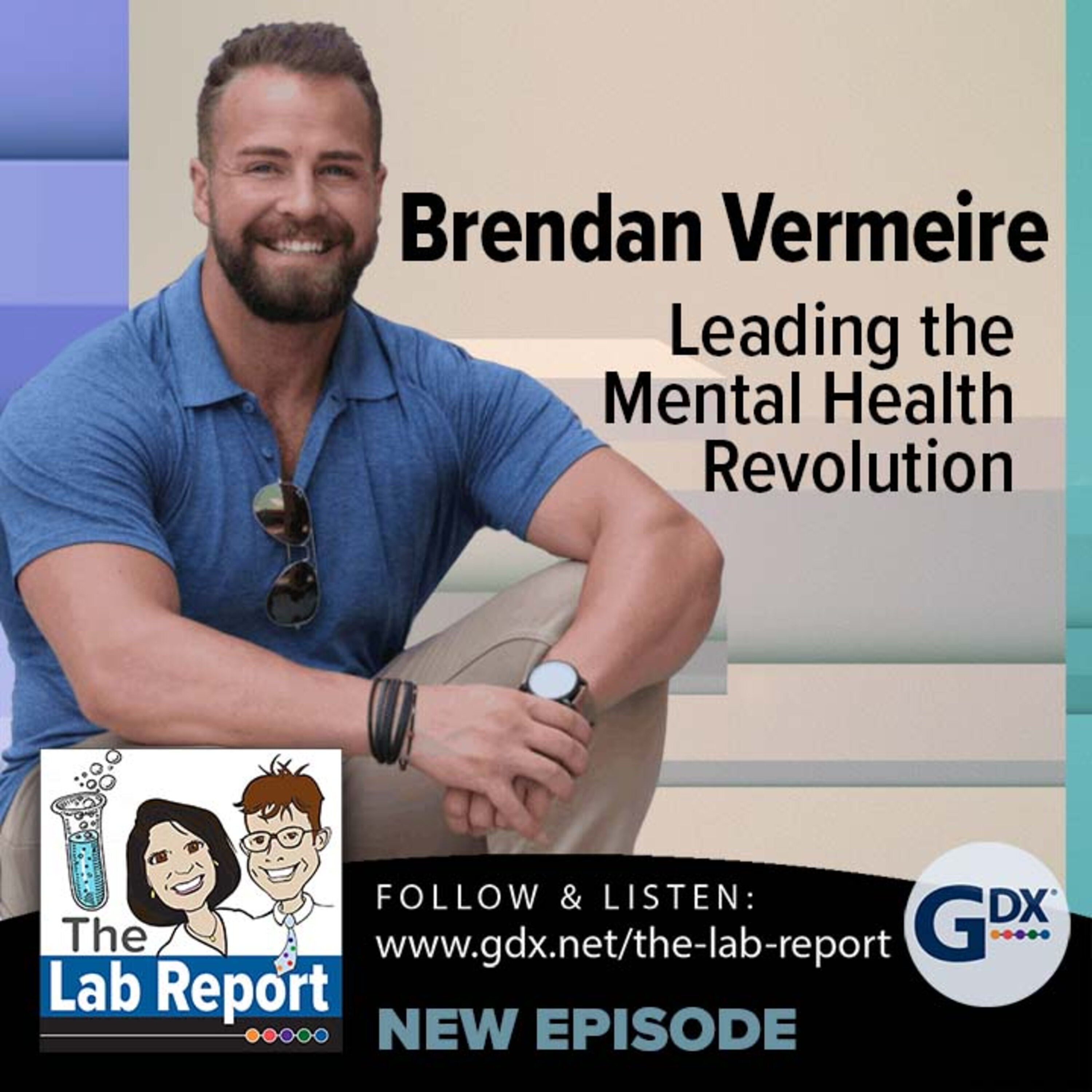
Brendan Vermeire- Leading the Mental Health Revolution

42m 1s

Brendan Vermeire- Leading the Mental Health Revolution

The lab report delves into functional and integrative medicine, emphasizing the importance of addressing root causes of disease for optimizing health. Brendan Vermeer, a mental and metabolic health scientist and functional medicine educator, is introduced as a guest. The conversation explores various aspects of mental health, including the gut-brain axis, microbiome, and methylation. Brendan shares his journey into functional medicine, highlighting the significance of methylation in mental health. Practical implementation strategies related to gut health and nutrient repletion are discussed as essential steps in addressing mental health issues. The conversation sheds light on the intricate connection between genetics, biochemistry, and physiological health, underscoring the holistic approach to mental well-being in the realm of functional medicine.

Transcription

7982 Words, 44236 Characters

the contents of the lab report are meant for educational purposes only they're not meant to be misconstrued as medical diagnosis or treatment advice today on the lab report Brendan Vermeer seriously I'm dying to meet this man yeah I could not wait here's a savage holistically speaking right the world of medicine can be challenging clinicians and patients are always looking for more options more effective treatments and in the end more answers functional and integrative medicine focuses on addressing root causes of disease here at Chinova diagnostics we've watched this field evolve and grow for over 35 years we've not only adapted we've led join us as we talk about functional medicine laboratory testing and optimizing health welcome to the lab report so are you gonna wear your winter coat this entire recording I mean you look I'm gonna wear my winter coat through the entire rest of the year you look really bundled up over there it's cold out man it's inside hello like a Chapman how are you today I'm cold Patty Devers how are you doing not quite as cold as you hmm yeah so you're doing well you're crushing it living your best life as per usual how about you I'm doing great good yeah so this is a podcast called the lab report it's brought to you on behalf of Jenova diagnostics thank you to Jenova and it's where we talk about things like functional integrative precision medicine specialty lab testing holistic therapeutics natural medicines the remedies and all the stuff and if you like to geek out on all the stuff oh yeah and if you like to have a good time well guess what you're in the right place oh yeah and hopefully if you're returning first of all thank you but hopefully you would have gone to itunes butterfly perhaps follow the show leave us some stars review and if you're new welcome hi hi you're the best for joining us and as a reward there's a couple things you could do you can actually send feedback directly to us feedback goes to the address podcast the ggdx net that's our email address if I can appropriately enunciate that you had to speed bump there I need to push you or something okay I think it happens because I get excited and then my mouth starts moving and my brain can't keep up okay either that or is the other way around where my brain gets excited and my mouth can't keep up it's probably that one actually let's hope they get in sync today yeah maybe they should screen for that sort of problem before putting a microphone in front of someone's face but here we are right and I'm so excited about today and I'm gonna tell you why tell me why so you know the Jenova diagnostics Instagram is a good place for you to go and get some really interesting little fun tidbits see little funny videos of us and we give some really good education but in so scrolling Instagram this one account keeps coming up called the holistic savage and every time I would go to one of this person's posts I would say these people are so in line with everything we do here at jenova who is this guy and so we went looking and it turns out it's Brendan Vermeer yeah and I think that's a great handle to the holistic savage yeah I mean if there's any place for savagery I would say it's in the holistic front right like who better to carry forward the message of holistic preventative integrative medicine than a holistic savage you need a holistic savage on your team and we're glad he is on our team and there's a lot of truth bombs and everything he says and as you know Michael we're in functional precision integrative medicine there's a lot of echo chamber happening and every once in a while a voice speaks out that joins the jenova voice that makes us go yay and so that's who Brendan Vermeer is to me yeah and I'll say I'm super excited for this conversation because just knowing his work and you know he focuses a lot on mental health which is as you know is really something I like talking about quite a bit but the ability to understand you know from a personal trainer perspective how that relates to mental health and then ultimately how what that means kind of philosophically as far as how to behave be do better with behavior change and how to address it all those things it just makes for a really well-rounded conversation that I'm sure is going to be really really entertaining well why don't we just call him up right we should do that Michael Chapman yes finally oh my goodness finally Brendan this is going to be a conversation for sure and this is our new best friend fyi so for those of you who live under rock and maybe perhaps do not know who Brendan Vermeer is let me tell you a little bit about him Brendan Vermeer is a mental and metabolic health scientist and researcher functional medicine educator writer and speaker he has a board certified holistic health practitioner master nutrition coach master personal trainer usa w sports performance coach and crossfit trainer holy smokes I know a lot of masters in there he began his career as a personal trainer and nutrition coach after disappointingly being medically discharged from the u.s. navy seal training pipeline due to an injury after being exposed to the power of functional lab testing at the start of his career he began intensely pursuing that as a career path which has led him to be widely regarded as one of the top leading experts in metabolic health and functional education he is the proud owner and founder of the metabolic solutions institute for functional health and fitness practitioners and the metabolic solutions research and education foundation a not-for-profit foundation dedicated to changing the way the world views mental health through advancing the science of mental health dysfunction he is also the creator of the mental map a cutting-edge lab panel for mental health the fun functional mental health practitioner certificate program and the neurosurgical supplement lining with that welcome to the lab thank you so much for being here no thank you both for having me you did great job reading that you know i'm not used to hearing my own bio it's like it makes me sound cooler than i actually probably am but not true no not true disagree i can be your hype girl hey i'll allow it um so let's start here like you're widely known functional precision medicine field is like a guru of optimization and mental health uh like what makes you first so passionate about the the topic of mental health yeah yeah it's a great question because you know back in the day obviously the whole navy seal thing that was my life goal i just i have that drive right i have that fire in my belly i've always been kind of a more intense obsessive personality and i need to channel that as part of my mental health regimen and so these days a lot of times i catch myself saying my work is my medicine you know and it is my work it's it's my purpose it's my service to the collective i grew up doing martial arts and as a young man that was obsessed with all things martial arts and kind of the way the samurai you know and the word samurai means to serve and i genuinely believe that serving the collective is actually a very necessary part of unimmonic self-actualization what we need to maintain good psycho-emotional health but even through my career path as a nutrition coach and personal trainer which having that background and exercise physiology and nutritional biochemistry has served me really really well in the functional medicine space i think there's a lacking of you know the metabolic physiology and nutritional biochemistry but even though you know i was doing older i was very metabolically healthy and fit i was still struggling a lot with my mental health you know it's like i remember back in like some of my bodybuilding days of like okay i have to do 90 minutes of fasted cardio to optimize fat loss and you know count my 28 almonds with eight ounces of chicken breast and broccoli and i hate myself enough to do it to make my body look this way so i can get on stage and get you kind of see that like that doesn't sound mentally healthy even if you are physically metabolically healthy in a specimen like psycho-emotionally so i went through a lot of my own mental health struggles and that's not even worst of it i'm sure you two have kind of heard my sad story that included you know an intentional suicide attempt and an overdose and going through the conventional psychiatric system you know i saw first hands like how people with mental illness uh that maybe just try to kill themselves how are they treated how are they treated through that conventional model and some of these psychiatrists that i you know was dealing with i was like this is an unacceptable approach to mental health and physiological well-being and as i was making my way through the functional medicine space and i saw that there was a need for a new functional medicine approach to mental health and even some of the mental health circles that are established in in the functional space um that i've you know done some work in i still i think there's an evolution that needs to occur i think you know that sort of space is behind by at least 20 years based on like where the research is where the literature is what we know scientifically versus like what is common clinical practice i'm trying to bridge that gap well we're glad to have you here in the space this is exactly what we need yeah and so many questions even i i completely agree with you i mean everything that you just said is so important one of the things that comes to mind not to go like meadow right away but that's all you know that that what you said about essentially giving back to the collective as being part of how you develop self-actualization and and you know your own sense of of mental health like so many people too are so drained it's such a bi-directional path right the physiologic informs the mental health and vice versa and so many people these days i think are so drained whether that's either physiologically or mentally like how like how do you get to your own therapy it's like help help me help you you know what i mean yeah yeah it does make sense absolutely my my little like brain yin yang logo that i have on instagram it's um just kind of one of my logos that i use the brain yin yang that's what i was going for is the the two aspects of psychology physiology and in that psychosomatic connection which i do a lot of work with you know psychosomatic and even though it's like you know microglial activation is kind of like my thing and my claim to fame and all the while though you know that psycho-emotional component that psychosomatic tie-in of thoughts become proteins and how our thoughts and our nervous system regulation how that's impacting the physiology but then it's like you know you can do all the nervous system regulation or psychotherapy but like if your physiology is oxidized and on fire and you know under methylated or whatever is going on there you know you can't think your way out of that physiological dysfunction so i think that's what makes mental health you know hard to work with but also very rewarding is you're kind of untangling this you know complex mixture of all this cellular dysfunction and physiological dysfunction but also mixed with a lot of self-limiting beliefs and psychological dysfunction and sort of you know neural mis-wiring if you will so it's endlessly fascinating it's a profound dichotomy well let's let's dive into it then so in our space functional medicine personalized medicine we're always talking about getting to the root cause but in actuality there are usually many root causes or contributors to every dysfunction out there mental health is no different and we are definitely going to discuss all of those today but let's start with the gut we've done several episodes on the gut brain axis and we know about the importance of the gut brain axis talk about how you think the gi contract contributes to mental health yeah i mean it's huge the the three main focal points of of all the work that i do to me i always say that the three pillars of mental health are mindset and metabolism and microbiome right of course the mindset and we could talk about mindset and outlook and beliefs all day and you know spirituality and everything uh the metabolism which doesn't get talked about enough obviously that kind of metabolic psychiatry but then the microbiome everything that i do uh as a researcher and educator you know i'm really focusing on micro glial cells of the central nerve system and what root cause factors are going to modulate the milieu that these things are marinating in right you know it's not that the mass cells or micro glial cells or any other cell is behaving dysfunctionally it's trying to respond to the milieu and the input signals of the cytokines, chinkines, dams, pamps, lamps, all the things right so then if we're trying to think about well what systems have a very powerful effect on that milieu i think the gut brain axis is really at the top of that list and you look at for example to sort of you know make a strong point succinctly you look at the fact that like what is the standard you know clinical research model to study neuro inflammation what do they use to activate micro glial cells like a polysaccharide that is the standard thing that they're going to use whether it's in vitro in vivo doesn't matter they will use the lipopolysaccharide to activate the micro glial cells to the m1 pro inflammatory phenotype and then you know what therapeutic do we then apply to try to undo what we just induced with LPS whether that's monoclonal antibodies minocycline vitamin D, low dose nontrexone it like it doesn't matter so as functional root cause practitioners we should be looking at like well if they're using the endotoxins to induce that maybe we should be thinking about the endotoxin burden that's coming from the leaky dysbiotic gut right so it really just takes us to that ground zero that is the human microbiota nice the root cause of the root cause yeah exactly well it's also like removing the obstacle to cure right it's kind of like the way that yeah and and makes me wonder so from a practical standpoint knowing that what are some of your main like starting points i think i think about a lot of people who might be struggling with mental health or have a lot of patients who you know maybe mental health isn't exactly their forte but they they know how important it is like where what are some of your go-tos from a practical implementation standpoint around that GI aspect yeah you know i i feel like the approach i like to take you know because i'm i'm not a psychotherapist and candidly i i don't want to be any of my clients you know therapist although i i kind of feel like i am anyways and even you know yeah even back in the day as like a personal trainer it's like okay we're there to work out but i'm basically being an empathetic therapist while we you know do a few reps or something right so a lot of what i try to do with like my mental map and protocols obviously we have a society that is conditioned with this pill for the ill and then you know the more forward thinking kind of more educated resourceful individuals of now they're shifting towards functional medicine because they're tired of being thrown you know pharmaceuticals but then it's like they still like what lab testing identifies the root cause and what pills do i take to make it all go away right that's what people want so you almost have to do this intentional bait and switch of like okay you want labs and you want a protocol but that's just to sort of get a jump start right but if we can apply sort of precision therapeutics that's going to have the biggest you know shift and efficacy on their dysfunctional physiology you know then they start feeling better now they're in a more sort of stable coherent place that now let's unravel your lifestyle behaviors and your belief system so with a gut microbiome in foundational nutrient status right like people aren't deficient met metformin and ozempic or even curcumin but they probably are deficient in healthy microbes and they're deficient in a lot of essential nutrients so a lot of times my initial clinical priorities are restoring diversity to the microbiome restoring integrity to the mucosal lining the intestinal lining the the blood brain barrier as well and repleting the nutrients that they're deficient in which is usually going to be like all of them macro micro all of them so a lot of times the first thing i put in is uh immunoland the serum bovine immunoglobulins i'm a raging fan obviously release my own you know immunoland product with the neuroigg but that's always like the very first thing that i put in because it's basically just like this therapeutic shield medical food that you're just dumping right into the guy it's going to mop up and bind and neutralize a lot of the toxins toxins pathogens having a prebiotic like effect it's all titrated in like the immunolens some probiotics multivitamin magnesium zinc obviously tailoring all this based on lab testing details but some of those just foundational components is usually the the starting point for me yeah and i imagine you know like what we see it's amazing even just getting that like i feel like that takes somebody oftentimes from like zero percent to eighty percent almost instantaneously and now you're you're really rolling downhill to where how do we get from eighty to a hundred you know what i mean and so that makes total sense to me and it leads to this question too around like this concept of methylation that we hear quite a bit about and you know what single nucleotide polymorphism snips which are kind of genetic variants within people and we love all that biochemistry stuff here obviously and we have our own kind of methylation testing where we do phenotypic and genotypic markers together similarly so can you talk a little bit about the methylation connection as it relates to mental health yeah so can we we might go there because you know methylation is one of my just favorite kind of core subjects or sue or sue oh it's so fun it's so cool um i like how it kind of ties in like the genetic with the epigenetic and just the physiological the interface biochem biochemical meets physiological and um you know looking at like home assisting as which is easily one of the most important biomarkers for mental health in general activates nmda receptors drives leaky brain and endothelial dysfunction so the mth bar side of things that was the subject that kind of segued me into functional medicine uh i was you know still a nutrition coach and personal trainer and i was actually essentially trying to save my ex fiance who got this mysterious complex chronic illness thing that nobody could figure out and you know when we went to our conventional doctor you know they did standard blood work everything looks fine there's nothing wrong with you but we did see that you have this mth of our thing right and i had no idea what this was but being very scientifically curious so i dove into ben lynch's work and that was really my first exposure to methylation and mth of r and i just fell in love with all the biochemistry of it so that kind of catapulted me into the functional medicine world that i didn't really know existed so the methylation component is such a huge part in the mental map that i created this is a story that i think is relevant where um i'm sure you both are familiar with like william walsh's work around you know crypto pyrrole disorder and methylation you know based on like carl pifers work and all that so i was originally contracted by the laboratory that offers the crypto pyrrole testing and essentially it was like hey you know william walsh has done all this amazing work around crypto pyrrole disorder in the methylation side of things knock state of stress um and essentially you're looking to me of like who's going to carry on that work in research of like what do we do with this because it is understudied you know there there's still a great need for more research within that sort of what is this crypto pyrrole thing and how does it tie in the methylation like we see the clinical biomarkers of you know high crypto pyrrole in the urine low zinc high copper surreal plasma and histamine so i kind of built a research panel around that model to try to expand of like well but how does the methylation in the bio chemistry and then how's that throwing off like immune function or inflammatory status or some of these other physiological pathways so that's kind of the interface that i work yeah it sounds like we need to have a separate episode with brandon about methylation yeah that's like our deep dive biochem fun oh yeah yeah that's like one of the first major things that i think we started kind of working on once we started with jen over here and and the thing i always think about that's so fascinating about methylation is i think of like these methyl groups uh you know as like cash like it's like currency because you're you're spending it in so many different areas some of it would be mental health some would be detoxification some would be managing like you said your endothelium to you know make sure you have good cardiovascular function and once you start running out of cash you have to start budgeting right you have to sort of where am i not going to spend this and it only makes sense that the body might preferentially choose something physiologic like detoxification and cardiovascular function at the expense of something like mental health because as long as the organism is still moving then we can get back to it and i think that's to me a little bit of maybe where that connection really is drawn it's like you just don't have enough cash to to treat your neurotransmitters correctly right right when it gets really uh like one of the the sort of interfaces of looking out how all that's connected with like okay the home assist scenarios that that's creeping up to you know 15 or 20 or whatever and you know that can drive the leaky brain and activate the nmda receptors but then the have you guys explored like the neotarin biotarin pathway a little bit like because then you know it's like you sprinkle in okay a little bit of life with polysaccharide or interferon gamma and then it's activating you know the endolamine 2-3 dioxygenase and the guanosine triphosphate cyclohydrolase so then it's like you get this depleted effect on neurotransmitters you know the biotarin is depleted so then you can't you know produce nitric oxide and in your monoamine so you get this kind of cool like methylation overlapping with like the neurochemistry and the neuroimmunology and it's sort of this like little interface and this convergence of all these things like you're saying and so then it makes it tricky of like so do we just pump you know a lot more methyl donors into that or do we try to address this first yeah it's as interconnected the pathways that work together and and like it's sorry i'm like so i know i know you're yeah we're all having fun the other thing all those things that you just mentioned those those shifts oftentimes lead to inflammatory or neuroinflammatory byproducts which is like you know it's just gasoline on the fire basically right it's a delicate balance right and even as we're talking about detoxification we know how important methylation is there too but we've talked a lot on this show about about detoxifying with the exposome and our environment but we usually discuss it as it relates to like obesogens or endocrine disruption how do you see the exposome or some of these toxins in our world connecting to mood disorders uh yeah you know it's a huge one like some of the the subjects that keep me up at night like the environmental toxicity and the emf you know i find like you know like growing a healthy garden of life of the microbiome and getting fit and good nutrition like that's all easy but it's like what do we do with this just overflowing toxic burden with the life-saving blue fascinate and the emf and um all the bp all the things right and you know i think of course like the literature is very sparse on this because like who wants to fund literature and like you know the government certainly doesn't want to pay for that pharma doesn't want to pay for that research right and it's like what little fragments of research of like oh you know people in more polluted cities have more mental illness or you know i've seen papers that link you know environmental pollutants to schizophrenia and whatever but just that overwhelming toxic oxidative burden on the body or the microplastics i i put up a post on social media it did not perform well apparently nobody cares we care yeah you guys will appreciate it like it was talking about like you know the microplastics and how the weathered microplastics are more neuro-inflammatory than than like fresh microplastics you know the idea being as these plastics are just going through the environment and getting you know oxidized and chemically modified from the heat and the debris but so then it's like these these weathered microplastics that we're all breathing and ingesting are more microglial activating more inflammatory right it's like well great we're full you know in a world full of weathered microplastics so it's scary but it kind of feeds back to what you were saying earlier michael like if your body is trying to detoxify all of this you know forever chemicals that are all around us are they using that the methyl groups as cash to kind of work there so it's another place that you're pulling away from because of our expo zone yeah and i mean it's hard too and maybe why i can assume that instagram like post didn't do so well is because not that people don't care i think it's like there's it's overwhelming at a certain point we know how bad it is and it's sort of like i don't even know where to begin and i don't even know where to start and not basically i'm just bummed yeah yeah i'm just bummed yeah i'm kind of bummed too you know it can be a little well and then it's like you know sometimes it's like people like us we you know we love diving into the mechanisms but then it's like when we kind of share information about the mechanisms people are like i hate you for telling me that right where you know if you look at like how inflammation inhibits brain detoxification of how the the pro-inflammatory side kinds are down regulating the abc transporters to pump stuff out of the brain right and then how like neuro inflammation is very self-perpetuating you know you get some neuro inflammation it might cause some you know bystander damage and so then you get more damage associated molecular patterns that then just activate more microglial activity and more you know so it's this just vicious cycle but i always try to you know pump the brakes and give people hope of like these sort of negative pathophysiological mechanisms can sort of build up i like to think of it as sort of a metabolic momentum or a physiological momentum you know you get that water wheel spinning in a bad direction and a disease progression but healing works the same way right you know when you start painting these broad breaststrokes and you start putting in you know the good input signals trying to lessen the bad input signals you can kind of bring that spinning bad wheel a little bit to a halt and then like let's reverses start getting it spinning the other the other direction yeah yeah no that's great and it i think it leads perfectly to like the next question um it reminds me of the our environmental medicine professor the very first class that we had he was like all right guys this is going to be a tough class because like there's a lot of nasty stuff out there all around but what's good to know right up front is that the body is incredible at taking care and managing and handling these things um so you've got a system that you don't even know like exactly how powerful it is and i think one of the things that can really help with that is exercise right and you're a huge crossfit fan exercise a big part of your life um and it's really great as you know all the papers are suggesting how important it is for mental health so how do you motivate people to exercise especially if they have mental health challenges on board mm-hmm i'm glad we're going there because i think being somebody that i've been an athlete my whole life i've been active my whole life and you know as an athlete it's martial arts which is a very i think unique athletic i wasn't a football player basketball or team sports it was individual combat sports like me versus you one of us is going to get hurt and it's not going to be me right like that's that's just it that's me like it's always me against something i was like i'm going to crush you i don't know who's the versus here i'm always against something like i'm going to get you oh you seem like more of a salvage than me yeah but it's um it wasn't until you know like well into my career that you know i almost sort of recognize maybe i've taken some of that for granted because for me i just always gravitated towards it and specifically strength training like i do want to say like you know my personal fitness regimen i lift weights three to four days a week i do like vinyasa more intense yoga two to three days a week i i try to run you know a well-rounded fitness regimen is essential well-rounded at the end of the day whatever gets you moving movement in general is step one whether that's walking or zumba or whatever you're into and from a you know client coaching psychology perspective they have to love the movement otherwise they're not going to keep doing it so it doesn't really matter what kind of movement that's a detail that you can get to as you get higher with your advancement and skill level but it's whatever gets you moving first and foremost whatever kind of movement that you enjoy if you don't enjoy you're not going to do it but you know i just posted the other day i think strength training in particular is something really special about it if i had to pick like one you know exercise modality to stay healthy and happy forever i think i'd go with yoga but if i was going for like what is the one type of exercise that is like the best metabolic anti-aging medicine i'm going to have to go with strength training there's something really unique about the metabolic properties of lifting weights and that anaerobic strength training and this the cool tie-in that i like to use for that is you know obviously forever we've been encouraging geriatric patients with Alzheimer's to do puzzles and do physiotherapy because it seems to delay the neurodegeneration it seems to slow down the neurodegenerative process and now mechanistically we know why the brain drive neurotropic factor you know we used to think that was exclusive to the part in chemo of the cns and now we know oh actually it's also known as metabokine your skeletal muscle produces bdnf in response to exercise so the more you exercise the more muscle mass lean mass you build the more bdnf and neurotrophic activity you're going to have so you know i think exercise is one of the best you know treatments we have for any kind of mental health disorder not that it's going to make all of it go away like if you still have that genetic predisposition to ocd or schizophrenia or bipolar or or adhd like the predisposition will always be there but it won't be such a dysfunctional phenotype if you don't have that neuro inflammation and oxidative stress and you have adequate neurotrophic signaling and the nutrition the exercise the sleep is the best way to shift that that balance between the neurotrophic status and the neuro inflammatory status um so yeah building lean mass is such uh like the closest thing we have to cure all in my opinion but but i do love and appreciate that you emphasize the word movements because i think a lot of if there are people out there listening who are depressed like oh give me a break brendan i'm not going to start lifting weights i can barely get myself out of bed i'm so depressed just that idea of movement whatever that looks like walking whatever it is i think that's an important emphasis do you use that a lot with your patients and clients that you speak to yeah for sure you know there's so much psychology that goes into it because you know in this information age that we're in now and the algorithm is just giving us whatever to stimulate our neurological tissues to to keep us plugged in and immobile is what the algorithm is designed to do and it's like that's literally the opposite of being human and moving and being the animal that you are right so it's like we have to move and i think there's a lot of beautiful there's a lot of beautiful metaphors with fitness and everything too because it's like you do get that a lot especially in the complex chronic illness world you get a lot of pushback of like no no i can't exercise because i have exercise intolerance i have you know m-casts i have you know histamine and mitochondrial dysfunction all these mechanistic excuses of why they are refusing to even try to cultivate resilience right and fitness like i just went for run this morning and i've been slacking on my running this year and guess what whereas like you know a year ago i'm running like six miles at a 830 pace okay this morning i was struggling to get four miles at like a 930 pace right and it's like that humility though is very grounding and healing unto itself and i feel that i don't like feeling that resistance it's like i you have to push yourself against gravity against nature it's very humbling i think the world could use a little bit of of humility but you know specific adaptation to imposed demand is like personal training nomenclature 101 but everything about the body operates on specific adaptation to imposed demand you know it's like toxic burden specific adaptation will upregulate our detox pathways to handle that so i think people need to practice a certain degree of compassion and patience but also i'm going to choose resilience i'm going to earn it right because if you allow yourself to just like no i can't do that because it's harder scary like that's the whole point is you push yourself a little into your comforts you know past your comfort zone and then you recover right so yeah whatever it takes yeah it's like a hormesis right and then i'll push it and the fun thing is you get to see the results and the results generally start piling on pretty darn quick once you start doing the thing and it takes me back you know i hear in your story you know how much of a role kind of the mindset played as far as setting you up for that desire to push past resistance and that deviant desire to cultivate resilience and i think um you know that's something that i don't know maybe it's a little bit rarer and rarer these days because it takes me back to just kind of what i i like call sometimes spirit sickness where it's like people need to have the why you know people need to have essentially that that mindset and that mindset has to come from some sort of meaning or purpose to even get the cog spinning you know what i mean yeah there's a like classic coaching psychology exercise i've used for my whole career of like the five why's right you know you're sitting down with a new client whether it's a personal training client or functional medicine client really doesn't matter at the end of the day though it's like okay what's your goal uh i want to lose 100 pounds why well because i want to be healthier and feel better why you know and you just keep asking why to whatever they say basically until you you get some emotional vulnerability and obviously you have to hold a safe space practice a lot of compassion and empathy like hey it's safe it's not judgmental it's all good but you're trying to slowly gently peel those layers to get down to that for why and you know it's always going to be something that is beyond themselves when you get down to it right like you have the person um you get like three four five why's down into the onion or whatever and it's like i want to live a long healthy life so i can be around for my grandchildren and they're like tearing up and all this like unresolved trauma start spilling out of them and whatever it's like okay there we go like there's your intrinsic why so when it's getting hard uh where you don't really want to do it like let's remember what that poor why is because this isn't just about you this is you wanting to serve your loved ones right so it kind of takes us back to that you know something beyond ourselves we're not really although our ego is very over seduced in today's egoic world uh we're not designed to operate from that place we really do operate best from this place of my loved one serving my loved ones serving the collective you know it's it's bigger than just us and that's gonna that kind of motivation is going to last longer than just like oh i want to lose 20 pounds for my trip to florida next weekend so i can look good on instagram you know like yeah well and that why technique is the same thing my four-year-old uses i didn't know he was my personal guru well i mean it's a it's a very wise four-year-old plant corn you get corn michael it's all you well this is profound on many many levels um and we just love the work you're doing and we're so grateful that you're in the space really pushing this it's one of michael's passion projects like i said mental health and and root cause of the root cause of the root cause but we also know there's a lot going on over at the metabolic solutions institute for functional health fill everyone in on what they can expect when they go to metabolic solutions llc.com i appreciate no you two vibe tribe we're best friends already hang out with you i knew it i knew it yeah see the fact that you know having never really had a real conversation before we're able to hop on riff you know throw down a lot of science spirituality and everything in between so i really appreciate the opportunity and metabolic solutions llc.com all my most important links are there so somebody's trying to become a functional mental health practitioner they can learn more about the program or do the mental map lab tests work with me privately and then i have a pretty extensive library of free resources you know i've got a free methylation guide neuro information webinars all the things so little bit of something for everybody i also want to say i'm gonna encourage people to follow you on instagram for some amazing knowledge nuggets so follow them at the holistic savage because there's great stuff there too we can't thank you enough for spending time bender before i let you go we do have one last question that i'm going to kick to michael chatman that's kind of off topic and we call it the fireball there's a fireball question and it's meant to catch you off guard and be so hot that your eyebrows will sink right off your face perfect so it goes like this this is a pretty straightforward one what is your favorite wild animal a great white shark wow no oh you gotta say more wow okay so what's what's the appeal here uh you know uh i think i identify and empathize a lot with great white sharks i think they're you know these forces of nature they're you know the kings of the ocean i'm a cancer for the record you know born in july spend a lot of time you know near the ocean in the ocean under the water growing uh you know waters waters my element sharks have always been my favorite animals and there's no shark greater than than the great white i think there's so misunderstood right you know they're so like terrifying and stoic and dark eyes and everything but they're they're beautiful they're majestic they're powerful and i'm a workforce so i like to to use the line you know you gotta swim to breathe right wow that's awesome keeps me moving that's awesome see even profundity in the fireball michael see i'm saying and then don't even start me on the rift that you're both obsessed with mental health and you're both water signs i'm just going to hit that one go yeah move on yeah that's friends for life now we're like full on right well brendan vermere amazing you did not disappoint we've been so excited to meet you and we can't wait to talk to you again we'll see you real soon but thank you so much for spending time we know how valuable your time is oh likewise likewise this was absolutely pleasure so i can't wait to see you guys at the next conference yeah awesome thank you guys see michael you are not alone in your passion for functional medicine and root cause to mental health yeah and apparently not alone in as far as like obsessing with biochemistry right he had me on the ropes with a lot of the stuff that he was talking about like he is incredibly smart knowing his pathways oh my goodness he's a good guy to geek out with we should probably have him on and pick a pathway and just go down the rabbit hole yeah i agree although that might be like an outtake right because i don't know that i don't know that everyone out there shares the same sort of obsession i think there are a lot of people out there and maybe between the three of us we can get them interested in biochem and they'll love geeking out but that's the other thing that's so great is you know bringing it back to some of these greater concepts especially around purpose mental health i mean it all fits together and that's that's the thing that's so fun about that what we're doing i know i agree but he had me at pamp stamps and lamps that was good next time on the lab report what were we talking about pamp stamps lamps let's dive into it immunity inflammation it's basically when your body freaks out because it's seeing that it's breaking down kind of how i think about it probably more complicated but you've been listening to the lab report if you like what you hear please subscribe to our podcast rate us and leave us a review to learn more about you know the diagnostics visit our website at gdx.net there you'll find information on specific testing educational resources and how to connect with our show call us at 1-800-522-4762 or email us at [email protected] i really liked what he was saying about movement you know finding a movement or an exercise that you like to do now i guess it's so important like it's like you with basketball like you've been playing basketball more and more and more because that was like your childhood thing but now it's winter what are you gonna do well that's a good question not that this will really help me much in the winter but i did just recently communicate to my wife that i'm thinking about buying rollerblades and i would have done it probably decades ago if if it weren't for the insecurity around being such a dork out there rolling around in the parking lot because i'm gonna have to do it at lunch like here at the office so you guys are gonna see me in like uh knee pads and like this is ever please i will buy them for you that's how excited i am about this like this is endless amounts of content that we could put on social media i do love rollerblading though let's get them what color you're gonna get me pink that's what i had grown up oh come on seriously

Podcast Summary

Key Points:

  1. The lab report focuses on functional and integrative medicine, including root causes of disease and optimizing health.
  2. The conversation introduces Brendan Vermeer, a mental and metabolic health scientist and functional medicine educator.
  3. Discussions in the conversation cover topics like mental health, gut-brain axis, microbiome, and methylation as they relate to functional medicine and mental health.

Summary:

The lab report delves into functional and integrative medicine, emphasizing the importance of addressing root causes of disease for optimizing health. Brendan Vermeer, a mental and metabolic health scientist and functional medicine educator, is introduced as a guest. The conversation explores various aspects of mental health, including the gut-brain axis, microbiome, and methylation.

Brendan shares his journey into functional medicine, highlighting the significance of methylation in mental health. Practical implementation strategies related to gut health and nutrient repletion are discussed as essential steps in addressing mental health issues. The conversation sheds light on the intricate connection between genetics, biochemistry, and physiological health, underscoring the holistic approach to mental well-being in the realm of functional medicine.

FAQs

The lab report content is meant for educational purposes only.

Functional and integrative medicine focuses on addressing root causes of disease.

Brendan Vermeer is a mental and metabolic health scientist, researcher, and educator in the holistic field.

The gut plays a significant role in mental health through the gut-brain axis, affecting factors like neuroinflammation and microglial cells.

Methylation is crucial for mental health as it influences biomarkers like homocysteine, NMDA receptors, and endothelial dysfunction.

Chat with AI

Loading...

Pro features

Go deeper with this episode

Unlock creator-grade tools that turn any transcript into show notes and subtitle files.