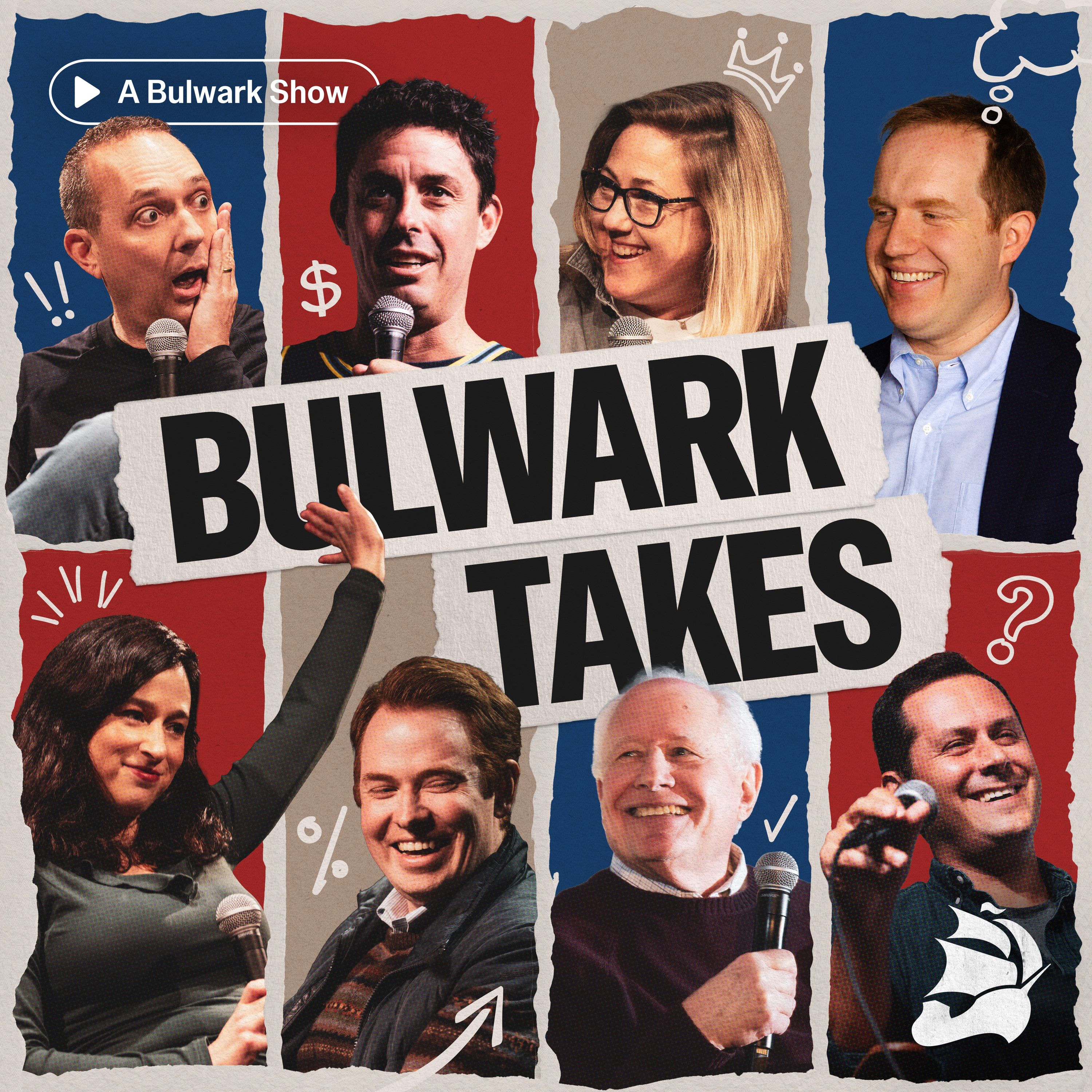
The transcript explores two distinct but interconnected narratives: one about the cultural appeal of Kewpie mayo, and another about a major political and corporate scandal involving NVIDIA CEO Jensen Wang. Kewpie mayo stands out for its use of egg yolks, delivering a rich, buttery flavor that has resonated with consumers and chefs alike, illustrating how food trends reflect evolving taste preferences. In contrast, the NVIDIA scandal centers on Wang’s alleged affair with a suspected Chinese spy, which triggered his resignation and ignited a broader crisis of trust in U.S. tech policy and national security. The incident reveals troubling contradictions in the Trump administration’s approach to AI and China—specifically, the override of a National Security Council memo warning of Wang’s compromised position, despite clear national security risks. This decision, coupled with internal failures at Commerce Department under Howard Lutnick, raises serious questions about political loyalty, export controls, and corporate accountability. The scandal is now being scrutinized by Congress, with expectations of deep investigations into White House decision-making, intelligence leaks, and political interference. The fallout may redefine public trust in both corporate leadership and government transparency. Additionally, the political narrative around the scandal reflects a growing populist sentiment against oligarchic influence in policy, with Democrats capitalizing on anti-elite messaging. This shift is mirrored in other areas, such as Trump’s renewed rhetoric targeting Democratic leaders and a perceived retreat from international engagement. The Mississippi Senate race, where an underdog Black candidate won, further underscores a broader political realignment and public demand for accountability. Together, these developments signal a moment of intense political reckoning, where corporate power, national security, and democratic accountability are being reexamined in the wake of a major scandal.
This is Matt Rogers from Lost Culture East, that's with Matt Rogers and Bowen Yang.
This is Bowen Yang from Lost Culture East, that's with Matt Rogers and Bowen Yang.
You know when people try a new food and suddenly it's like,
okay, hold on, I got a new favorite food!
That's the reaction a lot of people are having when they first try Kewpie mayo.
Yeah, it's the one with the red cap and the little baby on the bottle.
You've probably seen it at the grocery store.
And this mayo is different.
Mm-hmm, most mayonnaise uses whole eggs.
Kewpie only uses egg yolks, which gives it this rich umami flavor.
It's smoother, deeper, almost buttery.
Once people try it, they start putting it on everything.
Eggs, sandwiches, fries, burgers.
Chefs use it, restaurants use it, people who really care about flavor use it.
Put it on just about anything.
Then you'll understand.
Kewpie, the original Japanese mayonnaise.
Hello everybody, welcome to Morning Shots Live!
With me, Andrew Egger, and Bill Kristol of The Bulwark.
We write the Morning Shots newsletter.
Usually we come to you on Tuesday.
This week it was decided by the powers that be
that we ought to pull Ben Parker and Mark Hertling over on Tuesday.
Because that was Hegseth Impeachment Day, and he had a big press conference.
So we had to let our foreign policy minds take a crack at it.
We're all discombobulated now.
It feels a little strange to go live on a Thursday.
We'll see how it goes.
You know, it's a slightly different muscle memory.
But the good news is, there's lots to talk about.
We have real breaking news right out of the tech space and the White House.
I mean, it's like every important story that's going on at once.
The economy, and AI, and Donald Trump's proximity to billionaires.
NVIDIA.
Still the most valuable company in the world, or was at one recent point
the most valuable company in the world.
Their stock's been going a little crazy recently.
There has been a major scandal, major scandal.
Jensen Wang of the CEO, longtime CEO, embroiled in this personal scandal
with a woman, had an affair with a woman at an NVIDIA customer company
who turns out, likely, possibly, reportedly, to have been some sort of Chinese spy.
Bill, you have been following this story like crazy.
And just this morning, we got the break.
Breaking news that Wang is out at NVIDIA.
The longtime visionary.
I mean, this is sort of like Apple, if Steve Jobs had gotten into some kind of scandal
and they had kicked him to the curb.
He is gone.
He's been fired.
Board of Directors.
I'll just read from the NVIDIA statement for a minute.
Board of Directors announced today that Jensen Wang has resigned as president,
chief executive officer, and a member of the board, effective immediately.
Colette Kress, current executive vice president, chief financial officer of NVIDIA,
has agreed to serve as interim CEO.
They're doing a permanent chief executive officer.
They're going to consider internal and external candidates.
The statement continues,
Jensen's contributions to NVIDIA are profound.
You can say that again.
NVIDIA is one of the most consequential technology companies in the world.
The board and the company thank Jensen for his immeasurable contributions to the company
and the industry.
I mean, this is a fall from grace.
Like, when did we get the first piece of reporting about this?
Like, a week ago or something?
I mean, this really has accelerated at extraordinary pace.
So, Bill, can you kind of just talk us through where we're at with this story?
And then we'll turn to the audience.
What are the obvious political implications here?
Yeah, I mean, there's been scattered reporting about both his personal life
and about problems with their compliance or noncompliance with export controls
and, of course, the lobbying of Trump.
It's been quite public and wanted to sell more stuff to China and all that stuff.
There's a lot of stuff, but the Times sort of put it all together over the weekend.
I think Saturday was when they put out their big story.
And I will say that we've reported on Tuesday and Wednesday in Morning Shots.
I wrote little items just saying I've seen these scandals before.
This feels to me like a very. It's a very big one.
It's got everything in it.
It's got Trump clearly. Trump, I mean, think of. And the key thing in the Times reporting was the National Security Council memo,
apparently signed by Rubio as National Security Advisor,
warning that Jensen Huang had been. was having an affair, basically, with someone who had been. was a Chinese spy or had been recruited to be a Chinese spy or a Chinese asset
and, therefore, was deeply compromised.
Trump knew about this.
Trump, nonetheless, overrules what must have been a National Security Council report.
It's a National Security Council recommendation not to have Jensen Huang on the trip to China in May.
He has all these other tech guys, remember this, and it was reported.
Where's Jensen Huang?
He's the CEO of NVIDIA, kind of a huge player in this field.
And Trump overrules.
The staff invites him on the trip, is in very close contact with him for the next bunch of months,
gives him an award.
He's part of the AI team that advises Trump on policy.
And he's always been a big Trump.
He gives $20 million, I think, or $25 million to the ballroom, or NVIDIA does, or Huang does.
I don't know.
I mean, the degree of closeness, which. Between Trump and Huang.
And Trump's ignoring a memo.
I mean, I did this, I, you know, I was used to vice president, chief of staff,
so I wasn't, you know, in a kind of huge policymaking role there in the George H.W. Bush administration.
The idea that you would get a memo like that, be briefed on a memo like that as president,
or vice president for that matter, and treat it as if, okay, business as usual,
I'm going ahead with this meeting and with this bringing him to China,
and all the, you know, blessing that confers, so to speak,
as being part of the president's entourage, and the signals it sends to Xi Jinping, among others.
I mean, it's really. So I was mind-boggled just by that time story.
That's why I wrote about it Tuesday, Wednesday.
And so it has everything, the scandal, though.
I mean, it's got a little sex.
It's got national security, which makes it a serious scandal, not a kind, you know. A lot of the graft is scandalous, obviously, the corruption.
But it's, you know, people paying off people for good deals here in the U.S. and so forth.
It's not. This is pretty. This is national security.
It's AI.
It's very important, national security.
Trump's allegedly anti-China.
Here he is, not just being kind of. Kind of neutral, but basically favoring a policy that clearly helps China.
It's running a blind eye to it.
And we've got this massive company that I guess was sort of competing to be the largest market cap in the world.
I believe it's not anymore, since it's probably opening down, you know, 15% or something, as we speak, on the markets.
But still, I mean. And he was the founder, as you say, like Steve Jobs at Apple, and ran it personally for 30 years, I think.
And so the idea. The board did not dump him because he had one or two affairs, even in an affair with a subordinate,
which is frowned upon in corporate America.
I don't know.
Like, do we think the board of. Elon Musk's board is going to fire him for his various misbehavior?
I mean, these guys are pretty. If the board. He is NVIDIA.
And for the board to do this means there's a lot more there.
And certainly when you. This is not a Me Too story, right?
Not at all.
And it's not even a sexual. Yeah, there's no evidence that he abused anyone.
He just had these affairs.
Just, but I mean. But there's the degree to which the Alice Wong's company. Was a cutout for getting stuff to China that China shouldn't have.
Kind of a cutout almost really for Chinese intelligence, you might say.
The other stuff that's now coming out, and this you have to. I don't. This I'm not an expert on at all, but you read stuff online by reputable people.
And the degree to which there are all these questions about NVIDIA's compliance or noncompliance with export controls,
or finding ways to evade them if they're not actually just flat out breaking the law.
The Lutnick connection, Lutnick at Commerce, Secretary of Commerce,
a great buddy of Trump, involved in all these. Shady business deals with Trump.
Stopping investigations at Commerce into this.
The export controls guys at Commerce who are serious career people are like,
hey, you know, this is bad.
We have to stop this.
This is what we do for a living.
We do these. Enforce these export controls to try to prevent China and others from having things they shouldn't have.
And it goes up to the highest political levels of Commerce.
And Lutnick and one of his top aides stop these investigations.
So there's that internal administration side of it.
And Lutnick's very close to Trump.
I mean. I just think the. I think the board knows much more.
We will know much more about what NVIDIA has been up to.
And it's going to be way more than Huang behaving inappropriately as a CEO and having relationships with customers and subordinates.
We're going to learn a lot more about the White House and what happened.
Who really wrote the Rubio memo?
What does the intelligence community think about it?
And people like Rubio, he is Secretary of State.
He's going to have to testify before Congress.
And finally, I'll just, I've gone on too long.
I mean, there will be serious congressional investigations.
At this point, I don't know if it's quite Iran-Contra.
I don't know if we quite get a special committee.
I don't know if we get a joint committee of the House and the Senate.
The intelligence committees will want to take the lead.
And they probably should at first, I guess.
Jim Himes in the House, Mark Warner in the Senate, when the Democrats take control.
But I've noticed that even the Republicans, and you've been following this by a little as much more closely than I have, some of the Republicans, including pretty Trump supportive ones, are saying, yikes, I mean, this is something we really do need to look into.
So, yeah, I think it's just, it's, I did have the sense.
Well, I have the sense.
I, God knows where these scandals go.
They're always hugely unanticipated things that happen.
Different shoes drop that you didn't expect.
Some things that you did expect don't happen.
But I think this is a very big one.
Yeah, let me just back up just for a minute and kind of, because you mentioned that this, this scandal has brought to light, or it's given us some new explanatory power for one of the strange sort of cross currents in the Trump administration's AI policy and its China policy, which is that it's been weirdly soft on this one specific thing,
which is exports of these chips from this one specific company, from NVIDIA in particular, because, because really this is, they're, they're not the only, you know, processor of these, of these GPUs that, that are powering the global AI boom, but they are by far the leading company in this, in this field.
And so their most advanced chips have been at the center of all of these export controls.
Just to talk a little bit about that.
I mean, to put that in context, the reason for all of this is, is because of this AI race that we are, that we are in with China, which is a humongous policy priority of the Trump administration.
By the way, to win that, I mean, I mean, they have basically said it's so important that we win this AI race with China, that we are, that we remain, you know, head and shoulders above them in the terms of the capability of the AI models that we have and that our companies control versus the capabilities that they have and that their companies control for all sorts of reasons related to, especially to cybersecurity and, and, and, you know, national security that touches the internet and touches computing in any way, which is all of it right now.
And so it's, I mean, it's just, it is a.
key core priority, so much so that
That, you know, the White House has said that it is willing to risk all of these other AI risks, you know, of super of AI super intelligence developing too fast and becoming too capable and, you know, causing all these economic harms and maybe even getting to the point where, you know, it's computers making decisions about whether people keep on living, you know, these sort of catastrophic sci fi type scenarios.
The Trump administration has said we can't worry about all that because we can't slow down because we can't lose to China.
Meanwhile, this has been the one of, if not the core policy levers in making sure that China remains behind us in this race is the fact that, you know, by luck and by ingenuity and by all of these things, it's these American companies, not just that are producing the most capable AI models, but also that these different American companies and particularly NVIDIA.
Has been making by far the most advanced chips that that are, you know, the hardware on which these AI models need to run and that the Trump administration has wanted to keep those chips and China hawks in general, more so even than the Trump administration has wanted to keep those chips out of Chinese hands.
And as it has been obvious for a while that that a lot of them are getting over there anyway, like you say, because I now want to turn to the to the Commerce Department and the Letnick angle in all of this.
It just has not seemed like.
That's been a real priority in terms of them following through on that supposed policy priority of actually cracking the whip and making sure the chips aren't getting over there.
And so let's let's turn to that now, because because you mentioned it.
You mentioned how Howard Howard Letnick has has, you know, he's kind of the guy inside the White House other than Donald Trump himself who's holding the bag here.
And let's turn real quick to this Axios report that came out yesterday.
Our old colleague Mark Caputo has been all over this story last week.
Last Thursday in the Situation Room, Treasury Secretary Scott Besant actually confronted Letnick in a White House meeting, basically saying, well, look, isn't it the case that you guys are supposed to have been cracking down specifically on on this this company Megaspeed, this this NVIDIA client that this Alice Wong is is is connected to it?
She ran that company and Letnick didn't really have a response to it.
It says, I'll just read again here.
Treasury Secretary Scott Besant confronted Commerce Secretary Howard Letnick over a failure to.
Place NVIDIA company Megaspeed on a list of companies that pose national security concerns.
The Commerce Department oversees the export of sensitive U.S. technologies and Letnick's actions or lack thereof are increasingly under scrutiny following revelations that NVIDIA CEO Jensen Wang had an affair with Megaspeed employee and suspected Chinese spy Alice Wong.
So Letnick, it's not just outside the White House.
I mean, there are he has guys like Besant who have never, never really liked him very much inside there.
But it's very much knives out.
Uh, for, for him, even inside the building right now, as the scandal heats up.
Yeah, this is very interesting.
Cut a couple of ways.
They were having a meeting Thursday in the situation room.
It's a little unclear why, except I suspect the reason was they knew the New York times was working on this blockbuster.
Obviously the times called people to get comments on it and so forth.
And they were sort of this, this was very much the member.
They had the meeting in the situation room before the Epstein, uh, files broke.
And, you know, I mean, it feels because they knew the journal piece was coming.
I think it was Wall Street journal piece in that case.
That's like the main thing the situation room is used for.
And I was like, man, there's this.
It's a big story.
Isn't that, isn't that kind of amazing?
So the secretary of treasury, so a, that's sort of interesting timing.
B, how did I, I haven't asked Mark Caputo this.
It's great that he got this scoop.
How did he get it?
Someone told him, right?
I mean, someone who was in or talked to someone who was in the situation room and was reliable, presumably.
So a pretty senior person, I should think at some agency, maybe treasury, I'm just guessing since Besant comes out well from this, uh, you know, told Mark or someone else at the white house who has it in for like, but also maybe some people who are genuinely appalled by what he said.
Yeah.
What's been happening.
So the leaking, which we saw on the time story, how does the times know that Marco Rubio wrote a memo to senior officials that Trump would have been briefed on?
That's not something that's widely distributed.
They didn't send a copy.
It wasn't like the, uh, signal gate where Jeffrey Goldberg gets on the thing by accident, the times didn't get a copy by accident.
So the leaking is serious, which is also a sign that they know it's a big scandal.
People are beginning to get out and say, well, I, I did my best to stop this.
Right.
I mean, if you're Besant, you sort of care, maybe your reputation on wall street and stuff.
So I think that part is pretty interesting.
Um, no, I think let Nick, I bet I, hard for you to believe let Nick survives this for very much longer, but again, it's inconceivable to me that let Nick does any of this without, he has his own financial interests, probably with G, but it's inconceivable that he does any of it without talking to Trump.
He and Trump are buddies.
I mean, they go way back.
This is not like a random cabinet secretary who maybe Christie known, which you want an example who, you know, Trump Trump supporter, but she never was close to Trump really is so far as one could tell.
And, and Trump got annoyed at her.
Let Nick is a different thing.
So maybe.
He quits on the other hand, does he then talk the degree to which there's, um, the ability to kind of their documents, their conference, their conversations.
I would be amazed if the Congress, uh, if we don't get letters from, I guess, Himes and Warner or someone, uh, you know, what do they call it?
Document preservation letters.
I think they call it, you know, the lawyers talk about, you know, we want all, uh, now they'll say exact, you know, we want everything that has gone on between you guys in the white house and in the administration and dealing with outside companies, including Nvidia, uh, over the
last.
X number of days, weeks, months, and you must cannot destroy any of these documents.
Now the white house will just say executive privilege, I suppose, a little harder for that to be invoked.
If it's, you know, lot Nick talking to Juan Nvidia has no executive privilege.
Nvidia is going to be asked by Senator water and representative Himes or whoever runs some select committee on this.
Well, what we went need a record of your communication.
So I think again, the degree to which this is where I do think may just have seen this fairly up, not really up close, like.
Uh, but you know, from a somewhat, uh, not quite a ringside seat, but not quite the, the, the nosebleed seats either seeing around contrasting some of these other scandals, the degree to which once you start pulling on these strings and there are documents and there are prosecutors, or there is a serious congressional effort to look into it, the degree to which stuff starts to come out that, you know, none of us has even thought of, I don't know, there's some memo we don't know about.
I'm making this up, you know, between Besset and Nick from five months, you know, I mean, who knows what there is.
Right.
But there will be a ton of stuff, I think, uh, that will come out.
Uh, that will come out.
And I think that will be, and that's, I think that really will be an important part.
I would say one thing that really made Iran Contra blow up was there was the justice department appointed a special counsel.
I think that's unlikely in this case, unless you think, uh, Todd Blanchard is going to put, they should incidentally, this is a classic, classic special counsel situation, right?
They, these guys can't investigate themselves.
They won't do that.
The justice department, I'm just going to stipulate, won't do that.
The White House counsel's office, which was very aggressive in Iran Contra, they shut, they, they, they.
Told people they couldn't talk to each other about what had happened.
They kind of, uh, they told the counsel's office not to deal with the people, Ali North and Poindexter, all the people who were kind of in the middle of it, because it had to be treated more like a legal situation where you had to treat them as possible defendants.
And you couldn't just, you know, none of that's going to happen in this White House, but Congress will play a role.
And I do wonder if some state attorneys general could step in and do some stuff.
If, if laws are being broken, they're probably some state laws that are being broken as well as federal ones and do some of the kind of legal work here too.
So it's.
It's not.
It's not going to quite be like Iran Contra, where you had a justice department in the old days that felt it should investigate, uh, malfeasance in the executive branch, even if it got into the White House, they set up a special commission.
This all happened before you were born Andrew.
So I, you'll forgive me for going on about it, but I was, I already knew I wouldn't want to hear it as much.
I had come to Washington in 85.
I'll just give you my 32nd set of, I had come to Washington in 85.
I became chief of staff at the education department, uh, very beginning late, very end of 85, beginning of 86.
Uh, we had nothing to do with anything and we were at the education department and I knew nothing more than.
I was reading in the newspapers, believe me about any of this stuff, but you know, I was, you know, chief of staff of a cabinet agency, very invested in the success of the American administration.
The degree to which this thing just took over everyone's life, uh, not mine, Billy, but everyone important, the life of everyone important in the White House and a lot of important people in the foreign policy world.
Uh, and in Congress in 87, 87, uh, with Iran Contra, the hearings, I mean, you can't overstate how much it's not just a distraction, but it really becomes just a huge.
The story going on and on and on.
Yeah.
Uh, didn't Reagan ultimately survived.
And, and of course, Gorbachev, he ran the, handled the cold war a lot better than Trump's handling anything.
So Reagan ends up okay as it were after the whole thing's over.
But I, I just saw that kind of happening in real time.
I remember a conversation I had after I can't remember which one someone was I, I, Ollie North probably was fired or poindexed to quit as national security advisor.
There's a big, huge story at the time would be as if Rubio quit or something like, you know, in, in two weeks or four weeks.
And I remember saying to someone who'd been around.
Yeah.
For a lot longer than I had, I guess that's kind of it.
Right.
I'm okay.
That's, you know, that was rough, but I mean, I, if I see the worst of it and he was like, you have no idea, you don't know what this is.
This is one shoe out of, you know, 37 shoes that are going to drop.
And so I think there will be a lot happening over the next days, weeks and months.
Yeah.
I am really interested to see, because on the one hand, I feel like as much as we have talked about this story, we've only hit like a couple of the angles from which this is enormous.
And we talked to that about the national security.
We've talked about the politics and the economics.
The economics of this are going to be remarkable too.
I mean, the entire U S economy is so over leveraged on the AI build out right now.
And this company NVIDIA is right at the core and, you know, it remains to be seen, you know, when, when one of these tech companies, when they get decapitated like this, they lose a leader.
It can take a while for them to, it can be a real momentum changing event.
And the whole industry is looking a little bit rickety, you know, they're making a lot of money, but they're spending a lot more and they want to spend so much more to build out, you know, the, the billions and billions and billions of dollars.
And infrastructure, um, you know, that's leveraged against possible future revenue sometime beyond that.
And, and it all needs to keep happening where the economy crashes.
Right.
So like.
It's all very interesting and fraught in that direction as well.
But just to go back to the politics of it for one minute, because there are two elements of what you just said there that I'm really interested in.
One of which is I'm just interested to see whether U.S. politics under Donald Trump can sustain interest in like a single scandal like this, even like an eye-poppingly large scandal like this one.
That would cut sort of against what we have mostly seen for the last two years, last 18 months of this administration, 20 months or so, which has been the opposite.
Like no matter how big and impactful a scandal is, it just gets crowded out by the next one because there's a new one.
You have to talk about the new one. And and that'll be interesting.
I mean, I just remember, you know, the serial fights that that have gone down and the constant questions about how, you know, what the political implications of like the world's longest or the America's longest ever government shutdown would be, you know, things like this that have just completely faded.
But like you say, Democrats are going to have a lot of levers to keep this one in the news because they will have these ongoing investigations.
There will be ongoing disclosures and things like this.
It may more resemble, you know, the Epstein files scandal or something like that in that respect.
That'll be interesting to see.
The other thing that I'm interested in is the question of, you know, a guy like Lutnick, who who under ordinary circumstances would just look completely dead to rights here.
He he you know, there are a lot of Republicans, even China hawks who have cause to to cut him loose, at least even if they're not going to go after Trump.
But the personal psychology question of how Trump himself.
Will will deal with all of this.
Right. Because it's not just that he is like a longtime friend of Lutnick's himself.
He's his his own sons have longtime business entanglements with Lutnick's family, just like with Steve Witkoff's family.
And that's ongoing. You know, they're out there making money right now in that respect.
So so that's going to be interesting to watch.
I mean, I don't know. Do you think like there's there's a way in which Trump's hand gets forced here or what do you think in that respect?
Yeah, I don't know.
And Trump's, you know, he's capable of hanging on to people he would think he would dump and he's capable of dumping people.
Well, quite quickly when he thinks they're becoming big problems, you know, Kristi Noem, et cetera, top hand body.
There's an awful lot of talk that Trump doesn't like firing people.
I don't know. He seems to get rid of like his attorney general and his DHS secretary within about a month of each other, you know.
So two footnotes to what you're saying.
And I think those are both excellent points.
I mean, it is AI. AI is already as a political issue.
I take your economic point, too, but on the sort of politics of it, there are a lot of, you know, Democratic members who want to be sort of pro-business,
but want to sort of be, you know, also responsive to their constituents.
There are a lot of Republican members like that on data centers, on AI fears.
How much is this, you know, put a big thumb in the scale on the side of, I mean, you're supposed to be like someone member of Congress.
You know what? These companies are fine.
You know, yeah, they could have consulted with us a little more here in Loudoun County before they built 5000 data centers.
But maybe, you know, but they're really doing a lot of good for the world.
I don't know. Doesn't this raise some questions?
I think it changes the political balance of power conceivably.
On AI and data centers.
And that's, as we've said many times, actually, and you and I were both, but you especially were early on this six, nine months ago, I would say, even on the politics of this.
I think it changes that political balance.
And on Trump, I would say Trump at 37 percent and having lost a massive wave election is very different from Trump at 50 or 45 percent and still riding the wave of having won a presidential victory at a majority, at a plurality of the popular vote.
And.
The Republican Congress in November of 24.
So I think in that I think you're right to raise the question of whether this one has will be like the earlier scandals.
But one reason the earlier scandals were more went away quickly is there was a Republican Congress.
They weren't going to investigate it.
Obviously, the Justice Department was going to investigate it.
And Trump still had this sort of, you know, the mandate of heaven.
He still had the people, people's mandate, as it were.
And I think now there's none of that.
There's a Democratic Congress coming in with the big majorities.
And Trump is a weakened lame duck.
And I do think that, you know, on the.
Merits, these things should be investigated totally, obviously, you know, on the law and on the national security implications.
And they will be to a large degree.
But in terms of the political balance of power, I feel it's very different today.
Don't you?
I feel this everywhere.
You wrote about this also in warning shots in a different context this morning, something we should come back to in the future.
But, you know, the political balance of power is so different.
This is a real wake up reminder of how why these elections make a difference.
It's not just an X number of Democratic senators and representatives are going to show up in place of Republicans, you know, in two months.
Yeah.
The whole political balance of power changes.
And I think we'll see where we'll see this with this scandal as well.
Yeah.
I am struck to just how much this whole scandal seems to play into some narrative themes that have been so useful for Democrats in particular the last couple of months.
A lot of that sort of not really policy focused necessarily energy, but that that that really populist just kind of like inclination that that that has driven this real shift of the country away from MAGA, where people are just again, it's not so much about
policy.
Exactly.
But they're just so sick of this world that we live in, where it's like the the weird little peccadilloes and like like psychological weaknesses of like six uber powerful guys who like run everything that it's just like nobody likes to live in this world.
Nobody likes to live in a world where like even if this this like AI fight against China is this really important name that we should be chasing.
Like, I don't I don't think a lot of people actually buy that argument outside of professional circles.
But like, even if that were really true, and maybe it is true.
Um, it's insane.
It's insane that that policy that we've like, put in place to undercut China and like keep ourselves in in pole position in this important fight, like, that is that's going to be completely undermined by the fact that this one CEO over here has like this, this like, these extramarital affairs with Chinese spies, and he's really good friends with the president who who ignores all of his own memos from his own national security and his own intelligence teams about like,
the dangers here because he likes to pal around with the richest people in the world, and like, like he likes the way that they treat him like he's the boss, and because the president has all these business entanglements with like his longtime golfing buddies who he's put in government around him and they themselves have exposure financially to these markets and so that's like its own, like, the idea that this is the way that everything works now that like the entire government and the entire economy is constituted around these, these forms of corruption, and
these people who are who are bad and like their, their personal weaknesses are the holes through which all the stuff is getting out. That has been a useful argument for Democrats that is, you know, an enormous part of other than just like the obvious, the obvious grotesqueries of the particular Epstein scandal that's kind of like the underlying energy of why the Epstein files were such a big deal. Other than just the fact that like there were these particular women who are sex trafficked, and these things like people just are sick of that kind of thing. And I think that, you know, I think that's a big part of the reason why we're in this situation.
And I think that, you know, I think that that is yet another reason why this is a fruitful, a fruitful vein for Democrats to go pretty hard on here.
I totally, totally agree with that. And just, and I would say, incidentally, and this is something again, you've reported on and will, we will both will, especially you maybe, how many Republicans are going to go into this vein? It's not like there's no Republican market for a kind of populist assault on the tech pros running our lives. I mean, just, and from the right, but also from a kind of more mainstream Republican point, Elon Musk gets to decide how effective Ukraine can be in fighting Russia.
Wang, Jensen Wang gets to decide what our export control policies should be to China. It's insane. And so there's a kind of, as you say, an anti-oligarch, anti-tech pro, anti-crodeism side of this that certainly the Democrats are going to embrace, easy for them to embrace, and they should. But a lot of Republicans can embrace this too, I think, going forward.
This episode is sponsored by Cometeer. So my day cannot begin without a good cup of coffee. I had a couple this morning, maybe three, and there's nothing worse than sitting down for your first cup of the day. And it's just bitter, burnt grounds or, you know, watery, weak brew. Now, I never have to worry about that. I have a great cup of coffee every morning. Thanks to Cometeer. Cometeer sources coffee from the best roasters in the world that brews it to perfection. And then it flash freezes it to lock in.
Lock in peak flavor and freshness. Comes on dry ice right to your door in recyclable aluminum capsules. All you have to do is melt it to make hot coffee. Or you could do iced coffee. Or you could do espresso-style drinks like lattes. And it's just in seconds. No machine or plastic brew path is required. These capsules are loved by coffee fanatics everywhere. Even the former president of Nespresso invested in Cometeer after just one sip. We have Cometeer right here in the office over there. And there's nothing
easier than popping open a capsule and pouring over hot water. And for the younger folks on our team
who are always craving iced coffee, psychopaths, those same capsules are perfect and have become
a hit in the office. So get $20 off at Cometeer.com slash Bulwark Takes or use code Bulwark Takes.
That's Cometeer.com slash Bulwark Takes for $20 off. It's funny. My brother-in-law is like a giant
Cometeer guy. He like never drunk coffee before. And he like discovered that this summer and he's
become a huge convert. And he's a Bulwark content watcher too. So anytime Sam does those Cometeer
ads, I always get like a text like, yeah, you go Cometeer, that sort of thing. Okay, let's turn
to Iran. Donald Trump, there's been a lot of speculation, you know, what's going to go on
with Iran after the midterms? Is he going to be gloves off? And is he going to go over there and
start bombing again? Or is he going to cut some kind of deal and get out of there?
Well, we don't know for sure. We still don't know for sure. But we got a very
strange and interesting truth social post on the topic
from the president this morning.
going to read it off here. Trump starts off not even talking about Iran, by the way. I have asked
Vice President Vance to focus his complete and total attention on the massive corruption and
crime taking place in Democrat-run cities and states throughout the U.S. The blue states such
as Minnesota, California, Illinois, and many more are all poorly run corrupt disasters. Billions of
dollars is being stolen each and every month. Our budget could be quickly balanced with the
correction of this large-scale criminal activity. Corruption is in the Democrat leadership's blood.
We don't need a deal with Iran. Those days have long since passed.
We've got their money, hundreds of billions of dollars, and we've got their straight.
Thank you for your attention to this matter, President Donald J. Trump.
So what do you make of that?
To you, Bill, what does this actually signify about what we are likely to see from the president when it comes to Iran from here on out?
Is he just going to just be cool with the status quo and we're just going to leave it at that and things are just going to be more expensive from now on?
I mean, I don't even know what to what to prognosticate about this statement, really.
So one thing about it, just before we get to Iran for a second, I mean, it's such a passive aggressive attack on Vance, I think.
I mean, Vance, of course, criticized and made clear on Wednesday, the day after the election, that he was against basically the Iran war and thought.
And then Trump has said, well, I don't disagree with some of what Vance is saying about that.
We've paid a price for it politically, but he should have said it should have added that it was the right thing to do.
And Hegsteth went out of his way to say that, didn't he, at his press conference, sucking up to Trump on Tuesday.
And and so clearly there's a bit of a JVL had a good thing on this yesterday.
There's a little bit of a Vance Trump thing going on.
And I feel like this is a wonderfully kind of Trumpy, but not unclever in a way.
Two totally unrelated things, as you say, not even like a transition.
The first part is assigning Vance meaninglessly to look into corruption and crime and democratic.
I mean, this is like the most stable, most routine Republican talking point.
Everyone's looking into democratic crime.
Everyone's going on about democratic crime and corruption and everywhere they can find some of it.
Where there's a little bit sometimes and where there often isn't really.
And the idea that this is going to be good for a real thing that Vance is going to make progress on.
How? It's ridiculous.
I mean, you know, the Justice Department presumably could look into this.
Todd Blanchard is not inattentive to it.
Anyway, the whole thing is ridiculous.
So I feel like it's a passive aggressive way of saying to Vance, thank you.
Go look into this stuff and go scream some more about what's happening in Minnesota.
Meanwhile, Iran wasn't supposed to be like he did actual negotiations with Iran.
Right. This was kind of his baby.
Like he was going to find a negotiated settlement.
And Trump's just saying, forget that you're out of it on Iran.
And then I think in terms of that's interesting.
Yet the Trump Vance relationship is worse, I suspect, than we think.
Anyway, on Iran, I just think, yeah, Trump's is going to do nothing.
Hope it dies down.
Hope someone privately can tell the Iranians don't blow up any more too many more ships in the Strait.
Let the stuff go through.
People will bribe the Iranians.
They'll bribe the Houthis.
You know, oil will settle at some price.
That's higher.
That it was, but not, you know, wildly insane.
Gas prices will come down a bit and Trump hopes it just fades out of the news.
I think that whether the Iranians let him do this, whether the world lets him do this,
whether events don't happen, you know, God knows.
But I don't know.
Don't you think that's kind of his view of what happens over the next six, nine months?
I mean, yeah, it's a way, you know?
Yeah. I mean, that's been his hope, right?
He's kind of he's tried the one thing and he's tried the other thing and they've both kind of blown up in his face.
He doesn't think that prosecuting the war more aggressively will play to his benefit and he doesn't
think that that, you know, a real thinking, a real deal will play to his benefit either.
And so, yeah, I think he's just kind of crossing his fingers and hoping, hoping that I mean, I guess the one
good thing for him is that it is true that the Strait of Hormuz is more open now than it was six months ago.
You know, it's it's it's operationally, you know, the United States controls it better.
Iran is is letting more traffic through, you know, kind of by necessity because because they they just they don't quite have the capacity to
really lock it down the way that they used to.
But that is still a horrible status quo, economically speaking, relative to, you know, the preexisting one where traffic just went, came and went through there, you know, reasonably and at will.
It was an international waterway governed by international law.
The thing you said about about kicking Vance's approach to the curb, that seems I had not thought of it in quite those terms.
But actually, yes, that seems that seems like one very, very important takeaway from this.
I was trying to find that that manifesto.
You know, the one that Vance posted on on on Twitter the day after the election and the Twitter search function has gotten so bad I couldn't pull it up just now.
But that was basically what he said, right?
I mean, Vance was basically saying we need now to bring a real end, like a genuine punctuation mark and to this war so that we can turn back to other things.
Trump's rhetoric, too, has relied on that, though, is what is the strange thing?
I mean, Trump has been saying forever, you know, all the prices are going to come down like a rock the second this thing's over and it's not over now.
I don't know. Part of this is that that Trump's own thinking and we've seen this over and over again since the election is not six steps ahead.
I mean, he's very muddled on a lot of these things.
He's doing a lot of on the one hand, on the other hand, and and just sort of getting stuck in the middle of these various things.
And he is taking over more and more of the actual sort of policy decision making in the White House itself with with the departure of Susie Wiles and the promotion of, you know, even more and even more sort of sycophantic.
Yes, man. In Stephen Miller.
So so part of it might just be that Trump himself doesn't exactly know what he wants to do here.
But I do think, you know, there's there's there's one there's one sense in which this is just him kicking bands out into the territories, out to the sticks.
You know, he doesn't get to go to Pakistan and negotiate, you know, world shaping global deals anymore.
He has to go to, I don't know, Omaha, Nebraska or Las Vegas or or I guess San Antonio.
Maybe now Austin is a now maybe they'll Texas is.
Blue State now maybe there's a there's there's fraud to be found in Austin.
But but at the same time, this certainly does signal at least a psychological turn from the president back into more attacking, right?
More more war on on Team Blue, whereas just a few days ago he was at least singing an opposite tune and talking about like, well, you know, maybe the Democrats will get in here and we'll strike some deals and it'll all be cool.
And and we'll have a lot of fun together.
So, I mean, maybe at least psychologically, there is.
There's a new turn from the president as far as the domestic agenda is concerned.
Oh, I think very much so.
And I would say whatever his psychology is, he does.
He's capable of signaling two or three things at once.
The actual Justice Department stuff over the last few days has been pretty crazily prosecutorial and adversarial.
And the attempt to now go after war and members of Congress that are not allowed to issue oversight because they could be prosecuted.
I mean, that insane DOJ memo and then the various couple of U.S.
attorneys writing letters.
That's a fantastic exchange between the U.S.
Attorney, I think, for Connecticut and Senator.
Senator Blumenthal was a very good response.
I mean, assault on Congress's investigative powers, which I don't think even all Republicans are quite.
And that's beyond what they said in the first in the first two years.
So anyway, just to back up, can you can you just lay out for people like because people might have missed this this story.
And you're right.
It is like a real escalation on the part of the Justice Department.
Can you kind of walk through what these letters entailed and and why why they're so extraordinary?
Yeah, I don't.
I mean, so much else going on.
But no, basically warning.
I mean, there are warnings from very senior people at justice to on paper in letters to members of Congress to be careful when you do these investigations.
Because, you know, there are criminal law statutes that could apply if you are going beyond what is a proper level, whatever that is.
And I guess I don't know what imputing people's reputations.
It's unclear what what criminal statutes would apply.
But I guess they're always vague ones that you could invent.
They've they've they've indicted a lot of other people on vague statutes or on this, you know, misused statutes to indict people.
The idea of threatening Congress directly, though, for what is a core constitutional function of Congress, I'd say even conservative, you know, types, lawyers and stuff online are like, what is it?
What are they doing here?
And then there's this, as I said, not just sent justice, main justice, but also these U.S. attorneys were given a pep talk by, I think, maybe the number two or three person at justice about you've got to be on the war footing.
And the war turns out to be against Democrats everywhere, of course, but also Democrats in Congress, really the job of the U.S. attorney.
There used to be a war footing against duly elected senators and representatives.
I mean, so I think I do think and Miller being there, of course.
So the Miller vote Blanche nexus, is that probably the key?
I guess we'd say maybe in domestic policy now, all, you know, super loyal to Trump, all super aggressive and fighting Democrats and calling them terrorists and so forth.
I wouldn't be surprised to see a little more of that stuff coming up to the, you know, this interest group is a terrorist group.
This this foundation, this, you know, this civil rights organization.
And so I think that, yes, I think that will be the direction they go.
So whatever Trump says about working with Dems and he could sign some legislation that, I don't know, increases the minimum wage.
What does Trump care about any of that stuff?
You know, if it looks good politically.
But I think that, yes, the Miller vote Blanche nexus will lead to a attempt to get back away from the Middle East, certainly, and maybe from the world to the attack on Democrats.
And then maybe insofar as Trump's imperial ambitions need to be satisfied, obviously, part of that is the.
The arch and the ballroom and all that stuff, which Trump does seem to be interested in, incidentally, still very much so.
But also, I don't know, Greenland, Cuba, God knows what they could do there in three or six months.
So it's not I don't think it's going to be a kinder and gentler Trump.
I do think in that respect, we're not going to it's going to but it's going to not be focused, I suspect.
It's going to be focused on Democrats more than on Iran.
Yeah. Yeah. Do you think I'm wrong?
And this is the kind of thing that I sort of hesitate to say because it could look very stupid in a few months here.
But like I hear all that talk of.
of the Justice Department gearing up
to go after congressional Democrats in this way.
uh, you know, this, this just real open, swaggering mob boss sort of thing.
And I feel differently about it than I would have felt about that kind of thing a year ago. I almost
feel like, like bring it on kind of, I mean, I just think like a year ago, a year ago, they had
so much more actual power. Like they just had power everywhere. They had the seeming mandate
of heaven. Like you said, I mean, they had just been elected, didn't win the popular or didn't
get 50% of the popular vote, didn't get a majority, but did win the popular vote. Um, and, uh, and,
and it just felt so dangerous. I mean, like they, they were going to transgress all these norms
and what it, maybe it would work. Maybe it would really cow people and cow the opposition.
And the, the, the legal retribution stuff has been so toothless in the end. Like they've tried so
hard and they've fallen on their faces so many times and it's so openly corrupt and people hate
it so much that it just seems like if this is the strategy that the president is determined to
pursue and that guys, uh, that guys like, uh, why am I blanking Blanche, Blanche at the DOJ
are determined to go.
That it's just, it's not going to go anywhere. It's going to be a failure. It's going to be a PR
failure. And it's going to be the kind of the kind of second half of the term where if, if Trump's
actions are characterized by this sort of thing, he's just setting himself up for yet another
gigantic humiliation in 2028, um, which could really lead to like a generational power shift.
Um, when it, when it comes to that, that second set of elections, you know, enshrining a second
class of democratic senators for a six year term, um, in, in a lot of crazy places.
And I'm not, I'm not saying that's guaranteed or anything like that, but that it just seems like
it augers the kind of, uh, back half back nine for, for Trump 2.0, uh, that, that isn't learning
any of the lessons and that isn't making any kind of electoral triangulations. Uh, and that could
just as easily wind up back in this same, uh, situation as we just saw in the midterms last week.
No, I think that's well said. And I think that's an important point. And I would just add that, uh, the private sector,
which I, the intimidation worked pretty well with them, I would say. And part of the intimidation was
we go after anyone. We don't, you know, big business, small business, politicians. We don't,
you don't want to get on the wrong side of us. That did have a big effect in the first year,
year and a half, obviously. And Mark Zuckerberg and a million other people, big and small and
throughout the administration and everyone cut deals and all this. I feel like they're trying,
Trump wants to maintain that. He wants to literally maintain it in the sense of keeping the money
flowing. Uh, but he also wants to maintain it for terms of his overall political power. The private sector is not a
trivial part of that. And, uh, I don't know if they look at this and think it is work, if it seems
to work out three, six months from now, the way you're saying, and I think it could well, looks
ineffectual, it looks like bluster. I think the mis recalculating that's going on among in corporate
America, law firm, America, all parts of civil society, America, the recalculating about, do
we need to really continue to cage this to this guy or to this team or to this party so much,
maybe we need to really more visibly pivot back to being we're neutral. You know, we don't take
positions, uh, on, on politics, at least to that level, maybe quietly make sure we have good
relations, hire a lot of democratic lobbyists to talk to, you know, all these democratic members
of Congress and democratic governors and democratic attorneys general. I think that could also affect
it. So yeah, I think that the extent to which Trump is not, let's put it this way, cutting
his losses and trying to make sure that he, they have a reasonable shot in 28, but he's
doubling down on a lot of stuff and it could really, you could end up in a situation where
an awful lot of stuff starts to tip against it. On the other hand, I don't know, they succeeded with,
with before we all thought stuff was going to blow up in their face. And so maybe they,
maybe they're not stupid to, to kind of just double down in this way and maybe they'll back
off after a few weeks and it will ultimately, we won't be talking about it in February or March.
I don't know. Yeah. Yeah. Well, obviously this is another thing we're going to, we're going to
keep an eye on it. We have a couple more things, one more thing really to talk about, but I did
want to circle back super fast on Nvidia because we do have a statement from Donald Trump. Now that
Nvidia CEO Jensen Huang, who has done a fantastic job has resigned. There's only one man to take his
place. Tim Cook of Apple, Apple CEO, who, who, who retired last year, a legend replaces a legend,
president Donald J. Trump. This is just kind of an amazing statement. Also kind of reminds me a
little bit, a little bit of Elon Musk yesterday. He said he'd be glad to hire Jensen Huang if he
were outgoing at Nvidia. He'd bring him on at, bring him on at X, bring him on, on, on, on Elon's
properties. So yeah, it's kind of just like what I was saying before. It's like 11 billionaires,
right? It's a big club and you're not in it. Right. I mean, we're, we're, we're,
we're speed running all of that, but anything on anything on the Trump statement,
it's just what you say. Perfect. Yeah. Per let's really increase the loathing of this oligarchic in
group even more by doing this kind of thing. Right. Yeah. Yeah. Yeah. No, it really is amazing. It
really is amazing. Okay. We got to talk the, uh, the, the last thing we really do have to talk
about is, is the Mississippi Senate race, which was called yesterday at long last Scott Cologne,
the winner of that race. They counted up enough ballots. Uh, Cindy Hyde Smith, the incumbent
Republican has conceded in that race brings the Democrats to 55 assuming Mary Peltola wins in
Alaska. So she's looking likely to, it'll be 56, but this is such an extraordinary, I mean, you,
you are on this one bill, but like, I I'll be honest, I didn't know how to pronounce his name.
Like, uh, two weeks before election day, I think I was saying Scott column or something on this
stream. Um, and, uh, and, and he really has come out of nowhere, uh, in terms of the national media
coverage, which he's talked about himself, by the way. I mean, he, he, he put up a post yesterday,
basically saying how he thinks race handicappers like the cook political report and all these guys
who had considered Mississippi, you know, likely Republican forever made it hard for him.
To run, made it hard for him to raise any money, made it hard for him to get any national media
attention. I will say our, our colleague, Lauren Egan, who covers the Democrats had been, had been
down there. She profiled him months and months ago. Um, but, uh, but, but it really is one of the most
extraordinary stories of, of the entire midterms here, Bill. No, it is. And it's a moving story.
And I wrote a little bit on Monday, but I, I just see the extent to which he's winning in a state
that hasn't elected a, uh, a black, uh, statewide since reconstruction. And even then I think the,
the, it was the Mississippi house that selected pre, you know, pre popular election senators
selected during selected during reconstruction, uh, uh, a black man to be Senator. So, you know,
and Mississippi with all of its history, and I mean, winning the country that was named
after the founder of the K one of the founders of the KKK, uh, uh, was his name, Nathan Bedford
Forrest. And the whole thing is just a, such a moving story. He's an impressive person. It seems
to me like the fact that his father was kind of a Reagan guy, right. He was a Reagan appointee to
something as I, I recall. And, um, so, you know, he's kind of, he's kind of a never Trump Republican,
you know, or at least this comes from never Trump Republican roots, you know,
the kind of never Trump Republican that's a Democrat now. Yeah, yeah, exactly. Very much so.
Yeah. But you know, and, and chose to run, I mean, a lot of admiration. He, he wanted, he wrote,
it was not someone who was recruited by Chuck Schumer. I don't think to be fair Schumer was
against it or anything like that, but didn't get any support from anyone until two or three weeks
out. Uh, the quarter two of the super PACs helped him earlier. I think Lauren was early on this. We
were generally, I think, Oh, just looks at the polling.
I didn't. Well, Mississippi looks like it could be in play, you know, uh, S S P a former Clinton
official ran in Mississippi a couple of years ago and got 44% of the vote. So it's not,
people have overdone how, you know, when you have such a big black population and some white
Democrats, it's not like, so you can see, well, you could make it competitive, but everyone sort
of thought, okay, I'll get 47. That'll be nice, but he's not going to win. And he ran an excellent
campaign at that killer ad against the Smith. She wasn't a good kid. I will say one other thing that
I want to mention, though, she conceded, she conceded gracefully. You know, there's a little
bit of monkey around the state Republican party who rubs for a few days at a kind of a slightly
annoying way, but basically they didn't the count. I talked to people who were down there.
It was conducted professionally and appropriately. There was no, really no interference with it. If
any, that's sort of striking. I mean, it shows what a big, either shows that they were some
Republicans, there's more Republican commitment to the rule of law and to democracy than
maybe some of us thought. And, or you get a wave this big, people don't
want to be messing with that. And even in a state where it was very close, you know what I mean?
I think it's just uneven. I mean, on that particular question, I just think it's,
we have this sort of marbling through the, through the state and county parties everywhere now,
where you have some places that are, that are genuinely now staffed up even at the state and
local level. Uh, and even in these sort of functionary roles with real lunatics. Um, and then
you have other places where it is still primarily, um, primarily run by people who have public
interest at heart and they're just trying to make the trains run on time. And they're just giving
their time, uh, and their energy to, to make the elections run well. Um, and, uh, and, and I guess
we're, we're lucky in, in one sense that Mississippi seems to be the kind of place where
it's mostly the latter. I do think it's, it's primarily in a lot of these states that were
formerly so controversial in 2020, like, uh, like the way that the Arizona Republican party
went so insane in the aftermath of that election, same with the Georgia Republican party to a lesser
extent. And that's why it's so important that in some of those, that in so many of those states,
Democrats ended up taking all of those functional roles, um, in,
in, in the last June last week. Um, but, but I do think, you know, it's, it's hard to generalize too
much when you're talking about, you know, what, what essentially amounts to a million different
small scale functionary roles, which is one of the good things about the election system,
by the way, the way it's so decentralized in power in that way.
No, you're right. And actually weirdly, I think you're right. The reddest states people
would have said Mississippi was one because they didn't have these classic contested elections,
uh, didn't go as crazy. And, and also it was a state always that had a kind of
traditional establishment, Trent Lott, Thad Cochran. It's not like, you know,
uh, uh, Haley Barber. I mean, you know, it's a state that if you are a Republican, a Republican
functionary who's 50 years old, the Republican party you grew up in was not Trumpy. It was very
right wing and it wasn't enlightened entirely on racial issues, got those and all that, but it was
a little different from, from Trumpism. So anyway, so that's a good, so I think, uh, it's great that,
that Cologne one it's, it's great for what it says about, I think, you know, race and so forth
in this country, but also, uh, the, the way it ended peacefully in an orderly way is, is, is a good
sign actually for the next, for the next while, you know, in Alaska, in Alaska, which is a very
different state, obviously got kind of a quirky state in its own right. And again, that count
seems to be going normally. And I mean, it takes longer because it's Alaska for the rest of the
crazy reasons there might be choice voting might have to kick in but you know no one seems to think
there's massive fraud going on there so that is such a not to not to immediately swerve into the
end of the alaska thing but that has been one of the strangest things at the post midterms i mean
you want to talk about the ways in which donald trump has really been reduced to a color commentator
and a lot of this stuff trump is out there repeatedly just tweeting i mean he'll every
few days he says um i think that every vote for every candidate other than mary peltola should
be immediately handed to dan solvin and he should be appointed the next senator thank you for your
attention to this matter and nobody is paying attention to that like there's no one who seems
to think now that's not to say that there couldn't be more uh legal action against peltola later i
mean that is one of the things that the republicans were really seeming to be gearing up to do ahead
of the midterms and and maybe that is a a situation where you know the blue wave nationally has taken
some of the fight out of them for that because it did actually seem like some of them seemed to be
gearing up to even refuse to seat peltola
so we'll see maybe maybe we'll eat crow on that one and that they're that that alaska will be the
one place where we do see a genuine localized stop the steel effort but but i i'm with you i mean i i
think it's a real silver lining um that even in the couple places that have seemed very close and even
uh very republican areas there just hasn't seemed like an appetite for that well there are a million
really close house races we every day we get two or three more called and you know 300 votes 700
vote margins north carolina some of them controlled by democrats some of them but many of them in red
or reddish states you know and uh and again that seems mostly to be going appropriately so yeah
there is some some the stops still still stuff never got quite embedded also in a midterm i just
practically speaking trump has no standing as you say he is a color commentator the justice
department tried to butt in in a million ways was mostly rebuffed a lot of good legal work on that
side a lot of good tort decisions actually i'd say especially at the district court level and so
you know if dan sullivan the real dan sullivan personally is not going to fight this in a dish
right take no prisoners way if cindy highsmith isn't going to fight it trump has no he's not
on the i mean he is not on the ballot to use a phrase he's usually it's different for presidential
race right where if the trump campaign pivots into being a trump election denying organization
you have a whole set of different challenges and court cases and so forth but if if actually
the relevant senators and house members and candidates are just okay i i guess i've lost
and it was a fair recount or a fair count of the absentee ballots or whatever uh they had always
been in favor of him and he's been in favor of him and he's been in favor of him for a long time
and he's been in favor of him for a long time and he's been in favor of him for a long time and he's
been in favor of him for a long time and he's been in favor of him for a long time and he's been in
favor of him for a long time and he's been in favor of him for a long time and he's been in favor of
him for a long time and he's been in favor of him for a long time and he's been in favor of him for a
long time and he's been in favor of him for a long time and he's been in favor of him for a long time
i just keep i just keep re-encountering how magnificent of a fact that this thing that
you're talking about is where like i feel like it two weeks ago if if someone had said come to me
and said i can wave my magic wand right now and and you know we'll get a little bit of blue energy
and you know maybe maybe they just barely democrats barely retake the house and they
barely retake the senate but here's the good news stop the steal as a political movement for donald
trump is eviscerated and goes away never to recover i would have taken that i mean that has
been such an unbelievable pestilence on our politics for the last five or six years um the
the the deep deep
election denial and nihilism about just the the ability of the country to elect its own leaders
that had infected from trump on down so much of the entire republican party and the nihilism that
had that that had allowed to spread about all of our politics among so many of his supporters so
many of his voters and it's just it just seems like it's gone just seems like it's vanished and
that maybe it could come back later but i don't i don't really see a mechanism for how it would
come back to the at least to the on the on the scale and to the extent that we've seen it in
past years and that just is such a
genuine
magnificent thing in my view and the wave really helps make that possible not not the only it's not
it's not you know it's not by itself the other things happened too but uh if if if the senate
were 49 50 49 and everything hinged on mississippi yes we might be living in a different world right
that's very luckily once you're in for itself so no but uh so that's yeah the world i'd say
yeah we'd let people go but the the wave has consequences beyond the board the most direct
ones right this of which this is one right i mean it has a bigger effect when it's of this magnitude
than just producing x number of senators the next number of members of congress the next number of
governors yeah yeah we've been going for like a really really long time but i do have one other
question for you bill because people aren't leaving you know the numbers are actually still
taking up a little bit so i will i will pose you one other question on the scott columb race he seems
he is such an impressive politician i mean he ran a great great race and it's the kind of thing that
like you know a win like this in theory sets you up for like a long and very illustrious like
national career um on the other hand i think it's a great race and i think it's a great race and i
it mississippi is such a red state like it's it's so red that first of all like the idea that he
would run for president in two years seems preposterous um they're not going to pull him
out and and lose the senate seat over that um and then the fact that you know he ran this amazing
campaign against this very beatable uh on the merits republican nominee and that even that
was only enough to just kind of barely pull him over the finish line do you think that he has
a real shot a real shot six years from now of of maintaining of retaining this incumbency or is this
more of like a doug jones situation where it's just like a miracle that it could happen in this
state at all and it's like one nice term uh one one nice kind of bonus seat for one term for the
democrats and that's probably the end of it i don't know but could as i can see well the mississippi
does become more competitive generally because the black turnout stays elevated and also some
white voters decide after a year or two of watching scott columb that he's fine you know
he's not a threat to the republican maybe i should be a little less of a knee jerk you know
republican that happened it's god knows it's happened in georgia it's happening at
maybe it'll happen in south carolina with andy andrews it's happening in uh you know right down
the eastern seaboard really so and maybe it'll happen in texas incidentally so i don't i think
we may have to rethink our sort of whole understanding of the south in a sense and
how much of it could really be competitive uh you know on the presidential he's not gonna
run for president i don't think i don't but incidentally he doesn't have to give up his
senate seat if he's runs for president or selected as vice president we might advance to not give up
his senate seat until he won the vice presidency in 2024 he ran as his
he ran for vice president as a sitting vice president so ran for vice president as a sitting
senator and of course many other people have done that too so uh i think columb ossoff too are in
good shape in that respect in terms of if they want to venture into national politics they've
just they don't have to give up their senate seat so um who knows who knows yeah yeah it's
interesting that we're talking about columb but the biggest stories in the senate now surely are
columb talamico uh winning as newcomers and ossoff i suppose right yeah massive re-election victory
all three from the confederate from the from from big big southern well biggish southern states you
know and and southern states that one would have said five ten years ago are at the core of the
republican hegemony so that's very interesting yeah and the core of republic or of democratic
sort of demographic nightmares about the future of the party right as as more and more of the
country moves south and these states actually increase in their own political power i mean
we were under the previously constituted map we were looking at real hard times for democrats
where potentially you could have you know a bigger and bigger and a worse and worse tip
where you need to win more and more of the popular vote just to break even in congress and just to
break even in the presidency it's a whole new world out there so we're going to keep covering
all that um but we have held the good people for 56 minutes already so we should let them go thanks
bill uh thanks bill for you for sticking around all this time i mean it's amazing it's all this
all this stuff is amazing thanks to you all out there for watching we hope you will subscribe to
the feed if you are not subscribed already bill and i do this every week and the bulwark has nine
hundred thousand other good commentators and great shows that are all coming up here all the time
you know you can you you could you can stand under it with your mouth open like uh like a waterfall
cascading down and uh and it's all good stuff so uh so we hope you will subscribe thank you for
watching and we'll see you all next time
Podcast Summary
Key Points:
Kewpie mayo is distinct from traditional mayonnaise due to its use of only egg yolks, giving it a rich, buttery, umami flavor that has made it popular in both homes and professional kitchens.
The rise of Kewpie mayo reflects a broader cultural shift in which consumers prioritize bold, flavorful experiences over conventional food choices.
The NVIDIA CEO Jensen Wang scandal involves a personal affair with a woman linked to a Chinese espionage case, leading to his sudden resignation amid major national security and political concerns.
The scandal reveals deep contradictions in the Trump administration’s AI and China policy, including a direct override of a National Security Council memo warning about Wang’s compromised status, highlighting a serious conflict between national security and political loyalty.
Internal administration failures, such as Commerce Secretary Howard Lutnick’s obstruction of investigations and close ties to Trump, suggest systemic issues in export controls and oversight.
The incident has triggered intense scrutiny from Congress, with expectations of investigations into White House decision-making, compliance with export laws, and political interference.
The scandal may serve as a major political turning point, reshaping public perception of corporate power, political corruption, and the role of billionaires in national policy.
The political fallout reflects a broader shift in public sentiment, with Democrats leveraging populist narratives to challenge elite control over critical technologies and foreign policy.
Summary:
The transcript explores two distinct but interconnected narratives: one about the cultural appeal of Kewpie mayo, and another about a major political and corporate scandal involving NVIDIA CEO Jensen Wang. Kewpie mayo stands out for its use of egg yolks, delivering a rich, buttery flavor that has resonated with consumers and chefs alike, illustrating how food trends reflect evolving taste preferences. S.
tech policy and national security. The incident reveals troubling contradictions in the Trump administration’s approach to AI and China—specifically, the override of a National Security Council memo warning of Wang’s compromised position, despite clear national security risks. This decision, coupled with internal failures at Commerce Department under Howard Lutnick, raises serious questions about political loyalty, export controls, and corporate accountability.
The scandal is now being scrutinized by Congress, with expectations of deep investigations into White House decision-making, intelligence leaks, and political interference. The fallout may redefine public trust in both corporate leadership and government transparency. Additionally, the political narrative around the scandal reflects a growing populist sentiment against oligarchic influence in policy, with Democrats capitalizing on anti-elite messaging.
This shift is mirrored in other areas, such as Trump’s renewed rhetoric targeting Democratic leaders and a perceived retreat from international engagement. The Mississippi Senate race, where an underdog Black candidate won, further underscores a broader political realignment and public demand for accountability. Together, these developments signal a moment of intense political reckoning, where corporate power, national security, and democratic accountability are being reexamined in the wake of a major scandal.
FAQs
Kewpie mayo is a Japanese-style mayonnaise made with only egg yolks, giving it a rich, buttery, umami flavor. It's smoother and deeper than traditional mayonnaise and has become popular for spreading on sandwiches, fries, burgers, and other foods.
Jensen Wang resigned as CEO of NVIDIA after being involved in a personal scandal with a woman allegedly connected to Chinese intelligence. The board cited concerns over national security and export control violations, leading to his departure.
The scandal raises serious concerns about national security, foreign policy, and corporate ethics, particularly regarding Trump administration decisions to overlook warnings about a Chinese spy connection and the company’s export control practices.
Yes, according to reports, a National Security Council memo signed by Marco Rubio warned that Jensen Wang had an affair with a suspected Chinese spy, but President Trump overruled the recommendation and allowed Wang to attend a trip to China.
There are allegations that NVIDIA, through its business relationships, may have bypassed or violated U.S. export controls, especially regarding sensitive AI chips and their flow to China, raising concerns about national security and corporate compliance.
Letnick, a close ally of Trump, faced scrutiny for failing to act on national security concerns about NVIDIA’s client Megaspeed, which was linked to the scandal. Treasury officials reportedly confronted him in a White House meeting about this inaction.
Chat with AI
Loading...
Pro features
Go deeper with this episode
Unlock creator-grade tools that turn any transcript into show notes and subtitle files.
 PodcastTranscript AI