Breaking Down the Cost of a Waymo Zeekr With Chris Paxton
from The Driverless Digest Podcast
40m 20s
The transcription discusses the autonomous vehicle industry, focusing on Waymo’s new Zeekr vehicle and the broader debate between camera- and LIDAR-based approaches. The speaker favors cameras for cost reduction but notes LIDAR’s advantages. Chris Paxton, a roboticist, is introduced, and he shares insights on Waymo’s strategy: the Zeekr, co-designed with Geely, is a cheaper EV than the Jaguar I-Pace, but it faces tariff risks (247.5% on Chinese EVs) and lacks full production-line integration—sensors are added in Arizona. Sensor costs have fallen (LIDAR under $1,000), but compute hardware (Google TPUs) remains expensive, estimated at $5,000–$15,000. Paxton compares Waymo’s methodical approach to Tesla’s aggressive vertical integration, noting Waymo’s advantage in product quality but need for more vehicles. The conversation also covers how compute processes sensor data for real-time object detection and trajectory prediction, and the challenges of sourcing parts from China amid tariffs. Overall, the discussion highlights the trade-offs between cost, integration, and scalability in the race to deploy self-driving cars at scale.
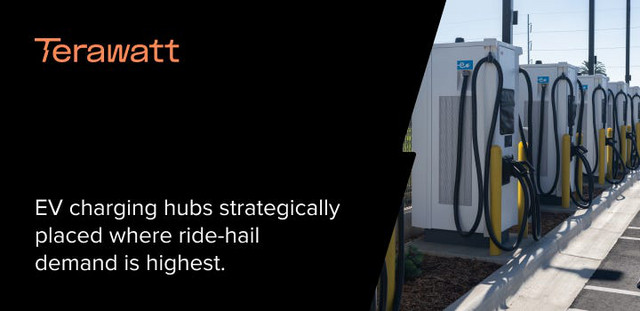
I honestly am a pretty big fan of the camera approach. I just think that like, I think Lidar clearly makes a lot of things easier. Like, there are advantages to both, which is a boring kind of cop-out answer. Like, I think that eventually, like, there are ways of using cameras. Cameras can get the cost really low for the vehicles. Like, I would really like to have, like, just the engine car be still driving. And I think that that's like, if I think that it's an obvious thing that people could do, better. So before we jump into today's episode, I want to share a quick word from our partners at Terawatt. We all know the future of ride-hale and autonomy is electric. New fleets are entering markets and need a base of operations, places to charge up and get back on the road. But they can't afford downtime, and that's where Terawatt infrastructure comes in. They take something complex and expensive, fleet-charging infrastructure, and delivers, letting fleets focus on their core business of serving rides. Terawatt is building high-powered charging hubs strategically placed right-ware ride-hale demand is its highest. So think about 30 plus fast chargers in a central business district. Now, that's a lot of power. Their sites are also designed to optimize AV fleet performance with 98% charger uptime infrastructure for data offload and thoughtful layouts that give vehicles in and out fast all for a monthly fee. You can check them out at terawattinfastructure.com and we'll also leave contact information for the company and the show notes. All right, on to the episode. Chris Paxton is a roboticist who's worked all across the industry. He worked at zoops on self-driving cars while doing his PhD from Johns Hopkins and then went on to work at NVIDIA, Metasphere, and at Hello Robot where he worked on in-home robots. He's currently leading AI innovation at agility robots developing intelligent and useful humanoid robots. He's also the author of the Substack newsletter It Can Think, where he explores the latest in robotics and artificial intelligence. Chris, how are you doing today? Great. How are you? I'm doing well. So what got you so interested in robotics back in the day? I want a good question. It's been, I think I've always found it interesting to think about how robots, or how we interact with the world, how do I, as a person, understand what's happening, come up with plans and turn those into actions and all of this. That kind of concretely thinking about how we think and interact with our environments. And I feel like one of the best ways of digging into that is to building them and that's robotics, right? And separately, I do, I just think that robotics is, in a lot of ways, is the future. There's a lot of potential for doing good. I think self-travel cars will make the world a better place. I think humanoid robots will do the same, right? So I think it's a, and they're with their, it's the shape of the future. So that's. So Chris, I stumbled upon your Substack, I think a couple of months ago. Now, when you wrote this post about the Waymo Zeaker, and according to Substack, it looks like it's one of your most popular posts. So tell me what inspired that post and what was sort of the general thesis of that. So one of the things that has always been interesting to me is getting robots out in the real world. But self-travel cars are going to be one of the first places where this happens, in my opinion. And so I think what the reason that I wrote that and went through this is because it's really curious about one of the big questions, this is big debate as to who's going to win, right? Whether it's going to be Tesla or Waymo or maybe one of the others, a way for a six, probably going to be one of those two, right? So far as getting the self-travel cars out of the road. And so like one of the questions has always been like, Tesla can, Tesla, we know can make their cars the cheapest, probably. Like they're, right? We think that their cars will probably be like, 25, K, 20, K, maybe, right? Like in the long run. Well, that's what they're talking about. That's what they're aiming for. They're already cheap and there are already a lot of them, right? Yeah. And there's probably going to be more. So like, so your Waymo, right? Like they have, they have the most cars deployed. They work really well. They've got, they've got, I think that they have, they have a lot of like, they've been doing this for a very long time. They've had a lot of experience and leaned on all this stuff. But they don't, they're not a hardware company. They don't have the manufacturing stuff that Tesla does. And as I said earlier, like I, it's all, I always have an admiration for the hardware side, trying to figure out how you can make this work. So like, this is this question, right? How, so like the car cars are Jaguars, right? They're not cheap. So, so like, I thought it was really interesting to see this vehicle that is coming out there, that they're, that they're wanting to see more and more of these cars. The other thing is, the cool thing is that they like, they co-designed it with, with Deely, the Chinese automaker. So like, they, they, they, it's built to their specs. They've been working on this for a really long time with them now. As, it's, it's fascinating to see. And it's also, it's really interesting to me that also that this is like, probably the first time that one of these like Chinese EVs is come out in the US in a real way, right? Like, when have you seen, I've never seen one on the street. I bet a lot of people, you know, I see a lot of people posting about the Zika and so for those who haven't seen it, it's kind of like a blue minivan kind of looks like the Zooks, but maybe a little bit more rounded, I would say. How do you describe it? Yeah, yeah, it's like a blue minivan. Yeah, I'm not a blue minivan. Blue minivan and, you know, people are seeing more of them now and, and you're right. I don't even know if a lot of people know that it's a Chinese EV though to start right there, right? Right. Yeah. So, you know, I see them here in Los Angeles. They're in San Francisco. They're not, I don't believe they are live yet, you know, in service for WAMO, but they're still testing them and, and they're kind of coming. But let's start with, you know, so you mentioned the Jaguar, I-Pace, the car, you know, WAMO says that the recent number, they said they have 1500 in the fleet currently, it was kind of the number they announced, I think, as you and I have noted, it's a 70 to $75,000 MSRP vehicle. So, I mean, just from like, I always like to remind people, like, the Jaguar I-Pace is an expensive car. Right. Like the average Uber car is a two to three-year-old used Prius, maybe worth about 30K. So, just sitting in the car, it's a much nicer vehicle. Can you talk a little bit about this Zika vehicle? So, it's a custom, I guess, is it a custom brand or, or what was the development, like, for that you mentioned? So, my understanding, how it was developed is that they were, they, they went, they worked with Giley, like, which is the, the owners of Zika is their EV, their EV imprint. So, they own this brand. So, it's like, so, like, I guess, the at first, a lot of this, right? Like that kind of thing. And so, so they, they went with them to like, make sure that all the internal wiring works, because like, okay, so that you've got to play sensors at different locations, you've got to do all of this work to make sure that like, you can, you put the cables into run connections to all the sensors, where you're going to mount the sensors. There's all this extra work, which is like, tens of thousands of dollars estimated, of course, I don't know. Like, to add to the price of like the current Jaguar, right? Because the plus the base, you add on the sensors, you also do all the wiring to connect things up and make sure that the road, that the road might be connected, drive them around. And so, so they can do it, they can get all of this out of the way. They can make sure that like, the car is like this nice spacious interior. It's built to a high standard. It's got like, it's all EV, good performance, designed for a manufacturer, so you can build lots of them for relatively cheap. I think that Gile is like 30K retail for the, for like, that's a nice, plus shot version. I guess, just to be clear, you know, Gile the Z-ker, they do. Z-ker's not zero. Yeah, the Z-ker does sell sort of a similar minivan in China that kind of looks like the Z-ker, basically, right? Is that, that's right. So my understanding of this is actually that that is, it is the same chassis, like they designed it for Waymo, and they are also selling it as like, they, they add the, they, they, they co-designed it with them, and then now they, they add them like chairs and all this other stuff, all the stuff that's like, because Waymo is going to, my understanding of what happens here is that Waymo takes them out to their facility in Arizona, and they like, they built, they put everything in, all the electronics and stuff like that. Like that doesn't come from China, that comes from, that comes from like their, their partner, and then put it in, in their factory, outside in Arizona. So like, so like, there is a, there's a frame that they get, which is the battery and the motors and all that, some other stuff, but like, and they build the car, and separately, Z-ker takes that and sells this minivan, basically, in China, which is also looks like pretty nice, a little vehicle, to be honest, but yeah, nice. Yeah, I mean, so I think I just interviewed Nero's chief operating officer, they talked a little bit about how they are planning on integrating more at the production level, you know, with Lucid. So it sounds like this would be, you know, that would be kind of like one step up in the vertical integration, right? Like, I guess, is it ideal to, you know, when Gilea is building these Z-kers in China, like, all right, that's when we get all the sensors in there, that's when we get all the hardware instead of sending them to America. I mean, that seems, yeah, that's right. Yeah, yeah, yeah, right, as opposed to doing that, like, they have this very complicated process to get the vehicles right now. Yeah, so even though it's sort of a custom, you know, I guess, AV, it's not integrated at the production line, right? Which sounds like a bad thing. Yeah, I would agree with that. It seems like it would be much better. Like, I mean, with Tesla, for example, it's going to be able to work with a whole thing, right? Like, so like, that's that's a pretty big advantage in my opinion that they have. But I guess if I'm looking at it with, you know, sort of an optimistic point of view for Wemile, right? The first vehicle was the, you know, the Jaguar I-Pace, okay, it was expensive, and then they brought them to their factory in Arizona, they had everything on, and then now, they're sort of working with an OEM to integrate it one step up, and then I guess the next piece would be, you know, going even further up in the vertical integration, right? So they, I think it kind of leans into what you said earlier. Wemile has been very, you know, I guess you could say slow, methodical, careful, right? In a lot of what they're doing versus Tesla and others, maybe are taking a more aggressive approach. Yeah, definitely. That seems, yeah. That seems very, any sort of thoughts are insight on, I mean, I think I joked with you in our notes that chat GPT told me there's a 247.5% tariff on Chinese made EVs. I don't know if you're expert on Chinese EVs in the tariffs, but, I mean, I know that's the big thing that people tell me whenever we talk about, you know, Chinese vehicles come in America, right? Right. So my understanding is right now, they have, they've already bought a bunch of them, so they don't have to worry about that for some, some portion of the vehicles, and they're trying to get some kind of like hardship exemption to keep these vehicles. Like, it doesn't seem like that could possibly last to me, but I'm definitely not an expert on this. Like the, the other thing is that
they have like the advantage of not being vertically and upgraded of course is that they can just they can do the neck. The next car can be from someone else, right? They've been in talks with Hyundai for years, right? So they could figure something else out. So definitely probably a fair bet that, you know, like you said, they already have 100 or 200 or 300 who knows, but definitely a lot of vehicles. I've seen dozens of them firsthand here in LA and in an SF, but you know, they bought those before. But I think the key like tenant of what we were post was I think you started your blog posts is, hey, you know, Waymo's got a great product. People love it, but they need to find a way to get more cars, right? So I guess this kind of the second piece of the equation, it seems pretty risky. And I would love to know sort of based on your experience. Because I'm sure you have to consider this, you know, maybe not with a V's, but you know, like sourcing parts or hardware, right? The things that you're running from China, like, is are there, you know, what are the things that folks in your industry right now are think about in regards to, like, can we, you know, like build vehicles or can we build robots with parts from China, if there's going to be a huge tariff slapped on in the future, right? It's a real issue. I feel like there are, there are more and more American options for these parts. People are trying to build up alternate supply chains, but yeah, right now, I think it's a problem, makes things harder. What's the main solution is it to work with an American supplier? Yeah, I'll, or I guess non non Chinese, I guess you would say too. Yeah, a lot of people are trying to are working with non Chinese suppliers, or you just like, honestly, they build a lot of good parts. Some companies are actually the cost sometimes crisis go up. Yeah, got it. With some like batteries and EVs, I think it's pretty difficult not to work with China. So got it. So if there's a tariff, you sort of, and they're kind of the, you know, three X best option, and you have to pay two and a half X more than you just have to eat that cost, right? Yeah, that's my like, and I'm not a trade expert on that kind of stuff. Yeah, I don't know if anyone is to be honest, that's why. Yeah, I think if I do a whole podcast on trade, that's when things are really insurious. But for now, okay, so you also talked about the sensors. So I think everyone has been talking about lately, how, okay, the cost of sensors has really come down over the past few years. I think you shared some good numbers around light hour and cameras and radars. Can you expand on that a bit? Yeah. So I think that Waymo in particular, has been building their own light hours in ask for a long time, like they've been trying to get them down to down to a very low price. I've seen different people give different estimates of how what that price is. But I think like the expectation was these things, these things that used to be many tens of thousands of dollars are now sub 1000 definitely, right? That they, that they can buy very good light hours from relatively cheap. That means that $1,000 or less or something. Yeah, or something. Right. And we don't know what theirs are, of course, because it is like their custom design that's all inside. I don't know you're right. But like, if you want to go buy light hours from like from China, for example, like you can be a thousand dollars for good light hour, right? So there's not you like, that's a good comparison. Yeah, right. And exactly. So I think like the price is getting lower to the point where cameras and radars, you mentioned are also quite cheap hundreds of dollars per sensor there. Yeah, exactly. So sensors have gotten a lot cheaper. The one big gap that I that I would have for this is like, we don't know how much compute is like, I would expect that it's not that it's a good amount, but not too much. But there's the yeah. Okay, so this is something that's right up your wheelhouse, right? On the compute side. So tell me, first of all, what does compute mean? These are Nvidia chips or so? Wayne was are definitely not Nvidia chips. They're using they have Google has their TPUs, right? So they're going to be using their own, their own, their own, their own silicon. But like, I think in the post, by the way, is it, are we talking small or big or physically? Like, well, what? What I'm saying, like a lot of the times, like, they're just these and like physically like that big like, like, it's like a gaming GPU, right? Like, yeah, yeah, that's right. They small, yeah, right? Okay, so they're relatively small. Well, it's just funny, right? Because you know, I think a lot of people are familiar with computer chips, right? Like I remember back in the day, used to, you know, swap ram or you know, I mean, those are tiny and these, these are a little bit bigger. We're not talking, you know, multiple feet here. No, these are small. This is like, yeah, like Nvidia has their chips. Like, that's not a lot of people are going to be using. But Tesla and Waymo both have their own okay, I'm going to have their own chips. Yeah, like, I don't know how much I don't, again, this is one of these things where you just have to estimate how much how much both how much both your needs and how much is going to cost them to actually put into the car to run this and like, I think that that is my guess is that that's somewhere between like five to $15,000 worth of compute would be like a lot of compute. That's waymo is probably waymo probably has so like a good like a call like a good gaming desktop. Like if you buy a new one, right? For example, that would be like that, that's like one GP. That's like, that's like $5,000, right? Three to five. So that's like, yeah. And what exactly are these chips doing, you know, I get into the, let's say I call my Waymo, I get into it and, you know, get in the car. What's it doing while I'm in the car? So it's got to do all the thinking, right? It's got to, it takes in all those sensors and it puts them into different models that runs object detectors and it predicts where things go and it just simulates in it predicts trajectories for all the different agents. So when you see these videos, where actually I think there's even a display in the car, right? That shows like what it can see. So like, everything that that's showing you is it, it goes through the whatever that their computers that they build in the car and like they're going to do things like like detect like this is object. There's an object over here. There's an object over there. And like, I think that this one is probably based on what I can see of it. This is probably a full person. They're probably walking in this direction. And then like, and then that goes into other things like other software, which is going to do like predict like, okay, now, now, given all this information, what do I do? Like, do I, I should stop at light? I think this person's going to step out in front of me. So I'm going to slam on the brakes, all of that. And like, how much thinking, how much? Yeah. So this is a, it's a question of like, how complicated are the algorithms and models that they are that they need to run to get to their level of autonomy? I mean, my expectation is pretty complicated. Right? Like, I think it's a pretty difficult problem. Like, there's so much going on that the, that the model that they're about to have to understand. What about all the data that these cars are gathering or that, you know, when they map the cities ahead of time, how is that, you know, sort of, I guess, integrated into the WeMo driver? Is that kind of in real time? Or is there some sort of like master, you know, WeMo driver that they reference? So the, the WeMo driver is there, it's like their term for their planning stack, like, they're planning their planning software. So it's running on the car. Like, they are, like, they are going to be that's going to do things like simulating the, like, not simulating, but predicting where the robot goes, where the car goes, right? But where the, where all these agents are, all of that's happening. Yeah. So it has to fuse all of this online and make those decisions. Yeah. Yeah. So I'm going to put this in, you know, kind of like dumb layman terms for me. It's, I mean, it's kind of like a computer, right? You have this operating system that you get your Mac with. And then, you know, you're getting inputs, I guess that's the kind of unique part, right? All the sensors are getting real time inputs. And then the GPUs kind of have to crunch the thought you use the software to crunch all of these inputs and make sure you don't hit anyone, right? Exactly. Yeah. It seemed to be doing a pretty good job so far. So they do. All right. So yeah, the compute is interesting. And then the last cost, I think major costs that you noted in your blog post was integration costs. And I don't know if there's a ton of detail here. But I think it's sort of like what you mentioned, I mean, basically making sure that these sensors, I guess you, you explain the integration costs actually. Yeah, it's like the, it's the part that they're doing at their factory. The factory part. Yeah, where they take the car and they add and all this stuff. Like they've got that that takes some amount of time and money. And like, yeah, it essentially, it's like a full extra part of the manufacturing process because they're not getting fully built cars, right? Like they're getting, or they're getting fully the cars, they're not getting that getting autonomous cars, right? So if I'm summarizing from your blog post, and I know you have a couple caveats here. So if anyone wants to really get the details, we'll, we'll leave a link to your blog post so they can see the caveats. And I know you're a little conservative in some of the places, but we've got $40,000 for the Zika mix, right? The vehicle is based on 10,000 for the sensors might be a bit lower or 14,000 for the compute. I think it also might be a little bit lower as you noted. And then an extra $10,000 for the integration costs kind of actually putting everything together, $75,000 for the vehicle. And I think that estimate, it sounds like it's kind of on the conservative side, it could be even lower. Does that sound about right? That's right. Yeah, I think I think what people follow it up with me, like, the left comments or messages or so on. Yeah, we're going to feedback. I mean, I think a lot, I think a lot of it was good. A lot of people, a lot of people were in people who liked it. I think if anything, all the caveats were along those lines, like, I don't think Nvidia needs as much compete. I don't think this car needs that much compute. I don't think like they're definitely not paying Nvidia's margins. So you can be down like they're like, because I base that compute estimate based off of a very nice workstation that we used at that met us. This is like, it's probably a little bit more than you need. Well, that's a good sort of comparison, right? If you know the actual cost of something in Waymo is developing this internally and doesn't have a margin, you know, I mean, I think it's a fair assumption, right? This is a pretty well run company, right? They should be cheaper than that public price point, right? Yeah. So my guess is like, like, I think you could go down to like 50 to 60 K and up to 75 at the high end, where is this? I like, I'm pretty convinced that my number is at the high end. I mean, I think of this number, you know, was do you think this number was surprising to a lot of people? Because I know that, you know, I thought it was a bit surprising. I mean, it all makes sense and checks out. But I think like you noted, right? A lot of people, you know, waymo has said themselves in the past, you know, year to go, okay, cost of 150, 175,000 dollars all in for their Jaguar, I pace, obviously, that's with us $75,000 car, like we talked about, but it's sort of kind of a big jump in a few years to go from 150, 175, all the way down to 50 to 75, right? Yeah, I mean, they've been working for a long time. I think that the the the many
the Pacific as before that just because of all the compute and the sensors and integration costs and all the Senate up being like more expensive than the Jaguars like so they oh really yeah I think so well not the cars yeah for sure that makes it all the other stuff right like and so like you end up with yeah I think I think it's just like it's a steady downward slope to get it to so like the question is like will they be able to get this cheaper before Tesla manages to ramp their takeoff and like that's the question right well let's talk about what are those areas where you think have the most room to you know sort of reduce the cost in that Zika stack that we talked about all right I mean I think that like basically everything like I think that the the the sensors they're pro actually whatever the senses are I like my estimate maybe high but whatever the senses are I think they're probably gonna have trouble getting up below that is my guess unless they really start like actually stripping them out replace them the cameras but like I just assumed that they've spent 10 15 years now working on these slide ours trying to make them as good as they can dot it but sorry but then the other thing is that so once we so compute they can always like try to distill whatever models are using simplify the approach get that down get that smaller there's and that there's the big thing which is the integration obviously like they've got this complicated supply chain where they build it another country and ship it and then have a second factory put everything in and like I have to imagine if they had a closer partnership like like neuro or like Tesla then never maybe that close but like like if they have a really close manufacturing partner maybe they can maybe they can get this whole thing you know cheaper because it doesn't need to be built for two purposes right like yeah the integration seems like a big opportunity because we're seeing companies you know again right it's like we don't know how these work but I'm seeing Uber invest $300 million into Lucid's basically production you know so someone's seeing potential right so I think that if I'm way more of course you know they might like a partner to shoulder some of that financial load right like work with an OEM here in the US or in Asia right to kind of ref retrofit and kind of do it at that production line and I think that's also where sometimes it gets above my pay grade because I feel like they start you know kind of you know I can depreciating some of these costs or they don't count them in some of the you know like how when they invest a lot right the how that transfers to the P&L is sometimes a bit confusing so I'm not even going to try to explain it but I know it's above my pay grade but it does seem like that integration is a big opportunity yeah definitely that's it seems like I agree with that yeah okay so we've got integration and how do you think this new Zika stacks up you know in a fight versus the Jaguar at I pace it seems like it will be bigger and roomier like like they like you can fit four people in it right I think this is actually a big thing right because like if you want to like have go with friends or take a family instead of just like the two two seats or whatever that you get in the Jaguar but I mean I don't know the Jaguar is really nice car seats in the Jaguar you get three in the back and one in the front and you obviously can't sit in the driver but it is you know I was just joking I just wrote in my newsletter last week I was trying to do a call out who likes to sit in the front of the Waymo because it's way more comfy in the front than in the back right obviously traditionally vehicles have been designed for people that sit in the front it's actually safer to sit in the front seat than it is in the back right so yeah it does look bigger roomier are there any technical advantages that Waymo you know might think about you know do they want to switch to just the Zika do they want to keep you know the I pace and the Zika what do you think about from like a fleet perspective might be some advantages or disadvantages what should they be thinking about I would I think that from a perspective it makes the most sense to me to just have one car like so I would imagine that they start like if they have enough if they can manage to get enough of them I would imagine they slowly start switching over to the to the Zika just because just because then you supply chains all the same and like you don't need different maintenance experts for different things you don't need whatever expensive parts the Jaguar requires I don't know how much of a pain the Jaguars are in a maintain well I think if you've ever owned a Jaguar I think the number one complaint is repairs and issues with supply chains so so if okay so from a fleet perspective one vehicle obviously they've got 1500 I pace right now they might have a few hundred more Zikers maybe more in the future make sense to you think it makes sense to just have one car I guess what about the and then I guess with that Zika obviously they probably want to get it more vertically integrated right I would think so from a production perspective I mean unless I would I would guess and this is just rampant speculation that I don't nothing about that's a way right I would guess that they would like just unless there's unless trade uncertainty gets a lot better I would have to imagine they start working more with Hyundai or someone who can do it all this well yes that's my question right like with the Chinese EVs I mean it feels like that's a big risk with the trade uncertainty is that stuff that you have to consider in your job or is that sort of you know folks more on the business side or who's kind of a small business that's not something good but I mean it does I mean it does it's all kind of related right the hardware of the software and you know the supply chain right if you're designing something and it's the best design ever but you can't get the parts right obviously that has an impact so does that ever come into play in your work or is it sort of no that doesn't really come really play for this or at the end okay I've never had any problems got it so one one thing I was wondering about just more broadly I mean you worked early at zoos and you've obviously been in this space for a while what's the expensive part of an AV these days and how has that kind of changed over the years that's a con question I like I feel like from my point of you like the light are used to be a much more expensive part like that's like I think the sensors the biggest win has been on this hands your side right like whereas I don't think there have been wins on the on like the compute side but not as big right and now at least they're like like I think it was pretty common back then to have like an actual like Nvidia gaming GPUs or some like or like Nvidia machine learning GPUs and stuff in the car which is definitely less true now like companies like Tesla and Waymo can have like their own chips Nvidia builds its own automotive chips as opposed to like just using other cards right so like there are things are so on I think on every side basically things have gotten cheaper yeah yeah so you've mentioned Tesla a few times now it sounds like you might have some some thoughts on the company or the approach I mean I think they're actually a good example of you know I think Elon you still we say light are is too expensive we got to use cameras what's his famous line if I can see with my eyes you know the camera or the car should be able to see with cameras right what do you think about their kind of camera only approach and you know you know kind of what they're doing I mean I honestly am a pretty big fan of the camera camera approach I just think that like I think light are clearly makes a lot of things easier like there are there are advantages to both which is a boring kind of cop out answer like I think that the I I think that eventually eventually like there are ways of using cameras cameras can get the cost really low for the vehicles like I would really like to have like just the every car be still driving and I think that's like if if I think that it's an obvious thing that people could do better got it but like like radar and stuff on the cars though they could Tesla doesn't even afraid are anymore right I think it's kind of a waste that's kind of a shame I hope you know that's like yeah so it's great compared to the other side right right like yeah so I mean what do you what do you think about this notion that you know okay lighters have gotten so cheap now maybe 10 years ago camera only made sense if you were kind of going from that bottoms-up approach why not throw one definitely sounds like throw a radar onto a Tesla and you know throw a a light R2 right why not do that so I guess the difference is that so it depends on whether you think the cars will be owned by people or be fleet so like my guess from the from like the from like the reports that we like that I looked at in that blog post is that like Waymo probably will make a pretty good margin on running a taxi fleet right like yeah if you are if you are thinking still of selling the consumers though the margins on those are really really low so like I think that light hour might make a lot more sense again for for Waymo that it does for Tesla yeah right although Tesla is also trying to launch a robot taxi fleet yeah right and so you know so maybe maybe they maybe the mouth will change yeah but yeah but the point is like a car that's running 24 hours can yeah like it can be a lot more expensive like when that when I was like a few years ago a lot of the price estimates for these were like 300 thousand dollars like that when I think this is many years ago when this field was like really like trending up in 2018 or so yeah and like how much if you how much this often car would cost without the light hours and computer and so on so got a good technical question for you you know when Waymo's have a lot of hardware right is there any downside to having too much hardware right like what's there for you know kind of safety what's there you know maybe you start getting inputs from light hours from radar like is there any potential for conflict like what's the sort of sweet spot there on the sensor side and you know are there any kind of negatives to having too many sensors I mean I think that yeah it's a good question I think that the biggest issue that you would get is it comes down to like if this is like reliability of the whole system right if it really relies on having the LiDAR and the sensor operational what if it's like what you're going through going driving out of bridge and like a rock falls and takes out LiDAR and like like the nice thing about having like lots of the cameras well hopefully well but it's got but like that if that creates a blind spot yeah now how does it safely pull over so like if this happens once a year sorry if this happens like once once every like losing cars let's say it happens once a million you know once one in a million you know I tell people a lot Uber does 30 million rides a day so you'd have 30 cars that are going to have you know pretty major issues right if that 30 rocks fall onto a car and that's a one in a million occurrence yeah and even even if even if 29 of those pullover successfully you still got one that one person that hit someone because there was a blind spot right or they or maybe it stops maybe it just like has to stop and there's blingers on someone hits it from behind like like this is so a sensor redundancy is important and it's harder to have that I think if you have like a bunch of different very specialized sensors whereas like if I cover the car and like really cheap cameras maybe it's not such a big deal so it is so no yeah is a sense of redundancy do you think it's more important because
of scale, like once Waymo starts doing millions of rides or is it more important because we can't screw up now, does that make sense? Yeah, I mean, I think it's always important. I do feel like, like Waymo has built a really good job with a very slow and careful rollout that has been really safe, right? Like there's been really no notable incidents, right? And I think that it would be a real shame if something went wrong. And there's still things that they seem reluctant to do like driving, like I think they still haven't started driving. Yeah, no airports. I think it's worth a regulatory, no highways is the big, I guess you would say complaint from people although they are testing and they've taken a journalist for a ride on a freeway, so they must feel pretty decent about it. Yeah, not like companies have been working on on highway driving for years, for like almost 10 years now. And it's one of the things where they've made really steady progress. Everyone's made really steady progress and they's taxi stuff but less on highways. Why is that? I actually am not totally sure. Like one option is just because of stopping distances and because the lighters can't get resolution far enough out to really do stuff reliably. I'm not sure if that's true anymore. Like it used to be true for sure, right? But yeah, so like there's a, but it seems like maybe it comes up rarely, but you're driving really fast and that's important. And of course the Tesla can do highways. Yeah, now they can't do anything as reliably as my mo, but like so again, it's these questions. These will figure it out first. I don't know. It's fun to speculate. Yeah, what are your thoughts on sort of the Waymo versus a Tesla approach? If I could say I really wanted to put you on the spot, if you had to pick a company to work for, which one would you work for? Probably, probably Waymo I think is still the one. I think the thing is that I think Waymo is still like for all that we talk about all the cameras and like whether Tesla's like end to end stuff is better. I think there's something that more in the machine learning space we talk about whether or not you should do like end and versus tailwaymo is more modular, traditional robotics kind of software. And like, but like the differences aren't as big as they appear. I think that a lot of the other times Waymo's been doing a lot of I think Waymo could do this could could probably drive with just cameras at some point. And like maybe they will maybe they will start really changing their their their their systems. And but I like their approach. I think that they've been they've been just and they're so far ahead in my opinion. Like I really I really am impressed. Like I've drove of course ridden in Waymo's too. I love the vehicles. It's so cool. So yeah. Well, you brought up a couple interesting points. I think that Waymo they could do cameras only. They probably could do freeways. But I think like you said, they're taking it slow and you know, very methodical, very careful, you know, and they are the leader. And honestly, they really don't have any competition. It's a little funny right now with I see a lot of people posting about Tesla's expanded, you know, size of their robotaxi area. I say, there's still a driver in the car. I don't know if you can really expand a robotaxi. I mean, I guess you can, but you know, yeah, yeah, a bit more marketing than substance in my opinion. But yeah, so it sounds like you're bullish on Waymo. I am. I mean, I would do want to say like I think that I think that like Tesla's full FSD is really impressive. Like really. Very well. It's really great. And there and like that Tesla is like, this is the right thing to do for where they are is putting the person in the car and having the for the for the robotaxi service. I think that it's like they're doing everything right at this point. It's just like they're further behind. So yeah, we'll see what happens, right? Although, you know, what I have heard and I haven't verified this yet, but I have heard from a couple of folks that are considering engineering jobs from Waymo. They actually don't pay as well. Tesla supposedly pays a lot more than Waymo. And I think Waymo, a lot of folks that they're hiring, you know, they're kind of selling them more on the upside. Hey, we're giving you, you know, shares in this private company that's going to be worth a lot, you know, some day versus Tesla. And it sounds like especially others, you know, I think that we've seen the big stories about meta-eating offering billions and hundreds of millions of companies. Some of these companies are definitely paying a lot for sure, right? Definitely. Yes. Oh, I mean, it makes sense. I think that like Tesla, Tesla, Waymo was in a really good position, right? Like I think they they they're margins and stuff look probably really good. They're probably going to make a good amount of money when they go public, right? Like I think that when it comes to Tesla, like I mean, I think Tesla is a really good plate. Seems like a really good place to like work really hard for a while and distinguish yourself. And like all those people are really intense. It's a very different kind of environment than a lot of other contact companies, right? Like got it, which I think is, yeah, I don't know. Very cool. And before before we let you go, any other insights on other companies or different approaches that we haven't talked about yet. And we talked a lot of Waymo, Tesla, you know, there's others. Obviously, there's Wave and Neuro. I think I mentioned to you offline that, you know, I had a recent exec from Apollo Ghost, sort of the Waymo of China. And they said the all-in cost of their RT6, the latest generation of the vehicles is 30,000. And I kind of, I mean, I thought to myself, man, I don't know if I believe that. And now, you know, kind of after talking to you, you know, that actually seems like it might be because they do have that vertical integration. They are, you know, Chinese artists, they are very good at manufacturing and, you know, the sensors. And you know, they sort of have a very, you know, yeah, so I mean, I think it's actually plausible. Any thoughts there? I mean, I believe it. I think that they're really good at this kind of stuff. Like the one that I've been, and by on is they on the Chinese robot side, there's the new Unitry robot, which is like $6,000 for my robot that they're going to be selling soon. It's just incredibly cool. I'm really impressive engineering. Their team is really good. They're really genuinely very good. The wave is one that I have my eye on on this self-driving car front. Like they've been doing their pilots. They have a, they have what I consider to be a much more like modern AI stack than like AI approach more like Towsafo self-driving than what Waymo historically has done. So that if there's one to watch, they're the one that I, I mean, I think they're obviously well behind everybody else, but they're one that always have my eye on. Like, yeah, we're happy. Yeah. So, you know, so we had their CEO on the podcast. And I think that he talked, Alex talked a lot about this end-to-end approach. You know, Matt, who's in a very similar to Tesla. And I keep hearing, I basically make every guest explain this to me, but it sounds like Wayven Tesla and this AV 2.0 kind of approach, whereas Waymo sort of took a AV 1.0 approach. What is the difference there? So, so I do think that there, the difference here is whether or not they are Waymo to my knowledge builds a bunch of different components. So like we talked about the sub problems earlier, right? When we're talking about what the computer's doing. So like it's predicting where the objects are, it's predicting like these are the trajectories that things are going to follow, right? So that's, when I'm talking about end-to-end, so like versus modular, the modules are the things doing those components, like trajectory prediction, right? So this predicts like the person's going across the street. And then someone else in a different unit of the company says like, okay, so someone's going to give me trajectory predictions. And then I'm going to do this. And now the difference is that with companies like Wayven Tesla, instead there's no, there are no two different teams, there's no two different things. Like maybe there is a single model that might, you might even output all these things. I think Tesla actually does output all this stuff for like visualization. But like it's just, it's just there. It's not like it's one thing doing the whole operation. And that's the difference between them. It's a question between whether or not things will be like, it's how integrated the different components are. And it's also like whether or how data driven everything is like versus like saying a person knows this is the right way to divide this and the right way for information to flow between them. And what we usually see is that if you have enough data and enough time and enough money to make it all work, it's better just to not have a person make those decisions and just get the data and do the best thing. And so that's yeah. So it's why I think in the long run, Waymo has been taking steps in this direction. Like they've done some tests without light hours. They've done some tests with they've done more and more tests on like scaling prediction data. And it seems like I fully expect that in 10 years, all these things will look a lot more similar. But right, and Waymo has the expertise and ability to do it. Like if they need to when they want to, they are conservative, like we said. So that's the difference. Yeah. So it sounds like the sort of 1.0 model that Waymo started working on 10, 15 years ago was a lot more modular input, basically, you know, different kind of pieces of the puzzle fitting together. And now it's kind of like one big puzzle. That's the way, yeah. So that's the way, like the way that you build now, like the way the way the way of Tesla are building their newer things are like it's one piece one module. Right. Like what was the kind of impetus or inflection point? Why did that 2.0 model kind of take over and as now seems like everyone says that's the way to go? I think the reason is because it started to work. Like the story of Tesla is that the story is that an engineer tried it and like they were really impressed by the results. And that's when like dot opi that 12 came out that are in right. So it wasn't it was like kind of a bottom driven, which is another that's another mark in Tesla's favor. By the way, if you're working there is something like I think that you've much more ability to distinguish yourself as my question. Come up with a good idea no matter where you are. That's the story at least. Like I don't know how true it is. So did the compute and hardware, you know, sort of the cost down in the compute, getting better, have any impact on you know, I mean, it sounds like there's more complex right to have one big thing that can handle everything all at once, right? Yeah, so train modeling techniques have gotten better like training has gotten better compute for the training side and for the cars has gotten better. The other big thing is that now like the big thing factor before a lot of it was data that Tesla has millions of miles of data like and so does Waymo and everybody. So like wave has managed to scale an impressive data operation without a lot of this. So without like having millions of cars on the road. So like that's that's something that I've always been impressed by from that team. But like the but it just comes down to like a reunion and need more time to cook our guests like now this stuff is there now. Now things are ready. Makes sense. Awesome. Well, I think that's a great point to end on Chris. Really appreciate you coming on for those who are not already subscribed to your sub stack. We'll leave a link. It can think and then you've got a blog post. The first mass produced robotaxe is here. That's all about Waymo's news.
You've got a couple other great AV posts and all things robotics. So really appreciate you coming on, Chris. - Thanks. - Yeah, thanks for having me a lot of fun. (upbeat music)
Podcast Summary
Key Points:
The speaker expresses a preference for camera-based approaches in autonomous vehicles, citing lower costs compared to LIDAR, though acknowledging advantages of both.
Waymo’s new Zeekr vehicle is a custom-designed EV co-developed with Chinese automaker Geely, offering a cheaper alternative to the Jaguar I-Pace, but still faces tariff and supply chain risks.
Sensor costs have dropped significantly, with LIDAR now under $1,000, while compute hardware (e.g., TPUs) remains a major cost, estimated at $5,000–$15,000 per vehicle.
The podcast introduces Chris Paxton, a roboticist, who discusses the debate between Tesla and Waymo in self-driving cars, emphasizing hardware integration and manufacturing advantages.
Waymo’s approach is methodical, focusing on gradual vertical integration, but current Zeekr vehicles require post-production sensor installation in Arizona, adding complexity.
Summary:
The transcription discusses the autonomous vehicle industry, focusing on Waymo’s new Zeekr vehicle and the broader debate between camera- and LIDAR-based approaches. The speaker favors cameras for cost reduction but notes LIDAR’s advantages. 5% on Chinese EVs) and lacks full production-line integration—sensors are added in Arizona.
Sensor costs have fallen (LIDAR under $1,000), but compute hardware (Google TPUs) remains expensive, estimated at $5,000–$15,000. Paxton compares Waymo’s methodical approach to Tesla’s aggressive vertical integration, noting Waymo’s advantage in product quality but need for more vehicles. The conversation also covers how compute processes sensor data for real-time object detection and trajectory prediction, and the challenges of sourcing parts from China amid tariffs.
Overall, the discussion highlights the trade-offs between cost, integration, and scalability in the race to deploy self-driving cars at scale.
FAQs
Waymo uses a methodical approach with custom sensors and Lidar, while Tesla aims for lower costs with cameras and vertical integration. Waymo currently has more deployed cars, but Tesla has manufacturing advantages.
The Zeeker is a custom minivan co-designed with Chinese automaker Geely, used for Waymo's self-driving fleet. It has a spacious interior and is built to Waymo's specs, though sensors are added in Arizona.
Lidar sensors have dropped from tens of thousands to under $1,000, and cameras and radars are now hundreds of dollars each. This makes sensor suites much more affordable.
Compute processes sensor data to detect objects, predict their movements, and plan driving actions like braking. Waymo uses custom Google TPUs, estimated to cost $5,000–$15,000.
Waymo bought Zeeker vehicles before tariffs increased and may seek hardship exemptions. They also have flexibility to switch to other OEMs like Hyundai if needed.
Waymo's process involves adding sensors and electronics in Arizona, which allows flexibility to change vehicle suppliers. However, it is less efficient than full production-line integration.
Chat with AI
Loading...
Pro features
Go deeper with this episode
Unlock creator-grade tools that turn any transcript into show notes and subtitle files.
 PodcastTranscript AI