Go back

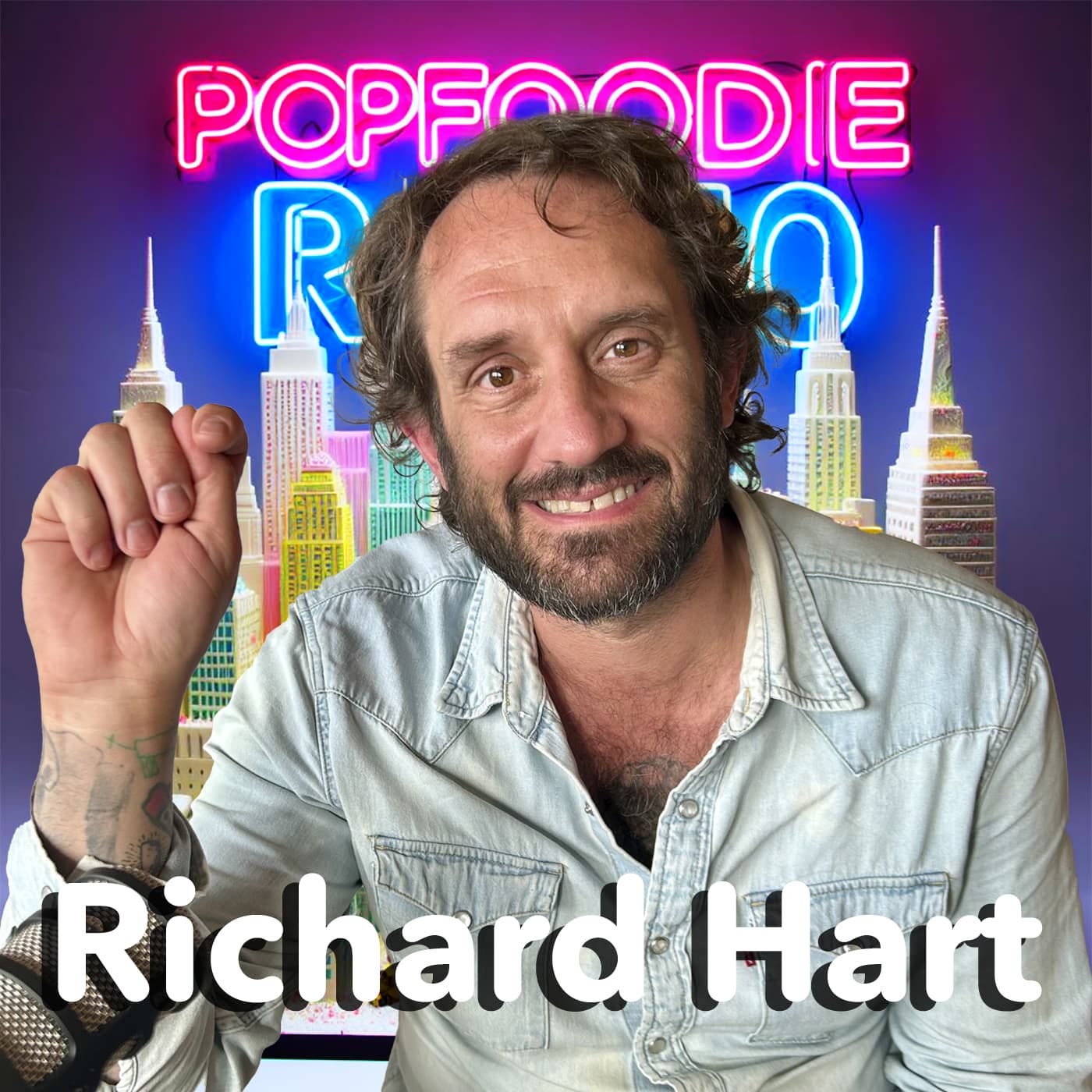
Bread, secrets and rhinos with Richard Hart

58m 20s

Bread, secrets and rhinos with Richard Hart

Richard Hart, the founder of Hart Bakery in Copenhagen, transitioned from fine dining to the world of sourdough bread and pastries. Previously associated with Tartine bakery in San Francisco, he brought his expertise to Denmark, where Hart Bakery now has eight locations. Known for their focus on creating the perfect loaf through unique combinations of fillings and bread types, Hart Bakery has made a mark in the baking world. Richard emphasizes the importance of using specific types of wheat for his signature sourdough bread, which requires a high protein content and a high falling number in the grain to hold up to long fermentations. His dedication to the craft and attention to detail have contributed to the success and reputation of Hart Bakery, making it a must-visit spot for bread and pastry enthusiasts in Copenhagen.

Transcription

11123 Words, 55474 Characters

You know the bakery in Copenhagen where Marcus in the hit drama series The Bear learns the true art of pastry. You might have noticed the iconic logo type in the window. Is it a ghost or an octopus? Never mind. But that bakery certainly exists and the man behind this beloved bread and pastry haven is Richard Hart. The man who introduced America to sourdough at iconic bakery Tortine in San Francisco and the founder of Hart Bakery. I met him at Hart's new location in reference in Copenhagen and we spoke about going from fine dining to sourdough, the mystery of wheat, and what it takes to bake the perfect loaf. My name is Sophie Sattagrian Bonnevere and this is Pop Foodie Radio. Okay so we are at Hart Bakery's new location at Reffen. You say Reffen? Yes, Reffen. That's as good as I can do. I think it's Reffen Schalouden. But you would probably be better at saying that. I'm not going to even try it. So Reffen is the best for us. So Richard you're the founder of Hart Bakery of course which is one of the world's best bakeries. And you have how many locations do you have now? We have eight locations. Eight locations. In Denmark. In Copenhagen only. In Copenhagen only. And you're famous for your sort of codum on croissants and your sourdoughs and it would work. Right bread. Right bread, yeah. Yeah pastries and we started to move into sandwiches. I find sandwiches fascinating because through years and years you don't just make a sandwich. You figure out what filling you want to make and then you design the bread around the filling. Which I think is quite an interesting way of looking at it. Most people just make a sandwich but we're like what is the filling and then what's the perfect bread that goes with that filling. Yeah and what according to you what is the perfect bread? It depends on what the filling is. If you've got a smoked salmon you might want a bagel or a dark or a ripe bread or something like that. Or if you've got a ham and cheese you would have a baget or like a toasted white bread sandwich. Yeah but also because you are the founder of Hart Bakery but also you were the baker for Norma. But I wasn't the baker for Norma actually. No like so I met Renee travelling around the world with Tarteen. We met Copenhagen and we met in Australia because we went to do the Melbourne Food Festival Tarteen and Norma was doing a pop-up in Sydney at the time. And after our meal Renee sat down, moved us and was like do you know any bakers that would want to live in Copenhagen at the time? I was like oh man I don't want to live in Copenhagen. I was really happy in California. I loved working at Tarteen. And you had been there for like what seven years then? The total I was there for seven years. So like this was probably at the five year mark. And Tarteen of course is the renown. Yeah well fame went crazy there. But like it started moving in the direction that I didn't want to do in the end and then I messaged Renee and said we were looking for that baker and he was like wow I'm so happy to get your email what do you want? And I said I want a bakery in London and a bakery in Paris. And he said we'll come to Copenhagen, open one here then you can go wherever you want. So I came here and moved to Copenhagen. And where are your Paris and London bakeries? I mean maybe they're still coming. Yeah they're coming. We've got plenty of time. I don't plan on retiring. Who knows where we got here. But working at Tarteen, I mean you're sort of known for teaching Americans about sourdough, how to bake with sourdough. How did that happen? How did you get to Tarteen? I was a chef for 12 years. I moved to California in my late 20s and I carried on cooking for a year and a half. And then I just happened across this bakery. I felt I had time this was not Tarteen. It was in the town where I lived and they used to bake bread for the French laundry which is a famous restaurant in California. So I was like wow I have to check out this bakery they used to make bread for the French laundry. It must be this like amazing like I had no idea I'd never been to a bakery I'd worked in fine dining restaurants before that. But I didn't really know what to expect except for I had in my imagination it was going to be perfect in every way like the French laundry. And it was the polar opposite like it was like a barn on a farm with two wood fired ovens and chickens out the window and the California sunshine and tomatoes growing. Like it was the most amazing thing but like it was two wood fired ovens in this old wooden barn and it felt like you could have been baking thousand years ago. Like it was wood you know like it was fired by wood it was like loaded by hand with these huge long peels. I just fell in love with it instantly like I couldn't believe how excited I was to see this like old world method. And was bread a thing for you already then or did that love happen right there. I've been trying to think about it because like I was so into food so into cooking and that doesn't come from my childhood. I mean we at ship food growing up actually like not. Where did you grow up? I grew up out just that side of London in East London and my parents were both working full time and there wasn't like this big food culture. We just I think my mom just threw together a dinner every night you know and sometimes it was most vegetables were boiled for 20 minutes and like it was pretty grim you know. So like I fell into food as I got older and absolutely loved the banter of a kitchen and being in kitchen the connection the chefs all had. But looking back on bread I always remember being a young kid and going to supermarket crappy sayens breeze or whatever it was. And picking up a warm loaf of bread and being like wow and like there's this feeling behind warm bread that like every all of us have I think. What is it about it though? I don't know it's just like yeah come for dinner it's amazing and it feels like a present it's super exciting to have this smelling warm loaf of bread. I mean I have that memory of it but like the bread back then I was probably it was terrible but like it was what the warm bread is what makes it good you know I don't know. So I was working I'm started working in that place in that barn and like it was a complete sidestepping to a new career in a way because I'd worked in very fine dining fancy restaurants and then all of a sudden I'm like. With a bunch of like pirate spakers who covered in tattoos and like listen into rock and roll musical day and then you know it's very different from being in a fine dining kitchen remember the first day I was like but where's the yeast and they're like this is the yeast and it was sour. And I didn't even know what fucking sour though was you know like I was this was my early 30s so this was 16 years ago yeah like I must have been 30 when I walked in there so like. I had no clue I didn't know anything about bread and it was quite amazing well to step into and I became obsessed very fast so the owner she was 65 and she started the company when she was 50. And like she was very obsessive and she saw something in me and we would sit down and talk she would give me all her bread books and I was just like. Soaking it all in you know and I would go to every bakery I could on my day off and travel around and taste bread and this was before even really knew what's our team was it kind of before they was at their famous stage yeah and so one day I went to our team to buy a loaf of bread and I took it back to Kathleen the owner and she was like wow doesn't this make you green with envy and like. I was amazed by this loaf of bread like it it tasted it's so much different from anything I'd ever tasted it. What was it about it what was it that is a different. The texture the texture was different the crust the crumb the structure and maybe I've blown it up into my head to be something more than it is. Maybe if I was to go back into into that day and look at it I might not be as impressed as I am today but like this memory of it was like wow this is like. This stage I've been baking for maybe a year and a half so I felt like I knew a bit like I'd been baking solidly at this place. Yeah this place like we baked all day and all night like we started really early it was a long googling day and. We made 1200 loaves a day it was a ton of bread so I felt like I knew something but I had no idea what they were doing to make this bread and. I mean now I very much understand like they had they were they had a very small production they could focus solely on the bread they didn't you know like when you make 1200 loads of bread you're kind of governed by like. How long it takes you know you're governed by a routine you have to do it at that time I'm where you're not going to make it through the day. And it's hard teen when I got there we made 150 loads of bread a day and it was almost boring like it was almost not enough to do you know like we didn't make enough bread and yeah very like to go from 1200 to 150 it was. Crazy but like they baked by complete what the bread needed by feel not by routine not by not by mixing by numbers not by like doing everything the same it was like. What does the bread need today sounds a bit hippy but like it was everything needed something else and like the weather would be slightly different so you would adjust slightly or you would you do little tweak so it was literally the bread at our team was driven by what the dough needed. And like we it was constantly assessed day after day and I mean all of all bakeries do this but like it was. It was very we were very very obsessed and like try searching for a perfect loaf there have you made the perfect loaf I mean it's quite funny because I. Yeah I think I've made a perfect loaf but very rarely how often two times a year three times a year and what about all the other low so they just OK good they good good yeah. Sometimes they're not good but generally they're good sometimes they're not good and then I don't know whether the planets are aligned or what it is but there's a day when you hear everything completely correctly and like the texture the taste the fermentation the every part of it is exactly perfect and you can tell the bread looks amazing huge like. It's almost like when it was a rollo so when it's fully baked it's turned like I don't know five times bigger than what it was and like it makes the texture unbelievable and like the is the weather important for because I was when I was experimenting with sour dough we had like thunderstorm coming in and the dough was just perfect everything in that process with that bread was the most perfect bread I've ever baked. I mean it was perfect for that moment for with where you were the flower you were using like the perfect is that moment in that time like your sour those exactly right the weather is totally important the temperature the humidity that as a baker like I think your first thing to do is to read your room. Are you cold or warm how do you feel is the room cold you know if the rooms cold your sour those cold your dough could be cold like it sour those living thing needs to be warm is that what is fascinating about it as well for you was that the sort of the thing you fell in love with that is actually something living and that you can sort of experiment where there was also my mom turning from a chef to a baker my mom was like you're going to be so bored like you have all these ingredients and now you have no ingredients like you go from. Every ingredient to four ingredients and I've never been so challenged like and I'm still so excited to get up at four a.m. and come to work. I was up at four a.m. yesterday I was up at four and I'm so excited to come to work and I'm like I wonder if it's going to be today you know it's kind of crazy because also I'm not like the owner and the founder that just comes in and says hi guys how's it going see you later like I come in and I make dough like I make the bread like I I've been making dough every day like and I don't think I'm ever going to stop like I love it like you actually started something at least like in Copenhagen where where sort of there's a lot of good like bakeries now and a lot of sourdough bakeries it's huge now it's become super huge yeah but in in the States is still the bread sort of culture is still quite all right. I mean isn't it isn't like I almost believe like America and Tarteen I think started something like which has work with you know the whole well became sourdough infused yes everyone you know like so many people own Tarteen's bread book because like we always like what's the answer what's the key how do you make that bread you know like so I think America was there was a time when France everyone was looking at France at the bread and I think that was around the 70s and stuff and a lot of American Bakers were trying to meet this guy called Lionel Poylein who was a parasian French baker who was like everyone thought he was the guy he's not around anymore but like so there's a lot of stories of American Bakers going there and learning about wood fired ovens and baking sourdough bread and then I think America was first like they were ahead of everyone yeah when I was there I think I was in the right place at the right time yeah yeah yeah and then I mean coming to Copenhagen I mean at the time there was like two bakeries you know there was a bakery had you been to Copenhagen before that yeah okay once for three days so it was strange not strange but like to move your whole life somewhere after and he's spending three days somewhere was a bit crazy but like kids as well kids yeah or my ex wife and my kids we all moved here my two oldest kids went to Danish school actually but like the two oldest kids were speaking Danish and it was crazy yeah yeah they're back in the States now yeah when did you know that hot bakery was a success which you can say today that it is how many locations do you have now yeah we have eight locations when did you know that this is well this is the thing I mean I don't know actually we were popular like we have to follow in like a lot of people would come like I would see chefs white famous chefs come to the bakery and so maybe that was it that was it you know like what a mouth yeah people come in you know like Copenhagen for a long time has been a food place so everyone comes to Copenhagen to eat and like they Germany do the rounds of Nome and at the few of the other restaurants and they would all come to heart yeah but did the Nome get the bread from heart as well did they so Nome got my bread so like you originally said I was Nome as baker so I wasn't actually Nome as baker I met Renee a couple of times and then I ended up he decided to partner on a project to come came to Copenhagen and then I spent maybe three or four months in at Nome oh I don't know if you've been but like they have these green houses we turned one of those green houses when they first got moved to that space into a test bakery so I worked out there for four months testing products before heart bakery opened so that's the only real like thing I've had with Nome except for like meeting Renee a couple of times he took a big gamble on bringing me here yeah it was more like a partnership yeah yeah well it was just it was a partnership and he he had faith in where I had come from but we have really really didn't know each other very well so what was it that he saw in you do you know I mean maybe Tarteen I don't know like Tarteen was a huge success I was the head baker maybe he liked me from us talking I'm not sure source my enthusiasm and but I don't know like so coming here and opening this with them I mean that was a big part of like joining my past with my new future partners was a nice partnership you know Tarteen to Nome and then I'm driven and I want to work and I come to work and you know I think people like that like my staff like that so I think it was that's partly to do with the success too the fact that I'm always here and what about the bread I mean people have made so bread for so the bread what is it about the bread you're baking here is it this is quite interesting actually because I when I first came I was nervous before I had signed the deal I spoke to Renee and I said look I need to talk to you about this because this could mean maybe I don't come I said look Nome I understand is Scandinavian only cuisine you only use anything from the local area I don't think I can make my bread using Scandinavian wheat and why was that is that is that it's the Scandinavian wheat so I make bread that needs so my flour needs to have a certain strength in the in the wheat itself in the protein content so it can hold up to a long fermentation or warmer temperature so is that a high protein I have protein flour but it also needs something it also needs a high falling number a high falling number I don't want to get too technical because it's boring but like a high falling number means that the wheat can hold up to a long fermentation before the gluten starts to degrade so I was making bread in California and that's the bread I love yeah there's really good strong wheat in America but also high falling number comes from like the field the grain not be having too much grain during its growing period if the grain gets too wet throughout its growing period it ends up being quite soft okay and therefore it ferments very fast so when it's ground to a flour the sourdough and bacteria in the sourdough starter the yeast and bacteria can feed a lot faster it's like a feeding frenzy the guys can go crazy and at warmer temperatures the gluten starts to degrade before you've even gone through the bulk fermentation which affects everything actually it gives you a more leathery crust and yeah it affects everything so you were used to using American yeast yeah it's not that I was only used to that like I can adapt and make different breads but sourdough bread in the style of tartina believed needs to be made using that style and now everyone in the world is making that style of bread or trying to make that style of bread but like I think to get it spot on what you're looking for is a medium to high protein content and a very high fall in number so you mix the dough with a young sourdough like it's been freshly fed it's not too acidic you mix the dough you keep it warm around about 28 degrees which is perfect for yeast expansion with yeast growth and then about four hours later you divide it you shape it you put it in baskets and then you put it in a fridge that's set between 10 and 12 degrees Celsius and you do that because that stage it slows the fermentation but it doesn't stop it a four or five degree fridge which a lot of bakeries and a lot of chefs and a lot of restaurants do stops bacterial growth and it stops fermentation bridges are designed to completely stop any bacterial growing that's why they're designed you know we have bridges to keep our food from spoiling yeah but fermentation stops at that temperature but as a baker you want fermentation so basically you the the beginning of the bread making process you're promoting heavy yeast growth so the yeast are full and abundant in this loaf of bread and then when you go and put it in the fridge you slow it down but that's when all the bacterial flavors sourness notes and stuff start coming into play and if you put it into a four degree fridge you lose the opportunity to make all that flavor and you end up getting a kind of one dimensional tasting bread might this is my yeah yeah yeah I mean everyone has their own idea of what good bread is this is my opinion and my bread so like I think my style of bread needs it can't be made with Danish wheat it can't be made with English wheat it can't be made with Scandinavian and I know a lot of bakers here who are making similar looking breads to mine but they ferment it very cold and then they put it in a cold fridge because otherwise the sour there goes too fast the gluten degrades and the bread ends up flat and amassed so they keep it really cold but I believe personally that that lacks a lot of flavor that you could be getting because I like to make bread using fermentation and it's it's about tasting the wheat but not only the wheat you need to taste the complexities in the fermentation so where do you get your wheat from now where do you I am buying wheat from Italy and from France okay so when I first got here as a friend of mine introduced me to a baker and chef in Italy called Gabrielle Boncci he's a pizza master he's like very famous in Rome and he took me to a farm and mill two hours two and a half hours from Rome in the region called the Marque and like this guy was growing he said it was 2000 varieties of wheat in one field now I don't know whether that's an exaggeration or what but like the field was abundant and beautiful and there was many many varieties in this one field and I'd never seen anything like it like I always thought wheat was grown for as a monocrop really like the strongest one wins you know the one that yields the most wins that's the one they plant so like to be in this field that was like every type of wheat you could get your hand on completely different looking heads of wheat it was amazing like loads of butterflies and then are they quite high as they all different yeah it was fascinating so they get different temperature yeah and it's good for the soil because they has different like root systems and stuff so basically it was the sun that came up with so like it's a family mill and farm and there's the grandma the father and the son and the father is the name of his mill is Paolo Mariani and the son Danny Mariani he's the one who came up with the idea and the father gave him an acre of land to test this idea and he planted an acre of mixed wheat in the field and that's like you just fucked up an acre of my land yeah yeah so I get there the year after that with Gabrielle Bonji so they had one acre of test flour and seeds that they replant it because they thought it was good so they replant it much more than one acre I get there and then we see the fields and I bake with the bread and it's like my dream we wow it's like my fucking dream we it's like a medium protein about 12.5% protein really high fall in number probably 450 and like it is literally my dream I go and bake bread with it and the bread comes out fucking amazing and I'm like oh my this wheat is so like Gabrielle Bonji and I leave and we go to go back to Rome and on the way home I'm like sh*t my bakery wasn't even open yet we're building it but it's not open yet so on the way back I'm like look I call Danny and I'm like look I need to buy this wheat whatever you can sell me I will buy or whatever you can sell me and he's like let me do my math I'll work it out and like tell you what I've got and like he came back to me and said like I've got 30 tons I can sell like 10 tons to you 10 tons of Bonji and then I'll split up the other 10 tons of other people so I bought 10 tons of this wheat and then it gets to Copenhagen and I'm in the test bakery and I test the batch of it it's not the same wheat anymore oh no because of the transportation no no you changed because like the first the first year the first year is my perfect year but then this is just a mixture of wheat so so the next year it came up really high for really high protein so like I made the same dough the same bread but it just didn't blow up it just stayed really tight and like it was so strong it wouldn't go any further so I realized I needed to blend it and I needed some softer wheat so someone introduced me to a miller in outside of Paris and they had a lot softer wheat and like they had a real long tradition with milling and I met the head miller and felt like I was having a conversation with a kindred spirit he was very obsessed with milling I'm very interested in talking to him because he was like I know it's not my or you are crazy man but I love you for it so I bought started buying flour from them also and I blended it and to get the bread that I make today yeah and that's what you still do yeah still use both their wheat I have a relationship with both of them I've been to their farms and I've been to their mills and but it's called something isn't it that way you're farming when you just sort of toss it out and they grow in different yeah and sort of the problem of course is that it's so unpredictable but the good thing it's good for the land it's good for the land it's good for the soil yeah so lovely honestly like it was a paradise yeah such an amazing field and apparently like there's a mountain range 20 miles this way and there's the sea 20 miles this way and it creates this perfect microclimate for growing wheat there and I mean it was just such a lovely place and the people were so passionate and lovely but that kind of flour you can you can buy it like in store like if I want to develop myself making what kind of I mean you could be friends with me and then I can give you flour I'll try yeah yeah the original space it was really lovely because there was a big hole in the wall and people would come in and I could like talk to people and people would ask me advice about their bread and you know they would ask for sourdough and I'll give them sourdough and I would give them flour even I would be like he'd go like try this go you know like I'm super interested in helping people be better bakers so like I'm not scared to give away sourdough or flour or advice or tips or anything so for a while we were selling the wheat but like I don't think it ever really worked out like we we sold it for a bit because I it's the same question where do I get it yeah and so we sold it for a while and we haven't done for a little while maybe we should revisit you should yeah yeah because it's it's so nice because there's a lot of homebakers there and they just can't get the stuff like you go to the supermarket there is a lot of flour but like there's nothing to that type of flour no it's also so processed like some of them to get the high proteins in there and in Mexico to cut to that quickly like the Mexican wheat is not good like they don't have a big wheat growing culture and what they do use is like completely highly processed full of additives full of like dough strength the nerves and stuff and it's not the type of wheat I want to use no like so gonna start using the wheat that I used in tartine okay yeah because you you just got married yeah yeah yeah yeah yeah yeah yeah yeah yeah yeah lucky me yes lucky you congratulations thank you and you moved to Mexico we moved to Mexico the reason being I have my children in California my ex-wife and I broke up a lot of years ago now but like that's where they were from and she moved them back there and so my career was going amazingly and then my home was empty and a bit broken and really tough trying to figure out what to do to go from being a full-time dad to being and not being a dad you know like I saw I was flying to California three times a year from Copenhagen and didn't feel like a solution it didn't feel like I couldn't figure out how to go forwards so then I had to turn around to my partners and say well actually I'm gonna leave Copenhagen and I'm gonna move to Mexico and they were like what and why Mexico why didn't you move to California you know I lived in America for 11 years I left when Trump became the president couldn't wait to get back to Europe and just don't want to live in America again like I mean I it would make so much more sense because my kids are there and I could be in their lives more but like I mean where would I open a bakery like San Francisco has a ton of bakeries and to be honest it's kind of I would go there every month to see my kids I feel like San Francisco is on a huge decline like it like the place is feels like it's falling apart a bit. A rich man rich man's playground. A rich man's playground and then there's poor people living in tents all over the place like it's very very disturbing spot actually now so then okay I don't want to live in San Francisco I don't want to be a small town baker I want to be a big town baker I don't want to live in Los Angeles don't know if you've been there but I've been there a few times and like every time I'm like I don't really get it like it confuses me so I don't want to live in Los Angeles I'm going to live in California and I've been to Mexico quite a few times and I felt like I could live there like I love the food scene I feel like it feels like when I move to Copenhagen a hugely up and coming food scene and I think the sea kind of feels like a beautiful European city like Mexico's really lovely place to live nice climate lovely people they've got beautiful hearts I can't speak Spanish yet and I've been trying like I lived in them up for six years I speak zero Danish nothing I know like five words or something but like I've been really trying to learn Spanish I've been studying three lessons a week for a whole year and I still don't have it like I I feel like I'm two years old yeah and I can understand what my mum and dad is saying but I'm not ready to talk about it no no yeah but so now you're opening a bakery in Mexico yeah opening a bakery in Mexico okay so we're going to call it green rhino which is a strange name actually like it was going to be called 77 which is my birth year and it never sounded right we did the branding we drew like punk rockers and like 77 and all these like because that was the time of punk rock and then everyone was like well you're not actually punk rock and I was like you're right it didn't quite fit the whole thing just didn't quite fit and my third son who's always been obsessed with rhinos and the color green was like call it green rhino so I was like okay yeah okay like I have a tattoo of his drawing on my wrist that he did when he was five and he's now 11 yeah so you know green rhino really means something to him and like he's since I've done that he's been so proud and he's so excited that his name his name's Jude and he's been drawing me rhinos pretty much every day like he drew me a tiger rhino a bread rhino like like these just crazy concept rhinos and I'm like I love it you're so creative like a rhino shape with a space seen in the actual body well that's a logotype yeah yeah of course like and I was like well maybe I'll make t-shirts out of your pictures yeah you should but you don't have to give me 50% like what 50% yeah so that's gonna be the bakery I'm gonna open the world's best bakery in Mexico City yeah that's so exciting and if you're gonna be a sitting bakery like you can come actually it's gonna be a sit-out bakery like there's a lot of seating outside there's no seating inside because I kind of swallowed it all up with production space but there's quite a lot of seats outside for it it's in an old house and where in Mexico is it it's in Mexico City in an area called Palengo gonna make I don't really know like the last two weeks I've been like you know what I'm gonna make something I'm not gonna make this sea sourdough loaf of bread I'm not gonna make that are you not I don't know like I've got this idea that I should move into a new a new thing you know like something new and maybe it's a sourdough loaf but not this like white sourdough loaf that everyone kind of eats on once maybe should just be something completely different what would that be do you have any clues now I'm thinking about adding corn in different creation you know not corn flour not whole pieces of corn but like maybe adding some corn somehow I don't know like because there's a lot of corn in Mexico they have a beautiful corn and the tortilla breads are so different than the ones you even get in them in California yeah so I think like I think I'd need to rethink things a little bit and just you know keep it fresh and keep it exciting and you know like I want to do something do something new yeah yeah yeah yeah so what is the bread culture in Mexico apart from tortillas like how do they I mean most people in Mexico eat sweet breads they call it bread but it's more like cakes and pastries yeah you know they call everything like a croissant is bread so they call it sweet breads and that that is very popular and sandwich breads at the moment are not and I guess like when you think about it's quite obvious because their version of a sandwich is a taco everyone eats taco it's that's the sandwich you know like that is their sandwich yeah is so like they don't really eat that many sandwiches although that's kind of changing there's a couple of bakeries there that are doing very well and a popular selling bread but not to the scale of Copenhagen so like but maybe they just haven't had the right bread yet you know like yeah so I remember when we got here like it was interesting in a conversation with Renee and he's like what the Danish people think of as bread is right bread and that was hard for me to wrap my head around because I was like what you know because I didn't know a really a thing about right bread when I moved here like we tried to sell it in San Francisco we maybe sold 10 loaves a week like it was not popular yeah so then to come here and then to try and rewire your head like if if you talk to a Danish person about bread they in their head their vision in right bread they're not thinking about sour though loaves or white bread or no that was quite funny so like be interesting to see Mexico like because they also they don't really have much of a bread culture they make tortures on these white ugly rolls that are pretty cheap and dust really amazing yeah when are you opening summer summer okay it's a shame actually because I really want to be in Copenhagen in the summer yeah because last year I didn't get here in the summer and Copenhagen is the best country in the world in the summer it is amazing like the going swimming everywhere the daytime goes on forever everyone comes out of hibernation and is outside and so fuck I really want to be here in summer but I don't think I'm going to be able to so like I imagine we're going to open in summer we're building right now and we got held up for a month because like we got closed down by the city and we had to pay them some money okay yeah that's something she's currently how it works in Mexico you know you can pay your way out of things that we did yeah yeah so and you also have a book coming out I do yeah I do what's it about and when is it out it's about bread obviously it's about only bread there's no cakes or anything like that and it's literally just bread I think if one day we do a cake book we might do a heart bakery book or something Richard heart bread it's going to be called it's about everything I know to date about everything I have all the information I have trying to get it out of my head into a piece of paper trying to be as explanatory as possible you know without being boring or without like driving making people go boss-eyed I have a ton of bread books and a lot of them I can't read because they just find them so boring you know and so technical and so they just don't go in like so I tried to be able to imagine we were having a conversation and I was teaching you to make bread and we were side by side I've tried to do that in a book and hopefully that works I have QR codes for shaping techniques and stuff for some mixing techniques because another thing that drives me crazy about bread books up to date is when you have a series of still photos about shaping a loaf of bread I find them so confusing as a brand new baker you have no idea because it's such a fluid movement when it comes to shaping bread unless you actually see the movement you don't get it so like that's a very good point I'm looking forward to this book because I can never quite get it like look at the pictures and it doesn't look like the same as the pictures the same so if you can watch so like on the QR code it will take you to a website and then that will have the instruction and the video so you can just watch over and over and like hopefully that that will be good and when will this be out comes out on the fifth and over then but I think we'll probably do a book launch here in November because I'm due to be in Europe around around then so hopefully we'll do a book launch here at bakery yet comes out then but that's in the States but hopefully we can get some copies over here yeah I'll try to get on that email yeah yeah yeah so Richard when you're in Copenhagen you'll hear with your wife now for a few weeks or yeah yeah I've been here for three weeks three weeks yeah so where do you go where do you go for dinner where do you go for coffee except for heart bakery of course yeah I mean last night we went to Poppall yeah that's yeah no mess burger yeah I mean wonderful shit man it's got so so good yeah besides blow your mind they're so good last night we had salads and asparagus and all these dishes that were like shit like they were so good even the kids loved it everyone yeah yeah so went there last night there's a place that I go through every time I come back it's called Maison I mean it's very fancy yeah look Tali just stuck her nose up in there but like it's kind of I don't know if you've ever been there it's French it's a French bistro-ish type food but it's done very well it's classic but man like by the end of it you feel a bit heart attack you know because it's very rich and buttery in French it's going to leave you food tends to be quite buttery yeah yeah where else did I go oh I went also went to an ex-nomer chef's restaurant called Iloucah I really like to go there I find him very innovative very delicious seafood and fish super good okay I've been going there and Fiskabar we went there for oysters and for coffee probably prologue like okay that's the only one I've been to actually they have their own yeah coffee shops yeah they do yeah did you drink coffee and it went to another place called good question I went to a place called posh jar posh jar it was J-A-H okay we used to go to their first restaurant called Isakaya jar it's near it's in Västerbro they've just opened one in the centre and it has more sushi and stuff it's the Japanese style yeah great sucky like Henry as she loves sucky so coffee yes I drink coffee every day because you're married the tea lady yeah so I drink coffee every day and I also like give her my dark coffee I mean it's quite funny because like years ago I have a friend who wrote a cookbook he has a restaurant in London called Blackhack's Mangal and he wrote a cookbook it's called also called Blackhack's Mangal and he wrote about me in there because I helped him with his bread and he put in one of the things it's like which loves tea like he came to my house all he wants to do is drink tea this is long long before like I was with the tea lady yeah I mean yeah we drink coffee and tea yeah you do both I mean they're both good what's your favourite tea from Henrietta's brand yeah I mean I like something she has a milk oolong yeah yeah which I'm super into perfect with pancakes really yeah perfect I'm very into it I really love that at the moment there's another one called white car to black it's a black tea from New Zealand which is a strange place for the gross tea but like it's really amazing very biscuit-y and kind of reminds me of a fresh freshly baked biscuit yeah so lovely so good I mean I love it's hard to say like we drink we're actually very spoiled we're so rich in tea we've got every type of tea you can imagine yeah do you bake bread at home no you don't I mean I don't really need to like in a bake like it's not because I don't want to I cook at home yeah yeah but like the difficult home with your home oven and stuff if you have a roaring bread oven in your bakery that's what I suspect it yeah you need it yeah it just works better I mean you can bake bread at home and like in in Mexico because I haven't had a bakery in Mexico I don't have it here I have made some bread at home but I haven't made like sourdough breads I've been making like tin loaves I've been making rye bread I've been making like some wheaty like pan sandwich square breads I feel like they do better at home than like a kind of sourdough style or loaf can you get that what is it what's the term for for that brownish sort of crust on the bread what is that yeah you can totally get it yeah how do you do it like you're best to use like a dutch oven of some sort you bake it at home yeah yeah you're best to use like a look who say pot or a something like that yeah wait there's one here oh look at that I got one of those but like I don't it's a legacy it could be anything yeah like a cast iron whether it's enameled or not makes no difference but cast iron yeah it holds heat ridiculously yeah so you warm it up in that you heat it up in the oven for an hour or so and this thing is then radiant hot I want to show you because it's better way of doing it so because it's so thick and heavy it holds it's heat really well I take this off because this doesn't go into the oven although this is metal it doesn't matter but normally I take this off and use this as the bottom so I take the I use I put my bread on here on the lid yeah on the lid so I put the lid so basically I pull the whole thing out of the oven I put the lid down I turn my bread out of the basket I score it and then I put this on top like this as the bottom goes on as the lid so the legacy a pan is like it's upside down yeah and you put it in the oven like that yeah that's how it goes in the oven because like if you do it the other way I always feel like it's if you try and drop the bread into a scolding hot pan yeah you're going to burn your fingers or it doesn't feel right or you're going to damage the bread the importance of using this is it mimics an oven inside your oven so your home oven is designed to let the steam out like home ovens are designed not to hold any steam yeah in bread you need steam when you bake bread you really need steam and if you don't have steam your bread doesn't rise properly because like the bread hits the oven and it dries out instantly and that's as far as it would go if it's moist in the oven while it's expanding it will grow to its full potential once the colour starts coming it's grown to its full potential but before that you want a lot of moisture in there so this traps all so that's such a good tip so this traps all the moisture inside because your bread has moisture inside it all the water inside the dough so as it bakes the moisture escapes from the dough inside this dome that it has nowhere to escape to so it keeps the moisture in there so after 20 minutes or so it's risen to its full potential you take the lid off you let the crust color and go into the color you want which is the maryod and you don't need any any fat or oil or anything to know it won't stick yeah yeah yeah yeah is this going to be in the book it is yeah yeah yeah yeah it's in the book yeah this is how you would bake a salad oh look and this hole here from this thing doesn't matter because the bread goes on top and it seals it anyway yeah yeah yeah oh that's so great yeah I'm going to ask you seven quick questions seven I thought we've had tons of questions but those are the quick questions okay so best topping on a sandwich right now ham cheese and mustard you're sorry that's a bit boring yeah that's that's a bit classic that's my favorite yeah favorite pastry right now are you a pastry guy who yeah I am but like it would probably just be a plain croissant yeah you know I've loved canelae um canelae plain croissant rhubarb and custard that was delicious yeah rhubarb and custard has been a favorite combination of my you like buns do you like this Scandinavian sort of cinnamon buns I mean I I do and don't I find them too sweet quite often yeah yeah yeah yeah yeah a lasting food memory I don't know what did you eat as you're wedding you know what we didn't actually okay so on my wedding day thanks for saving me with that on my wedding day and I didn't eat the whole wedding but luckily in the morning my friend who's also going to be my head baker she lives in the same she moved there from here to open my new baker with me and name's Karishmar she's from Bombay so the morning of my wedding day she phones me up and says Rich do you want me to make you a biryani oh wow and I was like yeah we want you to make us a biryani so like by midday she had made us a biryani and it comes up to our apartment in a big pot and so like before while him and I were getting ready for the wedding we both ate biryani and that was the only thing we ate all day like the wedding started at two in the afternoon and finished at two in the morning yeah we just was too high and too enjoying ourselves it looks so beautiful yeah we had not so street food we had tacos and tamales and all different street food coming throughout the evening at different times but it's too busy dancing and socializing and having fun the tea cocktails raised tea cocktails yeah yeah I made the tea cocktails yeah my kids were like I wore like this Japanese skirt that we bought when we were in Japan last year and my kids were like are you wearing a skirt and I was like it's a Japanese samurai skirt it's a guy's skirt and they're like it's a skirt why don't we wear the skirt yeah yeah and they were like why don't you wear a suit like a normal guy yeah and I'm like I don't I'm not a normal guy I don't like wearing suits and it's so beautiful because you and Henrietta you were friends for a long time right before you before you became a couple yeah very long time and like so we know each other very well like as a good thing yeah it's very good like we yeah I think like it's really nice like we know each other like deep in because we were good friends there was no holding back do you work well together and we do actually well I don't know if we necessarily work together like but we do we've done a lot of events together and it goes really well yeah I mean tea and bread is of such a nice combination so we've done afternoon tea we were in the Cayman Islands a couple of weeks ago and we did an afternoon tea event and it went so great like can we have such a lovely host and she's got so many amazing stories and I was cooking making food for everyone and we were pairing it with her tea and so yeah that goes well and then we're if we're making dinner together in the kitchen we work so well together like we don't really have to talk about what you do this I do that you do that we just like do stuff and then we're not together amazing yeah why do you disagree about food I don't think we do no I don't think we disagree about food I think we're on the same level come and you both got the sort of British sort of foundation right really loved that we're both from England yeah like I find it really nice that she's from England I'm from England we have this like past of knowing the same stuff like crappy kids cartoon yeah that's a big thing yeah like my ex-wife was American and we didn't have the same humor we didn't have the same quite difficult actually I know English and Americans we speak the same language but we're very different inside I know what you mean that's a big thing that be able to remembering the same sort of kids it's silly silly stuff but like yeah the silly culture the silly candy like weird stuff that doesn't really mean if you but it kind of does like I'm really grateful that we're both from England you're so beautiful together you can you can actually see the love between the two of you it's beautiful thank you thank you yeah thanks thanks so Richard our best and most used cookbook yeah it's a good question like I've used superiority burger cookbook a lot I don't know if you know of it like it's a place in New York the vegan vegetarian fast food burger diner oh okay it's it's a bit poppally but like not you know it's a vegan vegetarian but the food is amazing the salads are amazing you should get it like the burger yeah the burgers the burgers in it the vegan vegetarian burgers they're delicious they're so good like it's such a weird thing to say but they're so good so it's funny actually because I've just gone through I being a chef at my whole life I had a whole wall of cookbooks and moving to Mexico you mean it's like look which ones do you actually need because I mean we moved everything to Mexico and like going through them I was like right like I don't need this I don't that's such a huge collection of all these like fancy famous restaurants that I'm never going to cook for me and I've got it as a collection but why do I actually have these books anymore because I'm never going to use them so superiority burger is one I definitely use there's another book that I think every human should read he's a chef he's got a restaurant in London his name's Doug McMaster and his restaurant's called silo oh yeah yeah I've heard about that one and his book is booed let me let me look at the name because you know what it's not so much that it's about his restaurant or his recipes it's about his philosophy in life and I think everyone should read it and after reading it I changed I changed I bought a copy for all of my staff every one of my staff I bought a copy for and I said you should all read this basically I well what's his philosophy he has he has the only zero waste restaurant in the world and so like basically it's called there's it's called silo the zero waste blueprint okay a food system for the future it's that he's philosophy is if he can be completely zero waste everyone can be a little bit zero waste so like basically he has no been everything is either compost or uh brought in everything that comes into the restaurant can be taken away so if you bring in vegetables they come in a container that the container goes away again his wine bottles get ground down to buy and sand and they turn them into plateware like he has a box so I don't know like 20 cent of me is by 10 cent of me is by 10 cent of me is that has the only garbage that the restaurant has had in 10 years and he's got like 10 things in there and he wants to turn it into an art piece yeah he's a zero waste and he means it he's really is it like there's no waste like it's it's the most amazing mental thing and so after reading his book I stopped using black bin liners in my bins I was just wanting to try and do something to help the world a little bit and I was like well imagine if every restaurant in the world like the garbage truck comes along and it empties the dumpster into the back it doesn't matter if they're in neat tiny little plastic bags or not like so we stop using bin liners and just pour our bins into the dumpsters and then wash the bins up every night seems to make sense no like but like everyone puts them in these neat plastic bags and ties them up and takes them out but imagine if no one had plastic bags you would save so much plastic yeah and we stop using cling film too because it's a huge waste and we would cling wrap in our croissant dough every day and we we still use plastic we use thick plastic bags that we use over and over and over again until they get holes in they don't last forever but they last a lot longer than a single use cling film so like I started trying to like have better practices from reading Doug's book oh that's amazing when you get to read something that sort of changes you the way you're trying to make you how can I be a better human how can I do something important that helps and so yeah I'm wanting to make sure all my staff understood why I was making these changes and every time he comes to my bag he I'm like no don't look at that don't look at that please don't look at that because there's still like tons that could be done to be better but like that's the what about is him and that's why he says like that's why he says that I do it fully so you can do it a little bit yeah yeah and be proud of what you're doing is that what you're not doing yeah so Richard last question um no I've really two more questions so best food scene from a film book or podcast uh the uh Ratatouille where Ratatouille the cartoon yeah where the rat is talking about putting this flavor and this flavor together and you eat them and then all these fireworks go off in your head I don't know if you know that I know and you get so hungry yeah because like it's when I open heart bakery I had this idea of like you know I just want to fuck people up a little bit and everyone was like what are you talking about and I'm like you know I just want to fuck people up a little bit by they eat something and then they walk down the street and they're like forever changed do they're a bit like did they do that or why did they do that or like how did you get it like you know like you constantly think about it for that moment on and that's a bit like that Ratatouille moment you know where you eat this and you eat that and then you have all these fireworks going on yeah yeah that's my best food scene so this is the last question then tell me a secret shit man you know this is really funny because like maybe two months ago we were in London with my brother's nieces and Henrietta bought it was her she was nine years old and we bought her a book the book was like just a notebook the panel's like that's a shit present why are we buying her a notebook she's nine she doesn't want to fucking notebook Henrietta started this thing to her and she said look this is a notebook but like that's just why it's secrets in there and so the nine-year-old fell in love with this notebook and like it was just basically like Henrietta and Henrietta shared a secret and then she came over to me Henrietta went to the toilet and she was like you're never guess what Henrietta just told me yeah and I'm like what do you mean she just told me a secret and then she told me and we were so for the rest of the day we were having so much fun right in secrets that's beautiful but I don't know what to tell you what secret did you write I mean I do vote silly things that just to make her laugh but I was like when I was a little kid my sister because she obviously my sister's her aunt and they're very close when I was a little kid my sister used to dress me up in her dresses and things like that like because you'd watch yeah and then I would like and your dad too but just silly things like that I also like I'm not very good at secrets so someone yesterday said to me can't tell you a secret and I'm like look I've just got to tell you I'm really shit with secrets so if you tell me a secret I'm really likely to tell someone else so you should if you know that and you want to tell me tell me if you're not don't tell me because I won't be I keep it and did they tell you no that's good but it's good to be honest about that because I'm honestly so shit I know is that knowing yourself yeah I might as well be honest like if you want to tell me tell me but you're at run the risk of me telling someone else because I can't keep them thank you so much for taking the time yeah thank you you

Podcast Summary

Key Points:

  1. Richard Hart is the man behind Hart Bakery in Copenhagen, known for its sourdough bread and pastries.
  2. He transitioned from fine dining to baking and was previously associated with Tartine bakery in San Francisco.
  3. Hart Bakery has eight locations in Copenhagen and is famous for its unique approach to making bread and pastries.

Summary:

Richard Hart, the founder of Hart Bakery in Copenhagen, transitioned from fine dining to the world of sourdough bread and pastries. Previously associated with Tartine bakery in San Francisco, he brought his expertise to Denmark, where Hart Bakery now has eight locations. Known for their focus on creating the perfect loaf through unique combinations of fillings and bread types, Hart Bakery has made a mark in the baking world.

Richard emphasizes the importance of using specific types of wheat for his signature sourdough bread, which requires a high protein content and a high falling number in the grain to hold up to long fermentations. His dedication to the craft and attention to detail have contributed to the success and reputation of Hart Bakery, making it a must-visit spot for bread and pastry enthusiasts in Copenhagen.

FAQs

Hart Bakery is known for its codum on croissants, sourdoughs, and various types of bread and pastries.

Hart Bakery has eight locations in Copenhagen.

Richard Hart discovered his love for baking when he stumbled upon a bakery in California and fell in love with the traditional methods and techniques.

The key to making the perfect loaf of bread lies in adjusting the baking process based on what the dough needs, considering factors like temperature, humidity, and fermentation.

Richard Hart believes his style of bread requires specific wheat characteristics like high protein content and falling number, which are not typically found in Scandinavian wheat.

At Hart Bakery, the bread-making process involves promoting yeast growth at the beginning, followed by slow fermentation in a slightly chilled environment to develop complex flavors.

Chat with AI

Loading...

Pro features

Go deeper with this episode

Unlock creator-grade tools that turn any transcript into show notes and subtitle files.