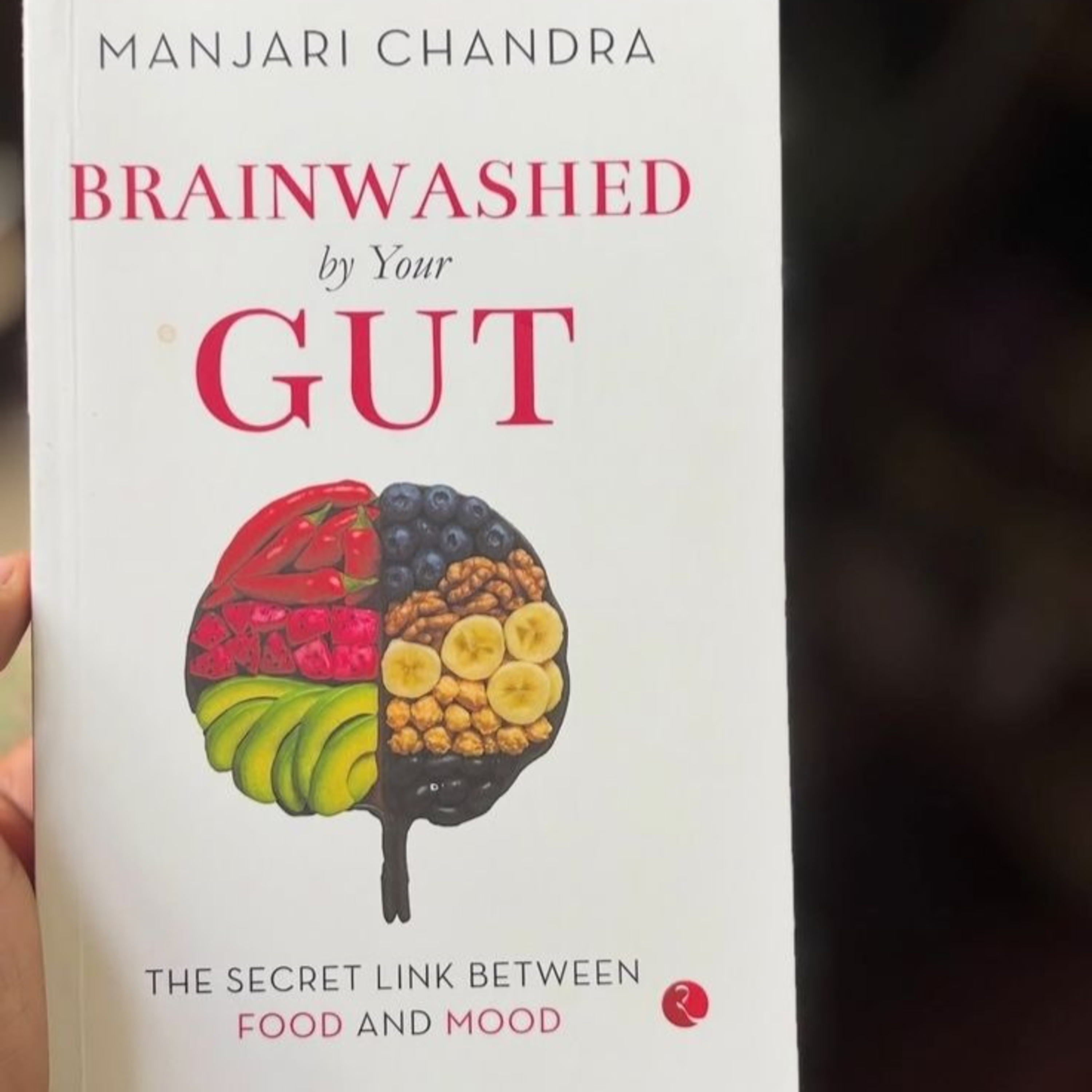
This deep dive explores the profound link between gut health and mental well-being, challenging the traditional separation of physical and mental health. The central mechanism is the gut-brain axis, a bidirectional communication highway via the vagus nerve. Crucially, up to 70% of serotonin is produced in the gut, meaning a damaged gut can disrupt mood and focus. Modern diets high in processed foods and sugars cause gut inflammation and "leaky gut," where toxins leak into the bloodstream, triggering systemic inflammation that impairs neurotransmitter production and brain function. This can manifest as anxiety, brain fog, and mood instability. The solution lies in targeted dietary changes: adopting an anti-inflammatory diet rich in prebiotic fiber, probiotic fermented foods, and omega-3 fatty acids. Practical tools include mindful eating to calm the vagus nerve and structured gut repair protocols that remove inflammatory triggers and heal the gut lining with nutrient-dense foods like bone broth. The key takeaway is that mental health is inseparable from gut health. Food should be seen not just as fuel, but as information and medicine for the mind. By strategically choosing what we eat, we can build mental resilience from the gut up, addressing root causes of emotional instability rather than just symptoms.
Welcome to the Deep Dive. You know, we often talk about health in these separate boxes, right? Yeah. Physical health here, mental health way over there. But today we're diving into something that just breaks those boxes down. It's this idea, really gaining ground, that how you feel emotionally, your anxiety, your focus, even your drive might actually start with what's on your dinner plate. Yeah, that separation you mentioned, it's becoming clear and clear that it's, well, kind of artificial. Our source material for this dive, especially Dr. Mungerri Chandra's work in brainwashed by your gut, really dismantles it. It lays out how our daily food choices aren't just about, you know, weight or physical energy. They're literally shaping how our brain works, how resilient we feel. Okay, let's unpack this then because this isn't just generic, eat your veggies, advice, is it our mission today is to really get into the science behind this profound link between the gut and the brain. And then crucially pull out the practical steps Dr. Chandra offers so you can potentially use food to find better mood, sharper focus, maybe more stability day to day. Exactly, think of it like an essential roadmap. It's about seeing food not just as fuel, but maybe as a tool, a sustainable one for mental health and performance, and it all comes down to the biochemistry happening basically in your gut. So let's start right there, the mechanism. When we think about mood, our mind's jump straight to the brain, obviously. Yeah, but the big revelation here seems to be the digestive system taking center stage. What is that fundamental connection? How does digestion actually talk to our neurology? Well, it's fascinating because it's not some vague influence. It's a direct physical pathway. Scientists call it the gut brain axis or GBA. You can picture the GBA is like a super high tech two-way communication line between your gut and your head. And the main piece of hardware in the system, it's the vagus nerve. The vagus nerve, okay, sounds important, maybe a little intimidating. What does it actually do in this gut brain conversation? It's the longest nerve we have actually, and its job is basically to be the main information highway. It carries signals up from the gut to the brain, things like I'm full or something's not right down here. And it also carries signals down from the brain to control digestion. The key thing, the really crucial part, is that it's bidirectional. It goes both way. Two-way street, got it. So if the message is coming from the gut or scrambled. Then the brain gets scrambled signals exactly. The quality of the information matters. Okay, that makes sense. The wiring is there. But you mentioned the aha moment in the research involves the actual messengers, the chemicals themselves. Precisely. And this is where it gets really mind-vending for a lot of people. Dr. Shandra's research and a lot of work in this field points to this incredible statistic about neurotransmitters, you know, the chemicals that run our mood, focus, sleep, everything. Specifically, something like 50 to 70 percent, maybe even more for some of crucial neurotransmitters like serotonin are made and stored well in the gut. Hold on. Did you say serotonin? The happiness chemical. The one we associate directly with mood and well-being. And you're saying the majority, maybe up to 70 percent, isn't made in the brain, but down in our digestive system. That's right. You're gut, the cells lining it, and the trillions of bacteria living there, they're basically running a massive chemical factory. If that gut environment is healthy and balanced, it's churning out plenty of serotonin ready to be used. So, okay, our gut isn't just breaking down food, it's literally a mood factory, chemically speaking. But then why are all the mood issues? If this factory is supposed to be so productive, why do so many people struggle? Why do we still focus treatments primarily on brain chemistry? Ugh, that's a great question. And it goes right to the heart of what the source material argues. Traditional approaches often target the symptom low serotonin in the brain. But Dr. Chandra and others are saying, maybe the root issue isn't the brain's reception, but the supply chain. If the gut factory is damaged or inflamed, it just can't produce or deliver enough serotonin. The brain's waiting for it, but the supply line is broken. It's a deficit-caused downstream, you could say. And that leads us perfectly into what goes wrong. How does this amazing system get sabotaged? Yeah, how does the factory break down? And it seems like the culprits of things we encounter every day, the book points to unsurprisingly perhaps, things like processed foods, lots of refined sugars, maybe just general nutritional imbalances in the modern diet. These aren't just making us feel a bit sluggish. They're actually triggering this whole cascade failure in the gut brain access. That's exactly it. When you constantly feed your gut microbiome, those bacteria with refined processed stuff, the balance just shifts dramatically. You ended up favoring the bacteria that actually promote inflammation rather than the beneficial ones we want. And this imbalance leads to two big physical problems that then become mental problems. The first one is just widespread systemic inflammation. Very inflammation. And the second problem, it's a term I hear a lot, but maybe we can clarify. Leaky gut, what exactly is that and how does it mess things up? Right, leaky gut is the common way to say increased intestinal permeability. Think of your gut lining, like a very tight, very selective security fence. It's supposed to let only properly digested nutrients through into your bloodstream. But when you have chronic inflammation down there, the junctions between the cells lining the gut, the kind of loosen up, the fence gets holes in it. And this allows stuff that shouldn't get through like undigested food bits, toxins, bacterial byproducts to leak directly into your bloodstream. That sounds not good physically. It's definitely not good physically. And the brain picks up on this immediately as a major problem. See, once these form particles get into the bloodstream where they don't belong, your immune system goes on high alert. This triggers this low grade chronic inflammation throughout your body. And that chronic inflammation is like kryptonite for focus and stable mood. It messes with the vagus nerve signals. And it directly puts the brakes on neurotransmitter production in the gut. So, okay, the anxiety, the brain fog, that dip in mood stability, it might not just be all in your head. It could be a direct biological response to this gut inflammation caused by leaky gut. Precisely. The source material really hammers this point home. For many people, issues like anxiety and even depression might have a strong physical root in an inflamed leaky, unhappy gut. Wow. Okay. So, if food can be this abatour here, causing all this instability, it raises the flip side question. Can food also be the fix? Can it be the medicine? How does Dr. Chandra suggest we rebuild? Is it like a total demolition and reconstruction or more like targeted repairs? It's definitely more like a targeted, science-backed reconstruction. Yeah. The whole second half of Dr. Chandra's work focuses on this. It's about providing practical road maps to first recover and then optimize. And the core idea is that changing your diet strategically can actually reverse that inflammatory cycle and lead to, well, pretty profound psychological shifts. So, the goal isn't just vague, healthy eating, but specifically adopting an anti-inflammatory diet, one that actively supports and maybe even rebuilds the gut's ability to make those crucial neurotransmitters. Absolutely. It's targeted. The approach seems to rest on, let's say, three main pillars. First, you've got to provide the right raw materials. This means a big focus on high fiber foods. Think prebiotics. These are the specific kinds of fiber that feed the good gut bacteria, the ones that make those moods stabilizing compounds for us. Okay. So, we're feeding the good guys who then feed our mood, make sense. What are the other pillars? The second is directly adding more good guys to the team. That means probiotics, either from supplements or ideally fermented foods. Things like real yogurt, kefir, sourcrout, kimchi. And the third pillar, which sometimes gets missed, is getting enough omega-3 fatty acids. These fats are incredibly powerful anti-inflammatories. They're crucial for healthy brain cells, sure, but they also directly help calm down that systemic inflammation coming from a leaky gut. That level of detail is really helpful. But, okay, let's talk practicalities. Someone's listening and thinking, right, I need to do this. What kind of tools does Dr. Chandra offer to make these changes stick? The book gets praised for being scientific, but also really approachable, right? Yeah, the guidance tries to be really user-friendly. There are straightforward strategies for things like managing stress better, improving focus through food, guides for looking at your current habits and overhauling them. But, two specific tools really jumped out as being key for making it actionable. The emphasis on mindful eating and these structured gut repair protocols. Okay, let's spend a second on those. Mindful eating. How does that connect to the gut brain axis? It sounds more psychological, maybe. It sounds psychological, but it has a powerful biological effect. See, when you eat mindfully, slow down, actually taste your food, chew properly, aren't distracted. You actively engage your parasympathetic nervous system. That's the rest in digest system. And guess what helps control that system? The vagus nerve. If you eat stressed, rushed, standing up, scrolling your phone, you're in fight or flight mode. Digestion shuts down, cortisol spikes, gut lining gets compromised. So mindful eating isn't just zen. It's a deliberate way to calm the vagus nerve and tell your gut factory, okay, conditions are good. Let's digest and produce properly. That really puts a daring spin on just telling people to slow down when they eat. It's biological signaling. And the gut repair protocols, what's involved there, sounds intensive. They can be, yeah. They're usually multi-step plans. Typically, you start by removing the main inflammatory triggers, often sugar, gluten, dairy, processed stuff for a period. Then you focus on actively healing the gut lining with specific nutrient dense foods, think bone broth, cooked vegetables, healthy fats. Often these protocols incorporate specific supplements too, things like elglutamine or zinc or specific probiotics, which are known to kind of patch up those leaky junctions in the gut lining. They are usually quick fixes, more like dedicated programs to really restore the integrity of that gut barrier. And I guess seeing the results makes it worthwhile.
source mentions real life case studies, right? People overcoming things like chronic stress, anxiety, using these gut-focused diet changes. Exactly. That's where the rubber meets the road. It shows the potential. The ultimate goal is to help you recognize the food choices that might be undermining your stability and then build sustainable gut healthy habits instead. It's really about empowering you to break free from those, you know, food-driven mood swings and energy crashes. It's like an instruction manual for building mental resilience from the gut up. So let's try and synthesize this. Yeah. What's the big takeaway from this deep dive? Yeah. It seems overwhelmingly clear. Your mental health and your gut health are just intrinsically linked, not separate at all. Yeah, inseparable. And it's not wishy-washy. There's a physical connection through the vagus nerve and this truly stunning fact about neurotransmitter production of to 70 percent happening right there in the gut. Right. The central insight here is that we really need to shift how we think about mental well-being. You might not be able to achieve stable robust mental health just by focusing on the brain. If the actual root cause involves chronic inflammation starting in a damaged gut, it's like trying to fix the lights when the power plant is down. Dr. Tandra's work and this whole field really offers a road map, both scientific and practical, to address those root causes. Diet and gut health with precision. It really demands a more holistic view, doesn't it? Rethinking what we put on our plate, seeing it almost as an investment in our cognitive function or emotional balance. Absolutely. It's a powerful reframe. So maybe the final thought to leave you with is this. Start thinking about food, not just as calories or physical fuel, but as information, as potential medicine, specifically for your mind. Consider, maybe just for today, the biological echo of every bite. How are your daily choices shaping not just your body, but your long-term mental and cognitive resilience. Something to chew on, perhaps.
Podcast Summary
Key Points:
The gut-brain axis (GBA) is a direct, two-way communication system between the digestive system and the brain, primarily via the vagus nerve.
50-70% of serotonin, a key mood-regulating neurotransmitter, is produced in the gut, not the brain.
Processed foods and refined sugars cause gut inflammation and "leaky gut," leading to systemic inflammation that disrupts mood, focus, and neurotransmitter production.
An anti-inflammatory diet—high in prebiotics (fiber), probiotics (fermented foods), and omega-3 fatty acids—can reverse gut damage and improve mental health.
Practical tools include mindful eating (to activate the vagus nerve) and structured gut repair protocols (removing triggers, healing the lining with specific foods and supplements).
Summary:
This deep dive explores the profound link between gut health and mental well-being, challenging the traditional separation of physical and mental health. The central mechanism is the gut-brain axis, a bidirectional communication highway via the vagus nerve. Crucially, up to 70% of serotonin is produced in the gut, meaning a damaged gut can disrupt mood and focus.
Modern diets high in processed foods and sugars cause gut inflammation and "leaky gut," where toxins leak into the bloodstream, triggering systemic inflammation that impairs neurotransmitter production and brain function. This can manifest as anxiety, brain fog, and mood instability. The solution lies in targeted dietary changes: adopting an anti-inflammatory diet rich in prebiotic fiber, probiotic fermented foods, and omega-3 fatty acids.
Practical tools include mindful eating to calm the vagus nerve and structured gut repair protocols that remove inflammatory triggers and heal the gut lining with nutrient-dense foods like bone broth. The key takeaway is that mental health is inseparable from gut health. Food should be seen not just as fuel, but as information and medicine for the mind.
By strategically choosing what we eat, we can build mental resilience from the gut up, addressing root causes of emotional instability rather than just symptoms.
FAQs
The gut-brain axis is a two-way communication line between your gut and brain, primarily via the vagus nerve, which carries signals in both directions.
About 50-70% of crucial neurotransmitters like serotonin are made and stored in the gut, not the brain.
Chronic inflammation from poor diet loosens gut lining junctions, allowing toxins to leak into the bloodstream, triggering systemic inflammation that disrupts focus and mood stability.
The pillars are: eating high-fiber prebiotics to feed good bacteria, adding probiotics from fermented foods, and consuming omega-3 fatty acids to reduce inflammation.
Mindful eating activates the parasympathetic nervous system via the vagus nerve, promoting proper digestion and neurotransmitter production instead of stress-induced shutdown.
They are multi-step plans that remove inflammatory triggers like sugar and gluten, then heal the gut lining with nutrient-dense foods and supplements like L-glutamine.
Chat with AI
Loading...
Pro features
Go deeper with this episode
Unlock creator-grade tools that turn any transcript into show notes and subtitle files.
 PodcastTranscript AI