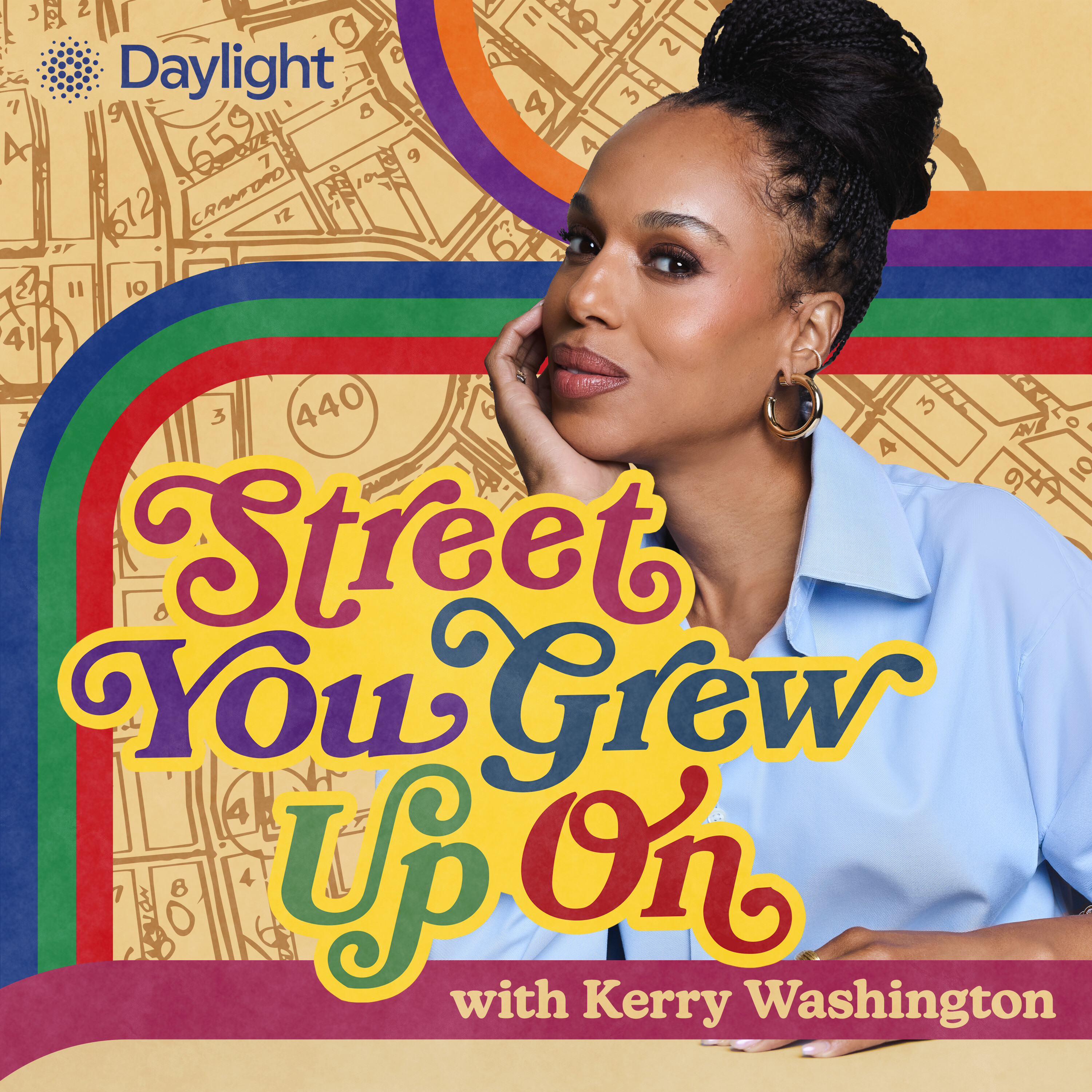
Ben Affleck reflects on his childhood on Cottage Street in Cambridge, Massachusetts, a neighborhood shaped by stark class divisions and cultural diversity. Growing up in a working-class environment amid a mix of ethnic backgrounds—including Irish, Italian, Greek, and Haitian immigrants—he learned early empathy, resilience, and the importance of navigating social dynamics through direct experience. He recalls walking home alone, facing real-world risks like muggings, which deepened his awareness of safety, responsibility, and emotional vulnerability. Central to his narrative is his mother’s unwavering dedication as a public school teacher; her selfless commitment and the emotional depth of her life instilled in him a profound appreciation for family, love, and personal sacrifice. These experiences directly influence his approach to filmmaking—emphasizing authenticity, collaboration, and emotional truth. He credits his high school drama teacher for fostering an environment of integrity, creativity, and mutual respect, where actors were encouraged to contribute freely and take creative risks. This philosophy translates into his work, where he values equity, shared ownership, and emotional honesty over celebrity or fame. Affleck believes that real connection in storytelling comes from vulnerability, and that audiences sense truth when characters are grounded in lived experience. His journey from a sensitive child shaped by diverse neighborhoods to a filmmaker committed to authentic human connection underscores how his upbringing on Cottage Street became the foundation of his artistic vision.
Welcome to the Street you grew up on. If you've been writing with us for multiple seasons, welcome back. And if you're new here, welcome. We are so happy to have you. My production company Simpson Street is called that because it's the street my mother grew up on in the Bronx. And in a lot of ways, it's where my journey begins. So a few years ago, I started to ask my friends and people I admire about the streets they grew up on and about their origin stories. We're so proud and excited to bring the show to you now, not only as a digital series, but as a podcast, too. So our first guest is an actor, a producer, a director. Basically, he's a beast or an animal. See what I did there? He's my co-star in the movie "Animals" and our director, Ben Affleck. Ben very famously grew up in Boston and we talk all about what it was like for him growing up, the friends he played with, yes, he actually did have friends other than Matt Damon. And how much he admired his beautiful mother. We also talk about the diversity in his neighborhood and how it's affected his work as an actor and a director. And it even comes into play in our new movie "Animals." So, come pull up. So I like to talk to people that I really respect and admire about the street they grew up on. Or you? - Good, I was gonna say, I hope this isn't gonna be weird. What are you doing this for? Are you going to talk show persona? - No, no, no, no, no, no. - I'm gonna try to be right as well. - Like really interesting. - But they'll be kind. - Yeah, I don't know. - Okay. So tell me the name of the street that you grew up on. - Cottage Street. - Cottage Street. - In Cambridge, Massachusetts, in a part of it, called Central Square, which is Cambridge Port, was the neighborhood. Cambridge was a, I think because of the universities, like MIT and Harvard were there. So it like encapsulated basically that. And the city's kind of divided, at least when I grew up and the part that was east of Harvard, and where that was, between that and MIT, was the sort of like working class kind of, you know, the people that ran the city, right? - And that worked at the universities. - And then the west part of it was like, if you got west of Harvard Square, that's where all the old sort of like-- - Professor. - Yeah, Brattle Street, you know? Not more burden. It was all this like, you know, those are the sort of state. Yeah, that was the college professors would live. And that's where Harvard extended up to like, Radcliffe was sort of up there. So it was really two cities. There was kind of a, definitely like, I guess town and gown kind of a thing to it. And so, you know, yeah, that was the street. - When you think about Cottage Street, like, if you take a moment to be back on Cottage Street, what's the first thing that comes to mind? - I feel like I'm in like therapy, I suppose. I feel like I have to be honest, because it's you. - You have to be honest. - It makes you shit up. - No, you have to be honest. For our listeners, be honest. - I have like mixed memories, you know what I mean? There was part of it that was like, you know, you were kind of on your own in our generation. You know what I mean? - I've heard you describe yourself as a lach-key kid. I was a lach-key kid. Did you actually wear your key on your neck? - I actually literally had a rope with a key that I wore on my neck, because I was walking home from school about a mile through the city, you know, in like, I, third grade, I started walking home. So now you end, yeah, you know, it's nine years old. - With your brother, 'cause you're a little rare. - My brother at that time was not even in elementary school, or he would have been kindergarten. So yeah, he kind of still is. (laughing) Although I look at the audience, yeah. - Kidding. - Just kidding. - I actually, for the audience, went to college with your little brother for a little bit at GW. And he was like, my brother Ben's making big moves. I was like, whatever. - But then you did, but then then I think you won the Oscar like two years later. But I remember talking to Casey Eiffel, like in the dining space. - Well, you got stuck together. - We did not sleep together. - You know, I'm getting-- - Moving on. - So he wasn't walking with you. You were literally by yourself. (laughing) Fuck, I get to control the edit. (laughing) - No, before it. (laughing) - Cut that. - Yeah, we're not doing that. - We're not doing that. (laughing) - That's how I feel being in your movies. Do you get to control the edit? - Right. - And didn't it work out? - It worked out, okay. We'll see. (laughing) Okay, so that's what we're here to talk about. - Very, very good. - We're supporting this movie. But we'll get to that. Okay, so you're walking home by yourself. - Yeah, I want to. - Are you home by myself? - With a group of friends? - Not from that school. That was, yeah, and it was like kind of rough, in retrospect, that was sort of a rougher part of that. It was just a much more, I don't know, I don't know how to explain it exactly, except that like, it didn't occur to me that that was unusual or strange. I was perfectly happy to come home, had the key after school, knew how to do it. But the idea now of that parents would be sending their eight-year-old kid, rolling down the streets to a city like, cross Columbia Street, where I know they sold crack on Columbia Street. I know it for sure, I don't know how they were doing it then, but those things kind of things were happening, but it was just kind of like, that was life, this is the city, here's where you go. So, the city is always a little bit of, you know, you kind of knew you had to like, watch out periodically, but I walked home, let myself in, but I definitely remember like, a certain amount of, I don't know, instability or something, I had like, it was a, I'll be honest with you, like as I realize, as I was sitting out there, not like, I don't ever talk about anything about my childhood, and I'm not all that comfortable, you know, it's a little bit, not that it's a bad or horrible, but, you know, and my parents just died, both of them. - I'm sorry. - Thank you. You like in April and in June, so I've been, just like, you know, not just now or anything, but it's sort of a big thing, and it's caused me to start thinking about my own childhood in ways that's, has been a little bit different. I've certainly like, learn to sort of even more deeply appreciate my mom, and really value and see like what she did, and what the, the sacrifice and commitment that she made, and how complete it was, I read these letters after she died that she wrote to her parents, actually, she must have gotten them from them when they died, that were from when she was like in college, and older and living out in California, she moved out to California, so actually where I was born, and then moved back to Boston, but it, whatever it was, I don't know, it was three. And this sounds like a crazy thing to say, but it was really weird for me to read these letters, first of all, as this young woman, in a full of life, in ambition, in dreams, and not sure, oh, maybe I'll be a social worker, maybe I'll be a teacher, or going, there's these protests to all this stuff, I'm going to Mississippi, it was like really fascinating, but of course, like the thing that struck me was like, this has nothing to do with me. - You know what I mean? - Like she had a full life before you. - This one had a full life for 30 years that had zero to do with me, and it's the like solipsism of being a child that's loves probably in the right way, where you know that you, I knew my mom loved me, no matter what, so you know, absolutely knew that, and you know, I thought like she'd probably still love me if I was a serial killer, you know what I mean? Like you'll find anyway to like roll your eyes and you might be like why that was a thing, I rolled my eyes out, I don't know, but she, so it was so interesting to me because all I knew was a person who just made me and my brother the absolute most important center of her life, you know? - Mm-hmm. - And it really struck me that like she was, I mean, gorgeous and smart and thoughtful and passionate, and I just thought like this woman's amazing, and she could do anything, you know? And, you know, there she was. Like my whole life, you know, she would go to school, she was a teacher, she would go to school. - Here's the teacher. - She worked at elementary school and public school. She taught fifth and sixth grade. She stayed, she'd finished at two thirty, and she was, oh, but she never came home until about five, thirty or six, she worked really hard, and she came home and did everything, you know? And like there I was, probably like a pain in the ass, like outside, didn't want to come to complain, whatever it was, you know? - Yeah. - And hard to wrangle on me and my brother, and it really struck me, you know, really for the first time, like what did it, that I had taken for granted, probably in a way that she wanted, and a way I want my children to take for granted. I don't want my children to sit around, who, and boy, thanks for coming to my, thanks for, I don't feel that's the way you want. - They feel like they're loved and that you're present, and that your life does not eclipse theirs. - Absolutely. And she had done that so thoroughly, and so effectively, over a whole life, including the relationship she fostered with my own children, which is incredible, that I didn't even see her in a way as her own whole person, like that apart from me. And it blew me away. It also made me sad because I have to say, the thing I feel that, I don't know, this is an incredible woman. [BLANK_AUDIO]
I should like have happiness and love. And she, I don't know that she would agree with this, but like I felt disappointed because by the time I was the time that we're talking about, like those, my I was like, you know, kind of in bad shape and sort of getting worse and then get a job. It's drink to my, you know, all that kind of stuff. Angry, resentful, you know. - You could feel that at Cottage Street. - Yeah. - Was he home? - Yeah, he was home in the sense that he could, you know, it was always some reason he didn't get a job. Like where he had a job as a mechanic and then some of it didn't work out. It was like, wow, so-and-so's an asshole. I was like, mm-hmm. After a while, who's that step? Johnny, you're the rest of it. I come everywhere you work. - It's the common denominator, yeah, yeah, yeah, yeah. - And you're a genius. They just not seeing it or, you know, this is a bartender, janitor, mechanic, and, yeah. And mostly, you know, those years were, I don't have a lot of any real positive memories around that. There was a lot of friction. My mom would like, you know, like, fine. I think my dad had like his hiding beer cans under the stairs. He'd go his little wooden stairs and like, even then I thought like, I'm at five years old thinking like, that's not a good place to hide something. - That's that. Yeah, yeah, that's, that's right. - What the (beep) - It was a house, it was in an apartment. - Yeah, by 1800 square foot, kind of like, what do you call it, a frame that they bought for 1977 for a $30,000. - Wow. - And my mother paid $600 a month in mortgage for 30 years and paid that mortgage off. And they bought, that was home ownership. But they developed, mostly obviously my mother. By the time I was 11, she finally had enough of the, you know, fighting in this and then, you know, and finally, yeah, we sat down at the table and it was like me and my brother and I said, you know, whatever it was, we're getting divorced. And I remember, I was 11 years old. I remember thinking I should try to look sad. - Oh, wow. - That's what I thought. I thought, can I try to cry? Which should I be sad, but I was so happy. - You were, you were happy for her? Happy for yourself? - I don't think I was like, make sure I have to be happy for her. - I understand that well. - He's happy for her. - I just was like, this is a problem and there's all this conflict and it was clear to me that like, I want this to be over, you know? And so, and then. - The actor in me wants to know if you were able to make yourself sad in that moment. - I was thinking of the actor in me, it was just trying to remember. And the real truth is I was embarrassed to say, I don't think I could do it. - No tears. (laughing) - There you go. It's just been like, what's wrong? He's having a seizure. He's really, really hitting him. (laughing) - Eyes bugged out. - I agree. - But so after that point. - Did something change? Did college street change after that? - And that became then a much more, very much, actually was a good child at lessons really like. I mean, first of all, it was great about college. She was like, that actually was the place where all the kind of kids in the neighborhood were coming, you know, they'd be very astreet and like little crews on little street, you know what I mean? - Okay, I want to talk about this because you're obviously your friendship with Matt is legendary. It's what everybody talks about it. So. - Well, everybody's positive time. - Yeah, lots of people talk about it. (laughing) Did you have any other friends? - No, we had a top friend, that's hard to believe. You can't even believe I have one friend. - I can't believe Matt is your friend for this long. - But I wonder if you guys would be being out. - You don't know, I don't know. - Yeah, we had a lot of friends. - Yeah. - And that was the like epicenter of like where everybody came. - Cottage street. - Cottage street was and we play football, like I come home from school and we play football street or baseball or like, but in the street. - What was your sport? Did you have a sport or you played all the things? - Baseball was the sport that I also played little league. And so I could go down to the park and play baseball. And but everything, that was pretty good. I was a little, it was the hard part. So it was pretty good and then, you know, I was like 12 and 13 and then other boys are six feet tall. You know? And I was like, I was five, two until I was junior in high school. And so I was always used to being the little guy. Always, I mean, I went to high school. I don't, 2600 kids, it's a big public school. You know, and there was a lot of fights and a lot of stuff. So you kind of, you know, it was very like size was a big deal. And so I was kind of like just, you know, you had to sort of be, I don't know. I was the little guy, you know? And then I, and I, all of a sudden, like a junior year, I started, you know, I started growing. And then, you know, it was like most things where I wake up in the morning, like my knees are like, you know, everything. I remember I grew two inches in one month in that time. It was so, it felt like I was getting pulled. And like, you know, I got really gangly. I couldn't control my arm. I remember, Matt, I was like, you so fucking uncoordinated. You're always spilling shit. No, no, no, no. And I was like, you're just mad because I'm tired. You're jealous. It's so killing. Five nines are a perfectly good heart. A lot of people are having that. It's going to be fine. But he's a little taller than that, probably. I've been dreaming about our next family trip. We love traveling with extended friends and family. And so I've been thinking about booking a home on Airbnb somewhere up the California coast. A little beach town where we can slow down and explore, spend the day by the water, really settle in. The beach is our happy place. I love getting out and exploring wherever we are, checking out the neighborhood, finding the best farmers markets, a local bookstore, an ice cream shop, and just wandering around town. Maybe finding a local yoga or pilates studio that I can end up going back to every morning, or a beautiful walking path that our dog can enjoy. Those are the kinds of details that can transform a few days away from home into the kind of precious memories that your family can cherish. And when we travel together, having a whole home really works for us. We cook, we dance, we play endless games. Everybody can spread out. There's privacy when you want it, but there's also space to actually be together. My favorite part is staying up late at night way past all our bedtimes, playing Uno in the living room with all the kids and the cousins and the aunts and the uncles and the grandparents. And nobody has to worry about who has the key or who needs to go back where. I love finding a home on Airbnb that gives us the chance to settle into a new place, explore like locals and make those memories together. Okay, so were you the kind of, I was the kind of lachki kid who I didn't really go outside a lot in the Bronx 'cause they didn't want me to. So I was like watching a lot of TV shows, playing a lot of pretend by myself imaginary concerts to thousands, yeah, yeah, yeah. Yes, were you, did you do a lot of imagination play or were you mostly outdoors? Totally outside, either on the street, every day after school playing football, it's like, you know, like Stoamer, Peter, Johnny, Chris, like, you know, all the kids that came and played Marcus Bell, like, you said the school was very mixed where that was the neighborhood the kids you played with was originally- My neighbor was probably like, the school itself was probably about half African-American, half white. And the people that, like you think of as sort of white people, also did not think of themselves as a united group. It was very much like the Irish, the Italian, Portuguese, Greek, there were a lot of immigrants, right? Like so, you know, you have like cardinal but deeros way on the street, like there were a lot of Greek, like I knew about Greek Easter, you know what I mean? That was like the funny Peter Panasopoulos and Peter Panagulius, like I knew a bunch of Greek. So I just thought like, like my vision of the world was like, and Haitian immigrants, a lot of Haitians. So I thought like Haiti must be, you know, like this giant country somewhere, like in this Puerto Rico, must be a gigantic, like get this weird out of whack thing 'cause like whoever's immigrant has immigrated there over time. So it was like Haitians, yeah, Puerto Rican, Greek, Italian, Portuguese, and Irish, a lot of Irish. And still Boston was at that time, like pretty heavily segregated. And there were a lot of, there was a lot of racial conflicts over and up, like that I remember. I also remember that there were more black kids than white kids. So it was a kind of, you know, atypical in that sense 'cause like you're kind of like, you know, you made friends with everybody and you had the great gift of where I grew up, really the blessing of it, that I appreciate more and more and more, the longer I live, is that the way I grew up was just that you were kind of, you're out there on your own and you met all kinds of people. And you had to learn how to get along with, and respect them one way or another in order for you because everyone's living around one another and together. And so you find out quickly that like, well, if I say this to this person, that's a bit of work, yeah. And you learn to gauge those things, But there was.
benefit to knowing really well other kids but it looked like you didn't have the same accent as you didn't talk like you and a you know you're actually just apt to make friends with them as anyone else so you find yourself with all sorts of different friends who all sorts of different kinds of places and there's also an awareness of like you know we're different in some way whether it's Irish Catholic and the Italians or the you know and there's a you know a slur for every ethnic you know a background imaginable then then comes out if you get in a fight right like then you'd hear people use that language but really it was it was a way of learning so my my grandfather said how the second world war he was like I didn't know any Kentucky ins you know until I went to the war but it was brave as the next man like and you realize yeah a lot of our I think a lot of our biases and prejudices and all this sort of negative stuff that afflicts us a lot of it comes from just being uncomfortable and having no history knowing or interacting with people and so you're much more subject to believe a prejudice idea or something that you get just from the media or these impressions and they're never countered by no but I know this right right you know what I mean where I had that and and I had such a benefit of knowing truly all kinds of people how much of that also came from your mom because you mentioned she went to Mississippi like she was she wanted to change the world as a teacher as a social worker I mean she definitely I was definitely raised in a way that where like I didn't get I got a very clear political like view of the world at home and maybe they chose I think for my mom she she didn't really have any options like she had a lot of money she's a public school teacher she married this guy who was not throwing off a lot of money himself and so it wasn't like a lot of optionality like I didn't know anybody went to private school the idea of going to private school to me was just like some distant super rich kids that were like in a John Hughes movie and drove portions I never saw a push like within that public school experience were there like the kids who ate public school lunch or the kids who packed their own lunch which did you fall into either category did you realize there was just kids who had got had free lunch and who didn't yeah that that was all it was like you knew who was more poor because they had free lunch in their lunch tickets you know but everybody but everybody held this lot nobody took their own lunch back to anything is I feel like you're judging people who did yeah those are weak people those are shallow oh my god I'm so sorry some people have allergies been you with your nut allergy I'm like I have a nut allergy go like die you know and I'm sure there are a lot of things that were like my cousin example like I didn't I knew one out gay person in high school Lewis McRae you're out there Lewis how are you shout out we love you and I don't think there was the option for Lewis to really be in the club he was who he was right and there was one teacher who I knew was gay but in retrospect you know 2600 kids it's probably likely that more than one so but like it wasn't a place where anybody was comfortable being out you know the school that I school that I went to I started that high school I guess in 1986 in 1981 that the kid had been killed there in a race fight like the the the proximate neighborhoods Charlestown which was on the other side of the city was all white south Boston which was on the other side of that was also all white up until the seventies the late seventies when you had the busing like shit stuff in you know so it was very much like you know a lot of working class and poor people sort of like feeling like they were fighting it out so I remember those that my childhood on cottage street kind of being colored by that and I remember that there was a very intense and real awareness of ethnicity and class because everybody was the same class but like various little tribes of one kind or another but also that you were with everybody right like you mean and friendship kind of superseded that and and neighborhood did that if you couldn't really we were in central square and we really wouldn't go over across western have over all white fields because like those kids would be a suburbitis and if you kind of I had to worry about coming home from like the video arcade because somebody mugged you for your quarters and that's all these kids like robbing other kids but give me like orders so you like run home you know or did you ever get like mugged robbed well yeah in fact I remember I was walking home with my schools 14 maybe and I saw these two kids in like literal hoods on the other side of the street and you know it's kind of those little things really like all right then they crossed the street and then it's that thing of like okay me they're gonna run but of course the like the worst thing you could do is run totally sensible thing but instead I'm like I'm gonna roll roll roll roll and immediately they pass me grab me take a knife out give me a money and I said oh I scared but then I'm on the corner of my eye I realized who they were I recognized them from playing baseball and they were like older boys that I knew and they were like oh yeah what's up yeah and so I guess I was like I guess I'm off the hook you know and you got to give me my money and that actually that kid Robby ended up I don't know three or four years later killing somebody with a knife in front of prison for 20 years so there was that you know what I mean that that and you were kind of aware of it once your dad left did you feel safe at home was home a place that felt safe once you got there yeah you know to the extent that the problem with being like the oldest child and a family like that I think as there's a sort of sense a little bit earlier than is is healthy to feel that one has to assume more responsibility than one is really ready to assume and that was the case with me so you know if you feel that you're the one who's in some way responsible for that and you also know like well actually I'm 13 uh and I can't really provide safety mind you this is all stuff I'll put you in my your mom wasn't saying yeah not at all not at all she did an amazing job I think it's it's the fracturing of a family even if even if the father you think okay I'm glad he's out of here uh it still creates like this empathic right and I felt like okay am I supposed to be the man of the house or what am I supposed to do so like what happened was I never would and this is the thing I live in fear of with my kids and it probably is backfires on me every day but I am I would never tell my mother anything about that but like I remember I told that story about the about the the aborted mugging at that time and she was like why didn't you tell me and I I couldn't feel life of me think why but I just never would have I didn't want to worry her yeah I want to scare her and so in that sense I think there's a little bit of an impact on this notions of safety because I can't go back and get that kind of what do you sort of I can't reconcile like by sharing of an event like that you can kind of get it sooth and manage yeah and instead I kind of held on to it was I think thought I had to it was a mistake my mother tried everything she could possibly do and and that has haunted me now because I'm always like you guys you guys know you can tell me anything tell me anything I'm so cool with anything you have to say I'm in there kind of like we don't want to tell you I'm like this is making it you know so it makes me think about I don't want to have spoilers for our movie but it makes me think about a particular scene in our film when our family is at like a crossroads moment and the intensity of you understanding how that's going to impact our kids you are so good at this it right but just the way you handle the transition I wasn't even trying to be like talk hosty I just I was like wow I kind of wish we had had this conversation before we shot that scene although you're so brilliant in the scene anyway so it doesn't matter now I know what you were pulling I I think you're right in every way and I think that I usually this is why I I knew that you were the person for this part because you have this like particularly you lost your original yeah that's what I was certain you were a second choice the thing about you as a second choice why you're a great alternate let me I don't know if I have a fantastic understudy horrific be list yeah if you want a number two there is nobody nobody like care Russia boy is she a good substitute I don't so happy to always be a number two the Jen Garner oh my god first of all yeah yes I was gonna do the movie with Matt and at that time I did want to do the movie with Jen Garner because I think she's great and because in particular these have been Matt and that sort of my idea of what that was Matt was going to play your role unfortunately yeah I actually saw Christopher Nolan at a party on Saturday and I almost walked up to him and said thank you for putting Matt in the Odyssey because I got to do animals you know I think it's obviously it's a it's a better movie clearly I'm a bit earlier
You know, but no, I really do think it it worked out for the best for one thing Changing the script in a way that I did Before coming to you. I really liked the the direction we went and and really the truth is What happened was like I thought okay? When I was thinking of that Matt like the great thing about Matt and Janice that I know them both so well And there are things about them both that I So I feel like I know well and I thought oh this would be interesting and because no one has seen this So it's kind of a director ego thing Like people haven't seen them like Then it was like a whole other thing which was How do I just want to tell this story and with me as the lead and and I'm a different like I bring a lot of different baggage to it that Matt there's a lot of and also the direction that I went and really Moved toward it being fundamentally about a marriage Um But really like I'm telling you we I I know in you for a while, but when I started to talk to you more around the Strikes or whatever the previous the three years or whatever was Like I've never seen anybody who is as good As facile and as fluent as At talking to other people maintaining your an authentic self and message But understanding how to communicate What that was in language that the person that you were talking to would understand and to see you in different contexts communicate the same message I get blew me away and the fact that you would never know that it was delivered differently slightly or or very differently in other contexts And it doesn't it wasn't false and it wasn't pandering and it wasn't what what's interesting now having this conversation with you is I feel like you saw it because of how you grow up you grew up Like you grew up in a way where you were exposed to different kinds of people and different walks of life And you had to learn a similar thing of like how do I explain it to this kid how well this kid hear me the different Let me be mindful of who I'm talking to and you identified with it when you saw it I think a lot of people wouldn't have made yeah or and I was I felt a little bit like I understood it but I also thought It mean you go like I feel like I know her so well And I also feel like I'm no idea you know what I mean like it's entirely possible that there is a whole different person Yeah, that is And I really mean this this is not a fake front It's a I imagine there could very easily be like a separation and a guardedness, which is another thing that I Saw and you were which is the person is capable it understands like The nature of politics the need to have like projecting a certain thing to people and what and what is required and what is it? The nature of your parents telling you they're getting a divorce and pretend needing to pretend to be sad That's same right I have a very similar memory of when my dance teacher died like I went into the bathroom at the funeral home and put water in my eyes Because I was like I think I should be crying. I think I'm supposed to be crying So I really identified when you said that When did you really want to change the topic from who you are? I am not the guest on the show But I find interesting and I bet your other guests don't have had this experience with you which is that A problem seeing that is there there's like a whole other deeper real person here And I really want to know who that was. Well, you can't I know Makes it interesting yeah, right? And that's what this character need to have like a really convincing Outer person that is them But that says there are things I don't share also in that and the effect of that just from a purely Greedy filmmaker point of view is like that makes people want to lean in like that makes people interested I don't have the sense of talking to Carrie. I get it. I know what there's to know. I know this person I actually have the sense. Oh, there's more and so this movie I wanted people to keep on calibrating what they thought of Because you know we bring our judgments and all that stuff And I felt like movies have kind of moved into a place in some cases where we they've gotten a little bit prescribed But you can't say this you can't do that and you can't you can't you can't do all these things as sort of an effort to say well But that's just rendering maybe the world as I wish it was or as we're all supposed to imagine it should be That's not the world as it is and it's not true and I really thought like okay. I need really good actors who really understand gradations of revealing the self And that's what you did and you did it so much better even than I could have imagined And you you ended up it's like I said hey count right this with me like author this story and you did that You know what I mean and and and other actors participate to you and Steven like there were scenes that you guys wrote on your own And there was like your own dialing in fact it was always so much better when you Kind of whatever put your hands in the mud and came out of it and was like it feels and looks like this when I want to say it It was so good. Okay, so because we're here to talk about you so when When I was working with you I was so Impressed at how collaborative you are that you invite that kind of Participation from your actors Was there like a teacher growing up or a director who made you feel like that's what the process should be Very good. Yes High school my we had a great drama teacher named Jerry Speka who is an amazing amazing teacher mostly because You know what I really learned there were like values. It's like with the things about great, you know coaches or teachers like they kind of Yes, there's the subject but really with the teacher about life It's not like there were lots of people that went on and and did theater and film were very successful came out of this high school program But many many more who I think we're just improved broadly in their life because you know, you learn like take if you're doing something Work hard and take it seriously. Whatever Like you know, and and that means like don't put a prop to hold the door open. It means you know, don't Treat other people to just respectfully that means don't talk when someone else is when I'm talking That means if you're supposed to be off book you're off the book like Shobantai and that was like wow, I found I loved somebody with very high standards and I found like oh it This is helping me get better because I will kind of you know, if I'm not I don't this is not expected of me If no one tells me that I'm expected to do this I won't even know if I can do it and You know, there wasn't a star system. It was like you're gonna get a bigger part as you move on in degrees like This is a public school you expect to have the education access to this He hated the idea of a sort of star system. Yes. You would audition you put your in the right role But like you weren't gonna be the lead until you were a senior didn't matter in anything And you were gonna do anything until you had worked in some capacity on the crew and tech and so it was like I just thought that's the way it was and I like it so much better still like there was something That he had to which integrity as a person and he demanded that we have that integrity too And if we didn't you really got called to task in a way that Was mortifying like and I think is it was actually Really healthy and the other thing he did was not create this like no your director. You're a writer. You're an actor It was like if you were you yes We would memorize scenes and do scenes or monologues, but we also would write our own stuff and if people intimidate by writing We just do improvising we'd improvise it and play the scenes out sometimes he would record it And then eventually every year for our drama festival while everyone else was doing their like 40 minute Version of Macbeth or whatever we were doing something original that came out of improvisation that he coalesced and But Matt and I would never have written that movie or thought we could write or were writers if we had not been in that class They wrote a movie called Goodwill Hunting. Yeah. It was in the 1990s. Yeah 1890 Yeah, and and You know that that was the most meaningful thing which was you can do this as a writer and your voice your sense of Authorship is like it matters and and you can come up with a line that ends up being In I play that people see that works. I also see a direct line from your describing that to what your company today artist equity is in terms of Not valuing movie stars over your DP or your grip or your best, but like will you talk a little bit about that? Sure, like exactly like to me what I Appreciate it about that and learned not just hard work was like fairness and taking responsibility and if you want the latitude and freedom and participate in the creative Process that that was valuable and important and you had to take responsibility for that and This company is about like fairness and compensation right not pretending that You know carry washed in is it very famous and people want to see her and it's not like That's not free. That's quite valuable. In fact, thank you ideally you should accrue More value or the appropriate amount of value for that relative to the marketplace if that's the basis on which we're in an economy Then that's the way that you should be treated and if you ask someone to like forego for example you want to do this risky or Film and you want like we just started this film fun for independent theatrical films and part of the ethos is like okay You're not gonna get your upfront money, but you're gonna be treated you're an investor in the movie itself Being a way that's you know connected on the cap sheet to the moon. That's not something like distant
You're going to audit us and eventually we'll give you some fake bonus or whatever. You are an investor. Which means if nobody sees the movie, you don't get anything. Right. But it means if the movie makes $100 million and it costs us 10, well, you got half of, you know, the upside. So that's a lot of money. To me, it just makes sense. It like aligns the people. So everybody's sitting around there on that day doing that job. If this, you know, if it were this thing, they'd want this episode to be as good as it could be. And everyone would want the most people to listen to it because everybody's, for the simple reason that everybody's salary is connected to that, which I found is the simplest way to get people to give a shit about something. And sometimes I can't blame people for going like, you know what, I'm glad you're trying to film your opus here. But I really want my lunch break or my overtime because I got kids, I got a life, I got bells to pay, I get it. So if the point is to unite everyone around caring about the ultimate result of what we're all doing, then let's attach everybody's well-being and family's well-being to that result. And so that, thank you for bringing it up, Kerry, but the equity stream really well. Good. Okay, so I feel like a lot of us have that moment where something happens and we're like, I should probably talk to somebody about this. Then somehow six months go by and we still haven't done that, we're like, yeah, I need to get around to talking this through. Honestly, I do not know where I would be in my life if I didn't find therapy. I started going in college and back then cost was everything. But luckily I was able to get free resources through the Student Health Center. When I graduated, however, I was so worried that I wasn't going to be able to continue to afford to keep going. So when people tell me they want help, but they're stuck on the money part, I get it. I've been there. Because even when you decide you do want to go, then there's this whole other list of questions like not only how much does it cost, but like, are they going to take my insurance? When can I actually see somebody? It can be a lot. So that's what I really like about RULA. They make it easier to access mental health care from the comfort of your own home because it's virtual. And if cost is the thing getting in your way, RULA accepts over 120 insurance plans nationwide. And if you're using insurance, sessions cost an average of $15. So they give you a personalized cost estimate upfront, no hidden fees, which is amazing. Because you actually know what you're going to pay before you start. Finding somebody to talk to does not have to become this enormous research project. You can sign up, find a therapist in as little as five minutes, and then make an appointment for as soon as the very next day. Obviously, everybody's experience with therapy is different. But RULA reports that 93% of their patients report symptom improvements. That's pretty great. So if you're ready to stop talking yourself out of finding care, and you're ready to make some progress, then head to RULA.com. That's RULA.com and take the first step. What were your favorite movies as a kid? As a kid, you know, I mean, I remember when I saw back to the future, I remember being on the subway, coming home, and arriving at the determination that I had just seen the best film ever to be made. Like, I was pretty confident about that. When I remember going to see Star Wars when I was seven years old, I probably went ten times. I mean, me and I were just over and over because it was so incredibly new and amazing. And like, nothing else we'd ever seen. I mean, I had the action figures and begged my mother for like the Millennium Falcon. And begs her, and begs her, and we can't forget her, and get Christmas, I got the Millennium Falcon. I remember that, and it was like, I just thought it was like a plastic, you know what I mean? But it was like my little, you know, action figures and fighting, and like that, what ideas imagine to play a lot of that kind of thing. And I liked, but as I kind of passed that sort of, and it was Indiana Jones, all those movies right in that era that were, you know, we're movies and retros, but I realized they really expand the market. So, realized blockbusters could be a thing, you know, Spielberg right at the forefront of that and the architect of, and obviously George Lucas, so many of those movies. And I was one of those kids going to those movies. When I got to be about 13 and decided, you know, that I was really more of a serious actor, when I started getting interested in, like the movies of the '70s, like what I thought of were like, oh, yeah, more like, I mean, Raging Bulls actually into the '80s, I think, but like, network, the deer hunter, you know, marathon man, the graduate, Raging Bull, Mean Streets, you know. Did you study those films, did you? No, I mean, we didn't study them for much, watched them all, like once you had a VCR, they got this rental place, so you could just go and rent movies all the time. So that's, we did all the time, you watch with your friends, with your mom, watch movies all the time. I don't bring it up. I know. There were other kids there too. Okay. I love Matthew for the record. Cooler kids than us. But yeah, so we watched movies all the time. That was definitely something that we did just all the time and went more. I mean, you know, because, I don't know, you know, that was a time when there was still, there was less to do. The movies were, you know, there were less options and so people went to the movies more. But even when there wasn't a movie coming up, I was renting and so all those old classic movies, Godfather, you know, that's how I saw them, it was on VHS. And that's when I started to be like, you know, and I'm so glad that there was no social media then. I'm so glad there's no record of any of this because like if you could listen to, yeah, I'm sure Matt and I and our friends talking about movies and I mean, it's just so embarrassing. Because you knew everything. Yeah, I remember, I remember Matt, we were doing a play, I think one of the school and he was like, we were like in the wings and he was older, something like, you know, he's like two years older. It's a big deal. Back then. Yeah. You know, and he was like, I remember him telling me, listen, Dustin Hoffman, yes, in death of a salesman, you can see the wheels turning, but I think Hoffman wanted you to see the wheels turning. That was the kind of conversation that was going on. And how old are you guys? Oh gosh, I have 14 and 16 something like that, 14 and 15, but, but you know, you're 13 years old. You think you're like, I'm pretty much a grown up. Yeah. I'm an adult, basically, you know, I mean. Did you want to pursue professional acting like auditioning because you felt some financial pressure or pressure to be like the man of the house? Uh, no, because the very first thing I did, that was the other thing is that I had this weird experience, which is also a huge gift, actually, which was to be able to do some acting. My mother's best friend, she went to college with, uh, was involved in the, like, uh, Boston like theater community stuff. And she then for a while, she was a casting director. And she had a partner. She was her partner stayed in the business, uh, Carolyn Pikman and so we used to go to Boston to do a baby honor. We wanted to do it. Really? Yeah. Wow. And she's great. Fabulous casting director. Everybody but she was amazing. But, uh, Patty, my mom's best friend, was a casting director. And she had gotten hired, I guess, to do this, um, WGBH, which is the local public television show too. I'm so happy that you're going to talk about this. We did this little educational TV show and she was casted right before it and I got the part when I was eight. And the first one was the pilot. Like I went and filmed it, you know, in Gloucester, which was 45 minutes away or whatever, for like a week or two. And then it got picked up, but I think it picked up for like a year and a half later. I don't know. It was on the different funding schedule, like wherever they, funds they were cobbling together. And mostly what they ended up doing was selling to schools, education was just making kids suffer and forcing them to watch. I'm pretty sure I watched this school, yeah. I wouldn't be surprised I've tortured many people that way and directly, but listen, I wasn't all that bad. It was 15 minutes of a little documentary about something, you know, a 15 minute episode of like me as a little kid and my grandpa ranting and bowed out to scientists. I mean, it's horrible. Don't get me wrong. It's painful. But it was, but good, you know, because like, first of all, it never even like got finished or into schools somehow like two years after I had done it. So I had the chance to do that like job and have that experience and pay me very much money. And also nobody ever saw it or knew who it was. And I wasn't famous and it didn't change my life one little bit, which is a real gift. Like I think for child actors, that's a really tricky thing to navigate. And it kind of disrupts your childhood. And I had a totally normal childhood in every way, except I got to go off periodically and do this little acting thing, even though no one ever saw it. But you loved it. I loved it. I loved the whole thing. I loved the community of people, which I know you're a big, you know, you and Jen Garner by the way, talk about twin spirits to the only people I know who regularly bake for the crew. It's like, this is the category of people who make you feel like an asshole, no matter how hard you try, because Carrie and Jen are always doing you one step better with everybody else. I'm like, I'm going to get some wrap gift for that. I know that you get Carrie's doughnuts today. Mars, she's doing Halloween muffins.
I mean, we did Halloween Duncan muffins to like honor your relationships. I was trying to share the light. And her to me. It's amazing. It's it's a gift, Carrie, I'm the, um, but that was, that is really amazing. That you could have an experience of falling in love with the process. We talked about you out. Yeah, I don't want to talk about it. I started this whole show, but you fell in love with the process without being tied to the applause. Yeah. And so they're like, didn't even come out, but I got to like get like a little tiny little kind of kids' agent and I auditioned for other stuff. So I got a, I did get like an after-school special like with Madeline Khan was in it, by the way. And you know, it was a true ABC after school. I did one of those. That's why he's got my sad card. I was like, here's number three in the 1986, I was the lead, but don't, don't let me like make you feel bad, I don't know, you're not less than, I'm not, I'm not better than you. I'm not saying that. I know that. You know that. Wow, but I think that's still with you. I mean, I, maybe it's been a journey to get there through your career, but you are very much a person who loves process, regardless of how it, I do really love being there. Yeah. And that's, for me when I'm the most happy working, is, yeah, being on a set now with me, it's like, I really, I love direct, I mean, really love directing. You like being the boss. No, that's not why, like wrong, and you know that's not true. I just, I wanted this impact and the answer. Yeah. I do think there are directors that direct because it's the one place in the world they get to sit in the chair and everybody listens to them, but no, you're not that guy. I really don't want that. Yeah. Another gift of being an actor is that you're just like, that is hollow and false. And you know it's false. And you don't like crave more of it. Actually, the nice thing about it is that you get this community where that stuff kind of large, he goes away. And usually there's some diva actress or something like that, so everyone's kissing her ass. And you get to be very normal because they carry, need something, let me go ride. Oh my God. I'm just watching. Yeah. You have the glam group carry as 18 people that work for her and her glam, you know, it's true. I'm lying. That's not true. Also, you hung out in my glam room all the time because we had good music. You did have good music. Yeah. You're the best. I love working with you. You're amazing. And you do the thing that is really the most important thing, which is like as a director for your actor, which is like you, you set a tone that is really professional and really diligent and says like, like, nobody's fucking around and we're taking this really seriously, but doesn't mean we're taking ourselves too seriously or that we're not approachable or that we don't. And the tone you said is, and I'm gonna know everybody's name and be respectful of everybody else. And you sort of single handedly like can be injected into this environment and all of a sudden it's working really fluidly and people, it's warm as it's open and I believe as definitely as an actor and also as a technician or a semi-kind like to be at ease for one thing and not nervous or afraid or you know worried about am I gonna get yelled at. And not only that, but to feel like you have room to participate and contribute. Yeah. You're gonna get the best work, which is why and the other person I learned that lesson from was a director and Rick Linclair who did Dazing and Fused and who said, hey, there was 2019 year old kids in that movie and he said, I want you all the right. Because if this movie is produced as written, it'll be a massive underachievement. And I saw firsthand how much people contributed who didn't, you know, and it was exactly in keeping with the high school experience I had. And I just have, it has borne out over and over again when there's a difference between feeling constrained into a text and feeling like I believe you have to be able to feel like I can say anything. I don't have to say the next line. But I want to say happens to be the next line. But to really allow yourself to, if it doesn't, I'm not, I'm gonna say what I feel like saying. And that is the result of being given the sense of freedom and power that says, actually you're gonna contribute to this. I mean, more meaningful than what I'm gonna bring to you. I can take a creative risk. Yeah. Because you can't, it's not gonna be good if you're not gonna take a risk. If we get conservative and kind of shine the edges off and we start walking it in, you can protect yourself and you can sort of know, all right, I'm only gonna, I'm gonna see this much ground and just get defensive and be like director proof or whatever. And every actor knows how to do that after a while, but that's how you just get work. That's like stuff you've seen before, you know what it is. And it's, even if it's all, it was great, you know, you yourself think I didn't really do anything, they were interesting there. And I want to tell actors like it's okay, take those risks because that's the only way you get something special and memorable enough that it touches people, it arrests something, you know, because we recognize truth. And when you see an actor do something that's real, you know it's real. And immediately we think so that must be coming from a place in their life. You start to make all these assumptions. And that's what tells me like it's good, you know. Was there something about growing up in that house on Cottage Street that made you know what truth looks like in another human being? I think what I probably much more likely, like I was pretty sensitive, you know, I, I, but I could understand other people and I don't know there's that just because of that neighborhood of that house, but I had the opportunity to do it. So you're seeing before like I knew that I was good at understanding what other people might be thinking or wanting. Like good at empathy, right? But I also did my father, I'll give credit, you know, he liked Richard Pryor. And so he would play Richard Pryor records. And so, you know, I listened to Richard Pryor records all day after school and this made, you know, this is about another generation, but I started imitating. I started doing the voices like from there and I started getting good at like and then imitating my friends and I learned that I could sort of do that. I could, some voices I couldn't, but some voices I could really imitate and I used to do it pretty good. Prior. Now you wouldn't even go do that. But I would not let you. I would not let you venture into it here. Nope. In fact, it was, I remember in second grade, like my dad came into the school for some reason. I was like, I think it was like a show and tell or a thing, bring your dad and I asked him to come in and I brought in some tools or something, you know, I remember being like he doesn't really have a job now, but he, you know, he brought in some tools and stuff and when he came in, I knew that the thing to impress him that he liked to make him laugh was to do Richard Pryor. And so he came into my school and second grade walked in and I, I started launching into Richard Pryor, and I have never seen a look, like, this is the look you would have given me if I had started to do it now. Nope. Wow, okay, this might be around that age, this picture I'm going to show you around second grade. I want you to describe this picture for people who are just listening. Who is this child? Where is he? What's he doing? It's on the corner. It is. It is in front of my friend Ethan's house, which was cross-street with my best friend growing up. He was a little, great guy and he, I'll tell you a funny story after this, but it was, yeah, this is just, like, I'm sitting on a fire hydrant. Yeah. That's, and it's like, no, sure, you know, I'm a straight raggum off him. Look at my knees. I love it. Dirty as f***. Climbing tree. Just kind of like a rough again. A little bored, I guess. Like, but this was it. It was like, this was summer. This summer? Really hot. This was just like what you did, because there wasn't even really, they did open one pool finally. Like a public pool. It was so filled with people that you didn't even want to go there, right? Like, so the problem was, how do you not be so hot, you know, in the summer? So we were over, and mostly you would just go around like with no shirt on. I mean, this is, this is graceful. But if this kid met you today, what would he clock as Boston? It's still Boston about you. This kid is, you know, dealing in the world that's only involves like what sneakers do you have on and like the, you know what I mean, he does a really, a pretty little kid. And his only, his sense of boss is really more like this, this neighborhood and like. So he might not. Oh, I think he would just think that he, I think I would be first of all not totally unrecognized, but well, you know, your world would be so unrecognizable to him. Yeah. I mean, he would, yeah, he would probably judge my outfit, although he wouldn't have a long swim on the ground or swim. But that was the big currency of like you, you know, you wanted to get your shell toes, but you also would get mugged for your shell toes, so that like this, you know, and like I got, I had my big wheel stolen because on the cottage, I think I was like five years old. I was less than in life. I was out riding the little big wheel and I rolled around and there was some other kid who I didn't really recognize, but we say, can I ride your big wheel? And I was like, sure, you can ride my big wheel any road up the street to the corner, took a left and I never saw him or my big wheel ever again. And how you get robbed for your big wheel by seven years. Wow. And I didn't even realize I was like, oh, he's coming back, you know what I mean? And then I was like, I took my big wheel. that they do.
Those lessons do leave you in a, you know what I mean? They make a mark. Am I still remembered? - Yeah. - You know, it was kind of devastating. Like not just to the big wheel, just that like other people will just take it. You know what I mean, take it from you. You can't even know you and drive away. Well, okay, like the next thing is, I guess I better figure out how to know where you can take my shit. And you know, it begins with like a kind of a thing and so that was a little bit of the vibe. I look like I'm staring off the distance morning my big wheel. - It does look like that. - My kingdom for a big wheel. But I think he, I think I was probably, actually not that far away from five. I don't know, maybe six years, I don't know, maybe. You know, I think he, like I was that age, I didn't really have much awareness of anything too far. You know, it's sort of like being nearsighted or whatever. You get more than sort of a little bit far away. It's all pretty fuzzy and vague, you know. And I was into like, at that time, definitely, just like, you know, kids' movies. And you know, the best time of the week was like, this is like how it's so old. Saturday morning was when they had cartoons on. Just in Saturday mornings, you could watch cartoons. So like, I looked forward to that more than anything. 'Cause you knew Saturday morning was like two hours of cartoons. I actually think back to how much my mother must have loved those Saturday morning cartoons. 'Cause I didn't ask her for anything. I was so busy with my bowl of cereal that I would get on my own to not bother her so she wouldn't tell me not to watch. And there was, there was, I mean, Sundays, there was creature double feature on it, like channel 38. I had these old like, it was mostly like old original Japanese Godzilla, Godzilla movies and stuff, you know? Like, watch out, go, go, go, go, go. My uncle, Zachary, you still watch those, yeah. - And those were, that was like a thing that I truly did look forward to all week long. And there's some value in that Godzilla gratification, you know? It's funny, I see my son now, you know? And he's a lot like me. And it makes me realize like, 'cause my older two ones, like they kind of spoiled me because they, they're like, "No, we don't want those, we don't want them." I don't, you know, they're like, aversive. My son's like, "Dad, you should get a Lambo." (laughing) - A Lambo, you (bleep) great. My asshole with a yellow Lamborghini driving around, like at the club, he's like, "Yeah." (laughing) - No, no, no. But then I realized like-- - That can't happen when you're happy with that. - Oh, yeah, like, I wanted to get the, like, you know, like, I would go down to get the Jordan, Jordan ones didn't come out. For another, I have a picture of my brother wearing them in 1985 or in '60s, whatever. I would have been in eighth grade. So that, they weren't even out. This was all the Adidas, Kangle, Puma. Like, pre, they were still Nike, and Nike is all right, but it was the pre-Jordan era. But it was the like, and I hate to say this, I really actually hate to say this, but like, the reason why, you know, like Boston people hate New York, and hate the Yankees, not stuff is a little bit of an insecure, it's like, that's the big-- - Oh, so are we getting this? Are we getting this? (beep) (laughing) - This is so great. - What I'll tell you is that, like, when you, like, twice I went to go to New York, my mom's her sister lived in New York, and that was when, like, I really thought that if you went to New York and went to Canal Street, that was the only place they sold, like, the right pants, and, like, the parachute pants, everything in the-- - Yeah, like the MC hammer, parachute pants. - Pre-hammer, but yes, that, where it was like, if you could get to Canal Street, by the way, I was like, not, there's some batteries and knock off verses, like, you know what I mean? - But what about Canal Street now? - That was the promise, but-- - This is not where the pants are. (laughing) This is the promise, yeah. But at the time, like, New York was the epitome of cool and fashion, and that's where, like, all the music was happening, like, this would have been, I remember, I took the bus there, they started doing a bus to school in third grade, and it's kids with the radio, it was the first time I heard a message, which came out that year, right? And it was like when very early-- - Early, huh? - Yeah, I mean, there have been, like, you know, Sugar Hill gang and rappers of light, and some of that stuff earlier, and whatever, even some Bronx-related groups. - Thank you for the nod, I do appreciate you. - Yeah, sure. I will can see that as, nobody thinks rap music started in Boston, I will say that. - She faxed, no addition. - Oh, come on, okay, all right. ♪ There isn't love ♪ - Oh, wow. ♪ I do have this ♪ - You guys have just met the real fan, - Yeah, she stay on, you love candy girl. - I do love candy girl. - You look like a candy girl. - Yeah. - My new addition, Bobby Brown, but I know I'm asleep. - Hey, tell me, come here, just meet halfway. - Okay, here is something that I've learned from sitting in a hair and makeup chairs. Your hair goes through a lot. Heat, styling, products, your environment, stress, it all takes a toll and eventually, your hair and scalp will show you the receipts. That is one reason I started using K18. After just a few uses, my hair and scalp felt so much healthier. K18 now has future IQ, designed to address shedding, scalp aging, and graying. Future IQ is powered by their proprietary multivital technology. The first synergistic multi pathway system for premature hair aging and future IQ is clinically proven to deliver up to 19,000 more hairs, fewer grays and improved scalp barrier. 19,000 more hairs, so imagine doubling your ponytail, fuller looking hair, less shedding and a healthier scalp. Taking care of my hair is self-care. Start reversing hair age in three months to reduce shedding, graying, and scalp aging. Hair science that sees you. Shabbat Sephora to get 10% off your first purchase at k18hair.com with code Kari. That's code KERRY at k18hair.com. 10% off your first purchase at k18hair.com with code Kari. (upbeat music) - So this year on street grew up on, we're doing something very special. We're partnering with an organization called the Elevate Prize Foundation, which works to empower change makers all over the world through funding, visibility, tailored support. They are giving us $10,000 to give to each guest, to give to an organization, to elevate streets all over the world. So you get to give this money to a group that's helping to bring light and change to communities that need it most. Where do you want your money to go? - Well, that is enormously generous, and I would have come on here, even absent the bride, but I appreciate it, I'm grateful. I found that an organization called the Eastern Congo Initiative about 15 years ago that does a lot of work in a part of Africa. That's had a lot of conflict, sort of a large measure of wasted on it from outside and does not have a lot of access to traditional NGOs and geo networks. We think of us as like charities. Because there's lots of room. And now with the dismantling of USAID, there's even more severe need. And so we do like Eastern Congo Initiative does advocacy and grant making. Essentially, we don't, we're not prescriptive. We believe in community-based organizations, identifying people from those streets who are present in the area. - And they know what they need. - And they have created and organized because people will do this. It very capable, you know, structures and organizations to address the issues that are afflicting their communities. So we do that grant making. It's often around sexual violence, which unfortunately has, has happened in some of the, more and post-war periods there, and turn of health, education, and unfortunately now we're doing some work, the Ebola outbreak that is there, which is quite severe. That may be the most severe outbreak of Ebola ever in Africa. It's pretty, that I'm pretty serious. And so that requires obviously support and funding. And so your funding is deeply appreciated. And thank you very much. - Thank you. Do you want to tell people where to watch animals? - You've forgotten? - Yeah. - There you go. - It's on Netflix. - Yes, our movie. - Yes, our movie. - Our movie animals, which if you are listening to this podcast, I promise you you will love this movie. - Yeah, the movie embodies a lot of the themes that you've talked about in terms of compassion and community and neighborhood. - And also it's the real truth about Carrie Washington. You're gonna see a real side of her that you should never show you on this podcast. But you're gonna see some deep truths, and they're very powerful. - And you're on that (beep) - Great in this movie. And it will be day and day. We have theaters. Also you can just watch it right at your own house. - Yeah, October 9th. - Yes. - Great. - Thank you, Chair. - Thank you, Chair. - Thank you for your great movie. Thank you for being so great in that entire process. Thank you for all the ways that you contributed to it as a writer and a leader and an actor and a partner. I'm reading your own real bravery and trying stuff as I really am grateful for. I know it's not supposed to be about you, and you probably cut it out, but it is true. - The people in this room will hear it. No one else will. - Thank you so much. I'll always love you. I'm so glad that we can have this moment together. - Thank you. Thank you so much for being with us. - Okay.
Street you grew up on! Thank you to Ben for being our very first guest on this season of Street you grew up on. I loved hearing everything he shared about his time on Cottage Street and I hope you did too. And even though he tried to interview me at times, I feel like we really got to know where his generosity as a storyteller and an actor and a director comes from. I'm so grateful to all of you for watching. We have such an amazing season coming your way. With guests like Colin Kaepernick, Demi Lovato, Katie Loes, and more. So stay tuned and make sure you like, subscribe, and follow Street you grew up on on social media. We'll see you next week. Your sexy alter ego name is the name of your first pet with the Street you grew up on. Shadow Cottage. I'm not sure it sounds like a horror movie.
Podcast Summary
Key Points:
Ben Affleck grew up on Cottage Street in Cambridge, Massachusetts, in a neighborhood divided by class and ethnicity, shaped by the contrast between working-class residents and university-affiliated academics.
His early childhood involved walking home alone, exposing him to urban challenges and instilling a sense of vigilance and resilience, while also highlighting the instability and emotional complexity of his upbringing.
He reflects deeply on his mother’s selflessness, dedication, and the profound love she showed, which shaped his understanding of family, responsibility, and emotional connection.
His formative years were marked by diversity in ethnicity and class, where he learned to navigate social dynamics, respect differences, and develop empathy through firsthand experience with varied backgrounds.
The lack of a traditional "star system" in his high school theater class fostered collaboration, creativity, and a deep sense of responsibility, which influenced his philosophy of inclusive, equitable filmmaking.
Ben emphasizes that authenticity in storytelling comes from vulnerability and emotional honesty, particularly in how characters confront personal truths and relationships.
His upbringing instilled a strong sense of process over praise, where the joy of creation and community outweighs external recognition.
The experiences on Cottage Street directly inform his filmmaking, especially in portraying complex family dynamics, emotional authenticity, and the importance of shared responsibility in storytelling.
Summary:
Ben Affleck reflects on his childhood on Cottage Street in Cambridge, Massachusetts, a neighborhood shaped by stark class divisions and cultural diversity. Growing up in a working-class environment amid a mix of ethnic backgrounds—including Irish, Italian, Greek, and Haitian immigrants—he learned early empathy, resilience, and the importance of navigating social dynamics through direct experience. He recalls walking home alone, facing real-world risks like muggings, which deepened his awareness of safety, responsibility, and emotional vulnerability.
Central to his narrative is his mother’s unwavering dedication as a public school teacher; her selfless commitment and the emotional depth of her life instilled in him a profound appreciation for family, love, and personal sacrifice. These experiences directly influence his approach to filmmaking—emphasizing authenticity, collaboration, and emotional truth. He credits his high school drama teacher for fostering an environment of integrity, creativity, and mutual respect, where actors were encouraged to contribute freely and take creative risks.
This philosophy translates into his work, where he values equity, shared ownership, and emotional honesty over celebrity or fame. Affleck believes that real connection in storytelling comes from vulnerability, and that audiences sense truth when characters are grounded in lived experience. His journey from a sensitive child shaped by diverse neighborhoods to a filmmaker committed to authentic human connection underscores how his upbringing on Cottage Street became the foundation of his artistic vision.
FAQs
Ben Affleck grew up on Cottage Street in Cambridge, Massachusetts, specifically in the Central Square neighborhood.
He described it as having mixed memories, with a sense of being alone and facing instability, especially due to the neighborhood's working-class nature and the presence of social issues like crack sales.
His mother, a public school teacher, instilled strong values of empathy, dedication, and social awareness, which deeply influenced his understanding of family, responsibility, and community.
Yes, he had many diverse friends from different ethnic backgrounds, which taught him to respect and adapt to different cultures and perspectives, fostering empathy and social awareness.
His upbringing exposed him to real-life diversity and conflict, which shaped his belief in inclusive storytelling and authentic emotional depth in films, especially in how characters relate to one another.
The financial strain and family instability taught him responsibility and the importance of emotional honesty, which later influenced his commitment to collaborative, transparent filmmaking processes.
Chat with AI
Loading...
Pro features
Go deeper with this episode
Unlock creator-grade tools that turn any transcript into show notes and subtitle files.
 PodcastTranscript AI