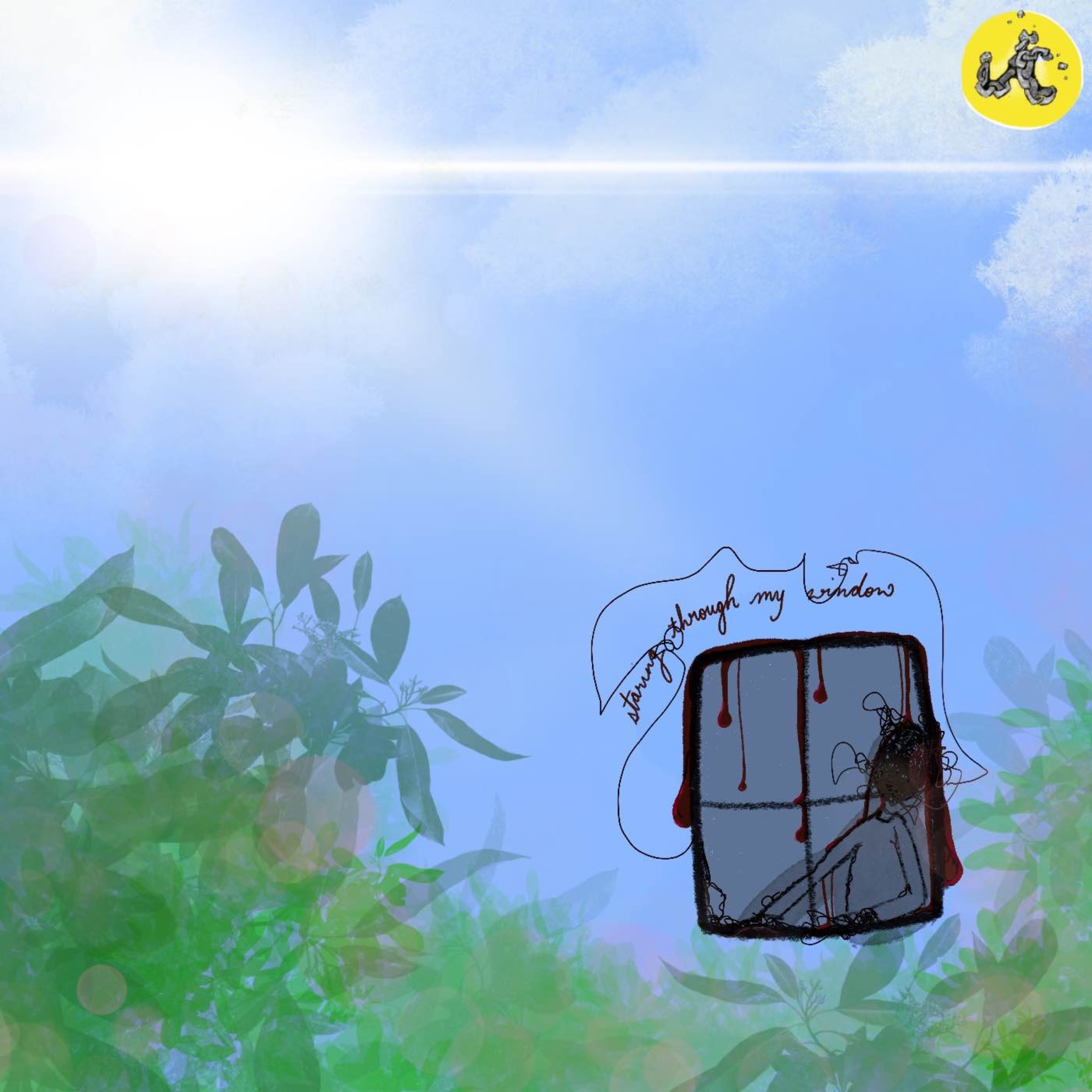
This podcast features an intimate conversation between Faith and Mayam, a formerly detained individual, highlighting the profound personal, mental, and social harms of immigration detention. Mayam describes how detention triggered severe trauma, including suicidal ideation, mental health deterioration, and the shattering of relationships and trust. She recounts how the stigma of being labeled a criminal led to social alienation, with friends and community members avoiding her. The experience left lasting psychological wounds that persist even after release, affecting her personal life, economy, and spiritual well-being. Mayam advocates for a systemic overhaul, calling for transparent risk assessments, community-based alternatives to detention, and meaningful post-release support like therapy and housing. She emphasizes that detention is not only a human rights violation but also a fiscal and social failure, draining public resources without delivering results. Central to her message is the power of awareness: only through understanding the realities of detention can society challenge harmful policies and move toward justice. She urges listeners to recognize the truth behind the system, to reject ignorance, and to demand change—so that future generations do not inherit a history defined by incarceration and dehumanization.
Welcome to the first of our podcast series, Immigration Detention, The Hidden Costs,
brought to you by the Unchained Collective, where we will be hearing conversations between
those who have spent time indefinitely detained on administrative grounds in British Immigration
Detention Centers.
The aim is to raise critical awareness through the powerful voice of experience of the destructive
impact of immigration detention on many levels, on individuals, families, communities and
society at large.
Discussions encompass the ongoing harms of being dehumanized and criminalized, the stigma
and rejection individuals face upon release into the community, as well as the economic
impacts of the system on individuals and society as a whole.
However, these conversations importantly also demonstrate the strength and powerful resistance
of those targeted by the system.
A crucial question is raised, why is this system that destroys lives, wastes public funds
and fosters division in our society allowed to continue?
Can we envision alternative ways of being together in our shared vulnerability?
Can we build a society where everyone has the right to breathe?
Ultimately, these powerful accounts serve as a collective call to action.
When future books chronicle the history of systematic incarceration and torture, sometimes resulting
in death, of predominantly non-white individuals for crossing borders, what role would you like
to have played in that history?
This is a question, this podcast series compels you to ask yourself.
Logists, we may know how these people have, they have passed through a lot of trauma before
even coming to UK, so kind of detaining them is kind of re-traumatizing them again.
They would be walking up and down, the corridors in the night, you hear their boots, you know,
thumping on the floor, you couldn't sleep because they would be taking people to deport
them in the night.
The whole idea of a detention system, but they didn't tell me why I was detained.
It's based on past experience of colonialism.
I still don't know why they detained me.
The extension made us to be alienated from each other.
Nobody wanted anything to do with me because they felt I might have committed a crime.
I'm being labeled as a criminal, so I don't have any freedom.
The wastage of money involved in running this whole institution, and you just feel losing
my identity, having to get adjusted through, you know, being called out through a number.
I feel like, I mean, just a number.
You are unwanted, you feel like you are really not like a human being.
Everybody's men and women, to be behind bars, is an economic West, is a human West.
We need to counter balance the negative metrics that come in out there that immigrants are
nothing but a board and two society.
And this hatred to hate other people who are not English, knowledge they say is power, ignorance
is a very big disease.
They want to silence us.
It takes courage for us to be here.
I refuse to let their system break me.
I don't want to be a victim.
And that I want to be a victim.
Welcome to this podcast series, The Hidden Costs of Immigration Detention.
Brought to you by Vanshane Collective.
In this episode, Faith talks with Mayam about the profound impact of detention on a mental
health.
She calls for radical changes to the system, from proper risk assessments prior to detaining
people to community-based alternatives to detention.
However, while detention continues, she calls for support for people once they're released
and speaks powerfully about the importance of raising awareness of the realities of detention.
Knowledge, she says, is power and ignorance is a very big disease.
With awareness, she concludes tomorrow, will be there today.
Glad to be with us today.
How are you?
Fine.
Thank you.
Okay.
First of all, can you tell us something about yourself, what are you doing?
My thinking, I've been detained once.
Okay.
So what is it like to be detained?
Yeah.
To be detained is not an easy task, it's very traumatic, it's very limiting because when
you're in liberty, it's taken away, the uncertainty, you don't know what will happen
tomorrow, there's a lot of mental health problems, yeah, I was suicidal, well I was there after
my interview, I started my interview, so it was not a very good experience, it was very
traumatic.
How has the immigration detention impacted you at the personal level, can you share with
us, please?
On the personal level, when I was released, it was like I came back from my exam, so it
was very difficult for me to do anything.
In relationships, we are not very easy to combat, even the people that used to be my friends
became very distant from me, so they don't want to do much with me because I'm a liability
to them now, or maybe because I have a student, something like imprisonment, incarceration.
So I was a loan, it was very lonely, I had a lonely life after release, I was not able
to fend for myself, I was not able to maintain a relationship because of the, a long time
absence from this society, so yeah, I don't have family here in UK, not your family,
even anywhere, but somebody I have come to be used as a family member, the detention
made us to be alerted from each other, although he still allowed me to come back to his
house, but the trust and the friendship that I had with him was kind of strained because
he wasn't sure exactly who I am, so it affected my personal life, and the person I can say
is my family member here.
How about the community?
Yeah, the community, the community, they are looking at me somehow as well, because today
I was arrested, they were all around, so they saw the show, the homophys is damaged, as
if I was an ambraber, so when I came back, they were not really free to relate with me,
so it wasn't a very pleasant one.
Oh, okay, how has the experience of immigration detention affected your level of trust?
It impacted my trust because I could call my friends because they should have been people
helping me, but because I had a challenge of renewing my visa, they alienated themselves
for me, so it made me not to actively engage in relationships, so it stopped me from engaging
with anybody, because I don't want to be an immobiliated after making a relationship,
developing a relationship, so that's how it affected music.
So you've been through a lot, so what do you think we can do differently like regarding
detention centers, and of course the immigration situation in this country, so do you think
what can we do differently to get different results without hurting people?
From my experience, there's a lot that can be done, like even taking somebody to detention,
there has to be, they have to create the person, inform the person what is going to happen,
not lying to that person about the needy change, and even before detention there has to
be a kind of risk assessment, because many people already
'Ti' isu' 'mena' 'all these people' 'that they have passed through a lot of trauma' 'before even community UK'
'So kind of detaining them' 'is kind of retraumatizing them again'
'And then there are other alternatives to detention'
'There is no need to detain people, take their way, their liberty'
'Stop them from getting employment for themselves, funding for themselves'
'There is a community arrangements, where people can be in the community'
'Stay communicating with their family, with members of the society'
'And it's a radastic man that you have been detained, incarcerated for a while, we will not be there'
'And then if you are in the community, you can be given an opportunity to contribute to the community'
'When you are associated with people in doing things, you contribute in many ways, socially, economically'
'And then even detention centre is so costly'
'It's causing people's taxpayer's money'
'So why spend such amounts of money to lock out people, everybody's men and women'
'To be behind bars'
'Is an economic waste, is a human waste'
'It is very traumatizing'
'So I will recommend community arrangements, community arrangements to keep people'
'So if I recommend community arrangements, community alternative'
'We have people who will be there and then engage and contribute'
'Even an opportunity to do some work and get employment so that they will rely on states and handouts'
'But to be able to provide men and women and use their talents'
'Because all these people, they are professionals in their various fields'
'So when you leave them, give them all five feet every day'
'It doesn't have this community, it doesn't have the individual, it doesn't have the family'
'Oh, brilliant advice'
'But since we still have the detention centres around the country'
'So people after they have been released from detention, do you have any advice or anything to prepare them'
'Like post detention, after they leave detention?'
'Definitely, people can be prepared, you don't just release somebody into the air, to be in the sea'
'You prepare, you give somebody some kind of therapy, prepare them how to get into the society'
'Some people must have suffered mentally or physically'
'So you can recommend a place, direct them where to go, not just go out, you are released'
'People don't even have a house to go to, some people don't have any where to go to'
'They are stranded, so you are not helping that person to be a better person'
'So I recommend that kind of orientation before somebody is released'
'And then even after that you follow it up, how are you doing?'
'And things like that, coming to a report to whom office is not enough'
'Because when you go to reports, you are still traumatising that person'
'Most people have gone to reports and then they are re-arrested again'
'And taken back to the detention centre'
'Yeah, detention has, the party has on me that's in me created'
'I become an island for other people'
'The difference, I don't have any friends anymore'
'Because they are not willing to interact with me freely'
'And I had a mental health problem, I'm still having it now'
'Because it doesn't leave you, even if you leave detention'
'The effect of detention doesn't leave you'
'It's like a lifelong event'
'So it is a fear of, we don't know what will happen tomorrow'
'And even though my status has been regularised'
'That feeling still lingers on'
'So it doesn't go away'
'So it impacted my relationship with people, it impacted my personal life'
'It impacted my economy, it impacted my, even my spiritual life'
'Many ways'
'So there are so many things involved, it's a complex experience'
'I have been somebody that fan for myself from childhood'
'So I was incarcerated'
'And after incarceration, an undependent on people'
'It's very humiliating, it's very very blatantly'
'It makes me feel small, it makes me feel incapable and vulnerable'
'The state is saying that I'm nobody because of my immigration status'
'Yeah, but in all those things, when I think about them'
'It makes me to, it makes me to cry, to feel subhuman, but I know I have to leave'
'I know I have to leave, so that's the only thing'
'And I couldn't talk of spirituality'
'Yes, it was my spiritual life that really made me to continue living'
'Because I'm a Christian'
'And when there is life, there is hope'
'So it makes me to look beyond my circumstance, that this setback'
'Can easily be turned into a set-up for a better tomorrow'
'So that's what I'm looking forward to, I don't want to be a victim'
'Rather I want to be a victim, to move forward and prove myself'
'And people around me that even if somebody wants to regard me as a second-hand citizen'
'So I want to prove them wrong, that I'm a full-fledged human being with equal opportunities'
'I'm going to give an opportunity, I will use it and utilize it to the utmost'
'That's what my spiritual life helped me to understand, that I don't need to dwell on my vulnerability'
'Bit of beer and overcomer'
'Thank you, thank you for being brave'
'And thanks for trusting us and sharing all this experience with us'
'But that's why I really like to work with the undetention'
'Because a lot of extraordinary people that I'm dealing with every day'
'And I'm getting my power from them'
'It's a very good and continue because a life on a explode is no one living'
'So the detention centre is a life on a explode, nobody can take the experience from me'
'And that experience has given me a voice'
'And that's why I'm doing my program in the university to be a voice, to those people that are voiceless'
'To be able to tell the world and put documented that this is what is happening, because awareness'
'We help people to understand, because without awareness, without understanding'
'The policies will continue to be the same, the police practitioners will see be the same'
'Even the public will see the ignorance, but with awareness'
'This activity we are doing is a good step in the right direction'
'The project is helping people to know, to create awareness'
'And then maybe the laws will be changing, when people get hold of it'
'The politicians think that this is what society wants, but it's not true'
'Because the society, I've been dealing with people individually'
'Nobody wants any human being to suffer unnecessarily'
'Because the politicians refuse to tell the public the truth'
'And the newspapers are blowing the trumpets that these people are coming to to liquidate the country'
'But if truth be told, I'm sure the citizens will now want to waste their money'
'On keeping everybody's men and women behind closed doors'
'Wow, that's been amazing, I'm so glad to be here'
'Do you have anything to say?'
'Well, like we said, it was brilliant that we are creating this awareness'
'Because I want to acknowledge that it's power, ignorance is a very big disease'
'So this is a part of creating awareness and I always want to be part of any activity or events'
'That create awareness for people to know what detention is actually about'
'And the evils of detention center'
♪ Just hear us and say ♪
♪ I have already come ♪
♪ Please rest then, Lord ♪
♪ Be safe this time ♪
♪ And raise ♪
♪ We'll leave ♪
♪ Me all was one ♪
Podcast Summary
Key Points:
Immigration detention is deeply traumatic, re-traumatizing individuals who have already experienced trauma before arriving in the UK.
Detained individuals suffer severe mental health consequences, including suicidal thoughts, long-term anxiety, and a breakdown in personal and social relationships.
Detention erodes trust, leads to social isolation, and results in stigma, making it difficult for people to reintegrate into communities or maintain relationships.
The system is economically wasteful, as incarceration costs public funds without delivering societal benefits, and fails to support individuals' reintegration.
Detained people are dehumanized, treated as numbers, and denied identity, which strengthens feelings of alienation and subhumanity.
There is a strong call for community-based alternatives to detention that prioritize rehabilitation, employment, and family connection.
Post-release support, including therapy and orientation, is essential to help individuals recover and reintegrate into society.
Awareness and truth-telling are critical to challenging systemic injustice and pushing for policy reform.
Summary:
This podcast features an intimate conversation between Faith and Mayam, a formerly detained individual, highlighting the profound personal, mental, and social harms of immigration detention. Mayam describes how detention triggered severe trauma, including suicidal ideation, mental health deterioration, and the shattering of relationships and trust. She recounts how the stigma of being labeled a criminal led to social alienation, with friends and community members avoiding her.
The experience left lasting psychological wounds that persist even after release, affecting her personal life, economy, and spiritual well-being. Mayam advocates for a systemic overhaul, calling for transparent risk assessments, community-based alternatives to detention, and meaningful post-release support like therapy and housing. She emphasizes that detention is not only a human rights violation but also a fiscal and social failure, draining public resources without delivering results.
Central to her message is the power of awareness: only through understanding the realities of detention can society challenge harmful policies and move toward justice. She urges listeners to recognize the truth behind the system, to reject ignorance, and to demand change—so that future generations do not inherit a history defined by incarceration and dehumanization.
FAQs
Detention can lead to severe mental health issues, including suicide ideation, anxiety, and long-term trauma that persists even after release.
People often lose trust and feel isolated, with friends and family distancing themselves due to stigma and fear of being associated with someone in detention.
Many have already experienced trauma before arriving in the UK, and detention subjects them to constant uncertainty, separation from family, and dehumanizing conditions.
The speaker advocates for community-based arrangements that allow detainees to maintain connections with family, work, and society, reducing harm and increasing social contribution.
Awareness is seen as a powerful tool to challenge ignorance, shift public opinion, and eventually lead to policy changes that end harmful detention practices.
Without proper support, released individuals face homelessness, mental health crises, and re-arrest, making reintegration into society extremely difficult.
Chat with AI
Loading...
Pro features
Go deeper with this episode
Unlock creator-grade tools that turn any transcript into show notes and subtitle files.
 PodcastTranscript AI