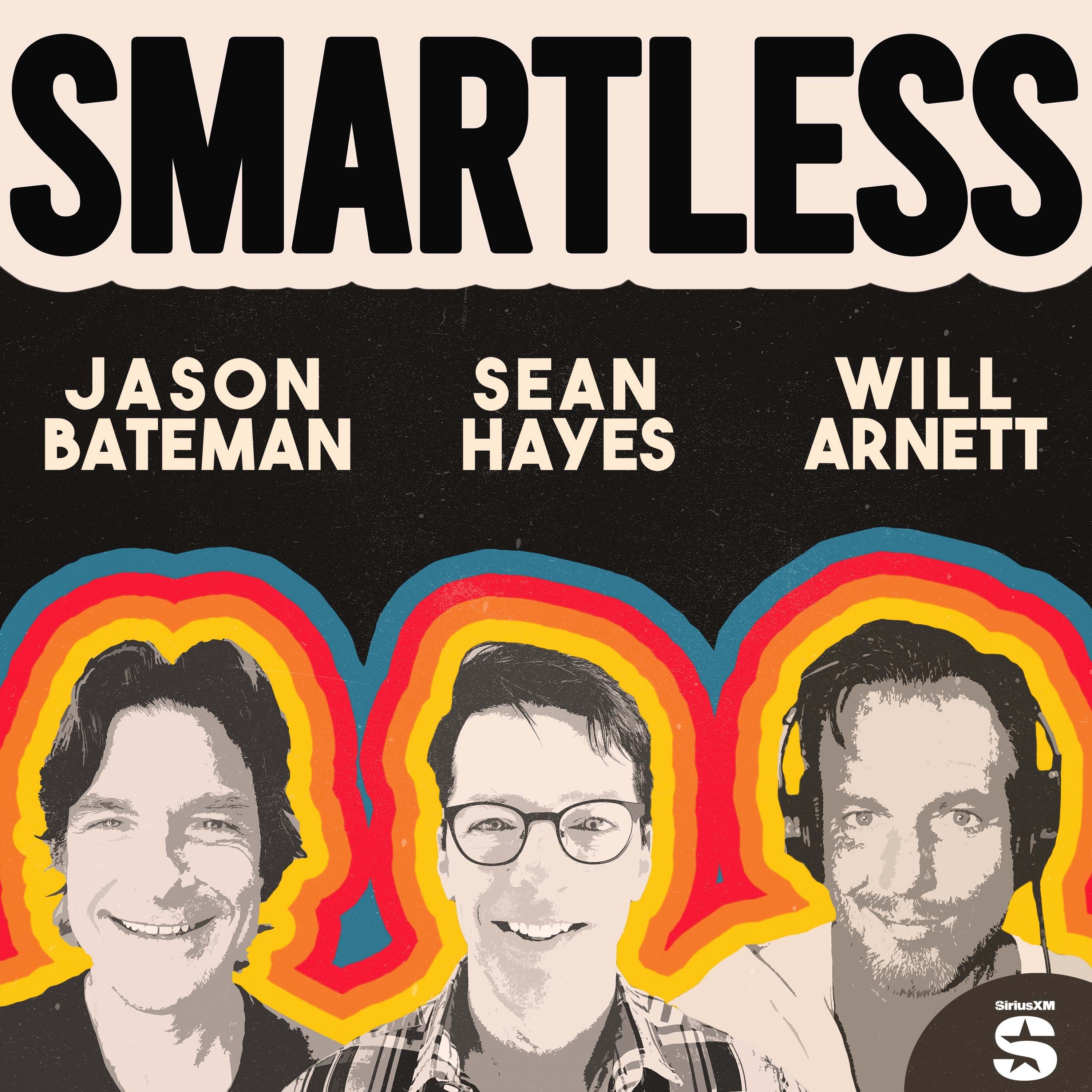
The conversation opens with a lighthearted moment as Will shares a reflective, offbeat day in North Carolina, contrasting with his usual hectic routine. He introduces a book recommendation—*The Silent Patient*—to Sean, emphasizing its dramatic appeal and personal resonance. The discussion then expands into a deep dive about The Beastie Boys' influence and legacy, celebrating their role in merging punk, hip-hop, and humor to reshape music and pop culture. Their formation in New York’s punk scene is detailed, highlighting key moments like their first show, meeting DJ Rick Rubin, and experimenting with music in unconventional settings. The band’s early success with *Licensed to Ill* sparked both acclaim and industry pressure, leading to a pivotal break where they prioritized artistic freedom over commercial expectations. This allowed them to create more experimental work, such as *Paul’s Boutique*. The episode also touches on financial struggles, including unpaid advances and label restrictions, which reinforced their independence. A standout moment is the *Sabotage* music video, which blended satire with innovation, influencing MTV and setting a new benchmark for music videos. The conversation concludes with reflections on the enduring cultural impact of the Beastie Boys, acknowledging their influence not only in music but in fashion, film, and youth identity. Their journey from rebellious New York teens to iconic cultural icons remains a powerful testament to creativity, authenticity, and resilience.
Well, I'll be gosh dang darn, Eloise, you've gone ahead and spilled coffee all over my microphone game.
I'm sorry.
Don't be sorry. Here's some jam.
So, Will, what are you doing there with a fire going?
Are you in some sort of log cabin? Are you on a hunting trip?
I am. I am. I'm in a log cabin. I'm in the sort of the mountains of North Carolina.
Are you for real?
Come on, really?
Yeah, yeah, kind of southeastern North Carolina, right near the border of Georgia and South Carolina.
So this is still part of the show?
This is the shoot you're doing, right?
You know, I'm just, I have the day off.
Come on.
Yeah, and decided, I swear to God, and decided to come and just do a little exploring, and it was just a couple hours away.
Really?
So wrapped last night and then drove late into the night to get to this spot.
What about sitting still for a minute?
I'm looking at this little lake, and I'm up here, and there's a little fall foliage.
This is no bullshit at all.
Yeah, I'm up here, and it's beautiful, and I'm just up here for a couple days just getting a little rest,
and it's gorgeous, a little fall foliage, and just getting a little rest.
I'm going to reset.
I've had a big couple days on the show.
And the gum tastes good because it sounds great.
There it is.
I fucking forgot.
I forgot, yeah.
So anyway, I'm having a beautiful, beautiful afternoon out here in North Carolina.
What are you going to do?
Are you going to go hike and jump around in the water?
I'm going to hike a little bit.
There's a little lake here.
It's quite frigid, but I'm going to jump in because I'm going to reconnect with my Canadian roots.
You know, just take a quick dip, eh?
Okay.
So tarp's out.
Tarp's off and jump in.
Oh, tarp's off.
Might even go skinny dip, eh?
Well, what's going on with you?
And then I'm going to read.
Oh, speaking of reading, speaking of reading, Shawnee.
Yeah.
So, Shawnee, you and I have been talking about reading books, and I have a book that I want you to read.
Okay.
And I've been thinking about this.
As long as it's not really, like, you know.
Why aren't you talking to me about reading books?
I know it's left to right, top to bottom, right?
Well, because we know.
We know.
We know what happens.
I mean, because I'll say to you, hey, read this book, and you'll be like, what channel is it on?
Yeah.
So.
So, I've got a book.
Wait, as long as it's not really thick and big.
No, no, no, no, no.
It's not really thick.
Sean, and I just, I read it this, I read it at the beach, and I thought about what I,
it was one of those, like, I don't know, it's good.
I don't know if I necessarily would have picked it, but it was, long story short, it ended
up being a book that was there, and so I was at the beach, and I read it, and I blasted
through it, and I think you will, too.
Okay.
And there's something, and as I was reading it, stuff happens that I thought, Sean will
love this.
Yeah, because I don't normally like reading, and you kept talking about this thing.
No, but, and I don't want to tell you why, I don't want to tell you why.
Please tell us, what is an example of something that you read, you go, oh, Sean would love
this?
I can't really, because it'll give, because I don't want to give it away.
Does it, like, take place in, like, a mayonnaise factory?
He's going to like it.
Okay.
Okay.
If this is a little, little sample of what the book podcast is going to be, I'm in.
Will that, will I like it?
It sounds snappy.
Well, it's not long, right?
Like, I'm.
It's not long.
I can get through it.
And you will.
A lot of drama.
A lot of drawings in it.
I gotta, I'll check it out.
You haven't said to me, like, is it good?
Well, I know, well, I'm, I'm, I'm guessing it'll be good, because you're saying it's
good.
Are you short on time right now?
Are you late for something?
Sean, seriously.
Hey, this is one of my favorite lines in the movie, is JB, what's that movie, JB, you did
where you go to the desert, and you're driving all along, and you shot an Abu Dhabi, or.
Oh, uh, the Kingdom.
Kingdom.
Oh, that's such a good movie.
And they're driving through, they all get in an SUV.
It's not that funny.
And the guy's blasting through, and then JB from the back.
He goes, hey, driver, are you late for something?
I don't know.
Hey, Sean.
It's not a comedy, but that boy, that made me laugh.
Sean, how many books do you read in a month?
In a month?
I'm not, I don't ever read.
Right.
I mean, that's why Will's like, you gotta start to read.
I, I said to Sean.
Because why?
You guys have a.
Because it's, well.
Because he'll enjoy it.
I think you'll enjoy it too, JB.
Yeah, do you want to read it too, Jay, or no?
No, I'm good.
Okay.
Okay.
So, Sean, are you ready?
You can't, you can order it, but don't look at it.
Don't look up the plot or anything.
Okay, I won't, I won't, I promise, I promise.
Just in the blind.
The book is called, and it came out, oh God, it came out at least eight years, eight, nine
years ago, called The Silent Patient.
Okay.
And by a guy called Alex Michalides.
I'll send you, I'll send you the, the.
Well, God forbid you actually send me the book, but yeah, send me the link.
I'll send you the book.
You know what?
No, I'm kidding, I'm kidding.
I'll send the book over, yeah, yeah.
No, I'll get it.
Willie, how's your work going?
Everything okay down there in Atlanta?
You're not fired yet, or?
Real good.
No, not fired yet, I'll show you.
Yeah, he sent me, he sent me pictures, Jay, of the, of the set of NASA.
Oh, lucky you.
But because I, look at that, isn't that wild?
I get, I get Wi-Fi, I can receive shots like that.
Look at that.
And then, and so I had to give like this big.
So cool.
Speech, look at this, it's just.
It's pretty amazing.
Oh, that's really cool, yeah.
I mean, the sets they have built for this thing are incredible, and yeah, it's called
The Challenger.
It's about, it centers around the disaster of the Space Shuttle Challenger.
Yeah.
1986.
But now, let me, let me say this.
Last Saturday, I was at Jason Bateman's house, and he showed me his movie, The Cackles of
the Dodo.
We don't need to talk about this.
No, I know.
Well, we'll talk about it later, and I know you don't like it.
You should go check out the new one.
The Cackling of the Dodo.
Yeah, it's.
Oh, well, I like, I like links, but.
It's so, let's show, everybody shut the fuck up.
It's so.
Awful.
It's incredible.
The head.
It's surprising.
It's incredible.
It's incredible.
You're very nice.
I can't wait to see it.
I was just blown away.
I was blown away.
JB, next weekend when I come home, will you show it to me?
Yes, please.
I was.
Okay, okay.
So wait, so you are coming, you're not done with the movie yet, are you, Will?
No, no, no, I'm not done.
But you get to come home for, oh, right, I get, because we're doing the bowl.
We're doing the bowl.
That's this weekend, right?
Oh, yeah, this is going to air after the bowl.
How did it go?
How did, God, was that great?
I can't believe we're going there.
It's so stupid.
All right.
I can't believe we got Winston Churchill.
Yeah, let me tell you, let me tell you who wouldn't be uncomfortable.
At the Hollywood Bowl.
Some people that really deserve to be there probably have played there.
Wow.
Gang, every once in a while, we get the gift of a guest that sits atop a mountain.
I love mountains.
Today's one of those days for me, and I would imagine a whole lot of folks.
Okay, we got two guests today from a band that not only helped birth an entire genre of music,
but also brought to the mainstream a unique mix of swagger and humor that still has its imprint.
What?
Nothing.
Go ahead.
Keep going.
It still has its imprint on not only music, but film, television, fashion, and culture as a whole.
All right.
They were an incredible band whose musical output was cut far too short,
but whose influence remains a pillar across all we see and hear.
Guys, they were ironically birthed during the Virgin tour.
They invented the word mullet, and they rarely talk to clowns like us.
So tighten up and get it together for Mike Diamond and Adam Horowitz from The Beastie Boys.
The Beastie Boys.
No.
Oh, come on.
No.
Wait.
What?
It's real.
It's happening.
Oh, my.
What?
How am I supposed to do that?
There they are.
Oh, shit.
Oh, my God.
This is wild.
You guys.
This is really cool.
Guys, can I just say, and fucking forgive me because I'm old, but I can't stand it.
I know you planned it.
You're fucking, you guys, unreal that you guys are here.
This is not a treat, man.
I asked for them.
This is part of my OG request list when we started this stupid podcast, what, six years ago?
Six years.
Probably one of the first three people I asked Michael to go after.
Incredible.
Guys, thank you for making it happen today.
Dude, guys.
It's a big day for me.
Adam, good to see you again, man.
It's been a long time.
Good to see you, too.
Yeah, man.
Hi.
Wait, Jason, can I interrupt for one second?
Yes, please.
Adam's already going to be mad at me because I interrupt all the time.
I do that, too.
So you said we are amongst the top three.
Top three.
Top three.
We're in the top three.
Yeah.
Who are the. Other two.
Who are the other two?
That's a fair question.
Radiohead.
Radiohead.
Yeah.
And Howard Stern.
What?
How about that?
Yeah.
I mean, you're a face to Howard, but. That's an eclectic top three.
Well, it's just these are also people that don't do this, you know?
And I'm happy to say, very proud to say, we now have the top three done.
How about that?
So you're done after today's episode, Jason.
I'm announcing my retirement.
Wait, you got Radiohead and Howard Stern?
And then us?
Yeah.
Well, you guys are tough.
We couldn't make your deal.
Yeah.
Wait, and Radiohead, you got the whole band?
No, we got Tom and Johnny.
We got Tom and Johnny.
That's top, top.
Yeah.
The other fellas are a little tougher fishes to boat.
Now, okay, welcome.
Welcome.
Yeah, welcome, guys.
This is very, very big.
Thank you for doing this.
Thank you very. You guys don't do this.
You guys are okay not talking.
You're okay not. Doing self-promotion and this sort of this machine that I would argue you guys are partly
to blame for creating this like incredible like wave of just media growing into the size
that it is today.
Like you guys put many, many more people in the tent, I feel, that wouldn't otherwise
be interested in pop culture, I would say.
So thank you for that.
Whoa.
Yeah.
I thought you were saying we were like media dogs.
- No.
going in that direction.
No, we can dispel that right now.
Paparazzi.
Well, we were actually very media derided, Adam,
if you remember.
Really?
No.
For a moment, yeah.
For a moment.
Well, I think everybody is.
Everybody has to have their moment of being derided.
Was that earlier?
That way you can ride off into the sunset with, you know.
Remind me, what was the beef?
In the UK.
That's what you're saying, right?
It was a UK thing.
So when we are on the Licensed to Ill Tour.
Yeah.
So many, many moons ago.
Sure.
Many decades ago.
40.
40 to be exact.
Wow.
You didn't say that.
We're celebrating.
That's amazing.
That is incredible.
You know, light your hair on fire about it.
It's pretty awesome.
We're going to get into that.
Light your hair on fire.
Is that our phrase?
It is.
It's for old-timers like me.
But I mean, there's nothing more putrid than the smell of burning hair.
That is true.
That is true.
How do you know, Mike?
Because I, who has not accidentally burnt, like, tell me you've never done a bong rip
and burnt some piece of hair.
I mean, sorry, I don't want to offend people who are non-THC participants.
No, our listeners are into gummies, Mike.
How dare you?
So, wait, what happened, sorry, what happened in, remind me what happened in England.
So we, we're on tour in the US and there's like this whole, these English journalists
come because we're.
We're, we're still media darlings at that point.
Yeah.
These British journalists come to interview us and, but they, it was very popular in that
time when there was a British music press that they would sort of exaggerate, you know,
be like these, these articles written very much in the first person.
Right.
So it was all about the journalist's experience.
And so they would kind of conflate and inflate the, the goings on.
But this is the time when we know, but also they, they were right.
Like we were playing shows in the American South and we were literally like, they are
trying to ban us from playing.
In the South?
Yeah.
For these towns, because, you know, we were obviously a satanic force to be reckoned with.
These damn instigators coming down from, from New York City.
Yeah, exactly.
So anyway, that got put out in these, in these big music publications in England.
Right.
Yeah.
And then.
And then it became like this, it kind of jumped from being this music publication fodder to
being on the front of like the tabloids.
And then it really became surreal because then we had to go over there to tour and we
land and it's like, you know, we're just swarmed with paparazzi and all this stuff that we've
never experienced before in our lives.
Right.
And then on top of it, it's just very surreal experience where we, we, we, we, we, we, we
we, you know, we're coming from New York City.
The closest we have to a tabloid, I guess, is the New York Post, right?
I mean, no, no, no disrespect to fine publications, but you know, we don't have, we just didn't
know what that was.
And then all of a sudden we're like on the cover of all these.
Were you doing anything?
Were you doing anything to kind of foment that?
Like what, I mean, it's certainly not novel that there would be, you know, a couple of,
you know, bands or, or musical acts that, that are.
You know, getting after it or being instigators or, or, or being, you know, smart asses in
press or something like that.
What was it?
Was there something specific that got them all in a tizzy?
Well, it was basically, you know, our, our licensed ill record and, you know, wild stuff
at our shows and they were writing about it, but it's basically, I think in, in the tabloids
in the UK, you know, the sex pistols had already happened.
And so they needed like a new.
A new thing like that.
Right.
And so the music writers are writing it and then they were like, oh shit, well, let's like
monetize this kind of thing.
You know, and that's when we were on the cover of all the newspapers because we were going
there.
And apparently they had a meeting of the parliament to decide if we should be allowed in the country.
Oh, geez.
No.
All of it turned into a whole thing.
But by the way, which is probably great press.
Yeah.
It's a lot of press.
It's a lot of press.
I mean, great or not, I don't know, but, but it was a lot.
Like if you're a kid.
And I do think the, the parliament meeting part, at least to me.
To me.
I mean, there aren't that many, I try to like, there aren't that many things like, you know,
that, that's a little bit of a badge of honor, I would say.
Sure.
The fact that a government agency is actually wasting.
On your first album.
Their taxpayers money.
Yeah.
But, but I was going to say like, as a kid, if you're, if you're a kid and you're into
music and you want to do something, you know, and, and music, there's always that, especially
that, you know, what you guys did sort of inherently rebellious.
If you're a kid and you're like, these guys are being derided.
As you say, we're being whatever you're like, yeah, fuck.
Yeah.
I want to be with those.
I want to listen to those guys.
I want to, these guys are doing like in a lot of ways, that's again, it's kind of what
Sean was saying.
It's kind of, there's a positive side to it.
There's gotta be anyway for you guys.
But again, not a new thing, but what I, what I thought was, was, was new, which I think
it took all of us, including the media probably to, to get their arms around and to understand
was sort of like what I talked about in the intro, sort of that blend between.
Yeah.
Yeah.
Yeah.
Yeah.
Yeah.
Yeah.
Yeah.
Yeah.
Yeah.
Yeah.
That's, that's, that's, that's the thing.
Yeah.
kinds of things were coming from you guys it was so original and so fresh how quickly did you see
them start to kind of get it and give you guys your your due did it happen there on that first
i mean the first record sold like millions of copies right so but that was pretty good for sure
and then adam what happened the second one not so much you know not not as many or any of the
millions but that's when you guys were starting to vary it a bit and get it really complicated
and challenging in the best way i can i can i just sorry can i just go back i i don't think i
really know the sort of the the origin story of you guys of how you guys started making music
together i think you guys went to school together you've known each other since you were little kids
like how did that happen it's a bit of a funny one like i we actually know each other
we we all knew each other from not going to school i guess it's a story and really because we i mean
we were we were born and bred like new york city kids and i first met uh adam yao mca at going to a
bad brains show in manhattan and i was like i was i think i was 15 this is the punk the punk scene in
new york i mean this wasn't even i mean to accurately describe it like as a punk scene there were like
maybe 20 people in the audience it was a school night i don't actually even know how i managed to
sneak out or convince my mom to let me go out or what but i was out but the punk scene was growing
right right in there yeah yeah at that time well it was just like that's how the scene was
i mean it was beyond small there was literally like this band the bad brains was playing and
to me they're one of the most amazing bands ever right and there's literally
like 16 people in the audience and amongst them was the only other kid that was like my i went with
a friend of mine from school who was the first uh guitar player the beastie boys john berry
and like john already because he's a year older than me at 15 seemed a lot older and he drove
and no there's no driving taking taking the trains manhattan and then uh and then so then
the only other kid our age was adam yaok and he's there and he's he's
he had it like down the whole like punk style like he actually had like a trench coat and boots and
like you know he had like these little like uh buttons that he painted himself so nice he was
much better art directed punk uh-huh than i was right um or more advanced how soon before you
guys started uh talking about music and and putting together a band kind of like i was a
because I was with John, that we went up and started talking to him.
Yeah.
And then it was like, yeah, you know, it's such an amazing thing
in your adolescence when you discover that there's other people
that are like you.
Because, you know, I was going to like what I thought was like,
whatever, a progressive, cool high school.
But I was still, I was one of only two punk rock kids in the whole school.
What high school were you going to, Mike?
At this point, I was still at Walden,
which was like the super hippie progressive school on the Upper West Side.
And then the next year I started going to St. Anne's,
which is also a super progressive, less hippie school in Brooklyn Heights.
But you're trying on, at that age, you're trying on all these little skins, right?
Trying to figure out who you are, who you're becoming,
and the people you surround yourself with often either enforce that,
support that, or you figure out, yeah, no,
that's not really me.
And you go another direction.
It is a really exciting time or scary time in people's lives, yeah?
Yeah.
Well, and I also think that that identity, like the thing, you know, we.
we thrived on differentiating ourselves
from like everybody and anybody else
we would go to school with.
That was very important.
That was like hugely important.
So like punk rock was great for that.
And then the second we heard rap music,
that was like even better.
Yeah, that's what I was going to ask.
Like, was there somebody,
like who did you listen to rap wise?
And be like, you know what?
I think we should do that.
I think that's our direction we should go.
Because it was so unexpected at the time.
I was an MTV kid.
And when you guys came on,
I was like, who the hell are these?
Like, it was like Jason was saying,
it's so new.
And like, you'd never seen anything like it.
And how did that,
how did you trust that
that was the direction you should go in?
So we used to,
we were a hardcore punk band.
And, but we listened to a lot of rap music.
And so I guess we kind of,
we're like, let's try to rap at one of our shows
and see what happens.
I mean, that's wild.
So we did, we played, you know,
like however many, 10 punk songs.
And then did a couple rap songs.
Uh-huh.
And.
With punk music under it, yeah?
No.
No?
No, like we put the guitars down and then rapped.
Yeah.
And then.
Yeah, we were committed.
We were committed.
So there's no melody under it as.
Well, I mean, that's a,
that's pretty,
that's a broad statement about rap music.
No, but I mean.
No melody?
No, but you know what I mean.
Like what you guys became,
what you guys.
Jesus, baby.
Hot take.
Jason Bateman says rap music
completely lacks melody.
How many times have you been stepping it today, dude?
Hey, what you guys ended up
contributing to the genre,
which was these incredible melodies.
I mean, look, you know,
the whole, the mix up is,
is all that.
That's real music.
What I'm saying is that,
that there was.
No, there's traditionally,
there's no usual kind of like melody
that accompanies a rap.
Dude, you are so deep
and you're looking up at the hole right now
that you dug.
My big white shovel.
It's not like Radiohead.
I get it.
I get it.
I mean, Radiohead's sophisticated.
More like Howard Stern.
No, but.
Actually, you know,
we're kind of the middle ground
between Radiohead and Howard Stern.
No, but, well, okay.
I guess.
He means acapella.
I don't want to be in the middle of that.
We'll be right back.
All right, back to the show.
I'll try to help Jason out a little bit.
Were you guys,
were you guys at that point
when you were rapping,
did you guys,
did you have a DJ at that point?
Did you have somebody dropping beats?
Thanks, man.
Or were you guys just rapping?
That's it.
DJ and dropping beats,
I meant to say.
Right.
Yeah, all right.
We're getting a lot of hot takes going on here,
but actually that was how we met DJ Double R.
Yeah.
Rick Rubin was through a friend of ours,
another like downtown New York City kid.
Like, so anyway, yeah.
Let me also paint the picture.
Like, so I met Yauch at this club,
but there was like this whole pack of like us teenagers
that would go to see whatever,
the Ramones play or the Slits or Gang of Four,
like, you know,
punk and new wave shows
that were happening in these clubs.
And most of those clubs,
you were supposed to be over 18 to get into.
Yeah.
And we absolutely were not that.
But in New York City in that time,
it was all kind of like lawless, you know.
Yeah, yeah.
As long as you weren't doing something really, really bad,
you were okay.
Yeah.
And anyway, so it was like this pack of kids.
That's also how we met Kate Schellenbach,
who was the first drummer for Beastie Boys.
Anyway, so in that pack,
now I've totally lost my spot.
Well, you found Rick Rubin.
Oh, yeah.
So in that pack,
a friend of ours said,
we were like,
oh, we want to start rapping
and we need to find a DJ.
And a friend of ours was like,
great, I got just the guy.
He lives in the storm room at NYU.
He's got all the DJ equipment.
And Adam?
Rick Rubin had access to a bubble machine.
A bubble machine.
Yeah.
We got to use that.
They were not yet a staple of those hard punk shows.
Bubble machines.
Yeah, yeah.
Come on, that seemed very big time.
I mean, you could play a show
and have a bubble machine.
Right, yeah.
Fucking keep your smoke machine.
I love that he had access to it.
He didn't own it.
He just. Yeah.
Access.
And the thing that's fucked up is
it turns out he did not have the bubble machine
and did not have the access.
No way.
I think it was like,
because he was like on the entertainment committee
of like NYU or something.
No, not NYU, for his dorm,
for like booking gigs at his dorm,
which gave him, I guess, access.
Wait, right.
To your supposed bubble,
bubble machine?
So you brought the bubble machine
or what happened with the bubble machine?
There was no bubble machine.
It never turned up.
No, we never saw it.
But that was what brought it.
That's what, that was the,
that's what sealed the deal for us.
Like why we were going to this guy's dorm room.
But he had the rest of the gear.
He had the little spinny tables and things like that.
He had the turntables.
He had the mixer.
He had a whole huge PA,
PA system in his dorm room.
He had a stack of wax.
He also had leather gloves with zippers,
which is creepy.
I don't know why.
Uh-oh.
That's, that's,
you'll have to save that for your episode with him.
I don't know.
That is still to this date.
I don't know why.
A bubble machine is very enticing.
I can see why you went over there.
Careful, Sean.
Sean, it's not Ibiza.
Okay.
Okay.
Not yet.
Did he have glow sticks?
All right.
So you discover Rick Rubin
and Rick Rubin says to you guys.
That's the new headline, by the way, Adam.
You got it, which is
Beastie Boys discover Rick Rubin.
They helped each other, you know?
That was mutual, mutual.
And so he's got the DJ equipment
and you're like,
hey, let's go, let's go make music.
But Adam, are you yet a part of the mix?
Um, yes, I am.
I, I went to a Black Flag show
in New York with my two friends.
I listen to Black Flag.
Whoa.
Yes, Black Flag is wonderful.
And, um, it was, uh, me and my two friends,
Arthur and Abby,
and we were on the balcony
and we saw, I saw,
my friend, Jill Kniff,
who was with, it turns out,
Mike and Yauch and John and Kate
and this whole group of kids.
And so, cut to some other show,
the bathroom was the hangout
for all the kids at Irving Plaza.
Sounds real kooky.
A club in New York.
Real, real kooky.
And so someone's like, you know,
we find out the bathroom's the scene,
so we go in and all those kids
from the Black Flag show
are hanging out in the bathroom.
Oh, that's cool.
And I already know a couple,
I know Jill Kniff's my in.
And then we just all became friends
and we were in the circle.
All right.
So then from there, though. What year is this?
Sorry, just. 1947.
Yeah, yeah.
No, because these guys know
I have to put everything in years.
Yeah, Willie was. I have to put it in. I have to put it in Mary Lou Henner.
He's got all the dates.
He needs to. We're in the 80s.
We're like 80, yeah.
We're, what is it, Adam?
Like, I'm gonna say. 85?
81?
Ballpark of 1981.
Yeah, okay.
All right.
So then where. Get me to. Get me to the forming of the band.
How do you guys get from the bathroom,
hanging out, becoming friends,
and then, like, saying,
hey, let's start making some music together?
Yeah.
Well, also, like,
it was the thing to be in a band.
Yeah.
Yeah, right.
Back then.
It's like, oh, you know,
like, nobody knows how to play anything,
but, like, oh, we have a show next week.
Right.
Right.
Yeah.
Well, and actually,
to give props to punk as a culture,
it really. It really was that. Like, it was all about, you know,
there's not. There literally wasn't a separation
between the band and the audience.
Like, you saw the band on stage,
you wanted to be that band next week.
You know, you're in the audience,
you wanted to be the band the next week.
But you were playing. You were playing drums.
Adam, you were playing guitar, yes?
Well, I actually had my own band.
I was in a different band.
Exactly.
My band was called
The Young and the Useless.
It's a great show.
Adam, how come when you say that,
you make it sound like you were a big deal?
Like, you're like,
oh, I had my own band.
You sure did.
Hang on, Mike.
It's like Sammy Hagar joining Van Halen.
Can we mute, Mike?
Is there any way to mute this?
So there you are,
you're headlining stuff.
We're headlining.
Young and the Useless is headlining.
Major shows.
Yes.
A lot of scouts.
You let this young punk come in with his drum kit,
and you said,
you can watch a real band play here.
And you're like,
I might slum it,
but with these guys,
I don't know.
There was an opening,
and you jumped ship.
What happened to The Young and the Useless?
Well,
Adam had to go to military school,
the drummer.
Oh, no.
That's right.
So, you know,
things fall apart.
It happens.
And then Adam said,
guys,
I'm taking my talents to South Beach.
And I'm joining Beastie Boys.
That's so cool.
And that was it.
I know what you mean.
Everybody had a band,
and I was in a band called
Sounds from the Stairs
Oh, boy.
Not Under the Stairs,
Just the Stairs.
That's a good indie rock.
That's a very good indie rock band name,
I feel.
But spelled S-T-A-R-E-S, right?
No, Jace.
No, you didn't have that kind of sound.
With a Z or no Z?
No Z at the end of stairs.
Yeah, but it was a synth pop.
I wasn't as cool as you guys.
Ew.
It was synth pop.
One song,
just the name of one song.
Sounds fantastic.
Do you remember, Sean?
Yeah.
It was like an ABBA,
an early ABBA type of. No, no.
That's such a good. I'll think of it.
I'll think of it.
Okay.
We'll come back to you on that.
Yeah.
All right.
So then, all right.
There's a real Bell and Sebastian feel to it.
Yeah.
Soldier, Soldier, Soldier Boy.
Soldier Boy.
Soldier Boy was one of the songs.
Soldier Boy.
Why Soldier Boy?
So political.
Listen, don't.
Soldier, Soldier.
Don't come at me.
You know that song, Mike?
Yeah, of course I know.
Soldier, yeah.
I was about to sing it,
and that would have been really embarrassing.
Was it like a Yaz kind of band?
Yeah.
Like a dance floor.
More synth dance floor.
Like upstairs at Eric's.
Yeah, I'm imagining like Yaz, Flock of Seagulls.
Totally.
Maybe Depeche Mode.
New shoes.
Yeah, all of that.
Oh, don't get him started on Depeche Mode.
Would you consider yourself the Alison Moyet of the band?
Move out.
Don't mess around.
Yeah.
All right.
So then, Adam, you make it a band,
and it becomes the Beastie Boys,
which was, am I right?
Was my Wikipedia right?
Who named Beastie Boys?
Was it John?
Yeah.
I feel like John,
it was sort of Yowk, John, and myself were sitting around,
and we were trying to come up with the most,
just, yeah, completely absurd, ridiculous name
that you possibly could.
Right, yeah.
I think Beastie Boys fits that bill.
And then somehow John put that into the,
you know, put that out there into the hat.
And then I, somehow, then we came up with this anachronism.
Right, but that was later though, right?
It wasn't, yeah.
Yeah, we converted.
We somehow intellectually, like, justified it.
Right.
Yes, exactly.
But, but, but.
At the age of 16.
Right.
But inherent in that title of the band
was already this early nod to,
there's going to be some irony here.
Like, we're trying to like,
we're calling ourselves some big badass thing,
but obviously we're not.
We're three skinny white dudes from, you know,
Upper East Side, West Side, whatever.
And, but we're also doing badass punk rock and hip hop,
and so that's, that's what I mean about, like,
I don't think we'd had something like that.
That was, that was kind of.
Amalgamation of like a lot of things.
Ironic and, and humorous and, but also with like,
you know, legitimate swagger
and legitimate great hardcore music too.
So that was just something I think everybody just got really,
I certainly got very excited about.
Yeah, and Hooks.
Yeah.
You got, like, had a lot of, I remember what year,
I don't know what kind of job it was.
Oh my goodness.
Well.
I'm sorry.
And Hooks?
What was the word you just say?
Yeah.
Go ahead, Will.
Let me give you the shovel.
Is that bad?
Here's the shovel.
Now we perk up.
We're here.
We're all in.
Okay.
Thank you.
Will, you had us at Hooks.
Little earwigs.
Always, man.
Always.
All your songs.
I mean, I remember the first time hearing,
I'm trying to think of, God, it was probably like, what,
87, Ill Communication?
Is that about right, or am I, maybe even earlier?
Yeah.
Well, it came out the end of 86, technically.
Okay.
End of 86.
Oh, no, no, no.
I'm sorry.
Wait, wait.
80s.
License to Ill.
Ill Communication was 90s.
Yeah, sorry.
License to Ill.
License to Ill.
That's what I meant.
That's what I meant.
Came out in fall of 86.
Yeah.
So, so pretty, yeah, yeah.
So, so, but I just remember, you know,
you remember where you were the first time you heard
your first, I think your first big single was
Fight for Your Right to Party, right?
And a huge video on MTV that MTV was launching, too.
Yeah, MTV style.
Correct.
Yes.
I mean, we had.
We had, like, these other singles that had come
out before, like, we had Hold It Now, and they
were big, like, that was really exciting for us
because they were played on all these, like,
these black radio stations.
Right.
Yeah, yeah.
In, like, Philadelphia and D.C. and, you know,
wherever.
But, Mike, Mike, I'm a kid in Toronto.
You know what I mean?
I'm a kid in Toronto.
Right.
When it first breaks through all the, like,
sort of globally, that was it.
And, you know, Sean is, Sean's in a synth band
in Glen Ellyn, Illinois.
Yeah, Amyl Nitrates.
He remembers you.
And, like, he doesn't remember anything.
But what was the first thing that happened
where it became clear to you guys that this is going to
surpass sort of, well, everybody our age has a band,
but this is going to be something we can maybe make a career
out of this, or it's going to last for a little while.
We're on to something here.
What was that moment, and did that moment,
did that bring excitement, or was that anxiety,
like, uh-oh, we're legit now, now we've got to sit down
and, like, really?
We actually have to do this.
Right.
What was that like?
When was it?
Well, I mean, for me, the career thing didn't happen
until the 90s.
Like, I didn't really.
Right.
Really?
Yeah.
I didn't think much about tomorrow, you know, back then.
Yeah, yeah.
Was there any college for you guys?
Did you ever think, was there a plan to do something different?
Mike had a.
Mike had a pretty illustrious college career.
Uh-oh.
Oh, my God, Mike, let's hear it.
I mean, I did not go.
I went for an hour.
Yeah.
I went to Vassar Women's College.
Yeah.
Good for you.
Wait, Vassar?
It was co-educational at that time.
You went to Vassar?
It's a beautiful campus.
I went to Vassar for one semester.
It's a long, complicated story.
My dad had died.
My stepdad was, like, a dean, like, a professor and a dean.
NYU.
So, like, it was very, I was the youngest of three kids.
Like, my mom would have just, like, she couldn't have swallowed a pill
that, like, her youngest son was not going to go to university.
Right, right, right, right, yeah.
So, fair to her, you know, strong woman of immigrant stock.
Like, you know, that would have been a, she would have,
that would have been a tragedy for her.
And what were you going to study?
I don't know.
No plan.
What was I going to study?
I just, I.
I went there as little as I possibly could.
And then I, as, as, as a semester went on, I realized, like, oh,
like, some of these classes, I mean, there's, like,
hundreds, hundreds of people in.
They're not going to notice if I'm not there.
Right.
So, I just started going less and less as the semester.
But no career aspirations for either one of you guys.
There was no, I'm always fascinated with, like,
because, you know, the child actor kind of stuff,
it's just, like, you're already on this career path.
Have you ever seen, have you ever, have you ever seen a,
a little house in the prairie?
Yeah, when he gets shot.
But were you guys.
When he gets shot.
There's a great story of Jason.
Were you guys, were you guys thinking.
Well, we've told it before a million times,
but you guys got to hear where Jason's got to get shot
on Little House on the Prairie, and Michael Landon's directing.
They're not interested.
Michael, big names.
I got to hear about this.
I am, I am all here.
Yeah.
Come on, come on.
Jason, did you describe it?
Shot and he goes.
How, what, what age Jason Bateman are we talking here?
This is 10 or 11.
I threw myself against, I threw myself against a wall after being shot.
Uh, thinking that's the way actors die, uh, in movies.
And I like quivered and shook on the floor.
And he said, I just, my eyes closed or quivering shut.
And I just hear, all right, let's cut.
And, and he was directing the episode.
He walked over me and whispered in my ears.
I'm still laying, trying to stay in the scene.
He says, okay, we're going to go again.
This time I'm going to want you to just fall to the ground
when you get shot.
Don't take yourself into the wall.
No quivering.
We're going to, we're going to go again.
Okay, everybody back to one.
It was very embarrassing.
It's always funny, but all right.
So was there, was there any career, um, aspiration,
any, any sort of industry occupation following in parents' footsteps at all?
Uh, regardless of the fact you didn't go to college.
I mean, Adam, your dad's a playwright, right?
I mean, my dad was a playwright.
Was a playwright, sorry.
And were you thinking about maybe going into entertainment or?
I mean, I was a, you know, I was a child actor too.
Okay.
You're not the only one.
No, no, no, no, no.
Mike, back me up.
Do you want to talk about, do you want,
can we talk about some of your credits, Adam?
Did you read for Little House?
I was very selective.
Yeah.
Sorry.
You know, very selective.
Can we talk about TV now, Adam?
Is that okay?
As a TV actor.
Let's hear it.
Let's put that on the TV.
Adam was in a show while we were sort of like a formative rap group.
Yeah.
A very important show on TV called The Equalizer.
Come on.
No way.
Everybody knows.
I remember that show.
That was a big show on NBC.
He played a character named Ronald.
Oh, Ronald.
But you were Ronald, right?
Did you get in trouble, Ronald?
The episode was called Mama's Boy.
Oh, oh.
Sure.
I was Mama's Boy.
Yeah.
Okay.
And I was like an Upper East Side rich kid
who started dealing drugs at my school.
And I got in trouble.
And then so that sophisticated older white man comes in to try to-
Ed Woodward?
Is that his name?
Yeah.
Uh-huh.
Ed Woodward?
He's safe.
Later to be played by the great Denzel Washington in the feature film.
Different vibe.
Different vibe.
Okay.
Sure.
Different vibe.
Sure.
More believable.
Mm-hmm.
Not to be ageist, but no.
Sure.
So that's it.
That was it.
That's my one credit.
Oh, wait.
And Adam, how did Edward Woodward save the day in your episode?
I was being held hostage by the older guy who I was really into.
He was the main drug.
He was the main drug dealer.
He was my source.
And Edward Woodward, the guy was holding a sword.
And Edward Woodward, he's like, oh, you got me.
Clearly, I won't make a move.
And he reaches behind his neck and he takes his little necklace off
and he throws it at the guy.
And it makes him drop the sword and fall to the ground.
Don't do it.
And then you run into his arms and give him a waist hug, right?
Well, I was in my teens already.
- Face against the belly?
- Chest, chest, chest.
Did he give you a ride?
Did he drive you home in that Jaguar?
Didn't he drive a Jaguar?
I didn't get the Jaguar.
Okay.
No.
I got other, you know.
Anyway.
You know, I don't want to besmirch.
There's no, I don't need to besmirch.
There's no besmirching.
I don't know if you guys know this, but Will was a guest in my house once.
I was.
What?
Years ago.
Like you spent the night?
Yeah.
Yeah.
I spent the night.
We went, actually, one of the, do you remember we went, we hung out, and then that night
we went for dinner, and we went up to go see UCB.
You, me, John Krasinski, Kraz, who's a friend of the pod, and Matt Damon.
Okay.
Yeah.
Was that the same night?
That was the same night.
And not, well, maybe, no, it was like a week later.
And so we go, so we hung out one day, you, me, and Amy, and Kathleen.
This is years ago.
And then, anyway, so then we go for dinner like a week later, you, me, Kraz, and Matt
Damon.
We go.
We have dinner, and then we go to see UCB to see ASCAD on a Sunday night.
You boys remember that?
Yeah.
At the old UCB theater.
We're sitting there.
We'd been there for a while.
We'd had dinner, blah, blah, blah.
And then at one point, I remember Matt turns to you and goes, it really made me laugh.
He goes, you were talking, blah, blah, blah, you say something, and he's looking at you.
We're sitting in the seats, and he goes, wait a second, Adam, you're Ad-Rock from the Beastie
Boys.
Oh, man.
After like two hours.
Sweet, man.
And you go, really?
And you were very kind to me.
You go, yeah.
Yeah.
He was like, oh, I'm so sorry.
He said, we were walking down the street, and he was like, I really, you know, grew
up listening to your band.
I love your band.
I was like, oh, really?
What's your favorite record?
He was like, you put me on the spot.
Couldn't think of one.
Anyways.
See, I don't want to besmirch.
We'll keep moving.
No, we're not besmirching.
Matt deserves it.
By the way, Matt deserves it.
Yeah, let's get that son of a bitch.
Now, how long did the acting last?
When did you get rid of your agent?
That was it.
When did you say, that was it?
I don't know that I got rid of my agent.
They said, you're no longer an earner, and we're going to move on.
Yeah.
I don't know.
You know, I don't know how it works.
I know.
It's a tough call.
It's a tough phone call.
Adam, I'm going to bail you out of this.
I'm going to say the music thing kind of, you know.
Took off.
Things took off.
We went from an aspirational rap group to like a real rap group.
Right.
What was the moment?
What made it clear to you guys?
Was it just like getting a chance to do a second album?
Was it touring the first one?
Yeah.
When did it kind of go, oh, this is happening?
So much crazy stuff happened when that first record came out.
Yeah.
That it was like a year-long thing that just was wild, that didn't stop,
that kept turning into all these other stuff, like all these other things
that we didn't know were possible that would ever happen to us,
or that we would be doing.
And it was all these things that we were like, you know,
we love the Sex Pistols, we love the Ramones, we love Run DMC.
Right.
But it was like,
these were all things that would happen to somebody else.
Right.
Yeah.
But now they were happening to us, and it was very unfathomable.
And then we actually, that year went by, like Adam said,
like I guess whirlwind is the appropriate term.
Yeah.
But then we really actually kind of needed a, you know, whatever,
we're 20 years old at this point.
Yeah.
And we needed, we really needed a break from that and from each other at that point.
And we kind of took, we kind of like took one,
and then we, and then we went,
we went to California and started making Paul's Boutique.
Right.
Thinking that was like the, that was the answer.
Right.
And it was for us, but.
Because it was more experimental.
It's a great record.
Well, it's just, it was what we wanted, it's what we wanted to do.
Like we didn't, we had zero interest, like from the,
I guess it was the background we came from and what our interests were
and who we were, we didn't want to go back.
We didn't, you know, we had Def Jam and Russell Simmons,
and they were like, you know, get back.
Get back in the studio and make the same exact record you made with License to Ill,
which I get it in a business sense, right?
You know, make, make Parenthood eight.
Right.
But like that's, that's.
Who's talking, who's talking three.
Now look who's talking two.
We'll be right back.
And back to the show.
That is an amazing moment that a lot of bands go through
where there's a pressure to replicate,
the success before, to be a good soldier for the label, et cetera, et cetera.
But as artists, you want to do something,
you want to continue to make music for you
and hope that the audience stays with you guys.
That's, that's a, that's a great place to be creatively
that not a lot of bands have the courage to go through.
Was, was that a deliberate decision or did you really not have a choice?
The musical sort of drive superseded any sort of practical sort of business concerns?
Well, all right.
So, you know, a lot of this stuff is,
has been written out in our book, Beastie Boys book.
Oh, great book.
Adam, was that a plug for Beastie Boys book?
It was.
We got it.
No, no, just letting you know that.
What a savage move, what a fucking savage move that was.
Because I know, I heard you guys were talking about books earlier.
What a savvy move.
Adam, are you a co-author of said book?
New York Times bestseller.
On Apple TV.
Apple TV.
Listen.
Yeah, yes, go, go, go.
I forgot what I was saying.
Oh, so all of this crazy stuff happens on this tour, this first record.
We go from.
I mean, I was arrested in the UK because there was a riot at one of our shows.
Yeah.
There was, it was just bananas, like so much crazy stuff had happened.
And so we take this break.
I forgot what I was going to say.
Well, you're talking about changing your sort of musical.
Oh, oh, oh, oh, oh, so, so no, all this crazy stuff happens.
And then we are done with this tour and we never get paid for our, for that record.
No way.
Yes way.
Wow.
Yeah.
So, so we had to change.
We had to.
I don't know if anyone's told you guys rap music now on my hot take.
I think rock and roll is very similar.
I think.
Yeah.
Rock and roll, rap music.
Okay.
Fair.
I would think business across the board is a little shady.
Dodge.
Dodge business.
Right.
So, so we left our record label because we had to.
Right.
They didn't pay us.
We were like, well, fuck it.
We're, we're moving on.
How, wait, I'm sorry.
How'd they justify not paying you guys?
Aren't they supposed to front you?
I don't.
What's that?
Isn't that the way the music industry works?
Fronting is a word.
Yes.
Yeah.
Don't front.
For sure.
Don't front.
Yeah.
Well, if you have Rick Rubin on this show as a guest, you can ask him.
We'll get him.
We'll cross examine the witness.
Yeah.
We were supposed to get the next.
Yeah.
We were supposed to get the next advance, but they were like, you know, it's the carrot,
right?
Right.
We're not giving you your next advance because you guys should have been in the studio making
your new record last month.
But the owner of the, the co-owner of the label was our manager.
Rick.
And so he had us on tour.
No, Russell.
That was Russell actually.
Russell Simmons.
Russell Simmons.
Russell Simmons.
So we couldn't actually go in the studio because we were actually on tour.
Got it.
That they booked.
Yeah.
A lot of lessons being, a lot of life being lived, a lot of lessons being learned.
They kind of put you guys in a place where you could not win.
Right.
In effect.
Well, but I mean, actually, but it's also, it totally worked, but it's the irony, right?
Is that it worked out for us.
Is that it worked out.
Because then we, we, because like to answer Jason's question earlier, we had, we were
in a, a kind of like position of privilege, right?
Had the success with License to Ill.
Yeah.
And just also just coming, you know, Russell kind of figured like, all right, money was
going to be the most important as it is with most people, like that's going to be the most
important thing to us.
And so he's like, look, you want to get the money, you got to do this, jump through this
hoop.
And when we were like, you know, we're like punk rock kids from New York City and we were
like, nah, hell no.
Right.
Fuck that.
And then, so yeah.
Yeah.
We didn't see that coming.
And then because we had like this position of privilege from making the License to Ill,
we could just go, we could just, we just like went off into our own world and started making
Paul's Boutique in California.
But we also knew we wanted to do something different because the past year had just been
so fucking crazy that it was like, actually, this is not it.
Like most of it was supposed to be funny and it just, in the end was not fucking funny.
Right.
But you guys.
You know, you guys continued to, what I loved about it is, and I sort of mentioned Hooked,
but like you guys, you, every record you made seems to me to always be different.
You took a lot of chances.
Jason said there, there always was.
And Adam, you kind of said it wasn't funny, but you guys did stuff that you seemed like
you were having fun.
You seemed like you were having fun, not at the expense of people.
When you started making, when you guys did the, that video with, with Spike.
Sabotage.
For sabotage.
I mean, that.
That changed so much the way it, it was so, it was, it was simultaneously funny and really
fucking good and had a great hook and, and, and was badass.
And it, it's a really, really tight, narrow target to, to hit and you guys hit it.
And I think that it, I think it changed a lot.
It certainly did for MTV.
I think that combined with Thriller was like the launch that took that place to another
level.
Yeah.
Yeah.
You guys must have known that like when you, and cause that song's a fucking, for lack
of a better word, a banger.
And also you have this video that's really excellent, it's a great companion piece that
really sort of takes the piss out of it at the same time while, but, but never, never
cuts the legs out from the music of it, which is fucking dope to do.
Yeah.
Really, really dope to do.
Well.
Funny thing.
Yeah.
What happened was.
What happened was, first off, you guys are saying like you're putting sabotage in the
same sentence as Thriller.
which is, "Thriller" is the biggest music video.
- Which is obvious, little on the nose.
- I mean, John Landis directed "Thriller."
Well, you give me a Landis, and I'll counter with a Spike Jonze.
Yeah, I'm very different.
But this is very different.
I mean, like, we've, for the most part of our whole run as a band,
we've done most of the things ourselves.
Right.
Yeah.
Recording, producing, writing, videos, you know, all of that stuff.
And so, you know, Adam was very involved with the Sabotage video.
It's not, you know, it was more Spike and Adam.
Didn't he direct some of the earlier ones by himself?
Yes?
Almost all of them.
Well, and after as well.
As well, Will was in a. Yeah, I was.
I was also in a. Adam Yowk authored video.
What?
In a beast. What are you talking about?
Sure.
Yeah, I mean, I didn't want to lead with that, but yes.
Oh, I didn't know that.
Jesus Christ.
Gives me a lot of. Got me a lot of cred recently with my teenage boys were like,
wait, Dad, you're in a beast of boys video.
Are you getting cred with me right now?
Which one was it?
Which video were you. Which one was it?
It was one of our last videos we ever did.
It was a big production.
It was like our biggest production video.
By the way, it was on the Warner lot.
It was huge.
I was one of like 30 people who were like, you know, it was. Were you some guy that they kicked the shit out of or. No, they threw a drink on me.
I did not.
Elijah Wood threw a beer at you, I believe.
Yeah.
And I was like an outraged businessman.
It had nothing to do with the video either.
No, it didn't.
Yeah, it was not, yeah.
Wait, anyway, where were we?
Sabotage video, though.
I actually, yeah, I do. I mean. The great thing with Spike is that he. It wasn't really like working with a director.
I'm not taking any. That sounds like I'm taking something away from him.
But he was just very integrated into, you know, he was like one of us.
It was like another band member.
And it wasn't like we got permits to do this, that, and the other.
It was just like the four of us driving around in this car.
No shit.
Pulling over and doing stuff.
Well, and also remember to get the ideas.
Like coming up with the ideas of Sabotage, like we spent. It feels like in hindsight, it probably was. Weeks.
Like, Yauch rented this apartment in Los Feliz.
Like, Los Feliz was a little. This neighborhood in L.A. that's super, as we all know now, is super hipster.
Sure.
Above hipster.
It's like bougie hip. What is it?
Like gold five-star hipster?
Yeah, it's graduated, yeah.
Gentrified.
Yeah, very gentrified.
But at the time, it was. Anyway, Yauch rented this apartment that, like, you know,
kind of looked like the background that Will has right now.
But the L.A.
version, there was, like, you know, a lot of accoutrement.
Anyway, we just spent weeks there with Spike,
and we were trying to come up. Somehow, we kept watching different. It was VHS tapes.
And somehow, we started watching Streets of San Francisco.
Yeah, yeah, yeah.
Michael Douglas, right?
Michael Douglas.
Yeah, Michael Douglas.
Who is the older actor in Streets. Jack Klugman.
Carl Malden.
No, Carl Malden.
Thank you.
Carl Malden.
Yeah, Streets of San Francisco.
And then. For some reason, it was the funniest shit to us.
There's this scene where, like, one car rear-ends another car.
And that's, like. It was, like, in the intro or something of the show,
and that just. That got us.
And we were like,
obviously, that's what we need to be making.
That's the video.
It was incredible.
I don't remember it being weeks.
I feel like it was, like, a day and a half.
No.
That was the Molly.
Well, Dana, yeah, that was. They didn't call it that back then.
No, that's right.
It was ecstasy back then, I think.
Yeah, it was.
Yeah.
I. So I hear.
Do you guys. I've never taken ecstasy at Irving Plaza.
No?
Sorry, I just want to make sure to say that
just for legal reasons.
I've never.
We're already a fucking minute over.
It's already been an hour.
This is ridiculous.
We're not even. I know, we don't have. The fuck?
We're going to let you guys go
because this is where. We don't want to be greedy.
You guys have been very generous
to do this in the first place.
Let me touch on two things.
The 40th anniversary of License to Ill.
Oh, wow.
Mike, your solo album, Thank You.
What do you hear on License to Ill today,
40 years later,
that you didn't hear when you were making it?
That's a great question.
Are you. Does it mean something different to you guys?
Are you. Tell me what you feel when you hear it nowadays.
It's not like I've heard it in a very long time.
I was going to say the sad news to answer your question.
Neither Adam or I. I mean, God, the last time I think I listened. Yeah, I don't know when the last time I listened to it.
I don't know when the last time I listened.
I couldn't tell you the last time I listened to it.
I feel like the last time I probably would have listened
to License to Ill would have been
when we were still together as a band
and we were probably trying to remember how a song went
because we were going to play it live on tour.
All right, fair enough.
What I think about when I think about License to Ill,
if I want to think about positive things,
because there are a lot of negative things about it.
Okay.
But for me personally,
positive things was we were teenagers
and we recorded. There was just one particular summer
when we recorded. We recorded in Chinatown
and we would go there, you know, almost every night
and we'd ride our bikes and skateboards
and just ride around the city in the 80s
and just come up with just the dumbest,
funniest ideas to each other.
And like we. That's the best.
We had something to do that was really fun.
And it was just an amazing time to be with your friends.
Right, yeah.
It was really, really my favorite, favorite part.
And I think an amazing time to be a teenager
in New York, in New York City,
because it just, this combination of freedom
and nothing to do and having everything to do,
it was like kind of perfect.
Do you allow yourself to feel any sense of pride
that it was 40 years ago?
Here you are 40 years later
and still have this immense position in our culture,
not even American, just global culture,
that you guys are having the right,
the privilege to talk about the 40th anniversary
of something that started.
It's not like you guys were a one-hit wonder
or a one-album wonder.
This is an anniversary of the start of an entire,
and I don't want to embarrass you guys,
but an entire movement, an entire subset of a genre
and a cultural sort of identifier, I think,
that is still massively relevant today.
Do you guys allow yourself to feel any pride in that position?
It's, well, for one, I guess I had not thought and realized
that it was 40 years ago.
Yeah.
But yeah, it's 40 years ago.
So yes, happy to be still here,
which we can not say for a lot of our friends.
So there's that.
And then there's also like, it's cool all the stuff we've done.
There's some things that like,
I'm definitely proud of musically that we've done.
But then there's also, you know,
a big part of it is that we're just trying to be the Ramones
and The Clash and Run DMC.
I think to not have them,
part of what we do is like,
we're just a part of all of it.
Well, and also there's somehow in us trying to sort of,
you know, make music, like Adam said,
that was heavily inspired by all these people we love,
but that we somehow found our,
we found our own voice in that.
But the fact, I guess the part that I do feel great,
like I don't think about, like what Sean said,
like 40, I don't really think about the time.
Mike doesn't deal in numbers, okay?
No time, space, age.
I'm not the sharpest tool in the show.
Yeah, that's just what I was trying to say.
But I do think, you know, I am touched,
or it's not lost on me, the fact that like that,
not licensed to ill, maybe being the start of it,
but then a lot of the music we've made,
it's like this part of people's whole cycle of growing up.
And it's this thing that's like,
these big moments in time for them.
So the fact that we've helped create this thing
and created this thing that's like part of
integrated into people's lives like that,
you know, is a pretty amazing thing.
There's also, that record came out 40 years ago, right?
It was a very big success, right?
People know about it.
But there's also been 39 years of people being like,
"Oh, when are you guys gonna put out a new tape?"
Uh-huh, right, a new tape, yeah, yeah.
Like that just appealed to a very, like these people.
No, I feel like the new tape question,
that stopped like 15 years ago.
Oh, you got a CD coming out.
Wait, can I just say, you know, Mike,
and you touched on it, I know we're over, but I just,
it just occurs to me while you say it, that, you know,
yeah, you know, music has that thing,
that power of, for all of us, there are bands
and there are songs and there are things
that remind us of times in our life
and they're really important, right?
Like music is sort of really integrate
into our lives in that way.
And I wonder for you guys, have there been moments,
and especially now, where you'll, I don't know,
you're driving your car, you walk into a place
and you hear one of your songs is playing,
it's playing on the radio, or it catches you off guard,
does it take you back when you hear it off,
you know, out of context like that?
Has that happened to you before?
Yeah, I'd say it's more like, you know, the weird thing
when you were in a restaurant, Adam, though,
and then the song, like you're there,
you're like just about to order your appetizer.
And Brass Monkey comes on.
And then like a song from In Sound, Way Out.
I mean, that would be nice, but then it's more like,
so what you want comes on.
And then you're like, what am I going to do with this?
Like, come on, I just tried to order my appetizer.
Hey, ladies.
It's a weird, you know, it's a weird thing.
'Cause one, it doesn't happen that often, right?
Yeah.
And if it does happen, sometimes if I'm out,
well also, I don't leave my house, so.
Yeah, you're like me.
It doesn't happen that way.
Same.
But if I'm out, depending on the place,
if one of our songs comes on in the place,
somebody in the place would have recognized me.
And put it on.
I'm going to put the song on, which is awkward.
Awkward, sure.
Or if I'm out, I'm out with my kid.
And then the song comes on, and I'm like, hey, you hear this?
And they're like, yeah, I don't give a shit.
Yeah, whatever.
actually you know what used to happen to me all the time
like when we were living still in Brooklyn
and Davis and Skyler were little
my sons were like still
grown entities now
they were still little kids
and like I'd be taking them out to eat
and that would happen and I'd be like
oh god this is embarrassing
I'm like the dad and then I have to explain to them
right but
you know you started
you started making some music at home
with Davis and Skyler
those sessions did turn into
elegantly transitioning into
your album
your album titled Thank You
which you know
I'd love for you to sort of just
give a quick explanation as to
is there something that we can
how did the name come about
what was the impetus to make the album
was there something to bond with your kids
you know it seems like
you are allowing yourself to be somewhat
reflective with the album
and appreciative
and
, thinking about issues like we all are at this age
you know mortality and what have we done with our years
and what do we want to do with the rest of them and all that stuff
I mean it's a really cool thing.
Well first note I think my sons Davis and Skyler were way past the point of having any interest in bonding with me.
By the time it came to it.
Right that's what happens with our kids.
To me yeah.
No but actually that's why it was great working with them because they like they were I,
said it like they are that they were my best vocal producers.
Because I mean you guys probably have that you guys have all worked you know many many hours in the medium.
Yeah.
Like people defer to you that they you know what you're doing but really you actually want someone to tell you very truthfully.
You want Michael Landon.
Yeah yeah you do appreciate the effort but well I like you at an eight I'd love you at a four.
But my kids kind of were you know they're they're they're my kids so they're completely honest.
They don't see me.
They don't see me as whatever they're just like yes I roll I roll like that you can do better.
But at some point there's there's got to be they they got to be reached they have to reach an age where they look back and then it doesn't it switch like oh wait all that time I was in high school with and in college or whatever with my dad being this person that I didn't really care about now I appreciate it like wow like the impact must hit them way later.
They become adults and they respect what you did as an adult.
Yeah I don't know if they're totally there.
But you know give them a few years but I am really proud in terms of working with them it's been great and in terms of making the record part of it was inspired by actually we share it's a weird postmodern thing but we share a studio together my kids and myself and so watching them work and that I was kind of like seeing all these amazing musicians they were working with I was like oh I you know one day if I ever.
Yeah.
Just off this microphone no I was just like I would like to sort of do it in this community of musicians that that really I owe it to them as kind of forging and that yeah I just realized in doing that for me for at least for right now anyway that was like that I wasn't that was something was just important to kind of get out there and that yeah I mean the lyrics are different because there are at age 60.
It's a little bit.
Different than we're right then we're riding around bicycles at age 19 and 20 in New York City right so yeah yeah yeah well it's it's it's another great contribution from you and you're gonna let you guys go but not again not to embarrass you but just a genuine thank you from me and I'm sure many many people listening for having done what you've done and continue to do what you do and up to an increase.
Thank you.
That was pretty awesome.
Yeah I love I love that that was I love that you that they were on your list like I would have never guessed that yeah they were a big big deal for me and still are truly yeah and and and I like you said in the beginning I just thought it was so fascinating that they stumbled upon this like you said created this new genre where it's like because I remember thinking how funny those videos were but also how cool the music was like when does that happen right now there's comedy but.
they pulled off this like really really difficult feet like you know like it's and they continue to like it's yeah they're they're amazing incredible taste incredible creativity yeah yeah yeah and you could just talk to them forever too and they have they they just have such an ease about them and and you know what I mean they're they're cool I mean yeah cool and down to earth and just yeah they make me want to go watch all their videos now which I really like.
I'm well there's a and then there's this incredible piece it's on Apple which is the Beastie Boys story where they took the book and they had spike basically you know they went up on stage and they basically read portions of the book and spike shot it is in front of a huge audience and it's like this great basically like a concert movie it's sort of the whole history of the band that's just incredible came out of a few years ago really really cool that is cool you know I not only do I want to.
watch the videos but like some of those old albums I would actually want to like run out and and.
by.
smart.
smart.
smartless is 100% organic and artisanally handcrafted.
by Bennett Barber Co.
Michael Grant Terry and Rob Armjerf.
smart.
less.
Podcast Summary
Key Points:
Will and Eloise spend a relaxed afternoon in a log cabin in North Carolina, enjoying nature and a break from the show’s routine.
Will shares a personal connection to a book called *The Silent Patient* by Alex Michalides, which he believes Sean will love due to its dramatic and unexpected elements.
The conversation shifts to a discussion of music and cultural impact, with a tribute to The Beastie Boys as pioneers who blended punk, rap, and humor across music, fashion, and media.
The Beastie Boys’ origin story begins in New York City’s punk scene, where they formed through shared experiences at shows and a pivotal meeting with DJ Rick Rubin.
Their early musical experiments, including rapping over punk tracks and using a bubble machine, highlight their rebellious and creative identity.
The band’s success with *Licensed to Ill* led to a break from label pressure and a creative shift toward more experimental work, like *Paul’s Boutique*.
The group faced financial and industry challenges, including unpaid advances and label constraints, which fueled their decision to pursue artistic freedom.
The Beastie Boys' legacy includes groundbreaking music videos, like *Sabotage*, which combined humor, satire, and cultural critique to redefine music video standards.
Summary:
The conversation opens with a lighthearted moment as Will shares a reflective, offbeat day in North Carolina, contrasting with his usual hectic routine. He introduces a book recommendation—*The Silent Patient*—to Sean, emphasizing its dramatic appeal and personal resonance. The discussion then expands into a deep dive about The Beastie Boys' influence and legacy, celebrating their role in merging punk, hip-hop, and humor to reshape music and pop culture.
Their formation in New York’s punk scene is detailed, highlighting key moments like their first show, meeting DJ Rick Rubin, and experimenting with music in unconventional settings. The band’s early success with *Licensed to Ill* sparked both acclaim and industry pressure, leading to a pivotal break where they prioritized artistic freedom over commercial expectations. This allowed them to create more experimental work, such as *Paul’s Boutique*.
The episode also touches on financial struggles, including unpaid advances and label restrictions, which reinforced their independence. A standout moment is the *Sabotage* music video, which blended satire with innovation, influencing MTV and setting a new benchmark for music videos. The conversation concludes with reflections on the enduring cultural impact of the Beastie Boys, acknowledging their influence not only in music but in fashion, film, and youth identity.
Their journey from rebellious New York teens to iconic cultural icons remains a powerful testament to creativity, authenticity, and resilience.
FAQs
The Beastie Boys formed in the early 1980s in New York City. Mike Diamond met Adam Yank and John
Rick Rubin provided crucial DJ equipment and mentorship to the Beastie Boys. He connected them with DJ Double R, who helped them develop their sound by offering turntables, a mixer, and a PA system in his dorm room at NYU.
The success of their debut album, *Licensed to Ill*, in 1986 was the turning point. The band realized they were not just making music but creating something that resonated globally, leading to a shift from being a local punk group to a major cultural force.
They were not paid for their tour and felt exploited by their label, Russell Simmons. The lack of financial compensation and the pressure to replicate their success led them to leave, allowing them to pursue creative independence.
The *Sabotage* video was groundbreaking as it blended humor, satire, and creativity. Directed by Spike Jonze, it showcased the band's ability to innovate and capture the spirit of the era, becoming a cultural milestone in music video history.
Growing up in a punk and hip-hop scene in New York City exposed them to raw energy and rebellion. Their identity as a band was shaped by the fusion of punk rock, hip-hop, and street culture, which became central to their sound and image.
Chat with AI
Loading...
Pro features
Go deeper with this episode
Unlock creator-grade tools that turn any transcript into show notes and subtitle files.
 PodcastTranscript AI