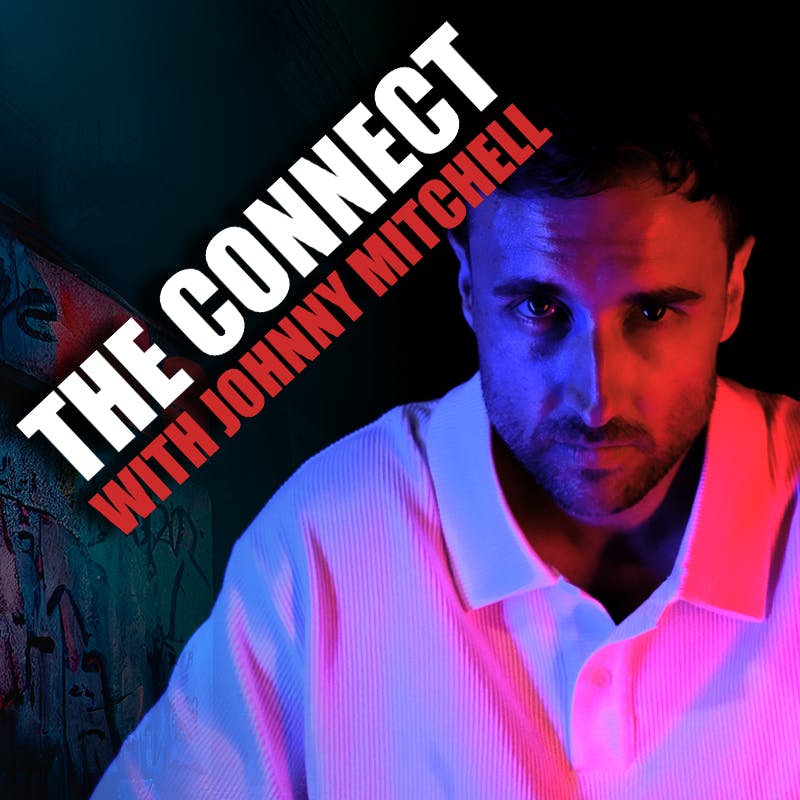
Baltimore’s Fentanyl Epidemic Is Worse Than You Think
39m 3s
Baltimore, once known for its high crime and violent drug culture as portrayed in *The Wire*, is undergoing a significant transformation. Despite persistent drug-related challenges, homicides have plummeted by 60% in recent years, largely due to community-driven peace initiatives like neighborhood "peace teams" that mediate disputes and prevent violence. The drug trade has shifted from a professional, high-end heroin economy to a widespread fentanyl epidemic, which is cheaper, more accessible, and far more deadly than heroin, leading to severe addiction and public health crises. While traditional kingpins like Marlow or Stringer are no longer dominant, drug activity now relies on decentralized, neighborhood-based corner crews—organically managed by young locals with minimal violence. These crews operate with strict anonymity and discretion, avoiding police attention and prison, while still maintaining a strong presence in areas like the south and east sides. Despite economic hardship and widespread blight, the city shows resilience through community programs and personal recovery stories, such as that of former drug addict Brandon Novak, who found sobriety and purpose. Baltimore’s journey reflects a complex mix of decay and renewal—where systemic neglect coexists with grassroots resilience, proving that even in the face of deep-rooted challenges, hope and transformation are possible.
Imagine setting your makeup, then forgetting it's even theirs. Meet new groupie setting mist from Mavily New York. Gel to mist technology locks in your look for up to 24 hours, with flexible, all-day-gum V-Grip. No tightness, no stickiness, no residue. Just plump, dewy, hydrated skin that still feels like your skin. Try new groupie setting mist from Mavily New York. Maybe it's V-B-Lane. Baltimore, how can I talk about this place without comparing it to the wire? One of the most iconic shows in the history of television. It's the show that put this rust belt, mid-Atlantic city ravaged by poverty, drug abuse, and a funny accent on display for millions of people around the world. The answer is, "I can't, so I'm not even going to try, compare I must, and compare I will." It's been nearly 20 years since the wire ended, 20 years since Marlow killed Prop Joe and took the connect, and then somehow managed to walk free even after his whole crew was taken down by corrupt Baltimore PD. In reality, the real-life Marlow stand field served nearly 40 years in prison for a double homicide he swears he didn't commit. This is just one of the many liberties taken by the creators of the wire, David Simon and Ed Burns. But hey, it's television, and sometimes fiction is more entertaining. Still, most of the storylines in this show were taken from real events and real people, like Marlow. How was Baltimore changed since 2007 when the show ended? How was drug trafficking evolved, and are things dare I say improving in the city? I had to travel there to find out. And as always, if you could do me a quick favor and like this video, leave a comment and subscribe to the channel, I would deeply, deeply appreciate it. Alright, let's get into it. The first thing that strikes you about Baltimore, besides its colonial beauty, is just how friendly everyone is. From the lady helping you get a cab at the airport to the corner boy in South Baltimore selling you a bag of fentanyl, there's a spirit of charm and hospitality here that transcends class and racial lines. So then, how does a city with such brotherly love manage to have one of the highest murder rates per capita of any metropolis in America? That's one of those complex sociological questions with many different possible explanations. Things in drug dealing are certainly a factor. One of the more accurate portrayals in the wire is how petty beefs that happen on the street level between neighborhood crews turn quickly into violent reprisals. When I came home, it was people that were hanging together that was never hanging together. So it's like, "Damn, you know, our secrets went on like them because you were dumb. So it's a lot of day of worship going on right. You can't just come from a different neighborhood and let you about to come and post up." So if a crew from the neighborhood wants to set up shop, if it's not their block, is it going to be some beef? "If they come around here and they just try to post up on a block and then howling that thing is they probably going to have some problems about that." Up until very recently, this was a 300-murder a year town going back a century. Where my Baltimore is always been known as a mob town. So even back in the 20s and 30s, it was still 300-murders a year. So it's not like it's recent times or due to the crack epidemic. But it's not just drugs. There's drug dealing in every city. There's a culture of murder unique to Baltimore which contributes to much of the violence. So like I was on the wire, when you say the last first set of episodes and they had young kids, it's more reckless, that's the hurl we live in that name, it's more reckless. So it wasn't a whole bunch of training before we dropped the course. "Death in all its forms is very common here." "I think by the time I was seven, I was de-sensitized to murder like, I see a guy used to watch hustle, I used to ride my bike and just watch him sell drugs. I see this man get killed like, I was mad because I had to go on the fucking house. It's time to call. I used to be mad and shit with my mother in gunshots." "There's also a wild west mentality." "When you had a red light, we don't pull directly next to another car either. You could pull up or behind something, but not just door to door. You know what I mean? I'm gonna fuck up a dump, you know what I'm saying?" "Yeah. Where's he pulling right next to me for?" What do you expect in a city full of bordered up neighborhoods that don't even have grocery stores? Much less law and order. You'd think you could get away with murder too. Take a walk through the slums of the south side or the west side and you might think you were in a battle-torn city in the Middle East. Nothing but dope fiends, dope dealers, and rubble. "So, you know, the feelings of being down here for half an hour is surreal. If you're not from here, if you've never been here, it's to call it a disaster is, I'm not sure. That might be to understate it. If you were to walk around this area, you would say, "Nobody cares about you." You know, the United States does not give a shit about what happens to people down here. You know, even though the kids in the corner are like, "Hey, it's good, they leave us alone." But in totality, this is kind of a crime in itself. This kind of ugliness makes people sad and stressed out. Now add-in competition for the millions of dollars of drug money that change hands in this city every day and you have a lethal combination indeed. "If you got enough street cred, you got enough muscle and you got some good enough work, you can slide in there and take over that whole clientele. You know, you might got to fight for it, you will get moved out of the block easy if you're not gonna fight. And if they know you're a sucker, they will try you. Anybody can get tried." But thankfully, this is changing. The past few years have seen a historic decrease in the number of homicides in Baltimore. In fact, 2025 was the lowest on record. The city closed the year with just 133 murders, representing a 60% decrease from the previous five year highs. "If I was growing up in the 90s, we had like a homicide a day. Yeah, I was born in '89, but I grew up in the 90s, so we had like a homicide a day when I was 12, 13 years old. So to see it like this, it's a good thing." The question is why, again, probably a multitude of reasons, increased surveillance, a decrease in the amount of people involved in organized drug trafficking possibly, but everyone we talked to on the street in Baltimore, pointed to a different reason. "Shout out the brand of Scott, man, that's our male, you know. It's the initiatives that he's made, you know, to actually, you know, to lower the crime rate. That's the biggest thing. It's not even necessarily that the drugs have stopped anything like that." This is Baltimore Coral, a past guest of my podcast and founder of Baltimore Recovery Alliance, a non-profit organization dedicated to addiction and mental health treatment. Coral credits Baltimore's new mayor for promoting community activism and outreach to at-risk youth, aka the Doat Boys, as a major factor in reducing violent crime in Baltimore. "This gentleman right here, he's a part of the peace team, one of those initiatives that the mayor actually, you know, put in place to help with the reduction of crime, homicides and stuff like that, along with safe streets and other initiatives. These gentlemen out here every day putting the work in to keep things squashed, you know, because, like I said, back in the day used to be police, like community police, like your family, neuter folks." "Right." "But now, they learned that the better model is basically letting gentlemen from the neighborhoods squash those beefs. Let's be going to peace team, right?" "We'll, what you call, like a credible message." So basically, OGs with their ear to the streets intervene when problems arise where someone could end up getting killed. "You've got real men, they're coming home, saving their life, stepping into the streets. You might have life, you might have to get that back, you might have 20 years, you might have done your bit, came home." "Now, what we do, we step out to the streets and what we do, and the hardest part of Baltimore and everywhere, we go there and post up, you know what I mean? Just like we post up down here every day, you know what I mean, and I'm taught to the young brothers." "How do you prevent other people from killing each other? Like, is it like a mafia sit down? Like, "Yeah, I want to sit you two down, but I'm serious though." "No, I'm saying you can picture it that way, but a lot of us are from the communities that we're in, so we know these guys, or know the kids, do some way for my fashion, they might be someone's cousin. But I mean, I like how you said it, I mean, that gets everybody a broad spectrum." "I still don't completely get this to be quite honest. I mean, if I have a beef that's so serious, I feel I need to kill someone over it, I'm definitely not letting a community activist know about it in advance." "Have you personally stopped a young kid from going, or somebody from going to murder somebody else?" "Yeah, a lot of us have been, a lot of brothers like we work now at Fellas Point at night, a lot of brothers stop, a lot of viral things, a lot of fighting stabbing shootings." But this fact about community intervention is proof that most of the black-on-black killings that happen in Baltimore and in ghettos all over America are senseless. So the targeted violence that you see portrayed in The Wire, where Avon's crew is dropping bodies against Barlow's crew in order to take their corners and vice versa, that seems to be mostly a thing of the past. I'm sure it contributes to a little bit of the violence, but just look at the numbers. A 60% reduction in killings and the drug trade is still openly thriving in every section of the city. Now, with the murder rate ban laws today.
is, you know, I guess for the street guys, maybe things are flourishing some because it's less eat. But as we're about to see, the drug trade in Baltimore has changed dramatically as well. If you know anything about Baltimore, you know that here opioids are king. This has always been a heroin town. Baltimore has always been heroin has been the king of this economy. Heroin legends like Little Melvin Williams, Marlow Stanfield, and Steve Dixon, just to name a few, were giants of their time. Few kingpins with real foreign connections to pure raw heroin, like was portrayed in the wire with the Greeks, bringing the product in from the Middle East through the corrupt longshoremen working on the docks of Baltimore Harbor. This is back when the drug trade was professional and highly organized, and it was normal for a spot in Baltimore with good dope to bring in $100,000 or better every day. It's about the work on the block because the people see good drugs sell themselves. This one sells itself. I feel me so the word, once the word is out, that the good smog is right there, the good ready is right there. They're going to come from everywhere to come get it, even from East Baltimore, Lexington Market, West Baltimore, you know, because you talking about repeat customers, not people who just come in one time and leave it. These are people who are going to come, get high, go on one of these bandos, and wear out something, they're going to come back, you know what I mean, and cop again. You feel me, so it's just to repeat stuff. But then when they go to the world, they see somebody they know, and they like, yo, you know what I mean, man, they got something good over there, but then they'll bring them with them. Now that's all over in Baltimore and in the rest of the country, fentanyl has changed everything. I don't think there's really any real heroin out here, so what do you think is better right now? I guess not now, because heroin's not really going to be nothing anymore. Any heroin per cassette or even methamphetamine sold at the retail level in a place like Baltimore is almost guaranteed to contain fentanyl. Nobody will want it otherwise. It's not strong enough. And the effect of that has been to create an entirely new kind of consumer and a new kind of drug dealer as a deal. And nowadays, you don't want heroin unless you can cut at least 10 styles. But look at the numbers difference. It's 80 times, compared to 10, so they cut in so much times before they hit, it's not even really as potent, so they put an increase in the fit and make it potent. Where one gram of good heroin used to sell for $80 easily, you can get a whole gram of fentany now for just $20. So those famous red and yellow tops that we saw sold on the wire, those little pills of heroin sold for $10 and $20. But nowadays, the drug of choice for the dope fee, obviously, is fentanyl, which sell for as little as $3 bucks a hit. And unlike heroin addicts, who in large part were functional citizens who could hold down jobs, fentanyl addicts literally wither away until they become zombies. I wish they never was introduced to the fentanyl, because the heroin was a better high, you know, like we shared yesterday, you can't go to work on fentanyl, you're not going to be yourself back in the down heroin, you can still function if you're going whatever you're going. I'm talking about, you got to think this is every level of professionalism, doctors, lawyers, mechanics, electricians. Ironically, the end of the pure heroin era and the onset of the fentanyl epidemic actually forced a lot of the old school heroin junkies from the 80s and 90s to get clean. Listen to what former heroin kingpin Steven Dixon had to say about this phenomena. Did a lot of those junkies, those drug users, those functional drug users, I mean, what happened to them? From the 80s? Yeah, the 80s, 90s, even the 2000s before fentanyl. Well, it was this. Now that they can't get it, now that there is no more heroin. Well groups don't just went in treatment and got clean, so it's thousands of thousands of people that are in treatment. So basically, for career heroin addicts, the fentanyl was just too much for them. And their only choice was either get clean from smack or die from fent, fascinating. This is not to say, of course, that there aren't a ton of fentanyl addicts in Baltimore. They're all over the place. And not just fentanyl, plenty of crack, meth, all sorts of pills. But just for the junkies, fent is what binds the whole drug ecosystem together. The first stop on our trap tour of Baltimore was right in the heart of downtown at the Lexington Street market. But this Baltimore, man, you know, in this downtown, this Lexington market, you know, man. So this is like one of the most known places in the city. This four-block stretch along Fayette Street is Baltimore's equivalent of the tenderloin in San Francisco or Skid Row in downtown Los Angeles. And drug use and dealing while the cops look the other way. This new soft-on-crime approach the city has taken in recent years is an unspoken agreement between the dealers, the users, and the law. Leave the civilians alone, don't be violent, and we won't take you to jail. Of course, this isn't a perfect strategy, and I'm sure a lot of people watching would disagree with the city government allowing this kind of open vice. But the violence is way down, and the new market is well, pretty nice. The Lexington market drug trade is the lowest rung of the drug trafficking hierarchy in Baltimore. Most of the dealers here are also drug addicts themselves, and come from the surrounding neighborhoods down to Fayette Street every day to hustle and get high. And to Carl, these dealers have been banished from their home turf for violating. This is like purgatory, excommunicato. Why would they get excommunicated from their hoods? Some of them snitch, some of them stole, some of them, you know what I mean, just not stand up guys. So they violated. Yeah, yeah. Right. And a lot of them, they're kind of out here, just to kind of hide out. This area is literally and figuratively reserved for bombs. The next stop was a journey through the west side, which is a mix of project buildings, abandoned row houses, and even to my surprise, some fixed up property. By official estimates, there are 50,000 active drug addicts in the city of Baltimore on any given day. And if each of them spends, let's say, $50 on their habit, that's $2.5 million sloshing around the underground economy on a daily basis. So we're talking about $2.5 million being made every day. So the thing is, it's not just going one place. There's so many boom and spots, and there's always spots that's popping up, you know, like it might be a block where some guys got a nighted, they all gone, but people still coming there, looking for that thing the day had. Many of these addicts, ironically, are not Baltimore natives. According to Carl, a lot of them come from the surrounding counties and increasingly from all over the United States. Do you get people to drive it up from out of town? Yeah, hell yeah, because we're not far from the highway. You know, that's the thing about Baltimore, I'm saying that you could be anybody and just pull up. As long as we know you ain't the police, you won't get served. That's the whole kick right there. All of the people that's in, deeper done, you know, Marib will have, you know, Essex, all of that. What happens is they come here to get their drugs, you know, the ones who aren't afraid. Part of what's driving this migration of addicts into Baltimore is the city's booming drug rehab industry. Baltimore is not only the heroin capital, Baltimore is also a treatment capital. It's treatment centers everywhere in Baltimore. Treating drug addicts has now become almost as profitable as selling drugs to them. It seems like every ex drug dealer we spoke with was now running a treatment center. As you can imagine, many of these treatment centers are sub-parts to put it mildly. They only see these people as swipes of insurance. Yeah, I mean, insurance checks, like, okay, I don't really care about recovery or you people at all. It's a Roach Motel. We got big bugs, whatever it is, but they just keep people in there. And in a town like this where all of these people need this help, man, they need as much help as they can. There's many resources and these people, man, they just take advantage of them. They don't care what's going on, why's happening, you know what I mean? They just do whatever they can do just to get that money and kick you out. While others are outright predatory, and in some cases, used as a funnel by drug dealers to create new customers. They want to post up in front of recovery spot because they know that's a whole, you know, house full or building full of people who are trying to get clean. People who are so diabolical, they'll go in the program. I like physically, like, oh, I'm in the program, I'm talking about go through the intake process of getting in the program just so they can sell dope or coke or whatever like that to the people in there. That's why we recommend Baltimore Recovery Alliance so strongly to anyone who's looking to get clean and stay clean. My mother died when I was four from a OD. My grandmother came and got me, found me in the body and the house with her two days after she had already passed. So I got to live with that every day, you know what I mean? So for me, I do my best, man, because I know anybody can go through that same hurt, man, that trauma, that drama, and it affects you. It affects you all the time, man. All you doing is thinking about, you know, like, for me, all I'm thinking about is not letting somebody else go.
go through that. So that's why I do my best, man, with Baltimore Recovery Alliance to try to help people get all of the help that they need. Carl runs a legal, exceptional treatment nonprofit in safe neighborhoods and clean houses and has proven results. We'll leave a link for them in the description of this episode as well as the pin comment. But I say all that to say drug addicts from all over the country are now flocking to Baltimore in order to seek treatment. Some of them do get clean, but most don't. Now, they're in the city with the best dope at the cheapest prices. And the next thing you know, they end up on Fayette Street or somewhere in an abandoned row house, getting high and feeding the never ending cycle. If I get somebody coming to my program and I feel they're not a good fit for me, I never put nobody out on the street. But I know these other programs, a client could be mouthing off. It could be three o'clock in the morning. They put them out the door. So if I'm a client and you put me out of 3 a.m., what am I going to do? Use. And the way these drugs is today. I'm my old D. Our next stop was the south side, the slums where we're going now, south Baltimore. We're going to see the structure where people really like shops are ran, you know, like like fortune 500 companies and people really getting, you know, you know, tens of thousands of dollars a day. This is where much of the wire was filmed. 23 shit. What does that mean? It's like zone 23. Ah, like Arizona got like a number. This 23 right here, south Baltimore abandoned buildings everywhere you look, dusty, decrepit corner stores with hardly any inventory, vacant lots and filthy alleyways. And of course, drug addicts and drug dealers coexisting in a sort of dystopian harmony here on the south side, the drug trade is more organized. You got to make sure that people, your employees are there because the shop won't run efficiently if they're hitting out there, the toutor not there, the corner man not there. Now you leaving me open to some sort, you know, arrest possibly compared to you know you supposed to be here. That's why you pay your workers good. People sell dope the same way McDonald's sell burgers. It's advertising where the mouth, you know, and customer service. So nobody wants to come right here and buy some dope and know they're going to get locked up because it's sloppy even though the dope good. But they come in and it's like a well or a machine. I pull up, they hit me, I'm gone. I go back to the county, whatever like that. So that's how I work for the most part. You don't see many groups of teenage boys and oversized white t-shirts standing around corners in Baltimore anymore like we did in the wire. But if you do see them, it'll be on the south side. Well, I ain't going to lie. It is real stress right here. Like you really got to be from my own head, be down here on one of these blocks. One of the busiest times. Shit, morning and at night when they get real dark, when they get dark, it's like a different, a different city out here. So without giving in too much detail, where would the, you know, where would the capsules be kept? Because you guys look like you're just chilling. You haven't stashed somewhere around everywhere. Yeah, everywhere. You could be standing right. Nice to some capsules like that. No, no, no, no. Well, sure. And the goal for these young boys is clear. Stay out of jail long enough to become the one supplying the corner. I want to get rich out this shit. Yeah, but I want to be like the biggest. Are there cats that you know older cats that have gone on to make big money doing this? Yeah. They haven't started off where you're at. Yep. That's the most important thing is the money. Is it not? Yeah. The money is the most important thing. And standing out of jail and standing alive. Has anybody tried you? Has anybody come by and tried to take this corner since you guys have been out? Niggas, no better. Yeah. Don't get me lying. Stop. Definitely hat miss. I've been around on some blast with. They came and you know, brought some guys. But right here, no, no. Unlike in the wire, which portrayed drug operations in Baltimore as vertically integrated. So for example, King Pins, like Stringer Bell and Avon Barkstale owned corners throughout the city, which they also supplied with their own product, paid their workers a salary, and operated like a real mafia, that seems to no longer be the case. In real life, it's a little more relaxed, a little less militant. Corner crews like this one on the south side are comprised of kids from the neighborhood who organize themselves organically and are maybe managed by someone who's a little older than them. Two on would be corner men. One on would be the hitter, which means the one who's actually doing the serve them. One on would be the gun man. You know, man, one would be the guy who's actually like the supervise. The supervise doesn't have to do nothing, touch nothing. Supervised can be all the way down there somewhere, but he's keeping his eye on the blood. Now that crew is supplied with drugs from a wholesaler, someone who's a lot older than them, who's been in the game, probably done prison time, and who has connections with cartels or other trafficking groups who are smuggling large amounts into the city. But these dealers don't control the corners of the corner boys. They just front them the drugs for an agreed upon price and collect the money after they've been sold. Some blocks are set up like a shot. But these other blocks, it's a lot of freelance. Anybody can come down here, sell something, get some money, disappear, come back a couple months later, sell something, you know, gone are the days of little Melvin and Marlo, the Robin Hood mythic kingpin figures who were known by the whole city. We saw what happened to them. The only way to survive these days is to remain anonymous, to stay out of sight, and of course, to keep the violence to an absolute minimum. If your name ringing bells, you did something wrong. You selling drugs, you want to be discreet, you want to be discreet with murder as well, but I'm just saying sometimes you can't control that because somebody run their mouth. According to everyone we spoke with, that's what keeps the feds away. Still, these young boys kept the tools handy just in case. Is there a time of day where you guys quit goofing off and kind of like, get ready like on your piece? Yeah, when they get dumped, when they get dumped, that's when they get dumped. That's when they get dumped. That's when they got dumped because you never know. Some of I could be waiting and out of the dump. And it's not very well lit out here. I don't see any lights. It'd be had, it'd probably be like one light on this whole block that's lit up. The rest is dumped. To keep yourself safe, obviously, you're not keeping a whistle. Right. I can tell. Right. Right. Right. Right. Does it usually like. Like the ain't close to my assembly. You know? They round. They just not round. After leaving the south side, we headed over to the east side of the city so Carl could show us his old stomping grounds. Yeah, welcome to Old Donald Heights, man. It's my old house right here. 61-14 plant view. I came out here like 2003, stayed out here to like 2014. Sound like that 13. And I got locked up a lot out here. Got into a lot of shit out here. These are projects. The So Donald Heights projects. This is M.A. where a lot of shit went down. This is where Frick Mice was born at. Like I was Carl, Carl Johnson in school. And now I'm Baltimore Carl. But this is where Frickie was born. I was getting a lot of money. I had a lot of women. So what's the difference between the hustle here and versus like the neighborhoods with your 20s 24 hours. Anything goes. Like, yeah, like most projects don't shut down. Residential neighborhoods like when we was in South Baltimore, at some point you want to shut your shop down most likely because you don't want to be hot. If you've been out there since 6 a.m., but 24 hours in the projects because there's people hustling out their houses and, you know, so many different cuts. There's no cameras. Many of the neighborhoods in Baltimore's former ghettos have been gentrified or undergone revitalization efforts, especially around John Hopkins University. A lot of it's been gentrified or they're trying to gentrify, but there's still so much blight, so much abandoned property, so many addicts like, I don't know, has the situation improved at all? I wouldn't say it's improved. I just say kind of moves. A few blocks up, a few blocks over. John Hopkins bought up all of us and still is. But there was a point, you know, four blocks out from John Hopkins where I was renting room in an abandoned house from a guy named Slim for 10 bucks. And most of the dilapidated projects have either been torn down or completely renovated. Still, the amount of vacant and abandoned property throughout the city is stunning. There aren't enough hipsters in the world to fill them up, especially not now, as the country faces down an economic crisis and a looming population collapse. It's kind of hard to imagine, like, where is this money coming from? Where's the economy? How do these poor, desperate drug addicts come through and buy tens of thousands of dollars with the drugs every day? It's pretty wild. So the war in Iran, they estimate that it's costing about a billion to two billion dollars a day. As of this recording, that's what they put the budget at. Look what one billion could do. It's like a strange exhaustion has washed over this town. Too tired to kill, too tired to care. Drug addicted and living for the moment with little hopes for a productive future. If you even look at the basketball court, decide to fuck those up. They took the rims. We didn't do this. The city did that. This used to be a playground. It was a playground, right? Yeah, man. You filmed me so they want you to be deep in that impoverished mind, which make you act out and do shit. Why do they take the hoops down? To keep us hustling and not have us do nothing productive. You know, frustrate you. Keep you, you know, in a mine state that, you know, all I can do out here is hustle if that's what I'm doing. Weaving through the streets of East Baltimore, it occurred to me. This place is a microcosm of America. The neglect and decay of a once great city like Baltimore is an example of the American dream that has been dying all over the
the country for the past 50 years. Still, I'm an eternal optimist. Everywhere I look, I see hope. - People got such a bad interpretation of what Baltimore is, that down real lives that there's a lot of good going on here. - It's about youth development. So it's not the dirt bikes, you know, we all got that in common. We all got to pass it for. And once we bring you in here, we teach you how to develop yourself. We talk about mental health. We talk about professionalism. We talk about public speaking, all these different things that try to get them ready for the real world. 'Cause it may not always be a job. We're gonna be 360 with dirt bikes. You're gonna step into the real world. You might have real responsibility. So we're trying to develop them just the whole person while we hit. - We met up with my friend Brandon Novak, a former professional skateboarder and legendary member of the Jackass film franchise, who shared his story of getting clean after being a hardcore heroin addict on the streets of Baltimore for decades. - Have you been back to the old neighborhoods where you used to get high? - Yeah, yeah, it allows me to put myself in a state of gratitude. Because I'm so busy in my day to day that I forget what it's like with over 11 years sober, I forget what it's like being homeless and like fucking turning tricks to get money on ice of trick down on Patterson in Eastern or way back in the day when, you know, I used to make fun of those boys, right? As a kid skater, I'm like, yeah, look at those fucking little fucked up things to say about the, and then lo and behold, I became those boys. So no matter how great I was raised, how big of a heart I have, how many morals and values my mother instilled in me, don't catch me on a day when I'm ill, right? Don't get between me and a bag of dope. Because like, you will go. And whatever I have to do to get you out of the way to get to it, I will. And it's not personal, it's just business. And that's the fucked up part about it, right? So it really dehumanizes you, if you will. And then it puts you in that animalistic level where you just like live to use and use to live. For a long time, I blamed my, my hell's angel, bike or father, who, you know, kind of preconditioned or molded me into this lifestyle. But ultimately, I was doing as any alcoholic or addict would do, which is deflect, justify, or minimize my situation. On someone else, because I refuse to accept responsibility for like the fact that I love to shoot speedballs every day all day. So as soon as the sooner I accepted the fact that I can't stick a needle into my arm without repercussions being had, then I could start to change my life. She just started to get better because I became accountable for my actions. Prior to that, the abnormal become the normal. So like, sleeping in a band in houses up here in East Baltimore by night and, you know, stealing from the home depot and the CD stores and turning tricks just became the normal. So when a guy like you came along and said, "Hey, brother, I have these treatment centers and I can help you," I was like, "Get the fuck out of here." You know, like, if you lost your fucking mind. - I'm good. - Yeah, yeah, like, I know. Yeah, I can help you. I know, I know. And that was my problem. I had one job my whole life and it always placed me in a lot of positions I didn't like to be in and it made me feel a lot of feelings. I didn't like to feel. And that job consisted of knowing everything. Right, and then when I came to the realization that what I did know is I didn't know, then I had a chance to like change the fucking current state of my life. In the beginning, I went to treatment to prove why I didn't belong in fucking treatment. Right, and then I would go to treatment to get the love of my mother back, the ex-fiancé to come home, the keys to the house, the fucking parole and probation officer who was right over there off my back to stop violating me. And I would go there for those things and I would get that back. And then the weird thing about recovery is it's one of these things that it works so well, people stop doing it. It's such a, 'cause you get everything back in abundance. And then the very same thing that brings me into recovery, the lack of finance, the lack of romance, the lack of stability, security, employment, I get all of that back in abundance. And now my priority shift, and I'm like, fuck, I have people that want my time, I have women that want to fuck me, I have jobs that want to hire me, places that want to pay me, I don't have time to go to these meetings. I don't have time to work the steps. I don't have time to go to my IOP. I'll go next week, next week turns into next month, next month turns into next year. And before you know it, I'm slowly walking my way back out of recovery. - So are you cognizant that like even after 11 years and you're killing it so much is going well in your life? Are you still cognizant that you could use again? Like is that even, is that realistic? - It is, and the reason why, for me, it's more so realistic today than it was 11 and a half years ago when I walked in to my 13th treatment center, fresh off of life support. Baltimore, I love this place. In my years of travel, I cannot remember meeting a more welcoming, hospitable people. A people who have made more with less, and who, despite the odds, are always looking towards a brighter future. Baltimore is America, and she's worth saving. All right, you guys, that's been today's episode. We want to send a special thank you to Carl at Baltimore Recovery Alliance. Once again, I cannot recommend them enough if you or a loved one needs top quality, compassionate, drug, and mental health treatment. A link to their website will be in the description of this episode. My name is Johnny Mitchell. Thank you for watching. Meet new grippy setting mist from Maybelline, New York. Geltamist technology locks in your look for up to 24 hours, with flexible all-day comfy grip. Just plump, dewy, hydrated skin. That still feels like your skin. Try new grippy setting mist from Maybelline, New York. Maybe it's Maybelline.
Podcast Summary
Key Points:
Baltimore has seen a dramatic 60% drop in homicides since 2007, with 2025 marking the lowest murder rate on record, driven by community-led peace initiatives like the "peace teams" and active neighborhood policing.
While drug trafficking remains widespread, the drug market has shifted from organized heroin trade to a dominant fentanyl economy, which is cheaper, more accessible, and far more deadly, leading to increased addiction and deaths among users.
The city’s drug trade now operates with greater anonymity and decentralized control, replaced by informal corner crews managed by young locals rather than powerful, vertically integrated kingpins like those in *The Wire*, reflecting a more organic, less violent, and more transient structure.
Summary:
Baltimore, once known for its high crime and violent drug culture as portrayed in *The Wire*, is undergoing a significant transformation. Despite persistent drug-related challenges, homicides have plummeted by 60% in recent years, largely due to community-driven peace initiatives like neighborhood "peace teams" that mediate disputes and prevent violence. The drug trade has shifted from a professional, high-end heroin economy to a widespread fentanyl epidemic, which is cheaper, more accessible, and far more deadly than heroin, leading to severe addiction and public health crises.
While traditional kingpins like Marlow or Stringer are no longer dominant, drug activity now relies on decentralized, neighborhood-based corner crews—organically managed by young locals with minimal violence. These crews operate with strict anonymity and discretion, avoiding police attention and prison, while still maintaining a strong presence in areas like the south and east sides. Despite economic hardship and widespread blight, the city shows resilience through community programs and personal recovery stories, such as that of former drug addict Brandon Novak, who found sobriety and purpose.
Baltimore’s journey reflects a complex mix of decay and renewal—where systemic neglect coexists with grassroots resilience, proving that even in the face of deep-rooted challenges, hope and transformation are possible.
FAQs
It uses gel-to-mist technology that locks in your makeup for up to 24 hours, providing plump, dewy, hydrated skin without stickiness or residue.
No, the mist is formulated to be residue-free, leaving skin feeling natural and comfortable without any stickiness or tightness.
It offers a flexible, all-day grip with a comfortable, non-tight feel, unlike traditional sprays that may feel sticky or dry.
The V-Grip provides a flexible, all-day comfortable hold that adapts to the skin, ensuring your makeup stays in place throughout the day without feeling restrictive.
Yes, it is designed for daily use, offering long-lasting hydration and a natural, skin-like finish that works well with various makeup looks.
The transcription mentions both 'Mavily New York' and 'Maybelline, New York' as potentially referring to the same product, suggesting a possible mix-up in naming; the features described are consistent with a setting mist from Maybelline.
Chat with AI
Loading...
Pro features
Go deeper with this episode
Unlock creator-grade tools that turn any transcript into show notes and subtitle files.
 PodcastTranscript AI