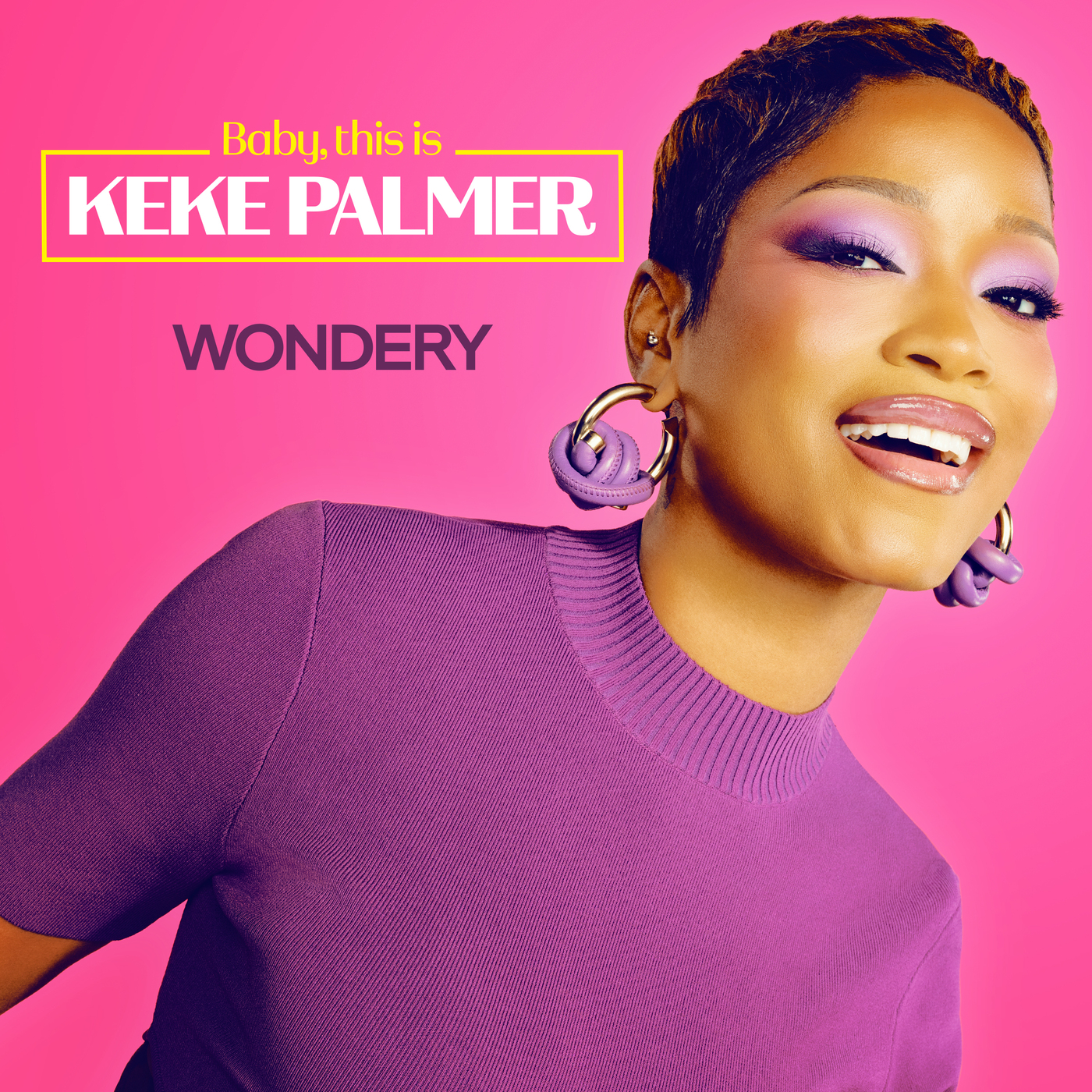
Babyface on Whitney Houston, Aretha Franklin & Decades of R&B Hits
1h 19m 15s
Kenneth "Babyface" Edmonds shares his lifelong journey in music, beginning with a transformative moment at a Jackson 5 concert that sparked his passion for songwriting despite his early shyness. He emphasizes that his music is rooted in emotional truth, especially capturing pain and vulnerability, which he believes connects deeply with listeners and artists. Through years of working with icons like Whitney Houston, Brandy, and TLC, Babyface highlights his ability to listen deeply to artists’ personal stories, creating songs that feel authentic and powerful. His nickname "Babyface" emerged organically in a studio setting and became a symbol of allure and authenticity, illustrating how branding and emotional resonance can shape an artist’s identity. He reflects on the evolution of music, noting how modern artists enter studios with confidence and self-awareness, allowing for more collaborative and honest songwriting. The "Girls Night Out" project exemplified this shift, bringing together a new generation of women artists who were open and self-aware, fostering inclusive creative environments. As he ages, Babyface underscores the importance of honesty and self-reflection in both personal relationships and artistic expression, believing that true emotional maturity comes from embracing vulnerability and learning from past mistakes. His work remains a testament to the enduring power of emotion, authenticity, and deep human connection in music.
My next guest has written the soundtrack to basically every stage of love, falling in it, falling out of it, begging somebody to come home and even realizing they should have never left in the first place. He's written and produced for everybody, from Aretha Franklin and Boys to Mint, Ariana Grande, Usher and TLC, one 13 Grammys, and while he's creating hits for everybody else, he builds an iconic career of his own as a singer and performer. But what I love about Baby Faces, after all these years and all these hits, he's still listening to new artists, new sounds, new generations, always trying to understand what we're feeling and how we're saying it now. This one is personal for me because I actually work with Baby Faced when I was a little girl. So today, I want an older man who has spent his life helping everybody else express what they feel. Alright, y'all, let's get into it. No matter what we're doing in the car, just chilling, couple MSI music, sit back and listen. Like love, sex, science, hovering at all, especially the back of money, y'all, we should fall. No matter what it is, we can make it make sense, it's nothing else to do but kick it with the homies and kids. So grab you a drink and a snack you enjoy, and get into the vibe that only works. You know it's your business, this is kicking, baby, this is kicking, pull my hand. Today's episode is brought to you by Nordic Naturals, the number one selling Omega 3 brand in the U.S. Over 80% of us aren't getting enough Omega 3s from food alone, and that's a gap worth closing. Nordic Naturals is here to help you discover the power of Omega 3. Now, let's get into it. Baby, this is Kenneth Baby Faced Edmonds. Come out here, baby! It's so good to see you. I love his leather. You're welcome. You look nice. Thank you. You know, I tried to get into the vibe. I'm like, I'm going to be here with Baby Faced. I got to get into the baby Faced vibe. You got it. All right. How you feeling today? I'm good. It was so funny when I just saw you at the Lucas Museum for the opening, and we barely wanted to talk, because I knew I was going to be seeing you. Yeah, I didn't want to talk to you either. No, no, no. It was so that night was amazing. It was beautiful. It was beautiful. It was beautiful. Especially all the creative people being together and not feeling like, you know, sometimes it can be stuffy, because it's like, it's the industry. You know, you may be sometimes at a award show, sometimes you can. The energy there, though, was super cheap. No, it felt very family. Yes. But the opening was crazy. It was so cool. I mean, I know for real, put that together, and it was like, I mean, I think that that itself, kind of just softened it down and just made it like me to everybody feel like they weren't together, so. Yeah, for sure. I agree. And then of course, Melody, everybody there to support her. And of course, George, you know, they had curated such a good energy in the right people. I remember Queen had called me and she was like, yeah, I'm going to be hosting this thing. She made it sound so chill. When I showed up, I'm like, Queen, this is like the Oscars. I know. And she's so good at that. She's so good. She makes everything so down to earth to what you don't even know that you're walking into the Olympics. Right. It's crazy. Anyway, I'm so happy that you here. I do a little pre-show, pull up with all my guests just to get a little, you know, see, see what's going on on the inside. Like, what is your zodiac? I feel like I should know this, but I don't. You don't know it. What do you think? Oh, okay. What do I got to ask if you think? Okay. Okay. Let me ask a few questions to see if I can guess this. Are you into your style? Like, do are you very specific on like your dress and what you wear? Not necessarily like designers, but like, do you have a pretty specific aesthetic about yourself? I think so. Okay. Are you the kind of person that is, when you want to sound to make a decision, how is it for you? Is it hard? Is it easy? Wow. It all depends on what the decision is about and who it's about. So that can, I always try to make a fair decision. Okay. Would you say that you are a romantic person, like very into love? Or would you say you're more solo, dolo vibes? I'm a romantic like. Okay. Well, based off of those three things, I could be wrong, but maybe it's somewhere in your chart. I'm thinking you could be a Libra. I'm thinking. Nah, it was the nav at all. A lot of people don't think I am what I am sometimes, when I say, you know, my sign, and then there are those that say, "Oh, that's exactly it." But so, you know, it changes. I'm Aries. Okay. No, no, no, no. As soon as you say that, I knew it all. I knew it. As soon as you say that, I can see what people could say that because you know I Aries, Aries are one of those signs where you really got to get to know them. You know, sometimes when you first see, it may not really be them, but like my dad's Aries. But when he, when you really know him, he's funny, he's this, you know, but when people first meet him, they might think he quiet. Oh, exactly. You get what I'm saying. So I could see how someone would say you are a March or April. April. April. April 10. Dana Ross is also Aries. Oh, she. Okay. So do you know any of your, you know, you're like rising or your moon? I know none of that. I don't really care. What is your love language? Meaning, you know, some people like their love languages, you know, to be touched or, you know, they like quality time. And sometimes what they want is different than what they give, you know. But when you think about how do you receive love? How do I receive love? And then how do you give it? I give it, I like conversation. Like to talk about things. That's a good question. Yeah. Interesting. Because I think most of the time, like when I get compliments, it's hard for me to get compliments. Yeah. And I remember, you know, I remember being with Kenny G once and just watching Kenny G and then people around him. And people like praising him. And he was just like, you know, he was so nice. And so just like, thank you, thank you. And I said, and I was like, well, how do you, you know, how does it? It's hard for me to take compliments. He goes, what? Just say, thank you. You know, it's great. It's great. She's just saying, say thanks. And I thought, and that's such an easy answer. But it can be nerve-wracking. Because it's like, what, how do I give it back to you? You know what I mean? It's interesting. And maybe that's just a response to being a person of service, you know, where it's like, well, you're given to me. How do I give back in this moment? Yeah. And maybe there's this always this thing going, feeling like maybe it goes deeper, whether I deserve that compliment all the way, you know, because you're the greatest. You're this and that. And I'm like, in what context? You know, I never met some greatest in my life. So so it's it's in this world, I've been, you know, I've been around, you know, the best in the world. So so when people come to me with that, I'm like, I'm glad you think that, but let me tell you about this person, you know, you know, who are your lists of greatest. I'll say top three. And if you want to do five, it depends on what we're talking about, you know, and like, like, Rita Franklin is like, you know, she loved herself. She seemed like she was funny as she all get out. She was funny. And she also thought that she was the best in the world. And she was. And it didn't bother you when she would say, no, I'm, you know, some people would like how to, you know, put you off with her is like, you know, well, I can't really say you're not. But it is funny to see you speak. Because like I asked her once, I said, who's who's out? Who do you think is like, you know, the girls that are up right now? Who do you, who do you really like out there? And she's like, what do you mean exactly? I said, you know, like what new girls are up? Like who are the ones that out that you think are really great? And she said, okay, well, let me think about that. Besides myself. I said, yeah, besides yourself. And then she started naming all these sisters from church. Not even Whitney. She didn't give nobody anything. She just started naming all these sisters. She just was not going to give it up. But what she earned that right? She did. I mean, it's a Rita Franklin. I, you know, she is incredible. You know what I'm saying? Come on, give them something to feel. Um, okay, what movie could you watch over and over and over? I watch a lot of movies. You did the musical. One of my favorites, Sofoo. Oh, you like Sofoo? Love Sofoo. Corn Brayette. You were the family. How did the family have to defend it to me? My husband. Yes. You always stand for me. That was incredible. Wow. I just watched the movie again. You know, a movie I could watch again. There's so many different movies. So, because I like horror pictures. I like, I like thrillers. I like, I like, You know, movies about love.
You know, you know, what do you call them romantic romantic around cons and I like those when Harry met Sally is one of my favorites. It's very good classic, you know, cinema, Paradiso. No, what cinema, Paradiso? It's an Italian film, but you have to watch that. So was it a comedy? Is it a thrill? No, it's a romantic thing about this kid that grows up in Italy and he goes to the theater ever since a little kid and it's called cinema paradise. Cinema, yeah, yeah. And what pulled me into it was the score. The music is just unbelievable. And you would, when you watch it, you will have heard this music before. So, but that's one, that's one of my favorites. I'm going to check that out. Cinema Paradiso, love the name, the name is a movement. Right. It's a movie. Literally, literally. Okay, is there anything that your friends and family roast you for it? Like they get on you're like, oh, man, he always blah, blah, blah. I can't think of anything right now. I'm too, I'm perfect. I guess you spend too much time around Arifa. Right. I talk too quiet. They can't hear me. Oh my gosh, nothing got to turn the volume up. Right. Is it, can you all hear me right now? So marriage, you know, I was actually on the phone with Amy Polar before this. And she really took, yes, she loved you. And she said, tell her my ask, is he going to wear sunglasses? And I'm like, I bet you he will. Of course he is. Yes, of course he is. This is baby phase. Of course he is. Okay, well, I'm so excited to talk about, I mean, there's so much to talk to you about. That's why I was so excited. So much of the music you've made. Not even just for yourself, but also for others. And just your journey. And so I wanted to start at the beginning because I mean, you've always spoken about how you always show shy, you know what I mean? And it's so crazy to imagine because of the career that you chose. So growing up, I mean, how did you even get the point to discover that you kind of belonged on stage being so shy like that? You know, that's an interesting question because I've been trying to figure that I've always reflect on things. And matter of fact, we've been working on a document or just finishing a document. And part of it is just from me going back and trying to figure out how, you know, how I happened in the first place. Because I was, I was very shy. But the one thing where I wasn't shy was in music. That's the place where, you know, I felt like I had a voice. It gave me my voice from six grade on. I just started, you know, I saw the Jackson five in concert and that was it. It turned my world around. Seeing them, they were doing that. They're going back to Indiana concert. Because you from an Indianapolis? Yes. And so it and that that just kind of turned me around. Besides my brother being in music and stuff, I just kind of like, that was the thing I could do. Yeah. So you kind of, it was kind of commenting your household. And then you found out when you were doing it, like you, you had a comfort there. Yeah. That you wanted to keep leaning into. And it wasn't like I felt like I was the best because I, you know, my brother Kevin, you know, I couldn't not sing him. And I couldn't not sing my brother Melvin. I came in and it's number three. You're hilarious. But I always wrote, I wanted to write songs. Yeah. And that came from, you know, falling in love with, you know, a girl and then wanting to write a song. And that was like in six grade, from six grade on. It was like, it was love that kind of pushed it. That's a love language. Do you still write songs for the girls you love? Did you ever read a song for Rika? I know this your girl. Have you ever read it? I haven't, I haven't been writing songs for girls I love while now. It was, it's the first, it was really about that first love. Puppy love. Yeah. Of course. We know yet all of them. And how powerful that is and how powerful it was. And even today, when I might try to go in deep, I, I go back to that feeling of what that was because that's, it's like most powerful feeling. It really is because, and it never quite happens again, like most things in life, you know, as we get older, it's like, you know, you can only have the first time of anything one time. That's why it's the first time. Yeah. So it's very interesting. The feelings that we remember, like, you know, I remember my first boyfriend, I remember my first love. And it is such a specific thing that also comes with a lot of scary stuff, too. Yeah. But the fun part of it, just knowing that those feelings can exist. I mean, you, you capture them so well. Well, I went through it so. Yeah. You remember the first girl that broke your heart? Baby, this is, you keep home. Yeah. So here's something that genuinely surprised me. Over 80% of Americans are not getting enough omega-3s from food alone. 80%. That means most of us are walking around with a gap in our nutrition and don't even realize it. That's where Nordic Naturals ultimate omega soft gels come in. EPA and DHA omega-3s support your heart, your brain, your immune system, your eyes, your mood. These are foundational nutrients that show up everywhere in your body, doing important work. And most of us are just not getting enough. And before you say "fish oil," no, thank you. Let me stop you. Nordic Naturals has a clean lemon taste. Plus, every batch is thoroughly tested for purity, potency, and freshness to meet strict international quality standards. Clean ingredients, no drama. Use promo code Nordic N-O-R-D-I-C for 15% off your next order at Nordic.com and discover the power of omega-3 with Nordic Naturals, the number one selling omega-3 brand in the U.S. Supplements are not evaluated by the FDA and are not intended to diagnose, treat, cure, or prevent diseases. Let me put you onto something because this is the kind to show that warrants a group chat discussion. All spare is back for season 2 on Hulu, and the drama at Grant Ronson in Green elevated. We're talking scandals on top of secrets on top of stilettos. The firm is messy. The divorce cases are outrageous and everybody's got a flame they should not be recandling. Interested yet? And the cast Kim Kardashian, Naomi Watts, Nisi Nash Bess, Tiana Taylor, Sarah Paulson, and Glenn Close. That is not a lineup that is a whole red carpet moment disguised as a law firm. Every episode feels like a season finale of a show you can't stop watching because the twists do not take a breath. If you love drama that doesn't apologize for itself, this is your show. All spare season 2 is now streaming on Hulu and Hulu on Disney Plus for Bundle Subscribers. Terms apply. Yeah, it was it was the first girl at sixth grade. I had a crush on her from sixth grade to eighth grade. Oh my god. And it was a quick moment that happened where I wrote my very first song about her. Do you remember the song title? Yeah, here I go following them up. And in the sixth grade, you were so deep. Yeah, I was way deep. I was way deep. But then the second song I wrote when she broke my heart. She didn't mean to, but she did. Yeah. But eighth grade. The song was called the bitter taste of life. Eighth grade, the bitter taste of life. In the year. You was too deep for your own hood. The bitter taste of life was crazy at eighth grade. It was crazy. I love that. It was, that's how I felt. Oh my gosh. And do you ever revisit those? I always wonder this with people are constantly just writing, writing, writing, have all this stuff in the vault. Do you ever come, have you ever come back to any of that stuff? You know, and say, well, let, what do we redo this? There's a lot of songs that I have. And I've been going through a lot of songs like have a cassette tape and a four track. And yeah, there's a lot of, yeah, a lot of ideas that were there that were, you know, didn't finish them out, but it's something that I could always potentially go back to. But what's interesting about it is when you do hear the emotion, you do hear like the, you know, the pain, the, and I think that's what, that's got, that's what got me into writing for, you know, writing for women and knowing how to write songs. And when I would hear someone that had pain in their voice, that, you know, it attracted me. That's like, go out and write for you. And what do you mean by that? The pain in the, how do you, yeah, that's really cool because now you're speaking to what you hear. Yeah. How do you hear that? How do you acknowledge that? Like when, when we sign Tony Braxton, Tony came and she's saying with her sisters. And they were all great. The sisters were great. But when Tony sat down and sat at the piano and started singing and it was a, it was a song from church song. And she was just, when she started singing, I leaned over to LA and said, the pain in her voice. Ooh, I can write for that because you can, because you can, you can hear the the emotion you can feel.
feel it. And that's what, and that's what moved me was the, the emotion. Um, and so a lot of times I would get excited about artists that would have that emotion in their voice. It wasn't how great they could riff or. Sure. It was about that. It was really just about, can you, can you make me feel something? I mean, that's when he breaks and I was a little kid with unbreak my heart. But I remember I would be crying watching that video. Yeah. I was so sad, I tried to sit back for like, you need to get off that motorcycle. It was so deep. Yeah. Why do he have to die? Yeah. Yeah, dying one worth that. And that was a very, it was a perfect sad song. That was so perfectly sad. So sad. So sad. So sad. Love did though. Right. Um, but yes, speaking to that pain, she's always had that ability to get into that, into that deep, into that deep place. Um, at what point did you realize that you wanted to be baby face the artist? Because you talk about, you know, you in groups, I mean, I think about the deal. Oh my gosh. That's how we sound it. Okay. I got it. What was the, what was the turning point where you said, okay, I don't want to just be in the background or be a part of it. I want to be, I didn't mind being in the background. I was, I was comfortable there. Um, and in the deal, when I joined the deal, I didn't join it to sing. I joined it just to be guitar player and write songs. And I was in keyboards and, and I was good with that. I was writing these songs and trying to place them. There was this one song called sweet November. Mm hmm. Then I was saying, and I sent it in for the whispers. Yes. And I wanted the whispers to do it. Yeah. And, but uh, Dick Griffey, he said, why aren't you singing the song? And, but I wasn't a singer in the deal. So he made me become a singer in the deal, you know, for, because of that song. And then after that, then he said, I think you should be an artist yourself. So he also made me become an artist and we pushed the baby face thing. And when I, when I joined the deal, I wasn't a baby face. I was just Kenny Evans and because you, but everybody else had a cool name because it was Carlos D LA KO stick and Kenneth Evans. And so, exactly. And so for a while, they were trying to find a nickname for me. And, um, we couldn't find. Yeah. Couldn't, couldn't find one. They just called me Romeo going with Skiing. I want to explain that. Oh, right. We was like, Romeo feels in the same world as baby fans. But, but that was my pack handle. We used to play pack man all the time. That was my pack handle was machine. Oh my gosh. I love that. So, um, but then you walked in the studio one day and Bootsie Collins. Bootsie Collins walked in the room and he yells out baby face. And, and just because you have a baby face. That's why I did it. Yeah. Yeah. I didn't like it. I didn't want it. And, but then everybody started calling me that and I didn't get it get okay with it until I was singing that song sweet November. We would sing it just probably 1985. We'd sing it every night and then D would say give it up to Kenny Evans and they give up love. And then one night he decided to say give it up to baby face. The reaction was completely different. And for the first time, girls were coming backstage to say where's baby face. It does. It is sexy. That name is very, you know, it has that alluring vibe. But it's so interesting that they responded differently though. Yes. In an instant. No, it's it was, it showed, it taught us marketing immediately. Right. Immediately. That marketing is everything. And I wouldn't realize I wouldn't have imagined how much that, you know, it's interesting because I did have a story like similar to this. I remember when I first got into the business, I did like at the end of barbershop too, one of my earliest movies. You'll see it says my birth name, Lauren Kiana Palmer. But I was coming to California and I was meeting up with a manager that was getting ready to help me, you know, do my thing. And I wasn't listening in the room like my mom was talking to him and I was kind of like being a regular kid playing around and everything. And she's like, Kiki, Kiki, Kiki, you know, calling me my family. And the man is like, what are you calling her? What are you calling her? And she's like, Oh, that's just our, our name, what we call her at home. Kiki. And he says, no, that's the name. Yeah. Kiki Palmer. Clearly. And it was like, I think about that all the, it's the same kind of thing with how could you, you know, you don't know, but it really, I guess, makes it different. It's got such a ring to it. It works. That's crazy. Yeah. I mean, you've been in a game over 50, I mean, 50 years plus in this business. Yeah. Which is crazy. That's incredible, especially to keep doing, find a way to keep loving the same thing. Yeah. I think most people would think, Oh, I would get tired or I would get, but you know, but you've been doing it at the same level for so long. And I'm curious when you go and you perform, you know, when you do your tours and your concerts, what are some of the songs that they sing back to you the most? Whether they're yours, or your, yeah, because I usually, I usually go through a medley of songs that I wrote for so many different people. And, I mean, in terms of my songs, it's every time I close my eyes and whip and whip a pill. And, but, you know, can we talk is the voice man into the road? And one that's been, which is interesting because like, you know, I've been doing this for years now. So the one that's come up that seems to work everywhere now is a superwoman, Karen White, superwoman. Interesting. What do you think that is? Did he get go viral again? Or was it in a movie? I have no idea, but I can tell you that I was over in Asia. And, and I played that song. Let me try it. And I played it. And all the women stood up and sang it loud and proud. And I was like, I was just shocked because I didn't know that it had gone over there. And I had been there before, and it never reacted. So something happened in time where music does, whether it's, it's, maybe it's called, it's a slow viral because you don't, you don't know that it's happening, but it's, but it's building over time. And people find music. And, um, and that's, that's the great thing about, you know, music today is that music from yesterday does find a place. It can still get to you through streaming and everything. So, before that, that just, it was done. Yeah. So, um, that's the one good thing I can say about it. Wow. Yeah. That is really cool. It's so great how we, how the things can find new life. Maybe too. And all type of remix is on everything. So, you've worked with incredible artists. I'm like, we were mentioned in Tony, of course, Whitney Houston, Tony Madonna, Usher, Beyonce, Sissa, the list goes on. Before, I know we talked a little about, about the pain, but before you work with an artist, what are you listening for? And how are you deciding to give them their version of them with you? And the reason why I say that is because you have such a specific style. You can know a babyface song. Yeah. When babyface ain't singing on. You're phrasing. You're, you know what I mean? So, how do you know when you're going to work with a particular artist? What part of their, like, how is that collaboration working? I usually try to listen to the artist separate from just to the music they they they've done before and who they are. And most of the time, especially if it's a female artist, we will sit down and we'll talk and we'll talk about life and talk about what's going on. And I try to get to the emotional side of them and see if I can get some tears in the conversation. If I can get some of that pain because that allows me to know them and also figure out what to write and how to write. And that was always kind of like the approach if if we had that kind of time. Yeah. If you don't have that kind of time, then you just got to it's guesswork. And they come in and you know you write a song and they usually just got to accept whatever you give them. But I think and to be honest, I think there was there were a lot of missed opportunities in doing it that way in terms of actually spending time and and going for songs that don't work to get to the ones that do. So yeah, it's a process. Yes. And I've I know that personally with record labels which I think has changed so much. I mean, even when you think about, you know, the era of prismaler production comes with you think about the face or people that were actually developing artists before they went into these big major machines. Yes. All of that is is gone. And I think that that process is what has missed. And so a lot of times people think, oh, this artist isn't good because they haven't broken or whatever it is that you call it. And I remember I really suffered deeply from that, you know, because people never it was never enough time that could be spent. And people would never let things grow because artists have to develop. Yeah. You know, you don't always know who you are on what you what you capable of until you've gone through, gone through the process. Yeah, it's so true. It's so true. Has there ever been a moment where you're working in the studio with an artist and you have an idea for what a song should be. And then it's like, well, we came out on a we we ended up with something totally different all the time. I mean, that's that could happen all the time. And I think over the years also artists started to kind of have their own sense of what they want to do. And so now I'm not into that. So they they themselves aren't as willing to try things.
interesting because I've noticed a change in music from there was a world people like you were an anomaly and you're still an anomaly right the fact that you can write for other people and be an artist I find it in this time everybody wants to be that yes you know what I mean everybody thinks that they can be that or that they have to be a singer that can write yeah you know what I'm saying what that there's there's two rooms of thought with that because part of it is because they it's who they are and they want to definitely you know speak from their voice yeah and then it's a financial thing because it's like you know sometimes artists would get upset with the writer producer because they would charge a lot not so much charge a lot but like they'd get all the publishing oh they would you know they'd be making more of the money than the artist sometimes because if the artist didn't if they didn't blow up or if they didn't go out on tour and stuff like that then they didn't they weren't able to make the money the same way and the way the deals were based off of whatever those royalties were for that even just in publishing just in terms of you know royalties from the record company you know what deal you had you know it wasn't always great and so publishing was the game being the writer and being the publisher was no question you know where you would make most of the money you know if you didn't go out and blow up and then and you were out on tour like Bobby Brown just saying no stadium so if you were somewhere in the middle there you know then the other way to make money is to is to be writing those songs and that would happen with a lot of artists that would say okay well I want to start writing my own songs in some cases it worked some cases they weren't necessarily great writers so it did so it changed their career in the way yeah and that's why I'm curious of how much you think that has impacted music the fact that people are not honoring everybody's role meaning yes you know an artist being able to serve as more than just the muse and actually be the person that's writing the song there's something to that however there's something beautiful about the process of a producer producing a writer writing an artist being the voice of of of something and and their energy being the pool that has created that it's very hard for me as a writer producer as just as a person to tell somebody what you can't do yeah you know or that you can't figure out how to make that work for yourself I that that same I was told that yeah that that's you know I'm not that great I'm not a singer so I probably shouldn't do that and and whenever I was told what I can't do that that always pushed me like all right we'll see about that you know and so I think that it's a hard thing to call I don't because because sometimes you know I might think a particular way now this there's nothing there and then it goes out and it's a smash yeah so you you don't you never know for sure yeah I totally feel you on that I told you feel on that and the fact that people can experiment and be able to play around and again that is what it means to be an artist yeah so I love that I have to ask you about Whitney Houston because she's my favorite and I've never got a chance to meet her which it just kills me what was it like working with her in the studio her so Whitney would have loved you she would have loved your spirits she would have been you would have been immediate best friends no question oh she she would have loved you and she was she was fun she was we had come on nip we we had a good relationship we would laugh and we would you know she was the person I I felt very comfortable with there and so we and she felt felt very comfortable with me and so we we always had a good relationship in the studio it was it was never a long work you know we didn't have spent hours and hours because normally we would come in with the idea already kind of done and let's let's go do it and and let's let's finish it up so it was you know from the very first time we we worked with their on I'm your baby tonight that was the first song she loved the song she came in she we're in we were in Atlanta she came down to our little studio that was inside a guesthouse and she wanted to get to the mall so come on she said how fast can we do this and that's how that last part came up and it looks like I'm a little on the table yes we have to come up with you know an ending and and she said I really got a you know really got to go so that's her real the part really fast and and she and she's saying get that fast and then she when she finished she went to Linux mall oh my gosh so but it was it was fun and we I couldn't believe that I even got the chance to work with her because when I first heard her that was like it that was a dream come true to because she had one of those voices yeah she had it it went beyond pain yes it was it was joy that transcendence you know so in that sense it was it was a blessing blessing to work with so many artists I still pinch myself to this day when I look at the list of all the people that I work with them and still like how did this happen you know yeah I mean you've written so many incredible songs for not gonna cry take about yes breathe again exhale I mean how do you know all our business like that like how can you get inside a woman's head to that degree to where you are I know you say you're talking to the person you know you're hearing the pain in the voice are you thinking about the brand and what the world wants to hear them say like how do you know what to give them like I think that guys feel the same way they just don't see it now that's T-Boo so guys feel the same way they just don't say they just don't say it when a guy you know when a girl breaks up with the guy and he loses it you know and he may act different but he feels that same pain so and I think that's I don't think it's much different you know we all we all have human emotions yeah and we react to it differently but we feel the same yeah you know and it hurts the same so I just write I'm just honest about the feeling about what that is and and then I exaggerated you know why do you think that guys and I was just going just to the side but I'm just curious why do you think that guys don't I mean they don't have to express it the same way as women do cuz we're different people but what do you think it is that creates that that inability or maybe that inhibits the expression in that way it's not very manly you know it's like it's like you don't I don't want to be no pun you know you know you don't want you don't look weak you know and that's I think that's it really just comes down to that yeah for what we how we're raised yeah so that seems like it was stink cuz I love to cry and I love to say you hurt me it'll be so sad and I'll be able to say that okay waiting to exhale I mean it's one of the greatest soundtricks like ever the music in that movie is just out of this world we all love it when you were writing that those those songs when you were preparing that project were you thinking about it from the point of view of the characters or how were you thinking about you know the people that were gonna be singing it the songs I had to think of both ways yeah of course it was my first time doing that and it was great cuz I for for us Whitaker was there to kind of help me through it love and he was I they'd give me a scene and said okay I want you to write something for the scene and Whitney and I had come up with the list of who was acceptable on the album because initially she wasn't gonna sing at all and she said she didn't want to sing so and so most of it was written exhale was written it was the last song that was written because I didn't know for sure that she was even gonna do it but everybody else the artist had been we're already chosen and I had to figure out okay what artist works best for this scene and so like and this this actress so as every as every scene came up you know I try to come up with the music for the scene and with the whole burn in the house down and the whole not going cry as I was writing it it felt like Mary J blush yes it said blues yes and I know it wasn't something that Mary would
Normally do at that time, but I thought she could. And I remember when I finished the record, the demo, I actually actually, I finished the record and I, I can't remember exactly, but I played it for Andre Herrerao and when Andre listened to it, he said, this isn't good for Mary. This isn't. No, this won't work for Mary. And I said, "Why?" and he said, "Because Mary's not that old, she don't have kids, she don't, this isn't part of her story." And that's when we had our first debate with it and I said, "Mary's bigger than just her story." You know, she can, she speaks for all women and all of their pain. So you shouldn't, don't put her in this little place of what, what her life is, her life is bigger than that. And she has a voice that can speak to the world. And he said, and he was unsure about her just taking that role along because she was the queen of hip-hop at that point. She was like, you know, and she owned that and that was, that ended up being Mary's first top 10 pop record. And so it opened up a door for her that let everybody see her in a different light, which was so important because she's such a great artist. And I was so proud to, you know, be a part of that, part of that process and being able to see that she was more important than even Andre was seeing her at that particular point. And every song that we did, you know, during that, during that process, it was going in with Rita Franklin. And when she came, she sang that song down, what hurts like hell, she sang it down one time. What? And, and cause when she, when she comes in, she says, okay, I'm, I'm only going to do this twice. I said, you know, give me at least, give me at least three. I'm not only going to do it twice, and that's it. And then she sang it down once I didn't need a twice or a third, and she, she blew me away at that moment. I was, everybody was in tears in the room, that was in the room, so, um, she, she, she killed it. And then, Randy, yes, she came. I had a little studio in the house on Sandy Seedrow, and, um, and she came in, and just this 15, 16 year old girl, um, and, you know, the song, the song was nice. I thought it was going to, thought it was going to be fun, but she started singing, and I couldn't believe it. I couldn't believe. I couldn't believe the, the ability of this young girl and her voice, and how, not how powerful, but how feel good it was, and how she could move her voice, anyway, she wanted to, and, uh, and how she could make things feel so good, um, and her ad-libs were just, oh my gosh. Pretty just, yeah, all her, and nobody, nobody's saying like her, um, and I was just blown away. And to this day, I'm still blown away at Brandy. I still think that Brandy is one of the best singers I've ever heard. She is clearly, you know, she, she doesn't get enough love for what she does, and, you know, I'll, I'll say the same thing, also, about Sizzah. Sizzah has incredible voice and her writing, her writing is unlike anything I've seen, um, and to have been in the room when she started writing snooze and, um, and to watch her and to, and she did another song too that was incredible, um, but to watch, watch her process and watch how it just came, it just felt, felt godly in that sense of how she, how she can write and, and write, write what people think and people feel and how people talk. It's a, it's another thing when you can write conversation. Yes. Um, it's one thing to write lyrics and write words and write rhymes and stuff like, but when you can write real conversation, that's, that's, uh, a real talent. Yes. Um, and so I, I give her major love and major credit for that, uh, of people that I, I love this as well. People that I've been in the studio where I get extra impressed. I was extra impressed by Celine Dion when I worked with her, as I, so, so good, like, no sharp, no flat, just, just on it, um, so throughout everything, you know, they're, I've been in with the greats and some people just kind of like really kind of just blow you away. Some people blow you away just for the fact they are who they are. Yes. But then sometimes they'll come in with the superpower and you go, oh, okay, so that's why you are who you are, you know, so when you're, when you're, I want to know, was it your idea or did you have a vision in mind of doing soundtracks and creating, you know, the arcs for the movies? And all reason why I asked is because we don't see that anymore. So I wonder like, did people just stop wanting that for their movies or did people stop wanting to do that for movies because I personally feel like those, those kinds of really thoughtful soundtracks when we think about waiting to exhale, when we think about soul food, when we think about those movies, that actually made me lean into the movie. I think it, it stopped being a thing for that people were interested in and buying those soundtracks. Really? And so, so the record companies became less interested in it because they, it wasn't a money maker anymore. And so I think it had, had more to do with that. The truth is for, for us, LA and I, we, we did the soundtrack, the boomerang soundtrack, to help launch the phase records, because that was the way that you launch a record company and that was, you know, and we, because of boomerang, we were able to, you know, that started the career of Tony Brecht. So, and so it kind of, it was helping to launch our label at that point. So, soundtracks were definitely important and they, and they, they mattered and when you could, when you could do on, then it was great. On waiting at exhale, it wasn't so much about a soundtrack for me, that, that was more about the movie. And so I was writing for the movie, I wasn't writing for a soundtrack. And so the songs really didn't have anything to do with trying to have a hit record. It had to do with just, did it, did it match the scene? And if we were lucky enough that it was a hot song, then that's great, but it had really all to do with kind of just scoring the film and, and making the songs match the film, you know. Boy, did they, that narrative storytelling with music for me is always, it's, it's always a real key. So you know, I always talk about this story about how I met Brandy for the first time, and I don't know if you remember, but it was with you. There's a specific kind of evening that only happens when the girls haven't seen each other in a few weeks, life got busy, schedule stopped aligning, somebody was traveling, somebody was in their work era, somebody just needed to be horizontal or their couch for a while. No judgement, but then one night the stars align and suddenly everyone's in the same rule again. Plates cleared from a friend's giving spread that absolutely delivered, Stella Rosa doesn't just do wine, they have a whole spirit's line. Stella Rosa smoothed back, Brandy is sweet, smooth, no burn with the dark berry, black berry finish, and the Stella Rosa pistachio cream liqueur, rich creamy with a nutty aroma and a hint of vanilla, blend that into a pistachio espresso martini and watch the old table pay attention. Bring them to Thanksgiving dinner and let the after dinner cocktails do the talking. Baby, this is Stella Rosa, please drink responsibly. Hey y'all, we are going to brum you die me, Leo, the whole family, and we are outta here. And look, I am packing right now, okay, because if I don't, I already know how the story goes. I'm gonna be throwing random stuff into a suitcase at midnight like a woman who hasn't learned her lesson. And honey, I have learned. As for activities, we're doing a glass bottom boat tour because Leo is going to lose his absolute mind, horseback riding on the beach, which let's be real, I'm either gonna love or be utterly terrified. And then one full day of doing absolutely nothing at the house. And listen, that's why I love the spot we booked on Airbnb. It's got enough space for all of us to just be a big kitchen so my dad can get his cook on.
yard for Leo to run wild and enough room so we can all hang out without being all up on top of each other. That's the real key to a family vacation right there. So listen to me. Go find a home on Airbnb for your next family trip. Get everybody the space to be together and actually enjoy the destination. I'm going to be honest with you. I have already started my holiday shopping. I know. I know. But hear me out. I was on Amazon the other day looking for toys for Leo. And then I saw the cutest little advent calendar. And then somehow a whole decor situation ended up in my card. And now my living room is given holiday ready in October. And I'm not even a little bit sorry about it. Here's the thing. The people who shop early are the people who are relaxed in December. That's just math. And right now Amazon has low prices on everything from cozy fashion to fitness gear to electronics to all the little hosting essentials that make your plays feel like the holidays actually live there. So whether you're the person who starts shopping the second the temperature drops or the person who wishes they were the person that did that. This is your sign. Get ahead start on holiday gifting with Amazon's low prices. Shop now at amazon.com/holiday. So we were working on music and I was telling you I was telling you everything. I think we were like in the studio for maybe like four or five days. I don't remember exactly. And I kept telling you like, I love Brandy. You look, I knew Brandy. And I was like, I love Brandy and this is about Brandy and that about Brandy. And on the last day of us working together, you said, Kiki, I have somebody that wants to meet you. And out walks Brandy. And she gave me my first journal ever, which is so matter because obviously Moisha come on now journal at the end of the show. She gave me my first journal and I always I always remember that and have that memory. You introduced me to Brandy. The journal part I remember. Yes, she gave me her and she wrote. I remember she wrote on the on the front page. She said, I am who I am because you are who you are. And she said, you're going to need this. You're going to need this and you can write everything in here. You're going to need this on your journey. I never forget. I still have that journal to this day. No more, I've written all the pages in, but I still have it. Wow, that's love. Yeah. And then I mean, obviously the music and the impact we have Girls Night Out. I mean, you're in the studio with a whole new generation of women from K-Liney to Ari Lennox, LMA, Coco Jones, Money Long, Dolcey. I mean, what did what do you say about this new generation, what they've taught you or how they've impacted your understanding of artistry? The whole Girls Night Out album came, that was Rika's idea for to me to to go in and put this whole project together. And it was an interesting experiment in the sense that how different the girls were. Yeah. In terms of how they have changed as artists. Before artists would come and say, what do I do? And who am I? And they all came in knowing exactly who they were. But open to working together. I am not ever offended by an artist that would come in and say, well, you know, you're kind of from a different time. And I don't know that you know me or that you can do music the same way. You know, because that's what that's that is usually what normally happens, produces like myself or produces from a different time period. You kind of get you can act like you know it all. Sure. And and push, push what you know, opposed to listening to what the artist wants, also in just in terms of guiding. But I'm, when I seven studio, I have no ego. What's so ever? And I the doors wide open for us to interpret whatever happens. And I think they were all surprised the fact that I was that open. And then I and then I wasn't pushing my agenda. Even though was my record, it was like our record at that point, the difference with Excel. I wrote it on and said, okay, here it is. You sing it. Whereas in this case, it was like, let's do this together. So I could have their voice because I didn't know their voices the same way I might have known voices before. I didn't I didn't follow each one of their stories. Yeah. You know, and I was introduced to them in some cases, I wasn't completely aware of them as artists. And so and then doing quick research, I thought, okay, that's cool. Let's try this. Let's try this. So hindsight, I still wish I would have had more time even on that to where we could have more explored more and really got into it, even even in a better way. It was a great, it was a great thing to go through. And I'm glad that it reconnected me, so to say, to a lot of younger artists. And because of that, actually, Sizzle came in to do that. And then there was one song that she wrote that didn't come out on the record, but Sizzle's actually came out of that that session. You know, when she came there, and that's when she there were two songs that she wrote. And Sizzle was the beginning of what she started writing. And she was like, I want to take this and you know, the rest from there. So and it was great because I, you know, I was pulling in a, you know, a demial had come in and worked with me on it. And then of course, Chris Ridic and I'm going to say Chris Ridicides and Leon. And they were, you know, and they've been, they've worked with you for me. They've worked with me for years. With years, yeah. You know, Ariana Grande together. And so they, they've been, and brand is way forever, and been talented forever. And I'm so glad that Leon finally figured out, you know, how to get, because he could do everything. He can do everything. That's why, you know, because you never know what he is. And that's why, you know, mutt was a perfect song. And I love how he'll sometimes, you know, kind of like we were talking about with you. He'll pull out his guitar and he'll sing songs that he's written or he's produced. And it's so cool to see that. Yeah, yeah. Now he's, he's a bad boy. And, and so, and so those guys have always, you know, been, been so cool. And I've always, you know, been supportive of him for what they, what they do. And, and so good to shout out to him. To see that. Yeah. It's good to see them, you know, finally getting it for the hard work they put in over the years, you know, and finally making things happen. I love that. I couldn't agree more. Um, you know, you've spent so much of your life writing love songs. I'm curious. Has it made you any better at love? Has it made me better at love? No. Um, sometimes he said, you take care on advice. Sometimes there's a, there's an attachment to a writer that writes these amazing love songs in terms of value and also how you, you know, you live your, you've lived your life, so to say. Interesting. Um, I think that for me, it is, um, when I've written love songs and I've, and I've written things about, with heartbreak and sometimes it, sometimes it's, it's, it could be about my life. So many times it's not, um, and sometimes it's a piece of my life, and then I exaggerate the hell out of it, you know, uh, because it, it just makes it a better song. But when I think of love for myself at this particular point, I've, I think I've grown and I've matureed to a point to where I now know that being happy and being honest is, um, and more than anything being honest with the, to yourself is one of the most important things to be in any kind of relationship, for it to be, for it to have a life. If you, if you can't be truly honest with yourself in terms of your, your feelings on everything, every aspect of your life and, and then, in being honest with yourself, being honest with whoever you're with, um, that's everything at this point. Um, because if you're not, it will go, it goes awry, you know, um, and when you find that point where you can be that and be, uh, open and, and open and honesty like that, then, then I, then I think you find true happiness. You know, but you have to be that without going into any real depth, but, you know, I think that's the easiest answer for me to. But it takes so much, you know, what I mean, uh, to, to, I think, know ourselves, and then we're also constantly growing too. So it's like, as I'm continuing to evolve, I knew the, now I just figured out the 20, 20 year old version of me. Now I'm 30 and now I have to, you know what I mean, and how that plays into love. It makes it quite, it makes it, make, make it, make it quite a difficult journey. I think you have to be ready for it. Um, you,
You can want to be all these things and you can want to be completely, but you want to be zen on it all but But because of your journey, you can't be ready for it because you don't know what's coming What's going to maybe Get in the way and throw that completely off you think you want to be a particular way, but you know At this point, you know At the age that I met which I don't fill the age I'm like I'm 68 years old Yeah, you don't look 68. I don't feel 68 period, but then maybe this is the new 68 In terms of yeah, how we should how we should feel that's right and how we should, you know Because at this particular point there are there things I like about myself at 68 and I like about myself at You know 48 or whatever, you know, so yes things. I would do different If I at 48 now learning what I've learned at 68 So when I I can look at things and say things I wish I never did things I wish I you know have been a better person a better Acquited better on certain things, you know Made better choices and That didn't happen to this time, you know where I can look back at that. You always try to think I always try to think myself as a nice guy and a good guy sure But even sometimes good guys do things that you know aren't always nice things You know sometimes And that's in every aspect of your life. So As we as we get older Hopefully, you know, you do You do learn from it, and you don't keep on making the same mistakes Because there are those of us that will keep doing it over and over and over again and saying and and ask why is it this way? You learn how to switch yourself Is there a check or balance that you do to kind of get real with you? When you're going through these patterns just for people for myself I'm asking for myself and asking for the people that are watching whether it be in your career or your personal life And maybe even kind of both that allows you to know Or signal to you that hey, wait a minute. I'm not this is redundancy Right Question is okay, so the question of honesty Sometimes you can be honest with yourself, but the honesty can also be what I Know this is messed up, but I don't care. I mean I was with it. I don't care Which you should care And so and there's the checkpoint you should always care You Yes, cuz you got to stop playing with your life. Yeah That's really helpful It's never a joke No, it's always You got to care you got to care That is good because it's funny how we Can especially now in this day and age and I know you you kind of spoken about that this concept of the war of emotion Where everybody is you know, you can we can see this kind of language and rhetoric or attitude on internet and social media Where it's like I don't care and it's like honestly, I'm cool and honestly it's web and honestly is that We can be so any that it becomes it's so normal to us to say yeah, but it is like let like What it's our life. It's our time. It's our emotions Why should it be I don't care It can be I don't care if you don't care But if you are a person that cares So those people that don't care are the ones that are going to keep on running in that same place But those that actually do care they care to actually make it better And to affect and not just you better, but also make it better for those around you That really is so powerful to those of us that care because sometimes they give it seem like you care too much And it's like but I care about this life. Yeah, so I really love that and receive that because yeah It can be can be is unfortunately and it's not everywhere. Everybody doesn't feel this way But sometimes it's become a thing where it's not cool to care You know, but but in my mind, it's always cool to care. Yeah, so I love that. I love that and I appreciate that We were talking about the face records But obviously and this is like I'm really excited about this questions because this is business And I'm curious because you've been a part of something then you had to leave something because obviously there was a lot of Great stuff to happen with the face, but then hard stuff where you know you had TLC coming out and they wasn't happy or what you know I did the movie and you know, so I know a lot of that stuff just from the movie, but then we know it just from history How was that for you? You know, you came in to build something, you know, I'm saying and you had all this success And then you have this this you know this this this information that you maybe didn't know right as it was happening What does that do for you your relationships and in what you learned about business? I think that um the hardest part for the face When we had those things that That happened with the face and actually um we deal with it a little bit in the docu and LA and I talk about it Yeah, but the reality is that we as a label we were a jv And so we didn't get to make those calls Blue what Jay? We were a joint venture that's you and so We didn't get to make those calls in terms of who gets paid and who doesn't get paid What they get paid and um we um We obviously for TLC and for even Tony Braxton. We were like yes pay them but they were like The big company BMG was like no not with your deal you can't and we won't and so we didn't um and then ultimately they would work it out and uh they end up getting paid but They didn't let them know that we Didn't have anything to do with that decision. So it made it look like we were the company that was you know Doing these bad things to these artists. Yeah, and and doing giving these bad deals to these artists and most of those artists that you speak to them You don't know exactly what what the reality was um I think that having a jv We went into it with the jv having a joint venture and we went into it thinking that we Had certain control opposite certain things and we and we didn't we were young and we were um not aware business-wise of How to can how to make the right contract to make sure everybody was protected in that way Well, I think there's something really important to talk about here You know obviously we know motown records and everything like that but in many ways you guys you know you're pioneers You're the first and also you're black So by black what I mean is there's a lot that you know Systemically that we just didn't have you know when you're not allowed to have a business for a long time when people are you know When there's no business even possible and then people can get into business There's a lot of information about business that you maybe don't have that you're catching up to and so for you guys Coming on into and to be in those positions What do you think was the main thing that you The information you learned and understood and found out about business that you just didn't have before that you're like okay This is what I would say to the to the next generation or the next person that's deciding to work with major institutions I think to simplify the biggest thing that what we didn't realize was our value And that we had the power to say no and we had the power to Do different deals because we actually had the gold ah and What I can say is that what we learned what Artists that came after us and especially in hip hop they came after is they kind of knew their value and they they In some moment we became billionaires because of that Because they knew they knew the difference and they they knew their value and um and we went in there not thinking That we were valuable enough um It's real And I think so I think that that It's the lesson that we ultimately learned maybe a little too late but at the same time we were Responsible for so many different artists that you know came through that process that you know that we were able to bring out to the world and You know not to even go through the whole list of the face with you know, I know I know you know, so it's um and most people do and so that that's in that sense You know the legacy is is it's powerful in that way and even to the people that you speak to that have you know Walked in the similar footsteps. It's always easier when someone walked them first So whether people would criticize what you did or didn't do having that as a reference point is a huge huge deal Yeah, you know Huge I think it's time has gone by um both LA and I realized. Um.
the importance of the face culturally, what it meant to, you know, to black music to Atlanta. And to, you know, we didn't realize that as we were doing, we were just doing what we do, you know, and that realizing how important it was in that sense. And hindsight, looking back on it, you realize, well, we really, we really did, I think, you know. - Absolutely, absolutely. Absolutely. Okay, well, let's talk about the documentary. - Yes. - That you're working on it. I don't know, was it your idea, was it Rika? I feel like Rika's on point, you're good. - Yeah, Rika's on point, she's making shooting, we get all the information that we be. And so tell me how you guys decided to do the documentary and when can we expect it? - I think it will be done by, in the next month or so, shooting for about a year. I don't want to say too much about it, 'cause it's all in a documentary. - Are you sure? - Yeah, please, yeah, as much as you would like to. - But it is just kind of a walk back in my life, on the whole music tip and me kind of reflecting on how I got there and how I got here. So to say, I don't know what you're more to say. Well, yeah, I know you said LA is in it. Are there any other people that are featured in it? - There's other people, Tony Brackson speaks in it. There's a number of artists that are in it, Mary J. Blige, Mariah. - So excited. - People that, you know, that I just, that I haven't even, I've heard they are in it, 'cause I haven't watched it. - So you haven't heard what they say yet? - I don't want to watch it. (Rika laughs) I think that when I see the finished version, then I can say that 'cause from what I've heard that it's nice. - I'm sure it's incredible. I mean, you're iconic. I know you don't like compliments, but you can't argue it, iconic. You are iconic, you know, so to be able to go on that journey of seeing that develop, you walking us through that and then all the amazing people that you have introduced us to or people that you have expanded our understanding and expression of it will be really awesome. So I'm looking forward to that. - Well, it was, it was done, I felt comfortable with it. The director Chris, who also, he did Lady Gaga's as well, Doc as well, and he was, he was just very cool in terms of how we talked with each other. Made me feel comfortable about it. I don't, I don't always love sitting here talking about myself. (Rika laughs) And so it was, it was comfortable. It's the whole idea of a doc and even, 'cause I get approached all the time for biopics. - Oh my gosh, I can't wait for that biopic. That is happening, we need that. I hope you know, we've got to have that. - I don't know, that's a, that's a hard one for me. (Rika laughs) But, 'cause I, you know, it's, I still, I'm just never really comfortable about pushing this whole thing on me. You know, I can, I can praise everybody else, but when it comes to me, it's, I don't know, that's gonna ever really completely change. - Well, think about it like this. We gotta have the, the blueprints, right? So, it is, you know, whether it's the movie, the doc, all the above, we need it for the culture because we gotta be able to watch it and get the notes and figure out what it was. So, think about it as a, as an archive. - I get it that way, but biopics is still different. (Rika laughs) Okay, I play a game with all my guests. I have a game I'm really excited to play with you because you have written songs for, basically, I mean, every relationship situation, there's somebody to find themselves in. And so, I'm gonna give you some modern-day dilemmas and you have to prescribe the perfect baby-face song to get us through it, okay? This is that love song. See what I do there? All right. Starting one. I've been staring at their Instagram for three weeks, waiting for them to DM me. What's the song I need to get me through? - I've been staring at their DM for three weeks. - I've been staring at their Instagram. So, basically, I've been going to their page, just watching them, just watching them and liking a picture and liking a picture, but I never say anything, and I want them to say something to me. - See, I don't know if I've written that. (Rika laughs) Okay, but so, I haven't written it, but I would probably write a song thing. Why don't you see me? Is it a beat, or is it slow? - It's mid. (Rika laughs) - Yes, mid-tempo. (Rika laughs) Why does also, just a quick side, why does the music industry always give mid-tempo such a hard time? That's always been a thing in the studio like not another mid-tempo, not another, why do they hate on mid-tempo so tough? - They want you to dance. (Rika laughs) But sometimes you can dance with mid-tempo, so. - That's what I'm saying. I think mid-tempo's need some love. Okay, I broke up with them. And now, I realize I made a terrible mistake. - I did this song on, I don't even know what you have. One of my own, a song called What If. - What if? - Yeah. - What if? You have it, okay? We're together, but I need a little more romance around here. The romance is low. The romance is low. - I love the repeating, the romance. - The romance is low. I'm gonna go way back to the very beginning song with the boys, try a little romance. - Oh my gosh, try a little romance. Try a little romance, okay? I mean, that's, it's in the title. - Yeah, exactly, right. Okay, he says he's changed. - My friends say I'm a fool if I take him back. - I don't know if I've ridden that one either. - Yeah, like something where it's like I'm back again with this man, and I know I shouldn't have done this, but hell. - I probably have, but it probably just didn't work, wow. - Somebody's fool. I threw out a title, it didn't catch. - Oh, yeah, I did have a song, it didn't work. - It was on Cat Millers, it wasn't here to be any cut, a fool in love. - A fool in love. - Maybe I'm a fool in love. - We've all been there. Okay, I just got two more. - I'm going, you got me going way back for some. - But that's good, that we're gonna get into that catalog. I'm done crying. I need to remember who I am. I know this, it needs to be. - Yeah, you answer it. - Not gonna cry. - Yeah. ♪ I'm not gonna wanna know it in your sick retire ♪ You had too many jobs, girl. I was your lawyer, that was too many jobs. When I was little, I used to think that I was so little, you can't think of the words. And I used to think she said, 'cause I was used to say, "No, I'm not gonna shed no tears, right?" - Right. - This is dumb. - I literally thought she was saying, "No, I'm not gonna shed no tears." Why would I think that she was. I was a little kid, I thought, "They can shed." I'm ridiculous, anyway. - That's gonna be hard to get that one out of my head for a while. - My dad thought Michael Jackson was saying, "The shed is not my son, who the hell is shed?" You know, we all make mistakes. Okay, this is the last one. I know they're bad for me, but the chemistry is ridiculous. - Whippepew. - Whippepew! Hey! Thank you so much for being fake. I had such a ball hanging out with you, and I cannot wait to see the documentary. I just know it's gonna be incredible. Do we have, is there a title that you have? - I don't know the title for sure. I can't say that now. - Okay, it's all gonna be weird. - It might be different, so. - All right, well, thank you so much. Thank you for being on the show. (upbeat music) You know what I love about Babyface? His catalog never became an excuse to stop being curious. He's still paying attention to new artists, new generations, and how love is changing. And maybe that's why the songs still reach us. Babyface keeps evolving, and Kenny still has more to say. Until next time, baby, this is Kiki Pa. ♪ Baby, this is Kiki ♪ ♪ Baby, this is Kiki Pa, yeah ♪
Podcast Summary
Key Points:
Kenneth "Babyface" Edmonds began his music journey in sixth grade after being deeply moved by the Jackson 5, discovering his voice through music despite being naturally shy.
He writes songs rooted in emotional authenticity, especially capturing pain and vulnerability, which he believes resonates deeply with audiences and artists.
Babyface credits his success to a deep connection with artists' emotions, often spending time to understand their personal stories before writing, fostering genuine and heartfelt music.
His nickname "Babyface" originated in a studio moment with Bootsie Collins, and it quickly became a powerful, alluring brand that resonated with audiences, demonstrating the impact of branding and emotional appeal.
He has worked with iconic artists like Whitney Houston, Brandy, and TLC, and values emotional honesty over technical perfection, believing true connection comes from vulnerability.
Babyface emphasizes the evolution of music and artist development, noting that modern artists enter studios with confidence in their identity, unlike past eras where artists were more open to guidance.
The Girls Night Out project highlighted a new generation of women artists who brought authenticity and self-awareness, leading to collaborative, inclusive songwriting processes.
As he ages, Babyface reflects on personal growth, emphasizing honesty, self-awareness, and emotional maturity as essential to lasting love and meaningful artistic expression.
Summary:
Kenneth "Babyface" Edmonds shares his lifelong journey in music, beginning with a transformative moment at a Jackson 5 concert that sparked his passion for songwriting despite his early shyness. He emphasizes that his music is rooted in emotional truth, especially capturing pain and vulnerability, which he believes connects deeply with listeners and artists. Through years of working with icons like Whitney Houston, Brandy, and TLC, Babyface highlights his ability to listen deeply to artists’ personal stories, creating songs that feel authentic and powerful.
His nickname "Babyface" emerged organically in a studio setting and became a symbol of allure and authenticity, illustrating how branding and emotional resonance can shape an artist’s identity. He reflects on the evolution of music, noting how modern artists enter studios with confidence and self-awareness, allowing for more collaborative and honest songwriting. The "Girls Night Out" project exemplified this shift, bringing together a new generation of women artists who were open and self-aware, fostering inclusive creative environments.
As he ages, Babyface underscores the importance of honesty and self-reflection in both personal relationships and artistic expression, believing that true emotional maturity comes from embracing vulnerability and learning from past mistakes. His work remains a testament to the enduring power of emotion, authenticity, and deep human connection in music.
FAQs
I was very shy as a child, but music gave me my first voice. Seeing the Jackson Five in concert when I was in sixth grade completely changed my life and inspired me to pursue music.
I focus on understanding the emotional truth of the artist, often by talking to them about their life and feelings. I look for pain or authenticity in their voice, as these emotions guide the songwriting process.
I wrote my first song about a girl I had a crush on in sixth grade, and a second song titled 'The Bitter Taste of Life' after she broke my heart in eighth grade.
The name 'Baby Face' was first called out in the studio by Bootsie Collins, who said it because I have a baby face. Initially, I didn’t like it, but once we performed 'Sweet November,' the name became popular and resonated with audiences.
The emotion. I believe a song's power comes from being honest about pain, joy, or heartbreak, and making listeners feel something genuine, not just technically perfect.
Yes, I’ve gone through many old recordings and songs from my early days, and while some were never finished, the emotions behind them still inspire me and inform my work today.
Chat with AI
Loading...
Pro features
Go deeper with this episode
Unlock creator-grade tools that turn any transcript into show notes and subtitle files.
 PodcastTranscript AI