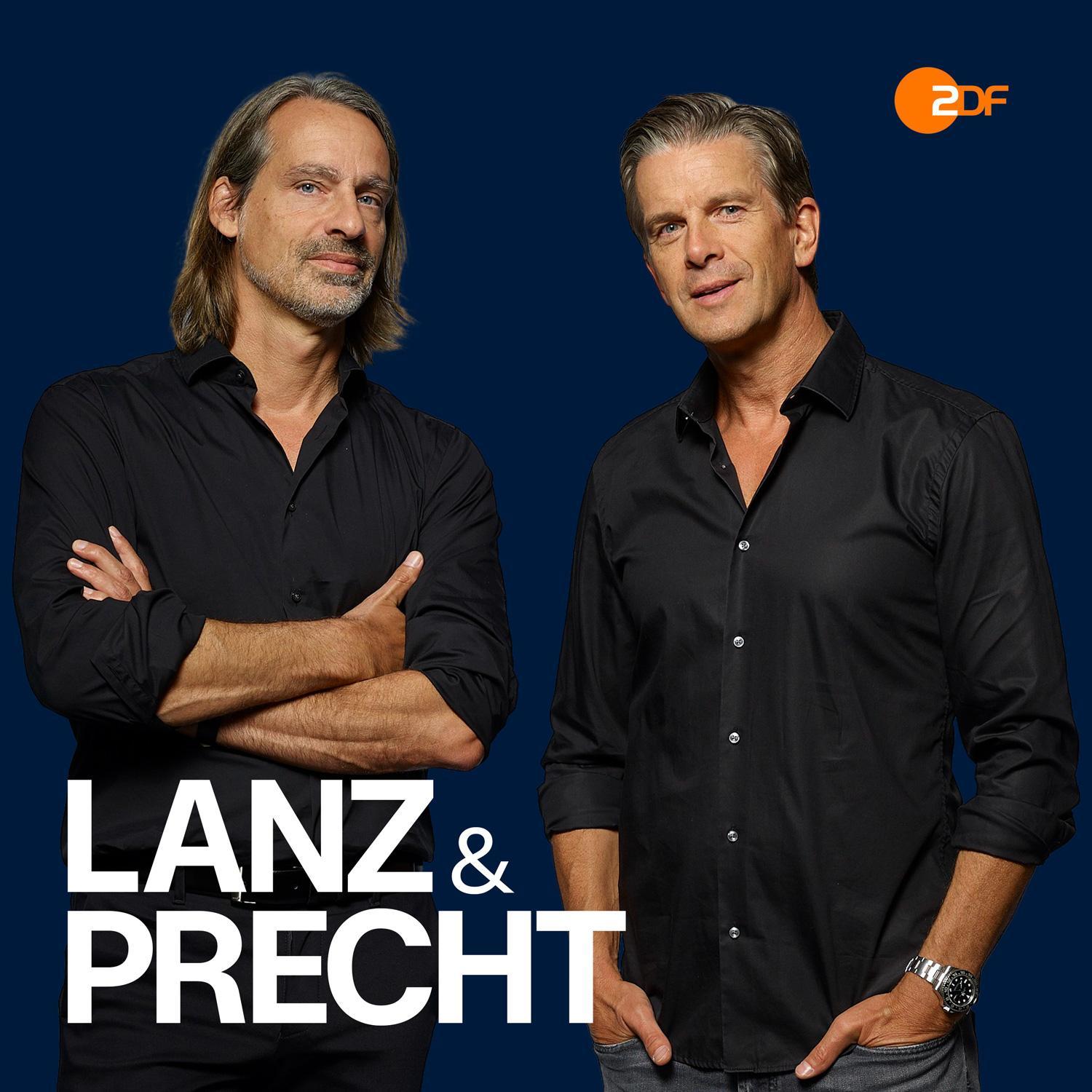
AUSGABE 193 (Momentum für die Ukraine – ist die Zeit reif für den Frieden?)
53m 10s
The transcription covers a variety of topics including a humorous conversation about the lack of internet in a city event in Düsseldorf and a lighthearted discussion about lawn mowing and gardening. It also delves into the environmental pollution and living conditions in Dakar. Furthermore, updates on the ongoing conflict in Ukraine and recent peace negotiations with Russia are provided, along with criticism of past negotiation approaches and suggestions for a new strategy. The conversation touches on political developments, environmental concerns, and personal anecdotes, offering a mix of insights and reflections on different aspects of life and current events.
Transcription
8966 Words, 50734 Characters
[Music]
Good morning, Richard. Good morning, Markus. Where do I reach you?
In a sound studio in the heart of Düsseldorf.
Why? What happened to the fireplace?
No internet.
At this event there is no internet in the city, in which I live.
Nice. Good that the digitalization of Germany is ahead.
Yes, Germany in 2025.
Well, that's when you live in such a remote place in the world.
Like in the center of Düsseldorf. It's clear that you never have internet there.
Oh man. But what really happens, cables through, right?
The Russian agents try to destabilize the situation.
That's what you read everywhere.
Russian agents in Düsseldorf, on the way to the office, do you mean?
Yes, exactly. To separate cables.
Yes, but not with you. You are such a Russian friend.
Yes, but they don't know friends and no enemies there.
We are an influential podcast that can't be completely impossible for them.
In any case, I am not Russian-friendly enough to not be attacked by victims.
That's right. Oh man, that's not even possible.
But I see you look fantastic.
How? How did you get it?
Yes, I churned light in the grey sun.
Really?
Yes, and that leaves a bit of color.
No, I'm serious. What did you churn?
I churned my terrace.
That's good.
Yes, I like it. It's such an incredibly peaceful work.
Write nice texts. You know, everything is gray.
Yes, with the brick over it and the sand-colored light.
Yes, that's wonderful.
I churn grass, that's fine.
Yes. So you are really this classic lawnmower guy,
who then also churns his grass and so on.
Yes, I relax. I like to cook.
How often a week do you churn your grass?
I get an approximate idea of your pathologies.
Well, I'll tell you, if he churns his grass on day 4,
I'll be slowly nervous.
Really?
Yes.
Do you churn every 4 days?
No.
You know what Reinhard Maynard would say.
No.
He even called his neighbor as a garden nazi.
Because he constantly accolades his garden nazi.
So he didn't call his neighbor himself,
but he called his neighbor in a reading letter,
he called his neighbor as a garden nazi.
He hasn't churned it yet, but he just gave it on.
That's good.
Then he had a huge affair with him in a summer lodge 20 years ago.
Really?
Yes, there were no pictures and all journalists
in front of his house.
No.
He churned his garden nazi for days.
He churned his island and so on.
I can still remember.
Where was that?
In Sylt.
Ah, okay.
But I understand that.
I understand the obsession with the lawnmower.
I understand that.
Like I said, after day 4, I'll be slowly nervous
and then I'll churn again.
You know what I mean?
But if you're gone now, you were in Senegal.
Yes.
There are relatively few peasants
who can make you nervous.
There must be no lawnmower.
Yes, there must be no lawnmower.
Exactly.
And when you come back and you suddenly see
that he hasn't done it for 7 or 10 days,
what does he do with you?
I'm looking forward to the free moment
and then I'll start again.
Okay.
You know what lawnmowers,
just like jogging, cooking, all these things,
that's just the big thing.
You don't think about it.
It's just this empty and just let it go.
I think that's great.
I love that.
Just do something that doesn't require any effort at all.
But you can also say it the other way around.
I have the feeling when I'm a terrace church,
then I do something that's meaningful.
That too.
With the other things that you do,
you don't even know
whether that was in the end meaningful or not.
Yes, but where you see such a practical success,
then you put that sense of satisfaction right away.
That's nice.
And I always try to be a bit buddhist.
I like that.
Ah, okay.
But you have to do something with it.
So you have your lawnmower,
which doesn't sound so contemplative.
Yes, it is.
But I actually wait for the electric lawnmower.
I wait at all for the electric time.
Richard, because you just said Senegal,
do you know what was the most beautiful thing
on the way back to Germany and Hamburg?
The most beautiful thing was to be homeless.
In a huge city like Dakar,
where I think there are 6-7 million people in the area of entry,
you are finished.
If you breathe the whole day,
the exhaust gas,
the whole stuff that comes out of a clump of diesel.
I beg you, this is the CO2 explosion
from the whole Eppendorf in Almia.
And you have to somehow,
we have forgotten how it was.
It was also like that with us.
We have forgotten that.
And that's why we have the feeling that we don't have to do anything anymore.
But the rest of the world,
where people can't afford new cars,
that they live under completely different conditions,
that is so exhausting.
That makes the people ready,
that makes the animals ready,
that destroys you.
You go to bed in the evening,
completely Ramdösig somehow,
because you are completely foggy from these exhaust gases.
And you have the feeling that today I suck the whole day
at an A3 exhaust,
then I still breathe less and less
when I have recorded next to it.
That is the extent of the environmental pollution
that we produce and leave behind.
I don't think we have that on it,
which dimension that is.
Especially in these huge cities,
the global south, as you say today.
And there is a huge topic.
I always thought about it,
just as a vision.
You have the sun there,
it burns from the sky.
That is at the entrance to Sahara,
when you drive north.
We were on the border to Mauritania.
And there you have deserts.
You also feel the desert.
I love the desert,
that's why it was so fascinating for me.
And then you think to yourself,
you dream of yourself and you think,
ok, you can take photovoltaics everywhere.
Do it without electricity,
free of charge.
And imagine you take all these stink bombs,
one big hand,
take it out of the city
and replace it with small smart electric cars.
What would that be
for a different quality of life for the people?
You can't imagine that.
But isn't it like it used to be
that you got rid of the exhaust
to make it particularly loud?
Of course, this masculine pride
is the loudest of all.
It was given to us in the past,
that it plays a role there.
They also make fun of life,
a fun factor
in this traffic.
Yes, yes, yes.
In Dakar,
we saw young people
driving by motorbikes
in the opposite direction,
and always calling out this noise.
You throw a fox,
that's what you call it.
And Lukas knows himself from there.
He was socialized.
And that was incredible.
They are like machine guns.
And then they shoot with 30 men
through the inner city.
It's loud and annoying and so on.
But the biggest part
is very, very annoying cars on the road.
I saw cars there again.
You can see that people
don't drive anymore.
I made unimaginable pictures.
We were on the road for shooting,
because we were shooting for the topic of migration.
We learned a lot from that.
And that's just a means of movement.
And it's also interesting,
we've already seen that in Syria.
There's this thing,
for me,
you see
how poor a country is,
among other things, the number of motorbikes.
You can hardly drive a bike,
because it's just too hot.
And the motorbike is the car of poor people.
And that's why you put
all the cars on the motorbike.
In Syria, I saw five people on a motorbike,
on a small moped.
They don't do that because it's funny,
they do that because they have to.
And you learn a lot.
That's the situation.
And as I said, congratulations.
You're doing well in the juice.
I love you, my new trained Richard.
That's crazy.
I hope that I can pass again
in the old age.
It's nice that you have the compliment
of a little gift.
I thought too much.
White smoke hurts the saints.
But something hurts me again.
I was just about to say,
you have to break it again.
Richard, there's a lot going on right now.
March in the office.
Did a few interesting things.
But above all in Istanbul, Ukraine,
the war.
And somehow the hope is connected again.
That now finally something will happen
with this peace.
And we have Donnerstag today.
And we're just reading again
that the worst fears
that Frederick Pleitgen and Paul Ronsheim
had this week also with us in the broadcast
on Tuesday, we switched them on.
That was a very interesting moment
because one of them was in Kiev
when it happened.
The ultimatum and then the reaction
from the Kremlin.
And Frederick Pleitgen was in the Kremlin
for CNN.
And he told us that from 9 o'clock in the morning
Saturday to 3 o'clock in the morning
at night, Sunday,
he was in the Kremlin.
And then we all passed him.
So the Lavrov and the Putin.
And then he sat on the press conference
at 2 o'clock in the morning with Putin.
3 meters away from him.
And he tried to discover traces of decay.
And said, so the hope that
he will have to thank someone
because he simply can't do it healthily.
They can bury us in our hair.
He is amazingly fit at 2 o'clock in the morning.
And they just tried
to find a reaction.
And the situation is
that Stama,
the British Prime Minister and Macron
put an ultimatum on him
and said that on Monday
there will be a 30-day war peace.
That's why on Monday
Ukraine was really hard again.
I think it was shot 130 times.
There were three deaths again today.
So Putin doesn't think about the dream
of this war peace.
That's not the way it is.
He will immediately say,
"I won't let you arrest me."
So you make a basic course on the subject of diplomacy.
You think it's wrong?
Yes.
So first of all
good news.
I heard that in summer 2022
at the time a call
for peace negotiations
was signed and said that this conflict
could only be solved diplomatically.
We have to do that.
There were a lot of complaints
and a lot of criticism that went in the direction of Putin.
He can't be treated from moral reasons.
And he doesn't want to be treated.
We now have a new federal chancellor
who said,
"Now we have to act immediately in negotiations
and try to play an active role
as a European to end this war."
That's the good news.
And it was wonderful that it worked.
And we also see,
the Russians also listen to it.
And there is one or the other view
to get into the conversation.
That's the good.
The bad thing is,
if you want to make peace negotiations,
then both on the one hand
have just named the four.
So, "Merz & Co."
Like Donald Trump used to say.
"I'll show you how it doesn't work."
I wonder, what is that for a top person
who never learned
how to treat him properly in his life?
So, with Trump, it was like this.
He played Nikolaus.
He opened the bag and Putin said,
"What do you want to have?"
"You want the Eastern regions of Ukraine?"
"Yes, you can have it."
"You don't want a NATO contribution?"
"Yes, you can have it."
"You want the Crimea?"
"Yes, you want the Crimea."
"Of course, we accept it."
I mean, what is this kind of negotiations?
So, everything the other wants to get,
and then we don't need to negotiate for a long time.
So, "Merz, Tusk,
Macron and Stammer"
is the counter strategy.
"I'll show you an ultimatum and press you."
Of course, it doesn't work like this at all.
Who would have let Putin
press himself from now on?
So, as if a ridiculous figure
was standing in his own country,
if he said, "Oh, you're threatening me with new sanctions."
"30 days of weapons silence."
Putin said, "Every time."
"I'll talk to you about peace,
but leave us alone."
So, "Merz, Tusk,
Macron and Stammer"
is the counter strategy.
"You want the Eastern regions of Ukraine?"
"Yes, you want the Eastern regions of Ukraine?"
"Yes, you want the Eastern regions of Ukraine?"
"Yes, you want the Eastern regions of Ukraine?"
"Yes, you want the Eastern regions of Ukraine?"
"Yes, you want the Eastern regions of Ukraine?"
"Yes, you want the Eastern regions of Ukraine?"
"Yes, you want the Eastern regions of Ukraine?"
"Yes, you want the Eastern regions of Ukraine?"
"Yes, you want the Eastern regions of Ukraine?"
"Yes, you want the Eastern regions of Ukraine?"
"Yes, you want the Eastern regions of Ukraine?"
"Yes, you want the Eastern regions of Ukraine?"
"Yes, you want the Eastern regions of Ukraine?"
"Yes, you want the Eastern regions of Ukraine?"
"Yes, you want the Eastern regions of Ukraine?"
"Yes, you want the Eastern regions of Ukraine?"
"Yes, you want the Eastern regions of Ukraine?"
"Yes, you want the Eastern regions of Ukraine?"
"Yes, you want the Eastern regions of Ukraine?"
"Yes, you want the Eastern regions of Ukraine?"
"Yes, you want the Eastern regions of Ukraine?"
"Yes, you want the Eastern regions of Ukraine?"
"Yes, you want the Eastern regions of Ukraine?"
"Yes, you want the Eastern regions of Ukraine?"
"Yes, you want the Eastern regions of Ukraine?"
"Yes, you want the Eastern regions of Ukraine?"
"Yes, you want the Eastern regions of Ukraine?"
"Yes, you want the Eastern regions of Ukraine?"
"Yes, you want the Eastern regions of Ukraine?"
"Yes, you want the Eastern regions of Ukraine?"
"Yes, you want the Eastern regions of Ukraine?"
"Yes, you want the Eastern regions of Ukraine?"
"Yes, you want the Eastern regions of Ukraine?"
"Yes, you want the Eastern regions of Ukraine?"
"Yes, you want the Eastern regions of Ukraine?"
"Yes, you want the Eastern regions of Ukraine?"
"Yes, you want the Eastern regions of Ukraine?"
"Yes, you want the Eastern regions of Ukraine?"
"Yes, you want the Eastern regions of Ukraine?"
"Yes, you want the Eastern regions of Ukraine?"
"Yes, you want the Eastern regions of Ukraine?"
"Yes, you want the Eastern regions of Ukraine?"
"Yes, you want the Eastern regions of Ukraine?"
"Yes, you want the Eastern regions of Ukraine?"
"Yes, you want the Eastern regions of Ukraine?"
"Yes, you want the Eastern regions of Ukraine?"
"Yes, you want the Eastern regions of Ukraine?"
"Yes, you want the Eastern regions of Ukraine?"
"Yes, you want the Eastern regions of Ukraine?"
"Yes, you want the Eastern regions of Ukraine?"
"Yes, you want the Eastern regions of Ukraine?"
"Yes, you want the Eastern regions of Ukraine?"
"Yes, you want the Eastern regions of Ukraine?"
"Yes, you want the Eastern regions of Ukraine?"
"Yes, you want the Eastern regions of Ukraine?"
"Yes, you want the Eastern regions of Ukraine?"
"Yes, you want the Eastern regions of Ukraine?"
"Yes, you want the Eastern regions of Ukraine?"
"Yes, you want the Eastern regions of Ukraine?"
"Yes, you want the Eastern regions of Ukraine?"
"Yes, you want the Eastern regions of Ukraine?"
"Yes, you want the Eastern regions of Ukraine?"
"Yes, you want the Eastern regions of Ukraine?"
"Yes, you want the Eastern regions of Ukraine?"
"Yes, you want the Eastern regions of Ukraine?"
"Yes, you want the Eastern regions of Ukraine?"
"Yes, you want the Eastern regions of Ukraine?"
"Yes, you want the Eastern regions of Ukraine?"
"Yes, you want the Eastern regions of Ukraine?"
"Yes, you want the Eastern regions of Ukraine?"
"Yes, you want the Eastern regions of Ukraine?"
"Yes, you want the Eastern regions of Ukraine?"
"Yes, you want the Eastern regions of Ukraine?"
"Yes, you want the Eastern regions of Ukraine?"
"Yes, you want the Eastern regions of Ukraine?"
"Yes, you want the Eastern regions of Ukraine?"
"Yes, you want the Eastern regions of Ukraine?"
"Yes, you want the Eastern regions of Ukraine?"
"Yes, you want the Eastern regions of Ukraine?"
"Yes, you want the Eastern regions of Ukraine?"
"Yes, you want the Eastern regions of Ukraine?"
"Yes, you want the Eastern regions of Ukraine?"
"Yes, you want the Eastern regions of Ukraine?"
"Yes, you want the Eastern regions of Ukraine?"
"Yes, you want the Eastern regions of Ukraine?"
"Yes, you want the Eastern regions of Ukraine?"
"Yes, you want the Eastern regions of Ukraine?"
"Yes, you want the Eastern regions of Ukraine?"
"Yes, you want the Eastern regions of Ukraine?"
"Yes, you want the Eastern regions of Ukraine?"
"Yes, you want the Eastern regions of Ukraine?"
"Yes, you want the Eastern regions of Ukraine?"
"Yes, you want the Eastern regions of Ukraine?"
"Yes, you want the Eastern regions of Ukraine?"
"Yes, you want the Eastern regions of Ukraine?"
"Yes, you want the Eastern regions of Ukraine?"
"Yes, you want the Eastern regions of Ukraine?"
"Yes, you want the Eastern regions of Ukraine?"
"Yes, you want the Eastern regions of Ukraine?"
"Yes, you want the Eastern regions of Ukraine?"
"Yes, you want the Eastern regions of Ukraine?"
"Yes, you want the Eastern regions of Ukraine?"
"Yes, you want the Eastern regions of Ukraine?"
"Yes, you want the Eastern regions of Ukraine?"
"Yes, you want the Eastern regions of Ukraine?"
"Yes, you want the Eastern regions of Ukraine?"
"Yes, you want the Eastern regions of Ukraine?"
"Yes, you want the Eastern regions of Ukraine?"
"Yes, you want the Eastern regions of Ukraine?"
"Yes, you want the Eastern regions of Ukraine?"
"Yes, you want the Eastern regions of Ukraine?"
"Yes, you want the Eastern regions of Ukraine?"
"Yes, you want the Eastern regions of Ukraine?"
"Yes, you want the Eastern regions of Ukraine?"
"Yes, you want the Eastern regions of Ukraine?"
"Yes, you want the Eastern regions of Ukraine?"
"Yes, you want the Eastern regions of Ukraine?"
"Yes, you want the Eastern regions of Ukraine?"
"Yes, you want the Eastern regions of Ukraine?"
"Yes, you want the Eastern regions of Ukraine?"
"Yes, you want the Eastern regions of Ukraine?"
"Yes, you want the Eastern regions of Ukraine?"
"Yes, you want the Eastern regions of Ukraine?"
"Yes, you want the Eastern regions of Ukraine?"
"Yes, you want the Eastern regions of Ukraine?"
"Yes, you want the Eastern regions of Ukraine?"
"Yes, you want the Eastern regions of Ukraine?"
"Yes, you want the Eastern regions of Ukraine?"
"Yes, you want the Eastern regions of Ukraine?"
"Yes, you want the Eastern regions of Ukraine?"
"Yes, you want the Eastern regions of Ukraine?"
"Yes, you want the Eastern regions of Ukraine?"
"Yes, you want the Eastern regions of Ukraine?"
"Yes, you want the Eastern regions of Ukraine?"
"Yes, you want the Eastern regions of Ukraine?"
"Yes, you want the Eastern regions of Ukraine?"
"Yes, you want the Eastern regions of Ukraine?"
"Yes, you want the Eastern regions of Ukraine?"
"Yes, you want the Eastern regions of Ukraine?"
"Yes, you want the Eastern regions of Ukraine?"
"Yes, you want the Eastern regions of Ukraine?"
"Yes, you want the Eastern regions of Ukraine?"
"Yes, you want the Eastern regions of Ukraine?"
"Yes, you want the Eastern regions of Ukraine?"
"Yes, you want the Eastern regions of Ukraine?"
"Yes, you want the Eastern regions of Ukraine?"
"Yes, you want the Eastern regions of Ukraine?"
"Yes, you want the Eastern regions of Ukraine?"
"Yes, you want the Eastern regions of Ukraine?"
"Yes, you want the Eastern regions of Ukraine?"
"Yes, you want the Eastern regions of Ukraine?"
"Yes, you want the Eastern regions of Ukraine?"
"Yes, you want the Eastern regions of Ukraine?"
"Yes, you want the Eastern regions of Ukraine?"
"Yes, you want the Eastern regions of Ukraine?"
"Yes, you want the Eastern regions of Ukraine?"
"Yes, you want the Eastern regions of Ukraine?"
"Yes, you want the Eastern regions of Ukraine?"
"Yes, you want the Eastern regions of Ukraine?"
"Yes, you want the Eastern regions of Ukraine?"
"Yes, you want the Eastern regions of Ukraine?"
"Yes, you want the Eastern regions of Ukraine?"
"Yes, you want the Eastern regions of Ukraine?"
"Yes, you want the Eastern regions of Ukraine?"
"Yes, you want the Eastern regions of Ukraine?"
"Yes, you want the Eastern regions of Ukraine?"
"Yes, you want the Eastern regions of Ukraine?"
"Yes, you want the Eastern regions of Ukraine?"
"Yes, you want the Eastern regions of Ukraine?"
"Yes, you want the Eastern regions of Ukraine?"
"Yes, you want the Eastern regions of Ukraine?"
"Yes, you want the Eastern regions of Ukraine?"
"Yes, you want the Eastern regions of Ukraine?"
"Yes, you want the Eastern regions of Ukraine?"
"Yes, you want the Eastern regions of Ukraine?"
"Yes, you want the Eastern regions of Ukraine?"
"Yes, you want the Eastern regions of Ukraine?"
"Yes, you want the Eastern regions of Ukraine?"
"Yes, you want the Eastern regions of Ukraine?"
"Yes, you want the Eastern regions of Ukraine?"
"Yes, you want the Eastern regions of Ukraine?"
"Yes, you want the Eastern regions of Ukraine?"
"Yes, you want the Eastern regions of Ukraine?"
"Yes, you want the Eastern regions of Ukraine?"
"Yes, you want the Eastern regions of Ukraine?"
"Yes, you want the Eastern regions of Ukraine?"
"Yes, you want the Eastern regions of Ukraine?"
"Yes, you want the Eastern regions of Ukraine?"
"Yes, you want the Eastern regions of Ukraine?"
"Yes, you want the Eastern regions of Ukraine?"
"Yes, you want the Eastern regions of Ukraine?"
"Yes, you want the Eastern regions of Ukraine?"
"Yes, you want the Eastern regions of Ukraine?"
"Yes, you want the Eastern regions of Ukraine?"
"Yes, you want the Eastern regions of Ukraine?"
"Yes, you want the Eastern regions of Ukraine?"
"Yes, you want the Eastern regions of Ukraine?"
"Yes, you want the Eastern regions of Ukraine?"
"Yes, you want the Eastern regions of Ukraine?"
"Yes, you want the Eastern regions of Ukraine?"
"Yes, you want the Eastern regions of Ukraine?"
"Yes, you want the Eastern regions of Ukraine?"
"Yes, you want the Eastern regions of Ukraine?"
"Yes, you want the Eastern regions of Ukraine?"
"Yes, you want the Eastern regions of Ukraine?"
"Yes, you want the Eastern regions of Ukraine?"
"Yes, you want the Eastern regions of Ukraine?"
"Yes, you want the Eastern regions of Ukraine?"
"Yes, you want the Eastern regions of Ukraine?"
"Yes, you want the Eastern regions of Ukraine?"
"Yes, you want the Eastern regions of Ukraine?"
"Yes, you want the Eastern regions of Ukraine?"
"Yes, you want the Eastern regions of Ukraine?"
"Yes, you want the Eastern regions of Ukraine?"
"Yes, you want the Eastern regions of Ukraine?"
"Yes, you want the Eastern regions of Ukraine?"
"Yes, you want the Eastern regions of Ukraine?"
"Yes, you want the Eastern regions of Ukraine?"
"Yes, you want the Eastern regions of Ukraine?"
"Yes, you want the Eastern regions of Ukraine?"
"Yes, you want the Eastern regions of Ukraine?"
"Yes, you want the Eastern regions of Ukraine?"
"Yes, you want the Eastern regions of Ukraine?"
"Yes, you want the Eastern regions of Ukraine?"
"Yes, you want the Eastern regions of Ukraine?"
"Yes, you want the Eastern regions of Ukraine?"
"Yes, you want the Eastern regions of Ukraine?"
"Yes, you want the Eastern regions of Ukraine?"
"Yes, you want the Eastern regions of Ukraine?"
"Yes, you want the Eastern regions of Ukraine?"
"Yes, you want the Eastern regions of Ukraine?"
"Yes, you want the Eastern regions of Ukraine?"
"Yes, you want the Eastern regions of Ukraine?"
"Yes, you want the Eastern regions of Ukraine?"
"Yes, you want the Eastern regions of Ukraine?"
"Yes, you want the Eastern regions of Ukraine?"
"Yes, you want the Eastern regions of Ukraine?"
"Yes, you want the Eastern regions of Ukraine?"
"Yes, you want the Eastern regions of Ukraine?"
"Yes, you want the Eastern regions of Ukraine?"
"Yes, you want the Eastern regions of Ukraine?"
"Yes, you want the Eastern regions of Ukraine?"
"Yes, you want the Eastern regions of Ukraine?"
"Yes, you want the Eastern regions of Ukraine?"
But also the fact that in this war the country will not go in the same direction as we always imagine.
This war will not be decided at the front.
This war will be decided by the destruction of the resources of the other.
There are two categories of resources.
One is the material and the other is people.
And this war would have won long-term from Russia
because Ukraine no longer has enough soldiers to send to the front at some point.
And in the end it will be decided who will win this war.
And not in the question whether one or the other broken small mountaineering city will be conquered at the border or not.
And what weapons do you use there?
And that's why a lot of modern war equipment is not used for this liberating and terrorist war at the front.
I don't know if the name Jürgen Lernhardt says something.
Professor for the latest and newest history in Freiburg at the university.
He made a book.
And last year something came out.
Or last year, I was 23, it was about wars and how you end them.
And I find that very interesting because he says it again and again in the debate.
This war and every war ends in negotiations.
And he says that is not the case.
He says there are wars that burn out in a certain way without there being regular negotiations.
Other wars end with an absolute minimum of communication.
So to speak, yes, almost frozen conflict.
He says the example of Iran-Iraq war, almost ten years, 1980 to 1988.
Which then simply went to the end with a UN resolution.
So an explanation that no one has ever repeated.
And he says something like the great peace negotiations.
It is exciting to make a small historical comeback.
The 30-year war.
Yes, there is a lot of peace.
Exactly.
That is still a kind of lighthouse.
It is often quoted.
Why is that so, Richard?
Well, after a 30-year war where you can't even imagine the end.
Because this war had been independent.
It was no longer about war.
Why did you go there?
A lot of different things at once.
Of course it was about protestants against Catholics.
And of course it was also about territorial influence.
The Swedes were strongly involved.
But it is of course a joke, to be there as a religious war.
All wars, which were carried out as common religious wars.
We are talking from 1618 to 1648.
The decision made in this war was that the war had been independent.
Because these upper orders, like Tilly and Wallenstein and so on.
had huge armies that they had to supply.
And the war enhanced the war.
That was the famous sentence.
That is, you had to repeat it over and over again to maintain your own army.
And therefore the war was independent.
That means you had to do the war to lead the war.
And these soldiers couldn't just go home.
Because they came from land lines that were completely destroyed.
Where there was nothing left, and so on.
Where their farmhouses were burned down.
And then at some point the entire infrastructure in Central Europe had changed massively.
And then you couldn't imagine that it even came to a peace.
And that you then got the Western peace, the Münster.
That it actually came to this in the end.
That this complete conquest war,
through a negotiation solution, which then also lasted for a very long time,
was over.
That is almost like a kind of historical world miracle.
So it's almost like in Afghanistan at that time.
If a modern term would be used for the Thirty Years War,
it would have been his warlord war.
That's exciting.
It's being removed and used as a reference again and again.
The Western peace, the Thirty Years War.
Leonhard says that, so to speak,
in the middle of the 15th century,
it basically came to this that wars always changed
with formal peace conferences, peace agreements and so on.
After the First World War, more than 80% of the wars.
But then this value suddenly begins to decline.
And after the end of the Second World War,
there suddenly was only 15%.
So in the 20th century there were always fewer wars
with peace conferences.
And he says, even the Korean War, we're talking about the 1950s,
the beginning of the 1950s to the 1970s,
led to the Vietnam War, for example.
All of them didn't go to classical peace conferences,
but in better weapons peace agreements,
which were broken down again and again,
in Korea to the other side.
The Korean War from the 1950s,
it hasn't officially ended until today.
The easiest negotiations always start
when one country has completely thought that the other has won.
Then there is a peace treaty.
And to the conditions of the winner.
You don't have to agree on that.
That's not an agreement.
That's capitulation.
On the one hand, it is certain that peace has come to an end,
and on the other hand, it is forced to be signed.
And then you have a peace treaty.
That's how the Germans get away after the Second World War.
If you have a war of liberation,
where none of them really wins,
but none of them has won,
then there is a very, very long negotiations.
So if you think about it,
the Vietnam War is ending in the East at the end of 1975.
And at the beginning of the 1970s,
you met in Paris and had negotiations,
negotiations, negotiations and negotiations.
You didn't do anything at all.
Exactly.
That's exactly what we're experiencing right now.
To sum it up,
we talked about Syria a while ago.
And I drove there with the feeling
that there is this new power.
That's all.
We already talked about it.
Then you etiquette Islamists.
Al Qaeda chefs.
You suddenly etiquette rebels.
And then they suddenly fit into the Western narrative.
And then they say,
"We are our people now.
And we can rely on them now."
And that you still have 10 million.
Exactly.
That you have invested 10 million dollars
of money into the new power in Syria.
You just forget that.
And it's really bizarre how fast this goes.
When you see these pictures,
like Trump in Doha,
I think it was,
when this man now meets.
Yes.
Because the USA with 10 million dollars
have still searched for money for a few weeks.
According to the logic,
is that the joke of the other or is it our joke?
Yes, exactly.
And I am, to be honest,
very disillusioned
from Syria about what this is about.
And I feel, through the book
by Leon Harte,
he says exactly the same thing.
A war,
a conflict, like in Syria,
dominates
civil war constellations.
It has elements of a civil war.
It has elements of a war of religion.
It has an internationalization
through participation of many actors.
And only the question,
and it is very simple
and so enlightening,
but also somehow important to think about it,
who is there?
Who sits there at the end?
Who is supposed to sign this paper
and sign it?
That is the question that has already been raised.
And we saw that there.
The role of the spinnaker,
then you have all of them,
religiously, you have so many different actors.
Then you have this internationalization
of the Iran mixture,
the Israel mixture, the American mixture,
the Russians, the Turks,
they all mix there.
And that everything on the back, these poor people,
who basically do not know how it happened,
and they are driven, so to speak,
from one corner to the other.
And
the other reason is,
and I would like to ask you, Richard,
who could that be?
He says, if you look at how,
for example, the First World War
ended, then you have to say,
then you had a lot to do with the Americans
and with the credibility of Wilson,
the president.
That means you need a whole,
central, really trustworthy figure.
And with a look at
the Ukraine, for example.
Yes, it doesn't exist.
That's what it could be.
It doesn't exist.
Germany lost the First World War.
So we have the structure again.
We have won and defeated.
Only because the defeated
were not destroyed in their own country,
other than in the Second World War.
That means the morale of the people
was not completely broken.
And the awareness of the defeat
was not yet in all heads.
So you won the war,
but you didn't have that
completely destroyed Germany.
There were millions of dead soldiers
and so on. But they died
mostly in France, not on German soil.
But it was clear.
I mean, the Supreme Leader
has capitulated.
Germany lost this war at the front.
And that was the condition for the peace.
And Wilson was the peace manager
with his 14 points.
That's an ambivalent role,
you have to say that.
Because on the one hand,
the peace contract,
on the other hand, was a dictatorial peace.
And he led that in Germany
the revenge blooms,
which in the end led to the Second World War.
You have often quoted Florence Gaub
and talked about bad peace negotiations.
Exactly.
So the most common reason for war
is a bad peace before.
Bad negotiations, or as in the case
of the Versailles contract,
a dictatorial peace with which the defeated
is not too happy and hardly he has
returned himself in his resources again.
So the immediate goal of Hitler
was to tear down the Versailles contract
and to do all this back-to-back.
And that's a bad peace that can't happen.
And now we have Ukraine in this situation.
We don't have a winner.
And we won't have one at a time.
It's clear that the Russians
have taken in 19% of Ukraine militarily.
But as a great striker of the winner
we are united. You can't see that.
Hundreds of thousands of soldiers have lost.
They haven't been so far
as you expected.
Military special operations.
Instead of three years of fierce war.
So we have a situation
A. where there is no clear winner.
There is a stronger and a weaker one,
but there is no clear winner.
The second is, as you just said
in Syria, the internationalization of the conflict.
The international alliance
that has helped Ukraine
to survive for three years
also has its interests.
And speaks with all these contracts
and takes part in the initiative.
So it all plays a big role.
And it also has elements
of civil war.
Because it is about two brother nations.
There are not two completely different cultures
that meet each other.
It is a war between two countries
that have been in the Soviet Union
for many decades.
Parts of a common kingdom.
But they have been a common country.
And two Ukrainians
were Soviet, three Ukrainians
were Soviet state leaders.
So the countries
have also been connected to each other.
Culturally, historically and on a family level.
So it is also a special situation.
And that is why I would expect
quick peace negotiations.
Quick results
are not to be expected at all.
And that is why it is
from the thought
right to say
that we do not need a peace treaty
that does not bring it.
But we actually need a weapon peace.
But why 30 days?
I did not really understand that.
So why was not the ultimatum?
We will first make a
final undamaged weapon peace treaty.
Because the peace negotiations
will take years.
The peace negotiations
in the Westphalian peace treaty
took a long time.
From Vietnam, I said, it took several years.
In the Vienna Congress.
In the Vienna Congress there was a comparison
because Napoleon was defeated
and the winners had to distribute
the bear's field.
But this difficult situation, if there is
no clear winner, then these contracts
last forever and three days.
And that is why we should not
have the expectation
that Ukraine and Russia
will sign a peace treaty
in the next few months.
But we should create
conditions under which
a long-term long-term weapon peace treaty
will be signed on both sides.
You said something
very interesting earlier.
It is clear that the Russians
do not do that, because they do not want
to stand there as steps on the world stage.
They do not want to make fun of each other.
That goes in the direction
of Leonhardt, who also says
who makes the besieges the best.
He makes peace
for the weapon peace treaty.
So it is important
that you, so to speak,
give them the possibility
no matter what they have broken.
In some way
to have a face.
You could also simply say Sa'Lobb
to sell this politically
at home.
Otherwise something happens in the first world war.
The Germans lost their face in the Versailles contract.
Then Hitler came
with the great revenge and the Second World War.
So it has to be a peace treaty
for both sides.
And if we think about it, how it is possible,
we immediately know that this is a damn
difficult task.
How should Zelensky have his face
if he loses his entire east oblast
in Russia?
How should Putin have his face
if he sent hundreds of thousands
of soldiers into this war?
And in the end
with something that comes out,
we are going to freeze
the frontline here.
And at some point another American president
comes and the Ukraine comes into the NATO
and does not achieve anything and so on.
And that is why this important issue
is the post-war order.
I would like to complement Leonhard
and say that there is a stable peace
if there is a hope
for both sides
a happy post-war order.
And that is the big task
for which we are standing now.
To throw away a security architecture
for Europe.
By not standing against two friendly blocs.
And that takes years of negotiations.
That is the big historic task before we are standing.
Interesting
how the idea of peace
has changed historically.
The older approach
that peace
is simply the absence of
military force and so on
means that
in the 20th century
Leonhard described a very high expectation.
Peace as a
implementation of justice
norms, persecution of war crimes
and so on.
All these things.
And I didn't know that.
He said that until the first World War
it was different.
Exactly.
There was a formula
since the end of the 30th
war.
Peace contracts, a formula
from "well-behaved forgetfulness".
Swarming over it.
That is completely foreign to us today.
That means something.
That means something.
That is well meant
but it builds huge ears.
When someone comes
and says we have to do that.
What exactly did you do there?
When I read that
I thought
that is crazy what you encounter
in every corner in Ukraine.
You don't meet
a Ukrainian
who doesn't have
any horror story to tell about Russia.
And to overcome this.
After the end
of the Yugoslavian War
it was the same.
Every Bosnian could tell
a horror story about Serbs
and Croats and so on.
Croats over Serbs and Serbs over
Croats and so on.
We know that
the situation is not stable
in the former Yugoslavia.
But the wonder
is that
in the 10th century
it always worked somehow.
The good deeds
and the good minds
forget that.
I think the most important example
is Rwanda.
When you think about it
the majority, the Hutus
the minority, the Tutsis
in one year
800.000
people were killed.
And not with an atomic bomb
but with machetes.
The rivers
were full of corpses.
There were children
who killed their own parents
when one of the parents was a Tutsi.
There was a hatred
when people were brought together
in the church.
Then the Hutus burned down the church
and so on.
And then with Paul Kargame
a Tutsi, after this war
a Tutsi
in Rwanda.
And what I think
in Rwanda is that
there was not a huge increase
but the peace and stability
as after the war
after the 30th century
was forgotten.
Kargame is still in power
and we all know
that a dictator
developed
from this example.
This is always the same mist
if someone is too long in power
without mistreatment
loses his rage.
Kargame is a very good example
for this.
But we also have this example
of the violent forgetfulness.
This is something in the situation
like today.
You can't imagine that
the Russians, the Ukrainians
will be punished for this brutal attack.
I can't imagine that.
But the question is
normally it takes something like a decade
until it grows out somewhere.
Yes, I know
where the encounter is.
Again and again this idea
this idea when we
have been in Russia for a few years.
The Russians are talking about the great
Fatherland War.
It is the Great Fatherland War.
And they see themselves
as the ones who liberated Germany
from the Nazis.
Yes, it is interesting.
We have to say that.
First of all, that you see the Great
Fatherland War. 27 million dead
on the ground of the Soviet Union
at the time of the Second World War.
Yes.
Until Berlin marches through and so on.
They were not the only ones who liberated
Germany from the Nazis.
But they have contributed to this.
If you look at the maps
around the 8th of May
how it was taken into the teeth
and how long it took
until we have the knowledge
that it was actually a liberation
and there was no defeat.
But in Russia I have heard that
again and again.
And when we started to ask
after the Second World War
they said to the simple people on the street
"Let it be. It is good.
You have done a great job
at that time. They did not forget
the 27 million dead.
But it is good now.
I was really impressed
by the ability
to forgive and let it be good.
It is also a deeply Christian
thought if you want to.
And on the other hand, this brutal
that you see on a Putin
who has obviously never
finished with it. It happened in '89
that the Soviet Union was just a pig.
You see that on a Trump
now, who is
the rebellious until it's magic.
I think many parts of Trump's politics
you understand, with Rach's search
that you see a Benjamin Netanyahu.
I
also have to say in this context
we are talking so incredibly much
about peace in Ukraine.
Only as a member of the Klammern
we have made a broadcast this week
I think it is scandalous
and more and more scandalous
how we
the war and what happens to your gas
just blind out.
And
how you live as a politician
and that's something I really
I'm sorry if I'm a little emotional
but I have
incredibly enough of
that you hear official
loudspeakers
who loud state resorts
and an Israeli
head of government always have the opportunity
to visit Germany, even if
with an international court order
and so on. But we also challenge
the same from the Mongolia when Putin
tries to say "Why don't you take it?"
He will also
with an international court order
I understand the historical dimension
I understand it all. But what I don't understand
and what I can't accept
as a citizen of this country
is that you are the same people
the same people
not the same people
with different opinions
the same people
who you meet and who tell you
in front of the camera
is all defense policy
that serves the security of Israel
I can't recognize war crimes
for example in Gaza
then when the cameras look out
and say
of course we have a big topic
of course we have to find war crimes
of course we have to talk about
if there is suddenly hunger as a weapon
why are we not in the position
to clearly and clearly say
as Macron did this week
in a big interview
in a French television
I understand that a German Chancellor
can't talk like Macron
I understand that
but there is still something in between
and this kind of double morality
what you experience on travels
when you are in the Middle East
that is what I think
incredibly much credibility costs
and I also want to say something
it's not like
people in Syria come to you
and say "Ah, you are German
and this double morality
and you are delivering weapons to Israel"
but this is very fine
the criticism
it's very carefully presented
that's not the prejudice
it's not like you can only
the people are very comfortable
in the position to differentiate
but they are very careful
and say "do you really think it's good
your position shouldn't be in Israel
not Israel
but this government boss
and you don't have the feeling
that if you are delivering weapons
that you are involved in war
I mean, today the report
that three poor Ukrainians
died because of Putin
while we are talking about this
while we are talking about this sentence
people died in Gaza in the last night
80 people
and it is somehow
we see this grey
and I always think
how should this go
I think it's forgettable
I think that media plays a big role
what you are recording today
is different
I just had a
rescuer
from Berlin
Thorsten Schröhr
a very impressive man
who was in power in the 4th time
in Gaza
and he says "then try
to free the Greeks
and then 400 others die
and he told you of a police car
that should be hit there
that was obviously
an Israeli target
they saw it over the drone
and said that in this police car
there are probably Hamas terrorists
it can be anything
and he describes this helplessness
and the helplessness
he says "if you just wait
three minutes until this car
is gone from the marketplace
then you have the police car
but you are no longer on the marketplace
but you will be shot
on the marketplace
and everyone around is dead
and this is
this helplessness
that we see there
and not only against
the Palestinian civil population
and he tells very impressively
that a majority of these dead
are innocent children
and are women
these are not Hamas terrorists
hopefully too
but you meet
a lot of children and women
and this is what
is no longer acceptable
and I think
what is that for a son of a bitch
and for a rum around
something that has to be clear to everyone
and what you have to think about
is this helplessness
against both sides
it is not only this helplessness
against the population in the Gaza Strip
it is also this helplessness
against the own Gaisel
and that is why there are weekly demonstrations
against him
and this way with these poor people
who are still in the Gaza Strip
to go around
Yes, I see it
similar to you and I wonder
where are the Woodrow Wilson
who are the intermediaries
where are the initiatives
of the European politicians
who are very friendly with Germany
with the moral index
to defend themselves
this is a very big problem
a value-oriented foreign policy
a value-oriented foreign policy
must orientate itself
at these values
in the center of its policy
and there it knows no exception
Yes, so that means
when certain assumptions of humanity
my value
of cosmos, of freedom, of humanity
of self-determination
and the right of the people
then it has to be exactly like that
for every country of the earth
you can't say, well, there I see it
a little differently and there I see it very strictly
then an value-oriented foreign policy
is unbelievable
and then it makes itself in the eyes of its opponents
Yes, it is also
because you are talking about war targets
Daniel Gerlach has pointed out
in the program
really intimately known as the director of Zenit
that is a exciting magazine
an east magazine
who says
Netanyahu has never said
that war target is to liberate the Gaisels
and then ends this war
but what is the actual war target?
Yes, you have to treat it seriously
and there are
in Israel
many people who also say
it is relatively
what happened on the 7th of October
is in no way, I also don't do that
and I understand how deep this trauma is
of course
but the legal term of the relationship
the question
what is the right of the people
the question is
why do you
as a force that goes into somewhere
and for the certain rules
then in combat actions are raised
as a soldier you are allowed more
than as a civilist
and you won't be drawn to account
if you bring the opponent
a Hamas terrorist in the fight
but at the same time
you also have the task
to take care of the protection of the civil population
and you can't go there
and say we have been cutting them
for 70 days
we are cutting them off
and not from everything
a little bit from everything
from food and drinks
from everything that is necessary
when it comes to medication
we haven't even talked about it yet
that is something
and what it leads to
I don't know
we are well known
to the international law
when someone
as Friedrich Merz says
and I know that this is a very
complicated statement
that probably wouldn't be official
if Netanyahu
comes to visit Germany
it has to be possible
I understand
the big ideas behind it
in a political dimension
but Friedrich Merz is a lawyer
who knows
in the case of the Berlin State Court
the independent court
who knows
who says
please let it go
who does that
so you mean Merz doesn't have anything to decide
in the case of not
I don't know if the Berlin Justice Senator
Ms. Babenberg would go there
and would say
please let it go
I doubt it
our country doesn't work like that
it is good that there is a huge part
and that things
run independently from each other
if it doesn't work like that
it is happening in America
there is a trial
there is a trial
and then the White House sits there
and says "I don't like it"
I don't care
in the case of this Manes Garcia
now in El Salvador
and where they just say
we are no longer responsible
he is now in El Salvador
and in El Salvador you say
it is not our topic
because who is that
and then the court says
please bring him back to America
to his family
because it is not proven
that the part of the evil cartels
or a gang or whatever
no, we just don't do that
and if we can't agree on that
then it will be difficult with democracy
yes, I agree
Richard, thank you very much
yes, thank you too
and we have a Thursday
we don't know what will happen in Istanbul
but I can only
repeat
the peace process will take years
what we have to achieve now
is a permanent war in Stillsland
and that is the target
and the development of ideas
of the post-war order
the more productive ideas we have
the more likely
the war will take place
and I have to say
it is so sad and tragic
that the Americans fall out
remember this again
exactly 30 years ago
I don't know if you have
presented it
30 years ago
the Americans got peace on the Balkans
that was an incredible diplomatic
power, a top power
and that these Americans
that you need
and at times like this
that they fall out
that has something tragic
but on the other hand
we can say positively
that this is the job in which the Europeans have to grow
so, maybe that's the point
and it would be a great power
if under the participation of Friedrich Merz
we get a permanent
stable post-war order
that empowers us
to give billions of weapons
you got it
surprising new ideas
the NATO is no longer only 3%
of the pro-inland product
but 1.5% plus
so these are such incredible sums
with which you could not only
conquer hunger in the world
but also make Germany future-friendly
it must not happen
that we have no other choice
than to spend so much money on equipment
what would be much cheaper
would be good ideas
for a stable post-war order
according to the Ukraine war
that would help us save billions
good sentence
thank you very much
see you next week
bye
[BLANK_AUDIO]
Podcast Summary
Key Points:
Discussion about the lack of internet in a city event in Düsseldorf.
Conversation about lawn mowing and gardening.
Details about the environmental pollution and living conditions in Dakar.
Updates on the situation in Ukraine and peace negotiations with Russia.
Criticism of previous negotiation approaches and suggestions for a new strategy.
Summary:
The transcription covers a variety of topics including a humorous conversation about the lack of internet in a city event in Düsseldorf and a lighthearted discussion about lawn mowing and gardening. It also delves into the environmental pollution and living conditions in Dakar. Furthermore, updates on the ongoing conflict in Ukraine and recent peace negotiations with Russia are provided, along with criticism of past negotiation approaches and suggestions for a new strategy.
The conversation touches on political developments, environmental concerns, and personal anecdotes, offering a mix of insights and reflections on different aspects of life and current events.
FAQs
In a sound studio in the heart of Düsseldorf.
There is no internet in the city where the event is taking place.
Russian agents are said to be trying to destabilize the situation.
I churn my grass occasionally for relaxation.
There are discussions about an ultimatum and peace negotiations regarding the conflict.
The counter strategy involves presenting ultimatums and applying pressure, which may not be effective in negotiations.
Chat with AI
Loading...
Pro features
Go deeper with this episode
Unlock creator-grade tools that turn any transcript into show notes and subtitle files.
 PodcastTranscript AI