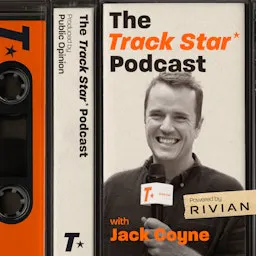
Andrew Watt shares his journey as a producer, beginning with his early connections to the Rolling Stones through Don Waz and Paul McCartney, who recommended him to Ronnie Wood. He emphasizes the unique band dynamic of the Stones—built over 64 years—where trust and collaboration are paramount, and the producer must step back to let the band’s chemistry unfold. His process varies widely: from co-writing with artists like Lady Gaga and Bruno Mars to playing instruments and developing original riffs, such as one inspired by Jose Feliciano. He stresses the importance of vulnerability, courage, and human connection in songwriting, noting that early work is often flawed but essential for growth. Watt highlights how trust is earned through shared experiences, like tea sessions with Paul McCartney that evolved into deep collaboration. He credits his success to adaptability, curiosity, and a wide range of experiences across genres. His studio in LA, filled with rare instruments and memorabilia, reflects his passion for music and collecting. Ultimately, Watt views music creation as a blend of instinct, luck, and genuine human connection—where every project, from a simple guitar riff to a full album, grows through collaboration, trust, and a willingness to embrace imperfection.
- First of all, introduce yourself. - Okay. - Hey, I'm Andrew Watt. - And what are you doing in New York right now? - I am here for the release week of the new stones, material that's starting to trickle out. - Which you, I produced. - You produced. - So let's just listen to a song, come on. - From there. (upbeat music) (upbeat music) ♪ Why don't you drive me ♪ ♪ Down that road, I twist the road ♪ - How did you, how did you start working with the Rolling Stones? - I got introduced to Mick kind of in the pandemic period through their legendary producer Don Waz, who wanted my help in doing like a different version of one of these songs that the band had done. And so I messed around with it a little bit and I got to talk to Mick for the first time. Didn't really amount to anything, but we kind of kept in touch a bunch. And then I was in London working with Duolipa and I ended up going over his house for tea and talking and he started talking to me about, you know, making a new record and they hadn't made it. I finished a record of new material at that point for like 16 years and really wanted to get on with it. And it was just asking me questions about my process. Then he said, okay, I'll, you know, talk to the other guys and I didn't hear anything back from him for a while. So he tried to keep you cool and like fuck, they didn't like me, right? Like it's all that's where he had to go. - At least I got to meet him. - Yeah, exactly. Yeah, I had tea in London with Mick Jagger. It can end there, Margaret. I got a text from him like a couple of weeks a month. I don't remember the time, but a while after he said we were supposed to talk again. And he asked if I had a minute to chat. So I got on the phone with him and he told me that Ronnie Wood had just been at dinner with Paul McCartney who told him that there's a great young producer they should try and name Andrew Watt. And Paul recommended me to Ronnie. And then Ronnie said, Hey, Paul said there's a good producer we should try and name Andrew Watt. And then it got into the thing, well, that was my idea. Or how do you know that? Well, I, you know, I'm telling you because Paul told me, he's like, no, I was already talking to him. So they got into the little competitive thing with them, so he's helpful. And I connected all the rewards. So what's, what happens in the room? Like, how does it, what's it like, what's working with them? Like, and how is it different from working with any other band? Yeah, you know, the band dynamic is a very different thing than, you know, working with the solo artist or, you know, working with any one at all. It's the Rolling Stones. They have been a band for 64 years. That's a rarefied air. The fact that they can even be in the same room after 64 years. I mean, what's the divorce rate in the world, right? Like, think about that. It's 64 years. They've been creating music together and have this partnership that is unbreakable. And it's a magical thing. So you gotta get out of the way and let them do what they do. But you also have to help push it along so that it turns into a recording, something that is a song that can be, you know, listen to and is not just jamming on an idea. You know, when we record a song, we don't go, "Okay, let's do the next take." We're just recording. So, you know, they'll play a song for 30 minutes. They'll play a song for two hours until it's sounding good and everything. So you just kind of have to like listen and kind of like what you do, you know, picking out your favorite versions except it's two hours of the same song. So, taking a step back from them, what do you think, like, what is the role of a producer more broadly, like super like layman's terms? What does that job for people aren't super familiar? - Well, the cool thing about it is that it's continually changing, right? My role specifically changes depending on the project that I'm working on. Sometimes I'm writing songs with the artist and playing, you know, a bunch of different instruments on those recordings. Sometimes I'm just sitting in the room and listening and helping arrange and record, you know. So, it depends, but I think, you know, it's helping the artist finish their piece of art. At the end of the day, it is art, right? And then it's listened to by the world, but there's, you know, a craft involved and a sound involved and someone to bounce off of and make decisions with this kind of the producer's role. So, you worked on the last record and then there's another one that comes relatively quickly after a hiatus. - Yeah, what do you think, like, like, they got the bug. - They got the bug. - Yeah, I think, and they called you back. - Yeah, which is, that is like the ultimate sign of like, you did good, you know, like, you feel, I felt really great about that. And whenever they want me forever, I'll always be there. They had a couple of songs left that were like 70% finished from the first album we made that were really great. We just ended up finishing this one, you know, kind of a group of songs that was Hacking Diamond. So, we started by like, okay, let's finish those other, you know, three or four. And then let's do a whole bunch of new ones. So, it's only three or four from the last one. There's all 10 new songs that were written recorded for this album. - Let's go a little bit further back. - Yeah, so that's me playing guitar, end bass, and writing the song with a couple of people. - I actually wrote this song with Charlie XEX, which is great. - Okay, there's a lot to unpack. - Yeah, there's a lot to unpack. - So this was a really big record. Was this, did this song, the song went to one number one? - Yeah. - Or, it's like real, this was a huge song. - Sometimes these things happen. - But for you, this is pretty, this is early. - Yeah, so what happens when that, like how do you, how do you put that together, and then where does that sort of lead to the next thing? - You know, it was, it just, we started the song, and that riff was just kind of something I was playing around with on a acoustic guitar. I was listening to Jose Feliciano, and you know, in the morning kind of before, in my old studio, I used to live in the studio, which I don't live in my studio anymore, for anyone that lives in your studio, get out as soon as you can. 'Cause then the work literally just never stops, but in the morning, I would put a record on, just listen to music for a little and just, you know, start my day, and literally on the turn table, I was listening to Jose Feliciano, and I was just kind of playing around on the guitar, and then I just felt like doing something in his kind of style of guitar playing. - So you lay that down like the guitar and the bass at the beginning? - Yes. - Is there an artist attached to it? - Layed down to it? - And a snap. - Already or? - No, it was kind of, that's the seed of that song started with us in the room writing. And then, you know, it was kind of in a different time when I wasn't making as much albums, there was kind of just going kind of song by song, and I, when we started the vibe of it, I immediately thought of Camilla, showed it to her, and she loved it, and then we started having the conversations about how it would be great for her to do a song with Sean, and I talked to Sean about it, and it kind of, there was a lot of back and forth with that song, and then they both came in and kind of helped write it, and turned it into what it is today, the final thing, but that kind of, sometimes the songs, they go in kind of steps, you know? - You mentioned Charlie X, yeah. - Yeah, she was involved in the original session, we were just writing songs for a couple of days, and that riff came up during the day, and there was one of, one of the things we just kind of, very early version of that chorus started. - It's interesting how. - It's funny, right? - How these? - She was one of the greatest songwriters ever. - Yeah, besides being one of the greatest artists ever, she can do literally anything. - Yeah, and listen to the, you know, if you look up her records and the songs that she's wrote, they're in all different styles, and it's just, she is amazing. - And so there's like a different thing when you're writing for yourself as sort of an artist, and you're sort of developing a very specific sound that she changes sort of from album to album, but there's a specific thing that she's doing, but if she's writing for someone else, she still has that songwriting chop, but it's gonna go in a very, can go in a very different direction, and sound like something else. - Yeah. - But there's this thing at its core, which is just like, I guess, an instinct that's unbelievable with melody, and lyrics, and very quick and everything. Obviously that started with a riff that I had that sounds, nothing like any music that she makes, so.
It was a kind of a different thing. Sounds like I was listening to the same kind of guitar that day, huh? I just, these songs were actually made in a very similar time, which is hilarious because they're released so far apart. Yeah. Yeah. That's interesting. Yeah. I used to have this thing where I was like, all right, I'm gonna like do three songs in a style and then move on because I don't want to keep repeating myself. You know, like so that was like, that was that era of guitar play. I didn't even really think about the connection. I just had this list and then put that one on it. That's why you're good at what you do. We, uh, I saw them at Coachella. Yeah. And they were amazing. Like, they just have this very, the way that the voices are combined, the performance, the dance thing. It's just like, it reminds you of this earlier era of, of pop music from the late 90s, but it's also very like current with everything that's happening. They're amazing. People love them and they're amazing dancers as well. I could such a great show what they, what they put on. So that was fun. Do you, how often are you working on like something like ideas that you're laying down that you don't necessarily know where they're going to go versus working on? You have a sense of like, this is for a specific project. What does that split look like? You know, that was like kind of how I started, right? It was like just kind of making music with no bounds and you'd make something you'd get together with some songwriters and write songs. You don't know the artists, right? So you just try to figure out how to get your songs heard, right? And so that doesn't really happen as much anymore, because I've been going pretty steadily from album to album. But this process is the same for when I, you know, when I work with an artist, if it's a project that we're going to be writing songs together, I'll make a bunch of ideas first, like that guitar riff or something. And I'll have like some riffs or some chords that I like or the beginnings of a beat or something and walk in the room with some stuff that I like. And then most stuff happens just in the room on the spot, you know, once you get on a wave. I imagine there's people that are listening to this right now who are, they would love to be a songwriter or maybe they're listening and they want to be a producer. So if you want to be a songwriter, where do you start? You have to kind of let the fear go because it's a really scary thing. Put your emotion down on paper, then you're going to sing it and you're going to show it to people, you're going to release it. I mean, the only way it can go anywhere is if you just kind of let that go and should always care about what is your putting out into the world and be very particular about it. But a lot of, I think young songwriters can kind of stop themselves or hold themselves back because fear steps in, you kind of just kind of got to let that go and go for it. It's probably not common for the first song you write to become, to be really like great song. Like it's okay to write some songs that aren't right. Absolutely. Oh my god, I still write, I write pieces of shit all day, you just don't hear them. That's how it is. Yeah. Anyone that thinks no matter where they are in their career that everything they do is great is there's something wrong with that person. You know, that's not how it is. You have to, it's a process. And you have to have people around you that you trust that, you know, because a lot of times when you just make something you love it because you just made it, right? And it's important to have kind of a crew of people around you that can be like, this one's amazing. This one, you know, there are two artists that you've worked with a few times who you did a song together recently. And I'm curious to hear how you sort of the process of working with both of these two, both of these two, who work by the way, two of the biggest artists in the world. And then they come together and it's magic. Yeah. It's magical. And this is a guy that you play with a lot too, right? Like you have a little band. We're, we're, we're good pals. I love the, I love the man. One of the funniest human beings alive as well, just like, you know, when you get those friends, especially friends that you want to make music with. And then you're also laughing all the time. Those are like the greatest relationships ever. Yeah. Because it's supposed to be some sort of belly ache laughing all the time. How do those two people work specifically in that song? I mean, I guess more, more generally because you've, you've spent a lot of time with Bruno and you spend a lot of time with Lady Gaga. Yeah. Is that they have a similar process? Is it, is it the same path to get to where they are? I think everyone has, has their own process, but the things that they have in common are that they are two of the most gifted singers, songwriters and producers. They, they are both incredible producers as well as being singers and songwriters and artists. And their live shows are, you know, kind of peak. So them together is really cool because they're both such forces of nature. And that song came, came together when we were making Mayhem, Gaga's album. And, you know, there wasn't anything that we really had that we were making where it was like, okay, let's get this person for this song and let's do it, kind of do that. She was just kind of made the decision one day. She's like, you know, I really want to make a song with Bruno. And so since we were friends, we kind of made that kind of happen together. But yeah. You, when you talked about like the advice to a young songwriter, she's a great example also of someone who put in so, so much work. Oh yeah. And, and even from what I've heard, got a lot of flak like early on. People were like, what are you doing? What's a, and it was just like, no, it's the determination and the willingness to say, she's still going to keep doing this. She was probably one of my, my biggest inspirations. Yeah. Because she's from New York, just a guy I'm, and she played her first shows at the bitter end, which is where I played my first shows. And it was like knowing that she made it to the level that she did and her journey and kind of knowing that lore was like a big guiding force for me before I even got to know her and meet her. So it was really cool to get to actually, you know, work with her. She's like my sister, you know, we brother and sister. It's cool. What's that? Who's that guy? Paul McCartney. It's really cool to listen to that. I don't listen to that since it came out. So what are you doing with Paul? We just finished his album, which is coming out at the end of May. It's called "The Boy's a Dungeon Lane." And so we made a whole album just together. Two of us. One of the greatest. Where? In a few places in my studio in L.A. And also in his studio in Sussex, which was so cool. It's like a windmill on the prop. There's a windmill on the property. And then there's all the Beatles gear. He's just collected. He's like walking there. He's like, this is a melodrama from Strawberry Fields. It plays Strawberry Fields. This is the Spinette from Because plays because, you know, how do you focus when you're in it? It's the same, it's the same thing. Like, you know, you got to get up in the morning, look yourself in the face, in the mirror, pay it to yourself. You're just like, why the fuck am I here? You're here because they asked you to give your pen and be a producer. They don't need anyone. Paul McCartney, does not mean to be produced. He has produced many of his own albums and they're incredible. But he wanted me around while I was making music. So he got to remember you're there to give your opinion. Did you learn anything from him? Like, what are some of the things that, like, little things that you have learned? I'm a different musician. Yeah. When I before I worked with him to after. And is he coming into this? Like, these are the songs, like they're written down. He's already got it. There was many, there's many different ways we worked, which was so cool. I mean, it was like one of the coolest processes because we, we never said we were making an album. He came over to have tea. So that's the secret. It's the tea. And the night before he was coming over to have tea, I like sat up in bed. I was like, holy fuck, he's a lefty. We were only supposed to have tea. But I'm a lefty. I'm left-handed, but I play everything right-handed. And I didn't have any lefty guitars. I was like, what if he wants to make up a guitar or, you know, teach me how to play Blackbird the right way, which is that wouldn't possibly happen. But that's what the fan fantasies in my head. So I rented every guitar that I know. He liked, I found all the left-handed Beatles, you know, and Wings, Instruments, the Rick and Bacher, the Martin, the Epiphon Text, and all that stuff. And I just had some stuff there. So there was a point where I was like, we were talking about songwriting.
And he was like, "You know, sometimes I just like to play a chord that I'm not going to know what to do with, and that inspires me." And so he went to grab a guitar, he was like, "Oh, they're all right-handed." I was like, "I actually have a left-handed guitar, gave him the left-handed guitar." He played this very strange chord, which is the first chord that starts the album. And it was hanging for a long time, and then he had to resolve it. And then we kind of both had guitars and the rest is history. So his process is very, very different depending on the song. There was many songs that he just brought in that we were just there to kind of listen to and figure out how to do and kind of produce together. There was stuff that he had already started recording himself, that we were just adding to. And then there were songs that we made completely from scratch together and wrote. So, but the most important part was that he played all the instruments, which no one can do. Other people in the class that can do that are Prince and Stevie Wonder, right? And I got to play a little guitar and Ringo played drums on one of the songs as well, which was very cool. I just picked up on something that I hadn't really thought about that's interesting that he mentioned is having the stuff there, having the right stuff in the room as part of the producer's job, or not only maybe figuring out what is the room that we need to be in to make this happen. Like making sure the tools are there. Exactly. Creating the environment so that the artist feels comfortable as what they need and feels like they can drop whatever they have at the door and just create. But that was not supposed to be a songwriting session that first when it really was just like pop over for tea, both live in the same area, and turned into like a five year relationship now, which means so much to me. We got to talk about a few more here. Great, so. And different, a little bit different from the other stuff. That's the funny part about doing my job, we make music in every genre, right? It's like when you're like, damn, I made a lot of rock music, then you can like make something like that and you just always stay inspired. What are some of the things that you learned from Justin Bieber? Well, he's a very good friend of mine and was the first person to really give me my shot as a producer and a songwriter. My first hit song was with him, which is "Let Me Love You" with M&D J Snake. And I played guitar on a few tours with him, with the opening act, and we just became friends. But Justin is one of those people that can do literally anything. I mean, anything you put in front of him, any instrument, he can play it or figure out how to play it, any game, he'll beat you and he's just like one of those gifted, gifted people. But that song, what was so great, was he was his first time coming to the studio that I had at that point, which was in a basement of a house in Beverly Hills. And he was just messing around with every instrument. He just wanted to kind of touch every instrument and so he put down a little drum beat and he put down that piano with the top, that's him playing, yeah, the piano. And he got on the mic and just started free styling that, and Hayley was sitting right in the room at the same time on the right and it was kind of this family, fun day, no pressure. We're just kind of messing around and watching him write that hook. And then what rhymes with peaches and georgeves, weed from California, okay, that works. Like it's like, literally, we're just goofing around like that. So I love that record. It must be interesting to just all the different experiences he's had, like starting so young and working with so many different people, the things that he's picked up, the lessons, the things that don't work, things that do work, that then is informing because he just seems like he keeps growing and finding new sort of sounds that tap into. Yeah, I mean, that Coachella performance was incredible, I was right there for that, I was there for that. I was like in tears because I've known him for so long and I've watched, you know, his whole journey and just to see him up there feeling the love and crushing and connecting with his fans and how much he means to them and then he set the world on fire again, right? I was just looking the other days, now a number one artist and Spotify, like in the world, just, like just every song, like, and I loved the YouTube part. I loved it. It was amazing. I thought it was so creative and cool when he was getting it back in touch with, you know, how he started, which is on that platform. So I thought that was really, really cool. We're coming full circle to this conversation about like, if you want to be a songwriter, what do you do? Like, start writing songs and putting them out there and like, he's a great example of that. And now, with like YouTube and TikTok, there are so many people that have the ability to do that and get feedback. He's like the OG of kind of doing that. Absolutely. And that stuff out there. It's the first YouTube star ever. Okay. A couple more. I got to ask you about, I know this is a really important, huge person to you. Yeah. And an interesting combination of tattoos. I think you crumble in my arms down to your heart, it's down, you're bread-breed, dry, just like that. Guitar and bass again. I've never needed anything for you, and all I ever asked was for the truth. You showed your tongue and it was forked in truth. I haven't heard this in a long time. Isn't it crazy? Ozzy's voice never changed. Sounds exactly the same. Tell us about your relationship with Ozzy. He was one of my closest friends. We talked every single day, I think about him every day. He really, and his entire family believed in me really early, when I was, you know, before when I was saying, you know, I kind of would be involved producing albums and doing a few songs on the albums, but I wasn't really like always doing full album projects. And when I was making music with post for his second album, we kind of just were talking like, we were talking about features. At that time, it was, you know, the hip-hop albums and stuff like they had a lot of features. And pop albums. It was like a big thing of the time, and so we were just trying to think outside the box of like who would be cool from doing a song with, and we had the idea of Ozzy. So I reached out to Kelly who I had known and sent to the riff and just like an idea for a melody that we had started, then I eventually got asked to go over to Ozzy's house to just meet him. We talked about the Beatles for two hours and realized we were going to be friends, and I was kind of told, okay, he's going to be there just to cut his hook, probably for an hour, tops, and that's it. Okay. He stayed for like six hours. He was having the time of his life. And I didn't realize this, but he had just heard his neck where he had fallen and broken his neck in the middle of the night and had surgery, and he was laid up for a little while. And he didn't even know if he could make music, and the experience gave him so much joy, and it was the best he felt in a really long time. So they asked me if I would make an album for him after, and I going back to the fear thing at no conference that I can make in Ozzy's other album, because it's not what I was doing anymore, I had played in bands for so long and made rock albums when I was younger, but I was making pop music now. And loving it, but it just wasn't what I did, and Chad from the Chili Peppers was a good friend of mine, even back then, I kind of told him about it, he was like, dude, you can fuck and do it. We should do it 100%. We're fucking doing it. Let's just try and make some music and see if it's even good. So we called up Duff from Guns and Roses and the three of us just wrote what we would want to hear Ozzy Oz born to sing for a while, and the stuff ended up being stuff that we were really proud of. So we showed it to Ozzy and he loved it, and then he just started coming over and we'd write the songs together, little by little, and that's what became the first album. All of these people that you've mentioned, it starts with just a conversation and meeting each other, right, like this human connection thing. Absolutely. Why is that an important part of the process? Creating together requires trust, and trust is earned. It's a results-based business, and making music is definitely making something that sounds good and the artist is happy that
gets earns the trust, but first, you got to see if you gel with someone and what the conversations are like and what common interests you have, you know, it's like you're about to talk to someone about your life or open up or, you know, be vulnerable in front of someone, it's like how can you do that when you're not even, you know, sat face to face with them before ever. So I think finding some common ground is important first. In order to like really understand what the right sound is going to be, you got to understand it. Or to dive deep. You know, I'm thinking of songwriting in my head when I'm saying that, that was the thing we were talking about before, it's like how are you going to bear your soul and talk about your pain with somebody that you don't even know. It's like, we have to, um, can happen quickly, but you have to kind of get comfortable with them first for the last, I mean, there's so many things that we could do, but for the last song, maybe let's do this one because we were talking about it, um, fun, right? Did you see the movie yet? No, it's not yet. It's amazing. Um, that's what I keep hearing, that's really great. It's interesting to talk about collaboration, I guess, with two different artists, right? Who you're hearing both of their sounds, you're hearing both of their signatures, which are different and mixing them together. How does something like that work? And also, uh, again, that was, uh, we had Bruno doing the production writing with us on that. So it's amazing. It's like everyone, it becomes friends and just wants to work together. You know, when you get to be with artists on that level, you're part of it is that you're just lucky to be in the room, you know, it's like, look at this and know who's on there. You just let it, let it go, make the vibe and hold on for dear life. Um, I love that song and it's, you know, um, it's so much fun making it for the movie. And I think it works so great in the film. And if you haven't seen it, you should definitely see it because it's great, great film. Do you think certain producers have a signature that they, that I think people understand that there's a stamp? Do you feel like you, you have one or no, I don't, um, uh, and that's probably due to my ADD, but that's what keeps my job really fun. I said that before, but it's just working across all these different genres. It's, it just keeps it so interesting. Is there a place that you haven't been that you want to go like, or a certain genre or something that you think would be an exciting challenge to take on? I just kind of, I follow where it takes me. I don't know. It's like Tarzan, swinging from one branch to the new, you know, I've been so, so much of this is also us to do with luck. Yeah. Right. And they say luck is when preparation meets opportunity, right? You've heard that quote a million times. You know, I am such a music fan like you, and I've spent my life dedicated to learning all different types of music, listening to all different types of music, knowing about the players and what came before, um, so, and then the rest is just pure luck. Like you, you meet someone and you connect and it turns into a thing. And I have a really hard time thinking about like the future. I might not in it at all. It's just kind of whatever is currently going on. And I've been really lucky that the rest seems to kind of figure itself out from there. Do you have a favorite place that you like to, that you like to work like? You mentioned Electric Lady earlier, isn't it? Electric Lady. That's my favorite studio in New York. Um, I have my studio in LA, which I worked on for kind of like the last three years. Always. Yeah, I've had a few studios, but this current one that I have worked on for like the last three years and it's kind of like my, my shrine. Uh-huh. There's a lot of special stuff in there. So these are one piece of something that's like the most important. Are you like, it's just this guitar? It's everything. Yeah. You'll have to come some time. Are you a gear head? Yeah. Have we need another like four hours to go? I have, um, the mixing console that belonged to Chris Thomas that may never mind the Balex by the Sex Pistols and London, calling by the clash, News of the World by Queen. We, I mean, we will rock you as a record on it. And then Nigel Goddrich used it for okay, computer. I mean, it's like so many. It's never been outside of London though. So now in LA, I have, uh, I have David Bowie's milk that came with the lightning bolt out. You can find the picture and put it right here, um, it came with a lightning bolt cloth that he would stand in front of with that he made himself and everything. So I'm just constantly buying shit. I have hundreds of guitars. I mean, it's, it's a disease. Congratulations. My fiance calls me a hoarder. Yeah. I, that's why she loves you. I call myself a collector. That's why she loves you. It's, that's part of it. Why is all this shit? Well, thank you for, uh, taking the time to talk to you today. This is a blast. Yeah. Next time, we're doing it at your studio. Absolutely. 100%. Thanks for, uh, all the time. Great to meet you. Two. Trackstar Podcast is a presentation of public opinion created by me, Jack Coyne, Ferencoyne and Henry Cornaros, produced by Haley Sobel, edited by Haley Sobel, theme and original composition by Cerencoyne, mixing by Devin Klein, our agent is Joanne Orland at UTA. Thanks for listening. See you next Wednesday.
Podcast Summary
Key Points:
Andrew Watt became involved with the Rolling Stones through a connection with Don Waz and later a personal meeting with Mick Jagger in London, leading to a collaborative record after Paul McCartney recommended him to Ronnie Wood.
Working with the Rolling Stones is fundamentally different due to their 64-year legacy and unbreakable band dynamic, requiring the producer to stay in the background and let the band explore freely over long recording sessions.
Watt emphasizes that a producer’s role is flexible and evolving—ranging from co-writing and playing instruments to listening and guiding arrangements, ultimately helping artists complete their creative vision.
He credits the success of his work with artists like Lady Gaga, Bruno Mars, and Paul McCartney to trust, shared vulnerability, and the human connection formed through conversation and mutual respect.
The creative process often begins with simple ideas—like a guitar riff from Jose Feliciano or a spontaneous jam—that evolve through collaboration and iteration into finished songs.
Watt highlights that fear and self-doubt are common barriers for young songwriters, urging them to release early work and embrace imperfection as part of growth.
He values the physical and emotional environment in the studio—having the right tools, instruments, and personal connections—creating a space where artists can feel safe and inspired.
His career spans genres and artists, fueled by curiosity, luck, and a lifelong passion for music, with no fixed "signature" style due to his diverse and adaptive approach.
Summary:
Andrew Watt shares his journey as a producer, beginning with his early connections to the Rolling Stones through Don Waz and Paul McCartney, who recommended him to Ronnie Wood. He emphasizes the unique band dynamic of the Stones—built over 64 years—where trust and collaboration are paramount, and the producer must step back to let the band’s chemistry unfold. His process varies widely: from co-writing with artists like Lady Gaga and Bruno Mars to playing instruments and developing original riffs, such as one inspired by Jose Feliciano.
He stresses the importance of vulnerability, courage, and human connection in songwriting, noting that early work is often flawed but essential for growth. Watt highlights how trust is earned through shared experiences, like tea sessions with Paul McCartney that evolved into deep collaboration. He credits his success to adaptability, curiosity, and a wide range of experiences across genres.
His studio in LA, filled with rare instruments and memorabilia, reflects his passion for music and collecting. Ultimately, Watt views music creation as a blend of instinct, luck, and genuine human connection—where every project, from a simple guitar riff to a full album, grows through collaboration, trust, and a willingness to embrace imperfection.
FAQs
I was introduced to Mick Jagger through Don Waz during the pandemic, and later connected with him in London after meeting him for tea. He expressed interest in making new music, and after discussions with Ronnie Wood and Paul McCartney, I was invited to produce their new record.
A producer helps the artist complete their artistic vision by guiding songwriting, arranging, recording, and making decisions. The role can vary depending on the project, but ultimately it’s about supporting the creative process and helping turn ideas into finished songs.
Working with the Rolling Stones is unique due to their 64-year partnership and deep musical connection. The process is more about listening and letting the band explore freely, rather than directing every take, creating a collaborative and organic environment.
The song started with a guitar riff I played while listening to Jose Feliciano. I shared it with Camilla, who loved it, and we developed the song together with Sean, eventually shaping it into its final form through collaboration and creative input.
I often begin with raw ideas or riffs and bring them into the room. For Paul, we started with tea sessions that evolved into deep creative discussions. For Lady Gaga and Bruno, the collaboration was organic and spontaneous, driven by mutual interest and artistic chemistry.
Let go of fear, write even if the songs aren’t perfect, and don’t hold back. Songwriting is a process, and early work often feels flawed—what matters is persistence, sharing your work, and learning from feedback.
Chat with AI
Loading...
Pro features
Go deeper with this episode
Unlock creator-grade tools that turn any transcript into show notes and subtitle files.
 PodcastTranscript AI