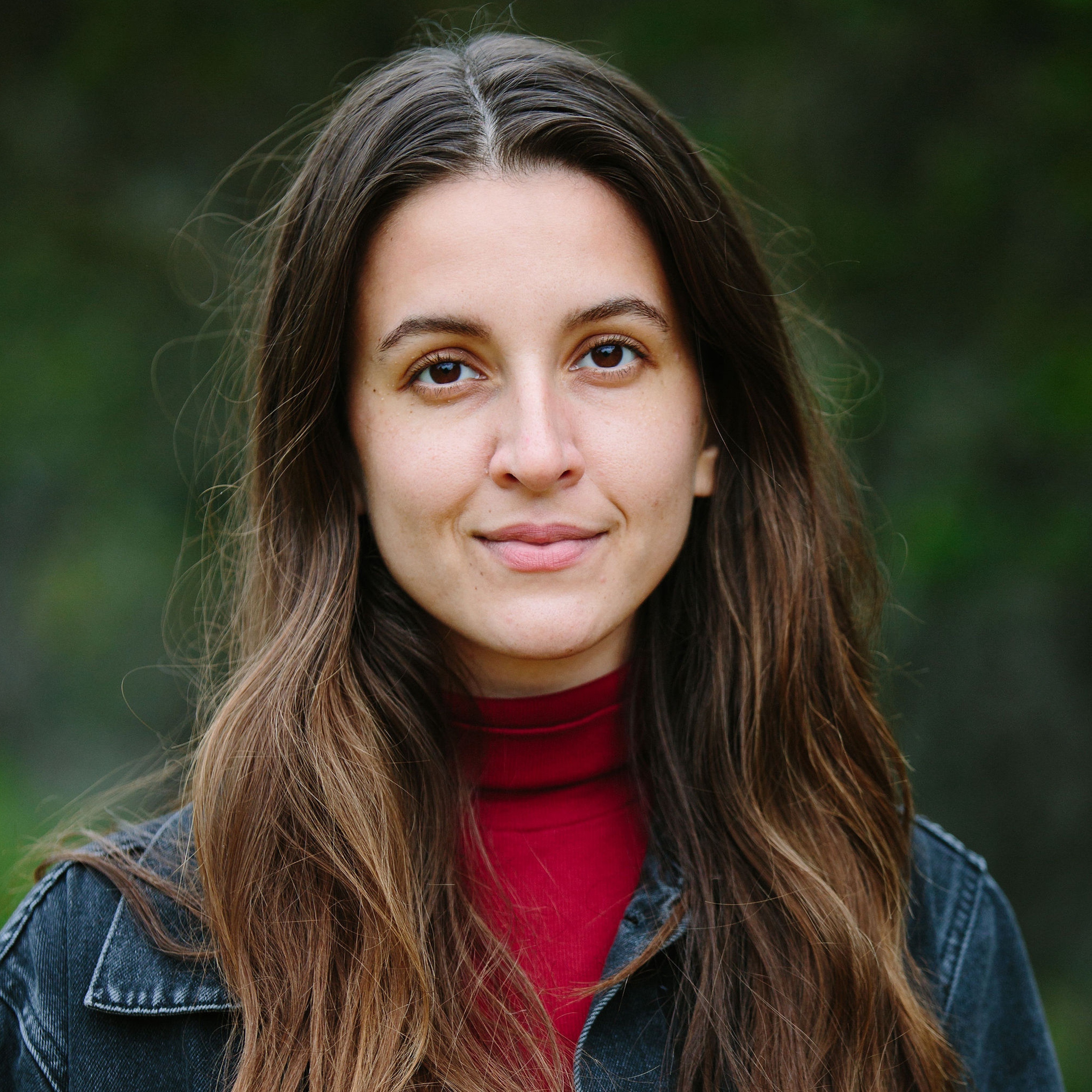
Ambrook's Fresh Approach To Financial Tools For Farms and Ranches With Mackenzie Burnett
37m 6s
Ambrook is a startup building modern financial management software tailored for the complex accounting needs of farms and ranches. Founded by CEO Mackenzie Burnett, the company initially explored creating a water rights marketplace but pivoted after extensive interviews with producers revealed that overwhelming paperwork—particularly in farm accounting—was a critical, widespread problem solvable with software. Ambrook's solution aims to fill a gap by merging the agricultural-specific functionalities, like detailed cost-of-production analysis, found in traditional desktop software with the accessibility, collaboration features, and integrated payments of modern cloud-based platforms. This addresses key producer pain points, from basic bookkeeping overwhelm to the need for advanced financial planning and analysis (FP&A). Since its commercial launch over 18 months ago, Ambrook has attracted thousands of users and significant venture funding, demonstrating early market traction while also engaging the community through its related media arm.
Building accounting software for agriculture is not a new concept. So what is it about Ambrook that feels so fresh and unique and innovative? Ambrook is building what we hope is infrastructure where people can, by getting a lot more clarity in the now, can also be much more confident in the future. CEO Mackenzie Burnett and her team uncovered a number of insights while talking to farmers and ranchers early in the process of building Ambrook. For example, one thing unique about AG is many producers are managing a diverse portfolio of businesses. I think that's what people, for me, ask, I don't realize about AG is that it is so dynamic and so diverse, actually, in the types of businesses that exist in agriculture. And I think that is something that we're really excited to be able to invest in. Now, with over 18 months of the product out in the market and 29 million dollars in funding, they're ready to bring modern financial tools to more AG producers. You should be able to talk to your books in what's called natural language or human language, be able to chat and say, hey, can you project out a budget for me for this enterprise, for poultry over the next year, or how would you prepare that to the cattle side of the business? Ambrook's Mackenzie Burnett on today's Future of Agriculture podcast. Hello, fellow Agnard. Thanks so much for joining me for another episode of the Future of Agriculture. My name is Tim Hamrich and every week you and I get to hear from the founders, farmers, innovators, and investors shaping the future of the AG industry. Today's episode features a pretty intriguing startup, in my opinion, which is Ambrook. I say intriguing, not just because they recently announced a $26.1 million series around in this tough environment to race capital, but because they're focused on what I would consider not a very flashy part of the industry, accounting software. So something that's been around quite a long time, probably one of the early applications of software in agriculture. So on the surface, it doesn't sound like one of those moonshot problems that start-ups like to spend an narrative around like mitigating climate change or feeding billions of people. But those of us who have spent some time on farms or ranches and talking to farmers and ranchers know there are still plenty of opportunities for improvement in this area. And in just over 18 months of commercialization, Ambrook already claims to have over 2500 operations using their software. So certainly some signs of traction there. Another interesting part of their business is that as they were building their financial management tool, they also decided to launch their own media venture called Ambrook Research. They have since rebranded it to off-range, but it boasts over 150,000 newsletter subscribers that want to read stories about agriculture and food. So certainly an interesting and unique approach for an early stage ag startup. But we'll all this lead to better outcomes for producers and successful business for Ambrook and a more resilient future for agriculture. That's what I wanted to know from Ambrook, co-founder and CEO McKenzie Burnett. Before starting, this financial management software company, McKenzie's prior experience was working in community nonprofits, water asset management, which we'll talk a little bit about, and open source software infrastructure. She has a master's in international policy and climate security from Stanford University, and she's been featured in some notable media, including Paki McCormick's not boring newsletter, and Paki actually invested in Ambrook from what I understand. I'll drop you to the conversation here where McKenzie's explaining Ambrook in her own words, before we get a little bit more into her background before founding the company. We build financial management tools for farms, ranches and increasingly other types of mall businesses, really focused on the types of businesses that are more complex, and so are pretty balanced, you'd have to deal with a lot of assets and liabilities, tend to be multi-PNL, and so lots of different diversified revenue streams. And most farm ranches fall in that category, even if you think you only do one thing, so that has been something that has been a really big mission for Ambrook is trying to build a more resilient and prosperous future for a lot of American failure and businesses, and I'm really excited to be able to talk about it. Super interesting. How did you end up in Ag? This is not meant to be a negative at all, but Ag and accounting are not like the most exciting industries when you're from the outside looking in, and so I'm curious how did you end up here? I think the short story is that my whole family works in Ag policy. Their backgrounds are in plant health specialists at the USDA, and so kind of grew up with conversations about citrus canker, fruit fly, infestations, and border security when it comes to preventing illegal parrots from crossing the US-Nexico border. I think it's just pretty wonky topics, and that was kind of the background context. A lot of my childhood, I didn't think that I was going to go and work in agriculture, and then when I was in grad school, I was doing some research with the US military and how the US military understood emerging threats, environmental threats, and otherwise, and something that came up over and over again was food and water scarcity as a threat multiplier, and I just became really fascinated. I was reading about it in international context, and then I was at Stanford at the time for grad school, and so in my backyard we were having one of what is now much more common, like centennial droughts, and just got really fascinated with how was the US agriculture adapting to it, and what was the role that Ag played in resource management in the United States, and just kind of went down that rabbit hole, and spent the summer of 2018 kind of working in Ag finance and kind of driving around the Central Valley, talking to a lot of farmers about water, actually, and just kind of fell in love with the whole industry in my own way, and wanted to figure out a way to break into the industry, and I think it's really hard, like, Ag is not necessarily easy industry to break into, and so did everything that I could to learn about it, to talk to people, listen to your podcast, you know, on all these different topics, and try to figure out if there was a way that I could leverage the skill set that I did have, which was software, to kind of help folks out in the space, and Ambrook was the way that I figured out how to do that. Very cool. Yeah, and water specifically is also something that has fascinated me. It's obviously a big, big problem in a major part of agriculture, but I have found it difficult to find like innovative business models that really address water issues. It just seems so systemic. I don't know if that's what you found is kind of how you ended up eventually going in the accounting route, is like, "Oh, I'm interested in water, but I don't know that there's a startup opportunity here." Yeah, it's actually so interesting that you say that, because Ambrook actually evokes the original idea for Ambrook, which was what if we could build a more transparent water rights marketplace in California, or the American West, like they have in Australia. In Australia, it's a much more liquid part of the pun, but like liquid marketplace for water, because the way that the law basically changed after they had a really intense drought in the early 2000s, they kind of rewrote all the water rights laws in Australia. It's a lot easier as well, because there's a central aquifer in Australia that a lot of the groundwater draws from, and so it's a little bit easier. It's not as fragmented, but in the United States, when I was thinking about applying it here and talking to a lot of folks, you know, there are some decent companies trying to do water rights marketplaces in the United States, but when I went on that rabbit hole, it became very clear that it was a lot of like illiquid small fragmented pools, and literally sometimes of water, and you can't, you know, the best marketplaces are the opposite of that right, highly liquid, highly abstracted. Like you don't actually need to know both parties on either side of the transaction, and it shouldn't be like a niche transaction every single time. So there are definitely elements of the way that water law works in the United States, the way that water infrastructure, who owns water infrastructure, who's responsible, it's a very public-private partnership among those who can use water, who can sell water, that makes it a lot more difficult for a private actor to build like a marketplace on top of that, but Ambrook itself is it's evokes Am and sort of the prefix of Amor, right, to love, and Brooke kind of evokes the original idea, which was dealing with water rights. I'm so glad you shared that, because honestly, I think there is a perception, a lot of times misperception in agriculture that venture backed startups are just so committed to a solution that they're just out there trying to like save agriculture. Like they're coming out with, I think agriculture needs to be this, and so I'm going to force my vision on the industry. When in reality, you know, people like yourselves are oftentimes testing those assumptions early on, and in your case, at least pivoting to something totally different, so how did you end up with accounting? Yeah, totally. So it was, you know, originally before we built anything, we were testing a bunch of different ideas, and I think the best way to test ideas in any product is to talk to people, and do their eyes light up when you talk to them about this, or do they answer a different thing when you ask them if you had a magic wand, what would you have a team of separate engineers, what would you have us do? We have a database of the early days with about 75 different conversations that we have, the farmers being in small, with policymakers, with academics, just trying to understand and map the different problems in the space. And the thing that clearly came up over and over again was that I do think water rights is part of, but with paperwork. The award is kind of drowning in paperwork, and there's three different types of paperwork that they were talking about. The first was farm assistance, so that's, you know, pandemic relief, or even more annual programs, the USDA, for otherwise, there's farm compliance. Water is, you know, it's financial, but it's also, there's a lot of regulations that deal with how you need to treat water, or other ways, maintain those resources on your operation, and then there's farm accounting. And that's much more in the, you know, bookkeeping, and not just bookkeeping, but also FPNA, like understanding your margins, and cost of production, and all those things. And so, those were the three categories that we realized were problems. And I think paperwork is a really interesting problem, even though it might feel boring to a lot of people, because it is actually one of the, one of the problems in ag that I think can be well solved by software. And you don't need to have a hard work component, or any sensors, or any of that, just you're taking menial labor, and you're organizing information, and moving the offline to online in different ways that makes sense. And so, the reason why we didn't do farm compliance was because farm compliance and water rights, you know, was software, typically, essentially venture back, which does have certain models of you want to have scale. It's hard to solve very niche localized problems to start. You can back your way back into that, but farm compliance is so locally regulated that that was a hard problem to start with. We actually started with farm assistance, because we started during the pandemic. And so, we basically read some headlines and talked to folks that who had missed out on the first tranche of CFAP funding. And realize that it's because CFAP brought so many new farms actually in contact with the USDA, who had never worked with the USDA program before, because they weren't eligible before, or they didn't have the incentive structure necessarily to go out and see that funding. CFAP was basically structured as such a broadly applicable program that it brought in, you know, thousands and thousands of new farms to the USDA. And so, it meant that there were often farms who missed out on the first tranche, because they didn't realize or they didn't know what the forms they needed to fill out. They didn't have a relationship with their USDA office. And that was something that I felt like Ambrook could well solve. And so, we actually helped a couple of thousand producers over a couple of month period apply for a little less than 10 million in CFAP grants, and just to help them fill out those forms, figure out who their USDA office was, that type of stuff. The reason why we then moved into farm accounting is that third category paperwork is because when those producers came back to us and asked for further support on other farm assistance programs, we realized that actually CFAP was by far the most standardized and easiest of the programs to apply for. Everything else needed bespoke work, because what we needed to do was actually dig in and help someone put together the balance sheet to be able to apply, or be able to, if they wanted to evaluate what types of projects they wanted to implement, understand what the cost would be, or they could afford the cost share, or even what projects to approach and do, and put together those proposals. And so, with software, you actually, you are looking for a common denominator of problems that you can't solve for as many people as possible. And that was something we realized that we would have to do a lot of bespoke work one off. And in order to actually do that farm assistance at scale, we actually had to go and solve the farm accounting problem. All of these businesses we talked to, like we're using, you know, either it was either pen and paper or spreadsheets or QuickBooks or something equivalent. And so, the fact that they couldn't put together the information that they needed for pretty standardized like balance sheets or P&Ls or that type of stuff for this type of farm assistance meant that it was a pointer that actually there was a deeper problem that we could probably solve if we were willing to kind of dig in and become the actual system of record. Yeah. And for the accounting side of things, the way you laid that out, it makes perfect sense how you all would end up in accounting. But that also is a problem that, you know, has been perceived and attempted in the past. Where do you think previous solutions just hadn't quite hit the mark or, you know, hadn't quite succeeded? Yeah. So I think there's two, there's two types of accounting software. So tons of folks still doing pen and paper ledgers, spreadsheets, spreadsheets are great, spreadsheets are magic. You do a lot of things with spreadsheets. And so definitely not knocking that. But when it comes to the actual software itself, and there's two categories of accounting software that a lot of farms use, there's accounting software that's specific to agriculture. And then there's more generalized SMB accounting software. So accounting software specific to agriculture, I think there are some really great solutions out there. A lot of them tend to be desktop based. And so that's something where if you do want to move to the cloud, if you want to be able to have lots of people help out with the books, if you want to be able to just send the email to your accountant and have them be able to download everything that they need without having to, you know, walk over or drive over and give them the flash drive. Like that is something that I do think is it's actually hard to rearchitect that into a cloud-based platform. If you started out as desktop, I think it's what you're seeing with a lot of these accounting solutions that are desktop based. It's hard for them to move. And the second layer that that we have that you kind of do just need to build from the beginning is payments. And so we do also have integrated payments in a lot of our workflows. And because we work with a lot of folks in Ag, a lot of folks in Ag, like paper checks, paper checks are great. They're great because they're actually zero margin. Digital payments have, you know, take margin fees out of it. Like credit card fees are kind of crazy, right? And so we are going to realize from the beginning that like if we could make it easy to do the bookkeeping work for paper checks, then that actually would be an unsolved, that's kind of an unsolved problem for a lot of folks that, you know, unless you have a really good workflow with the check records or something. But I think there are ways that we saw for us to make that a lot better. And so we're that sort of one piece there. And then there's also just the S&D, you know, so the nice thing that acts with the workflows is that they have really great inventory management workflows, right? They have really custom ways to do specific cost of production calculations for agriculture. The other piece is S&D. Accounting software where you do get a cloud based where you do get in the integrated payments, but it's just not built with some of the ag workflows that actually make a huge difference in the difference between doing tax prep and FPNA. I think that's actually what a lot of these desktop based ag accounting solutions do really well is the more FPNA side. In my FPNA, I mean, being able to calculate your margins, being able to make financial and business decisions based on on your books and not just do that for tax prep. So that's sort of like, you know, we kind of built for the intersection. We try to take the best of both worlds and build in a way that leverages a lot of modern tools. And as you're out there talking to early, you know, perspective customers, I'm guessing they didn't say, you know, I would just like something that, you know, that's ag specific that I can do FPNA with. They probably used different terms, not to say they wouldn't know what FPNA is, but the pain point was probably something slightly different. What have you discovered about like, how does a producer know they need this? Yeah, so I think there's two ends of the spectrum. And I think Ambrick actually does work with folks who are at both ends of the spectrum, which I can get into. I that's a little bit unusual, but I think we done it because we kind of kept the simple simple and made the complex possible. But at one end of the spectrum, what we hear is people just feel overwhelmed. They feel overwhelmed by their books, they feel behind, they feel they don't have real-time visibility into things, but they mostly just feel behind and they kind of dread the receipts and paperwork crunch of tax time. That's one piece. But the other end of the spectrum is people who specifically the problem that we heard over and over again was it takes a lot of work and or is near impossible to figure out true cost of production. And that's more, you know, understanding your cost per acre, for example, or understanding how much it costs you to produce a pound of milk or what your large infrastructure could be or how much you should sell something for or you should price something. That understanding of true cost of production is something that we heard over and over again. And there are there's courses that people take and act to be able to understand how to actually do true enterprise and then managerial analysis, right? And so we basically saw that we've heard that problem and then you see the support structure in academia and nonprofits, right? In like for-profit services, you see a support structure around ag accounting to actually help folks do the type of book work that yields them the type of results to understand their true cost of production. And that I think is a problem that software is really well suited to sell. And obviously software should work well with the experts in the industry, right? But we just saw that there was so much wrangling and a lot of inefficiency in that that our goal is to make it a lot quicker and more efficient for those folks to do it themselves or to work with experts to be able to get to those answers. And so that's sort of the two ends of the spectrum that you kind of hear those problems. But yeah, you're totally right. Like I think good product starts with really keen listening on the problem and try to understand what that is and then be able to map that to a potential solution. But sometimes the solutions that people say are actually the right solution. Some folks are really well able to articulate and put their finger on something that was scaled to the whole market. And other times folks are citing a solution that actually is just still a symptom of a deeper underlying problem. And your job as someone who's working trying to build good product is to dig and dig and dig and dig until you feel pretty good that you got to the root cause. And obviously we've been talking about this whole time. But I still like to ask the question for you to address it directly. Make the direct connection for us about how Ambrook's succeeding in its mission helps these small businesses to be more resilient, profitable, successful, prosperous. Yeah, totally. So Ambrook is building what we hope is infrastructure where people can, by getting a lot more clarity in the now, can also be much more confident in the future. And I think clarity in the now is required in order to take any level of business risk. All these words for risk, innovation, if folks want to invest in community projects or be able to diversify or all these, these are all words that kind of just mean taking business risk. And if you don't actually know your numbers now, you don't actually know whether or not you can scale up something or you need to actually stop doing an activity, right? Like to diversify is to change what you're doing that has worked fine for a long time. And so what we're actually helping people do is, you know, first just anxiety reduction, just like being less overwhelmed by your books, being the look of your numbers more clearly. But the second step in a massive hierarchy on top of that is actually being able to think about the future in a way where you can make strategic decisions as a business owner. And that is essentially what we're investing in. So all the boring stuff, all the accounting, all the like doing cost of reduction, doing, you know, invoices and bill pay and all these things, all of that basically is to save time, save money, right? Or even make more money by being able to put your money in a smarter place like our amberg wallet, for example, gives, gives 1%. You'll back that's way better than the most checking accounts, like things like that, just being able to save money and make a little bit money in the baseline so that you can actually take the real risk and think about what you want to do differently in your business to be able to get to better like you in economics, right? Like to get to a more profitable future. And the resilient part is good risk taking actually builds resilience, right? Resilience can be environmental resilience, but it can also be economic resilience. And being able to weather multiple different markets cycles for a commodity crop, for example, is just as important as being able to weather like wildfires, you know, or increase drought or these other types of risks that we're recently seeing across the West agriculture. Very interesting. Yeah, we'll put to. And what about, you know, farms that have businesses outside of farming and they need their finances to kind of be all in one place? Yeah, totally. And so that's sort of why, you know, right now we're focused on the ag industry, but the way that we introduce ourselves as farms, ranches and these other agribusinesses are increasingly other different types of businesses is because our second customer actually that we ever onboarded, you know, it was a cattle feeder operation in Arizona and they're like, great, got the feeder LLC on, like now would you mind helping us onboard our other four entities? And by the way, none of them are, you know, shaped like a farming entity. Well, it was a trucking and obviously it's all the farm, right? It's all, you know, you do trucking, you, you do custom work and you do, you know, you do rentals and all of that is about getting income in, but it's diversified. It's actually shaped to more like quote unquote other industries and it is about farming itself, farming or ranching. And so I think honestly that pushed Amberick in a really positive direction super early on because it forced us to realize two things, one, that in order to build for ag, we actually have to build outside of ag, right? And two, that what we were building had a much larger tan or like total dressable market so that we actually can be, you know, we can build, you know, something that can expand outside of ag when we do want to start to start to do that more, more deliberately, which means that like we have a longer, you know, it's, it's a more viable business, especially in a venture backed ecosystem, which I think tends to be the issue in ag is that the number of farming customers in the United States is actually not always big enough to be able to build a true venture backed business around. Yeah, absolutely. Now, I want to talk more about that, especially of raising money part, but, but I don't want to leave this point here first, which is you mentioned onboarding how big of a lift is this to change, you know, counting seems like one of those things that's very sticky, which can be very good for a company like yours, but it also could be a big barrier to getting people to try you out. So is that is that difficult and how have you addressed that? Yeah, so most of our customers onward themselves in less than an hour, really just connecting your accounts. What actually matters more is like how much of the historicals do you want to bring bring on? We have support for that. If folks do want to, you know, backfill, we get folks in two camps. One, folks are kind of like like three camps. If you're coming up, no software, that's the easiest on board. Obviously, you start from the beginning of the year and you have all of your scheduled apps and everything from previous years and you have your financial records somewhere, somewhere stored. That's the easiest. The second category of folks are folks who say my quick folks or whatever is just so messed up that I actually just want to start over and having Amber be a blank slate for those folks actually is like a psychological weight has been lifted. And so you really do need to get to start from scratch and we think you're trying to account all these things with that category of folks. And many of the third category of folks who really do want to bring on their historical records and that's something where we're building out we're basically productizing the ability to import from a quick books or from your historical records a lot easier. But we have had folks who do that as well and our team is here to support it if folks do want to do that. Sure. Yeah. Fair enough. And I assume is it like the business models SaaS business model. I mean, the customers are paying monthly subscription. Is something of that effect? Yeah. So we have we have monthly subscriptions. And then we also, I think the beauty of fintech is that you actually can build a pretty healthy business on fintech revenue without taking more margin from your end customer. You're just end up taking margins like visa. But otherwise you're just go to visa or like a bank. And so being in the payments flow actually I think is a real win win for building for especially low margin industries where you do need to make sure you keep the price pretty affordable so that your end customers that you want to work with that can make it a court part of their software stack. And I would imagine you consider this part of your marketing but you you all launched Ambrook research which does these very interesting articles in all sorts of different areas of agriculture. I know it's been very successful as far as a a content platform and distribution there. How has that been for leads for you or for for business? Is it translated directly to kind of Ambrook customers? Yeah. Ambrook research and we recently just rebranded it as off range in part to give it a little bit more of its independence is a editorial independent media publication that we started a couple of years ago as an experiment I would say. And the experiment was because we had just decided to build a account software and we're like oh this is going to take us a long time to build. And so we wanted to be able to you have something about our brand you know that was positive and interesting and brought in the right types of people into contact with us for a while actually actually this year was when it got a clips but for a while when we went to conferences people didn't know about Ambrook but they did know about Ambrook research. And so that was pretty interesting like I think that was exactly sort of the point of that. So in terms of actual like attribution yes we've had customers who have come through come through Ambrook research I think the more important piece actually is around partnerships and around just being part of the conversation really early on in agriculture while we were building out a lot of the product. And now actually that Ambrook research and now off range just it's new it's new name you know we have 150,000 people who subscribe to the newsletter right it really high open rates every week if the weekly newsletter that comes out three new articles every week like now that it's basically been able to stand on its own two legs I actually think it is as editorally independent publication better off if it has started to have its own brand. I think it's just really interesting that we kind of incubated incubated the publication and it's starting to actually win awards as I'm super proud of the team or as well it won the top story of the year from the North American Agricultural Journalist Association this year and so that's the type of work where in order for it actually to shine a probably action used to start being its own brand because it's not meant to be a content arm per se of Ambrook rates meant to be its own publication that has journalistic weight and that's something that's just an interesting incubation that kind of I was an experiment that happened that I think went pretty well and now I sort of increasingly kind of standing on some two legs. That's really cool well I want to talk about a raising money because you just recently announced and maybe let me let you tell it talk to us about kind of what was just recently announced by Ambrook and the process of raising money in this environment. Yeah totally so Ambrook we just announced our 26.1 million dollar series A and that brings our total funding today to 29 million we raised a seed round as well a couple years ago and it was just really awesome moment to finally be able to talk with it publicly you know that is sort of all of our funding today that we raised between 2021 and earlier this year and you know I'd really been sitting on talking about it publicly not that it was really a secret but just being able to announce it and do some press around it and talk with the story because I didn't want to talk about our funding until I felt as though we had real proof points in the work that we were doing because we launched really truly to market early last year and so we have about 18 months of data points now that we can point to and with accounting software accounting software is like typically runs on yearly cycles I mean it's like it is tied to the tax year and it takes a while to go through a full year of books and actually really be able to look back and be like what were all the decisions I was able to make during the year what was the time I saved et cetera and so we we basically over the past couple of months worked really hard to tell our customer stories through a lot of case studies and find those real proof points from getting better loan terms to you know saving tons of times on time on bookkeeping to actually being able to have a real insight into enterprise profitability for the first time those are the types of data points that we wanted to collect and I think we actually had and so being able to talk about that now is really awesome that is great and so that money kind of I know you said some of it was raised before some of it's more recent what's the plan I guess for where where that money will go and kind of what you hope to do with it today yeah so the overall thing is for you know deep in our investment in our customers and the product we can build there they're street areas that were really focused on that funding tranche for the first is building out the last couple of areas that we really want to be able to have in the product to be able to get to true cost of production really easily so that's inventory payroll and multi entity management and so a lot of farms like I mentioned that second customer we have are actually just multi entity and so doing company reporting and figuring out what parts of the business are making losing money is actually kind of complicated and so being able to get that really native in that platform and it's something that usually you have to pay for a sage or in that suite to get to like QuickBooks Online does not do multi entity reporting for example inventory management is another one from those pieces the second category is deepening our investment in building a really thoughtful architecture for AI it's just you can't be a company in 2025 and not be thinking about the ways in which we can leverage AI really thoughtfully to support our customers and so doing things like with something we have in the product today are suggestions we'll call them AI suggestions they basically help if we see a receipt that has a certain amount we'll basically read it with what's called OCR but it's basically machine learning to be able to read that photo of that receipt and then translate that into a suggested match for a transaction and might see on your ledger that's an example of something that we're starting to increasingly leverage LLMs or large language models for there's a lot of other things that we can do for that too you should be able to talk to your books like you should be able to just like in what's called natural language or human language be able to chat and say like hey can you project out a budget for me for this enterprise for poultry over the next year or how would you compare that to the cattle sign of the business or you should be able to ask like do you think that it'd be worth it for me to get a loan to finance this project or should I finance it off my balance sheet like that's the type of stuff that like you right now have to go into spreadsheets and your account software and know all the workflows in order to be able to do that but if you were talking to your books like you were talking to a human it would be very different that is something I think it's really really interesting and the last piece of investment for us is building out we call it keeping more capital in local communities but we you know at the heart of Ambrooke is something called Ambrooke wallet which we're starting to see a wallet to an Ambrooke wallet to an Ambrooke wallet transaction is instant and free because it's just a book transfer under the hood within the same banking infrastructure and that I think going back to the margin question why do people prefer paper checks yes it's like there's something physical and tangible about it but a lot of it actually has to do with margins agriculture is such a low margin industry and a lot of these industrial mom and pops are as well and so being able to have digital payments that are instant and free is just a really interesting opportunity I think that we have in order to start to build out a true payments network that keeps capital more local communities so those are some of the things that we're investing in so for that then would that also expand your customer base to kind of people who serve farmers not just farmers themselves yeah so I think increasingly we're seeing that right so about 20% of our customers are not arms today and I think the opportunity is to go where our customers customers and our customers vendors are and start to really build that business community because I think ultimately again like our mission is to build a more prosperous and resilient America built with a lot of American theater and businesses and so agriculture is this amazing amazing place to start because agriculture is actually just many many different types of businesses I think that's what people from the house they don't realize about ag is that it is so dynamic and so diverse actually in the types of businesses that exist in agriculture and I think that is something that we're really excited to be able to invest in. All right well I think that is a great place to wrap up today's episode right there thank you very much to Mackenzie Burnett or being on the show and a best of luck to her and her team Ambrook as they continue to bring these financial tools to the market. One of the aspects of the Ambrook story that we didn't really get a chance to touch on too much today although Mackenzie certainly alluded to it is this idea of American dynamism it's an investment approach or philosophy that's really been popularized by the Silicon Valley venture capital firm Andrewson Horowitz that focuses on supporting companies that address critical national interests or America primarily in areas like defense, aerospace, manufacturing, energy, and infrastructure. Mackenzie sees it as core to their mission to spread this idea of American dynamism into agriculture by supporting and empowering these businesses in rural areas with agricultural producers and the companies they work with. If you want to learn more about that I'm going to leave some links in the show notes where Mackenzie talked about it on packing McCormick's not boring newsletter and blog and very recently in a conversation with my friend Rishi Pete on his blog and newsletter as well so look for those links in the show notes to learn more about that. Well that's it thank you so much for your time and your attention I never take it lightly I'll be back next week with another story of Ag Innovation.
Podcast Summary
Key Points:
Ambrook develops cloud-based financial management software specifically for agriculture, addressing complex needs like multi-enterprise accounting, cost-of-production analysis, and integrated payments.
The company pivoted from an initial idea of a water rights marketplace after extensive farmer interviews revealed that paperwork and accounting were more universal and software-solvable pain points.
Ambrook differentiates itself by combining the agricultural-specific workflows of traditional desktop software with the modern, collaborative, and payment-integrated features of cloud-based SMB accounting tools.
The startup has gained traction with over 2,500 operations using its software and has secured significant funding ($29 million), while also building a media venture (Off-Range) to engage the agricultural community.
Summary:
Ambrook is a startup building modern financial management software tailored for the complex accounting needs of farms and ranches. Founded by CEO Mackenzie Burnett, the company initially explored creating a water rights marketplace but pivoted after extensive interviews with producers revealed that overwhelming paperwork—particularly in farm accounting—was a critical, widespread problem solvable with software. Ambrook's solution aims to fill a gap by merging the agricultural-specific functionalities, like detailed cost-of-production analysis, found in traditional desktop software with the accessibility, collaboration features, and integrated payments of modern cloud-based platforms.
This addresses key producer pain points, from basic bookkeeping overwhelm to the need for advanced financial planning and analysis (FP&A). Since its commercial launch over 18 months ago, Ambrook has attracted thousands of users and significant venture funding, demonstrating early market traction while also engaging the community through its related media arm.
FAQs
Ambrook builds financial management software specifically for farms, ranches, and other small businesses with complex, diversified operations. It aims to provide clarity and confidence by modernizing accounting and financial planning.
Ambrook combines cloud-based convenience and integrated payments with agriculture-specific workflows for financial planning and analysis (FP&A). It addresses gaps left by older desktop ag software and general small business tools.
It tackles overwhelming paperwork and bookkeeping, helping producers move from manual methods to digital systems. A key focus is enabling users to calculate their true cost of production for better business decisions.
Ambrook began by exploring a water rights marketplace idea. Through extensive farmer interviews, the team identified three paperwork pain points: farm assistance, compliance, and accounting. They started with farm assistance during the pandemic but pivoted to accounting as the foundational problem needed to scale support effectively.
Ambrook allows users to interact with their financial data using natural language. For example, they can ask the software to project a budget for a specific enterprise like poultry for the upcoming year.
CEO Mackenzie Burnett comes from a family in agricultural policy. Her interest was solidified during graduate research on environmental threats, leading her to explore U.S. agriculture's adaptation to challenges like drought, which eventually inspired Ambrook.
Chat with AI
Loading...
Pro features
Go deeper with this episode
Unlock creator-grade tools that turn any transcript into show notes and subtitle files.
 PodcastTranscript AI