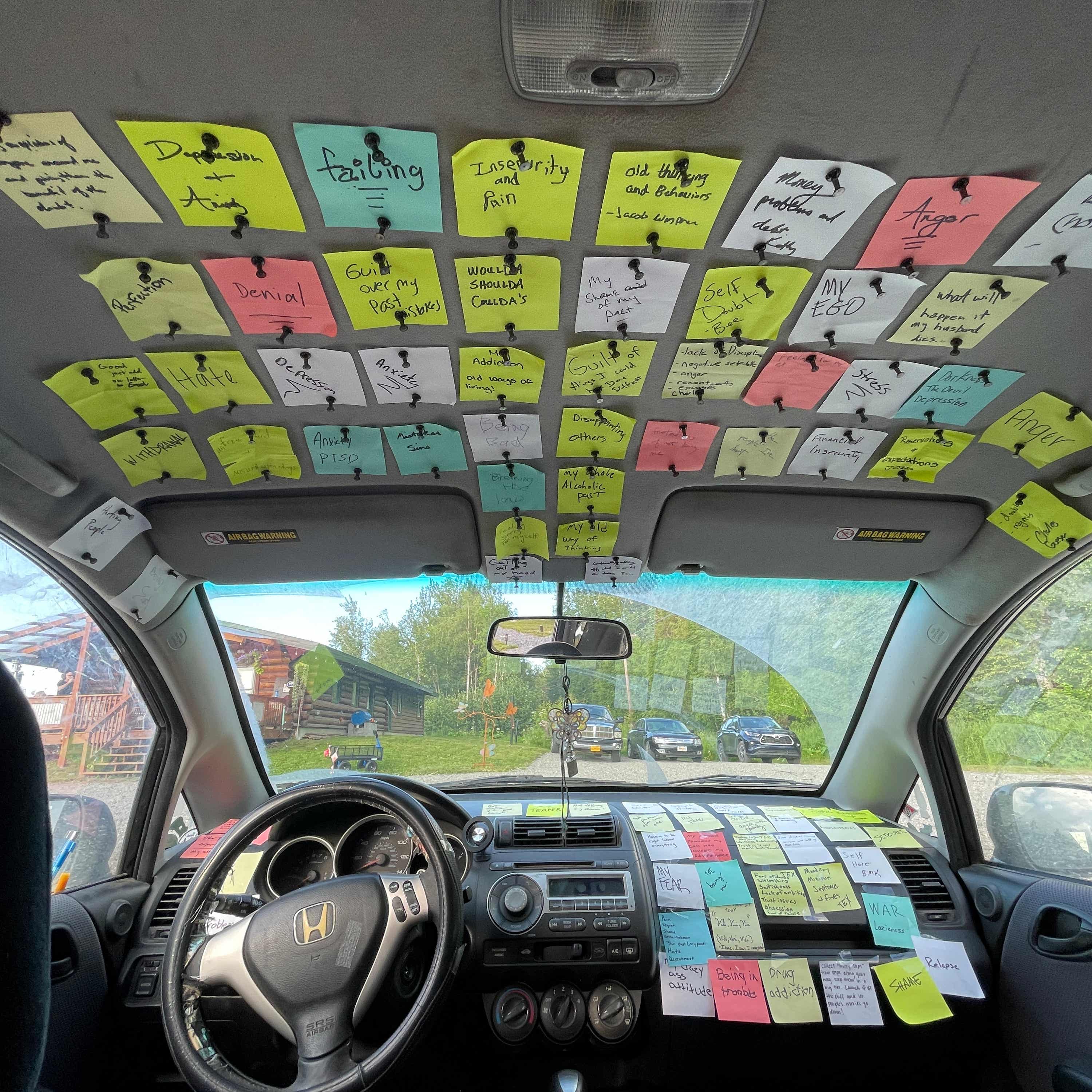
Step one of the recovery program centers on two critical admissions: acknowledging powerlessness over alcohol and recognizing that one’s life has become unmanageable. This is not a sign of weakness but a moment of clarity, breaking from self-deception and the false belief that willpower or effort can overcome addiction. Powerlessness is understood as a structural, internal condition—like a disease—not a moral failing, akin to physical illnesses such as diabetes or cancer. This perspective fosters grace and empathy, countering the common misconception that addiction is a result of personal failure. The second part of step one shifts focus from intentions to actual lived consequences—such as emotional instability, broken relationships, and constant stress—highlighting how daily life is eroded by the addiction. This honesty prevents denial and opens the door to real accountability and connection. The combination of these two admissions creates a foundation of humility, honesty, and vulnerability, which are essential for the rest of the recovery process. It transforms the individual’s relationship with themselves and others, replacing control with connection, and ultimately leads to peace and healing.
Well, hello world. Happy new year, 2026 or whatever arbitrary label of year we like to put things on. It always makes me laugh because I think how hard it would be to say like four billion something if we were actually going to do the year right. But then again, I think to myself when would you really start? Like when the planet was like coalescing like when did it become a planet we say okay this is day one. And why am I starting this recording this way? Because it has nothing to do with what I'm going to talk about. I'm going to talk about step one of the recovery program that I'm a part of. Why not? New years, January, first month, first step let's do it. But I'm going to take it in two parts because the step in my opinion has two parts. It says we admitted we were powerless over alcohol. That's part one. And the second part is that our lives had become unmanageable. So the whole thing we admitted we were powerless over alcohol and our lives had become unmanageable. That is step one in totality but I'm going to talk about it in two different ways. Kind of break it up. So the statement we admitted we were powerless over alcohol. It is not a statement of weakness but I thought it was. It's a statement of accuracy because it marks the end of this bargaining, this self deception and this belief that if I just give more effort or I use my intelligence to think my way out of this or through just sheer will power that I will eventually find control. A key in my brain that really helped me was that powerlessness in this context does not mean helplessness. It means that I have to acknowledge and admit a specific loss of control of how I act and how I consume once alcohol is introduced into my body. Plain and simple. It's different than most people. It's an emission that this problem is not a moral failing. It's not because of the situation that I'm in but it's structural inside me. There is something structurally wrong inside of me that is not like the normal temperate moderate drinker that is not in them physiologically. And when I understood that in my soul and really understood it intellectually, it doesn't make me feel like such a failure in a piece of trash because it did. I thought my life was over when I had to admit this and walk in. And for those of you who might be in a program, I have been asked numerous times by people close to me even after I've been in the program for a very long time. Why can't you just have a couple? Why do you need to keep going to meetings? Can't you just control yourself? And almost all of those types of questions infer that this addiction is merely a personal failing, a moral failing. And I try to give those who ask those questions grace because they don't understand what it feels like to be inside our heads, to obsess constantly, to be baffled by our own decisions, saying I'm not going to do something and then we do it. And then we don't know why. There's two books that have done an absolute wonder on my understanding. And one is Joe and Charlie. The big book comes alive. And then there's another one called the little red book. They go more in depth and really helped me to open my eyes to what this disease really is. And it really is a disease. And I emphasize that because I want you to think for a second about how do you treat a friend that might have diabetes or cancer or MS or all host of diseases that they did not choose to get. We really try to support them and give them grace and understanding. The second part of this step is that our lives had become unmanageable. That second part that this that our lives become unmanageable, it does this thing where we shift the focus from our drinking behavior to actual lived consequences. I like to think as this kind of as the start of an invitation to the beginning of an inventory of outcomes rather than intentions. And I'm not going to belabor the point about how the road to hell is paved with good intentions. But I spent a long time justifying how I was living by my intentions and not necessarily what was actually happening. I mean how many times did I think in my head I'm not hurting anyone. When it was obvious to those around me that they were being hurt. You know how many of us have heard the word unmanageable and said you know I'm managing just fine. My bills are paid, my job is kept, my kids are fed, all the boxes are checked. Yet this unmanageability it shows up not only during like a chaos or crisis but it's also in some really sneaky, sneaky ways. There's this very subtle erosion, distorted priorities, emotional volatility, you know you fly off the handle at the slightest moment. You can be set off by crumbs, the family walking around on eggshells when they're around us, fractured relationships. We basically have no spirituality in this quiet exhaustion of trying to keep all these plates spinning, all of them racing all over that stage, spinning those plates and then trying to replace the ones that fall down as soon as possible so nobody sees them fall that something had broken. The second half of this step it prevents us from denying truth because now we have to ground the admission in observable reality, rigorous honesty. I love authors. I find what they do amazing and the authors of this step were so smart because when you take the two halves of step one together the sentence it establishes this paradox by conceding defeat at the right point a person becomes open to a different kind of power. One that's based in humility, honesty and connection with those around us rather than control. Step one asks for clarity and honesty and it's what makes the rest of this whole program possible. Peace!
Podcast Summary
Key Points:
Step one of the recovery program involves admitting both powerlessness over alcohol and that one’s life has become unmanageable, marking a shift from self-deception to honesty.
Powerlessness does not mean helplessness or moral failure; it signifies a recognized loss of control over drinking behavior due to a structural, internal issue rather than personal weakness.
The admission of unmanageable lives shifts focus from intentions to real, observable consequences like emotional volatility, fractured relationships, and hidden exhaustion, fostering humility and connection.
Summary:
Step one of the recovery program centers on two critical admissions: acknowledging powerlessness over alcohol and recognizing that one’s life has become unmanageable. This is not a sign of weakness but a moment of clarity, breaking from self-deception and the false belief that willpower or effort can overcome addiction. Powerlessness is understood as a structural, internal condition—like a disease—not a moral failing, akin to physical illnesses such as diabetes or cancer.
This perspective fosters grace and empathy, countering the common misconception that addiction is a result of personal failure. The second part of step one shifts focus from intentions to actual lived consequences—such as emotional instability, broken relationships, and constant stress—highlighting how daily life is eroded by the addiction. This honesty prevents denial and opens the door to real accountability and connection.
The combination of these two admissions creates a foundation of humility, honesty, and vulnerability, which are essential for the rest of the recovery process. It transforms the individual’s relationship with themselves and others, replacing control with connection, and ultimately leads to peace and healing.
FAQs
It means acknowledging a loss of control over drinking behavior, not a lack of willpower. It's a recognition of a structural issue within the body and mind, not a moral failing.
No, it's a statement of truth and accuracy. It marks the end of self-deception and the beginning of honest self-awareness and humility.
It shifts focus from intentions to real-life consequences, helping individuals recognize how alcohol has disrupted their personal and emotional stability.
It appears through subtle signs like emotional volatility, distorted priorities, strained relationships, and a constant feeling of exhaustion from trying to maintain control.
It grounds the admission of powerlessness in observable reality, preventing denial and fostering genuine connection with others and self.
Yes, it's viewed as a structural disease, not a personal or moral failing, similar to conditions like diabetes or cancer that are beyond individual control.
Chat with AI
Loading...
Pro features
Go deeper with this episode
Unlock creator-grade tools that turn any transcript into show notes and subtitle files.
 PodcastTranscript AI