In a 2025 year-end discussion, food industry editors identified key trends and events shaping the sector. A dominant theme was the profound impact of GLP-1 medications and the protein fortification trend, influencing product development from snacks to frozen meals. The year saw significant capital investment in new manufacturing plants and automation, even in a tough economic climate, with notable moves by retailers like Walmart into processing. Consumer behavior highlighted a demand for nostalgia, convenience, and adventurous eating, heavily fueled by social media trends and influencer marketing partnerships. Legally, the industry faced lawsuits targeting ultra-processed foods and continued regulatory scrutiny. While alternative proteins advanced technologically, the discussion revealed persistent consumer skepticism and scalability challenges. Looking ahead to 2026, fiber is anticipated as the next major nutritional focus, building on the satiety and gut-health trends, while the long-term effects of GLP-1 diets on food formulation remain a key area to watch.
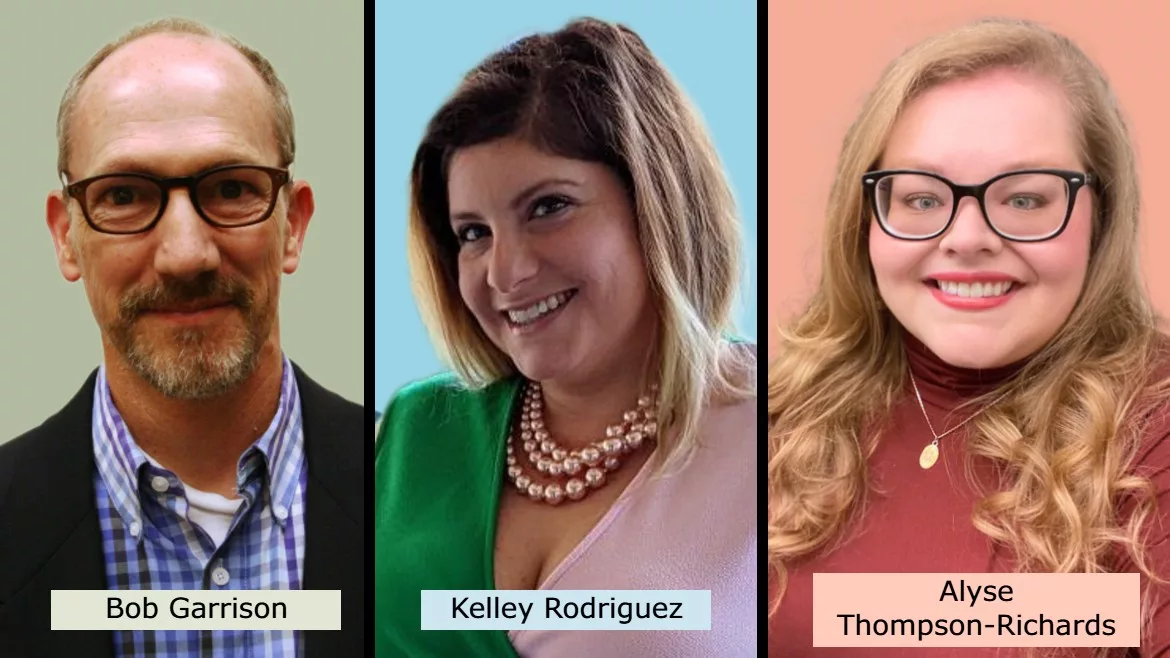
Hey everyone, I'm Elise Thompson Richards, Editor in Chief of Food Engineering. In this very special year in discussion, Bob Garrison, Chief Editor of Prepared Foods, Kelly Rodriguez, Editor in Chief of Refrigerated and Frozen Foods, and I combine our unique perspectives to discuss the biggest trends in new stories in 2025, how automation and sustainability are carried out across sectors, and what we expect to see in the food industry in 2026. Let's get started. Hello Bob, hello Kelly, thanks so much for joining me. Hi, thanks for Elise for having us. Yeah. So I want to frame up our conversation a little bit. Obviously, we all cover the food industry, but through very different lenses. Of course, with Bob on Prepared Foods, your focus is on R&D and product formulation. Kelly, you focus on manufacturing of cold products, but also, of course, the cold chain and the supply and logistics, and then for me, on food engineering, focus on food manufacturing, but specifically plant design and process engineering and automation integration. And so these things are somewhat different, very important, but we realize, without all three of them, we wouldn't be able to get the products that we know and love on store shelves. So in that spirit of combining perspectives, I thought it'd be a great idea if we could all get together and talk about some of the biggest things that we've been seeing in 2025. And what we expect to see in 2026, when you guys think about that. Sure, I love it. Sounds good. Let's get on our crystal balls. All right, so let's start with the biggest headlines from the food industry this year. Kelly, do you want to start by talking about maybe what was the biggest story in your segment of the food industry? I would say the biggest and Bob will probably echo this as well from product innovation standpoint. I think the biggest headline that that was overarching this year was a lot of acronyms, Maha and GLP1. And I would say that those two are probably the biggest things because they influenced everything from product development on through the manufacturing process. As we know, every time a formulation changes, that doesn't just require a change to the recipe, it often requires a change to the entire process. So I would point to those two things, and a study came out just this week from Serkana that's predicting by 2030 GLP1 users are going to represent about a third of all F&B consumers. So I think that's another reflection of this year was the year that protein invaded everything. At least in the frozen aisle, the cold and frozen aisle, protein has invaded everything. From ice cream to on down to, you know, you want to talk about a shelf stable product on down to protein popcorn. I was going to add another acronym, I was going to say UPS for ultra-process foods. It's rare that we get lots of mega headline kind of news in the formulation world, but there was just news as of like yesterday about San Francisco filing a lawsuit against big number of consumer packaged goods companies, basically claiming or charging that these foods are addicted, they're targeted to kids, they're targeted at minority communities, the processors are denying everything, and these products contribute to a public health crisis. There's a lot of lawsuits right now. There's one that unfortunately involves cannibal soup involving chicken and the origins of their chicken, and that's going to be battled right now. As you mentioned, the FDA and with Maha is doing a lot with artificial colors. I'm going to say I think we're recording this in early December, and I believe tomorrow is the debut of so-called colorless, the Cheetos and the Doritos, I believe, are debuting this. Yes, the naked, reformulated, dialis, snack foods. Again, in our world, the Consumer Brands Association is really having to kind of step up and is doing quite a bit right now with its own six-figure campaign to kind of counteract or just talk about ingredient transparency and kind of the things that the ingredient companies are doing, or the processing companies are doing. And then finally, from my perspective, it's been what started with the war in the Ukraine and how that impacted supplies of sunflower oil. This 2025 has certainly seen commodity, this is world weather with weather and drought, and how that impacts things like coffee and cocoa. I'll stop talking now. No, those are all huge things. I'm glad that you brought up the reciprocal tariffs and how they were eventually rolled back for agricultural products because these are things that we can not produce here. And there are things that people consume every day like coffee, chocolate, we're heading into the holiday season. That's a huge season apart from Halloween for the confectionery industry. So I'm glad that there was some recognition that these things are really important. We can't source them here, so we shouldn't take that out on the importers who need those ingredients. And I'm also glad that you brought up the Campbell's story because there was a lot of blowback with the bioengineered meat. That's what the executive allegedly called it. But that really interested me because on food engineering, we cover alternative protein a lot. And that includes plant-based protein, but also cell-cultivated protein. And I think that's what they were referring to. But, clearly, there's still a ways to go as far as consumer acceptance because people were very concerned about a Campbell's using allegedly using by an engineered meat, which they came out and said they specifically do not do that, that they source their chicken from USDA proof farms in the in the US. So that isn't the case. But to hear that there was such concern about it, that was big to me because there's been a lot of technological advances in the cell cultivation space. And the folks in that category truly believe that this will alleviate some of the ethical and environmental issues around protein, but there's still a long way to go, even on the technology side and on the scale side. So to get that amount of chicken that came with meat for their soup from there's no competition, there's no way at this point. So there's no way and there's no way that the irony is is the irony, the first thing that came to mind is it would in fact not be, I believe the executive referred to it in, you know, to rock twerly. And it certainly would not allow soup to be sold at the price that it is currently sold. You know, the, the, you know, in fact, if it did contain lab grown, quote unquote, lab grown meat or cultivated a type of cultivated protein, it would probably be $30 a second, because we said the, the, the scale is, it's not there yet, let alone the public, the public perception slash consumer appetite. So that's still the angle that I took the story just because we write about alternate protein every day. I don't, I don't see what the big deal is, but clearly that we have a ways to go. At least what do you think, what would you say for 2025 in, in sort of the plant development slash, you know, engineering world, what would your biggest story or theme of the year have been? Honestly, I would say new construction. There have, like every month, there's probably half a dozen new stories about either groundbreakings or plant openings or what have you of new construction going on in the food industry. And some of these are really big plants, like in April, Chabani announced that they were going to spend $1.2 billion on a plant in New York. And Walmart is in an interesting story. Walmart has opened its own beef packing plant. It's open to milk processing plants. So that in itself is interesting that a retailer is really taking charge of the supply chain and the processing and handling in that sense. And then there's been a lot in the meat snacks space, a lot in dairy, you know, it's just, it's crazy to me, especially within these, this economic environment is definitely tough to get capital. But I mean, these are projects that have probably been two or three years in the making and they're just coming to fruition now. But it's encouraging for sure that we are seeing so much construction. And Bob, you mentioned my high-mission colors and Kelly brought up to, you know, protein and everything. Are you seeing that a lot? Yes. I mean, I, we, I think immediately, a class which has been doing protein. My wife just bought protein. She's ordering them because we can't find them here. She's ordering protein snack chips. And then they also, they're doing donuts and and everything. It's hard, it's hard to imagine. And then meanwhile, the protein levels are just going up and up and up and up like 20 grams, the 30 grams. And even though consumers may not still may not have any clue about how much daily protein they need, there's no, there's seemingly no stopping of it. With our with our predictions for 2026 fiber is the next, we hear, I mean, that's what we're hearing a lot more about is and that that certainly kind of fits the GOP one. And the overall tread really of of satiety that fiber can be contributor. And you know, and I think too, Bob, to your point with the, I was seeking to nutritionist at a conference recently. And I think the, the fiber is also another response to we're packing everything with protein. And protein is a vital nutrient, but it's not the only nutrient that your body, you know, needs. Because I, you know, I feel like fiber had a big day a few years back, you know, fiber was really popular, and then it's no longer now protein is the bell of the ball. So it's kind of funny how these, how we seem to be very sort of sick with boy, I guess kind of just like all the 90s fashion is back. So it's you are some of the, well, there's broader discussion now about the gut brain access access and related to digestive health and just microbiome overall and fiber kind of plays into that. The only other thing I would note about GLP one, you know, I imagine that this in some of the food service writing we've seen they're talking about with consumers eating small proportions or at least those consumers on this diet, they really need to maximize nutrition in those small proportions and that overall nutrient density will need to be greater for those kind of products. You know, I wonder if there will be any change in that with maybe the side effects that some people are experiencing from these medications like it seems like, you know, a magic bullet especially for folks who have weight management concerns, but you know, what's the tradeoff? So I wonder if that will ever stem the tide at all over the next allegedly decade. Yeah, this is still early. And so Kelly, we've seen a lot of explosion within the in the cold space, a lot of partnerships, a lot of opening of distribution centers. Do you want to speak to that a little bit? Yeah, I mean, I would say just, you know, you mentioned plant openings. I would echo that. I think in the cold space there's been a lot of plant openings and or not only greenfield projects, a lot of expansions and, you know, maybe adding on of a line, expanding the building to account for automation. We've also seen, again, it's been a busy year for cold storage development, not necessarily the heights that it was at in maybe 2022-23, but there has been, you know, we're continuing. As you said, every month, it seems there's a handful of announcements of either groundbreakings, expansions, openings. One thing that's interesting is you have seen on the cold storage facility front. You have seen recently just here in the third and fourth quarters announcements by some of the major, the two major players in the industry lineage in AmeriCold have both stepped up import export services. And so that also, they both cited the tariffs as one of the reasons that they are trying to look at things in a more global view, let's say, and provide more services for their customers. The other thing that the cold foods industry refrigerated and frozen processors and manufacturers in the last several years is, again, there's been a significant amount of merger and acquisition activity. You know, particularly at LEC, just this week, a horizon organic, you know, announced that they're going to acquire Maple Hill. So there has been a lot of acquisition of maybe smaller challenger brands in the market by larger CPGs. I last regularly I said it, and I'll say it again this, I still think that's a big source of innovation. And I don't know if Bob, if you would agree with that, but particularly in the frozen space, it seems that there's a lot of, let's say maybe cuisines that were once niche or foods that were once niche. Let's take dumplings, for example. And now everybody, yeah, everybody has a dumpling on the market, a frozen dumpling, it seems like on the market. I, if I can, one thing that I would add, we've certainly seen from a spending perspective that more consumer, more of the consumers dollar has gone over to retail from food service that as I think as they are more anxious about their food spending. And it's not to say that people have stopped being indulgent because they certainly are, but a lot more of the consumers food dollar now more than ever for, for the last for a while has gone over to retail. It's gone over to private label, right? And it's gone to refrigerate and frozen convenience things as, you know, if they can't go out to eat, people are wanting things that are, you know, further prepared, you know, and they're looking for a global adventure, they're looking for all the things that they would want in a restaurant, but looking at it from there, from the freezer case. And frozen foods are enjoying a good time. Another thing that we've been reading or hearing about is that comfort that there's a move for nostalgia. And in people like retreating to grandma hobbies, this is first time I never thought I would say grandma hobbies. Yeah. But, you know, really retreating to comfort foods and looking to like some of the basics and frozen kind of fits that in pantry foods. Well, I like, okay, so, you know, I got to tell you this kind of also checks another, another array. I hate these sort of trend, but another sort of pattern in my category, which, you know, you talk about nostalgia. And I was at NFRA in the fall, the National Frozen and Refrigerated Foods Association, and one of the cool things that they do is the taste of excellence. And a lot of it's everybody, it's emerging brands, it's major CPGs, it's everybody in the middle. And you get to walk around and sample some of the latest and greatest. Well, probably one of the most popular, if not the most popular table was there was a line to try those stranger things strawberry waffles. And, you know, and again, like you talk about nostalgia and, and then also the impact of influencer culture, because I don't know if you have noticed the number of stranger things branded foods that came out this fall in conjunction with the fifth and final season was just absolutely wild to me. I think there was like five different CPGs that did. But I got to tell you those ego, those ego stranger things waffles were a hit at the show. And I'm sure they were a hit with consumers. Because as you said, I think they, they checked a lot of boxes for a lot of people who are also probably my age, who are kind of in the midst of, you know, some of us are, we're raising kids, and we're getting to, and some of us are also caring for parents. And then also ties back into the convenience aspect as well. But what when Nestle in its own predictions for 2026, one of the things that Nestle talked about and maybe you saw this was they, you know, of their trends, they talked about weird as wonderful. But they talked about even for their own lines and they, you know, frozen is what they're, they're huge in frozen. One of the things that they talked about was, you know, consumers really going for things that are kind of really out there. And they, their own examples included like a tombstone french fry crust pizza. Yeah. And I think I ate that too. Yeah. And as you know, I just sort of think giving pizza. And they did like Wolverine and all those kind of things. Yeah. So that weird is wonderful. It's kind of a fun trend. Well, and you look at like a company like, uh, Grillo's pickles again. They're opening a factory. I go, I believe in Indiana. They're in the midst of, uh, of, of opening a new production facility. But one of the things that they have really hung their hat on is using pickles for more than just pickles. You know, they have a whole line of like pickle solsas now, pickle based pickles. So you are, you are right. I think, you know, the younger generations were definitely more adventurous eaters. And um, the, the RTE categories, the convenience categories in fresh and frozen are really really needing those, those needs, I think. Yeah. Well, there's the social media component, right? Like if you make something, produce something, put something out there that goes viral on TikTok. Right. Then you're sold out, right? So great example from that from this year was cottage cheese. Oh, yes. You know, I had, I had a, uh, I had a processor tell me, um, you know, they, and I've had retailers think they could not keep cottage cheese on, on their shelves, um, in a lot of parts of the country because again, and it was purely due to TikTok. Yeah, because there's a proliferation of recipes where you use cottage cheese to make your tortilla use cottage cheese to make your cheesecake, use cottage cheese to make whatever. And so, I mean, that plays into this like nutrient dense protein and everything trend as well. But once something gets going, it's, it's on social media. It's hard to stop it. I mean, I think, Bob, I have to ask you because you used to be, you used to work on on refrigerated and frozen foods and you've been with prepared foods for a long time. And I mean, to me, the, the number of food brands partnering, um, with, quote unquote influencers, you know, as I said, with, with people that I may have never heard of, you know, I had no idea how it's cheese is going viral TikTok, um, until I heard about it from an industry contact. And, um, you know, there's sometimes I feel like there's a whole other world, but did you ever, I feel like you, you have been here, uh, the longest. Have you ever, did you ever in your lifetime feel that, or do you remember a time when there was as much? Oh, no, no, no, no, not ever. I mean, um, within the last five years, I would say, or maybe not even that long. I mean, whether it's chips, I mean, there are families, there are people, there are LA celebrities that are doing, uh, their own lines of chips or beverages or, um, uh, there was Nestle, just on their, their Nestle food service side. Uh, they're partnering with, uh, so, uh, the VF, yeah, for, yeah, for Carolina, and her son, uh, for, um, um, Paris Hilton just today. Oh, right. Yeah. A line of coffee creamers with international delight. And I just have to chuckle because it, it, it really, it's very, um, it's, it's wild to me. It's kind of the wild west of a brand endorsement deals right now. And, uh, and it, and it used to be that, you know, um, to endorse kind of a, a food product, you kind of, I think, had to believe, uh, that the person was, you know, was gonna, you know, eat that food or, or it was sort of, I think of like the milk mass moustache campaign of the 90s. Um, you know, and now it's not that way. It's not a celebrity chef. It's just, hey, this is my celebrity version of XYZ, um, you know, or Winorios came out this last year with the, the, the LTOs. Well, now, now you have, I mean, now you have full-blown lines related to shows. I mean, right. Speaking of Oreo, I mean, they came out with a game of thrones, Oreo. And then I'm thinking about Yellowstone, the popularity of Yellowstone came out with, you know, became an entire Yellowstone brand of products. Um, at least this kind of fits, I, I see this kind of circling back around to you. I mean, we, we're just writing about coverage of the Private Label Manufactures Association. And one of our writers was commenting that, um, perhaps more than ever before, more than ever before, um, whether you're talking about supermarket private label or whether you're a processor looking for a co-manufacturer, you can find these people that can really do, from a manufacturing standpoint, really, you know, respond quickly and really, um, come up with some, you know, real, you know, it, Private Label used to be a lot slower. Right. And, and, uh, yeah, and to get to market and, and wasn't, um, on par with quality or price or, you know, we're not, not price, but that quality or anything. And now, you know, it's pretty much on trend on time. And that's, you know, that's, it goes back to the manufacturing side with all the co-manufacturers, which is kind of a hard world to track and cover. But there's a lot activity there. It is. I mean, there's a lot of development, even by co-manufacturers as far as opening plants. Um, we covered one just last week or two weeks ago, proper beverage co and Michigan is opening a 300,000 square foot beverage manufacturing plant just to serve startups, to serve, you know, beverage brands across the country. I don't know if they have their own branded product. I'm assuming no, but I mean, obviously that manufacturing need is there. And they have flexibility. They can, it's built into the model to be able to produce, you know, anything, whereas someone who has a branded product maybe has more guardrails as far as what they can do. I think what's the CRB horizons, they, they, CRB came up with a report this fall. And one of the interesting nuggets of information was in there, they asked CPG companies about their, their manufacturing utilization basically. And, you know, and, and how much, how much of them we're going to go outside over the next three years to co-packers or co-manufacturers. And I believe it was a third. It was over a third, I believe. Um, somewhere around 30% said at least some of our product will be manufactured by a private label, co-man manufacturer. And, um, at, uh, the food automation and manufacturing, uh, symposium this year, we had, um, the chair, or the excuse me, the CEO of Stampede Meets, Brock Furlong. And I got to tour their facility in New Mexico this year. And they are proudly agnostic. You know, I think in his opening remarks, he said, we do not have a brand. Uh, we really never have. We don't have a price sheet. We don't have, we don't even have a list of products really that we can manufacture. Um, and that's fascinating to me because they're kind of, they are an example of like, if you build it, they will come. Um, because they have continued to expand manufacturing facilities, strictly to me, that private label need for both retail and food service. I mean, a demand is there, but B, it helps some brand owners not have to pursue the capital to expand manufacturing, you know, they can find someone else to do it, which this asset lights model, you know, I'm sure that is desirable for, for some brand owners out there. At least can you speak to for all that for all the for all the big new facilities and for all the activity that we're talking about? Are there workers to fill all those jobs and can you talk a little bit about automation and the balance between worker workforce availability or workforce capacity and automation? Yes, I'm glad you brought that up. Speaking of, of important news and trends this year, automation, of course, is a big one. And that goes across all of our segments. But as far as labor goes, I mean, manufacturers are still struggling to get, you know, a pool of workers who are willing to do manufacturing labor, which can be tiring, which can be, you know, intense. It could be really hot, it really cold. And so they're still struggling to get the workforce, even though, especially with these new plans, they're bringing hundreds of new jobs to these regions, but it's still hard to fill that gap. So manufacturers are turning to automation to maybe reduce the number of folks they need on site or to make the jobs they have available higher skill. So they can pay them more, train them more and, you know, make them, you know, even more valuable to the to the organization. So that's a long answer to your question. But yes, there is still, there's still our labor concerns and manufacturers are turning on to automation to address them. I think the interesting thing from my perspective in refrigerated and frozen is automation seemingly, you know, still the packaging line is where a lot of manufacturers and processors start. But what's interesting is even in the course of covering the industry for four years, I've seen the automation creep further, further up the line earlier on in the process. And I think that's directly, it's tied to a lot of things. It's tied to labor. It's certainly tied to food safety in the cold chain. You know, a lot of the automation, I think, is being deployed to achieve a food safety and a throughput goal. And, you know, and quite frankly, it's, it's really fascinating to two or some of these, particularly frozen and cold storage like facilities. You know, you, you understand it once you're in there, in your, in your refrigerator, refrigerator. You know, you, you kind of get it and it's like, yeah, I, you know, if we could take humans out of this environment, you know, or to your, to your point, at least, you know, sometimes you go into cook rooms, they're incredibly uncomfortable and human and steamy of cough. I think if you can, you know, remove the, the human from those elements, but as you know, you know, certainly like this kind of touches on Bob's world, there's, there's a lot of foods and a lot of processes that are just still not able to be automated. Um, you know, there's just, if you're making, um, things like mashed potatoes, I'll take our, our, our, our FF's processor of the year resource. A lot of their facility that I, that I've opted to where this fall did certainly feature some automated parts to it, but there were surprisingly things that were not automated and, and their reason was, look, we're dealing with potatoes, you know, and we're, you know, these are not a uniform, uh, perfect, you know, you're trying to fit a, a round hole in a, in a square peg sort of thing. And I'm sure as technology improves, the automation will continue to move further and further up the line, but, you know, they've, they said this in the confectionery industry, particularly with chocolate, but I think it applies to the whole food industries that it's a science and an art. Like there's a reason why factories rely on the people who have been there for 40 years, who know exactly where to tap the machine to get it to work because, you know, there is an art to it in addition to all the science and technology that go into it. But speaking of automation, I also wanted to ask you guys about AI. I feel like we really, really heard a lot about AI this year. So we're definitely seeing it in food manufacturing as a whole as far as using AI, but I'd love to hear more about how they're using it in product development. Bob, can you speak to that a little bit? We, we actually had a new product conference back in Minneapolis, maybe 2019. And that was one of the very first times that we were, that I was hearing about it. And this is when Euliver was on the cutting edge of using some of the early versions of AI to just research to do extensive data searches for what people were talking about, for what people were talking about in social media. And in relationship to ice cream. And interestingly enough, it led them, people talked about ice cream, having ice cream for breakfast. And, and then it wasn't long after that that Ben and Jerry's came out with a breakfast cereal ice cream. And then, so more recently, one of our writers for our predictions was talking about using AI. And they talked about a company in Japan using AI to come up with some new flavors, I think, for beverages. And they thought that the executives there thought that they had kind of a sense of what the flavors were going to be. And then they ran it through, I think, a third party's AI service, which came out with pine as a flavor. And it is kind of a trending flavor right now, interestingly enough, that pine is a flavor. And so that's what they ended up going with. So, so what I, what I was traditionally used to of just thinking about using AI for the consumer insights kind of stuff has now really become robust in terms of AI. And now, companies, product developers and marketers can use AI to write product descriptions. They can identify, you know, they can drill down more into their consumer targets and consumer values. They can analyze it. They can use it more to analyze market opportunities than before. And even their competitors and whether competitors are doing, they we have some, there's a company called Not Not Co, and they were talking about using it. Yeah, they're very active with. Yeah, they were talking about using it even to come up with, you know, asking the program to come up with suggested ingredients and even come up with suggested vendors. So again, from what, from what to me started with just, you know, fun flavor research as a consumer insights has really become three and three-dimensional at the very least. I'm excited to see how that continues to play out. And especially in the plant world, we're using AI a lot to provision, you know, being able to pre-program certain parameters and use cameras to reject product on the line based on potential defects, preventative maintenance as a huge thing, like looking at machine data and noticing patterns to predict when a breakdown might occur, which is, you know, a big deal if you can avoid some unplanned downtime. But what I really want to talk about, and we have a story coming about out about this, this month, is a genetic AI where it goes beyond, you know, collecting large amounts of data, looking at patterns and making recommendations based on that. It's then making decisions and taking actions without human intervention. And that's pretty scary, especially when you think about it in terms of a plant context, but, you know, I'm curious to see what that will look like, you know, next year. I don't know if you guys have been hearing about that at all in your space or if there are any other applications for AI that you've been hearing about. I think in the cold chain, it's going to obviously go to, as you said, a lot of the using AI and industry 4.0 tools and all of these things for, you know, processing line improvements, preventative maintenance is another one. You know, not only preventative maintenance, but actually, you know, having people, having sort of someone that is using AI to actually prepare a machine, you know, using AI as sort of a stand-in for a teacher or a guide. And the other thing is obviously with the, with cold storage and distribution, you're continuing to see a lot of companies implement technologies, AI technology to, as you said, like parse the data. There's a lot now, particularly with food safety and things like fismatracability and, you know, every move that a cold product makes has to be tracked and logged. And you can drown in data. So I think that's where a lot of the cutting edge companies are using it. Now, there's a survey that came out this year that set a majority of food and beverage companies are still relying on paper spreadsheets and sort of outdated technology. So I think that's where you're going to continue to see that money being spent in my world. And the cold chain is on, you know, not having death by data and really being able to, you know, in the event of a recall, which no one never wants to, you know, to say those words, but being able to quickly identify that product, you know, or if it's a traceability with, you know, trace the ingredient back to that supplier, et cetera, et cetera. I think that's where, from a, just an overall benefit to the public, you know, that's probably where one of the thing, the greatest uses of AI will come in and hopefully be able to speed some of these, these recalls and reformulations up. Hi, when you, when you mentioned death by data, it makes me think of kind of the rise of data analytics using AI to identify patterns and be able to create more dashboards for people, for executives to be able to, right, see more dashboards to be able to make more informed decisions. That I'm such a visual person that I could, that I would love that. So another overarching theme across all segments of food industry is sustainability. And I would love to hear from you guys how you're seeing it in your segment of the industry. Do you want to start, Bob? Sure. We certainly see it across three, at least two big areas. One is primarily ingredients. And the other one is packaging. To me, the most direct thing in our world that has a direct impact is upcycling, ingredient upcycling, where they're using a byproduct of other waste stream byproduct. And then they can turn that and recapture it and use it as an ingredient. And that in the broader world, like using like a brewer's, spent grains as a source of protein, you know, kind of kick things off. So we continue to see that group, the upcycled food association, now become global and has a certification program as well with where food comes from as they're certified by or, which now owns the rights to that certification. I have been equally, it's been interesting to to explore the New York, New York University Stern Center for Sustainable Business Tracks. They do a lot of consumer insights research and about whether consumers are actually taking action and whether they're willing to buy and whether they're looking for those kind of sustainable symbols and hints on a package. And if that motivates them to buy, it's been, it does seem like it's working, but it seems like it's very slow. And maybe particularly given this economy, it's a nice to have more than a need to have. I'm such an upcycling champion that it's going too slow for me. Regenerative agriculture is something that that we want to write about. It's something that companies, big companies like Nestle or General Mills are talking about in terms of where they're getting their the wheat for their, you know, all of their everything for pizza crusts, you know, flour for everything else in the types of agreements that they're striking up with their suppliers. Some of that, some of the true, the hardcore advocates for regenerative agriculture don't think that that the activities have gone near far enough in that world. And so we're hoping that that comes along. Packaging is, packaging is tricky. Again, this is yet another area where I wish there was a lot more activity, but we, you know, we love packaging as part of the product development process. And I love to write about sustainable packaging every time like you. And lastly, I'll say that, you know, it can even sustainability, it can even go down. I mean, we certainly write about small companies, startups and emerging companies, and you can see them, you know, their impact in this is just by local, you know, they're, they're, you know, their ingredients aren't traveling long distances to get to where they are. But anyway, so I kind of look at it from all those perspectives. So from a plant perspective, it's a lot about, you know, using resources intelligently. And that includes energy. You know, I've seen a lot of manufacturers turn toward solar or wind power. I mean, even Mars, I think within the last few months, signed a big solar power purchase agreement showing that there are some of the energy that they're, they're using is sustainable. How we're treating water and reusing it, how we're treating waste water and using that effectively. And then, of course, energy efficiency. That's a huge one. I have seen some talk about electrifying processing equipment versus using gas. Granted, that's, you know, capital intensive upfront. So it's probably a slower thing to have, especially here. I think it's happening more in Europe. But, you know, that's something else to consider instead of using gas equipment. And then we've also seen a little bit like Bob mentioned about carbon recapture, as far as like, especially from like a brewing process, recapturing that carbon and being able to a use it again for yourself or being able to sell it to somebody else for them to use it. So those are just a few of the things that, you know, I've been seeing this year. When will you tell you? I think, you know, in the cold chain, yeah, there's been some a couple of major fork and poultry processors that announced various like renewable natural gas projects. Methane capture, regenerative agriculture is also very, you know, very big in the dairy industry as well. And then certainly with the cold chain, it's always about that temperature control. And certainly, you know, natural resources, electricity, energies, usually the second biggest cost for a processor or a cold storage, you know, three PL logistics provider behind, behind labor. So anything that they can do to lower their footprint, you know, or as you said, generate something on site, buy something that's renewable. Certainly that's, that's definitely in the works. And then you are starting to see some DHL just announced today that they took delivery of another electrified tractor trailer. And it's running in California and it's successfully hauling, you know, a 53 foot trailer of goods. So you know, you're continuing to see, as you said, different parts being electrified, different parts of the plant. And then always, again, in refrigerated and frozen processing, there's always the discussion of what type of refrigeration you're using, you know, how that impacts, as you said, not only like the design of the plant and the facility, but how it impacts your long-term energy costs, you know, potential savings, et cetera, et cetera. So I'll go ahead, Bob. No, at least Kelly had mentioned reasons. And I love that company as her processor of the year. Who can you, I don't know, I was curious about who your processor of the year perhaps was this year and maybe what stood out about whoever that company was. Yes. So our plan of the year was Carolina Foods Pineville plants in in North Carolina. They make honey buns. They make mini donuts. And this plant, to be honest, it was, it was pretty incredible. Everything, it's a green film. So everything was brand new. They were able to design everything from scratch, to specification, how they wanted it. What was really interesting about Carolina Foods design is that it was completely linear, because in their legacy plant, they kind of fit their lines in how they could. But this time, you're like, no, we want everything linear. So from ingredient receiving all the way to finish product out the door, it's a straight line. And that has to increase your efficiency so much. So, and the plant is huge. It's like over 400,000 square feet. So it was just even a lot to walk through just to visit it. So I mean, that in itself, what was pretty cool, but of course, a lot of automation, not only in packaging, but in ingredient dosing and in mixing and even the processing side of things. So that was really interesting as well. And you know, they have their own waste water treatment plan on site. They have their own ingredient or like sugar mills. So they can make powdered sugar themselves. They don't have to, you know, get powdered sugar in, brought in. And at least are they the ones? Are they the plant that also partnered with a mill, a nearby mill? No, that was Campbell's goldfish mill, which that was really, or goldfish plant, that was really interesting in Utah. Because I went to see them over the summer. And that was pretty cool because they need a lot of weeds. And the plant is based in Utah and northern Utah. And I guess southern Idaho as well are they grow a lot of weeds. So they partnered with a mill to build one adjacent to the factory. So that way, it's the freshest that it could possibly be. And it reduces carbon emissions because they don't have to truck a bunch of weed in every day. So we're going to say it's another like it's a sustainable, but it's also a, but it's also a, it's also a hedge against, you know, your supply chain. It's a, it's a quality improvement, sustainability improvement. And it's, you know, just one more way to link them to the community. So that was really cool to see. On a small level, I was thinking about, you're, I'm kind of thinking about Telemark in building an ice cream plant in Illinois. Yes. And, you know, instead of Telemark's way out west and instead of shipping on that ice cream, now they're going to be, you know, they're cutting the country too, yes. Yeah. And I mean, again, yeah, they renovated a very, a very old legacy plant. It was a former ice cream facility, but it had been defunct for some time. And they had to, they located there in part because of the milk shed that was nearby. So, but then again, also that last mile delivery. Yeah, right. To get to all of us east coast customers. So thinking about sustainability, thinking about automation, thinking about AI, what do you guys expect to see next year? Now that 2025 is rapidly coming to a close. We had a spirit of innovation awards ceremony, and we had Sally Lions Wyatt as our speaker and talking about innovation. And she certainly made a case for innovation, for companies not taking their foot off the accelerator to continue to innovate and drive categories. I'm, I'm certainly hoping that that's true. You know, my list of trends overall is about 10 items, at least 10 items long. And I don't expect any of those to change very quickly. It'll be fascinating to see what continues to happen with EOP. We want to know how that continues to affect things. But I guess on some level, I'm at the end of the day, I guess, as just as also as a consumer, I'm hoping that the global, the US and global economies and with all its kind of swirling around as news-wise, it would be nice to have kind of a break in some of that so that consumers just feel better about life and about, you know, and it's not like, you know, they're, they're always going to eat and they're always going to use, you know, different products to escape and indulge and all that. But it'll be interesting. I hope for just on some level that the economy and that for consumer confidence improves. Yeah, I think it'll be I think next year is going to be interesting because I think you're going to see a lot of these reformulate again, the Maha, the impacts, the removal of dyes, the impacts from, as Bob mentioned, some of these, the discussion and now the lawsuits around ultra, the term ultra processed foods. You know, so I think it will be interesting to see how consumers respond, as all as these quote-unquote the naked snacks and everything are just about to hit store shelves. It will be interesting to see how how the consumer responds and and then again, you'll you'll you'll have that that social media bubble that that sphere of influencers and whatnot. You know, the other thing is touching on packaging and sustainability is more states are coming online bit their EPR laws and that's going to, you know, Bob to your point. I think that might push us further from a push us further faster from a packaging standpoint. But it certainly is going to be a lot of challenges for the processors and manufacturers. Again, particularly in my world, a lot of cold foods is packaged in plastic. So that's going to continue to be a driver of I think innovation on the packaging side, but also some probably some changes in the formulation and the branding. And then of course, the other interesting thing is, you know, a few years ago, we were in the midst of COVID and everyone was buying everything in both. And now we are seeing the the opposite of that. And this is one thing that Sally has also spoken about when I've interviewed her is the diversity in your packaging sizes. You know, we're seeing people are eating smaller portions, there are smaller households now, things of that nature. So we don't necessarily need the 10 pack, you know, bulk packaging or, you know, again, you know, again, it goes back to like the indulgences, you know, we don't need to maybe buy the three gallon tub of ice cream anymore. So I think that'll be interesting to see how the CPGs respond to sort of changing consumer preferences for the sizes and the serving sizes in which food is packaged. And then of course, convenience stores. I would be remiss to not to not say the sort of the new frontier of the the the rise of convenience stores as sort of that another third place or a place where you can get maybe healthier food now, you know, fresher food. It's not it's not just the the slurpees and the the fun and sending more so. I just wrote about 7-Eleven introducing Japanese exiles. I mean, yeah, yeah, it's just it's fascinating to me and like edgina, edgina moto, the big multinational frozen, they hired a guy specifically. They hired a president of of of convenience of C-suite, they are of course just to target basically that burgeoning category for like fresh and frozen. So so at least what do you what do you see coming from a plant perspective? I think we're going to see even more automation adoption. I think we're going to see even more optimization with or without AI and then hopefully we'll see more plant construction. I think we will as manufacturers in general continue to invest it in their capabilities in the US. Of course, a lot of what we eat is made here, but I think we're going to continue to see investment there. And yeah, I just hope we just keep moving on and keep moving forward. And I want to thank you both for taking some time to share your insights and your expertise. I really appreciate it. Thanks for having us. Yeah, thank you. This has been fun. This has been a lot of fun. That's it for this podcast. I'd like to once again thank today's guest, Bob Garrison, and Kelly Rodriguez. For more on food, R&D, and formulation, check out PreparedFoods.com. To learn more about the cone chain, check out refrigeratedrofenfood.com. And for other insights around food manufacturing, visit us at foodengineeringmag.com. Thanks for listening.
Podcast Summary
Key Points:
Major 2025 food industry trends include the widespread influence of GLP-1 medications and high-protein formulations, leading to product innovation across categories.
Significant industry developments include new plant construction and expansions, increased automation, and retailers like Walmart taking greater control of their supply chains.
Consumer trends are driven by nostalgia, convenience, social media virality (e.g., cottage cheese), and "weird is wonderful" product innovations, often through celebrity or influencer partnerships.
Key challenges and topics include lawsuits over ultra-processed foods (UPFs), regulatory actions on ingredients like artificial colors, commodity price volatility, and ongoing debates around alternative proteins.
Summary:
In a 2025 year-end discussion, food industry editors identified key trends and events shaping the sector. A dominant theme was the profound impact of GLP-1 medications and the protein fortification trend, influencing product development from snacks to frozen meals. The year saw significant capital investment in new manufacturing plants and automation, even in a tough economic climate, with notable moves by retailers like Walmart into processing.
Consumer behavior highlighted a demand for nostalgia, convenience, and adventurous eating, heavily fueled by social media trends and influencer marketing partnerships. Legally, the industry faced lawsuits targeting ultra-processed foods and continued regulatory scrutiny. While alternative proteins advanced technologically, the discussion revealed persistent consumer skepticism and scalability challenges.
Looking ahead to 2026, fiber is anticipated as the next major nutritional focus, building on the satiety and gut-health trends, while the long-term effects of GLP-1 diets on food formulation remain a key area to watch.
FAQs
The major trends included the widespread influence of GLP-1 medications and protein fortification across product categories, significant new plant construction and automation, and a focus on sustainability and supply chain issues like tariffs and commodity shortages.
Automation is a key trend being integrated across sectors, influencing plant design, process engineering, and manufacturing efficiency. This is evident in new facility constructions and expansions aimed at incorporating automated systems.
GLP-1 medications are influencing product development towards higher protein and nutrient-dense foods to support satiety. A study predicts that by 2030, GLP-1 users could represent about a third of all food and beverage consumers.
Key challenges include scaling production technology, achieving cost-competitiveness, and overcoming consumer acceptance and perception hurdles, as highlighted by public concern over unsubstantiated claims about products like Campbell's soup.
Nostalgia is driving demand for comfort foods and is leveraged through partnerships with pop culture brands (e.g., Stranger Things, Game of Thrones) and the resurgence of classic items, aligning with consumer desires for familiarity and convenience.
Social media platforms like TikTok can rapidly drive product trends and sales, as seen with viral items like cottage cheese. Brands are increasingly partnering with influencers and celebrities for endorsements and product lines to capitalize on this reach.
Chat with AI
Loading...
Pro features
Go deeper with this episode
Unlock creator-grade tools that turn any transcript into show notes and subtitle files.
 PodcastTranscript AI