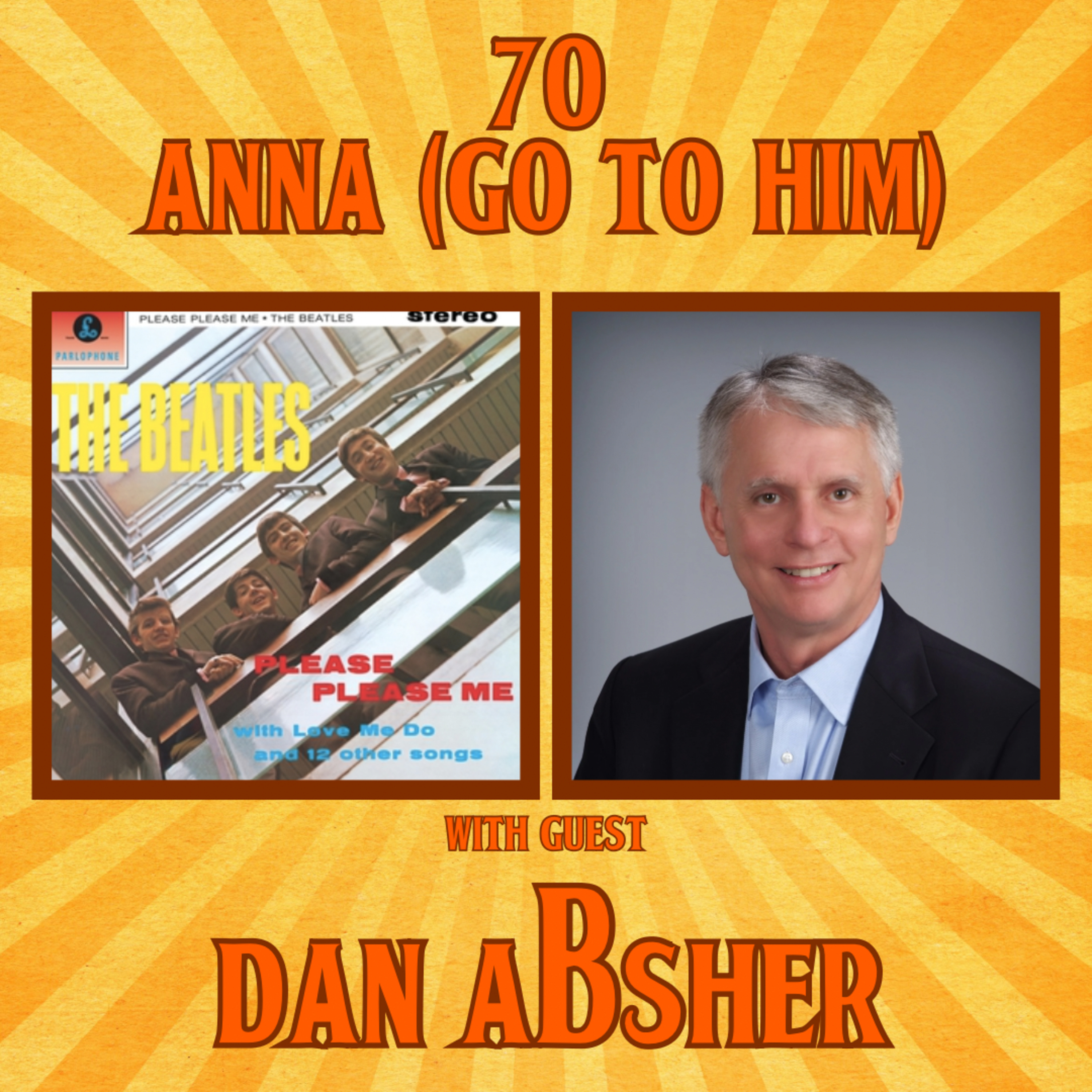
In this episode of "Ranking the Beatles," special guest Dan Absher shares insights from his upcoming book "The Fab 4 Pillars of Impact," which explores how the Beatles managed their vision, communication, and decision-making to achieve success. Absher discusses the importance of having a big vision and effective collaboration, citing examples from the Beatles' career. He also points out the pitfalls that led to the Beatles' eventual breakup, such as lack of strategic planning and communication, especially after losing their manager Brian Epstein. The book aims to provide a model for organizations to achieve enduring success by learning from the Beatles' successes and failures. Absher's book is set to be released on February 3rd, and he encourages pre-ordering on Amazon or signing up for updates on fabfouracademy.com.
Transcription
9369 Words, 48644 Characters
- One, two, three, go! (upbeat music) ♪ Come and rank them per amp-a-pum-pum ♪ ♪ 224 Beatles on per amp-a-pum-pum ♪ ♪ Julie is on this show per amp-a-pum-pum ♪ ♪ You don't have to skip this one per amp-a-pum-pum ♪ ♪ Rump-a-pum-pum, rump-a-pum-pum-pum ♪ - Yeah. - Beautiful town. - Thank you. - Beautiful town. - It's the Esteban special. - Welcome everybody to episode 145 of "Ranking the Beatles." How is it going? I am Jonathan over here to my left, somewhere in the middle for you guys. The always lovely, the pragmatic. - Oh. - The magnetic. - What? - I don't know. - What is magnetic? - I don't know. - Oh, I like it. Can we maybe get a word? - Yeah. - I would like for you to know that word. - It's magnificent and magic. - Okay. - Yeah. It's Julia. - She's magnificent. - She's magic. - She's magic. - Equal parts. - She's Julia. - Magnificent. - And the magnetic. - It's not manic, it's magic. - Yeah. - Yeah. - It's good, it's good. Whatever it is. - Whatever it is, it's good. How's it going, gang? Welcome to a brand new episode. Good to see everybody. How are you today, my dear? - I'm good. - Yeah. - What's new with you this week? - Oh, boy. - Oh, boy. Well, I haven't talked to folks in a very long time. - That's true. - So. - Oh, no, you were on our episode, you were on our show last week. We just recorded these out of order. - Oh, that's true. - Sorry. - Am I on this episode? - Am I on the episode last week? I don't know. - We recorded this in different time, pump, pump, pump, pump. But now it's the holidays. - Time is no meaning. - That's true. Are we talking to you from the future or the past? I don't know. - Definitely the past. - Am I in the future now? - Guys, we have a great show for you today. (laughing) - Don't you like the little mind expression? Okay, sorry, that was a whole tent. - Hi. - Hi. - Hello. - Good to see you here. - Good to see you, how are you? - I'm good. - Yeah. - I'm excited. We are back in action. Another new episode. Rock 'n' Roll. - The holidays are here. - It's your favorite time of year. - My favorite time of year. We got a couple more of these before the year is over. And, but yeah, I love the holidays, though. - You do. - If anybody wants to send beagle gifts to us, just send them over. There's all kinds of goodies in the Beagle Market this year. There's the Wings book, but we have the Wings book. - We have the Wings book. - I'd like the John Lennon one-to-one box set, the John and Yoko show, would be great. I love that new Wings box set that looks really cool, too. Yeah, Ringo re-issued his first four albums on color vinyl. I'd love to have a blue vinyl variant of Bukus of Blues, which would be great for you to split your wrist, too. You hated that record when I played it for you. I was like, this is so depressing. - Saddest record. - Oh my gosh. I think you put it on on like a weekend morning. - Yeah, it was like Sunday morning breakfast and you were just like, this is horrible. - I already have the Sunday's carries. Like, come on, man. - Yeah. - Well, I hope you get them to listen to by yourself. (laughing) I'm just saying, no, I listen to the other ones. I would listen to, no, I've actually heard songs from that and they're good. It was like a weird timing thing. - Yeah. - It's not what I wanted to hear. - Sure. - If I had off the Sunday's carries. - Sure. - I could see that. - Yeah. - You want to hear like it? ♪ Every time I see your face, it reminds me of the places we used to go ♪ - Yeah. - I'm just doing that because I have a guitar in my hand now. - That's cute. We can't help it. - I'm gonna put it down so we can start the show, though. - Yeah. - Y'all, I'm very excited about today's episode. Our guest this week is a writer and public speaker who's got an upcoming book called The Fab 4 Pillars of Impact, which looks to The Beatles and their story as a model to create successful businesses and groups at organizations. And as someone who's a part of several different groups and businesses and has different roles in each, which it's weird to be like, I'm a business owner. But I am a business owner. - You are? - Because I'm a musician and like I have checking accounts for bands and stuff and for LLCs. - LLCs. - You have government paperwork. - Rank of The Beatles Incorporated Fortune 500. Like, we're on the list these days. - Yeah. - We're stackin' paper. It's just notes from this podcast. - Yeah. - You're just imagining many. But no, I'm really excited to learn more about this 'cause I'm always looking to The Beatles kind of as an example, you know, musically or aesthetically or kind of conceptually like 'cause they're the pinnacle of coolness in my brain. So to look at them from a business standpoint is really exciting. So I can't wait to hear how he's doing this. So let's hop into it, friends. Please welcome to the show Dan Absher. Dan, welcome to Rank of The Beatles. How are you, man? - Fantastic, thanks for having me. - Good. So glad to finally get to connect with you. I know we've talked via email for a while. Really excited to have you here. Had to talk about your new book. Before we do all that, though, let's kind of start back at the beginning. What is kind of your Beatles origin story? Where do they enter the picture for you? - About February 9th, 1964. - Classic. - A whole lot of people in my age. I was only five years old, but when the Beatles run Ed Sullivan, it definitely helped that I have two older sisters and an older brother. So we were all gathered around the television and we were all just blown away. I think, you know, seeing how they affected my older sisters certainly had an impact. But really it was that energy they had and the charisma that just blew me away. And I was hooked and have been my whole life since then. - Yeah, now you were pretty young when they hit. So as they, as they got weirder and you were still kind of a youngster, you know, you figure in '64, you were five. So by '67, you're eight if my math is correct. - Yeah, good job. - Thank you. - Good job. What is an eight year old C.A. I'm the walrus Beatles as? Does that feel like that would have freaked me out a little bit? - You know, I loved I am a walrus. I, at the time I probably looked at it sort of like you know, some marine kind of, you know, just magical. You know, I really didn't understand why don't we do it in a road? In the road though, that might have been a struggle. - Sure. - My grandmother's super strict. She probably told me I was going to hell for listening to it. (laughing) You know, I just so much of their music did appeal to younger people that even those albums that got more experimental and more out there, there were still plenty of nice solid songs about peace and love. - Yeah. - And what other kind of stuff for you into at the time? - Musically, I guess not. - Musically, you know, whatever is on top 40, I evolved into more of a Pink Floyd, Elton John, as I got older after the Beatles broke up. I had a lot of music and a lot of sports I was back and forth between, whether I, you know, play sports all the time or get involved in music, so I ended up kind of splitting it in two and ended up being okay at both, but not an expert at either. (laughing) - That's the way to be I think. My mother calls that Jack of all trades master of none. (laughing) - Exactly, yeah. - Yeah. And that's great. So, you know, so what kind of brings you to looking at the band as a model for kind of business and organizations? I find that really interesting 'cause, you know, as a musician, it's only occurred to me in the last couple years that like, okay, I'm actually a business owner, like I run a business and that's weird 'cause that's something I didn't ever necessarily want or think of doing. - There's little rock man. - I just wanna play music, you know, you don't think like, okay, well, like I have to lead a group of people now and like, and I always look to the Beatles for like musical inspiration or style inspiration, but never like, how do they run their business? How does that organization stay afloat? How do they communicate as a group? So I find this idea really fascinating. What kind of brought that to you? - Well, I've been involved running a business for most of my life, for president of our company since I was 30, I've since retired, but even then I was using little snippets of Beatles when I would talk or give presentations. - And what was that business? - What was that business? - We have a family construction business. - Okay. - I've since retired and they're carrying on. It's now employee owned and they're doing great. - Oh nice, but several years ago I heard Steve Jobs talk about the Beatles and he said his model for business was the Beatles. They kept each other's negative tendencies in check and the total was much greater than the sum of the parts. And when I heard that, I went, it was Eureka to me because that's kind of what I sense when I hadn't heard it articulated that well. And after I retired, I said, I want to do more presentations. I've been doing presentations in the community for other businesses and it really resonated. And I said, I can take these presentations, that could be the foundation of this book. And I'm going to write this book and I boiled it down to the four pillars that led to the Beatles success. And you can play that to any team or organization as a model for achieving enduring success. - Yeah. What do you think were kind of the things that made that they were, I guess the most successful or what made them so successful? What were kind of those touchstones for you? - Yeah, I'll point out two of the pillars. The second one is called catalytic vision. Early on, John Lennon had them do a chant where he'd say, where we go on boys and they'd repeat to the top or most of the popper most. And that was early on there in Hamburg and Liverpool and they were striving to be the biggest band in the world, bigger than Elvis. And that's another quote from Lennon from back before they were famous. So that was huge, that's a big vision. So the vision was so big that it inspired, fortunately, for John, mostly inspired Paul because he was a pretty good teammate to have. - Yeah. - And got them to buy in and let's do this hard work. Let's live out of a one-room warehouse where we're in Hamburg and play music all night long. So they did these things because they believed in the vision. And the second one is that this magical mystery, I called it because there's just these things in the Beatles' lore that I know you to know. That just, how did they get so lucky? Well, they got lucky because they were in the right place and they were prepared for those things to happen. Getting George Martin as their producer for one is, I mean, going through and ending up with EMI with one of their subsidiary labels with a guy who happened to have classical music training but loved comedy, produced comedy records. I mean, he was the perfect producer for them. And it was kind of luck, serendipity I call it in the book. And then the other part of that magical mystery is their synergy that when they blend, especially John and Paul, but when they were together, it just produced something that's beyond what either of them individually could do. It was just magic, just magic. So that's a little glimpse of the book. And the other things organizations can do to try to foster those things, one being prepared for those opportunities, but two, relying on collaboration. Not, you know, there's so much, especially it seems like today, it's all on what you can do on your own. But that's what I love about the Beatles' story. It's about what they can do collaborating. Yeah, and it's interesting also, 'cause as I've been thinking, as we've been preparing for this episode, about the Beatles as like kind of an aspirational organization. But then looking at the very obvious fact that like, they fell apart, you know, like obviously, you know, what are kind of, what kind of warnings can we take from their failures? Where do you think they tended to falter that it ultimately led to them falling apart? Great question. And that's what's the beauty of their model. You get to see what to do to build yourself up and what not to do to avoid the pitfalls of falling apart. Again, I'll go back to that Cadillac vision. Once they were on top, they never thought about, well, what's our vision? Once we are the top or most of the popper most. And they didn't get back together and do a strategic planning session that a business should do, and figure out, well, what's next? They just, you know, John wanted to save the world. George wanted to have inner peace and get close to God. And Paul, he was all for continuing to be the biggest act in the world. So he probably stayed true as to what their original vision was. And Ringo, he just wanted to be with his buddies and keep making music. And those are very different visions that they created. And they didn't really come back together to think of alternative ways to stay together and further each individual vision. So that's one of the big ones. Yeah. It felt like, you know, I know there's been a lot of discussion in recent years, especially since the Metallica documentary in the early 2000s where they went to therapy to kind of like work out all their issues of like, you know, realizing within an organization like how important communication is and like establishing like, what are we doing? Because we can't just keep doing the same thing over and over again. Like, I've been in bands where we've done the same tour for multiple years in a row and played the same shows and watched a menishing returns. And everyone's got different ideas of what we should be doing. But no one's ever talking about it, you know. And I think having that, the ability to say, you know, like, let's take a second and figure out, what do we all want to do here? What do we all want out of this Beatles thing going forward? Would have been like the smartest thing they could have done and maybe saved a lot of headaches, you know, and maybe change that whole story. Sure. And when they lost Brian as their manager, they didn't really come together to in a healthy way to try to replace him. They just all went their own way on what they wanted. I mentioned in the book, I think it was basically three, three yes one, Paul wanted Linda's family and the other three wanted Alan Klein. You know, they were all wrong. They needed to find somebody that would be a consensus among the four of them. And they, you know, they need that group needed a strong manager. Yeah. You know, as they had their personality was so diverse, they really needed a strong manager. So they, that, you know, they ended up getting holding grudges and, you know, shutting down that George, especially just, all right, I'm just emotionally out. You guys do what you want. I'm not gonna help participate. And looking back now, you can see lots of models on how bands can stay together in a way that could have been healthy for the Beatles, you know? Why not? Well, let's do a solo album H on odd number deers and let's get together every second year and see if we can do any album. Or let's, let's, let's, you know, John wasn't wanting to collaborate as much. What if Paul back then had invited George to collaborate? George, why don't we write some songs together? Yeah. Yeah, there were lots of models that they could have pursued, but I think they were just fried. Yeah. I would just take some dang time off. Like, and so many artists now are like, I'm gonna make a record, I'm gonna tour it, and then I'm gonna take some time off and recharge, be with my family, rest, get my creative spark back. They never did that. They were just like full speed ahead at all times, work, work, work, create, create, create, and like never gave themselves any space to like be a person and have a nap. (laughing) And that's one of the things I think that caught your eye when we watched it get back, and I'm sure maybe you noticed this too. You know, they're getting to the studio, they go to Twickenham January 2nd, and it says on the subtitles, the white album was just released November 20th. Like, that's three weeks, man. Like, take a break. - Take a break, something. - Have a vacation, hang out with your partner. - It's also interesting, like, they-- - Are they all married at this point? - George is not. - I know, George is. Everyone's married, no, I'm sorry, Paul and Linda are not yet married. John is divorced and with Yoko, but George and Ringo are both married. - Okay, so they're all coupled up at bare minimum. Like, man, take a vacation. But they didn't know any difference. - I know, I know, they did. - That's all they knew. - And I think also, you know, I keep having to remind myself, Paul is 26 years old and get back. These are children. Like, as a man of 43, like, these are children. Like, I did not have any concept of like, big picture ideas or like, how to make a mature decision about what I wanted to do with my career or any idea of my career or being a business at 26. - Yeah, I mean, you still barely know that. - And there's no model in the business. There is no model in the music industry to show how to do that. - Exactly. - When you're on top, you just keep plugging away until you're out. - Yeah. - It hadn't really looked at a sustaining model. - Yeah, yeah. Well, I think this is really fascinating. I think the book is really gonna be enlightening for a lot of people, you know, Beatles fans and people who are not necessarily Beatles fans, but looking for gaining that knowledge and insight into running successful organizations. When does the book come out? - It will be released February 3rd. So we got a few months. I've learned how patient you have to be to publish your book. I've been done with the writing since June. - Wow. - And there's a lot of things that have to happen. And so that's, it's been really a learning experience. One, you two should look at, honestly. You could, seriously, Jonathan. With all the notes, with all the notes you do for these podcasts for each episode, you just put those together, you've got a book. - Yeah, I've had that thought. And I keep telling myself, you know, I've got to finish the podcast first. (all laughing) It would be so disingenuous to put out a book. Like I'm just putting a book out. But that has entered my brain. And I've kind of conceptualized like what I could see it as and like what I think would be interesting with it. But yeah, I just got, we got to finish the show. - So if you're a publisher and you're listening, tell your publisher to all of that. And advance might really help us get this podcast next. (all laughing) And so it's the Fab Four Pillars of Impact. Is it, can you pre-order it now? And this will be in-- - Okay, yes, you stand on Amazon. - Okay, what I would encourage people to do for interested is to come to my website fabfouracademy.com and sign up for updates. The way these crazy bestseller lists work is you wanna have a big splash at one time. So my hope is that people buy it in and around February 3rd in the week before week after. If we can get a big splash, it really gives the book momentum. But if you're interested, get to my website. - So I do a post every day on my website called the Daily Words of Wisdom. And I take one Beatles song per day and give some little pearls of wisdom based on a Beatles song. - Nice. - Or solo a song by the Beatles 'cause I couldn't come up with 365. (all laughing) - Well, as we know, there were only 240, is it 44 now because of that? - 224. - There's a 24, sorry, whoops. - At least per my math. - Yeah. - But a few extras in our list. - But also there's some good stuff in the solo. - Oh yeah. - So can't go wrong. (all laughing) - Do you have any favorite solo ones that you've pulled for the words of wisdom? - Oh, each month I do a theme. Thank you. November is nostalgia and gratitude. So there's a song by a solo song by Ringo called Thankful, I think. It's on his new album and it's quite good. Ringo, the biggest aha for me in doing this, Ringo has a lot of good songs that I've just ignored and he tends to keep to the peace and love theme, but he's got some really good songs. - Yeah. - You know, there's just so many good solo songs. The month before was about social justice, so you can imagine a lot of John Lennon songs from there, including Imagine and give me some chance and all that. - Yeah. - That's fantastic. Very, very cool. And I was just thinking also Paul has a song called Gratitude off of the memory almost full album. I've been listening to a lot of solo Paul lately, so that's just, when you said you're pulling solo stuff in for those, I was like, ooh, I wonder, I wonder like what, yeah. - You had pipes of peace during the social justice month. - Nice, nice. Very cool, very cool. Well, it's exciting. I hope the book does really well. I think it will, I think it'll be interesting. And friends go pre-order that book or buy it right when it comes out. Let's help make a big splash. - Yeah, my birthday is February 1st. So do it as a birthday gift to me. - Yes, do it for Julia. - Go get. - Let's all send Julia a copy of it for a birthday. - Yeah, I just have like 30 books. - We have so much shelf space for 30 more birthday books. - No, we have got to pair down our shelf space and it's getting to be a situation. - Are you a Beatles book collector, reader? Have you gotten your own book? - I have not, it's good. It's really good. I'm really enjoying it. - Finished up John and Paul, that was a good book. - That's a good one. - Yeah. - I wanted to say, my wife empathizes with you Julia. She knows what it's like to be, to be hanging around a Beatles night. - Yeah. - Yeah. - She will. Well, just one more Beatles story. Listen to this, listen to this. (laughing) That's a regular story. - Did you know? - That's a way our parents know how. (laughing) - Well, yeah, we have so many books and then there's like, you know, posters from Paul shows and then my mom actually got you for Christmas, like a good few years ago, these like cool posters that have their, it's like they're separated into like three-year chunks, I think, and each poster has like all of the instruments that are played on an album. And then they're separated by song, like the line. Yeah, how does it go? It's got each album with each song listed and then each of the four Beatles is in like a corner with the surrounding instruments that they played on each respective album and then a line that goes to each song to say who played what on each song. So in '63, it's very simple and easy to look at. As you get to '67, '68, it is a nightmare. It's like a rat's nest of just mishmash lines to try to follow. There's so many instruments. - But there are old posters and anytime a new person that comes to a house, they're like, what is? Oh, oh, and then they just stand there and like study them for like 30 minutes. It's very cute. So yeah, we have a lot of-- - Also, just been reading Jude Kessler's latest-- - Oh, yeah, I want to put a plug in for that. Jude's books are great. They're so detailed and so good. Wow, it's great what she's taught me about John. - Yeah, I tend to hop in and out of her books 'cause they're so good and they're so, they're also like, they're so thick. They're so long. Like this current one is too volumes of like 500 pages each. So I'll just kind of like read, you know, 25, 30 pages and then like bookmark come back to it and it's, they're fantastic. I love her books. - And she's also the nicest person on the planet. - She is also top five nicest people in the world. - She's so sweet, I love her. - Hi Jude, we miss you. (laughing) - Well Dan, let's hop in and talk about this week's song, shall we? - Yep. - All right, friends, coming in this week at number 70 is Anna, go to him. (upbeat guitar music) ♪ Anna ♪ ♪ You call her ask me girl ♪ ♪ To set you free girl ♪ ♪ You say he loves you more than me ♪ ♪ So I will set you free go with him ♪ ♪ I will go with him ♪ ♪ I will go with him ♪ - During the Beatles cavern days, to separate themselves from the competition who tended to play a lot of the same songs, they preferred to pad their sets out with B-sides and more obscure songs of their favorite artists. Alabama based R&B singer and songwriter, Arthur Alexander, was one of their favorites. His first hit single, You Better Move On, was a big chart hit in 1962, leading the Rolling Stones to release a version of it in January 63. Now, Beatles listeners will be more familiar with the B-side, A Shot of Rhythm and Blues, which the band added into their set list, The Pondents Release, and which eventually made its way out on the live at the BBC album. Alexander's next single, Where Have You Been On My Life, was part of the Beatles set at the Star Club in Hamburg, and that single's B-side, Soldier of Love, also made its way out on the BBC album as well. The band, especially John, were obviously drawn to Arthur Alexander, Paul was even quoted in 1987 as saying, "If the Beatles wanted a sound, it was R&B." That's what we used to listen to, and what we wanted to be like. Black, that was basically it, Arthur Alexander. Now, the song Anna, parentheses go to him, was Alexander's third big single of 1962, but actually his lowest charting single of that year. Ironic that he went on to likely collect more royalties from it than any other song. Even though not a whole month, not a whole lot, and we'll talk about that later. Now, this song was written about his, actually about his wife Ann, who's well to do ex-boyfriend had been making attempts to try to win her back. He was worried she was thinking about leaving him for her ex, which ultimately didn't happen, but this story found its way into this song. Now, when the Beatles gathered at EMI's Abbey Road Studios on February 11, 1963, just a mere five months after the song's release, with the idea of recording the cream of the crop of their live set for their debut album, that Anna was chosen shows the band's admiration for the song and the songwriter. It's well established that the band recorded 10 songs in a 10 hour session that day, during the final three hour stretch of the session, following work on what would ultimately be an aborted attempt at recording the Lennon and McCartney song Hold Me Tight, and with John fully in the throes of a nasty chest cold that impacted him the entire day, it took the band three takes to get a keeper take of Anna with take three being the final released one. The song was recorded completely live with John on acoustic rhythm guitar and lead vocals, Paul on bass and backing vocals, George on lead guitar and backing vocals and Ringo on drums. Anna was released in 1963 in the UK on The Please Please Me album, and then in the US in early 64 on introducing the Beatles on the VJ label. It was performed live by the band number of times during the 62 to 63 span, including multiple BBC sessions. So why do I have Anna at number 70? Now if you've listened to this podcast over the years, you'll probably understand and probably berate me for the fact that I love early Beatles covers, especially their R&B covers. There's always talk about how the Rolling Stones were more of an R&B band and the Beatles were more of a pop band, and I don't quite agree with that. While Rock and Pop was certainly a big part of the band's repertoire, I'd argue the Beatles could do R&B as rowdy as the Stones, but they could also get more soulful than the Stones could. They could be a little bit smoother, and that boils down to the voice of John Lennon. Songs like this convinced me that in another timeline, John could have been one of the great white soul singers of all time. Songs like Anna, I call your name, baby it's you, or you've really got a hold on me, are really where John is kind of next level here, even at such an early age. He's got this ability to put such anguish into his voice on this song, especially in the bridge where it sounds like he's just kind of gargling with battery acid because of this chest cold he has. These are the moments where, especially as a young person, if you're like the scorned or abandoned lover and you want to hear somebody sing your feelings, the bridge on this song is about as gut-wrenching as you can get. Paul and George provide great backing vocals throughout. I love how they accentuate the beginning of the word Anna. They do this really kind of charming and like, "I don't know." That's just, I just think it tickles me. And then again in the bridge, Paul's harmony is really impressive, this kind of full voice, big breath thing, which shows the levels that he's kind of got to his disposal here as well. I also love that Ringo keeps the signature drum pattern on this song, that the beat that he plays is exactly what's on Arthur Alexander's version. And it's such a cool kind of drum hook, there's no need to reinvent the wheel here and Ringo understands that. I also find myself wondering if it's an intentional callback when he uses that exact same pattern in my life, only two years later, that song's kind of a callback to the youthful days of R&B and rock and roll records they grew up with, thinking about that kind of long gone time and using a drum part of a song that was there before they became the biggest thing in the world? Maybe, I don't know. I've just always loved this particular song. It's got a thing, it's one of my favorite Beatles covers. I think it really packs an emotional punch. It's performed in a beautifully understated way. And I think it shows the Beatles were every bit, the R&B combo, they kind of wished that they were back then. So that's my two cents on this song. Dan, I throw it over to you, take it away, man. Wow, there's a lot to unpack as usual, Johnathan. You nailed almost all of the things I love about it. Nail again, please. Yeah, so here are a couple of things that stood out to me. The original Arthur Alexander version, when he sings, "Give back your ring to me," he says, "Darling, you'll be free, but John changes that to, and I will set you free." That's a significant change. And it just makes you wonder what's going through John's mind to change up some of the lyrics. I don't think it was accidental. And I think he wanted to keep some power in the relationship. You can go off with him, but you give back that ring, and I will let you free. Not, "Don't be free," John wants to have some agency in that breakup for his own sanity. I think I find it. He changes it from Arthur Alexander's version, very passive, to an part in it, which is so John. I like to refer to that day for John. He had a million dollar cold, that cold he had. It's the best his voice, I think, has ever sounded that way. The last session of the night was, "Baby, it's you, Anna, and Twist and Shout." And all three of those songs, "His Voice" has so much emotion in it. It's got the perfect amount of Brit. And it's just wonderful. It's hard to duplicate. And he did it all with a cold, which-- I always think that that's the sound of a guy who's literally singing for his life. That's the last label that gave them a shot. That's the one chance they have to make a record, to make an album. And if this thing tanks, they don't get a second chance. This is a guy who's desperately clinging to-- He's giving it all he's got. This is literally putting it all in the floor right here. Yeah. Then the other comment I have is the version on live at the BBC is so enjoyable to hear them at the BBC Studios playing it. The instruments stand out a lot more. You can hear Paul in that incredible bass he plays. It's all over the guitar. And you can hear more distinctly Ringo's drums. And John, not the same day as the cold still, sounds wonderful. So it's really fun to listen to that version, which is incredible. So you nail almost all the important stuff. And those are some just little tidbits I thought about as I prepared for this. I feel bad because I get a lot of stick for placing songs that some people, obviously, differ in their opinions. I know I'm going to get a lot of crap for having Anna above Hey Jude. I'd rather listen to Anna than Hey Jude. I'm going to get annihilated for this. But I'm OK with that. At this point, I like what I like. How do you-- how do Beatles cover songs measure up for you, Dan? How do you feel? Are you cover songs like an early covers fan? Well, I'm a fan. But I think they're higher on the dial for you than they are for me. I tend to add in originality, writing the song as a beer element. That doesn't mean I don't have some covers in my top under. But yeah, I love them. I just think when they create new music that speaks to me more, that creativity. Sure. I can see that. One more thing, just kind of a trivia. More people agree with you than you might think. Remember the TV show, "Married with Children"? Oh, God, yes. Yes. Bundy, do you know the tie-in to Anna go to him from "Married with Children"? Pam. Exactly. He had an earworm. And he couldn't figure out what song it was. He spent the whole episode. That's one of the best episodes. Oh, my God. And it's Anna. I think when we started dating, at some point, you did a-- I must have been listening to the Beatles, and you did him. And I was just like, I'm in love with this girl. Oh, my God. I think there were three things that happened when we were dating where you were like, I have to marry you. It was very specific. I had seen the monkey's head. I knew the-- I made the him reference, and you were like, oh, my God, I love you. And there's probably one other thing. Those three were like, you were done. Yeah. I think the third was that you were not off put by my Beatles obsession. That's probably it. You were pretty cool about it. Yeah, yeah, yeah. Oh, my gosh. What do you think, Julia? I love this song. I think-- well, let's maybe not love the song. That's maybe a little drastic, but I do-- This song, just kidding, I don't really mean that. I don't know what I'm saying. It's fine. No, I like this song. I've always liked it because of the "The Married With Children" reference. I just think that's such a funny episode. And for some reason, the episode has always stuck with me. I don't know that I could name a storyline from any other episode of that show. For some reason, that one is stuck with me. And I can just hear him hum hum hum. Like, it's a voice. Listen, if you don't know what we're talking about, oh, the TV show "Married With Children" there was an episode where Al Bundy remembers a song, but he can't remember anything about it other than him. So he's going around to all these people asking them what the song is, and nobody remembers it. And he spends the entire episode doing this. And it's-- all he knows is, hum hum hum. It's absolutely hilarious. So good. So yeah, I think I have a little affinity for it because it was another little, as I just said, a connection point for us when we were dating. And we both knew it. You obviously knew it. And I made that reference. And you were like, oh, my gosh, yes. So when you were doing research for this, you looked up Arthur Alexander. And you sort of like read me his bio. And I kind of wanted to like take a little sidebar and like talk about his history and the music industry because it's wild. So he cut-- so he cut like a single in 1960 under a different name. And then a year later, he cut, you better move on at fame, which at that point was located above the city drug store in Florence, Alabama before moving to Muscle Shoals later, as I'm sure you all know. It was released on Nashville's Dot Records. The song became a soul, R.A.B. Tart hit, and lay the foundation for the modern recording studio fame. You better move on as perhaps Alexander's best known song covered by the Rolling Stones, The Hollies, George Jones and Johnny Paycheck, Gene Clark from The Birds, and Mink Deville. And then the Anna was covered by obviously The Beatles, Roger McIn from The Birds, and Humble Pie. The Beatles also did live recordings of Soldier of Love, which was also performed by Marshall Crenshaw and Pearl Jam. I'm going to have to get about that. And let's see. So all of these-- there was even more-- wait, there was more. Sorry. In 1962, Steve O'Lammo, I don't know who that is, was the first to record Alexander's every day have a cry, which reads number 46 on the US Billboard Hot 100 Tart. And then Dusty Springfield also recorded that song for her first UK solo EP. So in the mid '60s, he switched to another label and failed to find commercial success. And then he did another album in '72 for Warner Brothers, which was promising. But then that was also not successful. He had a bit of a pop hit in 1975, but that was short lived. That was eventually covered by A Contina Turner, produced by Phil Spector. So he's writing all these songs that all these major influential people are into? Yeah. They're hits on their own. Yes. But he just cannot get commercial success on his note. I mean, there's even more to the story. And then in the-- let's see. I lost my spot. Sorry. Buh, buh, buh, buh, buh, buh. So he never-- oh, the same year, he first recorded Burning Love, which would be covered by Elvis Presley. That's his song, Burning Love. No, he didn't write Burning Love. He just recorded-- OK, sorry. Cut that part. You recorded it before Elvis did that. OK, yeah. So for many years, Alexander was out of the music business. So this is after he sort of like switched labels a bunch in the '70s and just like could never hit. And then he was a bus driver for much of this time. And in 1990, he was inducted into Alabama Music Hall of Fame, finally getting his flowers, which I love this for him. He began to perform again in 1993, as renewed interest was shown in his back catalog. And his last album, Lonely, Just Like Me, was his first in 21 years. He signed a new recording contract in May of '93 and then suffered a fatal heart attack in June of '93. I'm like, is this not the worst story? Right. Can you imagine just like writing all of these amazing songs that are being covered by all of these incredible artists and they're all finding success? Yet he cannot find his own success. And he finally starts to get his flowers. And then he passes away. Like, man, the music industry is so freaking cruel sometimes. Like it's so frustrating to me. I'm just like, why do you have to be so mean? Yeah. It's so sad. And like, you know, all these people are recording his songs, but it's so hard for a guy like him if he doesn't have good representation to like get paid the royalties that are due him. You know, so he's got to go get a job driving a bus. Oh, yeah. So you said earlier about the royalties from the Beatles covering this. Did you research that like what happened? I didn't get a chance to, but I would imagine he's not living off of mailbox money 'cause he's got to get a job as a bus driver. Right. Oh, that's such a bummer. 'Cause a lot of times, like if you don't have proper management to actually go out and get that money for you, like it's not just gonna, they're not just sending you the chat. You're gonna be like, oh, we should send our Thursday. Yeah, it's gonna sit in an account for a publishing company. Yeah. And I don't know what his publishing deal was or if he even owned his own publishing. Yeah. And I should look into that. And or listeners, if you know, let me know in the comments. I'm curious. Oh, I just think that that's such a sad story. So basically in summary, Auntie Julia would like to tell all of you, go find your favorite artist, favorite artist. Yeah. And listen to them (laughs) because like you never know what you're gonna discover. Yeah. There's so much good music in the world that was never popular. And that doesn't mean it's bad. It just means the people with the money didn't get behind it. Yeah. Right on, dude. Yeah, that's my mom-off corner today. (laughs) It's my sage advice to the youths. (laughs) I like it. All right, well let's put a pin in this one gang. At number 70, we think too high, too low, just right, Dan, what do you think? Well, I would probably have it just outside my top 100. I like, maybe it's you just a smidge better than this. Okay. Very similar, but in ranking to me, but I'd have been very close. Okay. Julia, what are you thinking? Oh, this is a tough question. Yeah. I feel like, I don't know. I think maybe it's a little low, but I don't know that I'm gonna argue with you on this one too much. Yeah. It's a sweet little song. Okay. Oh, it's just like- Would you prefer to listen to Anna over Hey Jude? Oh, boy, oh boy. Okay, at a concert or in my living room? In the car. In the car. Serious XM Beatles channels on. Anna. (laughs) You can hear four anas in the time it takes to the day Jude. But I don't need to, 'cause it'll be another song. Katelyn will play something cool next. Yeah. She'll never do that to us. She'll never play it four times in a row. (laughs) Jonathan, I gotta tell you, you've kind of ruined me for Hey Jude. Oh no. (laughs) Because, I mean, it's a beautiful song, but I know exactly what you're saying. I don't need to hear it. Right. Again, it's a wonderful song, but it's played so much and it's so long. And, but yeah, when you said that in Macar, and Julie, you nailed it. Are you talking about it in a concert or longer in a car? I mean, to hear Hey Jude in concert is always epic. Yeah. But if I'm in my car, I love when Anna comes on. I was kind of laughing myself, 'cause we went and saw McCartney here the other week. And when he started to Hey Jude, you know, I knew it was coming, and part of me was like, "Ah, maybe this is when I should go get a beer." But then it started and I was just like, "Man, this is the greatest thing in the world." Like, you can't argue with this. Yeah. Like, this is just undeniably the greatest thing that exists on planet earth at that moment in time. Yeah. So, you know, Hey Jude with 20,000 people, and Paul McCartney is like the greatest moment. 100%. Sign me up for that. Yeah. Yeah. I'm in for that. 100%. You know, do I need to hear it all how many minutes, eight minutes, is it longer than that? How many minutes do I hear it? Yeah, it's like 842, I think. Oh my gosh. It's like 742. It's so eight minutes. It's eight minutes, yeah. Thank you. You're like, "No." Oh-hoo. I get nervous, 'cause whenever they do like a reissue, they'll kind of like increase the fade out on a song so you might get like five more seconds of something. And I'm like, "Please don't do that to Hey Jude." Don't give me the whole 15 minute thing. I don't need all that. You're such a grump of all that. I have a grump of all that. I'm sorry. Oh my gosh. Well, Dan, before you wrap up, can we do some rapid fire questions? You knew it was coming. It could be cute. All right. Your favorite Beatles song? Oh. Oh. And it can be of all time. It can be today, however you choose. Yeah. All time it shifts among three. Today, it's strawberry fields forever in my life and a day in the life are also interchangeable with those top three. Can't argue with any of them. I love it. Do you have a least favorite Beatles song? Hey Jude. Well. [LAUGHTER] Just kidding. Now that you brought up Hey Jude, it's not Hey Jude. Probably Revolution number nine is the one I-- I mean, I enjoyed listening to it rarely. Yeah, sure. I don't need to listen to all that. Collage of sounds very often. That's probably my least favorite. Sure. OK. Your favorite Beatles album? Oh, it is almost always rubber soul, but that changes. The UK or the American? UK. Well, now it's the UK. I've become British since the release of the UK. It just, to me, that's where they shifted the gear into total artistry, not just big pop stars. Yeah. I dig it. Your favorite Beatles? That changes over time, too. John has a real advantage with his tragic ending and just such an interesting tragic story. So John is my favorite Beatles, let me say. I love it. And finally, do you have a favorite memory associated with the Beatles? Something you were doing in the Beatles' music was playing or something like that. I do. I knew this was coming. I had to think long and hard about it. But my favorite memory was when I went to visit Liverpool with my kids. And we got to meet Frida Kelly, good old Frida, who was there. Who was there? Like their secretary. They had a theme. From 62 to 72, 10 years was-- I mean, she was on the front line. She was the liaison between the Beatles and their family from the Beatles and their fans. And we got to sit and chat with her for an evening. And that's, to me, was just a gem. She-- her memories of them, of course, I'm asking all sorts of questions. And she was gracious. Some of the highlights for me, she said, Paul was always cordial, always professional. But I never felt like I got to know him. You never broke through that, you know? Yeah. Or Joel exterior. John was the most aggravating and the most lovely all at the same time. Ringo was just always such a good guy, always considerate. And then George-- and you don't even see this in her book. But her eyes twinkled when she talked about George. So I kind of think she had a bit of a crush on George. But she said George was just a wonderful, humble, beautiful guy. That's great. Just being that close to that was so much fun. And I have my kids there with me, too, in my life. Yeah, that's awesome. That's fantastic. I love that. When did you go to Liverpool? Oh, yeah, I've been a couple of times. Nice. Yeah, we just had our second visit in August. Was it August? Yep. No, July. July. I'm like, what day is it? Yeah, I love it there. It's so, it's so cute. I just-- Yeah, it's very new Orleans. We've kind of talked about this. I think it's like there's a thing about port cities and working class people that just kind of like you develop this love of like-- everybody is your friend, everyone's super cordial. You have this kind of like gallows humor. Everyone's just kind of cool and funny, and he's along with and down to earth. Yeah, it's lovely. And it's not as like overwhelming as London, because it's way smaller, which is nice. Yeah, it was a great trip. I'm glad you had a good trip there. Oh, we loved it. We've seen all the saw the sights, the new cavern club. It's not exactly where the old-- Never know. It's pretty nice to sleep. Yeah. What the heck? Well, Dan, this has been great, man. Thanks so much for joining us. I appreciate it. And tell everybody again where they can pre-order the book, where they can follow everything you have going on, plug anything you would like to plug, and tell our listeners about it. OK, thank you. Hookers released February 3rd. Find me at fabforacademy.com, Facebook, Instagram, LinkedIn, all at fabforacademy. So pretty easy to find. Please sign up for the Daily Post and get updates on the book. Excellent, excellent, excellent. All right, Dan. Well, thank you so much, man. I appreciate you coming on the show. We'll talk to you soon. That's Dan Absher, everybody. Super fun. The book is The Fab4 Pillars of Impact. Come on out in February. Check that out. It's very, very cool. Fabforacademy.com for all the stuff he's got going on. I really enjoyed that. I love this song. Friends, if you're not familiar with Mary or the children, though, my God, you don't know the joys of Al Bundy. Oh, that one was the 45, the record of the gun. Yeah, I think modern family, yeah, Ed O'Neill, may know him from his cinematic masterpiece, Dutch. Yeah, but yeah. So friends, what do you all think about Anna at number 70? Have I lost my marbles? Is that the case? Are we too high? Are we too low? Or just like you know who's porridge? Are we-- I hope you just say it with no pizzazz, no sparkle at all. I'm going to give you the guys what it's all about. What the razz, my test. Let us know what you guys think, though, wherever you're following along. You can follow us on Facebook @-- you can follow us on Bluska at-- eh, you can find us on Instagram at the rank in the Beatles. And of course, you can go to rankinthebeetles.com for all your RTB needs. The hot is right around the corner. Grab yourself a rank in the Beatles poster, or a rank in the Beatles hoodie. There are multiple designs, beautiful designs. Many are saying the most beautiful beetle ranking hoodies that you've ever seen. All right, that's all we got for today. Let's go to Costco, honey. All right. Until next time, I'm Jonathan. This has been Ranking the Beatles. Adios.
Podcast Summary
Key Points:
The episode is about "Ranking the Beatles" with special guest Dan Absher discussing his upcoming book "The Fab 4 Pillars of Impact."
Dan Absher highlights the Beatles' success and failures in managing their vision, communication, and decision-making.
The book focuses on applying the Beatles' model to achieve enduring success in organizations.
Summary:
In this episode of "Ranking the Beatles," special guest Dan Absher shares insights from his upcoming book "The Fab 4 Pillars of Impact," which explores how the Beatles managed their vision, communication, and decision-making to achieve success. Absher discusses the importance of having a big vision and effective collaboration, citing examples from the Beatles' career. He also points out the pitfalls that led to the Beatles' eventual breakup, such as lack of strategic planning and communication, especially after losing their manager Brian Epstein.
The book aims to provide a model for organizations to achieve enduring success by learning from the Beatles' successes and failures. com.
FAQs
The book was inspired by Steve Jobs' statement that the Beatles were his model for business success, leading the author to explore the Beatles' story as a model for successful organizations.
Two key factors were their catalytic vision, aiming to be the biggest band in the world, and their synergy when collaborating, especially between John and Paul.
A major pitfall was the lack of a clear vision once they achieved success, resulting in divergent individual goals and a failure to communicate and collaborate effectively.
The book is scheduled to be released on February 3rd.
Interested individuals can visit the website fabfouracademy.com to sign up for updates and learn more about the book.
Daily posts titled 'Daily Words of Wisdom' feature reflections on Beatles songs and solo works, offering pearls of wisdom based on the music.
Chat with AI
Loading...
Pro features
Go deeper with this episode
Unlock creator-grade tools that turn any transcript into show notes and subtitle files.
 PodcastTranscript AI