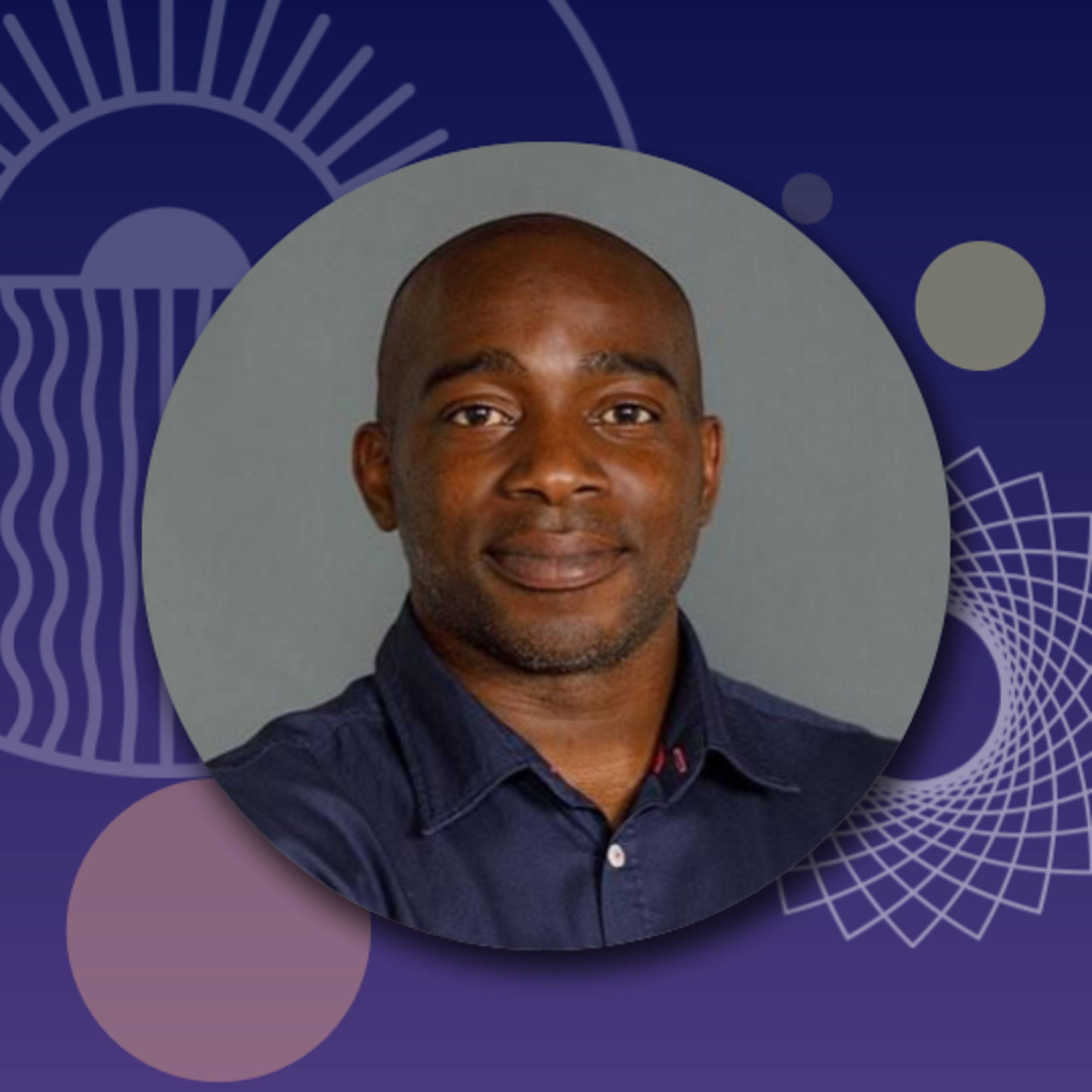
coming up on iBegin uncovered. I mean for us, it bogeys the point that I can do many things. The fact that they helped with an opioid disorder, a PTSD is the thing that discovered today as a window. But it wasn't really the song that was sung when I was growing up. It was a variety of other things. It could be mental or physical ailment. It's just it bogeys that I've planned. That can just help you. In my opinion, what is talked less about it is there is so many other applications to the point than just the opioid use disorder. And I understand also that it's a low-hanging fruit to get the attention of the top people, people running the country, people making the rules. And I can totally sympathize with it. But even today in the states, as when meeting new people, new group, various people that are told us that they do a research with the bogeys relation to the central nervous system disease like Parkinson's. I mean, some articles, I think some articles came out about this. We talked to a group who was actually good-finding bogeys to be helping in oncology and potentially hearing different types of cancers. Having all those things in play is what's make the future of the bogeys therapy incredibly exciting. My name is Amanda Sebert and you're listening to "I Begain Uncovered," a podcast that explores the impact of one of the most powerful psychedelic medicines on the planet. Can I Begain really get to the root of our trauma? Join me as I ask practitioners, patients, researchers, and specialists about their experiences. Welcome back to "I Begain Uncovered." I'm your host, Amanda Sebert. And in this episode, I'm in conversation with Stefan Lasme. Stefan is a retired professional basketball player from Gabon and the co-founder and managing director of Steady Capital, an investment firm focusing on opportunities within the realms of sports ownership, infrastructure, technology, and plant medicine, including I Begain and I Begain in the US and Africa. As a professional athlete, Stefan began his career in the NBA and went on to play in the Euro League for Spain, Greece, and Turkey, among other teams. Stefan is also the founder of the 13th Foundation, which provides opportunities for children and youth in his hometown of Port Gentile, Gabon. Growing up in Gabon, Ibegain was a household medicine for Stefan and his family. After many years as a professional athlete and away from his culture, Stefan's reconnection with Ibegain has led to the creation of a company putting real money into research right in Gabon. We learned from Stefan that even though it has played an important role in his life, talking about aboga and his experiences with it, isn't always so important. His passion lies in investing in the future of this medicine through meaningful research and investigation alongside those who've grown up with it too. Welcome Stefan Lasme to Ibegain Uncovered. Stefan, it's such a pleasure to have you on the show today. How are you doing and where are you joining us from today? Doing good, doing good. I mean, my world mass issue now, present moment. Thank you so much for being here. I'm doing really well. I'm really excited to chat with you. I know that you are a professional athlete. I really love talking to athletes about how they navigate life. I think there's so many lessons that come with taking that path as an individual and I know that you've moved on to do different things. So we'll get into all of that. But let's rewind it back. I'd like to ask you a little bit about that time in your life. So you've played basketball for the NBA, first for the Golden State Warriors, then the Miami Heat, and around the world for several other professional leagues, including the Euro League for teams in Spain, Greece, and Turkey just to name a few that you're now retired. But I imagine that a lot of the principles you learned on the courts still play an important role in your life today. So looking back on your time as a professional athlete, what stands out to you as sort of a defining moment, either on or off the court that has had a lasting impact on your life? There's so many from just getting to the States and going to patrols, interpolations, just being here, not knowing anyone. And then we got a way to get to scholarship for UMass, grading drafts in NBA, winning a championship in Europe. I mean, there are so many that it's hard to pick one specific one. But I just think I just remember just remembering everything that I went through during my career from the time I left Goodborne all the way to the end. Everything is just amazing to me. It still feels like a dream. I'm not surprised that it's challenging for you to name one particular defining moment. There are obviously several, since your retirement from basketball, you've been really involved in philanthropic endeavors, working in your community for positive social transformation. Tell me a little bit about the 13th Foundation. This is something you started in your hometown in 2010. What kind of work does it do? And where was the seed for this foundation planted? Initially, it's just going back to Goodborne after a while being out. After I left from college, for college, I don't think I came back until after I played in Israel. I mean, came back and just relaxed. Hang out. Any other time I came back, I went back, it was short notice for national teams, so I spent like a day or two in the country. But really, after I played in Israel, I just went back and then just got more involved in the community talking to people. And understood a little bit more about what I represent for some people and how I must have an impact, not on the floor, but off the floor. Originally, the 13th Foundation started with just me giving back to basketball in Goodborne. 13 is my favorite number. The number I worked at World Mahal career. So it was just feeding for me to just pick that to be the name of the foundation. Also, I wanted to have something structure there, because just being, just playing the full season outside of the country, leaving in the states. Just knew I needed something a little more structure to have a large impact than just me going back to Goodborne and giving back a few bucks here and there or just doing something quick. I wanted to just build something more structure. So I started with more things directly to where athletics, because that's what I knew. So like doing stuff around kids and sports, specifically for our basketball. And slowly over time, we just evolved into something just building partnership with local association, foundation, nonprofit, and just helping however I can, because I mean, just so many things to do there outside of just having a back in basketball or in a kid playing basketball, student athlete. Because that's the original start. I wanted to have an impact on student athletes, because this is, it was a new concept for me when I got to the states. I mean, I told them story many times to people like student athletes is just not something in Goodborne that I grew up around. You can, it's just, it was there. There was kids that were going to school and playing sports, but really parents or the culture didn't, they didn't put it well for them together in the sentence. It's just, it's just, we didn't happen at all. I don't want to criticize my culture. I'm just saying, we just didn't understand what the concept of student athlete was. So coming to the state and seeing what it is, I was trying to set up an infrastructure or something that kind of helped people understanding that student athletes is actually something real and you can achieve things, look what I did, but it's not involved in a lot more things. I'm helping orphanage, have a partnership with the, the acid foundation that fights against malaria. I have a biggest or, I mean growing up, I had a lot of tons of time. So to me, it was kind of defeating to helping on that end. This past year, we met a partnership with Turmeria. It's a non-profit that we plan trees specifically. Mangrows, I mean, mangroves are very important for the ecosystem all over the world. It's kind of the lungs, close to being the lungs of the planet. So, the bone has a large population of mangroves, but it's being destroyed, but the city is getting bigger and the industry is coming in. So, figuring out a way to help on that end and we went and we plan to do some trees and some malaria. That was the first time I did it, but it was very enriching for me, and I'm planning on helping them a lot in the following year. So, just a bunch of stuff. It's more like anything that you can think of, non-profit, on stiff-heart, less than your life. In the bone, I can use the tertiary foundation as a platform to help. So, started off as a way to show, you know, young people in the bone that being a student athlete could be a thing. And I imagine that transition must have been incredible. I live in Canada, and even when I look at the system of student athletics in the United States, it's this massive entity with lots of money and support. So, really cool that that began, that you started that in Gabon and then sort of progressed. I'm curious to know a little bit about your relationship with a particular substance that we discuss on this podcast. Now, I know from your recent appearance on another podcast, the Microdose, that you have a relationship with a yoga, that it was an important part of your upbringing. Now, you and I spoke a little bit before the show a few weeks ago. We know that in North America, there's a tendency to be very open about your psychedelic experiences. And you shared with me that this attitude is kind of in contrast.
with the cultural norms you've experienced in Gabon regarding Aboga. Without diving into the personal aspects of your initiation, what can you tell us about the importance of privacy and cultural respect when we're working with traditional medicines like Aboga? Sure, I mean, this is only my opinion and also from this being from. I don't want to be the guy who says how it is, not that guy. In terms of the relationship with Aboga in traditional medicine, although those things are usually a group thing because everything in Gabon African culture is about family, extended family being together and doing things together, it's also a very individual experience where you have to go through your own thing. It's a deeply personal individual experience. I mean, I can describe it that way. Going into a sensation, you really go deep in terms of your inner self, your own life, your own mind, your own heart, whatever is the thing that you're dealing with that you want some type of help from. But it doesn't mean that you have to go through it alone. And this is the way it's built. The way it's done in Gabon, you don't have to go through it alone. You need people to help you go to this journey or you discover more about yourself and what you come from. You need people that understand and have been to this journey before to tell you what's happening as you go and through it. You mentioned that the difference between the West and African and Gabon is culture. I mean, it's close but different. The people in the States are very open. I mean, I just, like quick story, I just remember bringing a friend to Gabon, I think two summers ago. And just going through, like meeting a Neema and going through not an initiation, but just a short ceremony. I wasn't more like a blessing ceremony. Just also to understand what he was trying to understand better about himself. But it was not an initiation. And as I was sitting there, even the person in front who was going to the ceremony was telling us how open my friends, American white next to me, how open it is and how close guarded I was just going through the ceremony. I can't help it because I'm from over there. So going through a place and doing some type of ceremony, my approach to it is totally different because I'm from Gabon. And those things, we just treat them differently. You just don't go anywhere and do anything. But I wanted my turn to experience is so I brought somewhere a place that a friend talked about where I know it was closed by. They don't have to travel two hours to where I'm from to do it. We just did something quick and just want to see someone. But it's just, I don't know how to explain it, but it's just the only thing I see difference between the West and African and Gabon is culture. It's like we are open. But when you come to spiritual thing, it's always something that you don't talk much about. I don't know if it makes sense. No, it totally makes sense. Some parts of it you guard. You keep to yourself. They're yours. They're personal. Right. Right. Right. And it doesn't, it doesn't take away the fact that you don't stuff in the group and people actually see. See what you see here what you say. Are leaving the stuff that you're leaving because if you in a, let's call the spiritual trends, like you out there and you go into something you might say, see. Feel something and say that loud. And someone next to you just go through it. I mean, is there to listen to you so they know what you see. They know what you hear. And they explain to you. So you are being open to someone that you might not have never been open to around and then know your deepest stuff. But at the same time culture tells you that you should be more guarded about. Letting people know exactly your deepest thing. I think it's really important to really consider the parts of the ceremony, the initiation that we don't see. I think hype has played a large part in why we talk about it so much. And in North America we're so open. And I think having this perspective is very valuable. That's the thing that someone coming from outside should definitely be open, come into go bon to go to those things. I mean, you have to go into a foreign place like me going to Serbia trying to play basketball and not be open to serving culture, eating what they eat. Speaking of speaking. So I understand that aspect as well. Very important. Now, obviously your experiences with Iboga are deeply tied to your personal and cultural identity. I just mentioned the word hype. How do you navigate balancing that deep connection that you have with those traditional roots, with this global rise in interest around other medicines, plant medicines, medicines like Iboga and I began. How do you hold these two things at the same time? I really, I just started point. I just kind of realized that it was more of a rediscovery for myself. So as I'm going through those, how's I'm meeting all these people, first it was the cannabis world and then psychedelic world through Iboga. Just meeting them is more like a discovery about more about where I'm coming from. I feel like moving to the stage, I had to kind of get away from where I'm from. The same thing I said earlier about related to moving to Serbia and not eating the food like Serbia. You come to the stage in 2003 and you in college, you kind of have to kick to the side a little bit of who you are originally. Because at that time, there was an even Afrobeat. When you were listening to African music, when you talked about Africa, it was the different reaction that you get from people. So you had to adapt a little bit more to sounds, dress, walk like an American if you wanted to be. That's what I believe at least at that time. If I wanted to be a little more successful or integrate the cultural law faster, I have to try and kick my accent to the side. Talk like my teammates, I click my teammates. Sometimes it comes from just me learning from them. Sometimes people make fun of you because you have funny accent. But you just get to learn fast and trying to adapt. So you're just not different. So going through the stuff that I'm going through today is almost like the opposite. You know, I feel like I spend so much time trying to be worse than I. Now I'm like trying to go on back the other way and getting back to the stuff that I actually almost like some of it I forgot. And it's by talking about it to people like you, talking to anyone in the street when you talk about good bond tradition. I'm just remembering all the stuff that happened when I was younger, related to tradition. When I go home, I ask a little more questions, stuff that I wasn't interested in. I ask more about it to my friends, my family, people around that we teach tradition. People around anything traditional in the bond, I have more of those conversations. Because I was definitely not the kid who was interested in those traditional things growing up. I was focused on just playing sports. I want to be a athlete. Those things are not things you should force on a kid. It's kind of like a good book, but you don't really force those things on a kid. I mean, at least in my home, my mom didn't force those things. And we were more like going to church on Sunday than going to beat your ceremonies or other ceremonies during the weekend. It wasn't really like that. The only time I got a chance to see those things is when I was going to villages in the summer. So, to me, it's a really scary. And I'm enjoying it. I'm trying to be super respectful of good bond and good bond tradition because this is where I'm from. And you can't play around with those things. But also trying to be as open and transparent with people outside of the bond who are interested in the plant, in the culture, in the country. Trying to give them as much information as I can. Trying to share my experiences as I can. But also trying to help people, you know, like people who are interested in the plant, in the culture, need help getting there. You can help with anything related to it. People from the bond who are trying to get the message out, need help with getting in touch with the right people. Or understanding how it's done. Just even in terms of, if you talk about commercialization of this that we're talking about, there's a way. There's a certain language that is spoken around business. So people in the States might not speak the same language, business language, and people in the bond. So I've been lucky enough to have done, needed both, being, living in both. So kind of being translated for everyone, help teaching where I can, or so grow at the same time. So you're acting as a bridge. It sounds like I imagine that rediscovery process is very cathartic. I've spoken with a few people who have sort of used a psychedelic or a plant medicine to go through this process of reconnecting with their heritage, their culture. And so I think it's really beautiful to see you doing that in a way that is, you know, you're stepping into it as an adult, not as a child, and relearning. And then speaking of it, I think it's a very important thing to do.
both languages from a business perspective that is must be a very rewarding process to sort of see and navigate and use those skills that you've gained in your times in all these different places. Yeah, I can imagine there are several things that you know and understand in a way that few other people do. This sort of is a nice segue into the next thing I want to ask you about. So you've you're involved in several business endeavors. You've been an investor and operator in the cannabis space for several years through your brand Urban. I learned while prepping for this podcast that you're actually suspended from playing pro basketball for one year for smoking a joint talk about coming full circle. Well, I can yeah relate to how how silly something like that is for sure. Obviously you're a proponent of of plant medicine. You're also the co-founder of a company called Steady Capital, which is a private investment platform focused on sports technology, wellness and plant medicine. Some of my favorite things. Can you elaborate on some of the projects you're currently working on with respect to Iboca? I mean respect to Iboca reset is of course a main project building a business based in Gabon, operated by Japanese people helping me all the bridge from knowledge to today's medicinal infrastructure. There's several elements that just come into just building reset in Gabon. International trade coordinating with government establishing a business and operation. I mean, it just takes a lot of thing to get that done. We have the science aspect of it science behind extraction. But doing and bringing the science but not forgetting to include the traditional aspect of using the plant. So is all this that kind of make reset we want to be at the look I mean I'm actually happy that you use the word bridge. We want to be that bridge between what's happening in the western world and Iboca and putting Gabon on a map as well. I think building a business related to Iboca in a state today actually can work the Silicon right. Gabon, who's the country where we care the most about the plant offers all the possibility to study research, use Gabon tradition, bring in people to make some advancement some investment in Boca. So what we did with reset is building relationships with the local cultivators focusing as I mentioned earlier on building lab for extraction and also to study and research anything regarding the plant medicinal aspect of Gabon. So it's not only a way to get closer to Iboca that everyone can understand because what we don't have in Gabon at the moment or what I think in Central Africa is the right infrastructure in terms of the technology science aspect of it to do that research to commercialize the plant to get jobs to Gabon's people around. The science in psychedelics. I mean it's even surprised me for me every time I use psychedelics and talk about Gabon because we don't call Iboca psychedelics but it's really a bridge between plant medicine and Gabon and western medicine. So thanks for explaining a little bit about how steady capital is sort of acting as a bridge when it comes to a Boca. I'm really curious about how sports and technology work into steady capital. Can you explain a little bit of that aspect of your business? So at the steady level when we see a lot of opportunities in terms of the relationship that we have built in Boca in Boca, in the Amapana, Devon, Kelly, those opportunities are more in the sense of investing in major league teams in the States but also overseas but also investing in the technology around sports. We've got this sports team technology around sports and anything that can help better sports activity. So we invest in hydration technology, wearables but also recovery kind of brings us to anything plant medicine psychedelic because that's the aspect of life that we call recovery, right? What do you do on your off time? So going from hydration technology to CBD cream to help with swelling and pain management. So it's kind of those we kind of a steady we kind of just know the stuff that we like and we want to figure out a way to do a business and invest in those things that affect our everyday life that we have interested in. You're not trying to complicate things and just to find the newest thing. It's just focusing on the simple things that we see around us. We involve in a lot of combination of sports so why not invest in sports? Already interested in cannabis and plant medicine. Why not find the things that are interesting in the space bringing some capital, bringing resources, make partnerships and just help those businesses where. That makes a lot of sense. My understanding is that you're currently building a lab in a go bone as part of the research portion of steady capital. What is that process? What are some of the hurdles you've had to jump through? Have you reached any sort of important milestones yet? Anything you want to share about the lab that you're building? I think that's such a an important part of the work that you're doing. Yeah, I mean to me in terms of recent personally, this is the most important to me getting this lab done. We want to build a GMP lab in Go bone, which is building the GMP lab in our health together is another crazy daunting thing from even the mention in it to the government. It took some off. Getting those meetings to get to take care of the compliance aspect of the lab. It took a lot of time for people to understand exactly what we want to do without having to kind of poke every hole into the story. In terms of talent, you have to find the right talent that can be able to just take care of this infrastructure when it's built. That's also the wrong process. We have started the buildout already with a build-up phase since early this year. Another thing we're working on is figuring out the equipment. If anybody knows about anything in terms of trading between African and University of the world, bringing technology infrastructure equipment into African countries is a very expensive thing. So if you're going to wait to do it in an inexpensive way, with collaboration between different parties, it's also something that we're working on today finding the right people and right partners in terms of technology to do not only extraction but also analysis and manufacturing. So we're in the middle of the day. We're hoping that that would be done by in the next six months. But really my experience in that side of the thing is just being from learning from the cannabis industry. I mean, I had a biology degree from UMass, but it's not big. It's not the big experience enough to get to building a GMP lab. So trying to get the right team around me, to the right people, the right people that understand what it takes to do it here in the States and what it would take to do it in Go-Ball. That was very, I mean, it took us much to find the right people because first you got to find the people that actually have interest in doing anything in Africa and then people that are in a sector and also are interested in Go-Ball and do not need the way we want to do it by respecting Gabin's culture. Like we have a great board of advisors, so that himself was very difficult to get together, but also very rewarding because we got to meet great people like Tom that you know. But now we're not the phase where we want to get stuff done, just build a get the lab up as fast as possible, get people from Go-Ball and together going to it, understanding what this technology is and how it can help us. I learned anything on extraction, for example, from Mike's Dancing Cannabis Industry. If I didn't have any experience with cannabis industry, I wouldn't think that it was possible to get this technology to Go-Ball, but because I understand it now, I see the possibilities. So just using my own experience plus the experience of the people that we have around us is what's kind of how things pushing both forward. It sounds like you've built a really powerful team of individuals who are, you know, really invested in this idea. A topic that we often discuss on this show is sustainability. We've talked before about not you and I, but on the show we've talked about the Nagoya Protocol and how it's in place to protect indigenous resources and knowledge. We've talked about the appropriation of medicines and the cultures that come along with them and about the increased demand that comes with this interest we see in North America. How important is sustainability to steady capital and in what ways are you working to sort of combat what we refer to?
to is the over harvesting of Eboge. With this current that we increase the availability supplies of the border, everyone overall are out in the mind that there's not enough. So it's important that we increase that that that amount. How we doing it and how we plan on continuing to join it is having those relationships with cultivators on the land. Because that the one responsible for harvesting practices. We don't want to farm. I don't particularly want to own a farm today because I think it's our other work with the people in the bond who have been doing it for years and just learn from them and do it the way they do it. The way it is done in the bond today is, I mean, in our culture, it's already done in a sustainable way. China not trying to come and reinvent the wheel. True, I heard of some, I mean, we heard of some groups that actually work in the bond, like foreign groups coming to go and growing it in a sustainable way. And they have their own practices. But the bond people already dealing with agroforestry. That alone is a sustainable way to grow. It's the best way to grow the plant. And as I mentioned, I think we eventually will play my own plant some days, but it's not the goal today to try to get this land up, working with the cultivators and getting them a way to commercialize the plant in the right way by respecting all the ruined plants, including the new vehicle, is the way that we would have we choose to go about today. That's how we play our part. Actually, that's how I play our part to ensuring the sustainability of the plant and the medicine is just doing it that way. You mentioned that other companies are coming into the bond and trying to do this, but I think it's so important, as you mentioned, to yeah, respect the roots, literally. That's kind of funny. But yeah, respect the existing culture, rather than, you know, jumping to the shiny object or the new technology. A lot of people are eager to know more about the potential healing benefits of a bogat and dive again. But what aspects of the work that you're doing and, you know, on a broader level? What aspects of this plant medicine in particular do you think aren't being discussed enough in the broader conversation? I mean, for us, the bogas are the plants that can do many things. The fact that they help with opioid disorder and PTSD is the thing that is covered today as a result. But it wasn't really the song that was on when I was growing up. It could be mental or physical element. It's just people guys that are playing that can just help you. In my opinion, what is talk less about is there is so many other applications to the plant than just the opioid use disorder. And I understand also that it's a little hidden fruit to get the attention of the top people, people running the country, people making the rules. I mean, but even today in the States, as when meeting new people, new group, there is people that are told that they do a research with the bogas relation to the central nervous system diseases like Parkinson's. We talked to a group who was actually good finding bogas to be helping in oncology and potentially curing different types of cancers. Having all those things in play is what's make the future of the bogas based therapy incredibly exciting. There are so many things we can do with it. And people in the bond, people in traditional medicines are already using Ebola for different, different element. Why do we plan to the research is just taking what's already available there and just translate it into language that people can understand outside. It's not really complicated. It's not trying to reinvent anything. It's just I understand from maps, but where I'm sitting that Ebola is used for many things in the bond. People are just discovering Ebola, but it's just discovering. I mean, if you if you say lots of doing what you did is, I think this is early, compared to how long good bond has been using the plant and using it for different things. That's what I mean. That's what I mean by people are just discovering it. People in the bond just use it for so many things. And most of those things, you don't discover what there are until you actually study plant medicine in the bond, which means getting into the whole traditional aspect of getting into beauty and then studying traditional medicine. So there is so many things available that Ebola can do. I'm just happy to be in the middle of it. I know it's going to be really tough. And I'm not saying it lightly. It's going to be really tough to take good bond knowledge and put it on the form that everyone else can understand. On both sides, it's going to be tough making them understand this. It's going to be tough to get people in the bond, to teach maybe. In the in the grand scheme of things, in the timeline of Ebola, how it lots of discovery of its properties when it pertains to opioid use disorder is very recent. It's brand new, basically. And so, yeah, the understanding and recognizing that this body of knowledge is so much bigger than we can even comprehend. I think that's super key. Given the sacredness of Ebola to Guiti, to the nation of Capone, and this increasing popularity, how do you see the future of treatment evolving? You mentioned that there are these different ailments. You mentioned cancer treatment. I haven't heard of that. But how do you see the future of I have gained treatment evolving? So let's say fast forward 10, 20 years. We've done more research. Where do you think we might be using it as a medicine? All those things that I've mentioned before, in treatment center to cure PTSD, opioid disorder. I don't think there is any recreational aspect of Ebola. Completely erased it at people of mine, and especially the government. Micro dosing, I think micro dosing is going to be a thing. There's a lot of people that are micro dosing in Ebola, because recent conversations that I have shown that you might be able to expect some of the same result if you're just taking a shorter, shorter amount in a longer period of time. So I think there's that's going to come into play as well. I think a lot of treatment centers will open, because probably in the next couple is I think this is going to happen the most. A lot of treatment centers are going to open because people are just realizing that it works. And I mean, if you just can come and do something for a day, a week, and then you don't have to feel sick anymore. And really no withdrawals. I think it's just economically, it's just going to work. That more treatment center will come on. Might not be in the States, but this is to me in a short term, what's going to happen? Long-term, I see medicine being given orally, not over the counter. Being given by a physician or treatment center, I'm not sure. But definitely, I can definitely see a place where it's given me the form of the pill to trace an ailment, but also in the treatment center, as a form of therapy. For longer treatment. I mean, this is my vision. Hopefully, and definitely go born out in my vision, it's definitely go born in the middle of it. There is a lot of, there is some debate on if we use the plant or go with the synthetic a bug game, and that's going back to the conversation about sustainability. Truly believe in natural things. I think everyone is going in that direction where we all believe in taking natural things before taking anything man-made. So I see a lot of potential out of a bug in that sense where people can actually take plant material in the form of a pill, but you know it's a natural, it's a plant and it helps you with whatever you go with it, we can be physical or mental. I'd love to see that with a good bone flag in the bottom. That would be really cool. So you're a proponent of not synthetic, but plant-based as the preferred source. That's really a good idea. Right, right, right. I do understand the place for synthetic, and I'm not, I'm not the guy who's saying, 100% against it is like the devil. I just want to put that belief that the world is plentiful. I think we kind of have already what we need. It's just understood, we got a way to use it the right way. And you both are here, and it's already curing many people. Why not just use it and figure out a way we can use it the right way. Absolutely. Stefan, it's been such a pleasure to
to speak with you to learn more about your perspective, also the incredible work that you're doing in the United States and in Gabon. Where can people find you and how can they support your work? - For sure, I mean, people can reach out in most platforms. I'm gonna stabilize me, you can find me on Instagram, Gabon Beast, that's me. Stefan lies me on Facebook and LinkedIn. You can reach out to us on the reset side in terms of the burger and wanting to help all work with us. We have a reset, help, reset-health.com. We also have Steady Capital back home if you wanna reach the company. But you can find me anywhere. If you even if typing define liesme.com and reach out. - It's good to me. - Amazing. Amazing, thank you again. This has been so valuable. I really appreciate your time and your wisdom. And I wish you the best with Steady Capital. I'm eager to see how the lab building process goes and what sort of initiatives that you start and see through. It's been a pleasure, Stefan. - Now, thank you so much for having me. To the pleasure talking to you as well. Amanda, what's your couple of shows and all of what you do? Any time you wanna go to the show. - I appreciate that. - You're good to do it again. (upbeat music) - You've been listening to I Began Uncovered. If you enjoyed this episode, you can subscribe on Spotify and Apple. Leave a review or share it with your friends. This podcast is brought to you by Beyond and produced by Aiman Armstrong. Mixed by Trevor Kulter and edited by Ariel Villafay. Beyond is the world's premier network of medically based I Began treatment facilities for addiction, depression, anxiety, and PTSD. Beyond's mission is to help people and chemical and behavioral dependency and to end the suicide epidemic with psychotherapeutic treatment and psychedelic plant medicine innovation. This podcast is for informational purposes only. It does not constitute medical advice and does not necessarily reflect beyond views on mental health treatment or personal development. For inquiries and further information, please visit beyondIbegan.com and make an inquiry using the web form. Or email
[email protected].
 PodcastTranscript AI