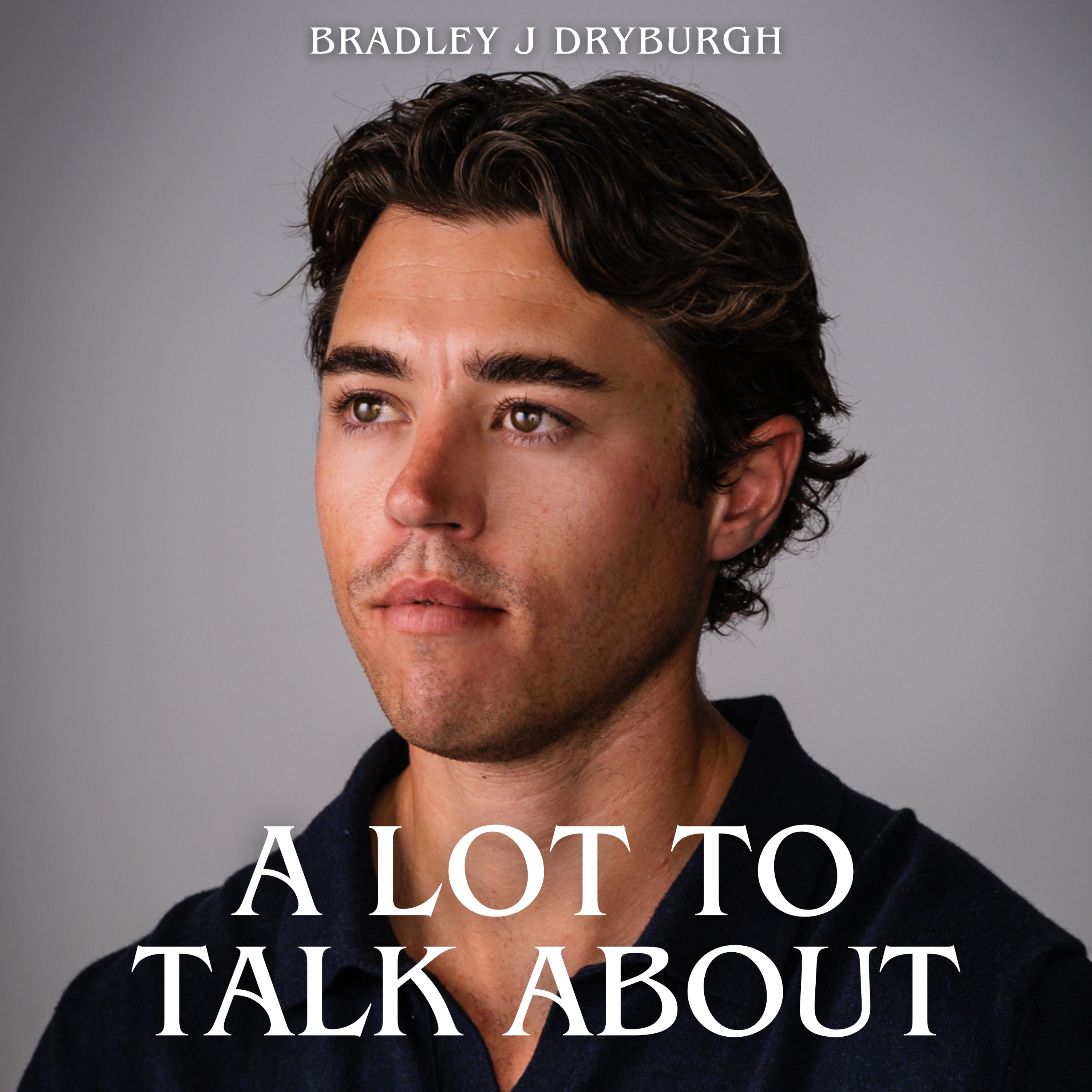
#299 - Commando Scott Ryder on the Taliban, The Bondi Terror Attack & The Tragedies Of War.
111m 40s
The conversation centers on a former Australian special forces soldier's reflections on military service. He clarifies that deployments are predominantly characterized by anticipation and routine, with intense combat being rare. He disputes cinematic portrayals of warfare, explaining that enemies are typically strategic and concealed, and observes that Western militaries, including Australia's, have not faced a truly comparable "near-peer" adversary in decades, contributing to strategic difficulties in conflicts like Afghanistan. The soldier describes the Afghan campaign's primary goal as reconstruction and democratization, with special forces operating in a supporting role—a point often misunderstood. He expresses deep respect for the professionalism and relentless pursuit of excellence within special forces units, a contrast he finds less common in civilian life. Additionally, he shares experiences training Iraqi forces, highlighting moments of mutual respect and bravery, while also noting frustrations with the capabilities of some allied Afghan units. The dialogue underscores the gap between public perception and the complex realities of modern soldiering.
It's not right. How are you mate? Good I mate. Thanks fabulous. Man is a pleasure. I've got to say mate, there is always fascinating for me to meet somebody who is like so far outside of my role of understanding. And anyone who isn't special forces or is walked that path in life, I find it fascinating and incredibly curious and sitting down and chatting to you today just for half an hour over at a coffee before we're here. I feel like you fit the mold. Some guys don't necessarily fit the mold but they still fit into their job. They're like, they're not the atypical special forces guy but I feel like you are first day. Yeah, but mate, I probably say mine the boys head. I feel like you're the color of the guy. Have you seen those memes on Instagram where it's like, you know, fit guy sitting there and his mistress comes up and says, you know, I'm proud of you and kisses him on the head and all the sudden, one targers to like the great white shark, breaching the water and fucking fight a pilot, you know, go on through the air and the aliens have you seen that? And it's like there's some kind of like creed or like divorce dad rock playing in the background. It's like fucking food culture. I feel like you fit food culture, you know? I should get a share of calm. Yeah, exactly, exactly. Mate, one thing I'm fascinated to ask you, I see you've spent a bunch of time by the sage deployed to Tingall, Iraq, Afghanistan, Europe, a bunch of other places on different missions. But I wonder like for those of us who are civilians and have never walked the path that you have, we think of, you know, this extremist group, the enemy like the Taliban, ISIS, we think of them by what we see through cinema, by what we hear about on the news, by the tragedies of Australian soldiers being sent home and never having the life that they want us hope to have outside of their line of work again. I think about destruction. You see those scenes that are set beating movies are on the news of a world over there that is right with war, you know, buildings that are falling to pieces and you know, half-barren landscapes. And we think of those images, but I wonder for you, you have all that hype and build up. There are all the stories that you hear when you're coming through and going through your training. But when you actually set foot on the ground overseas on a deployment, you see and engage with the enemy for the first time. Is it how you pictured it? What do you feel in those moments? I mean, paint that picture fully? Yeah, sure, mate. That's a great question. So I suppose the start of by saying that I think, you know, it's pretty typical for sort of people in my background to, you know, only respect about the whole line of real life. So I want to see as a soldier, as a special forces guy, you know, obviously go on overseas and join your job, you know, it is the end goal, right? That is ultimately what we dare to do. But I think what's typically missed is just what that percentage is versus not doing that if that makes sense, you know. So I'll spend the week 23 using the army and, you know, if you accumulate all my deployments, probably you accumulate so many a couple of years, right? So within those couple of years, so in average five month deployment, you're not calling me on rocks, being shot at the entire time. You're 90% of the time, you're doing fuck all, you're waiting for something to happen. So I think the whole narrative that, you know, I spent my entire time, you know, being active gunfire, it's face to face with the enemy, I think is just not correct. Yes, that was certainly, you know, a pivotal moment. And that's exactly what we're there to do a bit. But for me, although that was the reason why I sort of kept staying in the army and wanted to redeploy, for me, it was more like the other part of it, you know, it's being part of a brotherhood, being part of an elite organisation. It's only very bend, but it's only, when I left the army, it was realised just how unique sort of the guys are compared to the average sort of cross-ession of society where, you know, the relentless pursuit of excellence is not typical as it is within a special force of organisation. You know, so you have guys every day that rock up and obviously, you know, every organisation has their bandapples and there's certainly been some retards that have come through yourself. We're not immune to working out the organisation, but by and by and by, most of the guys are, you know, fit intelligent, hard-charged and late. Just want to get after it, you know, and want to be the best they can be their job. But I think that what I found in my two years experience as an adult civilian is that that's not very typical. So it's probably the first thing I'll say, mate, but to answer your question, I think that, you know, the first time you do go overseas, I think there is a lot of build up. And for me, my first combat deployment was in 2008 and I think for the first eight weeks, not much happened. And it was just a constant anticipation of what it's going to be like because, you know, unlike another job, you know, if you're a first responder, you're doing a job every day. Every single day you're going out, you're learning on a job, right? Whereas for soldiers, we spend entire time training. And for most soldiers, they never get to actually test if that training bears fruit, you know, when you get shot at, you have to react this certain way. You do it in training at the nose. And very few soldiers actually get to do it real life and see if they react the way that they are trained to do. And obviously with that comes a correlation between your level of training, right? So if you're just a general soldier in the regular army, you do basic training and you do infantry training. Yeah, you're definitely well prepared, but you haven't gone through the rigorous selection and you know, 13, 14 months of training to prepare for that phase. They're excellent. So by the time, you know, I was, you know, in combat, I definitely had spent six years in the army, I'd been through my special forces training, also as prepared as you can, but it still made a lot of mistakes. You know, there was, I think the anticipation was so high about what it would be like and how I'd react. That wouldn't actually happen. I mean, to overdrive. I did a lot of things wrong or super excited, you know, adrenaline, rushing, etc, etc. I think, you know, you speak about the movies and I've certainly said this before. I think movies depict the enemy has been, has been retarded as just being these dudes in distashes that run across the open realm with AKs at their waist and that necessarily isn't the case, you know, I mean, if you're going to be a staple of their selves, we actually haven't won a war or a counterinsurgency since the Malayan emergency, you know, we didn't do well in Iraq. We certainly failed Afghanistan. Vietnam was a catastrophic failure. So to minimize the enemy as these, you know, incompetent imbousoles who right across the open, like you see in American movies, just isn't fact, you know, in actual fact, you know, very rarely it's, or rather, it's very rare for it to see, you know, the enemy, you know, 10 to 10 moves away with a gun. That certainly has happened a lot of times, but in most cases you get shot at and you spend most of the time trying to work out where you've been shot from, you know, the enemy else, they're the strong vice against being shot. Don't run across the open ground. They'll shoot. They'll hide. So I think it's super is to think that the enemy is just going to be, you know, you're behind a wall shooting, they're even charging towards you a lot, like it's just not the reality, you might be my experience. You know, it's funny you say that because you're right. A lot of movies and a lot of cinema paints, it paints them as records and like chaotic. I remember watching recently, which was to be honest with you, like a little bit disturbing or to warfare. I don't know if you've seen that film. To me that felt, and you know, I did some research up after it and there was a lot of people saying that they had quite close. I guess that quite close contact with guys who had served and had been in that battle that depicted in the movie, who tried to make that as realistic as possible. And to me that was like a very calculated attack on American soldiers in which a lot of casualties and a lot of hard work went into evacuating them from that building. And I guess that paints the reality of, you know, we kind of think that, you know, our army is so well trained and it's superior and we're going over there with this expertise and this intelligence that will allow our guys to be safe. Well, it's not necessarily the case. It's not just the unlucky lives that are lost where somebody steps on an IED or has some kind of accident that, you know, is a stroke of luck. But it's these guys over there of well trained to and they're studying a lot of time in order to be able to go eyes and catch you out. Yeah, look, I mean exactly right, mate. They'll say they have the advantage of local knowledge. Yeah. And, you know, when we speak about adversaries, we speak about in different categories and you know, the category what we call near peer. So, you know, a near peer opposition or any of me, Australians probably haven't faced into World War II, you know, being like the Japanese, the Dakota, you know, I give, say, a near peer, near peer wide, they're near peer in training, resources, equipment, etc. They say, what do you mean by that, near peer? So, as similar to us as you can possibly be. So, if you look at the Japanese in New Guinea in the Second World War, where it comes to logistics training, resources, arm and etc. They were probably on par with the Australian soldiers, arguably probably better trained that they're now, you know, they're not sure, they're reservists that sort of push Japanese back from Port Moresby. But if you look at conflict since, I don't think anyone would say that the near con would hear peer, you know, we had aircraft bombs, we had the entire world's ordinary, I suppose, when we still lost, if you look at Afghanistan, certainly not new peer. A bunch of guys with, you know, 30-year-old AKs in, in, you know, pajamas running around the mountains. And we still didn't do well, you know, okay, Afghanistan was a catastrophic failure. So, as an army and realistically, you know, for Australians in particular, we really haven't faced a near peer opposition a long time. You know, people speak of what about Iraq, I think Australians have never really done anything in Iraq. I think in the early days, post-Noron-Weddon International Invasion, you know, this train is especially a service, which is another, at the other main full-time Special Forces unit in Australia. You know, those guys certainly got amongst the, you know, opening stages of their invasion. But, have a sense, and, you know, it was actually a point of embarrassment for a lot of Australian soldiers, because you had Australians, which are, you know, some of the best training for soldiers in the world. And they're in Iraq, you know, guarding the embassy, you want static security or driving the diplomats around, or, you know, or as eventually they're in the, sort of, the second Iraq war, there is training and advisors. So you had, you know, I remember when I was, I was in the Regal Rami, I joined the Army, my stats six years as an infantry soldier, as a paratrooper.
in the third battalion based in the holes with the hearing Sydney. I think I was on a big army exercise. It could source crocodile or something repair shooting to some place in northern Queensland of Auckland. I was walking out of the bush for weeks to fuck knows what I was doing. I was done. I didn't have an eye pressure. I didn't have a radio. And when I came back, I looked at the news and the initial invasion of Fallujah was happening in 2003. I just thought to myself, on training, we had this Western Alliance, this by-bys community, trying to own great battalion, Canada, Central, but realistically, Australian-fuse soldiers have never really had the chance to actually do their job. And that's been persistent throughout the last 20 years, including the Afghanistan campaign, which I think is a terrible shined, which also then speaks to the systemic overuse of special operations. A lot of the work we were doing in Afghanistan wasn't necessarily what special forces are created to do, but all conflict is next to politics, obviously. And political genders have heavy influence on our comes militarily. I think that the abuse of special forces, because it's more politically appeasing to have a 24-year-old SF guy come having a body bag than an adult to get from town. That's just facts, because when public use bearish special forces guys being killed, almost feel like in some way they're capable of that said job. But when an adult is out of your blood, you can see space and it's family's trying, there's a whole different political element to it. And if that makes sense, it's not done. But consequently, I think that was the biggest driver for recruiting for us, whenever an empty guy from the regular round went to Afghanistan, and they were so restricted in what they could do, which is basically guarding the engineers, and walk around a patrol base, getting ID constantly. They were so frustrated that they couldn't take the fight to the enemy. The role of the infantry is to seek out and close the enemy to kill it, to capture him. We did none of that, probably the least, if she guys did. And they'd sort of see, the commandos roles from and terth being a say-so, go out and just get amongst it. And that drew a lot of people towards a special forces career. So, inadvertently, it was actually great marketing and recruiting tool for us, which was the underuse of conventional forces. And their observation of how special forces guys were used to him. Let me ask you this. You mentioned before, these Australian soldiers really have never had an opportunity to do their job. When you were deployed, what is the job? What is the purpose? Is that explained to you within any kind of strict detail? Look at that's a great question, mate. I think where it comes to Afghanistan campaign, I think that's a question the public is still asking. What was their overall strategy? Look, you know, I already, most of my deployments as a pilot soldier, you know, as a guy on the team. So, I didn't really give a fuck while we were there with the political aim was or what the overall strategy was. I just wanted to get amongst the boys and get in gunfights, right? So, it's only very been recent that I've looked back and sort of asked the question, like, what exactly are we doing here? And at the sort of micro level, the Australian machine was based down in the Orers gun province. And the main effort wasn't actually special forces. It was actually the conventional forces. So, it was the the hearts and minds campaign for like a better time. So, it was the idea that we're going to, you know, to democratise Afghanistan by you know, for firstly being in votes, being in democracy, we're going to have, you know, infrastructure schools, hospitals running more, etc. The idea being that that would then convince the people that the Western democratic way of living is a lot better. And certainly over the years, the labs and the Afghan people did change. You know, girls were going to school and there was, you know, proper hospitals and there was a police force. I mean, I'll be very corrupt, but they existed on paper. So, the engineers and the doctors and so forth, that was the main mission. The infantry guys' job was to provide security, you know, or in close proximity to the main effort, which is infrastructure. The special forces mission was basically in support of all that, which is basically operating around the proofries and drawing the NB to a gunfight or identifying the enemy networks and like targeting or disropping them with the aid of assisting the main mission, which was the reconstruction effort and mentoring of the Afghan people, Afghan army. So, all of a people, I think, get misconstrued as to what the mission was. We were at a supporting element in that war, we weren't the main effort. I've often heard in, you know, whether it be your book, other things that I've read or conversations I've listened to, that there seems to be a connection between Australian forces and the Afghan forces in which there's a mutual respect. And it seems as though you guys were seeded really well-watted. The trainings appreciated, the helps appreciated. Is that the sentiment you feel on the ground? I think it's well known, you know, historically Australian soldiers have always been been looked upon very favorably everywhere we've been, right? I think Australian soldiers being a level of professionalism, humility and humour that is missing in other countries. But, you know, if I'm to be frank, I was never really impressed with the Afghan military. So, we, you know, as a SF guy or a special forces guy, we were obviously with the Afghan special forces or the Afghan special police. So, I'm paid by this supposed to be at a high level, right? And I'm certainly not discounting the bravery and the combat experience of those guys who, who, you know, don't do five-month appointments. That is their existence for long periods of time, but I was never really impressed with them. And there's been numerous stories that highlighted in the first book. And I don't think we'll in a second book about, you know, Australian soldiers, bring themselves at risk because the Afghan sisters refuse to move or refuse to fight. Because for them, it was just another contact, you know, with five months, another bunch of Australians who come in and make and do some other shit. But in terms of, you know, the best partner for so far work with would probably be their archives, you know. It's fine. This is the most baddest scenario if you're a soldier, you're anti-Muslim, this anti-Muslim sentiment that seems to exist, that seems prolific in public narrative about, about, you know, right-wing soldiers and Muslims. But what I think people don't realize is that within the Muslim itself, you know, the Sunnis and the Shiites and you have a different tribal conflicts within that. And, you know, in Iraq, I was working with, spent seven months training a bunch of Iraqi special forces go on. And those guys are probably, you know, some of the brave soldiers I was saying and I definitely developed a mutual respect for them because I recognized what those guys had done. You know, on my first sort of week there, I've spent the first few weeks just sort of diagnosing who these guys were, I want to experience wars because I've found this culture of just rock up and just run, run some track base, you're trained from, you know, we don't think you were fuck, they're going to do anything anyway. Whereas I'm just not like that. So I've really invested in these guys and there's initial weeks. I said, okay, you know, I'd interviewed all the other key 10 players, sorry, the key 10 leaders. I was like, came out and so what you experienced, I was sitting through interpreters. What's your experience for you done? And the guys started to show me some footage, you know, the between commander there, showed me the footage. It was less than two years old where they were fighting through hospital in Fallujah. Now, ISIS had taken over this hospital. They were killing people in hospital. And these guys, you know, aren't fighting and compounds in the desert. These guys are clearing the hospital. As you imagine, hospital would be four levels, multiple rooms, hallways. Yeah, that's something. Yeah. And that's something most complex, you know, over the operations that I've seen. You know, outside of what's probably happening in Gaza right now, but you're by the idea of them. And I think, you know, the Australian, you know, the Australian Special Forces in particular to command it was really instrumental in mentoring and providing assistance to the Iraqis up in the most, you know, they're the fight for Mosul. One of the most ancient cities in the world, I'd lead destroyed it. But, you know, in those in 2016, 17 and the Australian command knows we're working in, you know, infusion cells, you know, working with the guys in the ground to to bring in assets and actually push ISIS out of Mosul, which they do successfully. So, I probably say there are a key special forces guys of the most impressed I've been with partner force, the Afghans, not so much. Yeah, it's interesting. Isn't our love? I love how you separated to there. I think one of the things that the public struggles with that perception you spoke about of the messengers because they fight overseas extremist beliefs that the issue is with anybody who believes in the same faith. Well, I was opposed to the extreme elements of the faith. I mean, that's an important separation because problem with the narrative of society and culture today is it's easy to see an extreme playing out on one end and push against that with an opposing extreme and the room for middle ground for nuance for conversation gets diluted because there's a lot of our noise. Yeah. And yeah, I think that distinction is really important. I want to talk about early days. I find, to me, listening to the book, I use it 12 and a half hours a listen, and I listen to every word sped it up a little bit. So finally, audio book is always slow. It's always ready to slow. Which it has to be. I sped it after about one to week three to one to week four. Any group I listen to. And I'm listening to the book from start to finish. And by the end of the book, it makes perfect sense to me why you followed the path that you followed. I wonder for you looking back on the life that you've lived, especially the 20 ideas in the military. You talk about being a young man who's fascinated by time of the scouts. He loved the great outdoors. He was in the pursuit of self-betterment, you know, aiming towards perfection at something mastery and a skill set who, you know, tell me if I'm describing this potentially inaccurately, but had a little bit of a chip on his shoulder for being a little bit smaller than the other guys around him who ultimately wanted to prove himself in the most extreme environment. It looked like I think that was part of it. For me,
I don't think it was that grandiose of a concept that as you made it out, at 17 I certainly wasn't thinking about the pursuit of excellence and being self-betterment. For me, I think I was seeing you came out of validation man. So for me, it was, you know, I think moving countries from Nepal to Australia, you know, you know, London, on 12 was wholly disruptive. And for me, obviously, luckily for all kids, I think feeling was really important. But I think for me, it really was, I just wanted validation, you know, I'd have fine home life. You know, I had no trauma growing up. Obviously, maybe countries was difficult for me. But I think they're saying to be this nexus in my brain between the military that would be this panacea that's all my eels. I didn't have much money growing up. And certainly as a teenager, that dossier meant that I had no money because I wasn't working and I had a lot of my kids in. And for me, I saw the military as a way to fix all that. I'd have my own money. I'd have my independence. You know, I was very rebellious kid and my mom did a very best to try and maintain some form of being an order and just a film which I'll push back against. And I was a little bit of a rap bag, she had a kid. And that started playing out, you know, in high school, you know, I was constantly seeing attention being disruptive. And for me, it wasn't that I was stupid. I mean, things that I cared about in school, I did really well at history English, for example, because they interested me. I was a maths and science. I really didn't give two fucks. I did horrendous at right. So for me, it wasn't, it was a way for me to, and I didn't know it was the time, but it was a way for me to channel my energy. And it just happened to be that, you know, John the Army and I've said, "Loved it." You know, as you mentioned, I did kill it so it wasn't scared. Just run and correct you. I didn't kill it so I didn't kill it. Yeah, but I did. I mean, I did kill it for a few years. You know, when I was a kid, because I knew I wanted to join the Army. So for me, by the time I joined the Army, it wasn't as violent as it would be to most people. You know, when they threw a few months into the Army, I think, you know, my, I finished all my training in my first day posted to the third battalion, the whole, really, it was a day after nine-bladen. So for me, it was, after was perfect timing, which it was, but, you know, and I wasn't paid a lot of money, but it said in ten, you know, "Well, body actually knows you can get some clothes and some money for bees and I've spent most of my weekends down the road here and across." So as long as I've money for that, everything else came in second. And because I didn't have the distractions that I would have if I joined the Army later in life, like, okay, I just put my family over and mortgage it out. I'd still be like, "I wanted to, you know, I could focus 100% on being a soldier." Which I do for many years. I wonder what the Nipleese background, because the Grey Douddour is a huge part of that culture, I do think that has some part to play in the path you've all. No. So I grew up in Camando Valley, which is a valley. There is no, obviously, there was in close proximity, but I wish I had the Nipleese jane where I could walk up mountains carrying a huge amount to wait with ease. That certainly wasn't the case. So it's, you know, like, I'll probably have the best I've been now. I'm more of 91 kilos. And my job at the Army was like 63. So for me, carrying a 40 kilo pack was a struggle. You know, how do I spend my youth walking buckets of water up into our mountains? It may be an easier, but that wasn't the case. I've grew up in a thriving metropolitan city. There are no mountains nearby. That makes fucking great jackets. So it's funny enough, every time I've been in the pool, I've been talking about boards being being rip offs. Yeah. Actually, you can't get a little gym at Camando. You can't get a Westfields in the right place. Yeah, good fair, but obviously it's been so. So it talks me around, remember hearing you say, like, you know, that rebellious energy, going a lot of strife when you're out of the town, in the cross, a lot of fights. That energy, I think was a surprise to you how accepted that would be in your first few years in the military and how much of a part of the culture that was. Yeah. Well, I mean, it wasn't so, how it was those. It wasn't so as well as ill-busied as it is now. You know, I mean, the first time I heard cowed punching, I thought I saw what it was. To me growing up, it was, it was, it was, it was, it was, it was, it was getting the upper hand. It was surprised I could buy a four-slime weight. It was an ambush, but, but apparently it's cowed punching, but I'll look back now, maybe I think, you know, how it didn't get in trouble, how it didn't get hurt myself, how it didn't hurt someone else. I'm constantly amazed. But, but for me as, you know, the infantry, the infantry battains, you know, the infantry in the army has certainly gone through a lot of transformation. I think military is just a reflection of society. I think as this top of behaviour, which I suppose can be categorized as the any social, for like every better term, is that's being sort of phased out. It certainly, that reverberates down to military. When I was young, dig in the tank, the first show on the army, if I came to work at the Thomas Serschmacher, they'll get in a punch-up. The first thing you'd ask was, did you win? If someone said, "Oh, Scotty was in a punch-up, maseco, go, where did he go?" Because our job was taking the fight to the end, me and the infantry soldier. There was no brash to sit down, there was no D. I, there's no political correctness. We spent all our time learning how to work hard, carry packs and bullshit people on the face. That was a job. Everything else that suffered once in any social behaviour was almost expected, almost like a corporation of context, almost made the cross and going out on George Street, the battlegrounds and itself, where you could validate and test yourself and prove to your teammates that things got better, got it back. I don't necessarily know that is necessary, right? Well, I think so, yeah, and I think I certainly don't advocate for violence, I don't think any of them should go around punching other people on a face, but for young, and I think the British army do this really well. The British army have this activity called milling, which is basically, it's a way for you to show your aggressiveness. So the basically, they get two guys based at face, they put big six-odd ounce gloves on them, there's no technique, you don't have to go ahead and jab an uppercut, 80s, 100% go help a leather, you just throw punches until the other person draws. Now that makes the same ludicrous and barbaric, but what it does is it teaches a few things, it teaches you how to control your aggression, how to unleash your aggression. When you've got a job which involves hunting and shooting people, I think it could be a being punched in the face, shouldn't be that much, that there shouldn't be such an alarming thing to happen. But it also teaches you just how much nervous, angry, adrenaline, take your physical fitness, when you are told or told with someone, and I'll also make down the setup, when I had my injuries and I was going to my two years rehabilitation, I'd always sort of doubled in kickboxing, but never had the time to really invest in it. So if me, I've done two African deployments, I've got really got stuck into my kickboxing, I had a few fights, and I think that the first fight that I had, you know, you can train and do well at training, you can get out in the pads and I was doing three minutes rounds, four three minutes rounds, my fitness got me through, it was fine, you know, 55 seconds in the first fight, I was completely fucking gassed. Obviously, part of that experience, I got a little bit, not knowing, we've been to control yourself and when we go apply, certain techniques, but that was the only time that I felt similar to what it felt like being in combat, you know, and the reason one saying that is, in training, we have the world's best training facility down here at Holesworthy, we can spend an hour running around kicking indoors, clearing buildings, you know, doing good stuff in the city, you know, assaulting up a rag and a roof, five or six levels, and you're fine because the the added stress of it being real isn't there. In Afghanistan, we would do a direction road and clear one compound in five rounds, I'm completely gassed because one thing I didn't count for is how much adrenaline the nervous energy takes if physical capacity away. So to say, for me, although I didn't know at the time when I was a kid and as I mentioned, realized that, you know, when I started having some kickboxing fights, that's the only time I felt similar to what it was like in combat. And the same measures always get wrong, you know, where there's guys, you know, they're walking along on the shooting, they're talking, it's like, you know, every single time I've run around five and a gun, I'm never at a normal resting heart rate, I'm constantly out of breath, I'm taking big gusps of them, I'm coming out of shit, but I suppose it makes pretty boring viewing if people are running around constantly panting and breathing, yeah, for two hours in the movie. The lead carries it, I'm cool, but it's actually fine, it's worth the downroar. Yeah, yeah, exactly right, exactly right. Yeah. It's funny you say this right, because I always, I love watching box eating or having kind of fighting and they see these guys who are the ultimate competitors, they're so seasoned in their sport, they might have had 30 professional fights and underfeated, you see them going after a spell out of the ring and they talk about how, you know, I felt that to look, you know, I really had to shake out some of that energy, took me a while to get going, I was gasped, I was out of breath and you think, well hold on, you've just had a 12 week care where you've been sparring twice a week and you know, you've been pushed the distance in training to prepare you, but when there's something on the line, it's still something on the line for those guys sparring, but when your records on the line, when you're belts on the line or, you know, there's a whole fucking arena of people and millions at home who are watching you fight under the lights. It's a different nervous energy, you know, and you're so right that you don't appreciate that when you don't, when you haven't had to cut your teeth in that kind of environment. Yeah, absolutely, I bet, and I also think it comes down to experience like I said, I only had a few fights, I wasn't a season fighter, but how I continued down that path, you know, my fifth, sixth, seventh, my tenth fight, I would have been more composed, I would have understood how much gas I had left and how to save some of the tank and I would have made better decisions and that's very same in combat, you know, the first time I was in a gunfight, I knew everything wrong, I was running around like a lunatic fighting, I had begun the recruit, I was like, I was in a pose, I wasn't thinking clearly, you know, and I was reprimanded by a tank man, he's like, Scott, come the fuck down, just chill. You know, my second, third, fourth, fifth gun fight after that. I'd learnt my lessons from the first time and I knew okay, take a breath.
become look around you what's going on. And that's very very similar to any common sport, right? Hence, going back to the sort of initial point was I think that the physioconfrontation and violence is part of the job. And I think that there is definitely a relationship or a CNG between combat sports and what combat solvers are required to do. I need to ask you something on that. It just made me raise an idea in my head like, let's look at that country, Australia, a lot of talk about gun laws at the moment, look over to the US who have a very different take for the most part on gun laws and concealed carry and which is allowed in a lot of states over there. And I think about, I think of Australia, we've had a pretty good example of things being pretty safe until some stupid decisions are made and silly things are missed. For example, the Bondi terror attack of recent times and you asked the question how somebody with that mentality who was flagged by AZO was able to have so many guns. I think that's obviously an isolated incident. But I think about concealed carry and I think about what you said just there. You know, you were trained for so long to be able to handle a weapon under extreme pressure and circumstances. I think about the average person who would potentially over the US have concealed carry and think about being able to protect their family. You feel on a trained person. I think in most cases, do you become part of the solid regime? Lord, do you extend the problem? I think that's a great question. I'm happy to circle back to Bondi again a second. But just like sliding so far around as you can general, I think once again, I think movies, public perception has really distorted the realities in that ground about using a pistol, about gaining currency with the pistol, which is probably the hardest weapon system to learn and master. I just the way that it is. It's a short barrel. It's a short barrel weapon, a small blitz. It's just becoming a little complex to learn how to master. I see arguments all the time, particularly in the States or in the Australians, it's like, oh, you know, something was shot and you hear public comments about what they should be in the knee. You have to understand that yes, okay. If I picked up a gun right down, I said it should be the knee size target you probably could. Could you replicate that under stress? When you're resting out, it's going through the roof. You're in that sympathetic nervous response where you're fought slawfully. To some people, they get no inhibition, they get all of the risk of exclusion. For people who suffer from panic attacks, they're likely to walk into a train station because there's obviously some imbalance there. So, left panic attacks can probably relate that when your life is in danger, you're in that extreme stress state. Your body acts very similar to the way it does when you're having panic attacks. So, once again, it really comes down to the level of training and investment. So, for example, for a police officer to overcome those sympathetic nervous response, things that happen under stress, the only way to fix that is through training, through repetitions. Some people call it muscle memory muscles, having a lot of memories. It's a neural pathway that you build to try and bring in your parasympathetic nervous response system. So, for example, in the special forces world, we spend every day shooting because you can't set us up. Someone don't have to be scared or shake or have an increased heart rate. When your pistol, you get a five pistol and it stops, you're going to be scared. You're going to have that physical response. But what you can do is you can develop neural pathways that overcome your physical response and still achieve a little of competency with that far on them. So, for an average general police officer who shoot their gun once a year, when you say to that person, "Hey, I want you to replicate that under extreme stress." It's super simple thing that they're going to be able to replicate that with any level of competency above and beyond what they did. And when things get perished, you don't rise to the occasion. You sink back the level of your training. And for GD police officers, it's firing. They're human-sized target at 10 meters once a year. I think there is a systemic failure. And I think it comes down to partly ignorance and comfort in Australia, where we are so geographically separated from actual threats that we think it doesn't happen to eat. I think it is a huge failure, blaming gun laws as the reason this happened. Two mascus in 30 years are pretty good odds. There's not many other countries that have their good innings. And yet, we target legal firearm ownership. Do I think that someone who was on a terror watch list, watch lists stemming the shove of gun laws, and it's absolutely not. And there's certainly going to be, you know, for the Royal Commission, there's going to be some changes. But I think rushing these gun laws to appease the public, when the reality is, it wasn't gun laws. It was allowing a culture where you could walk an ISIS flag down the Harvard Bridge. It's creating a culture where you can screen gas adjuice in the Opera House, whether anywhere precautionary, the credit of first-hand ground is socially for this to be OK. You know, that one's going to get too deign to politics here, but these are just my opinions, by the way. They're not based on political scientists. The next two of us might have. Yeah, yeah. But I obviously have British long opinions on this. And I think that there were definitely systemic failures in Vondoy. But there are some things that we could learn straight away in remedy, but we just don't know any next example. You know, a ternicate, we're called a cat ternicate, or a combat application ternicate. It's designed to stem bleeding of the extremities arm and leg. So when you're talking about, you know, care under four, which is very different to first-day, when someone gets shot, you're not doing a danger response anyway. You're basically saying, what's going to make this person die? It's the bleeding, catastrophic bleed from the gunshot, video CPR, and so on. That's bleeding already, we're pushing the blood out faster. So let's get a ternicate on them. Let's get it done out. Let's keep fighting. That status quo for SF guys. Let's have Britain bottom. But, you know, do you know, do you know, South Wales general Jews police unevenly should a ternicate person on the duty belt? They have it in a car, in a kit. Yeah. So the fact that we have police officers that don't even carry ternicates, and they will self-evident in Vondoy. You know, we had a bunch of unit guys that were there, and a few beers, and they weren't necessarily in the treatment of people, and the police didn't have ternicates. You know, you know, with military, even regular army, every single person carries ternic out of their belt. In Afghanistan, I code four. Why? 'Cause we got four limbs. So that's, I think, one thing that's been completely missed is a funding for police. And I think as a society, we're the blame. And I'll give you an explanation why. And I'll show the news last night. There's multiple protests, protests, play in Australia. There's an invasion day protest, and there's some other protest. Now, the police force only has a certain amount of resources. They have a four-night amount of resources. Right? And when all their money is gone towards, and I can't imagine these protests that seem to happen on a weekly basis that people have an absolute gut full of. Where does that leave funding for things actually need, like, ternicates? Where does that leave funding for additional training? So people sit there and say, you know, the adult protest applies to the government. But what they don't realize is that, by you being at that protest, you were drawing away resources and funding that could be used towards training. Yeah. I see what you mean. There's a, there's going to be a limit to what is allowed and accepted at anyone given to them right. You know, I'm the big believer in freedom to protest for the things that you believe in. I'm very much against Carrie and I just fly across the Harbour Bridge. Whether those people, I think, to a degree, this level of night, you could eat there, sometimes as well, where some people who think they're supporting the right thing aren't quite sure of what they're supporting. And I've got very little knowledge of what's happening overseas. The one thing I'm certain of is that it's a sad world where innocent people are dying, but their hands of, you know, political struggle. But the one thing I'll say for sure is, you know, you look at some of the criticism of that terror attacking bond law. The criticism of the police. And like I echo your sentiment, my dad was in the force for 11 years and never once had the juries work in all the job. You know, my dad was pretty nifty. He's a pretty skilled and capable man. He's very nifty on the target. We never had to police work any out. He was never in direct fire. And that's the case for most officers in Australia, with some exception over the last couple of years. And so when you look at those officers who respond to a situation like that, who are in most cases under trained for that kind of event, who show the bravery and rock up and do their job, and assist the public, where there's a lack of respect for that, really frustrates me. And once again, there was a photo of one of the female GDs who was taking care of one of the vehicle, and there was things all over the online about her hiding. Now, I just, the fact that someone can print that with any level of credibility to me is astounding. You know, she's taking cover. Yeah, she's posted. She has a pistol and there are a sack of rifles. Rowing to the open and like, and I think that police officers are just people like you and me that do a different job. You know, they haven't been, you know, going to go up and doesn't quite see you being some tactical guru where you can take people down and bring them to the pistol. It just doesn't work like that. You're also not John Snow. You can't be brought back from the dead. You're stuck here right? You're stuck here right, mate. I think that I think it is well known that police, instead of focusing on the issues that he's why not police carried to one case, why police only shoot once a year. They defer as a distraction to gums, to forearm's ownership. And I think that what they should do and you know, that maldetective who shot the terrorist on a bridge, after 40 meters, taking out one of three, they're as he was able to do that is he shoots and weekends competitively as a as a particular shooter. So he's public.
company should work on practical shooting, which is basically a lot of completion shooting. That's probably the only reason he had the confidence to even move up that tree and engage that target with his pistol with his claw. Unless he had the confidence with his weapon and the extra reps and the extra rears. I'd argue there's no way he would expose himself that way. There's a company called Next Peak, which is run by all the trainers and staff for all ex-Turkamada lads. They do have much work in government in the government sector, but they announced recently they're running a pistol course in Bangkok because the gun laws in Australia, even with pistol law since, aren't very conducive to how you run a gun tactically. I won't get to nuances that now, but it just makes it easy because entirely you don't have to have gun law since. So those guys are running a course that commences in a few months. And speaking of one of the lads yesterday, nearly all of the applicants or the people on that course are all GD police officers. So those guys are paying thousands of dollars to find themselves to Bangkok to learn how to use their own service weapon because there's no opportunity to do so in Australia. Now that that should be alarming. You know, police start resourcing issues and manpower issues, they'll hang on. There is a company that has the skills and knowledge experience from decades of operating weapon systems in conflict. They can absolutely be a police. But I think that the public narrative should be let's focus on how to, and it's up in the States with deep on the police. You know, when things weren't wrong, it wasn't let's analyze and training and make it better. Let's just stop funding altogether. So we have a lot of quality product control on the streets. Now that it's fucking insanity. It's absolutely insane. Yeah, it only leads to more issues. It's quite a, you know, look, and as you said before, there are bad eggs in every walk of life, right? Then you know, that needs to be, that needs to be taught now, whether it's in first responders, military, you need to sort that shit out. But to take what one bad egg does and tie everybody from that profession with the same brush is a very privileged take because let me tell you, when you need them on a day like we did in one die, everyone is very thankful when they see the uniform's running around. And, you know, I think it's, it's a nice reminder and a time in which I think there has been for a couple of years now a growing sentiment of disrespect for police, for disrespect for first responders in Australia. But to me, as someone who grew up with, you know, my dad and my pop was in the force for a long time. A lot of respect for police and I know a lot of police officers, speakers, and a lot of them would come to our house for barbecues and I see those guys out on the street and still chat them, chat to them today. I know how much disrespect they cop on a daily basis on the street. And it's made extremely frustrating. We are most of us live very privileged lives in Australia where we're quite safe. And we don't think about those threats or those risks that people do in other places of the world on a daily basis. And so I think until you've experienced that kind of world, you should just shut up and be grateful. Yeah, look absolutely, what, mate. I think that's correct. And also I think that the Nisaparra's government has this high-fuel police horror like you really have to have a look at how they market screen and, well, how they market recruiting screen, they're the show officers, you know, I think it's been out until very recently that to go to go to go to go to go and to pay away, you need to voucher of policing for university and child-seeing, university to become a cop. My whole world didn't get paid, like we were a young family, I was six when my dad graduated from the force, my dad actually graduated back in, I think it was 85 or 86 and they were waiting to get the call up for their uniform settings. And instead they got a call from the Nisaparra's police force to say we have too many police in Nisaparra's at the moment. So we're cutting the whole intake. Instead of saying like they paid their own way to go and train, they had to take in six or nine months without paid from work, to go and be a police officer. Instead of just saying hey you guys are the next unit to pass through and to be posted out, they just cut the whole intake. And so David got the shits without was like, you know, fucking it, it's a money, we got a family, we got two kids. So dad went back to work and then it was 0-2, I won when he graduated, the police force, but same thing like nine months without paid. And he was away Monday and Friday driving home everywhere he can't. Yeah, and like how do we? And then the sad thing right and that's still happening. And what that does is you look at, you know, you should the best people for the job, okay? It's not going to be 40 rolls or 45 rolls. Firstly, because the investment they're going to the station isn't there, they're too close to retirement. It's not going to be nine tear rolls because they've got no life experience, they're just fucking kids themselves. But when you create an avenue where the only option is to pay away through and live on the low income, you're cutting out the demographic that is probably your prime targeting segment, which is people in their late 20s, early 30s. You know, most guys live in the military, you know, who once again, and I'll pop a spit burn second, probably be your ideal candle, it's like you're up there on the States. Not many guys are going to leave the army then drop their income and pay their way through the academy. So what you get is you get people that are not in 20 years old, where you get people in a second career, which in my opinion is not who you want as new police officers. You know, you might people that are starting their career, they're invested, they're the right fit. Oh, well, but we haven't speak of that, do you? I ain't so forthright now. But you know, what's that, so? But, you know, your diversity is, which is, which is on new present in all first responders. Yeah. You know, even if you look at specialist policing, you know, so in each police has their own, what are called state tactical groups, so new sub-rails, that's the tactical operations, you know, now they've got to hear it, sorry, you, sorry, heels in in Victoria and Dictoriel, you have the Sorghul, I speak like special operations group, so, you know, there is definitely some synergies and you know, for guys from a special forces background, they had experience doing counter-terrorism and hostage rescue, which is one of the roles within their unit. You know, it will be a seamless transition to take a guy from the regiment and to clean into the tactical teams. Yes, he's on the cop, but he goes to the academy, does his policing, and the only state tactical group that has actually opened up a pathway has been being a Victoria police. So if you use a guy that basically said, we can't find enough people to do the organizational fit, at risk, we're going to look at, we'll actually transfer in guys, so military. So, if you're a military guy, you let him military, you go to the academy down in Victoria, then you do your few months of normal policing, tick that box, and it's six, five, six months, then you don't have to do a do the selection course, which they have as well, like also the elite military unit and police units. You go straight to the training cycle, so basically you go straight to the top one, you've already done your selection by being an army ass at guy. As a result, over the last few years, you know, did Paul Sorgue, you know, when you look at those guys, they pretty much look like bunch of guys from two commando, you know, they were all those skills knowledge experience from combat, and they translate that directly into improving the tactical procedures of policing. Now, the argument in other states, particularly in New South Wales, is that, you know, we want guys that can show restraint. Now, I'll take that as an insult, to say to a special forces guy that the average 20-year-old coming off the street from Kellyville, who joins a cops, has been through Golden, has the ability to show more restraint in high stress situations over a season, special forces guy, is just firstly factually incorrect at fucking insulting. Yeah, it's where that idea comes from is. Yeah, it's a very old school way of thinking. You know, a special forces guy isn't going to go into a scene and start shooting people, you know, in most of my career, I've said this by the way, so I can't remember if I speak about in the book or not, but people ask me, you know, when I've been the most stressed or scared it is, and when I've been shot at a model of sin danger, it's when I'm going to use my weapons systems, and I'm not sure who's in front of me, which happens all the time, you know, combat it's confusing, you know, when we did, we did a bunch of direct action raids in the Taliban compound, it's in my first trip in 2008, and that's, you know, walking all day and hitting a Taliban house at 3 in the morning, explosive charges, you know, running around at the house. There's chaos, you know, you can plan the best that you can plan, but once you get to target, things go wrong. The law isn't where it's supposed to be, the store won't open, there's charging it work, or someone's gone the wrong way. Yeah, the law charges gone off, there's dust in the compound, it can't see who's next to me. And the most, you know, stress of a ban is, you know, when I'm stuck there about to pull trigger, and it's like, okay, let me just be 100% sure who the fuck I'm shooting at here. Yeah. That's a strain, and that's a strain on a level that is not, that is unpleasable in general duty policing. So to say that a special forces guy can't show a strain, I don't get that most special forces guys, you know, we look at guys in my unit, you know, the guys who are your prime candidate for this top policing, they're like 20, 20, 30s, a lot of experience of it, and employees few times, they've developed a lot of the proficiency of their weapons systems, a lot of the guys who educated, you know, just like me, a lot of the guys put in a social university so they have their academic qualifications as well, a far better candidate that you average person off the street. But the sun reason there is a level of resistance, which I think is, is, which puts a public at risk, can you try and go? Do you think there's a little bit of political motivation of thinking that, you know, we kind of spoke about it before outside, right, that there is a, there is a prejudice that's placed against, in a number of different walks of life, that are prejudiced, that is placed against guys who come back from serving overseas, that they're surely got PTSD and some kind of, you know, mental health challenge after serving and seeing those things, that there's some kind of political motivation from the state services to not put those guys back into a place in which, you know, maybe they feel like they're going to be up for claims and people leaving on medical discharge? No, absolutely. I think that those 100% correct, and I think through the veterans themselves I don't blame for that.
I'm very, really, even now, so tell people what I've done. And a few times I've had some of the responses to affirming my mind that I don't just tell people anymore because people say, "Oh, you're in the army, you're going to say, I said, "Yeah, I've got the delivery trips." And they'll say, "Are you okay?" Because the narrative is that you've been overseas to a war and then you've come back this broken man. I certainly am not saying that it has not happened. There are, obviously, the Royal Commission, Defense and Veterans' Solid, highlighted in a very catastrophic way, in a very transparent way, rather that there is certainly mental health causes and mental veterans. Even when you unpack that, I don't have to, I come in the figures exactly, or the percentages. But what that data doesn't show is what those rates of civil society, how would your mental health would be if the person ever joined the army? So you look at the average, say, eight into 30-year-old, right? They're joining military and they cite those figures as being horoscope suicide. What they don't do is nest that data against the eight in the 30-year-olds who never joined the army, which is actually relatively the same. Where the issues come down to is when a person in their military has been medically discharged and didn't leave off their own accord. That's when the mental health figures go through the roof that is not on par with the civil health. Moreover, I think that this idea of the broken veteran where everyone who served is broken beyond all repair and society, as you were debt-free, I think is firstly incorrect. I think it minimises the contribution that veteran can make in society to serve as you highlighted a second ago. Do I think that from a policing perspective, they are looking at veterans as highly scapegoated veterans, or someone who has never been deployed? I think that that is the fact. I don't think it's necessarily correct. But once again, I think the veteran affairs compensation system is fundamentally flawed and it leans people towards this idea of victimhood and this idea of being compensated for this service. As I've said numerous times before, and as mentioned, we had coffee downstairs. I think that just because someone was in the army and they deployed their society owes them a debt for the horrors of all they've seen, I think it's fucking horseshit. I'll just do. The average first responder, the average cop, 20th-fair old chick from Karser, who joins a police force in the first six months of servicing policing, she'll see why it was shit that 9% of veterans ever have. Now, I'm not saying that policing is akin to being shot at by the Taliban, but as I mentioned the South of the podcast, I have to look at what percentage of time the soul is actually spent being shot at. 2ZF Gamstan example, you know, in the early days as special forces guys, our job was to literally go out and find the army to hunt them down and get in gunfights. Now, they come up with a bunch of different terms for this targeting disruption to same shite-goat and getting a fight. And most of the time, we couldn't find them. Most of the time, we just spent turning Russian in a shit. We didn't do a lot. We just thought. So to then, and that's multiple deployments, you know, to then think that just because someone served overseas and they weren't even in a combat role, just because they've been in fear of being to Afghanistan. But what were you doing, bro? Were you a fucking dental system? Because if you're a dental assistant or a clerk or a student, how you spent seven months away from your family, man, like hey, also, thanks for your service. That's great. Everyone serves a function, not saying that a combat role is more important than a non-combat role. But let's not let time dilute the realities of what you actually did. You know, we've actually outgirding down fights. Where you every day walking around thinking you're getting fucking stand on the line and your legs can get blown off. It was only walked to a door or you're expecting that door to explode from an ID. You fucking weren't, right? So, you know, if you look at the mental health statistics first, combat and non-combat course, why do we have just as many people with PTSD as we do from guys who were actually doing a job? To me, that says there is something wrong with the system. I don't necessarily blame victims, sorry, blame veterans themselves for all this, but we've called to that first-hulk round where it's, it becomes the pathway has been lubricated for someone to leg the military. Of course, claim they've got mental health and get the money for it. What that does is, instead of viewing their transition as a transition to a second career or a new life, that they are constantly trapped in this victimhood, where through compensation and through their own narrative in their head, they are victims of their service and they'll spend the rest of their lives in that way. And I think that is a catastrophic failure for multiple, you know, sort of areas. One being veterans themselves and secondly being departmental veterans affairs. Yeah, man, it's an interesting conversation that I'm far under qualified to have. As I said, for me, there's always this piece of perspective and I have not walked apart in any way that is similar to yours already in the guys and gals you served on all sides. So it's for me, it's interesting to hear you speak about it because I feel like I can't add any value to it at all. Well, there's a thing, mate. It's one of those things that, you know, I'm quite happy to say because, hey, if you don't walk around saying, I've first seen Kundi before, I'm secondly spent 20-30s in the Army, they've formed your own own opinion. But I think, you know, if we speak of qualifications, have a sit-pinion, I think I'm called for one saying it because I'm a veteran and I have done that and I haven't spent my life post-service thinking back to my one-at-gan standard plumber of salt when I saw one bon go off and tell the world I walk around my service dog and tell the whole world about veteran and I got veterans tickets and I make my car just fucking move on me. No, it's interesting. Just let me think, Kali, we hear about post-traumatic stress in the police force and the military. We probably hear, we certainly hear cases of it in the paramedics but it's probably less publicized. But the one I was just thinking about is, we never really hear stories of doctors or surgeons with major PTSD and I wonder what the case for that is. Because you think about, like, losing a life, I'd doctor Charlie Teele and his podcast a couple of years ago and formed a great relationship with Charlie and he's a guy who's come under major media for our in the last couple of years and hearing him tell some of those stories of life we're dead on a surgery bed and especially when you're operating on the brain, the complexity of that and the risk of losing a life. I think he saves some people like a lot of them, thousands of lives. You know, he's lost his film too. And you think about the kind of impact that that would have when you're psyche, when it's your head and. Absolutely. And once again, first responders are the ones that go out and first responders are the ones that have to do with the worst in society. Just the ship bags of society that you and I don't have to deal with, that is a job of being in that environment and dealing with those pickle all the time. But I think it's a great question mate. And before I'm African, it's end-applyance. I was a teen medic and there's part of that builder. I spent a few weeks, a few weekends rather. I was a little bit more mature at Simmons and CD, just being amongst the whole social. We were doing a lot of work, we were doing some cannabation to maintaining our ways but for us it was just to get some visibility on managing trauma. I like our training. And I mean, most of the instances weren't girl short to the stabbing, they were, you know, ODs and girls, regular records in high heels. But the one thing, and I absolutely right mate, you know, I think the first, the first ship there, there was a little girl that drowned, you know, and she died in the AD. And I mean, I've never seen that. You know, my soul hasn't seen that. Yes, you know, as a soul, you see death and you see dead bodies. But, you know, I've never come across a car accident and seen five people, you know, five, people from the same family, you know, Aussie, little kids, boys and girls, mum and dad, dead in the car with the steering wheel gone through their chest and the kids brain's on the windscreen like I've ever seen that. So once again, I think it is a level of ignorance and almost arrogance that veterans think that just who they've been overseas and they've seen the horrors of war that their trauma somehow supersedes and the apex of this high record of cradle in the mind above and beyond everyone else, you know, walk across us and try to speak to the average ED nurse, the ED doctor. I like some of my dead bodies I've seen. I don't people using dye. Not on arcs though, because it's just expected because, because this culture of, victimhood hasn't been created, you know, if there was a department of emergency, no seeing affairs and there was all over news and every nurse was claiming, you know, citing PTSD. I think that, and also I think that the definition of PTSD is very, very broad and, and, you know, for me, what are the guys, I look up certainly knowing a lot of veterans that have PTSD from things I've said overseas, but, but for some guys, particularly in a special force of well, it's just, it's just build up a pressure. It's just the constant operational cycle, the constant been away from home, the divorce rates, the missing of the kids, the back-and-backed deployments, the promotion courses and the say it just burns dudes out. When I got a guy's legal military, I think it's part of it comes down to some form of separation anxiety, you know, there's just been a disorder. You know, all gets bundled up into PTSD. Once again, why not say get PTSD because you get more money and you get a gold card versus just trying to become a life, you know, build up my, to come back to your point, I think it's an excellent point. And at something that probably isn't working well enough and I'm sure those people here will send their work in that emergency, you know, emergency working IDs or workers' workers' responders. And I'll say those people that, you know, I think your service is valuable and I'll do appreciate what you got to every day and what you see. And you shouldn't let the fact that, you know, just because you haven't got public recognition, you know, minimise the contribution you give to society because the defence force, although it's huge and serves a function that doesn't
get you advice and it's capacity, you know, bring up, get new supplies and floods, whereas fresh responders and people working at Moantom Medicine, the normal job every single day. So for me, I was surprised to thank you and your service and your presho. Yeah, absolutely made a echo that. I'm going to ask you, sit outside, you're having a conversation about the value of the brotherhood, if you're working alongside guys that become your best mates, then you are, you know, there is the obvious that you are a shoulder to shoulder in life or death situations and that of course, I can imagine creates some kind of strength of bond that is very hard to mimic and civilian life. But I wonder how you from a top down level see the brotherhood that you experience and special forces, how it differentiates from the brotherhood you create in relationships outside of the military. Hmm, well that's a great question, mate. And I think once again, it doesn't come down to combat, I think it comes down to to to shared misery or shared hard times, you know, with the vanque they just met, right? We'd have a really strong bond before he spent the next five days going through something horrendous, you know, I think we'll lost on the island or a stranded sea or we went through some form of of experience that was not the norm. It's not necessarily time, the old form of bond above and beyond and mate had the six years here, beer's in the weekend, you know, so I think for me it comes down to, you know, how how how these bonds are formed, I think comes down to mutual hardship. And obviously for the military that comes down to, you know, for the inner special forces experience, the first day of the selection course, you stand there, you go 130 dudes, stand right next to everyone's nervous, everyone's scared, you know, nobody but fucks gonna happen for next few weeks, then at the time you all go through this experience, you go through the selection course and you start your training cycle. Then by the end of the 13 months when you get pushed into the squadrons and the troops, then you already have that bonding experience you've been through something together that's a bond beyond everything else. And, you know, it's pretty common experience for you know, guys to deploy for five months and they form a bond above and beyond people that have known for 30 years, because while they've known there's people for longer, they haven't had that bonding experience through adversity, through hardship, through fear, through combat, where the case may be, and I think that, that also is probably echoing in the first response of the world and noticing that, you know, when the ED knows it's there and they haven't had a horrendous day, you know, after three months of working shifts to the same person, they probably have a better bond with that person than they do, they grow up and I'm sure you're far from the public side of saying, you know, from the policing perspective. So, for me it comes down to, I don't think it's something that can be artificially created, I think it happens naturally through all the most of, so going through hardship. The ridiculous, not all example, but just popped in my head is Tom Hanks and Wilson. - Yeah, exactly right. - Well, you've got a screen of the fucking volleyball sticks in its head because he's just been through the fucking traumatic time with his volleyball that's drifting away to say. - Absolutely, right. - There was something that just slimmed my brain, I was going to ask you something on this, "Is that going to come back to me?" "You can come back to me?" "Oh, that's right. Have you ever read the Ministry of Ungettmently Warfare?" - No, no. - It's a really book. It's a really bright thing. It's Daniel Lewis, as he author. And he's done a bunch of different books. I think one of him is titled as a yes and, you know, the Ministry of Ungettmentally Warfare. I don't know if you know the story. I'm sure you've heard bits of pieces of it. But for those listening, it's about Churchill's first special forces unit who at the time of World War II was saying that to disrupt the Hitler's efforts and particularly the SS units who have, I guess, found a foothold in different areas around Europe. And, matter of I watch the movie, director of my guy Richie is my favorite director. And I heard that those are book on this and I'm like, "Fuck, I've got to get this book." I made all of them. And I think we got Richie directs, just chaotic and, you know, hell areas at the same time as it is action-packed. And, matter of I read this book, and I'm not a great reader, which may be a terrible advertisement for my upcoming book this year. Hopefully it reads better than my read. But I read this book and there are parts where he's had, there's gaps in the narrative that he's been able to find. There's always, you know, feel the movement of the fiction. But one thing I'm absolutely hoping to be true is, you know, one of the main characters of this book in is Larson, who was a Danish fighter who was a part of that British special, special forces unit because his family were killed by SS Nazis, who was an absolute fucking mad man and, you know, there's some crazy stories on this guy in history. But he found this Jack Russell called Pippo. I think it was at one point overseas and Pippo traveled with him for years and became like his best mate, his companion. Like this little Jack Russell eight before he ate. And he was so attached to this companion that it went missing at one stage. And he said, "Three guys on a three-week mission to find an increase." And so, you know, you think about when you're under those extreme circumstances, you know, I can understand where you're coming from without ever ever experienced something like that, that bond and that connection. It's similar to me. People say to me how incredible it is that I have the close relationship I do with my family. And I'm like, you know, my family are amazing people. So I think regardless of my health circumstances, I would have been really close to the beautiful family I have. But when you grow up around a hospital system where you see people lose their lives pretty young to the condition that I have. And you see how hard your parents have worked in sacrifice for you to be healthy. It creates a bond that is so inseparable and so unshakable that to me it's known. I'm not confused that I spent an hour a day talking to my parents on the phone, you know, at nearly 30 years of age. That I bring my parents and tell them about the exciting things that happened in my day. These are bond is so solid. These have experienced something hard and challenging together. And yeah, I think that is so valuable when it makes a beautiful story in the book that is, you know, bred out of an unfortunate circumstance. But when you're chopper crashed, you know, and you lost one of your best mates, Chuckie, in that experience. And you talk about how crushing that is and how close connected you've been with family. Since that, and you start to understand that these brotherhoods and these connections and relationships that, you know, are forged under the most extreme circumstances, but are often short-lived because of the line of work that you do. It's moving. Yeah, thanks, mate. Look, I think that I think that, you know, there is, you know, I don't often do the public speaking thing. Welcome, my interest in public figure, I don't go out to speak to, you know, for us, what else, creepers and charged, greatest amounts of money, puppy-fuckin' should. You sure? I think. But I look, I'm very much a private person. You know, obviously, I've got a story to tell when I've written the book and I've got another book coming out that, but for me, it isn't about the attention being on me. I don't want to be recognised on the street. I don't be on TV. For me, it's just, I want to tell the story from the shadows because I think there's a right way to go about it. And part of that is to try and let people know that there are these amazing groups of Australians who spend every single day mastering this job. You know, as, I mean, the whole idea of king and country isn't quite right. I don't think anyone joins you. I need to serve the government or serve the king. They do it because they enjoy the job and it's the last, it's the boys next to you and the team that you really do for. It's really combat where you really draw those bonds. But yeah, mate, I see a thing that, I lost what I was going on with that, was the question. Just that, you know, you talk about that bond and we're chucky and how powerful that is and how connected you are. And I'm certain that every guy who's served in the military with special forces would have their equivalent of a chucky. The guy who becomes your best mate. Yeah, we're certainly close. I think it's pretty common for me to someone dies. Everyone becomes their best mate. We're certainly close, but probably wouldn't say it's my best mate. But we're definitely served. We're two deployments together and we're very close and I've certainly maintained a close relationship with his family a bit. But I think I think that just comes down to a point before I made about about forming those bonds. You know, people often speak to me about, as I mentioned before, when I've got sidetracked about the public speaking thing, it's, you know, people want to, this book's about being resilient and resilient. So it's like, you know, reading a book to become resilient is like reading a leadership book to become a leader. You don't learn how to be a leader from reading a book you can certainly get anecdotes and look at other people's experience and maybe draw some valuable lessons to see if that works for you. But but for me, you can look at traumatic experiences in two ways. I think you can look at one as a victim. Obviously, there's a period of time that things go wrong in life where you go to the grief that you know of acceptance and so forth. And that takes time, right? Time really does hear everything. But but the things have happened to me and particularly at Chopra Crash. I mean, I haven't forgotten those things. You know, always think stay near a single day. But but what I do is I'll try and draw my experience not in a negative way, but in a positive way. Like I can't help what happened to me. But I don't have post-traumatic stress disorder and I've mentioned this before. I think what I've got is this post-traumatic, post-traumatic growth disorder. I use my experience. What's happened to me as a way to grow and learn, you know, everything has a silver lining. I think that when you become stuck in this self perpetuating victim mentality, you never really said the silver lining. So once again, I can't help what happened to me and yeah, like, you know, I've been through a bit and my body's fucking broken. But I'm not going to sit here and spend the next 30 years talking about the worst day of my life. You know, obviously it's part of the story. I'm happy to speak. I'd be out of bed. But I've gone from there. You know, I've learned lessons from that, you know. I don't know why I survived. Never got a student. But what I can do is spend the rest of my life in honor of them to make sure they're living a way that that page homage to them. And I'm not going to become a big victim and spend the rest of my life thinking about the worst things happened to me. And I think that
You can call it growth mindset, you can call it resilience, whatever you want, but you don't become resilient from never being through tough things. You become resilient from being through the worst things ever or bad things, moving along learning from that. I think, hey, become resilient is through adversity, it's through tough times. You don't become resilient from reading book in the same way you can't become a CEO from reading a CEO book. Become a CEO from fucking up a lot. Step stepping up through the channels, making bad decisions, learning, making mistakes. You know, mistakes, any mistake, if you fail to learn from it, I think that in my post-service life, in my life, post-excellent, I've really grown a lot, learned a lot of lessons. Some lessons probably could have been a lot easier. If there's anything that people can take away from this conversation, and as a side of this insight, you meet my career within special operations, is that bad things aren't unique, purely to special forces. I know guys that have plummeted have had a way fucking worse life than I ever had. And the one thing I don't want to do, and I've been spoke about it in the prologue to my first book, was that by telling my story, I'm not trying to minimize a lot of the people's trauma or things that were happening then. But if anything, I want people to have a different mindset about how they approach it. If something, if something happened to you on Sunday, I like to expect you to grow from the adversity that takes time. But they will come a time where you need to make a decision. Do I let this define me or do I fucking move on and take on? And for me, particularly as a veteran, and as pretty well known, and how difficult it is to transition from the military, it didn't happen easily. It took a lot of conversations and a lot of work and a lot of thinking to really make the decision, okay, I'm going to leave the military. How can I be the best version of myself in my second career? For me, that wasn't losing a job that I lost. I was moving on because I was done, and I was excited to start the next phase of my life, because my post-severance career. And I think that when people are stuck in this victimhood of this constantly looking back, they have to get to really smell the roses about the next phase of their life. Now, to me, that was military to civilian. That could be funny. You could be changing careers, changing jobs. You could be having a family, but some change that's happening in your life. It's not about being people are so paralyzed with fear of change. But I think change is inevitable. And if it's not force upon you, I think people are doing a change. And for me, me leaving the military was a way of taking some agency over my life and saying, well, instead of just hanging on with the dear life until I'm sparing out 10 years down the track, my body's broken and now I've got no prospects of a second wife because I'm fucking 50. Let's make the change now. Let's take some agency. And I think that's definitely been a big help in a contributing factor from my chain of nutrition, which I've had to say would probably be relatively successful. You know, when you spoke about those phases of tourist and all the acceptance, I'm in the listening to the chapter around the crash in the book. And, you know, I heard this sentiment from you firstly, you know, misinformation in the hospital system and thinking that, you know, you're the only one that survived the crash. And you know, the grease that comes without the denial of, you know, why me trying to answer that existential question that nobody can. But sometimes it's just, you know, a little bit of good fortune on your side. Sometimes it's just by chance. It's by there's some kind of minor element to the way that you're sitting or where you positioned in that accident that I was not really saved your life. But, you know, that eventual acceptance and, you know, the fact that you went and re-deployed throughout that time period, how challenging was that for you? Well, okay, it was rough, mate. It was really rough part of my life, I think. And for me, you know, that when I was told, you know, incorrectly that I was your only barber because the nurse, I'd forgotten where the extra guys and chop art. There's a whole bunch of story around that. But you can't, you can't root at the time when you recall, you know, those early weeks post, you couldn't really remember it. Could you? Yeah, well, I woke up in hospital in Germany and my last reaction was riding my bike because I was in an ATB for most of that trip. I was the number one to get in the recontent. So job was to drive, re-end and find a path for the other vehicles and my last reaction was riding my bike for the desert. So when I first came to an hospital, I had tubes in my throat and saw this as shit. But the first thing I got the notions to do was to check my legs on, see if my legs were working because all the skinbeams, if I was going to go or something, it's going to happen and it's going to be an ID. It's from 2008 onwards, the ID threat or it influenced explosive devices was just grew and grew every year. So, you know, I'd say 70 IDs go off and on that rotation and the very first job, I'd watch two Afghan interpreters get blown, I'd say, the reins are an ID and we're always encountering IDs. So I brought them up, so it's going to happen, it's going to be an ID. So when they said you're in a chopper crash, I was so confused, I was like, that wasn't, you know, because obviously you had a much head injuries and so forth. Can I just place in maybe the worst time joke ever in history, in the sense of so-and-sensitive, but I love that meme online, it's like the worst way to be blind is to smear the ring. If you're going to get flying anyway, don't want to get smirled up. That's a worse way. I'll just play it the same way. I'll play it the way I do it. I can just shop and go on. I'll just go on. But yeah, mate, you know, I, um, then after that was the, you know, we got, we got flying back to Australia, then there was the rehab. There's so much that things have happened to me around the time. I'm not, I got caught by all my short friends, they happen at the range, which I'll see in the book. But for me, I really didn't start to decline mentally until, you know, I thought I was being pushed out of the army. You know, initially they weren't sure how well Wayne Dries would recover. I've got my spine feuds to this day, but looking at two plates and ten screws, my fatigue spine, which is certainly not comfortable. Yeah, it's, it's not ideal. And obviously there's, you know, half-wallets, a whole bunch of other things that happen with that. But, um, but for me, you know, when I said you, you can't be a commander anymore, you can make a bit of a discharge. Well, that's when I started having, having this crisis, you know, I started using my pain meds and I was partying a lot. And I wasn't in a good place. And once again, you know, every doctor I'd go to and every, you know, so I called you, like go to it because you have to, when you've experienced, you know, in the military, a rehabilitation phase, they were all pushing me down this path of post-traumatic stress, the sort of post-traumatic stress, and after a while I started believing it. Like, well, you know, what, maybe they're right, you know, maybe they're right. Because I certainly wasn't right. But there wasn't post-traumatic stress. I'd really, you know, got a really dealt and moved on from Vic Chopper crash. I was one of my fucking job back. I was in my honeymoon in Thailand in 2012, and I had a phone call from one of the singers at work and you said, "Hey, Scott, how's the honeymoon?" I said, "Yeah, good bro." And he goes, "When you come back, you go on back on the one to the counter, isn't it?" And you're back. Because the army changed its medical classification. I went to Kulturky on my meds that day. I haven't taken a tablet since. So it wasn't PTSD. I just wanted my job back. I just wanted to purpose. Now, you know, would I found that purpose and would I eventually moved on? I don't know. But if I want to be true myself, I think I'll be a very different person. I see you today. If I be sitting here at all, how do I be forced down after Chopper crash? Because for me, it was so unfinished, you know. There's that ritual of coming home from a deployment going to the airport having your time off and then get back to work and get ready to go again. And I never looked at that. And I felt robbed. And then they're making that two years. Now, they also really have, you know, a regimental experience. I wanted to feel so spying at the Afghan wall. You know, we had two very senior guys that were killed. You know, Brad Brett wouldn't entotingly. At the UN sub-robbing in Holland Province, which is, you know, the bad lands of Afghanistan. And I felt like I was missing out. You know, but finally I was giving the opportunity to do so. And I did it for another 13 years. And I left, you know, off my own accord, which I think has helped me a lot. Versus if I'd been pushed out after Chopper crash. Yeah, I think it's important to mention too that, you know, you learned about this recently. So when you talk about being in hospital in Germany, probably a lot of people are trying to piece together the narrative of why you would have been in Germany. But that's the closest hospital that guys are sent to when they're injured on the point of life. Yeah, that's right. So I think it's a place in Germanical lunchtime. So normally you have different layers of critical care in Afghanistan. You have a different role. So you have like a feel-surgical team or the kid did blood in your body in your heart going that movie to a bigger hospital, which was in Kandahar. But eventually you get moved to to Lutschdel where that's all the injured of Australians, Kiwis, Canadians, Americans, or go to get the surgery like spinal surgery, etc. Mungalutinodin from Fungal. I heard he multiple cuts recently. I got his name, he's engaged me. It all will come to me soon. And he's got a veterans charity overseas because he has some in the military. And I think I could be wrong here. I've got to confuse this. But I think he may have lost his son. Yep. And I'm in service. And Kate talked about going over to Germany and he does a lot of trips over there to see the guys and just trying to lift spirits and stuff. And when we're in the Luke 10 of Dan's walking through hospital, you've got a certain ice cream. Yeah. That's a guy who's by the sweater right. So it kind of brings me to a lot harder than this problem. I think for me, I always pretty much lost my hospital bed and our feeling is if you think from that trip to Germany, I think the whole experience has the effect of like on my partner and the wife. Yeah. That's the work I think. You know, like I said, I was outside to a bed, but that's where all the American should go. And there's people dying hospital. There's families coming in and people with quadriple amplitations. It's my own distincts. And you really see the aftermath and the effects of the war. And that's something that, you know, soldiers are prepared for to a degree, but not civilian partners. It was pretty much flying from Sydney, straight into Germany and trying to amongst it. And that's definitely hadn't effect on her. I think, you know, when the crash first happened, it was also worth the news and even to the start.
I mean, you know, the music when the news comes on, that news churns around the head, caracters, music sounds. - Yeah. - Yeah, still they've stayed, they hasn't picked on her because, you know, they'll start to watch the TV and just couldn't know what was happening. And it was learning to use every channel I'd be doing. And that's something that hasn't picked on her. But I think-- - So how did you learn to do that? - No, she got a fan call from the events. - Yeah. - Before the news or-- - No, after news here. So it wouldn't only happen, so it says, if there's someone that's been incredibly injured or killed on base, the entire base goes to a blackout, so all the phones in seconds tend off. And that's to make sure that the family is contacted first and don't find that for the news. - Yeah. - So that's pretty important. Probably happens all time. So you'd be on base and the internet goes off, phones get discount. - You know, it's bad, that's someone. - The phones are gone black. It's like, fuck, okay, well, something killed. - Yes. - But for me, I remember, you know, one of the previous memories of, as we left the hospital, there was, there was like none of this, sorry, there was seven of us, seven incredibly injured, two of us were in a coma. And we were moving our hospital beds and actually boarding an Air Force, a C7, which is the largest sort of Air Force aircraft we have, it's this massive thing that can, you can fold helicopters and travel, you know, and move helicopters inside this thing. - Yeah, I heard you say the Vashicle of Death, let's have a-- - Yeah, yeah, sales actually, what's called an AMA, or an aeromedical evacuation aircraft, they reach for this purpose. So each one of us had a critical care nurse, a doctor, a look staff at 15, 16 people, I actually met one of the nurses, you know, a few's after crash, but they, for the whole C7A, interlunched all through all the sun, and Australian aircraft. But as we were gone, the aircraft, through all the hospital beds, and all the hospital form, the Guard of Honor. - Yeah, that's a significant one there. - That's really cool. - Yeah. - Well, I guess they see the extreme in that and probably understand what service can mean. - Yeah, exactly, yeah. - And then, you know, at the door, looking at one much, you can't Australian flag and must clapping and thanks for your service. And I think it's really good. It's really well. - Anyway, so we got back to wait it to from Sydney. - So they mostly American staff on that one? - All Americans, yeah. - Oh, well. - Yeah, all Americans. And yeah, and we got flying the C7A into the ref base here in the Sydney Richmond. They're going to move to an almost hospital, where I spent the next few months, it's going to be rehab. - Do we have, and it was actually a wharf who encouraged me to go back and just get after your job, right? - Yeah, it was mate, yeah. I am, you know, sort of probably about three or four months before we left for our IMMune. I was in the bad way and I was just feeling sorry for myself. And you know, and she even said, she just had a gut full, she had a gut full of me. Maybe it was in the pain meds and my short tent was me breaking shit going out on the four night benders and not telling our all of us. And she just, yeah, I remember you saying, "More times you drive past the straight and send a group of people circle around someone on the ground that's you." - I was right back. I'd say, you know, because I was just so angry and frustrated because I'd put in my job back, you know, and I was dealing with so much. And obviously I'll worry about the completely wrong way. You know, a gallon of Friday and some kind of pub for a mate. And then, you know, all of a sudden it's Saturday then it's Sunday then it's Monday. My phone's been dead for three days. I mean, across somewhere, it's paying me my money. And I was just, I just wasn't treating her right and I wasn't doing well by myself. And she eventually said, "You know, if you want this, so they'd fight for it." And I said, "Well, you don't understand, doesn't work?" But that, I kind of changed yummy medical respiration. They're saying, "I can't do it." And she's like, "Well, just do it, you know, try it." And if you give it a hundred percent, doesn't work. So that's when I started training and saving my fights and so forth. And it's good that she did because by the time I sort of got my phone call when I was in my honeymoon, I'd already been in a bit of headspace for six months or been training in the nutrition right and everything. So I was probably ready to go. So she has to come back from my honeymoon. I went straight into the counter as I'm telling you. And they'll tell them, "Tool," then I was done, then off that back to Afghanistan in 2013, then pretty much spent every year overseas until I got out in 2023. - When I ask about Tag East in a minute, but I'll ask to your personal question first. I see you don't have to answer this if you don't like it. But I wonder when you come out of the military, like as you said, deployment might be about five, six months right when you're overseas. It's a long time to spend away from your significant other. Can you imagine that certainly when you're out of the military, the relationship dynamics change. How hard was it to recent yourself and ground yourself in a full-time relationship now with your wife and get used to what life looks like in civilian work? - Yeah, that's a great question, mate. And I'll recognize that pretty early. So the good thing about military is when you leave, I think you get like 45 weeks of paid leave. This is when you do a medical separation. So I use that time to really be at home. And that came off the back end of three months leave. So sort of recognizing that I wanted to normalize me being home every day and not being away. It isn't just deployment, I mean, you know, spending, you know, we don't have any outwork days. You know, you get to the range, especially like as a sergeant, you're running, you're running, you're running, you're in the work at 7.30, setting the range up, you know, you train at the boys all day, they go at 4 o'clock and you have meetings about the next day. So it's, it's, they're not eight hour days. - Yeah. - So even just that becomes laborious and tiresome, you know, a lot like injured, really, but, but I wanted to just normalize being at home. And there were definitely issues, yeah. Just me being home every day, I think, you know, the first sort of four years I was with my pilot and I thought he girls barely home. And then all the silence like, you know, had three months left. I just, everything would end just like, she's like, God, you know, this thing to be, yeah. (laughing) I need not trip fucking so many to war. (laughing) - Yeah, mate, it's fascinating because you, you don't often, you know, I'm sure there's plenty of people who feel this from different worlds, guys who do flying, fly out, work, wear, then they're away for months and all of a sudden they come back in their partners like, you're doing my head in. - Yeah, because, because, - You're doing some stuff. - Because they know, you're developing their own routines and you come, especially with kids and you come back and just drop that, you know, when I came back to my rack and in 27, I was way for seven months and when I came home, there was, she normalised her wife without me, there was a retains and habits and bedtime and I was completely carrying things through a lawn and then it makes 'cause in her days home now, I'm just doing this and you can start late, let's have some chocolate, you know. It's just like the fucking, - You're in the months for that month, right? It's like, I'm in the back of the ration. (laughing) - I'm taking you to do it. - Yes, I'm on my way home. - Mate, I learned from you also. You know, the job of special operations on the ground in Australia to protect the citizens within the country, you know, two units, it's tag-eats and tag-west, right? Tag-eats is the east coast of Australia, tag-west is the worst. Of course being in east coast, east coast boy, he went into that tag-eats operation unit and for a second, I thought I'd missed one of the most major events in the news of the last, you know, a few decades, and you started to describe it, you know, getting a call, you put some stakes on the barbie that a cruise liner has been taken with a bunch of hostages on board by an extremist group, but all of a sudden you're flying into, you know, disrupt that and then all of a sudden you, you know, hit a guy on the head, but the boy didn't he guess, fuck right on. And I'm like, all of a sudden, like, fuck, this is training, I'm thinking, how have I missed this and then you do? But I was, mate, I was like ecstatic to hear about the extent to which you guys go to, to train for those kind of operations. Was that a really enjoyable time? Yeah, my look-up sort of loved it. I think you know earlier there was tag-aids and tag-wastes. So the SASR had tag-wastes but I think the role sort of fully transitioned out to to to Commander. It isn't just I domestic characterism anymore So to Commander has the global mandate for hostage rescue so that's across the response and hostage rescue counter-tune, assault Australian also globally. So the dance question mate. Yeah, look I absolutely love that I think that That's you do things that you join the army to do you know I mean the average soldier in the army put you know fires it guns a few times here whereas It would life-wise we have four times a week, you know, we go through these Training evolutions, you know based on on air sea and land. So we'll do a bunch of exercises around Sydney here You can hear high-rise buildings You know doing live demolitions and buildings to practice rescue in hostages Now we'll do high-rise buildings in a fast-ripping on a on a underweight 80 sort of apartment building then dropping a fuss side of it And something most enjoyable experiences for me have probably been you know Prading in Sydney, you know flying out black walk over the Humber Bridge before your soldier cruise line. That's That's a shitty jammer to a mere kid. Yeah, for sure. It's funny to say that mate because I grew up watching these movies and like You know never saw myself in the military well, you know Partly probably because I was just a five-brass and a limited disease. I'm not exactly the best kid I was 50 tablets a day in a backpack. Yeah I love these movies and I remember being a kid where there was anything like spy related or you know military related I love these movies and you know set it my all-mead so he's to sit there and watch him I remember watching fucking mission impossible through any other movies from my family in Caled home Putting on the fucking tight black bunch because that's what Tom Cruise was wearing in the movie with the military dance on I still in next door my natton pop and their places. We are quite a big hill and my mission is to be a status major like sniper rifle To your own, you know, I used to go kenway with my backpack on Break into natton pops house and surprise none in a tack It's so what I would start there this big pencil points up the driveway in a bunch of like Massive guard at the front side sneak between the gardens relying on the ground Tell them the commanding position looking up at the dark and I think I'll get close and then I'd hear over the fence You who Brad would you like a nice cream like fuck? Like no, no, I'm gonna go home. You know, I wait for this time. We go again. Yeah, get me every talk. So I would have been hopeless Yeah, I mean it wasn't just a fun things right. I think it's the it's the amount of money and investment He really sources. I think the the spiritual forces trying to sort it out holes where he was growing every year is probably I'll be on the best train is sorting the world, you know, you had yet. That's a lot of work with you special forces and every single time
those cross-camera, that's complete. We have this in our backyard. We're back to this to hopefully the better craftmen going to look like walks. But I think it's just, you start the year and Monday, Tuesday, Wednesday, Thursday, your training, you're either shooting or jumping or beaching or driving or assaulting. And that's what you do. You just host your rescue direct action. Then you know, March, April, June, you know, October, you're doing the same thing day in, day out. So you just, you develop a mastery of this skill purely because you're allowed the time and resources to get better at it. I'm not saying regular army guys couldn't do it, but there's just no resourcing for it. You know, most, most military, conventional units haven't got the training facilities to even do light fire. We call room combat or close call to battle. And then we have multiple ranges of holes with the guys that were in the same place with eight. So it really is, you know, the best training in the world. And I think that, you know, what two commandos doing now with the capability of hostage rescue direct action is, I like with the best in the world, you know, and that is something we just say we, while we see a lot of work, new branch market cells. And I think the difference between Australia and the rest of your forces is that there are so many US special operations, whether it's the US Army, you know, ODAs or the Grand Bray's or you've got the seals and you've got marine special operations, you've got your T1 units, been your delivery and then your cell temp 70. You got all these units that do three niche things, whereas we have to do everything. So we have to do the marine operations, we have to land operations, you know, so you might have a guy in Tukamundo one day, he's training to go to Middle East to train partner forces to overthrow ISIS. He comes back three months later, he's on the counterterrorism team and now he's, you know, fast-dropping on our ship and Sydney Harbour. You know, the next year he's learning a language together with somewhere in Southeast Asia. Like, you know, I mean, it's just so built, and you know, after you do initial qualification, you're just a baseline operator. There's a how much of special skills to do too, so you want to get into calling an aircraft, you know, to call in bombs as a JTA. You want to get a sniper, you want to be an ornament. We have guys that specialize in driving, you know, we have the really experienced tactical drivers, the person that courses at the police, the tactical guys do, we have guys that they just love parachuting. We have some of the best free-force in the country and look, oh, I still squat off every weekend down a pit, didn't Sydney. And, you know, most of the time there's guys, you know, they're just one, I would tune a bit of their skills. The guys are always perfecting and honing and getting better. You know, we have guys that really get into the whole tech space, you know, they work in the cyber tech space with drones. And we have guys that just specialize into mountaineering and climbing and they spend the weekend to do a flume mountain. So it really gives you opportunity and expands, you know, introduce to the things you're not, we wouldn't. And, you know, guys find their passions after a few years and they move into a certain niche or certain capability. So you've got a bunch of guys that just are not only very, you know, intelligent and well-trained, but they're very, very invested in what they do. And those have said before, I think I've found that too very unique outside of the military, particularly outside special operations. One thing I'll say, I've never seen in the movies, you know, maybe I'll not watch the right ones that, well, accurately, depict what life is like on base for a lot of people in the military, but I think I don't know whether it was your book or another book where I heard like there's like Peter Hudson shit. Oh, no, so that was my first instruction to work in Americans, I think. So there's a base in the UAE. It's called Camp Bed. It's an Air Base Almanair Air Base and that's served and and and Silly's to degree the sort of strion like the logistics notes. So if you're going anywhere in the world, you're first fluent in telling me to fly a normal plane into UAE, then you get, give your guns in ammo and not buy a middle tree aircraft to go into where you're going, all right. But before that was established in 2008, we used to go through, just go through Kuwait. There was a big problem as well, you know, advanced force logistics to know it for Americans and the first time there out of saw thousands and thousands of Americans. So this is the heart of the war, you know, 2008. And you know, they had KFC, Pizza Hut, Baskin Robbins, Dumbank Donkeys. Yeah. The Americans will literally have their shipping crates. That's like a burger king. And they just put in a plane and just, what, someone in ball model suddenly got burger king, guys with hats serving your fucking burgers, that's insane. That's crazy. Yeah. That's it. The one thing it's impressed me at Americans is how they can just do anything in terms of force projection. So, you know, we have probably fact in five working aircraft any given one time. But I think, yeah, this being time is my career well, playing until base overseas, you know, I remember the first time I flew into Canada, I had a field. I was amazed by the hundreds and hundreds of aircrafts. The next week, you fly into Canada, airfield. You see the same thing. I went work with the US guys, some of the seals and the marine guys in Guam in 2014. And I went out to the base in Guam, you know, for coast, the Philippines, hundreds and hundreds of the B-52 bombs in the Philippines and fly to aircraft. It just, it never says it to amaze me just the size and scale of the US military machine since Andy. One of them, I really good mates from school. I caught up with him the other day actually. He's a legend town'sville, it's in the military and he flies the Apache's. And he was telling me that they've spent like 11 of the last 18 months over in the US because we just don't have the the crafts over here. Yeah. Decaded to training consistently. Yeah, absolutely. And you'll find that we'd most, you know, we've got the JSEF, the joint flight, all the ref calls, wherever the states don't have flight. That's pretty normal. Yeah, mate. It's a, it's crazy how big that world is when you get over there and how much there is around it. What's daily life like? When you're not actually special forces on the ground out, looking for the enemy. Like is there a routine consistency? Exactly. Is this here right? I've seen. I've seen. Yeah, man. So you're always just preparing for that job. So the first thing you're going to come back to my job is you get your kids sorted. So you're, yeah, you're going to be able to make your clean your gun, you're clean your gear, pack it up to go. But for the sort of special forces guys overseas in Afghanistan, we're in this big base called, it's a big multinational base in Tarantown, then we're as gun province. And we're in our own little special forces base. So that's us. So two commandos, SASR and all the sort of headquarters elements, we're inside a camp called camp Russell, which is what they end up after the first Australian guy that was killed in Afghanistan, the danger Russell. You know, outside of that, the regular army base was pretty miserable. The food was shit. The guys were getting trouble with it. Where the body armrow their sleeves rolled up and there's all these rules. But inside camp Russell, we would pretty much do the fucking one. God's roll around its seamless. You can drink beer when you want. We spend most of this home just playing video games, go on the gym, drinking beers, reading, you know, just just just downtown did. Probably he hit the gym was was a, you know, we had a gym that was used 24/7. So these guys were working shifts and so forth. So you were either resting, sleeping and playing the next job. So if there was a mission, there wasn't time sensitive, the requirements and planning, all the sort of the the the 10 ladies would go into us. So two or three day planning cycle, we'd come in and help out with that or start rehearsals and you know, re-brewed rehearsals and mission, you get through your orders and the plan and the prep to box. So you're always prepping something, but it's the vehicles, the box, your kid. But we definitely don't doubt that downtown there. I mean, the food that was amazing, we had a bunch of cooks that we used in the UAE and so the best food of the day, it's been Afghanistan, you know, we had a group of all one day, we used to get seafood shipped in from the UAE, whereas the regular army guys would start with the Dutch and the food, but in other countries were there and they were just eating the same shit food every day. So once again, it was a great recruiting tool, you know, in Closer walk around the body and like getting in trouble because their sleeves rolled up and they see a bunch of commandos sit on the hair scojo drinking beers and the singlet. The fuck I do. I'm sorry. I mean, terrible special forces go out and think like you talk about rationed accent shit like, I mean, almost sensitive unit like I ever fucking Joe will want to long run or something like that like Gatsard Gowon and I'm just a major risk of shitting myself or something. I'd be terrible what we've all is out there, you know, looking for the enemy on the ground for a couple days, hitting ration packs. Because I can imagine that's going to fuck with your health right? Look, I mean, yeah, so the strains of this ration pack call combat ration pack, which is like a, you know, supposed to be trained for hours of some sort of sustainment. Yeah, it's it's called a combat ration pack because it's just calorie dense. It's a zona keep you going, you know, work in your arse off in really address conditions. The third problem with the army is that what army to describe even in training as what should be big. Now, it comes down to pay right. See in the regular army, if you spend enough time out in the field under, you know, hardship. So you're eating rationed, just sleeping not in beds. You get allowance, you feel allowance. So even though the army could get fresh food, they're doing most of training activities. They'll get Gatsard ration packs because it justifies this extra allowance. So not everyone's out digging in trenches, crawling around with guns, right? Some jobs in the army are just the intense panic in few notes. You get guys who go out on exercise and a shriner and they're on ration packs eating this higher calorie dense food and they just get fat. So they'll be sure to get out portion of the fat because they're sitting in a tent and computer as a signal or a rosa, doing whatever job that they are that doesn't involve being physical. But they could give them ration packs for the same ration packs. Infantry guys get for walking, you know, 23 hour days and charging up heels carrying particular. So for the long group of guys, they need the extra calories keeping gone. The other group just turned the fat cuts. What does that daily, do you know what the daily calorie consumption would look like? I don't know. But I mean, look, it has gotten better over the years. I think about 10 years ago, they bought in China, jerky, but it's just cheese, chocolate, spaghetti, breadsticks, life savings, chewing gum, just basically. I get a kid's dream, right? Yeah, yeah, yeah. And it's like, and you know, when you're working hard, you need everything in that ration pack. But most of the time, we would just strip it and just strip it down to the bare essentials because it weighs a whole bunch of rubbish and shit, you don't need like, you have like five such as a cordial. It's like, there's only seven out of cordial and drinking, right? But I mean, look at
it's we end up using the American ration packs called MREs or Mule 3 to 8. They come in the same size but it's one meal. So it creates a lot of rubbish which is not to do when you're carrying a pack but when you're operating your vehicles you can stack boxes of shit. So most of us switch to the American meals because it's different. It's going to be three in the same national pack. It's not my foreign menus. It's three in the machines for 30 days. It's just half the time when you get them you give them the same meal. See it like ABC-ling machines. The people who all know ration is fair don't sit there and say, "I wonder what Scott would want." We just want the A ration today is in a row. When you have the ability to do so you pick around ration and you can have some variance but you know I was in regular army and I went out and went out and filled with three weeks and I had an A ration pack for seven days. They enticed three weeks the same ration. I was just like, "Couldn't some fuck have just spent a minute and just give me some differently." Yeah. I mean this is what I feel like when I'm expressing myself as a dick and soft couple planet but I had, you know, because you don't think about these things. When you watch a movie and you say an actor who has a usually good looking unit of the soul movie and you know they come in and they've just been out in the dirt and they're not having a shower for two weeks and you know they've got perfect fucking skin and you know man I've got horrible skin like it. Reactor right and I went down a mill and I was like, "I think I'll ask you whether you before for just the day of work so I'll fool you in early. We're supposed to fly out late and as I'm getting towards my flights like getting close it's been delayed a couple times and all of a sudden because of weather they've pushed out our empty parts of time and then we're going to miss Sydney's curfew to get back in." And so I had to put myself up for an eye and like an eye of this budget near the airport in Melbourne and I don't have a toothbrush, I don't have any fucking moisturiser. So I'm getting in this joy and I have a shower and make the next morning I woke up like "Yeah fucking cornflake, my face was so crusty and my breath was awful and I'm thinking it made on the softer she is." No, don't do that with that moisturiser and toothpaste and I'm going to wreck. Mate, look I'm pretty soft these days. It's like right people all say, "I'm going to first go out and make some great joke. I'm camping." It's like no. It's like, "My miss is all about you know, she loves you out here of being life you know it's going to be an okay." It's like no. Like I'm a double story house by the beach so I have ducted their corn 20 degrees all so I'm a shell twice a day. I mean that's reality. I think you know, on my first trip I think we went 33, one days we had a shell in the desert in summer. Yeah, if you had water and if you had enough water to wash yourself you only wash like you know, around your ass, you know, you're just dicking balls in your armpits. Just parts that if you don't clean, you have cause of problems you know. And I don't ever get to see any serious issues from having a dirty elbow so you don't waste water on that. So you look after your products, I was what you need to do. And this comes to the argument about females in combat you know, it's like, "Here the argument be able to smell hot or poor trigger." Well, it's not, but to get to the point where you pull a trigger you know, there's not many females that I know that would happily go three days of a shell. But when they look at a quality in terms of combat roles I think there's definitely a place for it. You know, even in train Australia, you know, females have to have a shell every few days and men don't. So you know, if you're a women out there that want to pursue you know, especially forces of career then don't just look at the drive around holes with the inflowing and helicopters. You know, nine to five. I think about if you were to go back into long term sustain operation, could you go into jungle that there's a third day in the shell and have anything extra to the guys hope? Is there is there many women in special forces? No, it's not. No. Well, we also have heaps of people, heaps of females around the oppressive roles. But we don't have any female oppressive. I think as well ago, now, 10 years ago they opened up special forces for females, but it was one of the same parameters in the sanctuistic condition. So there was no allowance for females. So in the Red Lorami in Red Lorami, if you have different fitness stands for men and women. Yeah. So, you know, the government basically said, hey, happy to take females, but do exactly the same thing as a man. But that makes sense. You're there to do a job right? Well, you think so. I think the narrative of special operations, you know, I think in Australia, it's only army. So military special operations and police tactical groups that have the mechanism where you piece select the workforce. So you remember, I mean, you know, you'll go to basically trying, you'll go to your train to say your truck driver, you'll go to basically trying to get a truck school and after that you get sent to a unit. So that unit who's receiving you as a new train A has no buying over who that person is. You know, you're good. You're not good. Taking a box or call, if I go. So that person, if we say can't maintain a culture because they have no control of who comes in here, whereas with us and the police tactical groups, you know, our selection and screen process is managed by us. So, you know, when we do a selection course, there's a whole bunch of staff and the staff that are selecting the next course to come in, we're working with them. So you are directly screening and assessing your next teammate or your next leader. That doesn't happen in regular government jobs because you have no control. It's just like being a cop, you know, if you're a police area commander and you get told you get 15 new probation and constables, you can't say or let's say I look under a paper board and I say, "Sexy after boots." You just fucking do with it. Whereas in tactical policing, so in the TAU, they have a selection and screen process and all the guys that are running their course, other guys in the TAU, so they're directly at the influence over the next guys and they're joining their teams, that doesn't make sense. Absolutely it does. Yeah. So, as a result, you know, if we were to a commander, you know, you know, it's about being racist or racial profiling. It's just reality that it's normal behavior, right? Is that, you know, people would typically be select, people that are like them. It's just the way it is. I mean, I read this, I read this saying years ago about Charlton, he was filming plenty of the apes. It's a really good example in the search for human psychology and how people behave in groups that had a bunch of extras. There was hundreds of them. There was some dressed up as monkeys and some dressed up as apes. Then the directors said, "Okay, we're having a break. Everyone just could be, you know, you could costume on because we don't want to go to the last point of taking that off." Then all the monkeys moved towards the monkeys, all the age moved towards their apes. That just shows just people want to be hangar with them. That's often when people come to a show, if they're overseas, you're a new person. You're probably not going to live in Valkloos. You're going to live in Pramada, but you're going to the Harris Park. Why? There's a green in Durant, you know, it's just a human age of sex. So there's a creature comfort to it, right? Yeah, it is because you're going to be surrounded by what's for me, it's who. I'll be there like you. So, you know, we typically select people that are like us, they're an all-nowsational fit. And we'll have that guys in that selection and screening process that were fit, they were smart. There's just something about them. You just always press you know, they fall in love with this kind of the six months. I'd probably be in like, you know, so the other thing that we have is very powerful is we have what we call rate your mates. So, you know, people can get very good at through the selection and training cycle of putting on different personas around people who are sitting in the birth of their own peer. So periodically from selection all the way through to the end of the 13th, 14 months of training selection, we'll do a rate your mate and we'll match that with what we have as trainers. So if we have, say we've got reporting on a candidate of 24, you know, okay, he's doing well, but we flagged a few things here, you know, he's being a bit selfish, he doesn't put him with work, blah, blah. You know, if one assessor says that, okay, maybe a buyer, if two say that, three say that, we'll start with a formative picture here, we'll just do a rate your mate. So, nine times the other 10, the rate mate is all on the nonless. So there's, you need the luck at an element of maturity here, you can't just write it made off because he's got bigger arms in here. But guys are pretty mature about it. Then we'll match that and you know, it's a rate your mate will say, hey, overwhelmingly it's always the one and two people that are flagged by the entire course of 60 people that say these guys are dragging the chain. So we'll remove them. Now, the rate your mate's can be for performance, but it could be the hell they jail on the team, you know, if we are selecting guys to work in our team, just because we're running a course, we've set them on their fire, we don't know, these persons are real time. When you do a rate your mates, just be after the third, fourth, fifth month, these guys have spent weekends, drinking, piss together, they've done courses together, they have a better idea about who they are than we do. So we get better out of them. Once again, other organisations they have the luxury. Yeah, absolutely. Can only wear a mask for so long. Exactly right, yeah. Exactly right. And I mean, you're such an, you know, just short of three weeks, I mean, you can hide in such a lot. There's a lot you have to do, there's a lot of stuff coming in there. But when you're gone through the train top line, you're doing your shooting courses, they do courses of breaching, driving, demolition to that month, half the month, six months, seven months, like you can't hide for nine months, man. Look, you can't hide for ten months. My last thing will last you before I let you go. So basically for a couple hours, you know, we are in a time right now. It's probably the first time in my life, I'm nearly 30, but I feel like we're on the cusp of some kind of conflict that feels very global. There's global tension. There are, you know, especially big conversations at the moment in the media around, you know, the US and, you know, their involvement in different places across the world that we haven't heard a lot about in media over the course of the last couple years. Do you think that we're at, like from a soldier's perspective, or we had a risk of, you know, something happening, some kind of world war three erupting? What may are, I don't think we're in a world war three in a way that people perceive it is ever going to happen, obviously. And I will say that, you know, we are definitely facing turbulent times. And, you know, I've often said that, I personally think that voting in Australia shouldn't be compulsory. It's not compulsory in the US. I think that when you have voting compulsory and a whole bunch of people that just don't give a vote that rather don't have the care, the willingness or, you know, understanding what's going on around them, I think that a lot of people vote not based on some form bell.
reason but they're based on what's good for them. I'm a lot of income earner, I'm a single mother, blah blah blah. I'm going to vote for party eggs because they've told me it's been more money and a bit of deal and a bit of conditions. What most people don't vote with is with a cent of altruisms. Forget me for a second, what's good for me? What is best for the country? You know, how many people that vote know which of the two party preferred system have increased GDP for defense at the last 20 years? Because when it comes to national security, you can talk what you want. But do we have the money and the resources to actually increase our capability? No idea much people don't know that. So for me, I've always been very sort of, you know, center-righted political spectrum like most soldiers. Very very very pro-military. And I think that if people are concerned for national security, then maybe look at which political party is more pro-military and pro-national security, you know. That may mean minimizing immigration, that may mean spending or GDP on defense and projects and so forth. But you know, I don't think world-free is on the cusp. There's always going to be conflict always, has been since humans have existed. You're going to change. But I think how Australia manages that politically and geopolitically with our partners in a strategic sense is something that I think every day of Australia should at least have some understanding of. I'm certainly not the person that I've fucking to sit here and speak politics. But you know, just have to think about what, you know, who you're voting for in the way. And most people vote because of benefits then. There's a benefit of the countries at all. Right. It's such a pleasure to sit down and chat. This is a big fun. But it's the first time that I'll ever have to sit in front of someone who has a blurred face. I've only been hit the right ear, mate, so you work 12. Cheers, mate. Thanks for that.
Podcast Summary
Key Points:
The speaker, a former special forces soldier, emphasizes that combat deployments involve long periods of waiting and preparation, with only a small percentage of time spent in active engagement.
He contrasts Hollywood portrayals of warfare with reality, noting enemies are often strategic and hidden, and highlights that modern Western armies, including Australia's, have struggled against non-"near-peer" adversaries.
The discussion covers the political and strategic context of deployments like Afghanistan, where special forces often served in support roles for "hearts and minds" missions, leading to frustration among conventional forces.
The soldier reflects on the unique culture of excellence and brotherhood in special forces, and shares experiences working with allied local forces, noting varied levels of capability and mutual respect.
Summary:
The conversation centers on a former Australian special forces soldier's reflections on military service. He clarifies that deployments are predominantly characterized by anticipation and routine, with intense combat being rare. He disputes cinematic portrayals of warfare, explaining that enemies are typically strategic and concealed, and observes that Western militaries, including Australia's, have not faced a truly comparable "near-peer" adversary in decades, contributing to strategic difficulties in conflicts like Afghanistan.
The soldier describes the Afghan campaign's primary goal as reconstruction and democratization, with special forces operating in a supporting role—a point often misunderstood. He expresses deep respect for the professionalism and relentless pursuit of excellence within special forces units, a contrast he finds less common in civilian life. Additionally, he shares experiences training Iraqi forces, highlighting moments of mutual respect and bravery, while also noting frustrations with the capabilities of some allied Afghan units.
The dialogue underscores the gap between public perception and the complex realities of modern soldiering.
FAQs
Combat is often misrepresented in movies, where enemies are shown as incompetent and charging openly. In reality, engagements are typically more calculated, with the enemy using cover and local knowledge, making it rare to see them clearly in open ground.
Active combat constitutes a small percentage of a deployment. Most of the time is spent waiting or in support roles, with only occasional direct engagements, contrary to the narrative of constant gunfire.
The main mission was a hearts-and-campaign focused on reconstruction, infrastructure, and mentoring Afghan forces. Special operations served in a supporting role to this broader effort, rather than being the primary focus.
Special forces undergo rigorous selection and extensive training to prepare for combat scenarios. However, even with this preparation, real-life situations can involve adrenaline-driven mistakes, as training cannot fully replicate the unpredictability of actual engagements.
A 'near peer' adversary is one with similar training, resources, and equipment, such as historical opponents like the Japanese in World War II. Recent conflicts, like those in Afghanistan, often involve asymmetrical opponents rather than near peers.
While there was mutual respect in some cases, Australian special forces often found Afghan units inconsistent, with instances of reluctance to engage in combat. However, other groups, like Iraqi special forces, were highly regarded for their bravery and experience.
Chat with AI
Loading...
Pro features
Go deeper with this episode
Unlock creator-grade tools that turn any transcript into show notes and subtitle files.
 PodcastTranscript AI