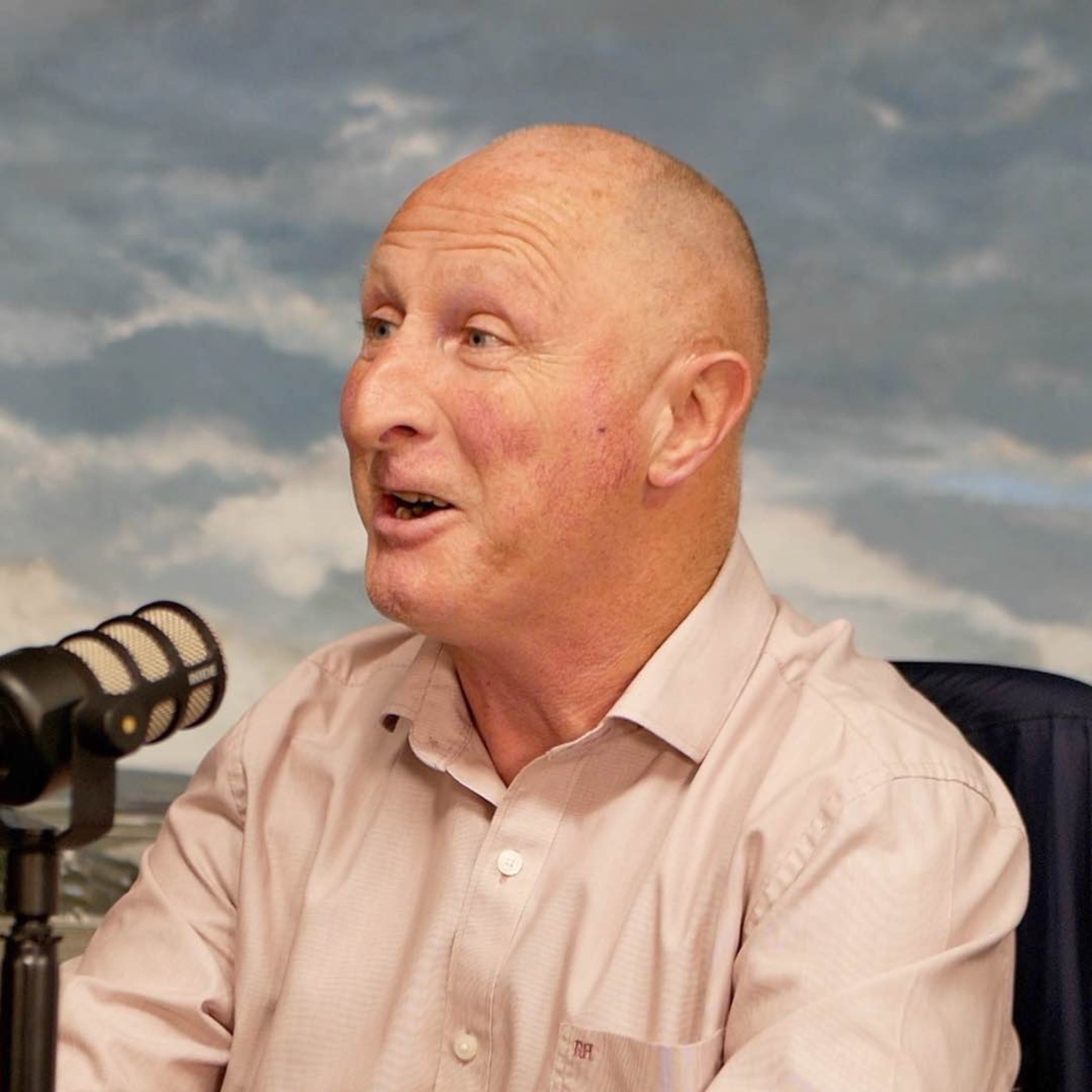
#175 Frank Horgan talks about years of addiction, Prison and where he is now in life
from The Two Norries Podcast
61m 19s
Frank Hagen, a guest on the TunaRx podcast, recounts a difficult upbringing in Middleton within a large, impoverished family marked by his father's alcoholism and domestic violence. This environment led to early behavioral issues, with his first court conviction at age nine and leaving school by 13. To escape his reality, he began drinking at 13 and later used various drugs, including hash, magic mushrooms, and LSD. His substance use escalated into severe paranoia and a psychotic episode, resulting in a hospitalization at St. Anne's psychiatric facility. After ceasing drug use, his alcoholism intensified, negatively affecting his marriage, which ended when his wife left with their child. Recognizing his life was unmanageable, Frank sought medical help in his early twenties and was referred to a treatment center, St. Stephen's ward, marking a pivotal point in his journey toward recovery.
Hello everybody welcome back to the TunaRx podcast I'm your host James I'm not joined as always but my good friend to me now everyone Be is the producers always how you be good No, no plans and our administration supports Katie Karril say how are you Katie great the first time in the studio What's good to have you are even if you're out for a man Frank Hagen you're our guest today. You've a similar story to ourselves and you're a trained counselor and your community work Oh, we go away back for the people that don't know yet. Do you want to introduce yourself tell us about where your from or I'm saying con op fire? Yeah, my name is Frank Hagen. I of course to bother my religion from East Park Middleton I was born down there big family 17 18 of us or something like that. Hagen Hagen. No, my brothers for Hagen I did our economies Frankie, but I like Frank, you know, yeah, Hagen's a pure car Yeah, honey Hagen Hagen, but my one of my younger brothers is the Hagen. Yeah, so I'm just Frankie Frank Frank, you know Yeah, so look I grew up down there and I suppose look at a young age I suppose in the house I grew up and look Not as respect to anybody in the house, but my father would have been an alcoholic, but he wouldn't have heart sort of be honest young So it was a difficult house a difficult way. I'm not siblings. I do got 10 brothers and six six sister five sisters five sisters What was the oldest and the youngest at the moment? I suppose The youngest I'd say is about 40 at the moment, but like I have three or four brothers the sister at the moment Do you know what I mean? And I suppose one of those would be from alcohol poisoning. Oh, yeah, do you know what I mean? So like In Middleton, within the state, I was just I and the country so behind the Holland pitch So I was in the town just outside of the town up behind the supermarket, you know what I mean? And 60 seconds, you're down the main street like you know, did you play any over the sport on the middle then? No, because when I was younger I was I suppose look at a very young age my first court appearance. I was nine. Yeah, so I was a court in Middleton in Middleton. Yeah Courthouse there on the left. Yeah, so look at the age in nine was my first conviction And by the time I was 12 My brother I was you know, I was about 11 But brother I was 11 brother 12 and not 13 so my brother that was 12 He was after being in court three times that time so he got four years and letter letter Kenny or letter Frack I can't remember which one But I was convicted at the age of knowing my first conviction And then I got a 12-month probation and I broke that again I was up at the age 10 and then I was back in court at 11 and my brother then got four years so And I had one day to go before the probation period was up So I would have had Tim Fowler in my life at that time in Brooklyn, in Madison and And I suppose look at the time I was only 12 I was into my aunt X-Tin but I didn't know why you know I was going to school but I couldn't concentrate because I suppose that I suppose it wasn't pleasant house to know there's a lot of violence and a lot of disturbances together I'm going to school to full of stress. Yeah, and I mean, I wonder what I couldn't concentrate like so I think I started drinking. I think it was 13 and a half and I first took my drink, you know my first drink And I was going into first year, first year in second grade school And I was remember walking back at lunchtime And there'd be a car pull-up maybe track been put into the police station Clatter than the back of the head and maybe Angus donate be brought in for it, you know So I was always kind of on the trouble maker like you know This is our you know I walked on the street if somebody looking me crooked I slapped him like in bucks and all the best that kind of stuff Stupid stuff. You know, wait, you were like that Like as you were used to violence. Yeah, family. Yeah I didn't understand that at the times Because we dealt people that go up and yeah, the environments were just violence Night group and the violence and environment as well They think it's okay to do that. I thought it was okay. Yeah, you obviously thought it was okay You don't and um and that's the explanation for us. No, it's not justifiable No, but that is what we have to do later. Yeah, we deal with conflict true violence And that's how we learned you know today my kids don't deal with violence They try to sit down and it's horrible Yeah, I'm waiting If you want to sit down, you don't like That's it really in the Frank. Yeah, and I taught I suppose at that time I taught this was the norm and everybody's thoughts like me too And we didn't talk about it like and I suppose by the age by the age of 13 and 14 like If we heard from door opening in the house like I'd open the window and to the ledge and sleep out in the field Because it'd be more peaceful And it said my father was very sick at the time very ill But he didn't see nothing wrong with that and I suppose he was very unpredictable because like My father could come in no three o'clock and he'd be hammered like and and then some night when he come in in the evening like If you knew you were smoking, you know, he'd come in and he'd offer cigarettes like and it was all Oh Okay, you know and then the next time you come in he'd give us cigarette and don't want to take it then we get mangled like you know So it was it was a tough environment and I said by the age of 13 and half I decided I left school because I suppose I'd be being arrested and being dragged into the playstation stuff like that You know, it was just I couldn't understand why you couldn't fall in school because Most of the world are poverty in your home as well, Frank. I'd say is there things were tough because you know Like my father would have been on illness benefit in a illness benefit and stuff like that I'd another I brought another brother at the time he was 17. I think I was 12 at the time because I was remember I was only 12 when he he got he was involved in the accident up in a long time area that time and he died six months later The drinking in the home then my father when he used to come off like just the behavior and stuff Look we just I didn't know at the time, but looking back today like I suppose I learned the skills to be a plus a voice through all of that How did how did something like that affect you and your siblings like you're all a brother dying Like that yeah, I suppose thinking of my older sister or she would have been She's I just trying to think she would have been married in the house My older sister was working my brother was working and he he'd go ahead and I'm at time because he used to buy a few fags Box fags and he'd spread them out and he'd go out and have a few drinks so there was no addiction issues But but the chaos inside in the family on them the father drinking every night and up and down to the hospital and stuff like that and it was You know repetitive listening to it and um, I suppose when I started drinking a turkey in a half I started going to red baron in New Orleans, you know, it was it was just I was able to get into night clubs at the time you had the bar room dancing stuff So I was able to get when you work with Canvass that time you get to pass us. So like we're there to get in the time But when I started going to red baron New Orleans at 13.5 even 14 it was drinking and I remember one day before it comes any system So don't and I said to her and I said I heard you could drink me under the table like, you know Because somebody told me when I'm down I ordered I think 14 double rooms and six bottles of help and it just thrown down, you know and like When I used to drink like I didn't know used I used to drink to get drunk like you know and I think to get away from it But I wasn't too sure you know and every time I got to red baron in like I'd been red baron for a couple of weeks You know and it was still off gone down Sunday night after long weekend if we'd sleep in the beach and stay around But uh, I don't know would it be a group of friends? Yeah, all the boss bottles, but used to drive the bosses down Just get on and used to what I used to I started walking in a chip chop at 14.5 So I had my own money coming in But I'd never had enough like my mother would have was tapped from me Sunday night from the neighbor or something like that for me to go over for Sunday night. Would this be the year he's frank and Do you have to try and think I was I was 14. Oh, yeah, we were 74 75. I was born in 1960 I just It would definitely be yes. So I said early 70s mid 70s because that time I remember The Monday mornings for me I used to go into the pop called Mill Wheel And when you went to the place used to be joined and the only reason I used to go in there was to play poker to make more money And the other place was Sam not a pop down town There was Sunday night poker school there before he got through the bar So I was able to kind of slip and I'd care from the bottom of the dick and pulled the last tree that I had I mean and kind of trying to make money. So I knew how to do things and it was all about making money together But I was at age 14 and a half like that like um I used to go to the right bar and and still and then I used to come to the city when it was 16 because I used to go to the start People used to tell me it was mad because the boat boys would kick the head off your hardest stuff you know And then I started coming up to the stardust like and Like we walk in the power was that it was done in the grand parade at time you know the stardust was there Same fellow one and red baron wanted it to loose who see or wanted to like and Dan Mori used to be under the door at him big Dan Mori like And with red baron then we used to be down there like I'd be in red baron and we get in feld and no location in the hall like And we had a last stuff going on between the people in your rate And I'd get phone calls and Milton like you're gonna get it tonight. So I'd make sure I get down down It'd wait till they come in and put me into the toilet, you know Man, let's do it But every couple of weeks I would be burnt and the club and you're like red baron and the hall because Because of the harvest happened and it was that violence coming out When I did drink like did you get close secondary school or did you finish up? No, I got in the parking in the half and I thought I would go in I didn't the first year But the exams came then I can I just didn't like I didn't have any confidence and I didn't know what front I just pulled out got a job and stayed over to school. So I finished school at 13 and half and just drinking then Wanted red baron coming out to the city. Yeah Again in the mist of mist of and I suppose when I was hanging around that time there was a pop down in Milton Don't miss now. So I tell them hang around there was a couple of lads down there when I was kind of 16 16 17ish They were all around me a couple years. So I was hanging around them because I knew they were into a bit of blood. I can open
I spent six months knocking at the door with them, and eventually I remember the first night again, they gave in, they gave it to me, you know? And I remember taking it, I remember the way I said, "What do I do with this?" So I made a one-skiner and I had it. I'm a nice monk, it just made me, you know, I had no more problems. That's how I felt, I have to have my first little blow. Like, no problem. So I started hanging on the oath, then there was a band, there, a couple of them, a client area, they had a band and they started hanging out. So then I got a job, both in the keys in the city, it was a tire fitter, so I was on Riverstone first, and I transferred over. And I was tire fitting, but then I used to go to the Oloq Bayer. So you could smoke away there, 'cause the guy who had it, then at the time, you know, was the next guard, and to someone be at the door, close to the door, and you could come in, which would be the hash, and be dealing with the way, and you could not do that, can't stop. So I used to throw a bit of, to make a bit of money, and I was still working. So I was walking there for a while, and I think what happens to me that time, I went to a party, opened the Black Rock Road, one age, and I ran my motor, said, "Look, I won't be home tonight," and then, sure, I did not, like, was three or four or five, six months later, and I was really sure. They came up with my motor, came up with my sister to the bus station to meet me, 'cause I was looking for 500 quid, I was in debt, 200 pound at that time. I was in debt, 'cause they ordered for drugs, like, and I was standing at the bus stop, where from the get-out, and they got out, the bus they were looking around for me, and I was standing there, like, they didn't even know me, because my hair was long, I was never even dughty clothes. And we ran out of money, 'cause we were doing, I remember, come down to Black Rock, we were getting magic motions at the time, right? And we ran out of magic motions. - She didn't have, like, - Yeah, pick a, take, read an report from Lord, just tell 'em, walk, and don't know, and I don't know, what was going on. When the motions were gone, then we used to do paddrick sleeping tablets. - What, it can't? - Paddrick sleeping tablets, they were, you get them in a capsule, or a blue at the time, right? But when you take them, like, you think you sleep, but you don't, you're up three days, you know? And you wake up hungry, but you're not asleep, you know, that kind of way, and then you go for something to eat and you can't eat. So we had no money, I had no money that time to do that. So I got involved in, but I cropped in the, not a cropped in the north side of Peron, the same looks area, and I was getting my drugs and tick, and I hadn't the money to pay them, like, you know, and they were looking for me, like, and I think, there was four, there was four, five brothers living in the same house, so he was staying just parting. And then money, I was gone out and kicked in, and they told me somebody was here, but they were looking for you, like, and, well. So like, they were all freaked out, you know? But, with Paddrick, you know, and being up around that time, and, you know, like, I ended up in St. Anne's for a while. I don't know how long I've been here for coffee. - They got me coffee, yeah, yeah. - Go away from, like, 'cause, I was remembering, we were being done in business tonight after coming back, 'cause whenever I've told my father, you know, long hair and the beard and the dorks and the shit, my father said to me, like, if you want to stay in this house, tidy yourself up. So the following morning, I got my mother dish, caught me beard, and then I went down, got a haircut, and I put on a treat piece of sauce, and my sister comes in and she was sent to me. What do you do with yourself? I sit and walk in the bank and bark, you know? For sure, I was off, I mean, not because he was to wear a robe with the Santa Claus. - And the Santa Claus, I mean, the Gallic Regans. And my sister was telling me one time, she was talking to her neighbor, and I was like, "Oh, no, say the house, like, you know?" - Did you really think you were walking in the bank? - No, I'm gonna say a natal one. - Because prior to that, it was wearing a mongrel robe for a while with the sandals, and she was telling me she was talking to me there, and then I was just, "Touch your brother." I don't know, I'm a darlic. I was, I still wasn't right, but I was on well from taking the asset for about six months, like, you know? And then I used to go down to my GP then, and when I was inside in the waiting room, the parent, I didn't know what it was, but I was paranoid, like, - So he courses. - And I was screaming and roaring, so he took me up in the new tunnel room, 'cause I said, "I'd wait, I don't problem." But I went and met him for a couple of maybe two years, and I came around again after about two years, I was normal, 'cause I remember one day, I was going down and to the pub to meet the lads, you know? And I was tripping like, and I fell into a hole, and I was in the looking sky. I was sure I was there for about two hours in a hole, like looking at the sky, or how I was in the face, with the LSD, like, but how long we in St. Anne's for? - I don't know. - Was it a few days or a few weeks? - I haven't a clue. I tell you all I remember was, when I was inside in the room and they came in with the white cords, I was like, "This, you know, I didn't know what was going on, you know what I mean?" And going to my GP then, checking in with him, and doing that kind of stuff. - That sounds like a really mad, every night. - Every night, every night. - Well, I'm in this room for about, I was seen linking them to Dr. Bobo, between anywhere, between 12 months and two years. - Oh, it is just going back. And I think, I think, my realization afterwards was, I was tripping all the time, and I, I, I found it hard to come back. - So now I'm out of things. - You came back, Frank. - I know. - Because there's a lot of philosophy you're like from taking that. - Yeah, it's like that. - And there's still folk. - The matter. - No, I was lucky. - I was lucky. - Do you know? - And I suppose when I put down the drug, that time, the drink can took over. And I was drinking like, anytime a court, you know? And you know, the weekends were always like, if you get ready to go to Red Baron, like, you know, like Sunday night, like if I was walking Saturdays, or Sunday night, I'd make sure I finished, I'd get the boss anyway. I'd get some way down to Red Baron. And if there was a bank holiday, you can sleep under beach and stay there. You wouldn't have to come home. My parents never worried about me that way, 'cause you'd go cold. But I suppose when the drugs went out of my life, they all went, I started drinking heavier. I got married when I was 20. And by my summer's barn in 1980, I just tried to think with Peter in 1980. I got married in July by summer's barn in December. And my wife at that time, we would have met when we were 15, I was up and down to an ambulance, I'd been killed at the time and stuff. But I got married to 20 by the age of 21. I came home on there, like, and she was gone, like, you know, and I hit the close, somebody says, she's gone, but, and it was because of the violence and stuff and the shit I was bringing into the house, you know, and my behavior. So what I did was, she left with the kid and left. She left, yeah, she left. She left that ship's car and I didn't know what was gone and I was kind of like, I was so touched. And as far as at that time, I used to have a bottle of vodka, bottle of whiskey and a bottle of brandy in the house, but I would have preferred the power of gin homie. I'd swap it if I could and the pub for the brandy and stuff. And I got a job above and the creamery, more gilet, a ton, you know. And I was don't shift work, like, and I drink before I go to a if I was on 62, I'd be up at three o'clock drinking. And when it finished at two o'clock, I'd be in the pub and I'd be drinking, you know. And then I decided one is, I got, I got, I was just, did I go in? I went in to St. Stephen's ward in Glenmoyer, Sassfys Court. I went to my GP and I had enough of it, you know, I knew it was gone, like I know the mine was gone as well. So I went to my GP and I got a letter of a Friday for to go to Sassfys Court. - Well, yeah, you were, Frank, sorry. - Er, who's 23? - You're my number one. - I'm thinking, you're not a series. - I'm two, which is their very order. - Or 23, I'd say 22, 23. - But when I went to Sassfys Court, yeah. And when I was in Sassfys Court, I got a letter from the GP. So what I did, I went down to a pub called the Sattelace and I was a Friday and then I had had a drink and I'd go, one day morning I was still sitting down drinking in the pub like, you know. And I just walked on crying, like, and I just couldn't understand. So I rang a taxi. And I was remembered her name is Miss Blown, and she'd a taxi service in Milton. And I rang her on a, asked her which she clicked me, I mean, the pub. And I said, I need to go to the hospital. So she clicked me and brought me up. And the first night I went to Sassfys Court and then we'd dinner, get me the letter. You know, you're signed in and stuff. And sure I was putting to my room and next thing for a half and all that, I was down to Harbour, begged them to let me down to the village for a drink like I was in bits, you know. I was crying and I mean, he's a man and he's to get out of the place at that age. So when I was in there, I got friendly with these two guys. They were both Pat's, right? And, uh, - They were both there? - Their names were Pat's. - Okay. - And I became kind of close with them, you know. Um, because when you're acting in the place like that, you don't want to mix with anybody, but I got these two guys, I got friendly with them and let them in a bit. So when I got out of, um, when I got out of hospital, I finally talked to the dry old, and I was a dry old period like, you know. I went back to work in the creamery at the time, like, and I remember going in and then the manager called me into the office and he wanted to talk to me like, "I went in and said, "Don't like him." And he said, "Can I ask you a question?" Like, and I said, "Yeah." He said, "What is it about you?" Like, when you start drinking, you can't stop and it's a sub-mector. And we left it at that time, you know. And, um, I was back in work anywhere. And a few months later, I couldn't give you an exact time, but I met one of the pets in the city one day, and he was hammered like, but I used to phone the other fella. So he was kind of gone on in my life, you know. I was gone to meetings, I met a guy, there was a guy in recovery. He was 20 years alone, his Italian was always remembered like, and the priest, the local priest and castle murder had rang this guy to come up and talk to me at the time. So I don't know, met him under bridge, there were pet, pet, pet, charred, poor, but there were berries headed at the time. And I was open to bridge, where he came along like, and we were talking away. I was telling him, "Bob was gone on, like, and he said, "I can't fall asleep." Like, you know, he says to me, and he needs to run, he says to me, "Don't worry, no alcoholic, never leave." Don't let that sleep. I thought he was gone to give me the tablet, to help me sleep,
but he blew me over the water with this. So he brought me to a meeting in Middle-Stand-Netness, and I remember being at a meeting with him. And we were sitting at a meeting, and I was reminded of who was doing the chair as well. And next thing, the man sat at a chair in his story, like, and it was there, like, and I was saying, they tipped him and asked me, "Do you tell him about me?" Like, you know, totally in my own head. - How happened? - It's not like that, it's not. - Yeah. So I was going to meet him for a while, and go on and off, maybe, you know? And I think I relapsed in again. - That was your first introduction? - That was my first, I was 21 when I got into the rooms at the time, yeah. - I think the pint there for people listening, watching the laboratory, and I'm like, sometimes you could be in a meeting like that, and the person sharing, you just so much identification with the story, that when you're all here, you think the one that the boy says, "I have to tell him to say this." - Yeah. - Yeah. - Or just like that was a sore lake, with similar experiences, different people, and backgrounds, but brings it on the same path. - And I think at the meeting that time, I was waiting for everybody, start laughing the point to finger at me, you know? I just thought it was all a big set up, like, and they were after telling me, "Well, me and stuff." But look, I struggled for the meetings, it was in and out, I never relapsed. And more night, I was in Sweden, woke up, I was on an evening shift, I was on a two to ten, and it was on 16th of June, 1984. And I was remembered, really? So I went up to the office, still one of the office, and I made a phone call to pass, and I had a mail or number for him. And I went up to the office, I rang and sister answered the phone, and I said, "Can you speak to Pat please?" She said, "I can't really talk, the kids are here." And I said, "Does Grand Look I'll be back on on it?" And she said, "Oh no, she's a little pet state." So that noise, I made my decision, I didn't go to the pop-up after work. I went back to meetings, and I haven't drank alcohol since that. - Just 1984. - So it's 40 years next year. - You're off to drink longer than I'm alive? - Yeah, 1983, 1984 to 16th June, - Your son has passed. - That's a lot. - I know, yeah. - So I wanted to bring it up a little bit. How did drugs and prison come into your life then? If did, as I left? - I was doing well in recovery for a while, a couple of years, things were going well, so I've stuck in Moghili Development Association. - Stalking Moghili. - Moghili followers, who want to be the new fandom? - I was somebody came to draw when I asked me, but I was starting up with a soccer club, so I became a player, and then I became PR off. - Can I guess your position? - One. - You look like a Roy full back to me. - Sent half, I was mad, sent down. - A winger. - A winger, yeah. - So look, I joined up with the club to make the numbers. We were small village, and then I started getting involved with the Moghili Association, we would raise the money for tennis club and stuff like that. I was sober, and it was doing well, and I wanted the priest knocked at the door, I remember a guy in recovery, he said to me, "There'll be a day come, "they won't be enough hours in the day for you, "neem more on a system, you're off your game." And it was two years later, when the priest came to draw, knocking, he went to me to do some melts, no? And he was looked to scurrying, "It's got a lot of time in life anymore for me." And I was all care, I was doing all care. You know, I was stuck, and next thing, I got a job in Middleton anyway, I was running the snooker club, everybody knows my background, right? I was running the snooker club for two lads, they had it at the time. I was still clean, sober, gone home, in the second sun, and gone home at night time, the 11 o'clock boss, they would have to go off and cast the marital to Moghili, like. And everything was gone grand, you know? My life was good, I'd not care. I used to cycle to Gary Vowe, my wife, we did the kids and their crossbears. And I think it took me about 20 years to identify this, but I got it eventually, but I'd come back to it in a minute. But one night I was inside and worked, and just turning up around this fellow, came up to me and said, "Would you like to smoke?" "It's like smoke, but it's a gange." I didn't know what he was at, but I said, "Well, yeah, no, boss." He said, "I said, yeah, I'm a bit of a pro-convert, I have to stop, he said, yeah, yeah." So I had a smoke. That was my first time trying it again, right? What a journey, you know? From then, because. What's your name? 1981. 1981. 1991, right? Of course, it was called the "Gate of the Year" Yeah. And I was happy, like, was content. You still want to meet, and still know, yeah, I tap in the one again, because I tried to go to the city because of my own personal knowledge. But I had this smoke, anyway, and that just escalated. And by the end of. From kind of 1991, that happened, and then 1991. So I said, "Well, one to Henry's, like?" I said, "Well, go for it, look like true back in the evening." That was the end of it. That was the end of it. Yeah, and I know that one. I started thinking then, I suppose. You know, it was hard to keep smoking, and smoke was increasing at the daily basis. Smoke and work. And I was like, "I remember going to the city, you could have a joint in the folk." Nobody took any notice, like, "But the whole arts department has grown out." And I was like, "I want to, and I was saying, like, how can I make it free?" But for myself, you know? So I remember going to Quarroans, you know, I get it for Torque, and I was selling at 20 blocks away, at 20 for myself or 10. So then that kind of escalated up to a half, and I was like, "I know it's a bear, a tea." And then I got associated with people in the North side. You know, I mean, I want to mention them both. They weren't the narries by now. But I got in with this crowd, and it was getting my hash, and I was passing in anti-people. I was just stripping it at a wheel, and then I'd make people come to me and give 12 pairs of keys, and I was trying to make people palm and make free, but when I got into the ease then, it was just a tor- I tried it like, you know? So within three months, like, it was an Henry, Storston, he said, "Hardinese." And if it was the long weekends, like. And then what happened was, by the end of that year, I'd shift for 11 to 11. So I'd been working at 11 in the morning, by 10 past 11, or he was anywhere in the country, like, "It's. Do what I need to be, do what I like." And, just posing all day, like, "I can have somebody come from my shift, and make a monitor for four calls coming in, have somebody else start to roll, and stuff like that." Invincible, and more than we're feeling like, "Oh, while I was walking then, the guards would be sitting outside the door, because I was under surveillance all the time, and they'd be blocked and stopped and searched, and stuff like that. My house opened, my gala was searched at time, like, and I've already had a bad experience. And I remember going up to pick up my school, my kids from school at the tech. They were on e-mart, 14, 13, 12 at the time. And I remember pulling up right in the echo, and they just swarmed in, when my kids came over to school, and they saw me handcuff like that. There were bits. But look, that struggle went down for a while, that they met me, and I remember playing again, when I was a little bit of a swan, I kind of wrecked my head. My body was on the scan, and I was talking to me, and it was telling me to watch. So I went up and got a box of that, and we wrapped it up, and he has a package, as he walked up, and they said, "No, leave it to the lease." But he told me they asked me up around, Silversprings, and I was playing along with this. But look, I got into him, receiving a detoy, and then I got into the scene, pointy, and, you know, I wanted to come to her head for you. I suppose that went down far. I went into her, I was hoping to tell him when my marriage went that time. It's like a day of treatment, so. When I got back, my marriage, that time. And the recovery, everything was gone well. But when the drugs came back into my life, I was never present. I was all over the toilet at night, I might get home again for a couple of months. So many of my brimmy hormones were on me, and I went to the night and I came up again and do it all again. I went to our house, and my wife was on the other side of the programme. I was walking the programme, and I was doing good. And 15 weeks intense phase in the Minnesota model. And I got over the loan, and then one day, a friend of mine was dropping me to the city at the time. And he says to me, "Will you skin up a joint for me?" And he's in the glob environment. So I skinned it up, and I had a smoke with him. So I went into intergroup. I had to, I was, I was on a long train to get a bogey orange, and I bleached my stomach, and I have it in my pocket, and I was panning around my head. So the first night, I was in aftercare. I was, my head was mental, like I was destroyed. And I'm trainin' to hold it together like that. So under second night, I went to the door, and I put my hand up, you know. I said, "I'm after reglapsing." So they pulled me over to group. And what that meant to me that night was unbelievable. I felt like a failure. So what I did was, I didn't go back to the treatment centre anymore. I felt complete, not a failure. I got involved in the drug scene. I was invited down to Calaryony, one night, with all the heads like, there was a, oh, it's a Carlos. When somebody was getting married, one of the boys was getting married, and they felt it, they felt it, they felt it, they felt it, they felt it, they felt it, they felt it. Like, stag. So we were down in the hotel, and Calaryony was sittin' down, and I never had coke. I had trite coke, but sittin' down, happy enough, I had a few joints and take a few sweets, so whatever was gone, they, you know. But this fellow was sittin' next to me, and he slid over his hand, he said, "Do you wanna try something out?" So he talked about, I got you, no, I'm here. He'd up the room, and I'd said, "I was about three cars, we almost got co-ocated." And I'd up the room, and he'd done a few lines, and snarled it, and it was absolutely beautiful. Last year I can describe it just, so I came down, and he said, "How was that?" And he said, "Absolutely beautiful." So I went together to me, and he said, "No, no, that's yours."
I was like, "What?" It's not mean for me like, so I got to like it. So I found out then like I started getting the numbers off and to start selling us to keep it going. And the first week I got known, sure, it was gone. I had to go and get two. By the end of the month I was getting the bear on the end there. Then it was going up after that. Can you talk to me about that? Gone from the like in terms of society. Gone from the ecstasy, seen to the corks, seen that transition. Was it like everybody was under ease and then ovening the corks. It took over. I was at the gradual. Well, I suppose when I was taking ease, I haven't done for 12 months like. And I would do it every day. And I'd have to have 15 ease gone to him. He's like, yeah, and if Kelly's came in at time, they were rubbish. I'd make sure it was a thousand away from himself. It's stuck, you know? I'd make sure the biscuits would be there for myself, you know? It has supply for the year. But when I went into treatment data and I got clean, there was the substance for gone. But when I picked up the, when I felt like that failing, I remember when I took a bit of coke, that became the. Drawing the coke in, coming down. Yeah, it was ecstasy, a big scene in Cox, really. And. I was going out of the car. It was going out of the car. But I was so detached. I don't think I was so detached because my focus was going to just a numerical thing I've owned. This was the business like. The year '90s, early in the year, the coke can start to really take off. And the car. I remember that time, he started doing that in the 2000s, in the year '99, in the 2000s, then the coke can. The can re-close, the can re-close, then things like that. But still, yeah. It's kind of. Mr. Match, no. If you look at 2022, it's like the coke can, as a pair of you've named, said, and then you go 10% of it. One of the two bottles, then, on the gas. And I think that time then, because I never went back drinking. And I remember being in clubs, and that's that have a drink tonight, in a Christmas week. And if I have a drink, we'll never be friends again. What I used to do was boy sweets, two boys, and I make sure I've 20 on me all the time. And then one time, I went to my GP and I was getting them. But then somebody told me about the Rahip Nalyo, the Warplands. So I went to my doctor and he said, "Hey, look, somebody came here." "I ride Hitler and something, do you know this?" And he said, "Well, he's not." And I said, "I was able to sleep, so he gave me a box." And I had to go back to him. It's a big upgrade from a D5, isn't it? Unbelievable. It take him in the morning, have one, and then do half gram or grams straight away. It would keep the edge off. Then it started to get two boxes, and then it had my name and the box to go around the North Street to buy them. And that was about a four to take the edge. That let's be lashing back to cat and stuff like that, drinking away. But the coke took off, then, because once I left, once I left, once I walked away from service, especially I was at that time, I hadn't, you know, no support, like, nobody, there was no, there was no being my life, like, and it was horrible. Like, how did you not put it in the money, what year was it? And when the coke took over, I was on the streets doing, like my ting, and I was, I had a few little boys falling me around all the time, and it was just like being, being torn out of us all the time, being stopped and searched under, being misuse of drugs, that and stuff. But a large starve is a bit cute, or if I'd a grandma told me, "Modet swallowed, you know, "the battle of water." And I moved, I met my new partner at the time in St. Henry's, and I was clean at the time. And I was clean at the time when it met her. But then I went back using, we had two children as well, and that relationship, I moved to a place called Green Hill in the middle of the court, and I remember driving down the Douglas Road one day, and we took kids from the car, and I drove in, I was driving in there, and next thing, glue lights came after me, and I ran some roll. I just knocked in, and I was like, "I didn't sneak "on the nobody's nose, I live here by." So I was in Douglas living in Green Hill's court, and I was still involved in a bit of business, I called it, "Don't do a bit of drugs, you know?" And then, under me, we came, in 1999, after being pulled in to the road, like, I went over to meet this guy to get me a bit of a hashtag, and I left, and I drove over to the swimming pool in Douglas, and I was driving in, and he got me a stand there, and I hopped to the end of the car. I had 20 blockers on my hand from, like, some life at the moment. Next day, I looked in the mirror, I saw two cars coming in, and I said, "I need to pull in, next thing, "because that glue lights come on open, go on, I'm like. " And I was arrested, and I was brought back to the house. They had a warrant for the house. They had a warrant for the house, so when I was standing at the house, they were all there, and they brought me in, and they were going through, it's like, and I felt confident, 'cause I had nothing at the house, you know? So when I came up standing, I was saying, "The house, you know, brought me up, you put it standing, "we showed, or I think you said I'm resting under section 15, "so I said, "What's section 15, 'cause I didn't know, "what he was doing?" So he said, "Come up here, I show you, "so he brought me around to car, and I was into his feet, "and he lifts up to the side, that's where I'm talking," and he said, "So I think it was about six, six and a half "hands to the house, maybe a couple of grams of speed, "or something like that, that was much, then, you know, "six and a half, arms to the door." So I was arrested, that night, taken to talk, or for a sex, and that night, then it was held, and it's funny, we even though, and it was still in size, you know, I was able to tell him I had medication at home, and he asked him to go on, get it, and they got it, it was the proper house, like the whole night, they were back then. He wouldn't get over there now. (laughing) - The dog and got them, so while I did, one of us taken a tour to go to sleep, I took off four and I kept two of the morning, 'cause I knew it was going to be interrogation, and it was being interrogated at night, and the two guys came in, and one of them said to me, "Your nontosis is the quake, you know?" And then two more came in, and one started running back and forth, and I couldn't figure out, we've sent, and he picks up the hash, and he said, "It had to be hard to do, he was close, and that." I didn't know he'd run, and then, they released me the following day, and it was in bits, and I decided the game was up, and I went back to have a house, maybe a week or two later, I'd drawn to me, so I wasn't as much as I could, but what I could take, so I went back to have a house again, and I contacted him and I'm saying, "Look, I have a troll coming up, I know I'm going to jail, "I'm not going to pull shit, but I know this is happening." I went to go into prison clean, and I want to get my time done and come out clean, that's how I want to do. So the assessment I felt went down for a long time, you know? But I eventually got in there, I got clean. I'd done the intensive phase again, I went out to have to care, and I asked him if I could stay on, because my troll was coming up, and I remember being charged, presented with the book of evidence, and stuff like that, and going across to Quarters, Jan Shedi at the time, you know? I remember when the troll came up, and I went to Camden Key, and it was nervous, I was clean. I stayed on the air after care, and I remember going to a counsellor, and I was hoping to tell him, "I want to talk to him." Because the anxiety was building up, and I knew I wanted to trust, you know? You don't trust nobody in the game, that let that at your end, I couldn't, anyway. I went up to this counsellor, and I said to her, "Look, my troll has been sentenced tomorrow." And she says to me, you know, she says, "Trust in your power, it will feel you know?" And I said, "No, no, no." I said, "You know, hearing me, I've actually been sentenced." She says, "I know, trust in your power, it will feel." But the court, when I went out to be sentenced, they decided that they needed a report from the counsellor and their house. And when the counsellor came in, I was, "Remember the judge turned around," and he said to her like, you know, about this, like, he asked her some questions, and she said, "Is there evidence of Frank Harkin trying to get help before and now?" She said, "Yeah, Frank Harkin came to have a house in 1981. He couldn't stop using. Came back again, he completed a program. He's in aftercare at the moment, so this is all his fault." So the judge put his head down, and he was then something, and I didn't know, like, 'cause I was living over in a flat at the time in Victoria Road. And when I had decided to stop, I had drugs in my wardrobe, and I went down to the body and mind living underneath, and I knocked on his door, and I just blew to my fair, and he said, "Take these for me." And I prayed the night. I prayed the night it was the 16th of June, 'cause it was the May weekend I got busted. I went to a meeting, and the drugs stopped, and I gave them all the drugs, and I started going back, and I got involved in meetings, and I got into a warehouse, thank God, you know. And, and God, it hasn't, I haven't looked back since then, right? But I had to go into prison when I got sentenced at there, so I had no clue what the judge was saying, and then I heard seven years, like, 'cause my body says to me, "Oh, did you go on to get it?" I said, "At least seven." And when I got to seven, then I heard a little seven engine, and I didn't know what he was talking about, 'cause you don't understand, but I tell him, so he gave me two, seven years' consecutive possession with intense supply concurrent. Concurrent, one after one minute together, and my knees just went weak, you know? 'Cause I've seen people inside with three, but I remember one guy had three keys, like, and he got two ears, and you know, that I'm not off, you're good talker, you're good walker. And I like, I remember when I went to Troy Leven, when I went down to the quarters in Camden, key, Tony comes in, right? You know what I'm talking about? Tony comes in, like, and he comes up to me, he says, "How are you pleading?" I looked at him, and he said, "I was still arrogant, right?" I said, "Please."
for what? Why are you talking about?" So next thing he laughs, "I'm going to get the fucking main witness in here." I said, "Do what you want, you know?" So there was two more up for a man-slower to charge, so I knew him on the north side. So I waited outside to see what was happening with the headquarters, and the two of them comes out to me and says, "Your trial day is fixed for when?" For the eight or the tenth of May or some, I said, "That's tomorrow morning." So the trial day was fixed for the filing morning. So I was standing there looking at me, I said, "I have to come back tomorrow to the trial. I was going to go ahead to filing the day like." And I made a decision then to filing morning, come to the trial. I called the whistle-ister, and I said, "We'll talk to Tony and ask him, if we plead guilty, will they give me continued bail? That's all I want." So that was greed. So I went down and we went down, I think to Jory, we've been sworn in, so I went in, there was a plea, so that was dismissed. So I played a guilty at the charges, and I. So you got the seven-year-old for the hash? What was the second one? One for possession, one for supplying. And they did your fucking head, that was not enough, wasn't it? Yeah, that was a big one, like, yeah. Yeah. And what they had, their diagonal was, they were after me for 12 and a half years, and it was a significant deal. Did you usually take the last one kind of into consideration and just run with the. You had no convictions for drugs at this stage. No, but look, I've had previous convictions for a car theft, probably, I have, I think, maybe 18 or 19 convictions for a drunk driver, maybe two locations in the vehicles. What they wanted you for a while, and that was their opportunity. Yeah, they were saying that this was going on for a long time, and that their point was, I was after looting a few surveillance operations, because they were after targeting them in different houses, because they was living moving houses out of the city, and they were after raiding different houses ahead, but they never got nothing. But they used that then saying that they were after looting a lot of surveillance operations, and that this was significant as far as they were concerned, and they said that the conning indeed was drug-led. What you'd wonder all around? Yeah, I think what I got back to, I was at that time, I got through that, through that intensive phase again, and whole-night half to care when to meetings. And I was going to know you meet in the week. When I was in treatment, then they were sent to meet. They wanted me to cut back me, and they said no, because they wanted to go back, where in the coming form at the time. So I started to keep going to meetings, Wednesday and Saturday, it was two meetings a day, and it was going to meet every night. Was it difficult to maintain the meetings in prison? That first night, that they called for the prison whenever I sent them. I was standing over to back at the wall in the old prison, and I called for the N.A. meeting, I couldn't take the step forward, because I was thinking, "Oh, look at me, look at me." Yeah. And everybody knew who it was, like, and then they got next to me, and they told me, "Come on, we're going for the buzz." So I said, "Yeah." So I walked into the meeting, and I was delighted, because once I got in, I kept going, and I fried the night for the N.A. and I used to go to the N.A. meetings. I got into just school, then, doing pottery and stuff like that, selling my pottery at Christmas time, doing bean bags, and keeping myself busy, and I had the N.A. books inside, because I couldn't get them in, because at the Hardcover, so somebody came up with the idea of the Hardcover, so I often got them in. And I was like, "You use your time instead of your time using you?" Kind of like you, to me. Yeah. And I think the time in Sweden, present, then, like, on the streets that time, I wasn't from Italy, but heroin, but what I was in prison, like, it was just everywhere in your face, like, people were just, you know? So I had, what year was that? I was sentenced in 2000. 2000. There was a lot of. Do you have any more scary encore testers? Not in the city, more probably. A lot of Dublin heads down as well, and it was plentiful, but I had decided before going in, I was gone to mix with nobody, because I said, "That guy coming up to me, do you have shake him hand?" You know, people sent him a package under my door. I knew if I didn't change that when I go back in the next one, maybe looking at 10 plus, you know? So I don't, I don't, the 12 months I went down for, I was remembering going off my review, and I had the episode where my brother called, and I said it was the gay, I said, "I thought it was no other church ahead." And I went down to court, I think it was totally, totally one of us up for a review. And I was the last one. And when I went in, I was called in, the drug square went up in the box, like, and said, "You're under, we don't want him released, he's not out of circulation enough." And the judge looked down and he looked at all the stuff that I had done, my urine was broken clean, and they were pulling me around, so, I wasn't worried about that. I just knew that I had to get through this phase at the time. So when the judge turned around and he looked at everything, he says, "You know, I'm very happy with your free to go." I was delighted. So you got to review after 12 months? After 12 months. That was not the end of the screen, and look, while I had done for, because then in prison was myself, and I think I was able to go back, and he was able to see, there was no, I just didn't want to be going, and I said, "That's how I'm going to get released, and tighten that. There's something to take from this, right? You're absolutely adamant that you want to get recovering to your life, like you're one fuller now on. For that 12 months and before that, you know, treatment, you knew that you wanted to get sober, and you wanted to be absent from drugs. And some of it would be smoothing off to do it the other way, and go back in, and you know, it's a great example, sure, like you can get sober and absent from drugs in prison if you put your head down. You know, it's not, you can't get involved in the dramas and the policy. The decision was that it makes with nobody, and it was hooked up on the A3 at a time, and it was like, because I was people in the way with info drugs, you were okay, you get looked after, you know, that could have been it. But I knew that that's now what I wanted. I knew that when I go back out, I'd be exactly the same, you know, and it was tough in prison, you know, do you know, do you any, I can describe it to the Sunday's, right? The weekends were horrible. Saturday, you have to roast beef. Our Sunday of roast beef are roast pork. In the summer in the winter, it's a little salad and Monday's a little stew, you know, and walk it. I used to walk out the air and watch the phone calls, you know, after people slam their hands on doors to get out of the hospital to pick up the package. You know, all this stuff and phone calls and the air going into visits like, after drugs, like, you know what I mean? You know what people can't cope, like, you have some of the most traumatized people in society in certain prisons, right? And they are, I say it is, I'm not just to find anybody's actions here, but you have some of the most traumatized people in certain prisons. Most of them, most of them are addicted to drugs and alcohol, okay? And what's, what are you taking away from, from somebody when you lock them up? Yeah. The one thing that gets some true life with your drugs and alcohol and that suits them. So like, you can imagine why people will go to any lengths to be able to get what they need and to be able to help them. Remember back in the day, I remember the oil jugs, they were hot plastic, but they would be breaking each other's hands with the jugs to get out of the hospital to get drugs all over the island, and have some gas and stuff. Frank, we're going to speed it up a bit now, but time for time, but like, my servant to meet you linked in with the carcassians, Sheila, you went into education, you're death at the rebuild your life. I'm interested in tartan, but what you're doing now? I suppose, look, when I came out, I know we've returned to education, Stephane, for two years, I don't read a degree in social care, I never done and done counseling through Aberhaus, and I'm a credit counselor as well, but I never take credit for it. So look, I got a job and I came out of prison, I went to Simon as a volunteer, and I believe you were there, so I went to Simon. I went to Simon. In many capacities. And I went there and I just said at home, look, I am only old prison, if it's a problem, I understand. So they took me in as a volunteer. I played for relief, I got relief. I went in tow, reached for service in the shelter, working in the projects. So I spent 13,5 years at Simon. And then I started working with people that were using IV drug users and I've gotten transitioned from smoke and injecting and then I became an elite exchange worker and then I've done a lot of training around that. And then nine years ago, this job came up and I was fearful taken because it was a two-year contract and I was saying that who's going to hire me in two years' time. So I took the job anywhere and a part of the job was two days a week in Michealton, the boy he just was a half day in two and a half days on the streets. On the streets too much? But I do as a quote and I linked him with, I visit areas where people were using drugs, I think. Why are there some places like that? Yeah, there'd be hot spots we call them, right? So people would be boy drugs and look to the nature of the game and people boy, they're sick, they need to use where they're at. So a lot of people were discarding drug litter. So my job was to quote and kind of identify these areas, clean them up, but it also gave me a platform to engage with these people. So then after two and a half years of doing this, my boss came to me one day and said to me, we put no sphere and I said we're getting a safe and checked in when he said no, no, we're taking a full time. So the Mitchelstown piece went and I focused on the city. So the platform I have today, particularly Monday was Wednesday and Friday as I do street work. So I work Tuesdays in the YHS, put on the 24th row substance misuse, I'm into prison, doing the lock-out training boy H.S. is what? Do you tell service? Yeah. And then I work in the prison and choose there and I do groups and I have a host from a lock-out training and the new one. Not in a lock-out. Yeah. There's two versions of it. There's an injection and the near is what's more common? Well, I suppose at the time when you look at the first, when I started my job the first week, my lay manager says to me, look, I know you're starting next week or at least when you come in, you're going to work for training Monday and choose there. Didn't you come off back? You're going to roll the source at the time that's only the injection
unavailable and the locks are reduced to the effects of all the strokes like heroin, morphine, oxycontin, tramadot. So there was there was only one available at the time but now there's a bit of legislation changed so the nasal one is there now but they're both doing the same. Yeah. You have some people who may be afraid. I train that out. Yeah. I train that out of frontline staff and all the services but you might have somebody who is a fear needle so that it's a prey one. They're both same medication. Yeah. It's like anodone and paracetamone. You're on the same. That's what's the difference. On the nasal one and the nasal in the injection. You don't have to go into the muscle. The nasal is where you don't know or need to know. There's a work just as you do. Yeah. Yeah. Yeah. I suppose sometimes like when I'm out days paper if somebody went over and front to me and out there, you know, if you get in the nasal one, it'll bring them around straight away. With the injection one you have to get one dose at a time to bring somebody around because if you give the whole act to get out of there come around. They're looking at the world completely different but they're going to be doing sick and you just miss the whole day. But it's probably a happy boy. Yeah. But the platform I have then for going and visiting these places three days. So I deal with the business community in town as well. So if they have people, drug lists or so later and if somebody was using an in care parks or run to ground flats or whatever care park or you go in and I didn't work with them for. I know. I've business all at a frustrated at an angry understanding or how a lot of them I think in the last couple years have coming around. They're all asking me like they're all in favour. They should be some place for people to go and have a place like that because it's more of a healthy show. But what I do is come in and we work for a solution and my solution as I said to one manager one place one day because look he used to speak to me and I said to him give me two weeks work with these people. And after when I got them assessed and everything was done, whenever I'm the metadata on program and they were stable, he rang me up and he said no, I see what you're talking about because if I was asking these people to move on and I'm only going down and having somebody else having the same conversation. So I asked for a bit of time and then he says I see and I've been at a meeting recently where Gareth's of zero tolerance. And so it says and he no decisions around businesses. But I met the manager say meat and said you know the way he worked like. Oh no man is great but that's not solution if I can connect somebody into a service and a stable. That's a solution. If you're only a display and I'm sort of next business. So what would you mind? Can you talk to me just before we finish up? And often times we'd hear people on Neil Prendaville and PJ Cougan Deloca Radio stations they are talking about. Yeah, how do we know? Showing carcass getting worse and worse and worse. But like is it getting worse? Are there is homelessness getting worse? And it's a more visible form of real abuse. What do you think? I suppose I'm going to be honest with you. A lot of people ask me that question and for me personally, I never get involved. The reason why when I get into this debate, things get better and worse. I lose my focus and the client. My focus is Sunday, the individual that comes to me and says, I want help. And if I get into saying things are better, when I go out and I'm in the bush or I'm in place where nobody else will probably go when somebody reaches out and says, I want help or when they check me or they ring me up like, so when I get into this thing, get better or worse. I suppose for me, all I see is all we'd use all the time because it seems to me, I suppose, my area like, is there a big demand for service? Yeah, I've had two colleagues in the line. I had a colleague with me for a year and a half. I did go up before that. But look, there's a job in advertised and closing date to date. So I'm hoping that we'll call it. But look, you know, you're trying to do assessments, you're trying to get people in, you're trying to deal with the business, you're trying to deal with drug later. You know, and I covered Trillied and as well. You know, you, you know, if there's people listening to this here and all and they want to know how to just to understand drug users and streets and stuff like that, what would, what would be a few words you would say to them, maybe for them to just try to understand why people are really are on the streets. I think people are quick to judge like, you know, does Ladis Digg-Math hatch to people, especially around heroin, right? You know, and there's the chunk is there are listening. I know a lot of these people have gotten over the years and under a month to be there. They've just made the decision like people experiment with drugs and unfortunately happen to be heroin. And when you know the process of heroin, people try heroin, we'll see for a Friday night, they'll do it next week Friday night. After a while it grows, Saturday, Saturday, Sunday, I had a guy sent me like, you know, I came to a realization, there was trouble. So I stopped. And he was experiencing the withdrawals and then he has to use to kill that. And I think if they understand, once people get addicted, once they transition to from experimenting to dependency, it's not like at the Battle of Woyen and Leven to Frigian have in the week's time. Like when their experience withdrawals, it's like a flu-like symptoms coming on rapidly. They're sweating profusely, they have cramps and just don't have cold, they're going to appear in the blood of the body and they're going to have the area. And what does heroin do, do you understand? When they take that, it takes that sickness away. There's no more fun, there's no more hype, they have to use to keep the sickness away. And like over my previous nine years, nearly nine years, all of those that engage, you know, just want to get their lives back on track. And like it's a very hard game to get out of. And especially like, I suppose when you're talking about, you know, like I didn't understand nothing about trauma and I think of it, it didn't look here. So I didn't know what I was running for on my life, you know. And I think when you put down the drugs and you get the space and I found a lovely therapist at the time and I've done a lot of work, you know, I remember going to offer, I was looking for, you know, some personal development on and I don't even farty session, don't I? But I had to look at all that stuff of the way what was making me run towards this stuff as well, you know. What was I using? I was trying to escape all the hurt and the stuff in my life. But these people, a lot of them don't want to be there and people say, "The wrong fault, it's not." You know what I mean? They made decisions. Nobody, I'm looking for somebody who has never made a decision. I haven't found one yet. These people just made, like I've made bad decisions, but now I've made good decisions. And like sometimes I meet people that I wouldn't have seen for 10 or 15 years and they get to look like, you know. I think you're a prime example of what we tried to make clear to everybody, everybody that listens and anybody that will listen. You're a prime example of change and once you get to know the person and the context of their background and how they are known. Because as I'm listening to you after the conversation about the early days, back in the addiction days and stuff, and no, the person that's sitting in front of me. Like if you separated the two conversations and I would never have taught that you were ever involved in criminality or drugs, but to transfer from wanting to the other, that's what we do with this podcast is to upload people's minds and get them to just think and maybe look at someone's background where they can from, you know, the environment they grew up in the school and all this stuff and the mental health and addiction. And then to see, look at a change. And that's when people's perception of another being changes is when they get to know from their background and who they are and all. And that's what we're trying to do, change that stigma around people who are on the streets, people inside in prisons. And as we always say, we're not trying to see all these people are good and just to find other actions. It's just, it's not giving a chance. I think the perception that people have and the labeling of scumbags or drug addicts or whatever, everybody makes mistakes. And I would suggest don't judge somebody for what they do or what mistakes they make. Like try to understand what they're coming from. We are making mistakes. And when I have students over me as well, you know, just to make things clear, when I have students over me, we come up from a situation and somebody's sleeping in the bushes and that's what they're home. I was saying, you know, that's sad and they say, yeah, I said, remember, it could be them coming or visiting us next week. Yeah. You know. Thank you. And of people who wanted to see how it's already told you how to give you a bit of feedback. Can they do that? I am lying anywhere. I'm not. I mean, look, I have my work for and that's it. I don't do social media because I train to trick. When I go home from work, I try not to come into town because, you know, I see a lot for me personally, when I see our list, I have to use a question for me. Definitely. You get supervision for what you do on the streets because that must be a really, really different job. It is come across really dangerous situations and situations where somebody's probably dead are dying in front of you because you're going to play this as well. Nobody else would go out there. Exactly. So you have supervision. I have supervision. I have interned, lecterned supervision and like I have colleagues as well. I can sit down and go for coffee because, you know, some people say to me like you can go home and they can leave this outside the office store. I can go home sometimes and it takes a while to wash off because the sadness, they're talking about other human beings, especially talking with you and people who just made the same mistakes that I made. I was blessed because I think taking the time in prison to recover and stay clean again me time and the ability to go back and get more help outside of our house to look at why, why was I going this way when I need to be going to have it? I was running out of them. I didn't know who I was, you know what I mean? And I think having that outside help and having to be able to trust somebody that you can tell this stuff to. As long as we believe God or whoever or the universe or whatever people want to call it, they give people like us these really difficult backgrounds. So we can go on and do roles that we continue to do today in our lives. Yeah, we're doing on the streets with the lights, you know what we're doing here.
with the podcast. I don't know who just like us. There's millions, this fucking law, but we all individually do what we're doing because of our lived experiences, addiction, and prison, whatever else. And that's your purpose if you can just understand that. Well, I think sometimes the one kind of I suppose weakness I still see I have, I never, I never say, well, don't. My focus is service because for me it's like once I have somebody into a stabilization program, you've the next person and you focus and you're always kept going, does that was somebody pulling you, does that was somebody in crisis, and you do your best for them and they know, they know if you're serious, if you're there and if you're there, they'll know, if they don't come, they'll come with you if you can just understand. And sometimes you have to come down to me to the weather rest, be at their level. Me going in as a discovery, and the countering all best, you know, nothing. I just want to connect with you and if you want to come with me, I promise you I'll put 100% behind you and I will knock at the oarsphere. Well, you're doing God's work in carcassity and not about the vocal for the job I know. I hope you'll get a good partner which early additional treatment drive and hoping still have an ascent in part and draw. And this has been pleasure talking to you. Thanks for your time today. Thanks very much for today. Thanks, I appreciate everybody. See everybody next week.
Podcast Summary
Key Points:
Frank Hagen grew up in a large, impoverished family in Middleton with an alcoholic father, leading to a violent and chaotic home environment.
He had early encounters with the justice system, left school at 13, and began drinking and using drugs (hash, magic mushrooms, sleeping tablets, LSD) as a coping mechanism, which led to severe mental health issues and a psychiatric hospitalization.
After giving up drugs, his alcoholism worsened, contributing to the breakdown of his marriage. By his early 20s, he sought help through his GP and was referred to a treatment facility (St. Stephen's ward/Sassfys Court).
Summary:
Frank Hagen, a guest on the TunaRx podcast, recounts a difficult upbringing in Middleton within a large, impoverished family marked by his father's alcoholism and domestic violence. This environment led to early behavioral issues, with his first court conviction at age nine and leaving school by 13. To escape his reality, he began drinking at 13 and later used various drugs, including hash, magic mushrooms, and LSD.
His substance use escalated into severe paranoia and a psychotic episode, resulting in a hospitalization at St. Anne's psychiatric facility. After ceasing drug use, his alcoholism intensified, negatively affecting his marriage, which ended when his wife left with their child.
Recognizing his life was unmanageable, Frank sought medical help in his early twenties and was referred to a treatment center, St. Stephen's ward, marking a pivotal point in his journey toward recovery.
FAQs
Frank grew up in a difficult household with an alcoholic father, experiencing violence and chaos from a young age. He had a large family of 17-18 siblings, which added to the challenging environment.
Frank had his first court appearance at age nine and received his first conviction by age 11. His early involvement in crime led to probation and further legal issues during his childhood.
Frank began drinking at age 13 and a half, and started using drugs like hash and sleeping tablets in his mid-teens. His substance use escalated as he sought escape from his difficult circumstances.
Frank experienced severe mental health issues, including paranoia and hallucinations, leading to hospitalization at St. Anne's. He struggled with the after-effects of drug use for about two years before recovering.
Frank's substance abuse and violent behavior led to the breakdown of his marriage at age 21. His wife left with their child due to the chaos and violence he brought into their home.
After years of heavy drinking following his divorce, Frank reached a breaking point and sought help from his GP. He was referred to St. Stephen's ward in Sassfys Court to address his addiction.
Chat with AI
Loading...
Pro features
Go deeper with this episode
Unlock creator-grade tools that turn any transcript into show notes and subtitle files.
 PodcastTranscript AI