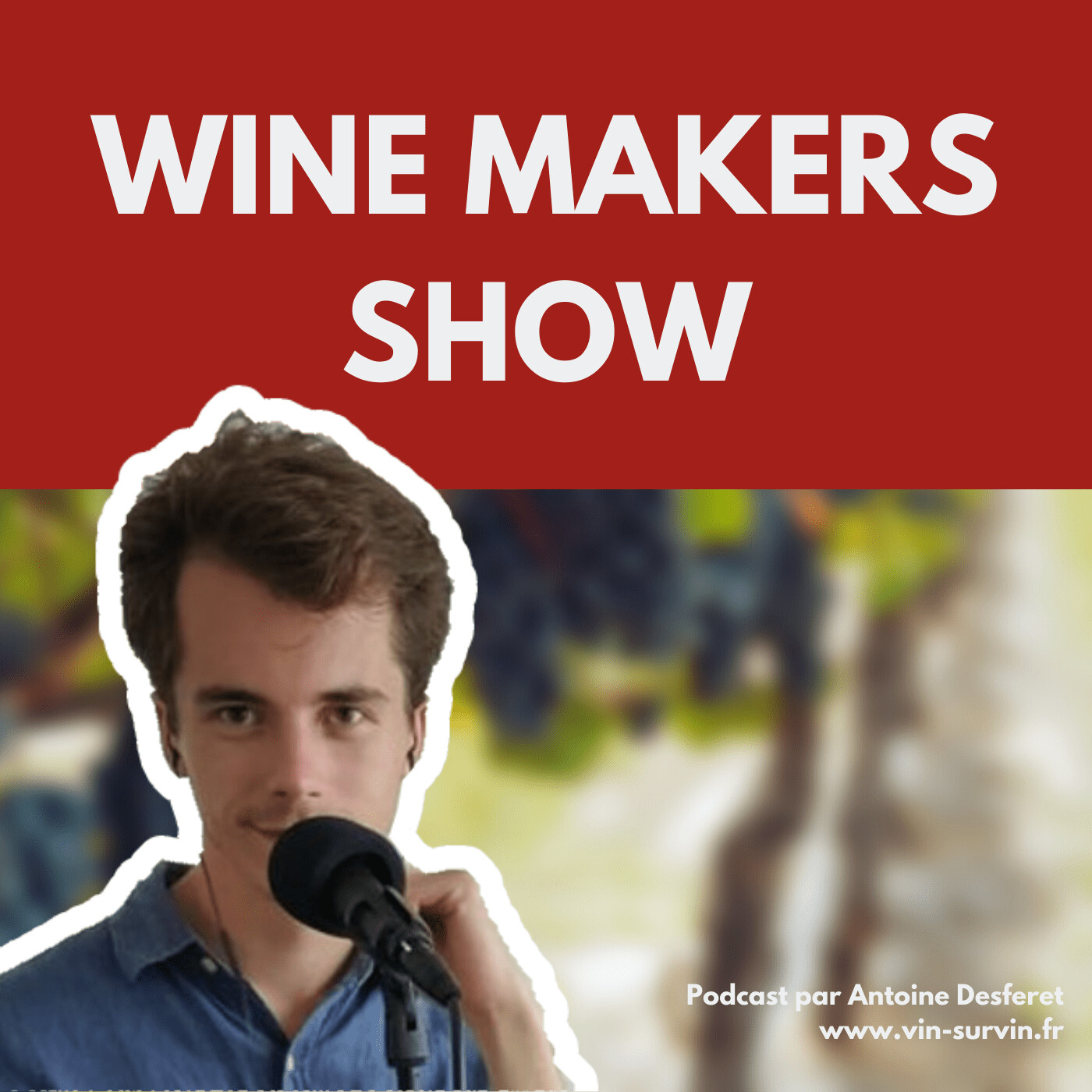
Eddie, a winemaker with a cross-cultural background, shares his journey from Hong Kong to Australia and Europe. His passion for wine ignited unexpectedly in a Brisbane restaurant, where a glass of Alsace Pinot Blanc created a lasting impression. Despite his parents’ desire for a corporate career, Eddie pursued a postgraduate degree in wine science and viticulture, gaining hands-on experience in small wineries like Shadowfax, where he performed all roles to build a comprehensive understanding. After working in various Australian regions, including the Clare Valley and Yarra Valley, his father’s illness and death in 2008 prompted a shift. Determined to expand his horizons, he persistently contacted Vietti, a prestigious Barolo producer, and eventually secured an internship that became a pivotal experience. This led him back to Hong Kong during the wine industry’s explosive growth after tax abolition, where he balanced commercial roles with his winemaking passion. Eddie also champions Chinese wines as chairman of the Wind Signature Chinese Wine Awards and continues to contribute to the wine community through judging, education, and his former television show, *The Flying Wine Maker*, encouraging others to explore wine.
Hi, Eddie. Hi, how are you? Good. Thank you very much. Thank you for welcoming us in this beautiful place. We just arrived this morning. Actually, we are in Macau. It's my first time in Macau. And we are currently at Win Palace. So very close to the very terminal actually of Macau. So we just arrived to Cocoa. And here we are. Just before starting, I need to thank Richard Eming, who introduced you in a previous episode. Eddie, you have a carrier in the wine industry. That's super wide. You made a lot of different things. But can you start by introducing yourself? Yeah, sure. I guess this, thanks for having me. And thanks, Richard, for welcoming me. I love Richard. He's a legend. Look, I'm pretty simple. I'm a wine maker. That is what I do. And that is what I get up and enjoy doing every day. I was born in Hong Kong. My father's Australian, my mother's Chinese. So I have a very cross-cultural upbringing. And certainly being based in Macau and traveling back to Australia a lot, constantly connected with my roots from both sides of the world. I'm a dad. I'm a-- hopefully a loving husband to my wife. Two sons, my passion outside of wine and outside of my family is rugby. Rugby is a big part of who I am. And it's a sport that I really encourage a lot of people to play because I think it's like the School of Life. It teaches you a lot about character building. So I learn a lot of my life lessons through that. But I have several side hustles as well. I'm the chairman of the Wind Signature Chinese Wine Awards. I'm very passionate about Chinese wines and the growth and the opportunities around the Chinese wine industry. Maybe it's the Chinese blood that's making me do this. I have the same passion and no Chinese blood that I owe. So that's one of my really important projects that I'm working on. Outside of that, I try and contribute as much to the wine community as much as I can, whether it's judging the Cantibog Wine Awards, some education, and even back in the day, I used to have a television show called The Flying Wine Maker, which is all about empowering people to drink. Not necessarily a very good wine, but just get on the boat and get into that journey that I embarked on 23 years ago about wine and just start exploring. So I'm very passionate about that. And I'll continue to do that no matter what I do in my career. Great. So you mentioned your Bonin Hong Kong. Started your life in Hong Kong. Hong Kong is an amazing place for gastronomy and definitely for the wine industry. But when you are 10, 15 years old, it's not really the type of places that you go that much. So in our previous interviews, we encountered a lot of people who would just grow in the vineyards or at family, in the wine industry. And that's how they started to get into it. How for you did you start to get into the wine industry? Well, actually it was in Australia. In Hong Kong, I had zero access to wine. My family was pretty conservative in the sense that they didn't really spend much money on wine. My father drank more beer. My mom enjoys wine, but wouldn't be out in the shops using the next chateau Latour, for example, who'd beat the cheapest one on the supermarket shelf. So my contact with wine started when I was in university. In Brisbane, Australia, I was doing a business degree. It was about three weeks before graduating that degree. I was working at a fine dining restaurant. And I loved hospitality. I loved the food and the drinks culture. I loved the after parties after work with the team. And I fully embraced the food side of it a lot. But the wine side was so intimidating to me. So I didn't know much about wine. And I studied in budget. You know, the wine that I drank is in a box. It came at a bag inside. You pressed it. And you drank as much of it as you can. So I was much of a connoisseur. But it was an evening on a Tuesday night at this really great restaurant, which sadly doesn't exist anymore, called Isis Brasery. And it was about three weeks from graduating. Final exams, I took the shift because I needed some extra cash. And it was myself and one other waiter. And then the sous chef, the head chef was day off. So a sous chef and a few junior chefs. And then the owner. But that night was like the worst night ever in a restaurant. Everything that went wrong went wrong. And there was only one table, right? One table of six. And these were politicians that came in. So their experience was so bad. They finished their main course. They're like, no dessert. We're going to leave the wine, just get the bill. We want to go home. So afterwards, the owner was like, well, caching the money, not much the cash, because they left so quickly. And there's only one table. And he said, there's no tips as well. So the only thing I can offer you guys is your usual beer that you can have or drink the rest of the wine that they left on the table. And I thought I'll take both. I'll drink the beer, and then I'm going to drink the wine afterwards. But only nothing about the wine. So I thought I would have must have been some wine that they chose. So they poured the wine. The owners gave me the wine. Next to me was the sous chef. And I didn't know anything about wine. I didn't swirl. I knew nothing. I really was like, this is just alcohol. And until the moment I put the wine in my mouth and tasted it, my brain just went completely silent. And the sensation that was happening in my mouth was so euphoric that I stopped. And I turned to the chef next to me and I said, holy hell, not exactly those words I used to swear word. This is amazing. What is this? How can wine taste like this? Why does it taste so amazing? And the chef was like, whatever, you know, just drank the wine. Didn't really pay much attention. But to me, that memory really stood out. And I thought, OK, maybe it's just one of these things are very exciting. And then next day you forget about it when you wake up. The next day I was still thinking about that wine. And I tasted and why, how could it be like this? And so I quickly jumped on the internet. And back then we still dial up internet, right? So it was like very slow internet looking up wine. And the information on the worldwide world was still quite limited. But I found out that, wow, there's some educational courses around the wine. So I said, OK, you can learn more about wine. I thought maybe it's something you can do as a career after my business degree. And I first spoke to my parents. I said, oh, there's a wine industry. My parents will forget the wine industry, get a job at an internship in a bank, go get a corporate job, get a safe pay, and build a career. And then the more they said that, the more I was like, I want to learn more about wine. And I completely went the opposite way. And so I just kept digging and digging and digging and digging. And then I realized there was a wine making degree, like an onology degree and a viticulture degree as a postgraduate. So I thought, OK, this is a gamble. But let me try and look into it, apply for it. And I finished my business degree, graduated, told my parents is what I'm doing. They didn't push back because I was so adamant that that's what I wanted to do. And I got accepted into wine science and viticulture as a postgraduate student. And I've never looked back since. And so for me, that one glass of wine, and I can tell you that glass of wine now, it was a wine from Alsace. It wasn't an expensive wine. It was a Pino Blanc from a producer called Frederick Blanc. The wine brand is-- sorry, a Paul Blanc. But the wine maker was Frederick Blanc. But Paul Blanc's a very established Alsace wine. And that wine, that moment, changed my life. It was just like this light bulb moment that the light bulb never turned off. You know, more often than not, these light bulb moments that turned off the next day when you wake up and you get it. Move on. But I never switched off. And so I thought the only way to do it was to get involved and become a wine maker, learn every detail from wine all the way to glass, and start working in the industry from every angle I could. And I've never looked back. So then that was, yeah, early 2003. OK, yeah, it's 23 years. And so when you arrive in this degree, in this postmaster of the postgraduate degree, are you the only guy from business-- from business school going into this? No, I wasn't. I was one of many people who had changed careers. There are a lot of people in their 50s who are having a second chance in their life. OK, a lot of crazy. And so some people were scientists working in a blood laboratory. Others were like me who had some experience in hospitality in restaurants. From a different angle, maybe they started on the retail shop, or they were familiar in a restaurant, I said. So they then decided that they wanted to go down the production side. Well, others were just some very rich people who just had extra time. Just why not? So just to say they have another tick. Are you still in contact with the sous chef from this time? No, it's funny. Because that chef didn't last very long. He kind of-- I think after that summer-- because we're in Australia, the school year is from January to December. So after that summer, when I graduated, I kind of--
left the job as well and then took on some other opportunities and traveled a little bit as well. So I lost contact with him but I'm in touch with the owner of that restaurant who for over in a day I feel indebted to because he's the one that poured the wine for us. He knows a lot about wine. He's really really sharp that guy, guy called Simon Hill and he still owns restaurants in Brisbane and I always joke with him so he's the guy that started my passion in career for wine. So you arrive in this poster graduate degree so it's like one to year as something like that. You kind of learn the ropes of wine making. I guess a lot of science, a lot of actually I think people don't realize that a lot of it is actually chemicals reactions and like learning how to really establish wine. What do you do just after that? You go for actually a different approach. Because I've been studying business degree three years straight as a full-time student and the last thing I wanted to do was to keep studying and I thought if I just do that it's just going to like just bury it in books. I would just lose the interest and the passion for it. So I took the opportunity to take a job with a small boutique winery in Victoria just outside Melbourne called Shadowfax Winery on a part-time basis and also seasonal basis. So I said to them look I'll do everything and anything provided I can still continue my studies. So things like the salad or so I was doing the tasting room. They had a weekend restaurant so I was helping in the restaurant. And then during the week they had some vineyard work so whether it was driving the tractor just mowing the lawn in the middle or putting the nets on or during the harvest helping out and the vineyard and then in the winery. When we're bottling the wines they need people to put the bottles on the machine. I just did everything and anything. I did all the work that no one wants to do because it's boring. It takes a long time. It's the same job for eight hours but it was a test for me as well because I thought if I can do that work and still finish the day going wow I'm still so into this I'm so passionate about it. This is this industry is for me. So I took that approach and made sure that I had real life experience in parallel to the book learning experience which for me helped with the networking of the industry getting of course getting stuff from the CV. So when I graduated getting a job was going to be much easier and getting a full 360 experience in a smaller winery was very important because if you go and work in a really big winery you do one very small job and that's all the right everything else is like a corporate style where you're in this box and that's all you focus on and don't touch anything else whereas in this job I was able to see everything you know from the sales side the guest experience side to running a wine club to bottling bottles to talk into the wine maker live and asking questions. I think it's one of the best advice for people starting their career like unless you know that you absolutely want to work in corporate stuff or finance and everything of course you need to follow your career path but otherwise starting your career in a small structure when you can just do everything and be like the you know the small guy the 21 22 year old guy who just is useful to everyone and everyone's like and learning everything is the perfect advice for. I agree and that's certainly the path that I chose and you know the first wine maker that I worked under called Matt Harrup he just said especially in the winery someone asked you to do it just do it and obviously have common sense because wineries can be dangerous but take the experience you know if it's a new piece of machinery and they asked you to work the machinery just try it yeah you know if there's a new great variety that you can have a chance to work with just just try and make that wine with a great variety so take as much of an open mind as possible because that's the only way that you can shape your own philosophy and your own direction you know when it comes down to it later in life. So you you have this first experience you graduate from this degree. Yep. Do you start your entrepreneurship journey just after that like the playing wine maker and stuff or you would take it more time. Yeah so just a few more times so my journey was not that direct to starting my business I always knew that I would start something but I don't know and I always had the impression that you always had to have heaps of money to start a business and I've learnt that you could start a business with zero you just need to start with business with good vision and you know great ideas that everyone else gets on board with then the money will come with it. So after the I guess the the intern period and also the the study period I then took the opportunities to move around to different vineyards and regions in Australia. So after moving from Victoria then moved to South Australia and worked in the Clevve Alley and I chose the Clevve Alley because I was passionate about reasoning. I love aromatic whites I love acidity in lines and so I took a job at a huge winery that had just started but with some very established wine makers who were very well respected so I thought okay part of this is also getting the right names in the CV so the next job people take you seriously. If you go from nothing no name winery to go to the next job it's more difficult. So I took that approach where I needed to learn have a good name in the CV and and use it for the next stepping stone. So from Clevve Alley then I went back to Victoria in 2007 and I was working for another winery called Clyde Park which is a very small independent winery in Victoria and I wanted to learn about Pino and Shardonnay at that time and then 2008 then I moved to the Yarra Valley working for a company called Giant Steps in Innocent bystander which for me was one of the real modern wine brands of Australia was really progressive in terms of the winemaking techniques they had the brand new winery which is like state of the art gravity fed winery. So I thought well what a great opportunity and the culture and the company and the winemaker that I was working with then Steve Flamstead who is a great friend of mine now but also a huge mentor of mine really shaped me as not only as a winemaker but as a person and I really truly owe a lot to him and then in 2008 life happened and my dad got sick and had cancer and passed away that same year and if you hadn't got sick I probably would have just stayed in the Yarra Valley, stayed with Giant Steps and had a sort of longer term job with them but it forced me to come back to Hong Kong as my dad was in hospital actually in the Philippines and then we moved him back to Hong Kong to have better medical care and he didn't want to go back to Australia because he felt was friends and his real new his real home was Hong Kong after moving this since 1972 so he saw out the rest of his life in Hong Kong and after that I was really lost I wasn't sure whether I'd go back to the job in Australia or not and I kind of at that point thought I came halfway to Europe now let's see if I can get a job in Europe and then I was still just with a backpack and so after my dad died all the matters was settled I started emailing around the different wine producers in Europe and there was one wine producer that really stood out for me and still remains probably one of the greatest wine making experiences I've ever had in my life was a producer in Brolo called Vietti okay I came across Vietti when I was doing some part-time work in a wine chop in Melbourne when I was still studying and the wines are so aspirational the labels look cool the wine was nebbiolo it was just a cheap one that I could afford even for a $40 Australian back then was so delicious and it was really like what inspired me is like wow this could taste so good even it's the cheap entry level one I wonder what the next one tastes like in the next level so I was completely in awe of this winery so I kept that in back in my mind and I thought okay I'm gonna email them and see if they reply so the email chain started I believe just after harvest 2008 which is in May first email dear Luca I'm a wine maker based in Australia I love your wines I'm planning to come through Europe and I'd love to do a stash with you as a wine making intern no reply people replay to you means two weeks later dear Luca just following up my reply I really want to come I find your wines very aspirational you've really inspired me to learn more can I come and you know even for free I'm happy to work for free just you know give me a bed somewhere or put me in a shed so I'm going just so I can be around no reply and this went on for maybe three months but I was so persistent I was like I'm not gonna let go of this and I thought I'm gonna call and then obviously you know oh he's not here you call back later and back then the mobile phones were not that sophisticated it's still to the 2008 right so at that point was the phones were not smartphones right even Facebook I didn't even started here or just started Facebook right and eventually I think I must be about three weeks after my dad died I replied just trying to get a reply again finally replied Fine, come. We pay you
600 euros we give you accommodation arrive anytime from August and I was like my face just went white And I was just so happy I was in tears. I thought wow this persistence and maybe I was probably things I was so annoying That is reply was like stop emailing me stop calling me just come because you really really want the job And so he offered me that offered me the work and to this day It was the greatest experience ever The AT to me is in obviously the top you know top 50 wineries of the world Outside of you know the one the big big big names in France and certainly one of the top top wineries in Brawler And so I went there in bike on the journey there and Kind of embraced that opportunity finished the harvest Went back to Hong Kong stopped in Hong Kong and 2008 2009 was when the taxes were being abolished in Hong Kong and the industry for wine was really exploding And my Chinese family's oh come back to Hong Kong you're a wine maker now you should experience you should see what's happening in Hong Kong and get some commercial experience in the in the big sort of commercial side And I thought no no I'm a wine maker. I'll go back to Australia and then I'll keep doing my Australian harvest and hope In fact Vieti had invited me to go back again. So I thought I'll do both and just keep doing this for a few years Because I thought that's the perfect. That's the dream job. You know harvest in Australia house. There's lead travel in between You know, what else could you want? You know and drinking Barolo and and on your days off But anyway stopped at Hong Kong the taxes all got abolished. I Met a few people in Hong Kong just to catch up to get the layer of the land I met with Paulo Pong who's the owner of Altaya I met with Deborah Myberg, Master of Wine I met a number of people who were really then were kind of at the top of the influencing category of people in Hong Kong and I eventually met this guy called Simon Tam Who then had a company called independent mind center, which was a consultancy business for one Regions and wine businesses looking to enter the Asian market and Simon Tam was an Australian Chinese guy Who had been bridging the gap for wine conglomerates for example wines of Portugal one New Zealand on bringing them into Asia and bringing them particularly into Hong Kong and that time He was like I need some consultants to help out on some projects. I thought wow. That's really cool That's you know exposure to new regions new wines A different angle understand the convention side understand the commercial side. So I take on a opportunity So he said I'll give you the job, but at the same time I also need you to teach some classes Because he has a small wine school and I want the classes not to be WST format But I want the classes to be more down to earth more real life experience more from the wine makers mouth as opposed to the textbooks So that wow, this is Amazing teaching education commercial side connecting with international wine brands and wine wine conglomerates And bringing them to Asia and I thought okay, I'm gonna learn a lot from this. So I did that for 12 months Learned a lot really love the experience and at the same time during this period of time This is to get to get the story gets more crazy is it someone from Canada calls me up and says hi I heard there's a wine maker from Hong Kong based in Hong Kong right now and We're interested to put a winery in Hong Kong and urban winery in Hong Kong I thought this is gonna be a prank call This is definitely not gonna happen Urban winery in Hong Kong sure, but where's the grapes coming from and they said come come visit yourself Right now we've just set up an applet chow which is in the back side of Aberdeen An urban winery with very basic right now, but we need to take it up another level And we're also looking for a wine maker who can take it up another level as well with a bit more Open-mindedness And I said okay, so one win Hong Kong. It's the grapes from Hong Kong. She has none of the grapes not from Hong Kong Grapes from anywhere in the world you want I said what This is can't be true grapes from anywhere in the world you want And she goes, oh okay, let me explain to you a bit Okay, so there's a technology now with liquid nitrogen or blast freezing that we can freeze the grapes in their home region And then ship them to Hong Kong in a reef container and my mind was just go I was like what is going on here And she goes yeah, you can do this. I was like okay, let me research a bit So I went and did some research and I was like wow they do this with all fruits, you know strawberries blueberries Peas they even do it for sashimi high-grade tuna when it comes off the boat blast frozen liquid nitrogen boom. It's frozen at the freshest state I thought wow this could actually really work Because if you freeze grapes in a normal condition Where it's slowly freezes like on the vine in Canada or in Germany when they make ice wine The molecules break up very differently and the sugar and the water splits and also the the tannins and all the the skins and the polyphenols also split Whereas this just locks it in one one, you know like like a time capsule And I thought wow if we can do that and retain everything that's in the grape from the vineyard and bring this to Hong Kong and make it Hong Kong It would be epic. I love her. I love Hong Kong for that. You just meet people that are like yeah, why not And she goes the wineries on the third floor of an industrial building and your view is Lamar Island and I thought this is too good to be true So I went there I bought I bought the dream Signed the contract finished with Simon Tam When Mac Australia to pack up my stuff moved to Hong Kong and the first job was to then start sourcing grapes from different countries So we were sourcing from Bordeaux Um, they were sourcing from Tuscany. They were sourcing from Washington state They were sourcing from New Zealand. They were sourcing from Australia And so in one winery I was making wines from five regions Five countries It was mind blowing And nowhere else in the world is it I don't think anywhere else in the world has done that and so people are you're the flying white maker You're the fly my maker and I was like wow That's a good maybe Michelle Roland is not the fly my maker anymore. Maybe I'm the fly my maker So I kind of joke for the idea But we started making the wines and the wines were doing very well. We won awards. We won good medals Obviously We weren't winning super well class medals, but we were we were getting Good credible awards for the wines. You were the best winery of Hong Kong. Yes number one first and back then At the when it opened was only in first, but then it's competitive to came up Hong Kong which as you know was a you know became more competition which made it more complex, but There were also making really good wines But sadly they closed down and then obviously the the one that I was working out which is called the eighth estate Um state open for a few years longer. So that business went from like 2008 to 2012 So I was with them for that duration um and so during that time I'd already conceptualized the fly my maker um I Decided that this was a brand um that I thought was marketable and saleable and and From then it evolved to that business and to answer your question, which is a very long answer to your question is the entrepreneur general journey really started then um and It gave me the confidence it gave me a unique selling point which I think is really important for entrepreneurs to have a very unique selling point that can't be copied from someone else and my story then was impossible to copy um And so I took that on and embraced it and and made something of it and From that it became a wine bar and lancuafong it became obviously the wine brand that I have today the fly wine maker Um it became a television show for Netflix and Discovery Channel and broadcasted to 350 million viewers Before um, you know everyone started having the craze for YouTube Um, which 350 million is nothing now compared to what's what's really out there these days um is on the airlines um and it evolved to education it evolved to big festivals um, we had the we still own the largest rosé festival in Asia rosé revolution Which we only host once a year now in macaul with one of the other resorts and And You know, it's been a huge journey and a huge learning experience But it gave me lots of different ways to connect with the with new wine lovers Especially the the growing base of wine lovers from major Um because it wasn't just a Hong Kong that we did we we worked regionally Um, and I say regionally from Asia Pacific, you know, it's Australia all the way through to Beijing You know, we worked far and wide as much as possible But going through all that and then we we landed covered You know, all these events particularly Well, we're cut right so I went back to what was really important to me was was making wine Um, and so I really focused now all my efforts on making wine And as a supporting our distribution of wines is kind of like my core job You know, it's gone full circle I guess in that in that regard It's um, it's very interesting when you mentioned this uh This path uh to the entrepreneur Johnny because When you look at your career in the wine industry it started like 23 24 years ago something like that but Actually, it seems like you were just Hopping from place
to play, so from job to job, like staying a few years, just discovering, like, kind of sharpening your knife along the way. And then at some point, you had like, you know, like a fire that started to take and then it's accelerated super quickly because when I look at, like what you said, the job in Nong Kong to make wine must have been like what, 2015 something like 2009 and 2009, 2010. So, but it's just been like 10 years, yeah, 15 years. And like in 15 years, you've built like plenty of different things and like it just started a yeah. Yeah. I mean, everything was always centered around wine, right? For me, my vision in mind for life is to make sure that we retain the integrity and we embrace wine on a, you know, on a global capacity, but also on a level that encourages people to appreciate it and to hopefully one day give more people that opportunity that I had, that one wine that changed my life, right? If I can light that fire for someone, even if it's just one person, my job is done on this planet. If I can give that same experience, that same enthusiasm, same passion that when I woke up, I was like, wow, that is it. Then I feel my job is done. Let's dig into a few things that you mentioned. You mentioned Rosé Revolution. For me, it's a very interesting topic because it really targets the local audience as well. The Chinese consumer audience. And I guess for people listening to this podcast is very interesting to like understand a shift in wine consumption in Asia. So how did you start Rosé Revolution? What do you witness as a consumption habits? Can you walk us a bit through this market and this environment? Yeah, Rosé is a very interesting category. It's love, hate, category. For me, it's overlooked. Yeah, it's very overlooked. It has immense potential in Asia because of the lifestyle, the way people die and obviously it's a refreshing style of drink that complements a lot of the cuisine. A lot of people still in the Western world assimilate Rosé to a very specific season, a very specific location. Summer? Yeah, it's to the sea. Exactly. Ice cubes in it. Exactly. Exactly. And cheap. But I think there's a lot more there. And it's a beverage category more than just a wine category because it can be utilized in so many different ways and in so many different occasions. So I feel that the communication obviously is lost behind a lot of the traditional wine categories and wine segments from sparkling wine to red and white and even now falling behind with sweet wines potentially as well. But it's a category that I've always found that it's an easy one to get people who don't drink wine to drink at least some wine, right? Even if they're not a wine drinker or I'm not a connoisseur. I love it when I was in Asia. I don't know how to drink wine. Actually, no one. No one knows. No one knows. Everyone drinks drinks the same, right? It goes in your mouth. You swallow it, get your tongue and you get a taste and that's it. You know how you interpret it? It is up to you. Obviously as professionals, we've built up a vocabulary around it but Rosé doesn't need to go through that same pathway where you need to have a very high intellectual conversation about Rosé. Rosé should be occasional based, should be lifestyle based, should be refreshing, right? It should give you energy from that refreshment. I believe in Asia there's the perception obviously that is sweet and as much as people often say that Asian people prefer sweeter profile wines, that's not true. If it was perceived more as a dry style, I think or more recognises a dry style, then they're probably embracing more. So I think the connotation of it being sweet and girly already puts it in a very small bucket. It's become so famous in America that you see the guys with the biggest beard, tattoos everywhere, sipping Rosé. And it's super cool. Guys in LA, the super rock star guys, they're drinking Rosé over drinking craft beer, for example. And I think in one stage of these last few years, that Rosé consumption was above craft beer. I don't know the exact data point, but there was a point where Rosé was way cooler than craft beer, which to me is mind-blowing. But I think that's coming. I think that's coming in Asia and people are starting to really unpack more in terms of the Rosé category, even in the natural wine segment where obviously the younger, more hip consumers of the wine are embracing skin contact, white wines, right? And it's slightly pinked. You know, that's somewhat of a Rosé style. It could be Pinagri Gio with skin contact. We'll be in agree with skin contact with just slightly pinked. So it's slowly moving that way. I think there's a lot more exploration and a lot more work to be done. And it needs to be supported by the, I guess, the trade as well as a category that has immense opportunity. For me, one of the Rosé discoveries I had recently, I talk about it sometimes in this podcast, but it was a table. And like for me, it's a region that is so overlooked. And that is underpriced. The quality is really nice. It's just like 600 hectares. So it's kind of a smaller wine region. The profiles are amazing because it's a, so it has more skin contact. So it's a bit deeper. You have very different wine profiles, depending on like the techniques, the producers, stuff. You have a real wine making behind. And I guess with Asian cuisine, it would be a nice match. And every time I'm in an Asian restaurant and something, I'm like, you know, like, Tavel would have been a good value added in this. And I don't know why it's not that recognized. I guess they've been a bit, you know, surpassed by all the big brands from Provence and the light Rosé category. But I really think that the deeper color Rosé, like all these wines really have a place 100%. 100%. And they're amazing examples, not only from Tavallo or the style from Spain and Portugal as well. You know, people are a bit too quick to jump to a decision that thinking the darker the Rosé, the sweeter it's going to be. That's also the perception. So the lighter it is, the drier it is. And that's completely wrong. It's just, you know, it's the wine making technique or the residual sugar they put in or whatever it might be. But these darker style Rosé is not only the varietal mix that they use, but also the depth and the complexity and the richness of these wines complement, you know, flavors like cantony style barbecue incredibly. Like when you go to a cantony style restaurant and you've got the chasseau, you've got the roast goose, you've got the the duck and even the chicken with the ginger. That plate is Tavalle heaven. Yeah. People talk about these things with peanut mong and burjale or whatever. But actually I would prefer an icy cold Tavalle to pair with this stuff. Exactly. It's just like match made in heaven. For me, it's either like brisling or it's the perfect match. So Rosé revolution is a part of the thing you're doing more into like Asian consumption of wine. But you've also focused a lot on China production of wine. You've been one of the first people to really dig into what is happening in Chinese wines. You have done a guide, like few, few addition of guide as well. Can you tell us a bit more about how did you find out about Chinese wines and like what you're joining in it? My exploration into Chinese wines started when I was filming the fly and my make a TV series. So when we were commissioned by ABC Australia and Discovery Channel for the show, we said that we wanted to focus on unexplored wine regions of the world. We were not just going to Burgundy and standing outside La Tashpignade and doing a peace sign. We wanted to go to India, we wanted to go to Japan, Indonesia, Taiwan and China of course was a huge one that was growing not only because of the appetite for international wines, but the fact that there's a huge history there in China of wine production that people don't know about. When I started researching and going through some of the information about the Chinese wine industry and its legacy and its connection to the Silk Road, which goes back thousands of years and people were crossing the border from Kazakhstan into China. They're bringing great cuttings. There's so much history there. So I found it fascinating. And so in 2013 and 2014, when we were filming the fly and my make a series, we went to Ningxia, we went to Shandong and it was just at the cusp of this really unique time where Ningxia start again a lot of
investment from the government to support the wine industry because I felt it was a great way to stimulate the economy for that region. Shandong at the same time was really recognized for a lot of these replica chateaux. You would go somewhere and be like, "Oh, well, that's not all. That's Margot. That's amazing." But at the same time behind all that, there's a long legacy of wine making in that region as well, which was fascinating. And most of the wines were all being consumed in China. At that stage, their production quality was probably not at the international standard, but there were some diamonds in the rough that were starting to really catch my eye. And so that was 2013. And Lingxia was where it really happened. And I kind of thought ten years from now, and the speed that these guys are embracing and learning. And Chinese people love to learn. They learn fast. And when they learn, they execute even faster. And I thought, if they're doing this in this short amount of time, what's going to happen the next two years, three years, five years, six years, ten years? And it just kept growing and growing. More producers were popping up out of nowhere. Chinese people started becoming very wealthy. So the wealthy people started investing in vineyards, buying their own land, or sorry, their own chateau, building their own chateau style places. You know, many of it was like a side job for these very wealthy business people or their government connections. And I thought this level of investment is just unheard of. It's just insane. How fast it's growing. So I thought someone's got a document at it. So we did that with the TV show, but someone's got a capture and give these wine makers feedback. And feedback's very important for wine makers because I embrace feedback as a wine maker myself to improve my wines. And I need black and white feedback. I don't need a feedback from a sponsored partner who's going to give me good feedback. And 99 out of 100. Yeah. So we want to do it. Embrace the transparency, the technical elements, but also internationally recognized feedback. So that people in China who are making wines would go, wow, these guys have a lot of experience. I mean, testing wines from all around the world, they're giving us these insights. And these insights are incredibly value for them to improve. And the improvement is not just take the notes and start to work the next day. It's improvement is long term improvement. So you need to build a bit of a catalog of reference points. Yeah, benchmarks. benchmarks exactly. And so I thought, okay, the review guide, the Asian wine review was a good way of doing that. And it was very early in the days. And I kind of funded it with very little investment and just trying to do it as a passion project, which was good. And it's difficult because when we first started, people weren't taking the Asian wines that seriously outside of Asia. But I kept on going without. So we produced three editions. And we were out to go in the fourth edition of the Asian wine review 2020. And obviously pandemic happened. We couldn't go there and review the wines and so forth. So I put that on ice and sadly, it's kind of been packed away onto the side for a bit. But during that time, I conceptualized what now is the win signature Chinese wine awards. And I presented that as an idea to win where we're filming and recording today as a platform for them to expand their portfolio of gastronomic offerings, to get more people to appreciate what's really happening in China and take the message to the international audience and take it around the world. And so in 2022, win invested into the IP, appointed me as a chairman of the Chinese wine awards. And we'd launched the first edition in 2023. And in the first edition, we became the largest Chinese wine platform in the world. So bigger than many of those ones in China. And most certainly bigger of any of the major competitions in the international circuit. So we have the highest number of references in terms of SKUs, but also highest number of references from regions. And also the highest volume of wineries from China. So it's now become this ecosystem as the go-to source of truth, which is off the mainland in an independent location that produces these awards and celebrates the best of Chinese wines and takes that to a global audience. And that's been a huge project and something that I've been very passionate about. And I joked at the start that it's a side hustle, but actually it's not. It's become so ingrained into what I do. And I'm so enthusiastic about the next 10 years that I feel that now is the time to double down again and go even faster and harder. Because the world has Chinese restaurants everywhere. And my goal is to have every single one of these Chinese restaurants in the world, not only selling Qingdao beer, but selling a wine from China. And that to me is when my job is done. When that is done, then I can hand over the man's old piece and someone else can carry it on for the next phase. But there's places all over the world with China towns, whether you're in Paris or London, New York, Sydney, you know, there's China towns and Singapore and huge Chinese communities all over the world that would love a taste of home. And if we can do that and give that to them, then again, I feel really honored and very proud to have contributed, you know, maybe in one big step, but hopefully it lasts a lifetime. Yeah, for us, it's like when we arrived in Hong Kong, you know, so we decided to focus a lot more on the wine maker show and what we're doing in the wine industry. And we're like, okay, we are transitioning this to more professional stuff. And so you said at the beginning, what are the things that can't be copied? And so basically what our unfair advantage is, like, what makes us special. And one of the thing is was like, we have access to Chinese wines. And we can go discover them and we can really have this first and experience of the Chinese wines. And we found it very passionately. So we've only been to Shandong today. We plan to explore other wine regions soon. But it's a lot to explore and not only is it beautiful. It's beautiful. It's raw still. It's at this beautiful transition stage where there's, you know, huge, beautiful wineries. And then there's like some really old-school garaji style things happening in the background. And the vitic culture is like you've never seen anywhere in the world before. You can't copy Chinese vitic culture. It's so complicated. It's just so manually intensive. But the quality that's improving on a day-to-day basis is just mind-blowing. What is the background of running such an award? Like how do you organize? So basically you send an email to or reach out to every estate in China saying we are hosting this award, send samples. And then on the other side, you have like jergies, how do you select people? How do you organize this? Look, there's many pieces to this puzzle. I think if we wind it all back first before doing any of those operational and logistic things, it's first getting the vision right and the message. Because, you know, it's a, it's a journey that, you know, it's got to be long-term focused. It's a journey that needs to be at the highest level of integrity, no compromises. So no one can sponsor and buy an award, for example. No one can manipulate the awards. So building that trust is really important. And to do that, I had to go with my other colleague, Danielle, to all the regions meet all the wine makers. And there's hundreds and hundreds of wineries, hundreds of wine makers, hundreds of government officials, from the state government to the provincial government to the very local village government. We need to talk to every single one of these guys, sit around the table, explain what we're doing, why we're doing it. Take the questions from them. So, oh, you know, what's the difference between you and, you know, the other big competitions around the world? You know, why don't we just join that and, you know, we're more, you know, they've been going for 30, 40 years, you know, it's easier for us to join that. Why, why join you? Right. And also, at the same time, when you're an integrated resort, you, your business is not in the wine industry, why should we trust you to do the right thing by us? We're talking legitimate questions. Yeah, absolutely. And these were, these were things that, you know, we had to deal with one by one, one maker by one maker, government official by government official village chief by village chief. And I said, you know, we have to build your trust and we will show you through the integrity of the awards that what comes out with the results is going to be uncompromising feedback, um, orientated, but at an international standard. And so we set that up as a mandate as a strategy that those were the key pillars. And to have an international and highly, highly regarded with a very, very strong reputation is to have more class judges. Don't compromise.
on the judge selection. The judge selection strategy needs to be judges with a voice, judges who matter in the world of wine, judges who have both technical and also communication skills. So whether they're winemakers or whether they're master of wines or master familiaries or whether they're a buyer for one of the biggest wine buyers, wine companies in the world, you know, they need to have that level of impact in influence so that these people who are really moving and shaking the world of wine are getting first-hand knowledge and they're transcending and cascading the information down through their networks and their industry, contacts, and their businesses as well. So that's really, really important. So judges selection to be able to go to the wineries and all the people around China, so look, this is the sort of judges that are going to lead this and they're going to be the ones helping you get the right results, but at the same time communicating to their audiences. Once you've done that, we also made a very important decision to say to the wineries, we don't charge. We don't charge one single cent for anything. You send your wine, you fill out the form, you can enter. This is a fair playing field. If your wine's good enough, you'll win. No compromise, you know, no compromise of the integrity, no compromise of the judging standards, obviously everything's judge blind. We have a really good chief of stewards, Gok Chris Ashton, who's the owner of the IWC Global Wine Awards and he's in the background helping with the flighting, categorizing, and segmenting the judges between each of the panels. And so there's a lot of technical things happen in the background as well. Whilst at the same time, we need to continue to build trust. One of the other things we also say that, you know, even though they don't pay entry fees, we get the best judges in the world, we also bring in independent auditor from a big company like PWC, which is like an audit firm. They come in and check all the results. They check, you know, this judge said 95 points, they check the system, they check the paper, they go check the whole trail. So nothing changes. And so the integrity for that even goes up even higher. And it's very important for win to have that level of integrity because any sort of bad PR around the compromising of results would just throw the competition out the window. So we obviously has multiple facets to the business and so they really, really, really mandate a very high level of governance when it comes to the standard of the awards. And that's my job to make sure that that governance standard is at the highest level level. It's fascinating. I guess the background of wine awards is really something big. You can find different level, of course, a little bit. And integrity is like when you guide consumers to wines, when you say that this one is better than the other, then you need to have this level of integrity. Otherwise, it just doesn't make sense. 100% for 100% for winery and for people. And we haven't talked actually about your wine. Yeah, the real job. We've done a lot of things, but natural wine. So it turns out you're also doing wine in Australia. Yeah. So I have my own fine wine, Negotiant Olivier brand called EJ McDougall. I have no one there. And that is a wine production that really took 20 years to 23 years, I would say, my entire career to gain the confidence and the level of understanding of what I wanted to do. Before I launched it. So I launched it. I started making the wine for this new series in 2023. And then we released our first collection in 2025. And it's a top end collection of wines, which is got the goal of solving a problem. And the problem that I'm trying to solve with this collection of wines in this stage now is the perception and the optics of Australian wine in the world of fine wine. I spent a lot of time in the trade and the market. I listen a lot. And the perception of Australian fine wines is not great. Yeah. There's a couple of hero wines that are quite big in terms of its corporate status. But there are a lot of wines made in Australia, which are really at a very high standard, which rival some of the best in the world that are being dismissed or not presented very well. So I'm taking this legacy of mine to help solve the problem for the wider Australian community of improving the perception of what Australia can do and showcase what genuine terroir from flagship regions can produce and showcase not only the terroir, but what old wines can produce. And what the world can enjoy in the years to come when it comes to fine wines because they need to be able to sell. So wines that we're producing are not just for now, but they're for the next 20, 30 years in the cellar. So that's really important to me. They need to be aspirational. They need to be truly Australian. I'm very serious about this. They need really need to have an Australian thumb print on it, but serious sophisticated, eloquent, respectful, but truly Australian. And so we produce a wine from Margariba, from Chardonnay. We produce a granache from a vineyard planted in 1939, which is single-site bush vine vineyard. We produce also shiraz from a plot next to that granache site, also planted in 1939. And then this year in 2026 we start producing a reasling from Tasmania. So the granache and shiraz are produced in McLarenvale in a very small sub-region called Bluett Springs. And then in Tasmania we'll be sourcing from an area called Coler River Valley. So for me these regions signifies what Australian fine wine can represent. It has longevity. The regions have an international footprint in terms of its perception in the world. And the production that we produce for these wines is tiny. But Chardonnay but here it's only 2400 bottles. So we're not here to make heaps of money and make lots of bottles. The idea is to get that message right and to do something for the industry that I grew up with that gave me so much in my lifetime that I can contribute back with. And if I can bring everyone up in the industry together collectively, then again I feel like my job's done in this world. Whether we produce more wine and the demand grows for it, that's great. There's obviously some commercial elements that we are making it sustainable as a business. But that's not the core goal. The core goal is to really champion what Australia can do to the international market. I know we can do that in Australia and we're already doing that in Australia. But to convince the rest of the world, the top familiar in New York, the top familiar in London, even the top familiar in Paris, who might want an international wine list, right? To convince them that the Chardonnay or the Grinache that we produce, it can be sitting side-by-side, potentially with the Rias, that's from the Rhone Valley, in the Grinache, or could be next to a muscle in how about a Margaret River Chardonnay? Could be compared side-by-side and go, wow, that is well-standard. So that's really what I will continue to maintain that legacy with. And because we're in Negotiante, Eleveire, we're not farmers by any sense. We're craftsmen in a sense that we make our wines. We blend them well. We understand the end output. We understand where the wines need to be shaped and where they're going. We work very closely with the growers to understand what they need to do on a 365 days a year. And we become custodians of that in the future. And the people that we work with believe in our vision as well, the growers respect and trust us. And that's why it's taking me 23 years to get to that point, it took 23 years for me to build the trust with these people to go, okay, we give you some of that vineyard now, because we know you have the right intentions for it. It's a bit like a burgundy style model. You make the wine, but you need to have this connection with the growers. And it's all about respect, communication. And like I said, the mission is much bigger than us. I have a parallel for that. One of the regions I love in France is Loire Valley. And actually, especially the Chinois area. And I met a guy who has the exact same problems that the one you you're trying to solve that, but for Loire Valley. And actually, Loire Valley and Chinois was mainly known in France for making cheap wines, cheap, accessible wines, between five and 10 euros a bottle maximum. And things that you would drink every day on the table or whatever. It is the type of wines that tend to disappear with the market and the conditions. And actually, this guy is like, so this area is known for that, but we can identify very specific there was that are stunning and on which we can make
very fine wines and doing really nice things. And actually, so it started like 10 years ago, and he has seen different wine makers rally to his vision. And so now there are like a group of wine makers doing, having kind of the same approach or identifying plays, making specific things, high quality wines. And they have like the same thing, the same problems as you mentioned. How do you convince people in New York that actually this wine is good? And so they are just like mimicking kind of what other wine regions are doing. So they are organizing a party, where they invite like the clients from all around the world to just share the end of the harvest. Yeah, yeah. They are doing like open shadows to welcome people and make them discover. And I guess it's really a revolution in a lot of regions. And it's an opportunity for every wine maker is to identify a region with good wine transition. But unexploited terwhars and unexploited final wine opportunities. No, no, for sure. This is why I identify in Australia. And it's just a lot of work on it. And Australia is a big country as well. And not every region, I guess like in anywhere else in the world works in harmony together. Some regions charge on ahead and have more ever greater reputation than others. Whereas what I'm trying to do is really try to bring the country's reputation up together as one unit to take to the world and go, well, if I was to give you three wines or four lines today to show you what Australia can really do, not saying that the wines are the best, but to show you the potential of what Australia's future looks like, these are the wines that we produce. And then we relieve that interpret Australia at a highest pinnacle, but also can challenge what others are doing in that category. How did you end up in Macau? Because you're doing wine in Australia. Complete accident. Complete accident. My wife was offered a job here over 10 years ago. And we always had the view that she would do the job. And we would go back to Hong Kong after she finished a job. And then one thing happened, we had a child. And then we realized that Macau is a nice place to raise young children. Because space is a scarcity thing in Hong Kong. But also going back to Australia, we weren't ready for that yet. So I was happy to continue to go back and forth. And obviously with wine making, it's seasonal. So I could manage that. And I also really believe that to be competitive and to be relevant in the market, you need to be in the market more often. So we decided that we needed to be within the region. But Macau is being so good to us. We've been so lucky in so many different ways that it's given us a home away from home, a home that's really uniquely ours, obviously friends, new opportunities. And it's a cool city. It's really small. It's got lots of tourists that come through. You can have amazing dining experiences. For example, here, there's at win, there's an amazing stay-cars. So it's W, which is awesome. And then you go to where we're going for lunch later, Chef Tams, Seasons, which is like a top two-star Michelin restaurant. There are so many options. And you can go cheap and cheerful as well, your local noodle shop or you can go to other Cantonese local cuisine. And then what's the most unique thing about here is the Portuguese influence. So obviously everyone raves about the Nata egg tarts. That's one side. But there's plenty of other kinds of Portuguese cuisine here as well, from casual down by the Colo Ambeach through to something slightly more fancy. So from eating and drinking destination, it's really cool. And if you want to buy Portuguese wines, you can buy it here cheap. And then you've got a supermarket. It's like, wow, Portuguese wine selection. This is amazing. Yeah, I really don't know my cove. Like I've been here for two hours. So I have the image of this casino city just having like results and results indexed with each other. But so I can't wait to discover. Yeah, you did a historical site. So I mean, they're all UNESCO historical sites. So like you can really see 400 years of Portuguese influence. I mean, the colonization, when we-- well, the influence of Portuguese goes back much further than Hong Kong. It was one of the first regions in Asia that was colonized by European country. So it's a very deep, long rooted history. It's very ingrained. And they've retained it. And they've restored it. And so I applaud Macau for keeping that level of connection to its past. So you're doing wine in Australia. But earlier, you mentioned that your expense in Baroldo was one of the greatest wine experience that tried in your life. Do you ever want to go back to Italy or to Europe to do the same thing you're doing in Australia to this place? Yeah. So I've made wines and worked with a few other wineries as well in Italy and also spent some time in France with a producer called Master de Masque Sac in a languadoc. And I really enjoyed my vintage stint there. Because they produce really unique tear-wild driven and multi-variety style wines. So a very open-minded and completely off the radar from the very traditional-- --souricst, your population wines from other parts of France. So it was really interesting to hear their story as well from a family story through to the wines they produce. And so I was really inspired by that and the family and what they do. So I've done other wine making stints there. And I've obviously returned to Vieti and worked in Baroldo. And I continue to remain very close friends with the family and have visited, of course, as well. And then I just-- now I've no desire really to go make wines in lots of countries and places around the world. I feel like I've kind of come full circle. And I've got a lifetime's more of work that I want to do with the E.J. McDougall wines. You know, I've bought and sold a vineyard in Winery and New Zealand that we bought in 2018 and we sold in 2023, which is called Gladstone Vineyard. And that was a really unique experience to be really deeply ingrained in the New Zealand wine production. I've subsequently made wine in Ningxia in 2017. I helped out with a winery called Silver Heights. They wanted some help to make their rosé and also the Chardonnay, which actually, proudly that Chardonnay was the first white wine Chardonnay that was presented to President Macron by Xi Jinping back then. And that was really cool to see that wine and Silver Heights being presented there and well. I was part of that production process. I remember pressing that particular basket press with the juice coming out. And I go back to my photos and my phone. I was like, oh, that's the grape that I was-- did a selfie with a bunch of grapes. That was in that bottle. So I think I've seen a lot now. And I'm really enjoying Australian wine and what Australia can do. So yeah. Is there anything-- so you have a-- I was already carrying the media industry. So we mentioned it with the flying wine maker. So basically, you were also going places to places, bringing with you, I guess, a crew, cameras and stuff, showing this. Media is critical to the wine industry, because it's one of the interface with the end consumer. So when you want to discover wine, is there you go to a restaurant? You have to have a summer. And he tells you the story of what you're drinking. Or you're trying to educate yourself or read about wine or stuff like that. And then you go by something. How have you seen this media landscape evolve in the wine industry? And how do you see its place today? It's interesting. The media landscape in wine is quite noisy. There's a lot out there now, because there's a lot of KOLs who just love detect photos and lifestyle KOLs, which is, look, it's promoting wine. I think they have a part in what's in the ecosystem. And also, consumption of media is so fast these days that it's changed a lot. And people are so much more knowledgeable these days when it comes to buying wine or chasing a review or getting the right food pairing or getting the technical notes. So there's a lot more access already available. So I think the ones that are really making an impact really deep dive more and look behind some of these things. Because a lot of it now is just really short, bite-sized, quick, quick, quick, quick, quick. And what you're doing with, for example, is podcasting, doing some long form stuff, I think it's incredibly valuable. Because you actually get to a point where you can actually get really to the deeper root of the problem or the opportunity or the topic itself.
So it's become a point where I think the ones with more authority focus on long form. Whereas the other ones I feel the short form ones, they'll disappear very quickly. Whether it's the account or the influencer or the following. People's attention span for them don't stick. They're not as sticky. And you can obviously see long form, you have to have more research, you have to have more authority. More production, more time. So people will see value in that production value is important to showcase and show off in that regard. But the other side is obviously the people that are presenting. There are many master wines, they're who are great communicators, they're many who are not good communicators. There are people who are not master of wines, who are even better communicators than the master of wines. So it is case by case these days. But wine is very simple in a sense that there's a history to it, which is not going to change. And the someone finds something that's so unique. Wine is made with grapes, well the ones that we're talking about, made with grapes, it's still made with yeast. The process is the same, it hasn't evolved in terms of that call for a meditation change. There are obviously some philosophies and some methods that reshape the wines as it moves through its elevage periods. But I think the only things that I start to become more unique is the place of consumption. The how and where you consume the wines. It could be in the airplane, it could be here at when palace, it could be in a picnic, it could be camping with your friends. It's those moments that are quite important. And I think people need to be educated on the fact that wine can be consumed in more moments. And in more scenarios and in more locations. It's not restricted to the stem glass, the table, the dining setting, the sommelier pouring. You can enjoy wine in many categories and many styles in many settings. So I think that that's part of the education process and that will come. And part of the job of people making wine as well to make it easier to design it to be accessible to these moments. Like shape of consumption or what's inside the bottle or the other. You can still drink fine wine not in a fine dining restaurant. You can drink it everywhere. You can drink it on your sofa, enjoying it with some peanuts sitting across the table from your best friend or a relative and engaging in a conversation about wine. I think you even enjoy wine more in the simplest settings. Totally, totally. Look, of course, wine will improve with types of glassware, wine will improve with the canteen, when we improve with some work that's applied to the service and whatever. But you know, the moment are very important to capture, right? I have one last question before the conclusion is you talked about rugby in your introduction. It's a very important part of your life. Like if you could give us the like few lessons you had from rugby that you then applied to your career, your life in general, what would it be? That's because quite a few. I think when you get tackled and it hurts, you get up and go again. You know, rugby is game of made of 80 minutes and you know, get up and go again and shake it off and get into the next situation or a next contact point. And you know, that builds resilience. You know, it builds a almost a mindset of when people say no to you, you get more motivated to get back up and go again. Even if you get no 10 times, you know, you get up and go again until you get to the finish line or until you get to the end of the match. That's really important. Everyone has a job in life. There's another lesson I learned from rugby. Everyone has a job on the pitch. Rugby is a very technical game. Very specialist positions, very specialist jobs. And I think if you can master one thing, that's already incredible. If you try and master everything, you would just be okay at lots of things. For me, as I've gotten older and become more wise, I guess, I've realized that one of the things that I was good at in rugby was throwing the lineouts in, throwing the ball in the lineout. And I was so accurate and I got picked in the teams because I knew that I could throw the ball accurately 99% of the time. And it would land the right spot to the right player and we would win the ball every time. That took persistence, repetition, repetition, repetition. And I applied that with wine, you know, wine tasting and calibrating my palate for judging or for wine making. It's about repetition, repetition. And the discipline, the repetition is so important. And so that gave me that as well. And obviously as a team sport, you have to work with people, right? Respect each other's job. You trust. You're not there to complain. You're there to empower. And I'm going to take that as a thing that I use for my family, for my wife. You know, my colleagues, business, business partner shareholders. You know, I'm merely there to do a job to get everyone to a better place. Yeah, rugby is really a nice spot. So I come from the North of France. So it's not the place where you have the most rugby teams. And we basically have no teams like the league in France is top 14. And we have zero teams from the North of France. Like it's just mini sauce and sauce West. Yeah, there's a lot of them to lose and border to the home. Yeah, but actually it's the type of sports I would love my children to play. Like I would really love them to play rugby. It's good. And the girls and boys, right? Yeah, I love that too. Boys and they love the sport as much as I loved it. They make great friends from it. Exactly. Yeah. I'm not really interested in it because I talked to my little brother about it. Like we mentioned this topic like that. And he said the same to me. It was like, yeah, I would love to actually learn to play rugby one day. So I guess I guess it's just one spot. So sorry to break it to your mind. One last thing we haven't talked about before jumping to the conclusion is actually the wine world. We are having right now. Okay. So you selected this white wine. We've actually just been sipping it a little bit through the interview. But can you tell us a bit more about what it is? Yeah, it's a one from Sicily. So Italy, Planetta. So I think that the bottles behind us. Can I reach out? Grab it. So you can sing what it is. Have you had this before? No, never. Okay, so it's a Sicilian shot today. 2023. These guys are real legends when it comes to Sicilian wine. And I thought, you know, we'd give something different a go where a bit of texture. Obviously it's a pre-lunch time and we just need, you know, this is like our morning tea. So it's obviously got some texture to it. But obviously with Sicilian wines is a of that mineral compiling, which is quite important as well. It's been amazing. I've been sipping it. The tea is actually a good analogy because you can feel a bit of infusion around it, you know, like the texture in how the flavors express. So it's actually a good analogy. I've always loved wines from Sicily and I just find them refreshing. And I think that that's also one of the things that is important for my wine making philosophies sparkling, sweet, whatever they need to be refreshing. You need that feeling where you've at a sip, you feel like you want to come back for another one because it's just so refreshing. And you know, even this has got a little bit of texture to it. And I believe it's, you know, got that sort of slight sort of natural wine, sort of stylistic direction to as well. It's still really refreshing. It's not as easy to do, so that brings it. I did thank you very much for all of this. We've talked about a lot of topics. I'm so happy with this interview. I learned a lot. And it's a real inspiring journey to us in the wine industry. I see three last questions. The first one is do you have a book recommendation about wine? About wine. Or in general in life. I do have a wine book recommendation. There's actually a catalog of books by a master of wine called Andrew Coyard, who I think is one of the most legendary authorities on Australian wine. He's produced a set of books called The Australian Arc, which is a three volume set. Based on the history of Australian wine, the people of Australian wine, it is the most comprehensive set of Australian wine literature in the world today. It's incredible. It's a lifetime of work for this man. So much respect for Andrew. And it's, it's incredible to have this all documented in one place.
It goes all the way up until I believe the point of Queen Elizabeth's passing, so it's quite relevant, it's quite recent, only two or three years ago, when it was released, not when he finished publishing and releasing it. So that, to me, is a great reference point if you're really trying to deep dive into Australian wine and where it came from, how it started and who was behind many things that got it to where it is today and the ups and downs and the twists and turns around Australian wine industry. The other one I have is probably more of a business book, which myself and my group of entrepreneurial friends are reading right now, it's called TenX, is better than 2X. It's a very cool book that tells you a lot of lessons about how you prioritize your life, your business priorities, your mindset, the way that you think to achieve a TenX outcome in everything that you do. That, to me, is something that I've really embraced, I guess, for 2026 as well as that, I want to try and TenX life, whether it's my personal life with family or business life or the abords or the wine making side of things, until about creating this TenX goal. We'll definitely read it. Then you have a recent wine you've tasted in your love. I drink a lot of wine, as you can probably imagine. I still love brawler and brawler, to me, is the one that always gets me back to this fuzzy place. So, I've been collecting wine by a lady called Chiara Boschies and I drank recently her in 2013, Kenobi, which is a Cruborolo. And just, yeah, amazing. We'll try to find the botton. Yeah, absolutely amazing. So, 2013, Chiara Boschies, Kenobi. And finally, who is the next person we should interview? Gosh, there are so many. There are so many people. Does it have to be restricted to someone that's in the region? No, no, no, no, you can do worldwide because at the beginning, we were only doing it in force, but now we're turning. Okay. Okay. If I had to interview someone and I think, I think I've kind of already alluded to who I think is really a great communicator, is Andrew Coyard, Master of Wine. He's a legend. He really is a legend. And I think his story needs to be told. And I think he's got some great stories for you to listen as well, because he's seen a lot in the wine industry for a long time and is incredibly well respected globally, but it is one of the legends in the Australian wine industry. So I'd probably say Andrew Coyard. It would be amazing. Actually, I don't know enough about Australian wine. And I think I suffer from something that I've never been in Australia. And so, I've seen the maps, I've read the stuff, but when you don't experience the place, I feel it's super hard to really like, you know, appropriate it and to actually feel it. And on the other hand, like Burgundy or Bordeaux, I won't say I know it like my pocket, but you know, I know the places, I know how it shapes, where things are. And so I really understand wine more. And yeah, and I think traveling to the places make like make you grow in your wine expanse. So 100%. It's a good way to get more into Australian wine. And I think we'll try to make it in Australia. It's a beautiful country. So Andrew is actually coming to Macau for a while. We can do it in Macau. It's less romantic than Australia. Yeah, but he's coming here to judge at the awards. So he'll be here between the six and the 11th of March. Can be a good moment. I'm sure the PR team here would be able to set it up properly for you again if you wanted to interview him. It'd be a great person to talk to. 100% so we'll go to Australia after we'll come back to Macau. Yeah, yeah. After you spoke into him, you want to go to Australia. And in fact, he's the person that will connect you to all the places you want to go. Yeah, that's a good thing. Thank you very much. I do for everything. It was an amazing interview. Thank you for welcoming us here at Win Paris. Not in Macau. It's obviously a beautiful setting. It's a beautiful setting. And I guess for the first time in Macau, it's the perfect place to be. Yes. It is a beautiful place. And a great introduction to what's the come. Exactly. Thanks again. For everyone watching. Thank you very much for being here watching or listening, actually. If you're still here, it means that you absolutely enjoyed this interview. So don't forget to share it to artists, two people and to subscribe. Go see what Edgy is doing, the awards, the wine. You will find all the links in the description. I see you soon. Edgy, thanks again. And I have an amazing journey here. Thank you. Thanks for inviting me. It's great. And I've loved watching the other episodes and listening to the other ones in Macau when I'm driving around. So it's been great. It's a good moment to listen to. It's a great moment to listen to. It's a great moment to listen. Thanks a lot. It's amazing. We can talk for five hours.
Podcast Summary
Key Points:
Eddie, a winemaker born in Hong Kong to an Australian father and Chinese mother, is now based in Macau and passionate about wine, rugby, and Chinese wine development.
His wine journey began in Australia after a transformative experience tasting a Pinot Blanc from Alsace at a restaurant, leading him to pursue a postgraduate degree in wine science and viticulture.
He gained diverse experience by working in small boutique wineries, doing all tasks from vineyard work to sales, which shaped his practical knowledge and philosophy.
After his father’s death in 2008, he persisted in contacting Vietti winery in Barolo, Italy, eventually securing an internship that became a career-defining experience.
He returned to Hong Kong as the wine industry boomed post-tax abolition, balancing commercial experience with continued winemaking.
Summary:
Eddie, a winemaker with a cross-cultural background, shares his journey from Hong Kong to Australia and Europe. His passion for wine ignited unexpectedly in a Brisbane restaurant, where a glass of Alsace Pinot Blanc created a lasting impression. Despite his parents’ desire for a corporate career, Eddie pursued a postgraduate degree in wine science and viticulture, gaining hands-on experience in small wineries like Shadowfax, where he performed all roles to build a comprehensive understanding.
After working in various Australian regions, including the Clare Valley and Yarra Valley, his father’s illness and death in 2008 prompted a shift. Determined to expand his horizons, he persistently contacted Vietti, a prestigious Barolo producer, and eventually secured an internship that became a pivotal experience. This led him back to Hong Kong during the wine industry’s explosive growth after tax abolition, where he balanced commercial roles with his winemaking passion.
Eddie also champions Chinese wines as chairman of the Wind Signature Chinese Wine Awards and continues to contribute to the wine community through judging, education, and his former television show, *The Flying Wine Maker*, encouraging others to explore wine.
FAQs
Eddie is a winemaker born in Hong Kong with an Australian father and Chinese mother. He has a cross-cultural upbringing and is passionate about wine, rugby, and Chinese wines.
Eddie's interest began when he tasted a glass of Pinot Blanc from Alsace while working at a restaurant in Australia. This experience inspired him to pursue a postgraduate degree in wine science and viticulture.
He took a job at a small boutique winery called Shadowfax Winery to gain hands-on experience alongside his studies. He did various tasks like working in the tasting room, restaurant, vineyard, and winery.
After persistent emails, Eddie secured an internship at Vietti in Barolo, Italy, in 2008. He worked there for harvest and considers it one of the greatest winemaking experiences of his life.
Eddie recommends starting in a small winery to gain a 360-degree experience, doing any task asked, and keeping an open mind to shape your own philosophy and direction.
He is chairman of the Wind Signature Chinese Wine Awards, judges at wine awards, and previously hosted a TV show called 'The Flying Wine Maker' to encourage people to explore wine.
Chat with AI
Loading...
Pro features
Go deeper with this episode
Unlock creator-grade tools that turn any transcript into show notes and subtitle files.
 PodcastTranscript AI