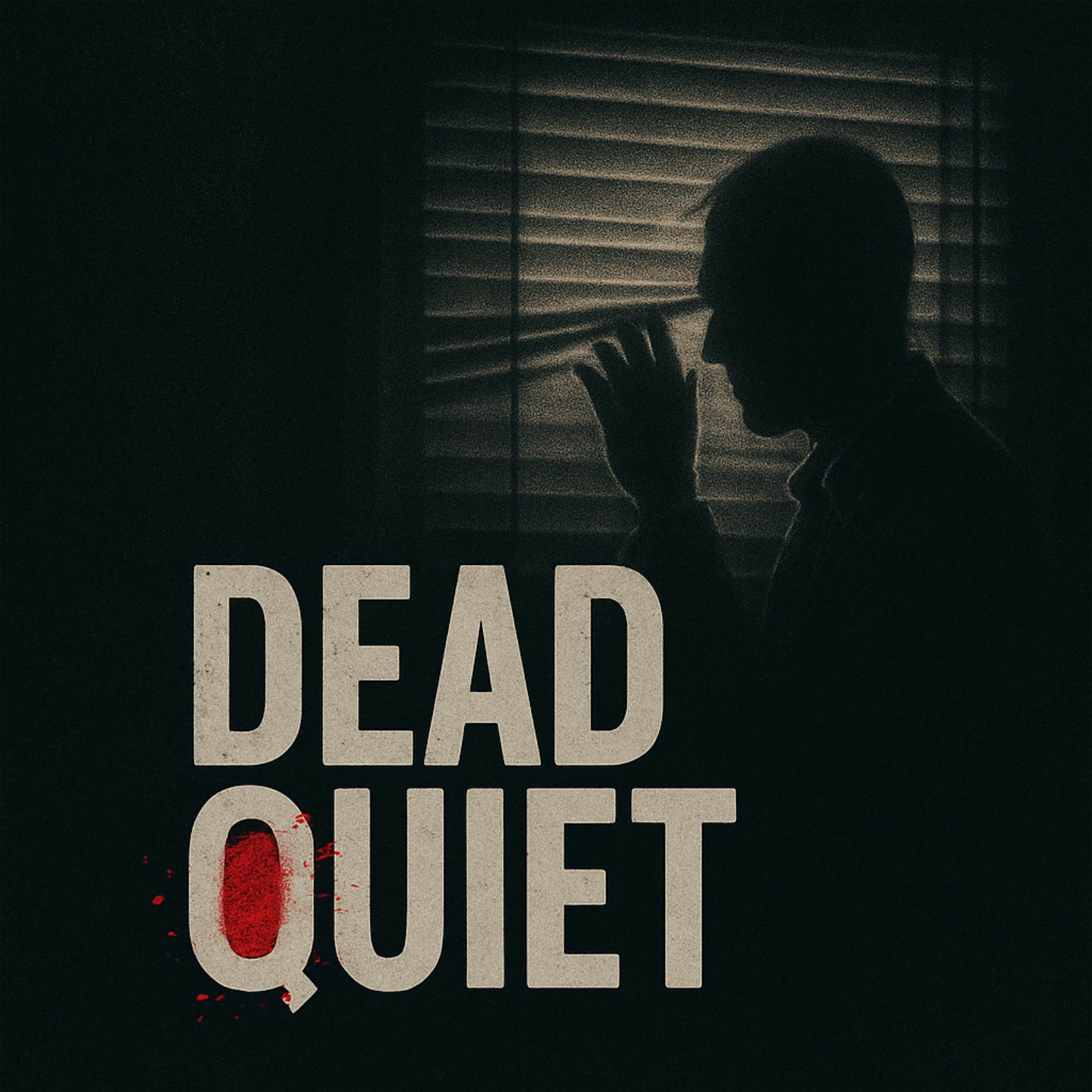
This podcast episode, sponsored by Avocado Mattress, delves into the dark history of mental health care in Victoria, Australia, focusing on J Ward and the Ararat (Aradale) Lunatic Asylum. It sets the context with the 1850s gold rush, which led to rapid population growth, disease, social strife, and increased mental illness, prompting the government to build new asylums. J Ward, a repurposed prison, housed male patients deemed criminally insane for over a century under severe conditions, including isolation, minimal comforts, and physical restraint. The episode recounts specific patient stories, such as that of Bill Wallace, who spent 64 years institutionalized. The larger Aradale Asylum, opened in 1867, operated for about 130 years. Its design featured deceptive "Ha Ha" walls to prevent escape. Admissions were often based on vague or discriminatory diagnoses like "dementia" for young women or labels like "imbecile" for people with disabilities, reflecting the era's poor understanding of mental health. The summary highlights how these institutions blurred the lines between care and punishment, housing individuals due to crime, perceived undesirability, or societal rejection under harsh and overcrowded conditions.
This podcast is brought to you by Avocado Mattress, and if healthy, comfortable sleep matters to you, this is one organic brand worth knowing. That's because what you sleep on actually matters. Most mattresses rely on synthetic phones and chemical materials that trap heat, break down over time, or off gas. Avocado does that differently. Their mattresses are handcrafted with natural materials, organic latex, organic wool, and organic cotton, designed to be naturally cooling, incredibly supportive, and long-lasting. They're certified organic by gods and meet multiple non-toxic and safety certifications, made for people who care about their health in the environment without sacrificing comfort. I love that avocado proves you don't have to choose between comfortable, supportive sleep and your values. And now you can get up to 15% off all avocado mattresses. Just go to AvocadoGreenMatress.com. Get up to 15% off at avocadoGreenMatress.com. AvocadoGreenMatress.com. On the outskirts of our era, two imposing sandstone buildings still stand as relics of Australia's mental health past. Aradal Lunatico-Sylum, formerly known locally as Madman's Hill, was once the largest psychiatric hospital in Victoria. Just turn the road. J. Ward can find the state's most violent and criminally insane. Behind the thick stone walls, treatments blurred with punishment and the line between care and cruelty disappeared. This is dead quiet, the true crime podcast that steps into the silence left behind. My name is Emily and today we begin in the Australian town of Aradal in Victoria. This podcast may not be suitable for all listeners and discusses some pretty jarring topics. Before we begin, listener discretion is advised. This episode contains references to historical terminology and practices relating to mental health and institutional care. Some of the language used to describe individuals or groups with mental health conditions may find this offensive or distressing. For accuracy and context, I'll be using the terms that were common at the time these events occurred. Aboriginal and Torres Strait Islander people are advised that this episode may contain the names of deceased persons. Dead quiet acknowledges all Aboriginal and Torres Strait Islander people and recognizes their continued connection to land, sea, culture, and pays respects to elders past, present, and emerging. Trigger warnings for this episode include racist ideals, mentions of torture, self-harm, self-mutilation, chemical and physical restraint. If you need support at any time, please contact your local support line or centre. Dead quiet pays respect to all victims and knows affected by crime. Sources for this episode can be found in the show notes. In February 1851, people from all over the world made their way to the towns in Western Victoria in the search for gold. Between 1851 and 1860, an estimated 300,000 people came to the Australian colonies of Victoria and New South Wales from England and Wales with another 280,000 from Scotland and Ireland. Of this group, around 60% traveled to Victoria. The population in Victoria grew dramatically, tripling in size in only three years from 77,000 in 1851 to 237,000 in 1854. With so many people coming to Victoria to mind gold, illness spread quickly throughout heavily populated towns. Many suffered with typhus and dysentery with the death toll increasing to a significant amount. Gold miners lost family, friends and colleagues at an alarming rate and in addition to physical illnesses, psychological illnesses also became quite prevalent. Working in the gold mines were challenging where the repetitive diet of damper and mutton and increased alcoholic intake. Rumors would often spread quickly among the gold miners of co-workers being buried alive, typhus rangers roaming through the land and killing miners for their gold. Many miners suffered from heat stroke and delirium as they were not used to the warmer Australian summer climates. Prevalent amongst all groups in Victoria to mind gold was an increase in xenophobia and racism. Throughout Melbourne's high society, rumors often spread from the gold fields as being full of convicts, murderers and rights. The era of the Victorian gold rush saw the state expand in a way no one deemed possible, having long-lasting positive and negative effects on the state. While worsening crime rates began to increase and discrimination towards foreigners landed more and more people in prison. During this time, many people who were in prison for their crimes also showed signs of suffering with mental illness. Some were deemed lunatics and overcrowding in Victorian prisons called for a fast solution to relieve the exhausted prison system. The Victorian government set out to remove those deemed criminally insane, many of whom were migrants and provide an asylum where the quote "undesirables" could be held. Throughout the early 1860s, the Victorian government commissioned several new assilums to accommodate this in Victoria. At the time, the only asylum in Victoria was the Yarra Bend asylum. Yarra Bend was the first permanent institution established in Victoria that was devoted to the treatment of the mentally ill. It opened in 1848 as a ward of the asylum at Tar Ben Creek in New South Wales. It was not officially called Yarra Bend asylum until July 1851, when the Port Phillip district separated from the colony of New South Wales. Prior to the establishment of Yarra Bend, lunatic inmates had been kept in the district's prisons. With the population of Yarra Bend beginning to decline, some buildings were becoming obsolete. And in late 1886, the jail in Yarra Bend was decommissioned. It was then decided that Yarra Bend would be the location of a new lunatic asylum and plans were quickly made to build three new assilums, starting in 1864. In the areas of Q, in Victoria's East, Beach West, in Victoria's North, and Ararat, in Victoria's West. The Ararat jail was one such structure that had lost its value as the population in the area continued to decrease. To speed up the process of being able to house those deemed criminally insane, the Lunar City Department proclaimed the decommissioned Ararat jail in order to establish a ward for the quote criminally insane. The former decommissioned Ararat jail later became known as J-Word, and is a separate facility to the constructed Aradala Salam, situated three kilometers away from each other. Avocado does it differently. Their mattresses are hand-crafted with natural materials, organic latex, organic wool, and organic cotton, designed to be naturally cooling, incredibly supportive, and long-lasting. They're certified organic by gods and meet multiple non-toxic and safety certifications, made for people who care about their health and the environment without sacrificing comfort. Just go to avocadogreenmatris.com. Get up to 15% off at avocadogreenmatris.com. Avocadogreenmatris.com. I am going to focus in on J-Word here throughout the decades before we look into Aradala Salam from its beginning to its end. J-Word was originally established as a temporary ward under the jurisdiction of the Lunarcy Department. Whilst a permanent criminal ward was erected at Sunbury, around 180 kilometers away from Aradala. Due to the ever-growing demand for a specialised criminal section, J-Word remained open until 1991. J-Word was to house the criminally insane male patients while the newly built Sunbury institution would house the 20 female criminally insane patients spread throughout Victoria's asylum. A full 102 years, J-Word was the only institution in Victoria entirely devoted to the care of the criminally insane and became the place where people were sent if they were deemed too dangerous for other institutions or reformatory schools. Like most asylum at the time, patients had to be certified by two medical practitioners and then the chief secretary would be able to direct the removal or discharge of patients. Will warrant should they need to be moved. Patients were locked into separate cells, meaning with each other only in meal times. If patients were to go outside into the exercise yard and outdoor area, they were to be heavily supervised by staff. As it was when J-Word was a prison, patients were not allowed any books to read other than the Bible, nor were they allowed to participate in activities that may occupy their minds. Patients would often resort to carving images into the big bluestone walls that J-Word was made with, much like the prisoners who housed the cells before them. After the prison became J-Word, there were three primary residences that surrounded the facility. These were the governors' residents. Other warden and his family would live once the prison became J-Word, and directly across from the governor's residence were two buildings. One for single asylum guards and nurses, and the other for married asylum guards. The conditions weren't luxurious, but it was far better to be housed in these residences than it was to be housed in J-Word. The ward was incredibly overcrowded. Inside the cells were cut out to resembling a window to high up the wall for anyone to see out of. The cutouts were open to the elements, no matter the weather. Grouped toileting areas existed outside in the exercise yards, and in each cell was a pot patients could use for the toilet. They condemned criminally insane patients were often whipped, and if the patient were given a mattress, the single-size mattress was made of Hessian, which would often take up the entire floor of the cell. Throughout J-Word's history, there were and still are numerous stories of patients who were sentenced there. On the 21st of August 1896, the Ararat advertiser reported that a Mrs. Davis married to a farmer near the Victorian town of Warnemble had been committed for cruelty towards her stepdaughter. A 13-year-old girl told of Mrs. Davis's habitual ill treatment, which was upheld by several witnesses. Mrs. Davis had beaten her stepdaughter with a broom handle, breaking a small bone in the left arm. It's important to note that this injury was never medically examined. Further to this, Mrs. Davis was accused of tying her stepdaughter to the bedpost and striking her with a pitchfork straps and sticks. Another witness reported that she would attack with anything she had in her hand. The young girl was forced to eat a teaspoon of cayenne pepper, a half-cup full of soap-suts, and a mixture of mustard. Mrs. Davis was found guilty and was remanded for sentencing. It was later revealed that Mrs. Davis was the daughter of Henry Morgan, an Ararat jailed prisoner who was hanged there in 1884 for the murder of 10-year-old Margaret Nolan after sexually assaulting her near-pan meal of Victoria. Henry Morgan's remains are buried in the grounds of J. Ward today. Previous patients have alluded to the fact that they used to be a bird-avery on the grounds of J. Ward, and on the bottom of the avery will silver trays used to collect the bird's droppings. Some patients recall a plot in where the patients were planning to race out into the backyard and collect their recently-made shanks. The shanks were made out of the metal trays from the bottom of the bird-avery. Upon learning this, and after ensuring all patients were locked in their cells, the night duty nurses entered the backyard and released the birds. Once the birds were free, the nurses smashed the avery cage and threw the remnants of it over the walls of J. Ward. The next morning, a group of patients did indeed race out into the backyard to find that the avery had been destroyed and their shanks along with it. In 1926, the infamous Bill Wallace, also known as the oldest prisoner in world's history, was arrested in connection for the shooting death of an American man named William Ernest Williams at the Waterloo Cafe in King Street, Melbourne. It was alleged that Bill Wallace had been angry at the man for refusing to stop smoking inside the cafe. Two separate doctors declared Bill to be insane and unfit to stand trial. He was then subsequently sentenced to J. Ward at the governor's pleasure. Bill Wallace was admitted in 1926 at the age of 44. He liked to smoke government-issued tobacco that came in a 50-pound block. He led his daily life in J. Ward content and considered it to be his home. He preferred to be addressed as Mr. Wallace and was said to always act like a gentleman. However, it was very quick to tempo. On one occasion, Mr. Wallace was asked by another patient if he could eat the last slice of bread from Mr. Wallace's plate. As the patient reached over, Mr. Wallace stabbed a fork into the hand of the patient. This podcast is brought to you by Avocado Matress. And if healthy, comfortable sleep matters to you, this is one organic brand worth knowing. Most mattresses rely on synthetic phones and chemical materials that trap heat, break down over time, or off-gas. Their mattresses are handcrafted with natural materials, organic latex, organic wool, and organic cotton designed to be naturally cooling, incredibly supportive, and long-lasting. They're certified organic by gods and meet multiple nontoxic and safety certifications, made for people who care about their health in the environment without sacrificing comfort. And now you can get up to 15% off all Avocado Matresses. Mr. Wallace's 100th birthday in 1981. A petition was created for his release and was eventually granted. On being told he would be released from jail ward, Mr. Wallace refused to go and state it. Don't be fucking silly. I live here. Mr. Wallace remained in custody and was moved to the Dariatric ward at the Aradale Hospital for the insane, where he remained until his death in 1989 at age 107, having been at the institution for 64 years. In the 1950s, a man named George Leendale was sent to jail ward allegedly for murdering a man who made sexual advances toward him. During his time in jail ward, George presented as a dangerous man who was both delusional and experienced severe paranoia. This led him to believe that everyone in jail ward was out to get him, including the nurses, as well as other patients. George spent a lot of time isolated from the other patients as he was very dangerous. However, in George's defense, it was true that the other patients would make homosexual advances toward him, just to roll him up. In the 1970s, Mark Chopper Reed, an infamous Australian career criminal, avoided a prison ambush targeted at him by having someone cut off both his ears. This resulted in Chopper being transferred to jail ward for mental health treatment for several months until he was eventually returned to prison. We are now going to head back into the 1800s and focus on the asylum in our app. This building was later known as the Aradale in a ticker asylum and was designed by G. W. Vivian and his assistant John James Clark and contracted out for building. Some local rumours do state that it was the quote inmates and lunatics who built this particular asylum. The building was made from large oversize bricks, which were then rendered with cement. The building was to be constructed in an E-planned style barracks loosely based on an 1850s asylum located in Coneyhatch, England. The front of the asylum would be located on the longest edge of a capital E with the administration area running down the middle. One wing of the asylum would house the men, and the other wing would house the women with each wing to be surrounded by gardens and court yards, lined with the popular at-the-time iron-colon style renders. Included would also be the construction of an orchard, vineyard, and various areas for farm animals such as pigs. The design of the Aradale lunatic asylum was similar to those located in Cue and Beatworth, with the different being that Aradale had bridges linking its buildings together. Aradale also had high arched windows with an eye and gate at the entry, surrounded by 1.3 metre walls. The walls surrounding Aradale were called Ha Ha walls. The walls were built in a ditch, and when looking at the wall from flat ground, it appeared smaller and gave a few of an uninterrupted landscape. It wouldn't be until you near the walls and mocked them from the side that you could see the ditch the walls were built in. This type of wall was built with the idea that if someone tried to escape, they would go down into the ditch and run seeing the angle and height of the wall from the lower vantage point. It would be nearly impossible for them to get out. The Aradale lunatic asylum officially opened in 1867 and operated for around 130 years. The first patient to be sent to the Aradale lunatic asylum was Matilda Henry. Matilda was a 28-year-old domestic servant from Palo Rep. She was sent there under the assumption that she suffered from dementia. However, this is unlikely due to her young age at the time of her admission and her death over 40 years later. Along with Matilda Henry were two other women under the age of 35, all having been registered with the same diagnosed illness of dementia. This is unlikely due to the misunderstanding of mental health that could often be found throughout the 19th century in Western institutions, as well as the discriminative nature that females would be subjected to in the mid 18th century Australia. During this time of admission, an unnamed female quote "lunatic" was medically examined by two doctors and committed as a dangerous lunatic. The woman suffered from peculiar hallucinations which rendered her completely helpless. She would eat dirt and whatever else she could get and was described by physicians as "a wretched creature who was painfully vacant and idiotic with no hope of recovery." During the operation of Aradal and according to many of the archived records from the asylum, staff kept very detailed notes on patients and important information regarding admission. Inmates, as patients were called, were expected to have a medical certificate signed by two officials on their admission, generally a member of local government and their doctor. On arrival, the following information was obtained. Date of last admission, if any, lifted in order of admission. Gender, full name, age, condition of marriage, occupation, previous residence, by whose authority sent date of medical certificates and by whom sign, form of mental disorder, supposed cause of insanity, bodily condition, details and duration of existing and previous attacks, date of discharge for a previous admission, if any, and lastly observations. During the 19th century, the only recorded forms of lunacy, Romania, dementia, paranoia and melancholia. Later, there are recorded forms of lunacy would also expand to idiocy and epilepsy. Inmates were often taken to the Aradal lunatic asylum from very out of reasons, not conclusive with the recorded at the time forms of lunacy. People were often left in asylum by family members who deemed them not worthy of dealing with. Most often, this predominantly included children with disabilities are the developmental or physical and women experiencing postpartum depression. Those with physical disabilities were labelled as feeble-minded and those with developmental delays were labelled as imbesiles. Women experiencing postpartum depression were labelled as neurotic or hysterical. Records from the Aradal lunatic asylum include words to inmates held on legal charges. Legal charges were requests for admission accompanied by police reports and medical records. Inmates who were deemed unruly, dangerous and unpredictable were first placed into a straight jacket which prevented inmates from hitting other inmates or staff. Inmates were still able to move their legs if only placed in a straight jacket. However, were often bound to their beds by chains or ankle cuffs. Inmates would also sometimes find themselves inside what was known as the isolation box. The isolation box was a locked cage which forced inmates to huff to squat or sit down inside due to the smallness of the box. The year of 1869 saw the introduction of legislation which required records to be created and kept and an inmate was placed into a straight jacket or the isolation box. An inmate could not be placed in either contraption without the authorization from a medical officer or the asylum superintendent. Records were also required to include the inmate's name cause of a straight lower isolation, duration of either to be recorded in hours and minutes and the total period of either a straight used. Records were also to be kept for a weekly summary of events and ongoing from throughout the asylum as well as the total instances of isolation or a straight throughout the week and their duration. This record was to be signed by the medical superintendents and records of this nature were registered to the asylum between 1869 and 1881. While some of these records were immaculate, they didn't detail the horrific abuse inmates were faced with. Inmates were tired to chairs in their straight jackets and had their teeth pulled out if they were seen to be biting other inmates or staff. Inmates also suffered greatly at the hands of doctors who participated in experimental practices, such as the lobotomy, also known as a leukotomy. The lobotomy is a neurosurgical procedure to serve other connections to the brain's prefrontal lobe. It was thought this process was beneficial as it damaged the connections leading to the brain. Doctors believed that this procedure would be able to quote the cease-bad behaviour. Earlier in the 1880s, a Swiss physician by the name of Gottlieb Parkhart claimed that he had removed parts of the cortex from the brains of inmates who were suffering from auditory hallucinations, which stemmed from schizophrenia. Even though an inmate died from this procedure and another committed suicide, he deemed it a success in calming inmates. The initial procedure was performed by cutting a hole in the skull and injecting ethanol into the brain to destroy the fibers that were connected to the frontal lobe from other parts of the brain. A Portuguese neurologist named Antonio Egum Moniz has been credited with developing a surgical instrument called the leukotomy. The leukotomy had a loop of wire at the end of it that when rotated would create a lesion on the brain. Italian physicist Amaru Fiempurti developed a procedure that accessed the frontal lobe through the eye sockets, which was known commonly as the transorbital lobotomy. This inspired Walter Freeman and James Watts to develop the transorbital lobotomy also known as the Freeman Watts method. An instrument similar to an eyespeak called an orbitoclast would be inserted through an inmate's eye socket using a hammer. It was marketed as a fast incision-free surgery that didn't need to be performed by a qualified doctor. Freeman traveled throughout the US performing and demonstrating lobotomies at mental institutions. Not concerned with hygiene or infection prevention control, he would chew gum and didn't wash his hands. He could perform the surgery in less than 10 minutes and sometimes would hold an eyespeak in each hand so that he could do both eyes simultaneously. Apotomies were prevalent in mental institutions and used as a way to control unruly inmates, including an aridale. In the 1950s, scientists developed anti-psychotic and antidepressant medication, which were found to be far more humane and effective. Lobotomies were then phased out and are legal in several countries for obvious reasons. Inmates at aridale lunatic asylum were also subjected to intense electroshock therapy, also known as ECT. This procedure was developed in 1938. Electrical currents are circulated through the brain with the theory that the current can affect the brain's electrical activity in a way that can lessen symptoms of a person's suffering from psychotic and depressive symptoms. This is a procedure that is still used today in a hospital, where a patient is given a muscle relaxant and put under general anesthetic. This podcast is brought to you by Avocado mattress. The car of increases the seizure. However, the patient does not convulse due to the muscle relaxant. The patient then wakes up a little groggy, but most importantly, pain-free and clear-headed, 30 minutes afterwards. However, when this procedure was developed and unregulated, it was not performed under such controlled and comfortable conditions for the patient. Psychiatrists found that by inducing seizures, they could relieve some of the symptoms associated with mental illness. Using a chemical called metrosol, they would induce a seizure in an inmate. It caused a lot of fear for the inmate, and there were often reports of nurses and doctors chasing inmates around a room just to give them the medicine. During the time in which it was unregulated, it is suggested that a lot of asylum choose this as a way to control or punish an inmate, and was one of the leading treatments used in Aradale. Aradale lunatic asylum actively discouraged psychotherapy through reflection and working through emotions, thoughts and feelings. This meant that the asylum failed in creating a safe environment in where inmates could work toward healing. During this time period, the gauze also changed around the discharge of inmates from the asylum. Previous to this change and similar to admission, inmates required two signatures to be discharged. However, with the introduction of newborns, inmates now required a total of eight signatures to be discharged from the asylum. One third or approximately 13,000 inmates over the 130 year operation could die behind the walls of Aradale. These averages suggest that there would have been approximately 100 deaths per year. The end of the 1800s, Aradale lunatic asylum was inspired to include moral therapy into its scope of practice. Moral therapy or treatment was a somewhat revolutionary approach to mental health care, which emphasized the dignity and worth of each patient. The model was designed on a then radical notion that individuals with mental health issues could be rehabilitated through kindness, respect, and meaningful activities. As Aradale lunatic asylum had farm animals, vineyards, and orchids, male inmates were offered work opportunities outside. Female inmates were offered work making shoes, sewing and washing clothes and hospital linens. The women of a higher class or social status were given work sewing, and the women deemed to be of lower class were given jobs in the laundry. This unpaid work was considered part of the moral therapy treatment. And in 1903, the Lunacy Act was passed, which referred to the Lunacy Act of 1871, meaning that the term lunatic was removed from legislation. Prior to the Lunacy Act of 1903, those living at the asylum were called inmates, and would now be called insane patients or simply patients. A person who was deemed insane was defined to be quote, insane or not as unmind and incapable of managing himself or his affairs. They changed to the act also meant that aarodale lunatic asylum would be renamed to the aarodale hospital for the insane in 1905. At this time, patient numbers recorded 286 women and 386 men as living at the aarodale hospital for the insane. When the hospital was first built, it was designed to house 250 patients at any given time. Given the surreal overcrowding and acts of abuse committed against the patients, aarodale was known as a very cruel place. By 1952, Dr. Eric Cunningham Dax was appointed the position of chairman of Victoria Mental Hygiene Authority after previously holding the role of superintendent at Neyfan Hospital. Neyfan was a psychiatric hospital located in Surrey, England. Dr. Dax began his chairman position when quote, morale was as low as it could possibly be. Dr. Dax was born in 1908 and passed away in 2008. He graduated from London University in 1932 and had undertaken his psychiatric training throughout the UK. During Dr. Dax's visits to Victorian hospitals for the insane, he stated that the whole enterprise was sadly neglected. He recommended that the patients receive much more compassionate treatment and organize the decommissioning of padded rooms and stop the mandatory seclusion that applied to some of the psychiatric patients. Dr. Dax facilitated the important contribution of nurses by chairing a mental health subcommittee within the Victorian nurses board from 1952. He worked alongside Muriel Yarrington appreciating her roles and contributions towards mental health nursing, only unimpressed by the conditions of various facilities. Dr. Dax implemented a four-point plan in order to revive Victoria's mental health services. The four-point plan reads as follows. One, establish early treatment centres in order to prevent institutionalisation. Two, recruit more staff with improved wages. Three, give patients a new and better standard of living throughout the state. Four, rejuvenate old mental hospitals. Not just in its physical form, but the purpose of the institution. By 1953, Aradal had seen a huge increase in the number of patients admitted to the facility. Records indicated that there were over 800 patients which quickly jumped to 1,000. Records also show that there were over 500 staff in the employee of the Aradal hospital for the insane. Dr. Dax pushed for the conversion of Aradal from a place to house the insane to a place that focused on rehabilitation of residents and patients. By the end of the 1950s, Dr. Dax had assisted in phasing out the use of lobotomies within hospitals fully insane, citing the recent development of anti-psychotic and anti-depressant medicines. With the introduction of the anti-psychotic medication such as Thorazine, many patients were able to discharge from the facility, which became the beginning point for the de-institutionalisation movement. It was during this time period that the superintendent of Aradal, Dr. A. S. Ellis, sought out further changes in rehabilitation, which allowed patients to participate in activities such as table tennis competitions and game nights. Along with these significant changes, the Mental Health Act of 1958 was voted in and replaced to the Linousy Act of 1898. By 1966, patients from Aradal, who had intellectual disabilities or delayed development, were moved to the Ararat Training Centre and were reclassified as trainees. The term "trainy" was based on the concept developed by Dr. Vankt Nayira with the ideal that, quote, "normalisation made available to mentally retarded patients would allow conditions of everyday life and mainstream society to be experienced as close as possible to what it would be in the real world." In 1972, the Australian Labour Party, led by Gough Whitlam, created several significant changes under the Australian Assistance Plan, which allowed community organisations to participate in local welfare initiatives. The Labour Party also introduced Australia's Health Insurance Program and a Community Health Insurance Program, which was known as Medi-Back, then later repriended to Medicare, 1984, under the leadership of Bob Hawke's Labour Government. Gough Whitlam played a significant role in advocating for universal health care in Australia during his time in Parliament. During the de-institutionalisation movement, Gary Ian Patrick Webb walked into a pizza shop in Rye on Victoria's Mornington Peninsula. Gary attempted to rob the pizza shop, but was instead caught by the pizza shop owner's wife. Gary then shopped a woman with police quickly arriving at the scene, where he then shot Sergeant Lou Allen and seen a constable William lifting. All three of Gary's victims survived the shooting and Gary was sent to prison with a sentence of 14 years. Gary, however, had an extremely long history of mental illness, having been diagnosed at just 13 years of age with psychopathic traits. Gary's mother was an alcoholic and he and his siblings were placed in an orphanage when he was just four years old. Gary spent his life in boys' homes and youth training centres until he absconded from legal custody in 1972 at the age of 17. By the time of Gary's crime in 1980, he had been admitted to insane asylum on several occasions and had been given the formal diagnosis of anti-social personality disorder. Prior to his arrest, Gary had been hospitalised over 70 times after self-munilation attempts. These attempts included swallowing razor blades, cutting off his left nipple, swallowing corrosive liquids, hammering nails into his feet, cutting off parts of his ears and attempting to cut off his own penis three times. By the third time, Gary's penis was too mutilated and was too damaged to reattach. Speaking with a prison psychologist, Gary was encouraged to write down his thoughts and plans to harm himself as a form of therapy. Gary's writings then featured in a 1985 newspaper for his poetic musings, which detailed violent fantasies such as bumming bridges, poisoning mass water sources and harming prolific Australian parliamentary figures. Gary's behavior in prison began to increase to violent levels, and he was notoriously hard to please, continuing to resort to self-harm and self-mutilation when he felt his needs were not being met by the prison or health care system. In January of 1990, after serving eight years of his 14-year sentence, Gary was certified through the courts as mentally ill, Gary was assessed by two different psychiatrists who both came to the same conclusion. By that February, Gary had appealed the courts citing the Mental Health Act of 1986, reminding the court that this act gave him the right to appeal his status of mentally ill. The Mental Health Act of 1986 allowed, quote, individuals with a serious mental illness to be treated on an involuntary basis, either in a psychiatric hospital or on an involuntary treatment order or in the community on a community treatment order. The courts could not decipher where the Gary's personality disorder diagnosis from 1980 qualified as a mental illness. On the third revised edition of the diagnostic and statistical manual or DSM-3R that applied in 1990, most psychiatric diagnosis that qualified as a mental disorder fell under what would be called axis one. This included the diagnosis of schizophrenia, bipolar disorder and major depressive disorder. Personality disorders, however, fell under axis two, which was an entirely different category that was deemed to be a chronic condition which didn't meet the level of an axis one disorder. Therefore, it didn't meet the threshold of mental illness. 11 psychiatrists and two doctors debated on this issue eventually agreeing to re-evaluate. This podcast is brought to you by avocado mattress and if healthy, comfortable sleep matters to you, this is one organic brand worth knowing. Most mattresses rely on synthetic phones and chemical materials that trap heat, break down over time or off gas. Their mattresses are handcrafted with natural materials, organic latex, organic wool and organic cotton designed to be naturally cooling, incredibly supportive and long-lasting. They're certified organic by gods and meet multiple non-toxic and safety certifications. Made for people who care about their health and the environment without sacrificing comfort. - Dari, in May of 1990, the mental health review board re-examined the evidence and declared that Gary could not be certified as mentally ill. As his new evaluation also declared, he had anti-social personality disorder. Siding the prison system's only option would be to release Gary back into the community upon the completion of his prison sentence. It was at this time that the Victorian government introduced a new piece of legislation called the Community Prevention Act of 1990. Under this act, a judge of the Victorian Supreme Court was given the power to place a citizen in preventative detention if the judge was convinced on the evidence placed before them and on the balance of probability. That the citizen in question is a serious risk to the safety of any member of the public or is likely to commit an act of personal violence toward another person. It was from this act that Gary was sentenced to remaining custody indefinitely for the term of his natural life. Gary Ian Patrick Webb died on June 11th, 1993 from Perry Tontonidas after swallowing a razor blade with his death ruled a self-inflicted. The song "He's on the Run" by Jane Bradley Fisk was written about Gary. (upbeat music) ♪ He's on the run, he's got the gun ♪ (soft music) Leading through into the 1980s, the attention of the world was on the sometimes terrible conditions patients that psychiatric hospitals lived in. By this point, most patients had been moved from the larger state run facilities to smaller group homes in local communities across Australia. However, there was still a drive to investigate the larger hospitals to see how they could be improved. In 1986, again, during the ongoing deinstitutionalization movement, a man named Brian Bertican was selected as Australia's first human rights commissioner. Bertican wrote many reports during his time as commissioner, including the report called "Our Homeless Children" which exposed many issues that young homeless people faced. This report ricocheted across the nation and inspired many reforms that were designed to alleviate the plight of homeless youths, ensuring they were treated with dignity and respect. It was because of this report that in June of 1990, in Bertican was asked to take on another investigation. This time looking into the treatment conditions of those with mental illnesses, both in the large-state institutions and community facilities. Public hearings from this investigation began in April of 1991, and over the next 15 months, a total of 456 witnesses appeared before the inquiry during formal hearings. The inquiry examined over 820 written submissions from individuals affected by mental illness, care providers, community organisations, nurses, clinicians and government authorities. Throughout his investigations, Brian Bertican's report revealed the following details. Quote, "People with mental illness are among the most vulnerable and disadvantaged in our community. People with mental illness suffer from widespread systematic discrimination and are consistently denied the rights and services to which they are entitled. Individuals with special needs, children and adolescents, the elderly, the homeless, women, Aboriginal and Torres Strait Islander peoples, people from non-English-speaking backgrounds and those with dual or multiple disabilities. Those living in rural and isolated areas and prisoners bear the burdens of disadvantaged and inadequate specialist services. The level of ignorance and discrimination associated with mental illness and psychiatric disability in the 1990s is unacceptable and must be addressed. And lastly, he found the savings resulting from the de-institutionalisation have not been redirected to mental health services in the community. Despite the many changes that were undertaken during the mid-20th century to improve the conditions of institutionalised Victorians and the report highlighted by Bryan Bertigan, Herodale still faced allegations of breaching their duty of care. On the 9th of May 1991, Health Department of Victoria revised a letter from a public advocate raising various issues of concern about Herodale. Inclused in the letter was reports of sexual assault, sexual misconduct, bestiality, physical assault, and theft having been alleged against staff, patients and residents. As a result, Health Department of Victoria's task force was established to investigate allegations of sexual and physical abuse, professional medical procedures, theft of patient and government property, and any procedures that breach the laws and regulations established by Health Department of Victoria. Although some of the allegations displayed a lack of evidence to be confirmed, several of the proclaimed breaches of duty of care by staff were found to be correct. Such incidents with substantial evidence included one intellectually disabled resident being labelled as "the prostitute for the Herodale complex" in which she would trade sex for cigarettes and occasionally money. A report of sexual misconduct made by two Herodale staff was found to not have been reported two years by senior Herodale officials leading to a lack of evidence for police to investigate due to their negligence. There was also a considerable amount of evidence finding Herodale management and staff displayed the inability to manage patients' rights to sexual activity and relationships, conception, safe sex practices, and menstrual management. The investigation did disvalue some allegations as purely fiction. However, with the exception of one resident, Rheumid prostitution was debunked, finding that patients were sexually active but would not sell sex to staff on members of the public. Staff were also accused of having unprofessional attitudes with the investigation also finding that staff used nearly $110,000 of client funds to buy food and cleaning agents. With up to half of the food purchased for the patients never reaching them, even though bored and food were paid for upon patient admission. The investigation highlighted that there was no permanent psychologist, occupational therapist, or social worker, but there were instead six gardeners, 28 maintenance staff and furniture upholster. The investigation also found that intellectually disabled patients were locked up for approximately 11 hours overnight due to staff availability and that dental care was deficient, finding that many patients weren't without their false teeth. There were an alleged 3,600 chicken and about 60,000 pieces of fruit that had gone missing from the grounds of aridale, which were believed to have been stolen. There were also six reports of physical abuse not filed as well as incidents reported without action taken, including staff reporting alleged staff to patient abuse going unfiled. The investigators strongly alleged in their report that a lack of resources was not the cause for mismanagement as the cost for a 12-month stay at aridale was $70,000 per person and instead pointed their focus towards the systematic failures of mismanagement and work practices at the hospital. Staff were found not guilty of having taken patient property and disposed of it at the ararat tip. The seemingly most disturbing case of quote, patient J, a man reported to have been discharged from aridale after one psychiatrist advised not to, due to claims of bestiality and rape of a nurse were found to be misleading. By November of 1991, the age newspaper released an article with the title "Patient Scandal Exposed". The article details that at the time there were 245 patients in aridale, 188 week development or disabilities and 57 with psychiatric illnesses living in the hospital side of the facility. The article also detailed the quote, at least 100 staff at aridale psychiatric center faced disciplinary action following the investigation in May and found that the institution had barely changed since last century. A quarter of the residents at aridale were underfed and there were systematic pilfering of food. The article also stated that stolen goods were dumped at the local tip and a pooling system operated for underwear, stating that there was a gross misuse of patient pension funds and that the average stay at aridale was 23 years, which at the time was 54 times the acceptable World Health Organization standard of 150 days. The Victorian public were outraged and continued to advocate for total de-institutionalization. And in 1993, the main hospital closed. Left was the Ararat Forensic Psychiatry Center and J Ward and then in April of 1994, the Ararat Mental Hospital and Training Center were officially decommissioned. A few years after this, the Ararat Psychiatric Center closed and the remaining patients were then transferred to the Rosanna Forensic Center in Mont Park, Victoria. Then in 2001, the Victorian government provided several million dollars to Melbourne Polytechnic so that they could establish a campus on the site of the old hospital. Now we are left with coast and history tours through J Ward and the former Araratale Lunatic asylum. And he said that a woman named Nurse Kerry haunts the buildings of Araratale. Guides and visitors claim to have seen a woman wearing an old-fashioned nursing uniform and hearing her heels click in the halls as she's still going about her duty in the afterlife. Nurse Kerry is seen vanishing into thin air as she passes through the thick stone walls and whispers softly to her patients as she did during life. Although Nurse Kerry is said to be a helpful ghost at Araratale Lunatic asylum, people also claim to feel the tingling sensation in their head when entering into the shock therapy room and the surgery theaters. It is said that Nurse Kerry used to work at the asylum in the 1800s and that she may have died of typhoid. If you'd like a tour of either of the grounds head over to www.aradale.com.au/bookyourphyset. I have linked the website at the top of the show notes. Today, the corridors of Aradale and J Ward stand with their souls unlocked and patients long gone. The air inside still feels heavy as if time itself refuses to leave. What remains are the echoes of the system that believed it was helping, even as it destroyed lives. Now though, those halls are dead quiet. (gentle music)
Podcast Summary
Key Points:
The podcast begins with a sponsor segment promoting Avocado Mattress, highlighting its organic, non-toxic materials and certifications.
The main content explores the history of two Australian psychiatric institutions: J Ward, a facility for the criminally insane, and the Ararat (Aradale) Lunatic Asylum.
It details the harsh conditions, overcrowding, and punitive treatments within these institutions, set against the backdrop of the Victorian gold rush and its societal impacts.
Specific patient cases are recounted, illustrating the often arbitrary or discriminatory reasons for commitment and the brutal realities of institutional life.
The narrative describes the architectural design of Aradale, including its "Ha Ha" walls, and the administrative procedures for patient admission and diagnosis.
Summary:
This podcast episode, sponsored by Avocado Mattress, delves into the dark history of mental health care in Victoria, Australia, focusing on J Ward and the Ararat (Aradale) Lunatic Asylum. It sets the context with the 1850s gold rush, which led to rapid population growth, disease, social strife, and increased mental illness, prompting the government to build new asylums. J Ward, a repurposed prison, housed male patients deemed criminally insane for over a century under severe conditions, including isolation, minimal comforts, and physical restraint.
The episode recounts specific patient stories, such as that of Bill Wallace, who spent 64 years institutionalized. The larger Aradale Asylum, opened in 1867, operated for about 130 years. Its design featured deceptive "Ha Ha" walls to prevent escape.
Admissions were often based on vague or discriminatory diagnoses like "dementia" for young women or labels like "imbecile" for people with disabilities, reflecting the era's poor understanding of mental health. The summary highlights how these institutions blurred the lines between care and punishment, housing individuals due to crime, perceived undesirability, or societal rejection under harsh and overcrowded conditions.
FAQs
Avocado mattresses are handcrafted with natural materials, including organic latex, organic wool, and organic cotton.
They are designed to be naturally cooling, incredibly supportive, and long-lasting, while also being certified organic and non-toxic.
You can get up to 15% off all Avocado mattresses by visiting AvocadoGreenMattress.com.
J Ward was a facility in Victoria, Australia, originally a decommissioned jail that housed male criminally insane patients from 1886 to 1991.
Patients were locked in separate cells, allowed limited interaction, and endured harsh conditions like open window cutouts, outdoor toilets, and minimal comforts.
Bill Wallace was a patient admitted to J Ward in 1926 and spent 64 years there, refusing release and becoming one of its longest-held inmates until his death at age 107.
Chat with AI
Loading...
Pro features
Go deeper with this episode
Unlock creator-grade tools that turn any transcript into show notes and subtitle files.
 PodcastTranscript AI